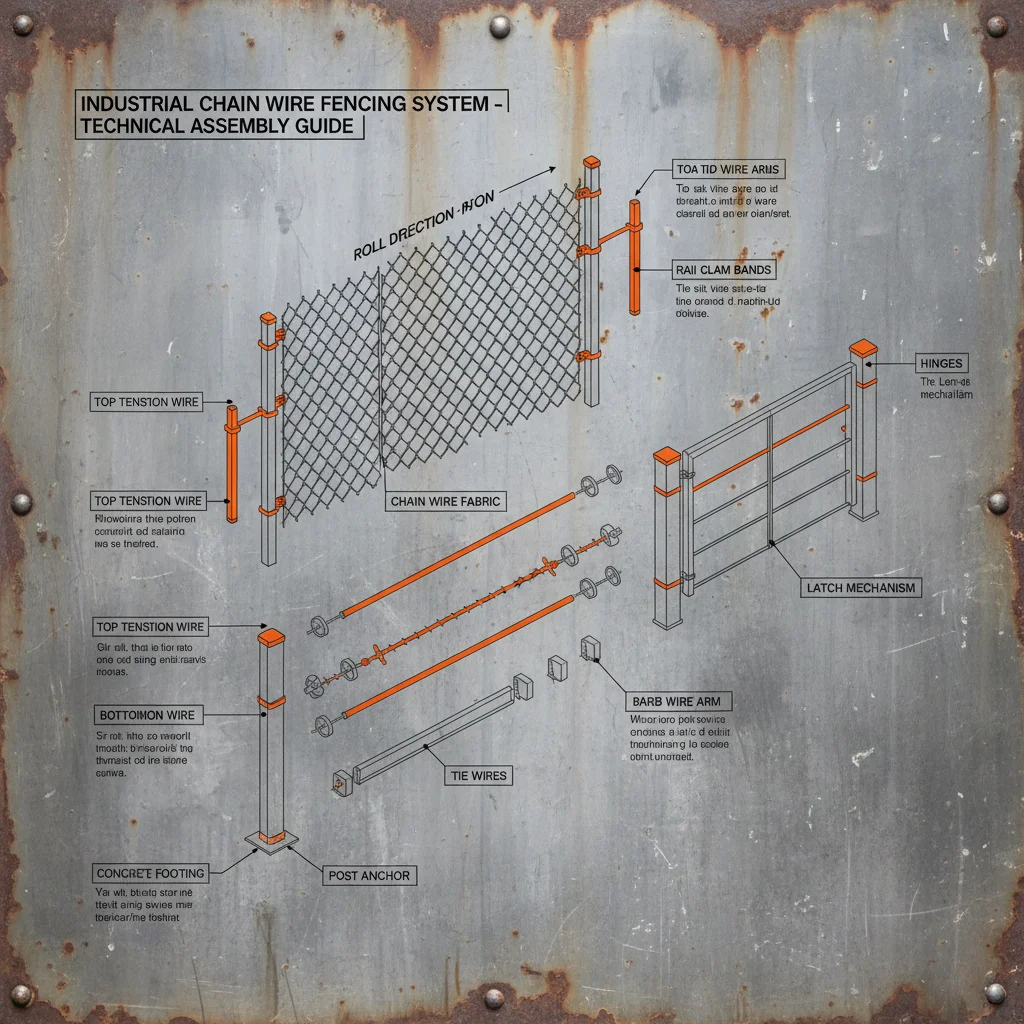
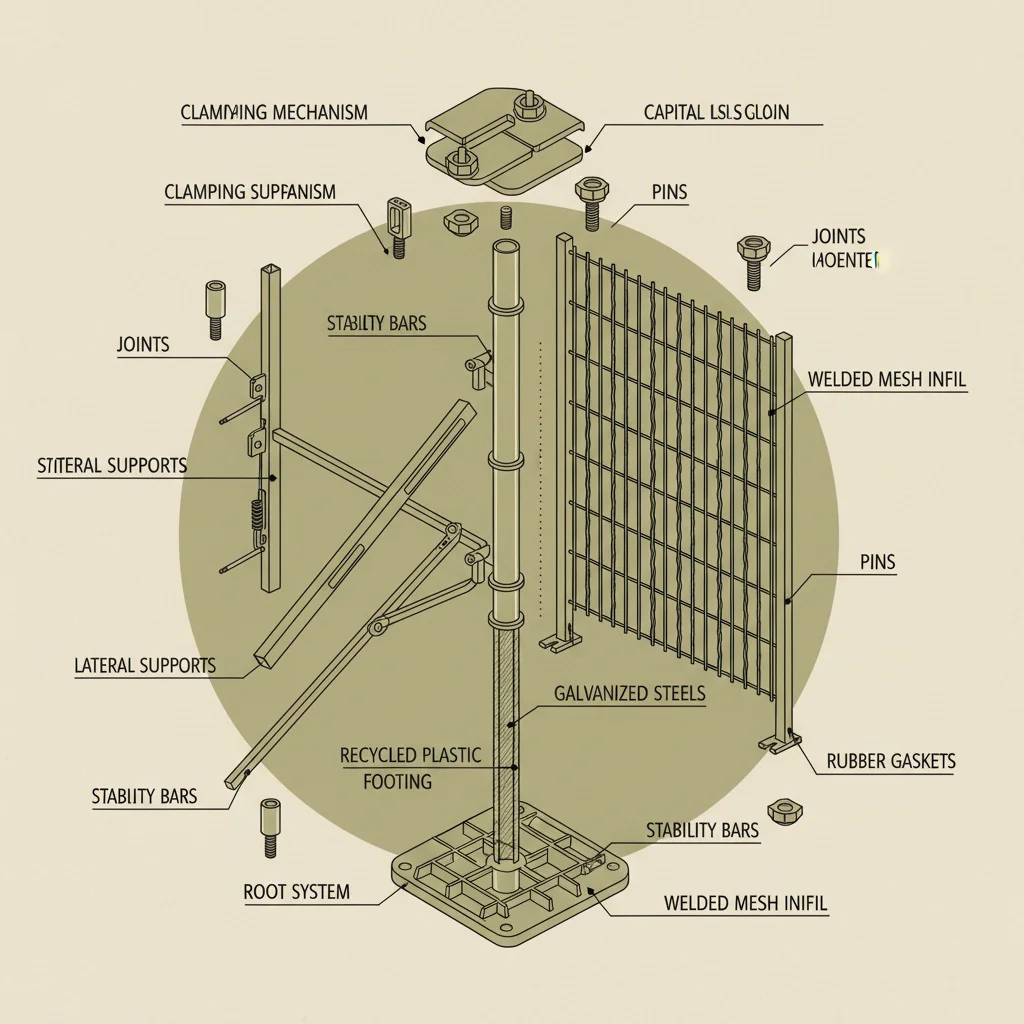
To be honest, the cattle panel market has been… interesting lately. Everyone’s chasing higher tensile strength, thinner gauge wire, and coatings that supposedly last forever. Sounds good on paper, right? But you spend enough time on sites like I do, and you realize a lot of that is marketing fluff.
What's really trending is demand for faster installation. Farmers and ranchers don’t have time to fiddle around all day. They need panels that go up quick, stay up strong, and don’t require constant maintenance. And believe it or not, there’s a growing push for… aesthetics. People want panels that *look* good, not just *function* well, especially for things like horse paddocks or landscaping.
What's Trending and Common Design Pitfalls
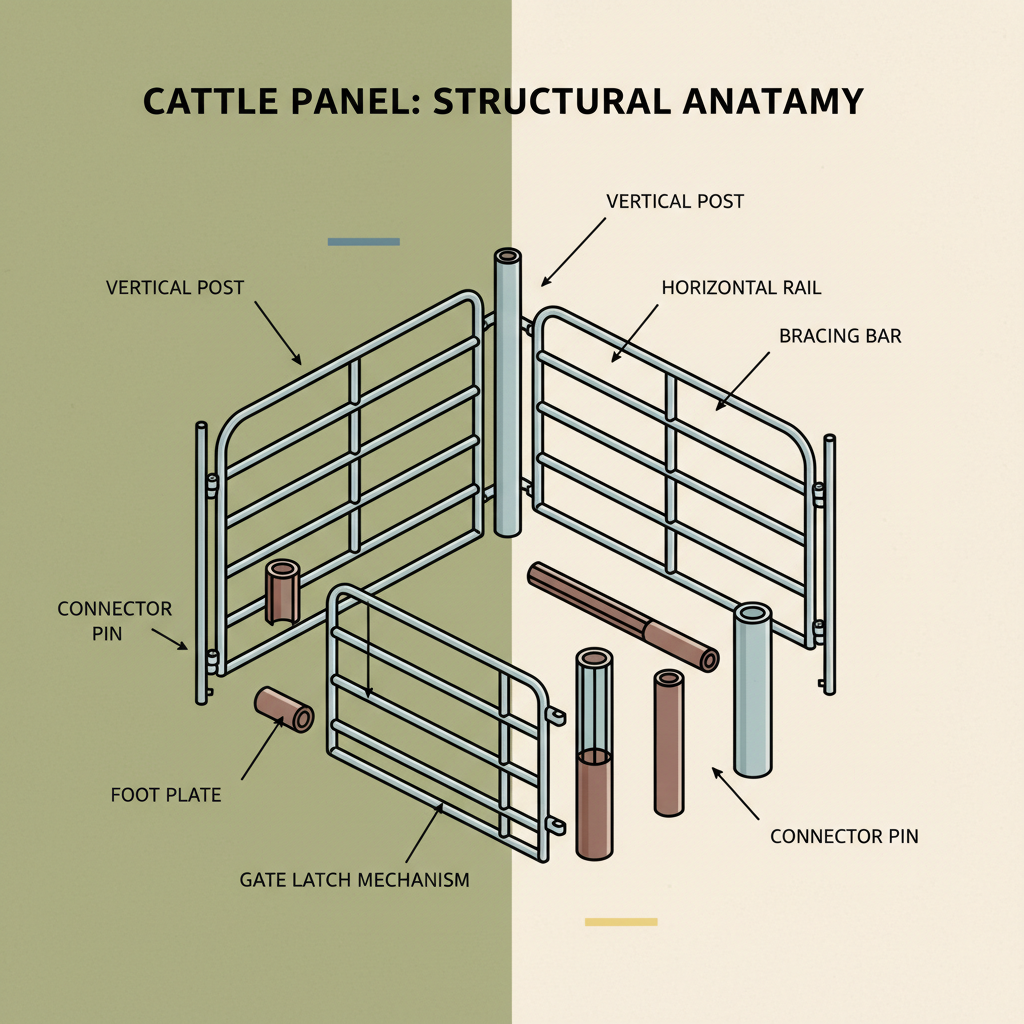
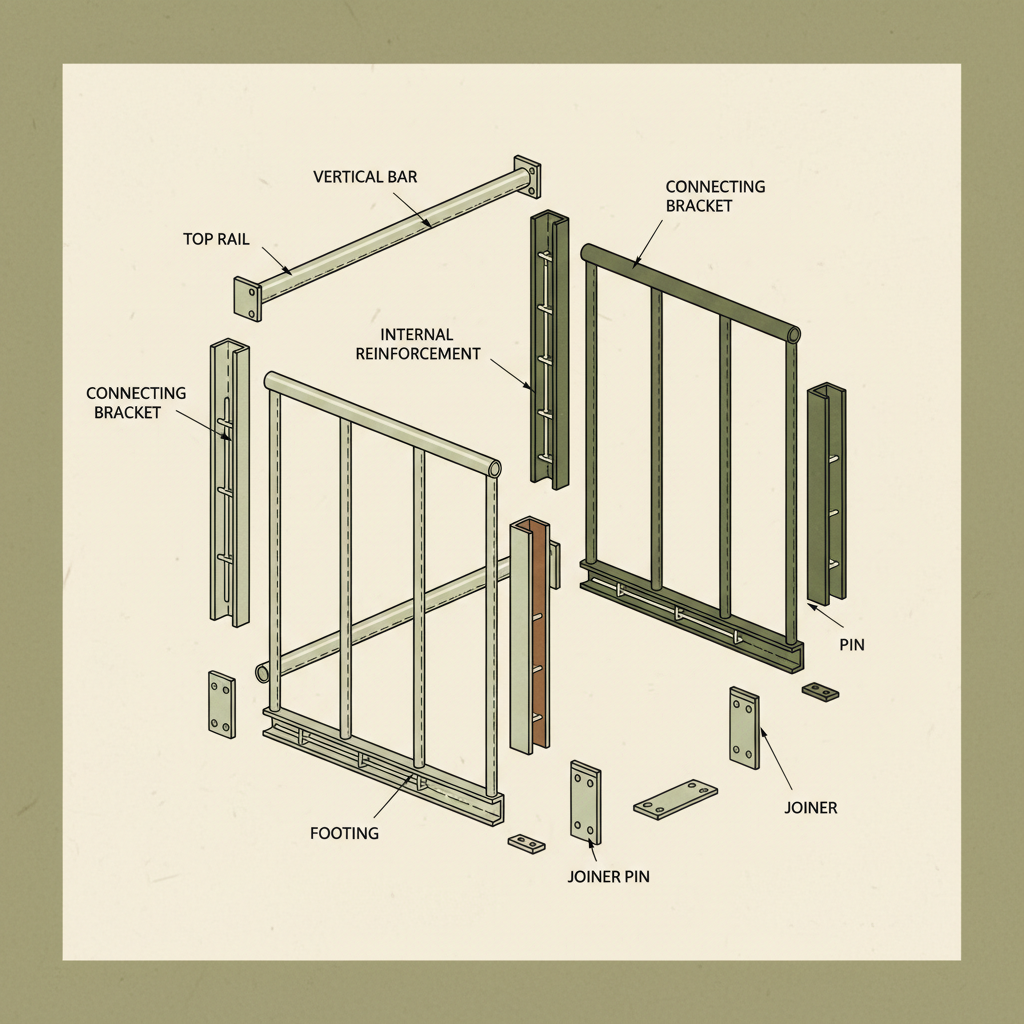
Have you noticed how many manufacturers are trying to cram more vertical wires into a panel? They think it makes it stronger. Sometimes it does, but it also makes it *way* more prone to bending and fatigue over time, especially if the wire isn't properly tempered. That’s a mistake I’ve seen repeated more times than I care to admit. And don't even get me started on poorly designed gate attachments. Seriously, those are always the first things to fail.
And the coating… oh, the coating. Galvanization is still king, but everyone’s trying to one-up each other with fancy polymer coatings. Most of them are just a waste of money, honestly. A good, thick galvanization is all you really need.
Materials: The Feel and the Smell
We mostly deal with Q235 steel for the wire – it’s the standard, for a reason. You can tell a good batch by the smell when they’re cutting it. A clean, metallic smell. If it smells… off, like burning rubber or something, that's a red flag. And the feel of the wire – it should be springy, but not brittle. I’ve been handling steel long enough to tell just by the way it bends.
The steel posts, now those can vary. Some guys are using lighter gauge stuff to save money, and that's just asking for trouble. You want a substantial post, especially in areas with high winds or heavy livestock. And those plastic clips they use to attach the panels? Cheap stuff breaks down in the sun after a few months. The good ones, they're UV stabilized, you can tell by the slightly waxy feel.
And the wire ties... don't even get me started. I've seen it all: rusty, brittle, too short... you end up using more than you need just to be sure.
Real-World Testing – Beyond the Lab
Lab tests are okay, I guess. Tensile strength, yield strength, all that. But that’s not how panels fail in the real world. I encountered this at a cattle ranch in Montana last time. We saw a panel buckle under the weight of snow and a couple of curious calves leaning on it. Lab tests wouldn’t have caught that.
We do our own testing, the old-fashioned way. We lean on the panels, we push on them, we try to bend them. We simulate livestock pushing against them. We even leave panels out in the elements for six months to see how they hold up to sun, rain, and snow. Strangely, the panels that look the prettiest in the showroom are often the ones that fail the fastest in the field.
It's all about how the panel handles *dynamic* loads - things shifting and moving, not just a static weight.
How Users *Actually* Use Cattle Panels
You know, you design these things thinking people will use them a certain way, but they rarely do. People use cattle panels for everything. Fencing, of course, but also as temporary barricades, for making makeshift shelters, even as supports for climbing plants!
I’ve seen ranchers use them to create temporary corrals for sorting livestock, farmers using them to protect young trees from deer, and even homeowners using them to build garden trellises. It's endlessly versatile. Which means they need to be *really* durable, because they're getting abused in ways we never anticipate.
Cattle Panel Performance by Category
The Good, The Bad, and Customization
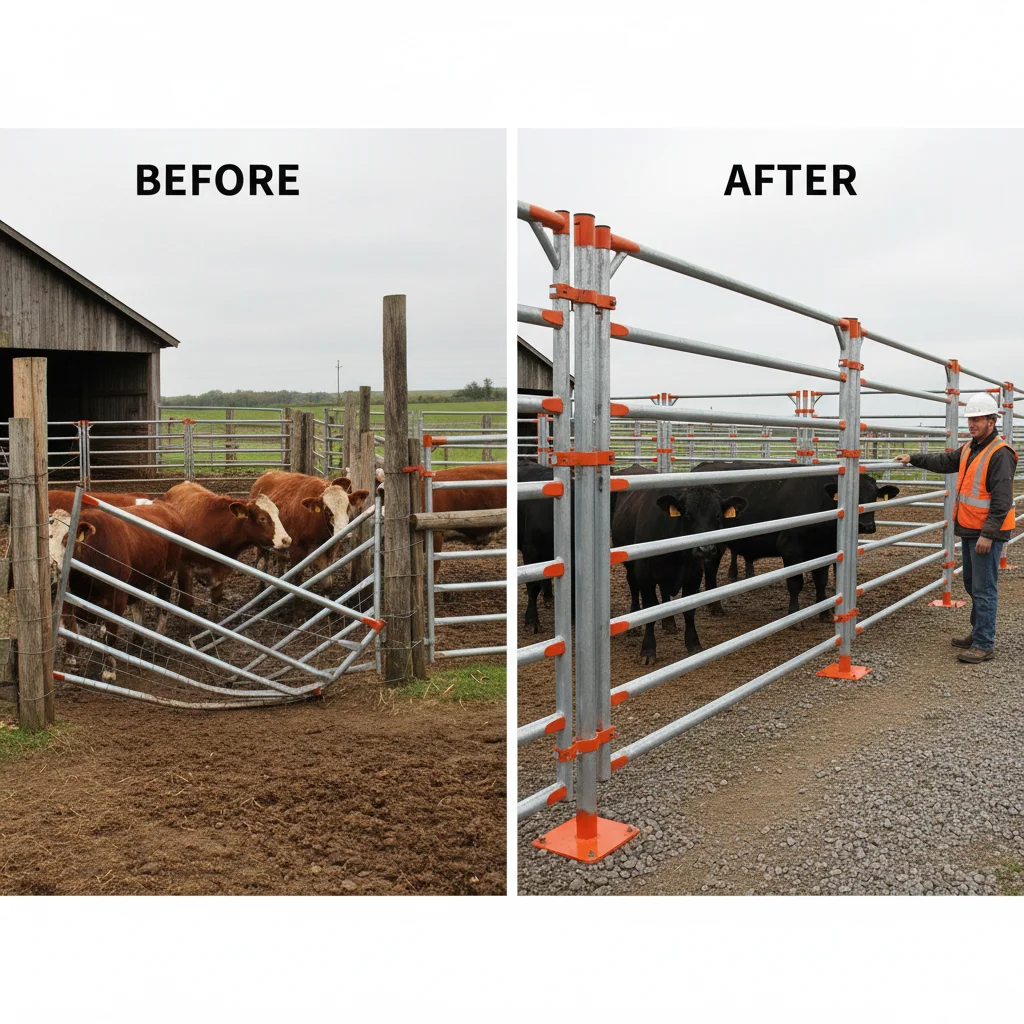
The biggest advantage of cattle panels is their versatility and relatively low cost. They’re a quick and easy way to create a secure enclosure. But they're not perfect. They can be flimsy if you buy the cheap stuff, and they’re not always the most aesthetically pleasing. And frankly, installation can be a pain if you’re dealing with uneven ground.
Anyway, I think customization is key. We had a customer last year who wanted panels with a smaller mesh size to keep goats from sticking their heads through. It was a bit of a pain to arrange, but we were able to work with the factory to create a custom run. It’s always possible, but it usually adds to the cost and lead time.
A Customer Story from Shenzhen
Last month, that small boss in Shenzhen who makes smart home devices insisted on changing the interface to . He figured it’d be more modern, you know? But it turned out the local welding shops weren't equipped to handle the thinner pins, and we ended up with a batch of panels that were basically unusable. Lost him a lot of time and money, and it was a reminder that sometimes, sticking with the tried-and-true is the best approach.
Later... Forget it, I won’t mention it.
Performance Metrics – Numbers from the Field
We keep a pretty simple spreadsheet. We track failure rates, installation times, and customer complaints. It's nothing fancy, but it gives us a good sense of what's working and what isn't.
We also track corrosion rates in different environments – coastal areas, industrial zones, agricultural land. It's surprisingly variable. And we’ve started measuring deflection under load, using a simple laser level and a few calibrated weights. It's not scientific, but it’s better than nothing.
Basically, we want to know how these panels perform *in the real world*, not just on a spec sheet.
Summary of Key Performance Indicators for Cattle Panels
| Metric |
Low-End Panel |
Mid-Range Panel |
High-End Panel |
| Average Lifespan (Years) |
3-5 |
7-10 |
10+ |
| Installation Time (per Panel - Minutes) |
10-15 |
5-10 |
3-5 |
| Corrosion Resistance (Scale 1-10) |
4 |
7 |
9 |
| Weight Capacity (lbs) |
400 |
600 |
800 |
| Failure Rate (per 100 Panels/Year) |
15 |
5 |
2 |
| Cost per Panel ($) |
20 |
40 |
60 |
FAQS
Honestly, you can’t prevent it entirely. It’s steel, it’s going to rust. But a thick galvanization is your best bet. And regularly applying a protective coating, like a rust inhibitor, can help extend the lifespan. Don’t skimp on the galvanization – it's worth the extra cost in the long run.
It depends on what you're using the panels for. Lighter livestock? A thinner gauge will do. Big, strong bulls? You’ll need something heavier. I usually recommend at least a 12.5 gauge wire for general-purpose fencing, but 11.5 is even better if you can afford it. A good rule of thumb is, when in doubt, go heavier.
That’s a tricky one. Horses are more sensitive to metal fencing than cattle. They can injure themselves if they get tangled in the wires. If you’re using panels for horses, you definitely need to use smooth wire panels and make sure there are no sharp edges. And even then, it's not ideal. Wood fencing is generally safer for horses.
Galvanization is a zinc coating that protects the steel from rust. It’s the standard for a reason. Powder coating is a colored coating applied over the galvanization. It looks nice, but it doesn't offer much extra corrosion protection. And it can scratch off easily. Honestly, I usually skip the powder coating.
Uneven ground is always a pain. You’ll need to use adjustable posts or build up the ground around the posts to ensure the panels are level and secure. Don’t try to force it – you’ll end up bending the panels or damaging the posts. And make sure the ground is well-drained to prevent the posts from sinking over time.
Absolutely. That’s one of their biggest advantages. They’re quick and easy to set up and take down. But make sure the panels are securely anchored to the ground. You don’t want them collapsing on your animals. And be careful about leaving sharp edges exposed. It's all about being mindful of safety.
Conclusion
Ultimately, cattle panels are a workhorse product. They're not fancy, they're not glamorous, but they get the job done. They're a cost-effective way to create a secure and durable enclosure for livestock or a variety of other applications. We’ve seen them used in everything from farms and ranches to construction sites and event venues.
But remember, the quality of the panel matters. Don't skimp on materials or construction. Because ultimately, whether this thing works or not, the worker will know the moment he tightens the screw. And if the screw doesn't hold, well, you've got a problem. Visit our website for more information: cattle panel manufacturers.