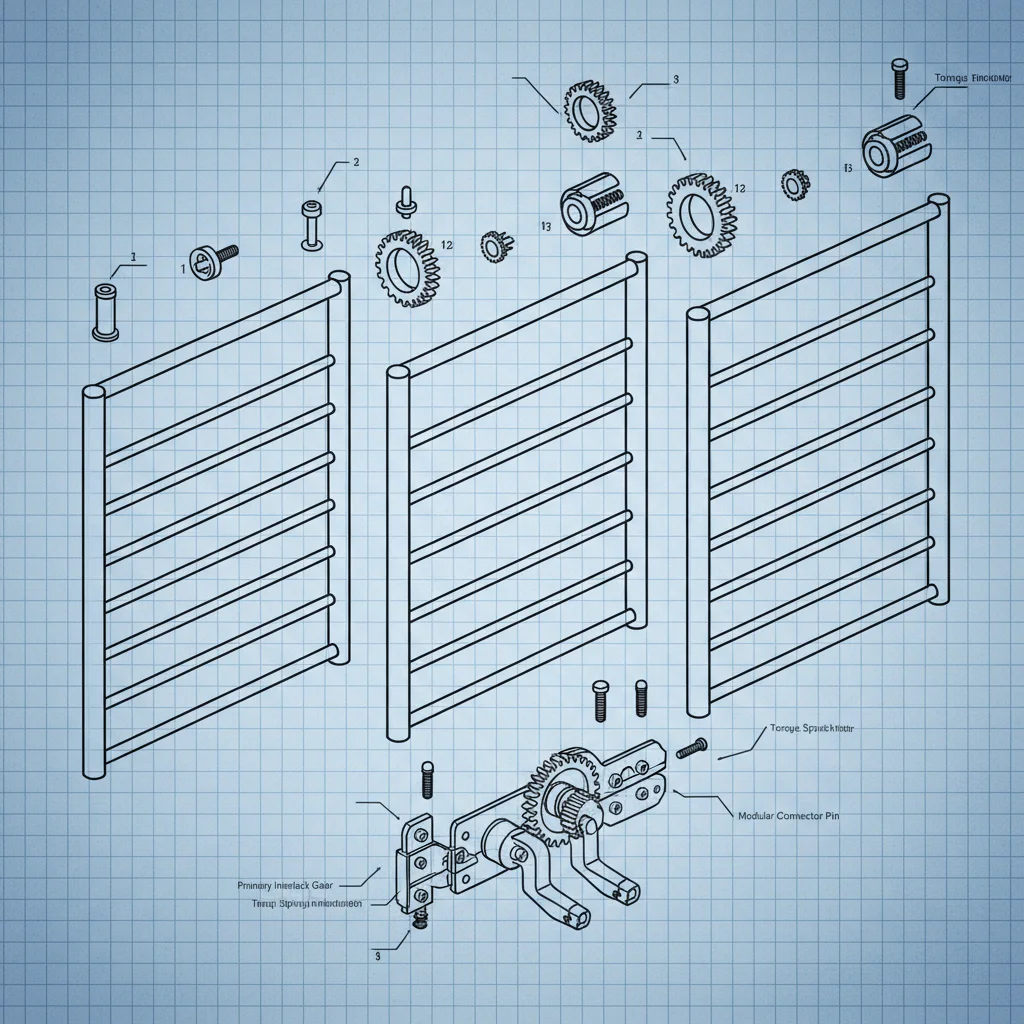

temporary fence panel manufacturers
  • home
  • Top Blog
  • Comprehensive Guide to Chain Wire Fencing Supplies and Applications
0%

Table of Contents

Chain wire fencing supplies play a critical role in security, containment, and safety across a diverse range of applications globally. From agricultural boundaries and industrial sites to residential perimeters and high-security facilities, the demand for reliable and durable fencing solutions is constantly increasing. Understanding the nuances of chain wire fencing supplies—including material composition, manufacturing processes, and installation techniques—is crucial for professionals and end-users alike, ensuring optimal performance and longevity. This knowledge empowers informed decision-making and efficient project execution.

The global market for chain wire fencing supplies is significantly impacted by infrastructure development, urbanization, and security concerns. According to market research reports, the fencing market is projected to experience steady growth in the coming years, driven by factors like increasing border control measures, rising demand for animal containment in agriculture, and the need for secure perimeters in commercial and industrial sectors. Furthermore, the growing emphasis on safety and security in public spaces is bolstering the demand for high-quality chain wire fencing supplies.

Investing in understanding chain wire fencing supplies isn't merely about purchasing a product; it’s about securing assets, protecting communities, and creating safe environments. Effective fencing solutions contribute to public safety, prevent unauthorized access, and enhance the overall quality of life. Whether it's a small residential project or a large-scale industrial undertaking, the appropriate chain wire fencing supplies are essential for achieving desired outcomes.
chain wire fencing supplies

Introduction to chain wire fencing supplies
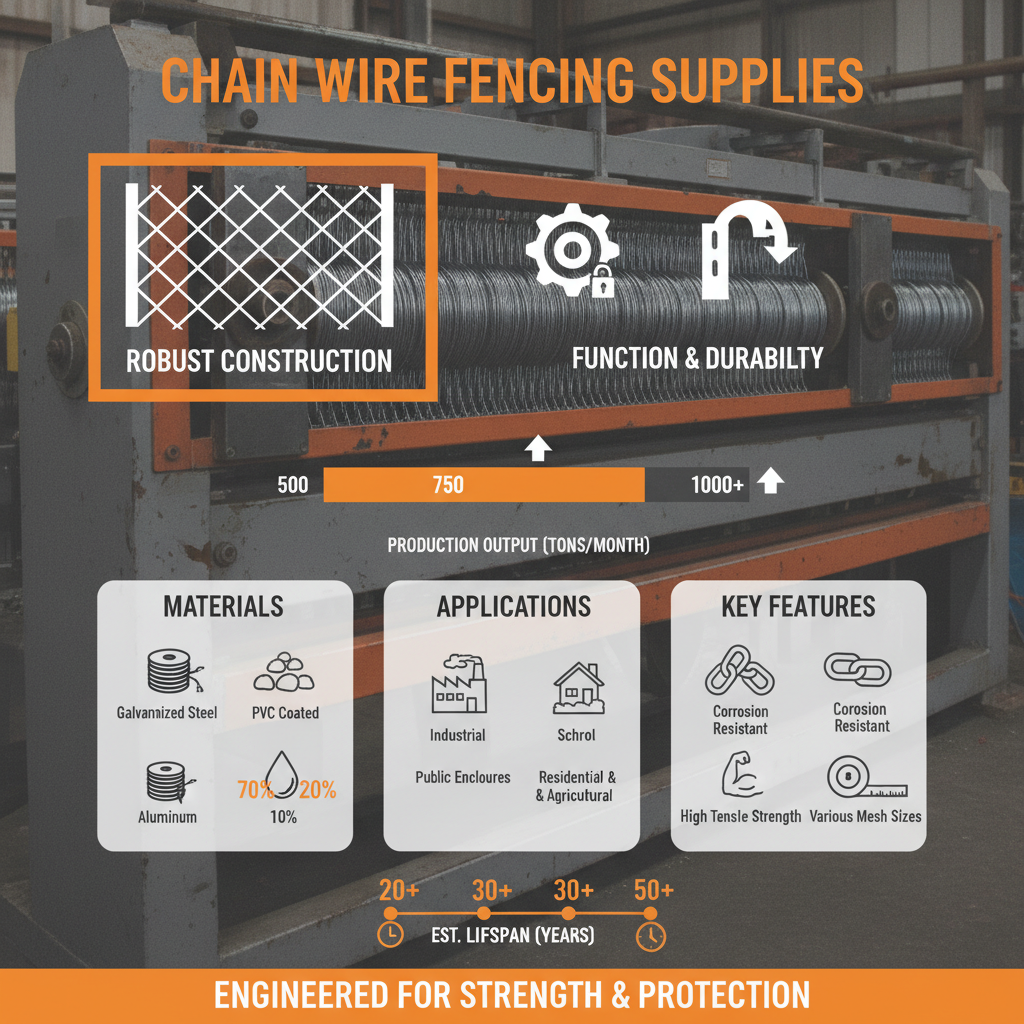
chain wire fencing supplies

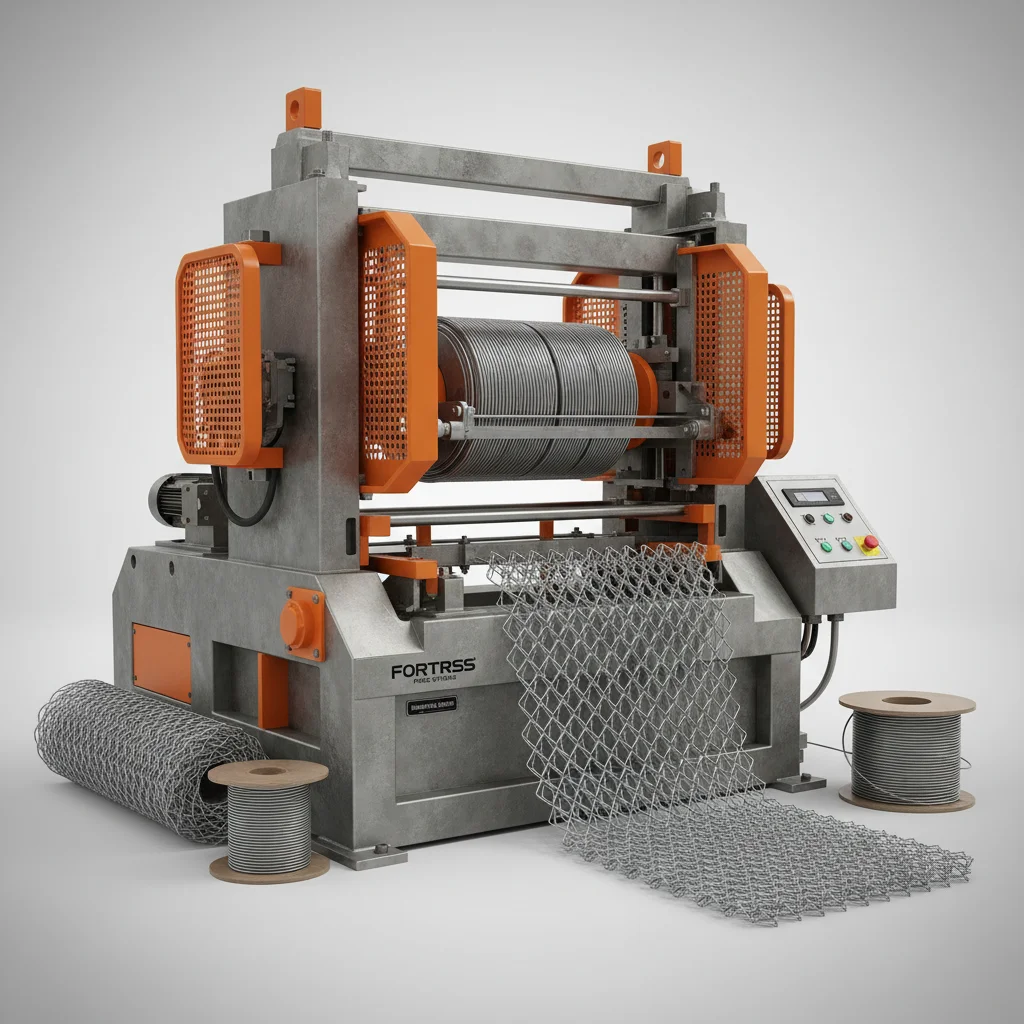
Chain wire fencing supplies, also known as hurricane fencing or cyclone fencing, are a versatile and cost-effective solution for a wide array of applications. The core of this fencing system lies in its woven steel wire mesh, known for its strength and durability. This mesh is typically galvanized or PVC-coated to enhance resistance to corrosion and environmental factors. Choosing the right chain wire fencing supplies requires understanding the specific needs of the application, considering factors like height, gauge of wire, mesh size, and post materials. chain wire fencing supplies offers a comprehensive range of options.

The popularity of chain wire fencing stems from its inherent advantages: relative ease of installation, affordability, and long-lasting performance. Its open weave allows for good visibility, making it suitable for applications where security needs to be balanced with clear sightlines. Modern chain wire fencing supplies also incorporate advancements in coating technologies and post materials, further enhancing their lifespan and aesthetic appeal.

Defining Chain Wire Fencing Supplies

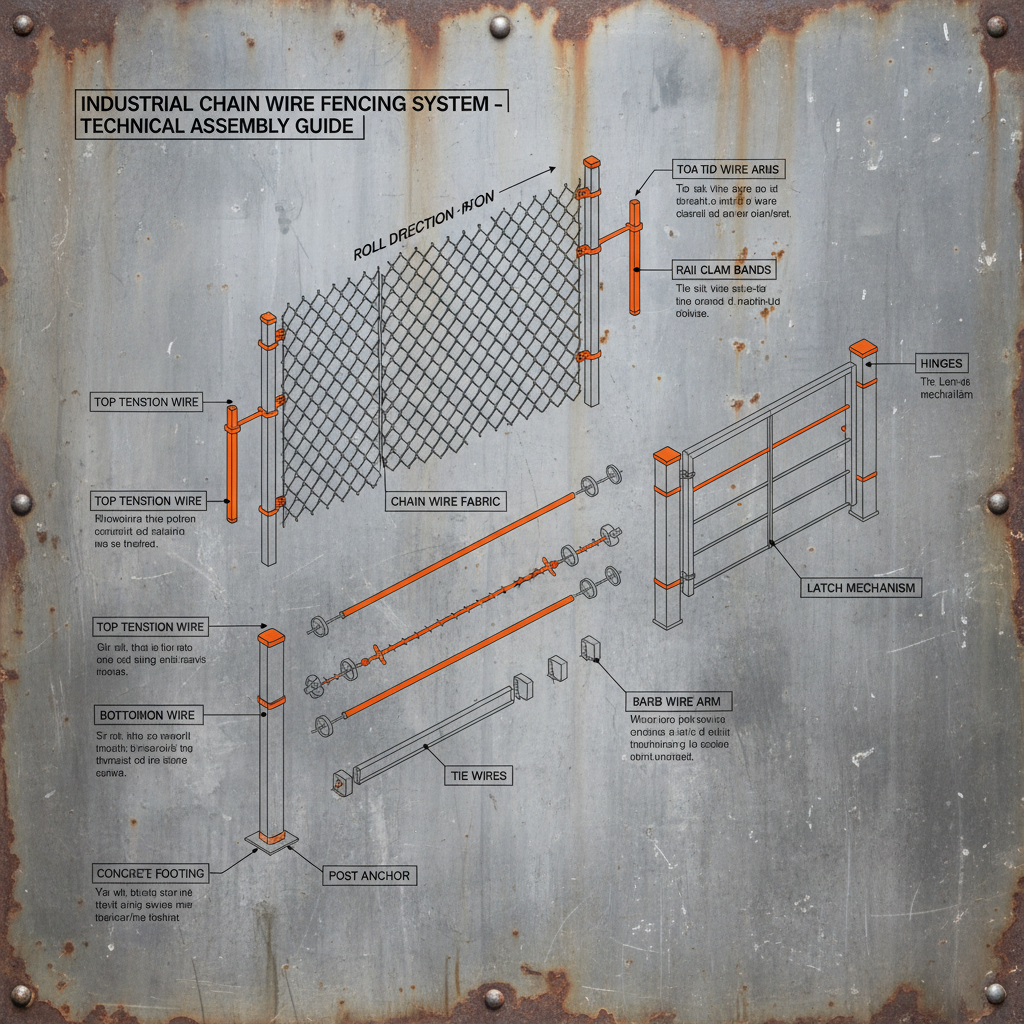
Chain wire fencing supplies encompass all the components required to construct a chain wire fence. This includes the chain wire fabric itself, which is the interwoven steel mesh; posts, which provide the structural support; rails or top rails, which run horizontally along the posts to secure the fabric; tension bands and braces, used to tighten and stabilize the fence; and various fittings such as caps, sleeves, and tie wires. Different gauges of wire, mesh sizes, and coating types affect the overall strength, security, and lifespan of the fence.

The connection to modern industry and humanitarian needs is significant. In industrial settings, chain wire fencing supplies provide secure perimeters for protecting valuable assets and controlling access. In disaster relief scenarios, they can be quickly deployed to establish temporary shelters, secure supply depots, or delineate safe zones. chain wire fencing supplies are often specified in government contracts and large-scale infrastructure projects due to their reliability and cost-effectiveness.

Beyond physical security, chain wire fencing supplies contribute to broader societal well-being by enhancing safety in public spaces, containing livestock in agricultural settings, and providing a visual barrier to prevent accidents. Its adaptable nature makes it a practical solution for a wide range of applications, cementing its importance in both developed and developing nations.

Core Components of Chain Wire Fencing

The essential components of chain wire fencing are the fabric, posts, and tensioning system. The fabric, woven from galvanized or PVC-coated steel wire, determines the fence’s strength and security level. Post materials commonly include steel, aluminum, and wood, each offering different levels of durability and cost. The type of post chosen significantly impacts the overall stability and longevity of the fence.

Tensioning systems, comprising tension bands, braces, and tension wire, are crucial for maintaining the proper tension in the fabric. Correct tension is vital for preventing sagging, ensuring security, and prolonging the fence’s lifespan. Different tensioning methods exist, ranging from traditional hand-tightening to more sophisticated mechanical systems. These components work synergistically to deliver a robust and reliable fencing solution.

Furthermore, accessories like caps, sleeves, and tie wires play a supporting role in completing the fence installation. Caps prevent water accumulation in posts, reducing corrosion, while sleeves provide a smooth and secure connection between posts and rails. Tie wires securely fasten the fabric to the posts, ensuring the fence remains intact. Properly selected and installed components contribute to the overall integrity of the chain wire fencing system.

Key Factors Influencing Performance

Durability is a primary factor influencing the performance of chain wire fencing supplies. The gauge of the wire, the type of coating (galvanization or PVC), and the quality of the steel all contribute to the fence's resistance to corrosion, weathering, and physical damage. Heavier gauge wire and robust coatings provide enhanced protection and longevity.

Scalability is another crucial aspect. Chain wire fencing can be easily adapted to different terrains and project requirements. The height of the fence can be adjusted to meet specific security needs, and the spacing between posts can be modified to accommodate varying site conditions. This flexibility makes it a versatile solution for a wide range of applications.

Chain Wire Fencing Supplies Performance Metrics

Global Applications and Use Cases

Chain wire fencing supplies find widespread application in agricultural settings, used to contain livestock, protect crops, and delineate property boundaries. Their affordability and durability make them a practical choice for farmers and ranchers.

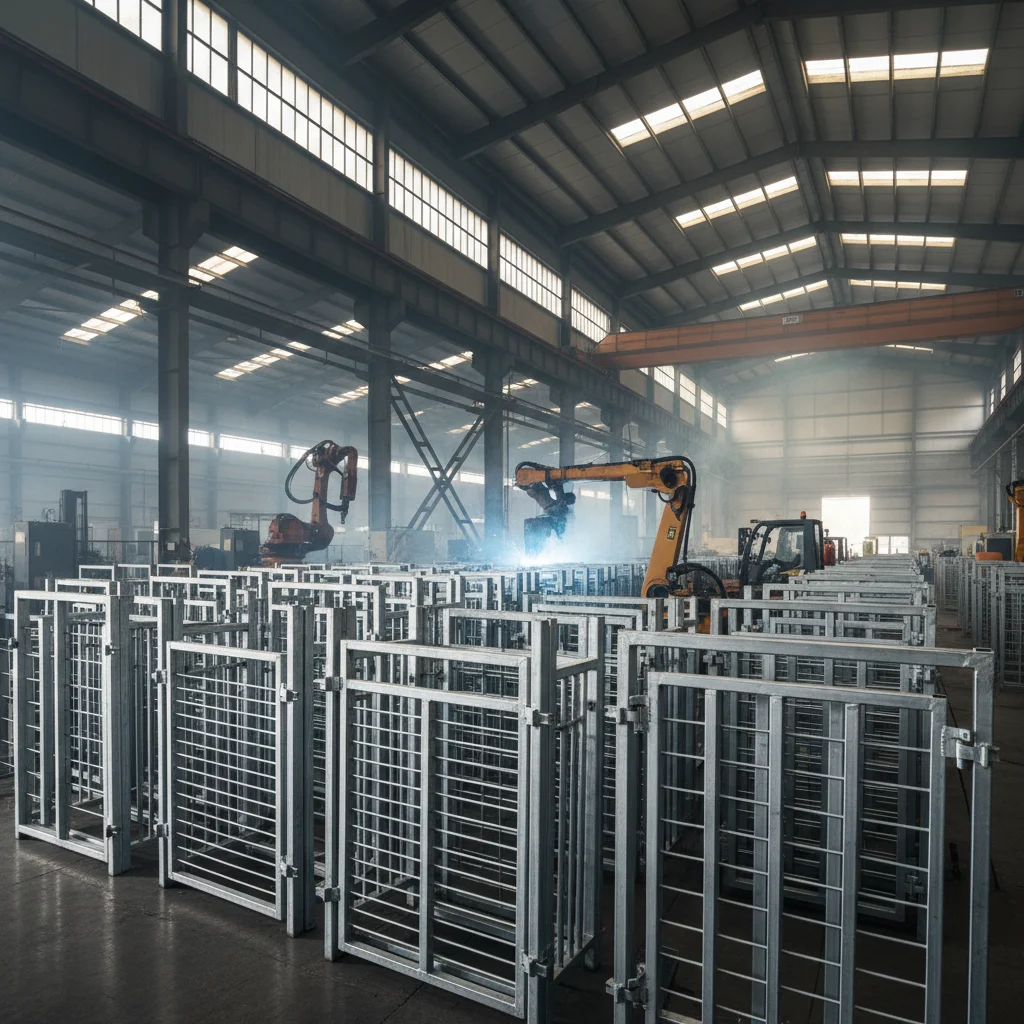
In industrial and commercial sectors, they provide secure perimeters for protecting facilities, equipment, and inventory. They are commonly used around factories, warehouses, construction sites, and utility plants. In post-disaster relief operations, chain wire fencing supplies can be rapidly deployed to establish temporary security perimeters and manage access to aid distribution points.

Advantages and Long-Term Value

The cost-effectiveness of chain wire fencing supplies is a significant advantage, particularly for large-scale projects. Compared to other fencing options, such as wrought iron or wood, chain wire offers a similar level of security at a lower price point. This makes it accessible to a broader range of customers.

The long-term value stems from its durability and low maintenance requirements. Properly installed and maintained chain wire fencing can last for decades, providing a reliable security solution with minimal upkeep. This reduces the total cost of ownership over the lifespan of the fence, making it a sound investment.

Furthermore, chain wire fencing enhances safety and security, providing peace of mind to property owners and contributing to a safer community. Its ability to deter unauthorized access and protect valuable assets reinforces its long-term value, both economically and socially.

Future Trends and Innovations

Innovation in coating technologies is driving the development of chain wire fencing supplies with enhanced corrosion resistance and aesthetic appeal. Powder coating, for example, offers a more durable and environmentally friendly alternative to traditional galvanization.

The integration of smart technologies, such as sensors and alarms, is emerging as a trend. These features can enhance security by detecting intrusions, monitoring fence integrity, and alerting authorities in real-time. Digital transformation is impacting the manufacturing and distribution of chain wire fencing supplies, improving efficiency and supply chain management.

Sustainability is also gaining prominence, with manufacturers exploring the use of recycled materials and eco-friendly production processes. The demand for environmentally responsible fencing solutions is expected to increase as concerns about climate change and resource conservation grow.

Challenges and Solutions

A common challenge associated with chain wire fencing is potential for sagging or stretching over time, especially in areas with fluctuating temperatures or heavy loads. This can compromise the fence's security and aesthetic appeal.

The solution lies in proper installation techniques, including ensuring adequate tensioning, using high-quality posts and fittings, and selecting appropriate wire gauge and mesh size for the specific application. Regular maintenance, such as re-tensioning the fabric and repairing any damage, is also crucial for preventing sagging. chain wire fencing supplies offers expert guidance on installation and maintenance.

Summary of Chain Wire Fencing Performance Factors

Component Material Quality Installation Standard Maintenance Frequency
Chain Wire Fabric High tensile steel (8/10) Professional Installation (9/10) Annual Inspection (7/10)
Support Posts Galvanized Steel (7/10) Proper Post Depth (8/10) Bi-Annual Check (6/10)
Tensioning System Stainless Steel (9/10) Correct Tension Application (9/10) As Needed Adjustment (8/10)
Coating (Galvanization/PVC) Heavy Duty Galvanization (8/10) Uniform Coating Coverage (7/10) Regular Cleaning (5/10)
Accessories (Caps, Sleeves) UV Resistant Plastic (6/10) Secure Attachment (7/10) Replacement if Damaged (6/10)
Overall System Integrity High Quality Materials (8/10) Professional Expertise (9/10) Consistent Monitoring (7/10)

FAQS

What is the typical lifespan of a properly installed chain wire fence?

A well-maintained chain wire fence, especially one using high-quality galvanized or PVC-coated wire and sturdy posts, can easily last 20-30 years or even longer. Factors like climate, soil conditions, and maintenance frequency significantly influence longevity. Regular inspections and prompt repairs are essential to maximize the lifespan of the fence.

How does PVC coating affect the durability of chain wire?

PVC coating provides an extra layer of protection against corrosion, UV damage, and abrasion, significantly extending the life of the chain wire. It helps prevent rust and maintains the fence's appearance over time. While more expensive than galvanization alone, the added durability makes PVC coating a worthwhile investment, especially in harsh environments.

What is the recommended post spacing for chain wire fencing?

The standard post spacing for chain wire fencing is typically 8 to 10 feet, depending on the height of the fence and the terrain. Closer spacing is recommended for taller fences and areas prone to strong winds. Proper post spacing ensures adequate support and prevents sagging of the chain wire fabric. Always consult with a fencing professional to determine the optimal spacing for your specific needs.

How can I prevent sagging in my chain wire fence?

Preventing sagging involves proper installation with sufficient tension, sturdy posts, and appropriate spacing. Regularly inspect the fence for any signs of looseness and re-tension the wire as needed. Using high-quality tension bands and braces is crucial. Ensure the posts are set deep enough in the ground to provide adequate support.

Is chain wire fencing a suitable option for high-security applications?

While standard chain wire offers good security, for high-security applications, consider using heavier gauge wire, smaller mesh sizes, and tamper-resistant fittings. Adding security features like top rails with anti-climb extensions or barbed wire can further enhance security. Professional installation and regular inspections are also critical for maintaining a secure perimeter.

What maintenance is required for a chain wire fence?

Regular maintenance includes inspecting for damage, such as broken wires or loose fittings, and making prompt repairs. Re-tensioning the wire as needed is essential to prevent sagging. Cleaning the fence periodically to remove dirt and debris helps maintain its appearance and prolong its lifespan. Periodic applications of rust inhibitors can also protect galvanized surfaces.

Conclusion

Chain wire fencing supplies remain a cornerstone of security, containment, and safety solutions worldwide. Their versatility, cost-effectiveness, and durability make them a practical choice for a wide range of applications, from agricultural boundaries to high-security perimeters. Understanding the key components, performance factors, and future trends in chain wire fencing is essential for informed decision-making and successful project implementation. chain wire fencing supplies provides durable and reliable solutions.

Looking ahead, advancements in materials, coating technologies, and smart fencing systems will continue to enhance the performance and value of chain wire fencing. Embracing innovation and sustainable practices will be crucial for meeting the evolving needs of a dynamic world. By investing in quality chain wire fencing supplies and proper installation, we can create safer, more secure, and more sustainable environments for communities and businesses alike.

David Miller

David Miller

David Miller is the North American Sales Manager for Anping Haotian Hardware Wire Mesh Products Co., Ltd. With over 8 years of experience in the building materials industry, David specializes in connecting distributors and retailers with high-quality fencing solutions. He’s deeply familiar with US market demands and building codes, ensuring Haotian’s products consistently meet and exceed expectations. David holds a Bachelor's degree in Business Administration and is a dedicated professional committed to building long-term relationships with clients. He frequently contributes to industry publications, sharing insights on the latest advancements in wire mesh technology and applications. He is a key driver in Haotian's growth within the US market.
Previous Comprehensive Guide to Chain Link Fencing Supplies and Industry Applications
Next Comprehensive Guide to High Tensile Fence Supplies for Security and Agriculture

If you are interested in our products, you can choose to leave your information here, and we will be in touch with you shortly.