
temporary fence panel manufacturers
  • home
  • Top Blog
  • Comprehensive Guide to Chain Link Fencing Supplies and Industry Applications
0%

Table of Contents

Chain link fencing supplies are fundamental components in a vast array of applications, ranging from securing residential properties and industrial sites to establishing boundaries in agricultural settings. Their robust construction and cost-effectiveness have cemented their position as a staple in the security and containment industry worldwide. Understanding the nuances of these supplies – from the gauge of the wire to the coating types – is crucial for ensuring longevity, security, and optimal performance in diverse environments.

The global demand for chain link fencing supplies is consistently high, driven by factors like population growth, urbanization, and increasing security concerns. According to industry reports, the market is projected to continue expanding in the coming years, with significant growth anticipated in developing regions undergoing rapid infrastructure development. This growth underscores the enduring relevance of chain link fencing as a practical and reliable solution for perimeter security.

Beyond simple containment, modern chain link fencing supplies are increasingly utilized in specialized applications such as animal enclosures, tennis courts, and even as a structural element in temporary shelters. This versatility, combined with ease of installation and maintenance, positions chain link fencing as a compelling choice across various sectors, making its efficient sourcing and application a priority for businesses and individuals alike.
chain link fencing supplies

Introduction to Chain Link Fencing Supplies
chain link fencing supplies

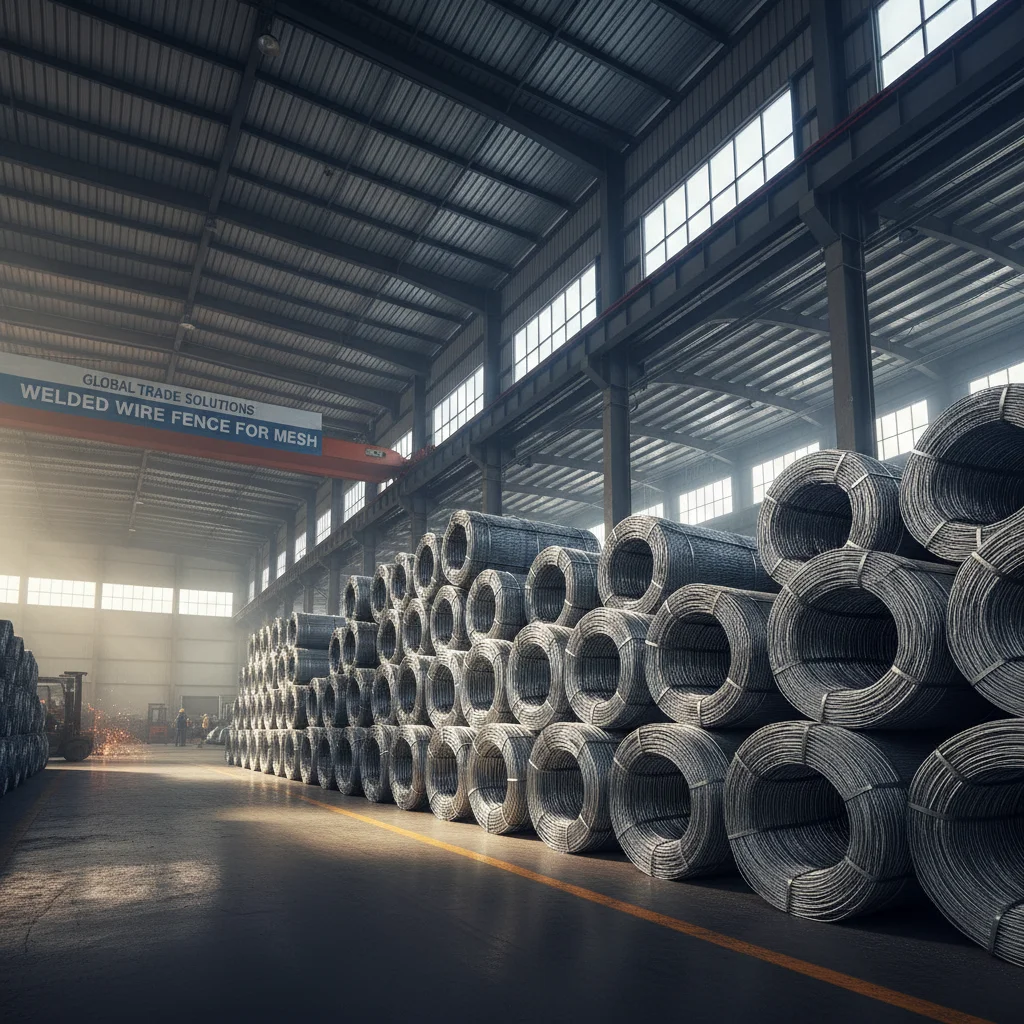
Chain link fencing supplies encompass all the materials necessary to construct a durable and secure barrier using woven wire mesh. This includes the wire itself – typically galvanized steel, but also available in options like vinyl-coated steel and stainless steel – along with posts, rails, fittings, and accessories like tension bands and brace bands. Sourcing quality chain link fencing supplies is paramount to the fence’s overall performance and longevity.

The prevalence of chain link fencing stems from its remarkable combination of affordability, security, and versatility. It’s a commonly used solution for perimeter control, ensuring property boundaries are clearly defined and protected. Its open-weave design allows for visibility, a crucial feature in many applications, and facilitates airflow, preventing wind loading issues often encountered with solid fences.

Defining Chain Link Fencing Supplies

Chain link fencing supplies are those materials used in the creation of a fence composed of interwoven strands of metal wire forming a diamond pattern. The ‘chain link’ refers to this specific weaving method, creating a strong yet relatively flexible barrier. These supplies are integral to securing properties, delineating boundaries, and containing animals or materials.

In modern industry, chain link fencing isn't merely about security; it plays a role in maintaining safety standards, managing access control, and even enhancing aesthetic appeal when combined with screening materials like privacy slats. The readily available nature of chain link fencing supplies makes it a quick and efficient solution for various construction and security needs.

From a humanitarian perspective, these supplies can be critical in establishing temporary camps for displaced populations, providing a sense of safety and order in chaotic situations. The speed of installation and relatively low cost make it an ideal choice for rapid deployment scenarios, responding to immediate needs in emergency relief efforts.

Core Components of Chain Link Fencing

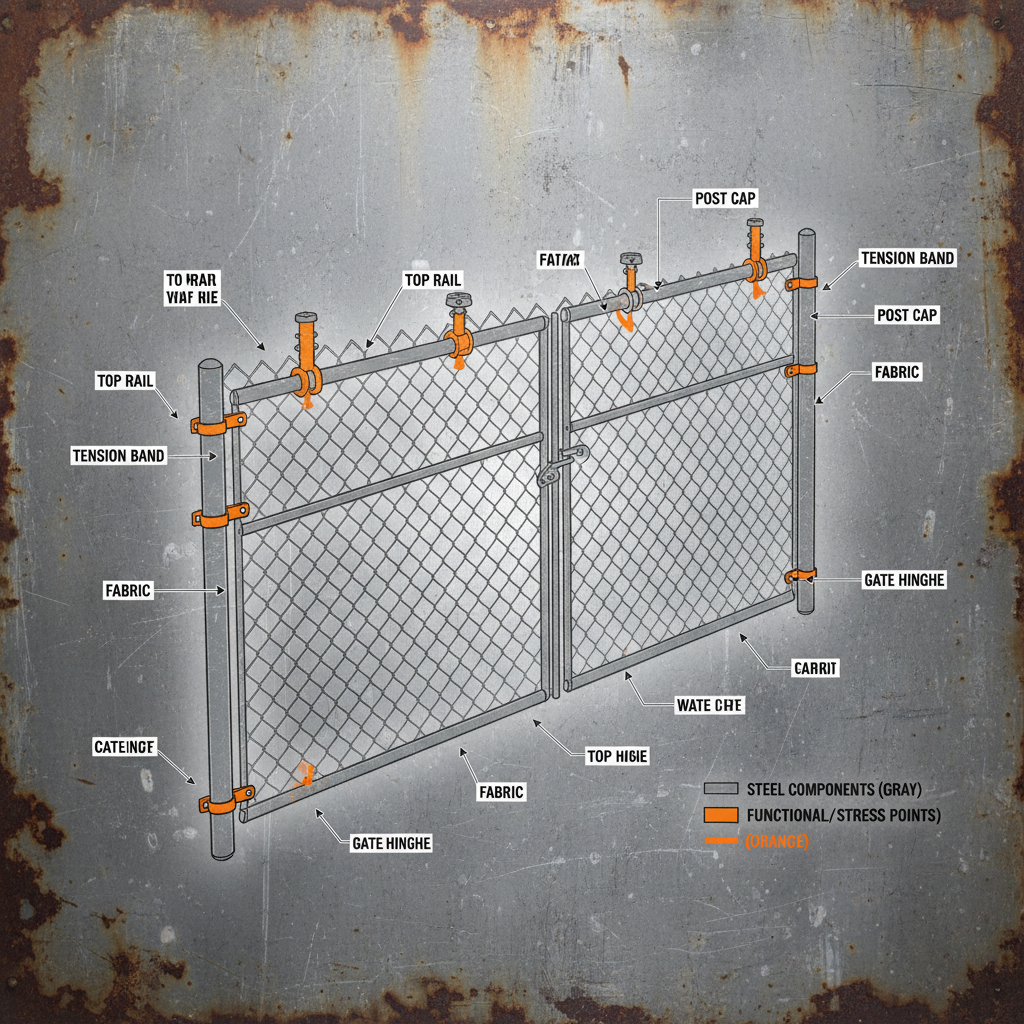
The core of any chain link fencing system revolves around several key components. First, the fabric – the woven wire mesh itself – dictates the overall strength and security level. This fabric is manufactured in various gauges (wire thickness) and mesh sizes (diamond opening dimensions). Next are the posts, typically steel pipes driven into the ground, providing the structural support for the fence.

Rails, horizontal supports connecting the terminal posts, are essential for maintaining the tension and alignment of the fabric. Fittings like tension bands, brace bands, and post caps are used to secure the fabric to the posts and provide additional stability. Lastly, accessories such as gates, latches, and tension wire complete the system, offering access control and enhancing the overall functionality.

The quality of each component significantly impacts the fence’s performance. Investing in durable, corrosion-resistant chain link fencing supplies – such as galvanized or vinyl-coated materials – ensures a longer lifespan and reduced maintenance costs, making it a cost-effective solution in the long run.

Key Factors Influencing Chain Link Performance

Several factors dictate the performance and longevity of a chain link fence. Durability, heavily influenced by the material’s resistance to corrosion and weather, is paramount. The gauge of the wire, the type of coating (galvanization, vinyl, etc.), and the quality of the steel all contribute to the fence's ability to withstand environmental stressors.

Scalability refers to the fence’s ability to accommodate varying terrain and property sizes. Chain link fencing is inherently adaptable, allowing for adjustments to post spacing and height to suit specific needs. Cost-efficiency is another crucial factor, as chain link fencing generally represents a lower upfront investment compared to other fencing options like wood or wrought iron.

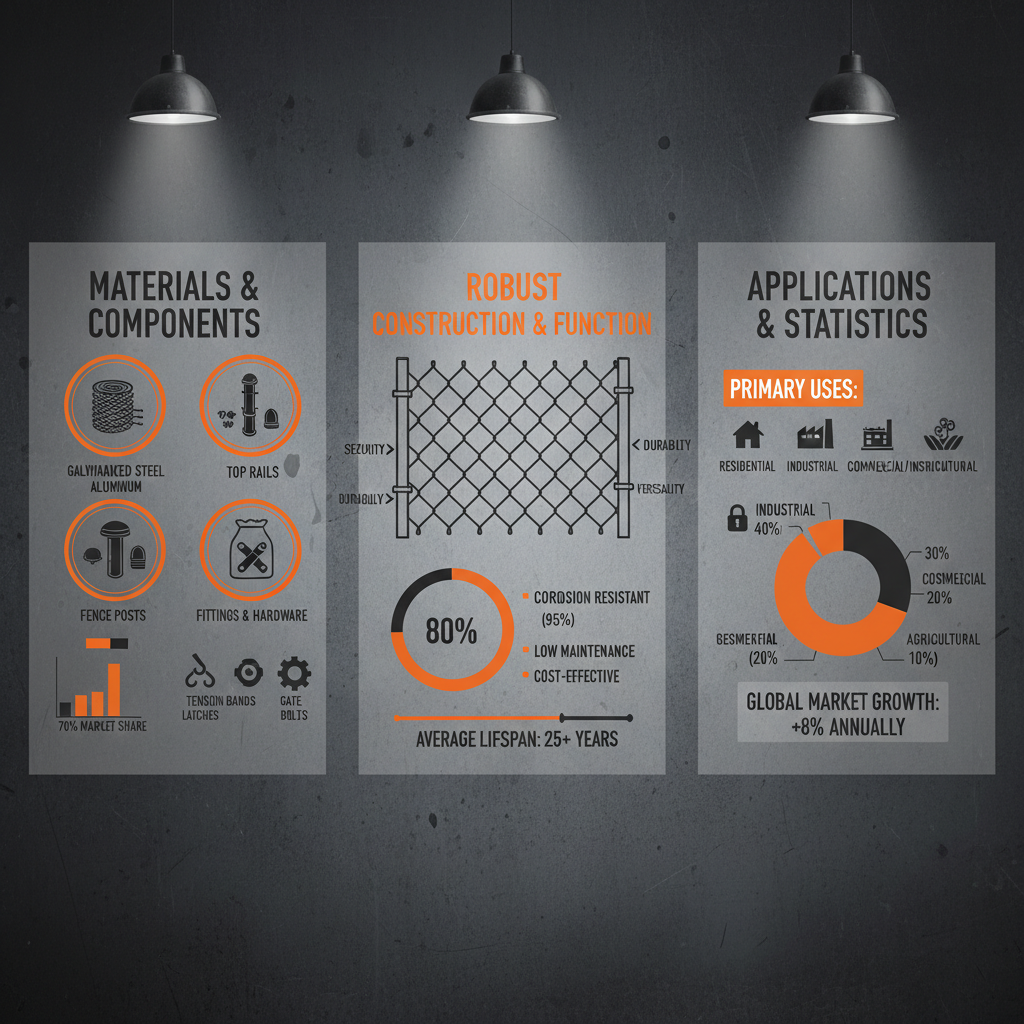
Chain Link Fencing Supply Performance Metrics

Global Applications and Industry Uses

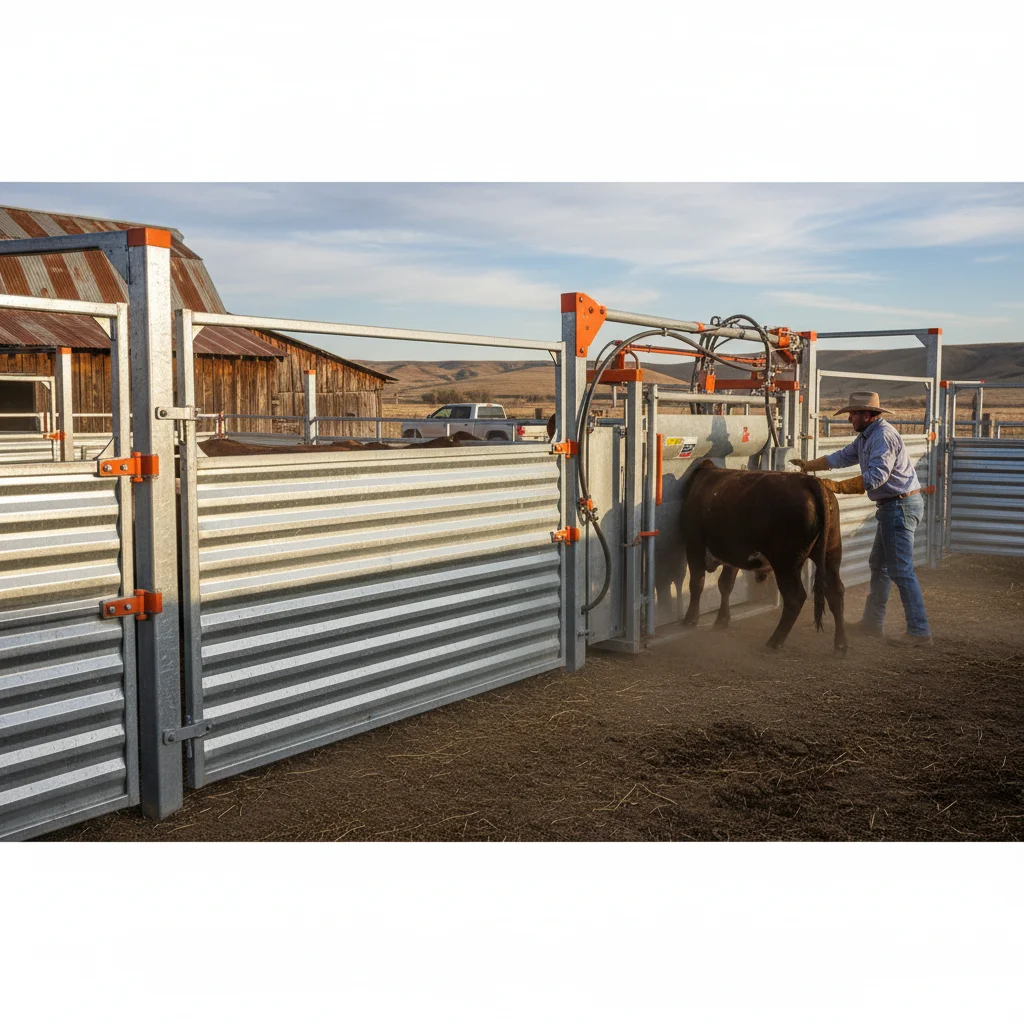
Chain link fencing supplies find widespread application across diverse industries. In agriculture, they are used to create secure enclosures for livestock, protecting animals from predators and preventing them from straying. Security is a major driver in the commercial sector, where chain link fencing safeguards industrial sites, warehouses, and construction zones.

In post-disaster relief operations, chain link fencing is frequently used to establish temporary perimeters, secure aid distribution points, and provide a sense of order in chaotic environments. In remote industrial zones, where security and containment are paramount, chain link fencing supplies offer a cost-effective and reliable solution.

Advantages and Long-Term Value

The advantages of chain link fencing are multifaceted. Cost savings represent a significant benefit, offering comparable security to more expensive options at a lower upfront investment. The durability of galvanized or vinyl-coated chain link ensures a long lifespan, minimizing the need for frequent repairs or replacements.

Beyond financial benefits, chain link fencing contributes to enhanced safety and security, providing peace of mind to property owners and businesses. The ease of installation and maintenance further adds to its value, reducing labor costs and downtime. Ultimately, investing in quality chain link fencing supplies represents a pragmatic and reliable long-term solution.

Future Trends in Chain Link Fencing

The chain link fencing industry is witnessing several emerging trends. The development of new coating technologies, such as advanced polymer coatings, is enhancing corrosion resistance and extending the lifespan of fencing materials. Integration with smart security systems, including sensors and cameras, is transforming chain link fencing into a proactive security solution.

Sustainable manufacturing practices are gaining prominence, with manufacturers increasingly focusing on using recycled materials and reducing their environmental footprint. The demand for aesthetically pleasing chain link fencing solutions is driving innovation in screening materials and design options, allowing for greater customization and visual appeal.

Table Summarizing Key Chain Link Fencing Supply Attributes

Material Type Corrosion Resistance Cost (1-10) Typical Applications
Galvanized Steel Moderate 4 General Security, Agricultural Enclosures
Vinyl-Coated Steel High 7 High-Security, Coastal Environments
Stainless Steel Excellent 10 Corrosive Environments, Critical Infrastructure
Aluminum Good 6 Tennis Courts, Swimming Pools
Black Chain Link Moderate (dependent on coating) 5 Residential Boundaries, Aesthetic Applications
Heavy-Duty Galvanized Very Good 6 Industrial Security, High-Traffic Areas

FAQS

What is the typical lifespan of a galvanized chain link fence?

The lifespan of a galvanized chain link fence typically ranges from 10 to 20 years, depending on environmental conditions and the quality of the galvanization. Coastal areas with high salinity or industrial environments with corrosive pollutants can shorten the lifespan. Regular maintenance, such as cleaning and applying a protective coating, can significantly extend its durability. Proper installation with quality chain link fencing supplies is also critical.

How does vinyl coating affect the cost of chain link fencing?

Vinyl coating increases the upfront cost of chain link fencing due to the additional manufacturing process and material expenses. However, the added corrosion resistance and aesthetic appeal often justify the investment, particularly in harsh environments or where visual aesthetics are important. The increased longevity also reduces long-term maintenance and replacement costs.

What gauge of wire is best for high-security applications?

For high-security applications, a heavier gauge wire – typically 9 or 11 gauge – is recommended. These thicker wires offer greater resistance to cutting and breaking, providing a more robust barrier. Combining a heavier gauge wire with a smaller mesh size further enhances security. Choosing quality chain link fencing supplies is paramount when dealing with high-security situations.

How often should chain link fencing be inspected for maintenance?

Chain link fencing should be inspected at least annually, and more frequently in harsh environments. Look for signs of corrosion, damage to the coating, loose fittings, and sagging wire. Promptly address any issues to prevent further deterioration and maintain the fence's security and structural integrity. Regular inspection ensures the continued effectiveness of your investment in chain link fencing supplies.

Can chain link fencing be used for sound reduction?

While chain link fencing isn't a primary soundproofing solution, it can provide a moderate degree of noise reduction. Adding privacy slats to the chain link fabric significantly improves its sound-dampening capabilities. The slats create a solid barrier that blocks sound waves more effectively. Consider the specific noise reduction requirements when selecting chain link fencing supplies and accessories.

What are the benefits of using stainless steel chain link fencing?

Stainless steel chain link fencing offers exceptional corrosion resistance, making it ideal for coastal areas, industrial environments, and applications requiring maximum durability. Although more expensive upfront, its extended lifespan and minimal maintenance requirements often make it a cost-effective solution in the long run. Stainless steel is a premium option when sourcing chain link fencing supplies for demanding applications.

Conclusion

In conclusion, chain link fencing supplies remain a cornerstone of security, containment, and boundary delineation across a multitude of industries and applications. Their inherent advantages – affordability, durability, scalability, and ease of installation – contribute to their enduring relevance in a constantly evolving landscape. Understanding the nuances of material selection, installation techniques, and maintenance practices is crucial for maximizing the long-term value of these systems.

Looking ahead, continued innovation in coating technologies, smart security integration, and sustainable manufacturing will further enhance the capabilities and appeal of chain link fencing. By staying informed about these trends and prioritizing quality chain link fencing supplies, individuals and organizations can ensure reliable, cost-effective, and long-lasting perimeter security solutions. Visit our website at www.haotianmesh.com to explore our comprehensive range of chain link fencing supplies.
Daniel Wilson

Daniel Wilson

Daniel Wilson is the Quality Control Manager for Haotian's US export operations. Daniel works closely with the factory in Anping to ensure all products meet rigorous quality standards before shipment. He is responsible for verifying compliance with ISO certifications and SGS inspections. His attention to detail and expertise in materials science guarantee the consistency and reliability of Haotian’s wire mesh products. He's committed to maintaining the company's commitment to delivering exceptional quality to its North American customers.
Previous Exploring Comprehensive Temporary Fence Options for Security and Versatility
Next Comprehensive Guide to Chain Wire Fencing Supplies and Applications

If you are interested in our products, you can choose to leave your information here, and we will be in touch with you shortly.