In the modern agricultural landscape, the demand for efficient, durable, and visually integrated containment solutions has led to the widespread adoption of green livestock panels. These specialized fencing systems are engineered to provide maximum security for livestock while blending seamlessly into the natural environment, reducing the visual impact of industrial farming. For producers, selecting the right paneling is not just about containment, but about optimizing animal welfare and land management.
Globally, the shift toward sustainable farming practices has placed a premium on materials that offer long-term reliability without requiring frequent replacement. The use of powder-coated, weather-resistant green livestock panels addresses the critical challenge of corrosion in humid or coastal environments, ensuring that the infrastructure remains structural sound for decades. By integrating high-tensile strength with an eco-friendly aesthetic, these panels bridge the gap between heavy-duty utility and environmental harmony.
Understanding the technical nuances of these panels—from gauge thickness to coating quality—allows farm managers to make informed investments. Whether utilized for temporary rotational grazing or permanent livestock enclosures, these systems minimize stress on animals by providing clear boundaries and reducing the risk of injury associated with rusted or jagged traditional wire. This comprehensive guide explores the technical specifications, global applications, and future innovations of modern livestock containment.
Global Relevance and Industrial Context of Green Livestock Panels
The global livestock industry is currently facing a dual pressure: the need to increase production efficiency to meet rising food demands and the imperative to adhere to stricter environmental regulations. According to recent agricultural trends, the shift toward "Green Farming" has necessitated a move away from galvanized steel that streaks or rusts, toward specialized green livestock panels that reduce visual pollution in rural landscapes and resist the corrosive effects of animal waste.
In regions like Europe and North America, where land-use zoning and aesthetic guidelines are strictly enforced, the adoption of green-coated fencing has become an industry standard. These panels solve the problem of "fence fatigue"—the constant cycle of repairing corroded barriers—by employing advanced powder coating technologies that create a non-permeable shield against oxygen and moisture, significantly extending the lifecycle of the installation.
Defining Modern Green Livestock Panels and Their Purpose
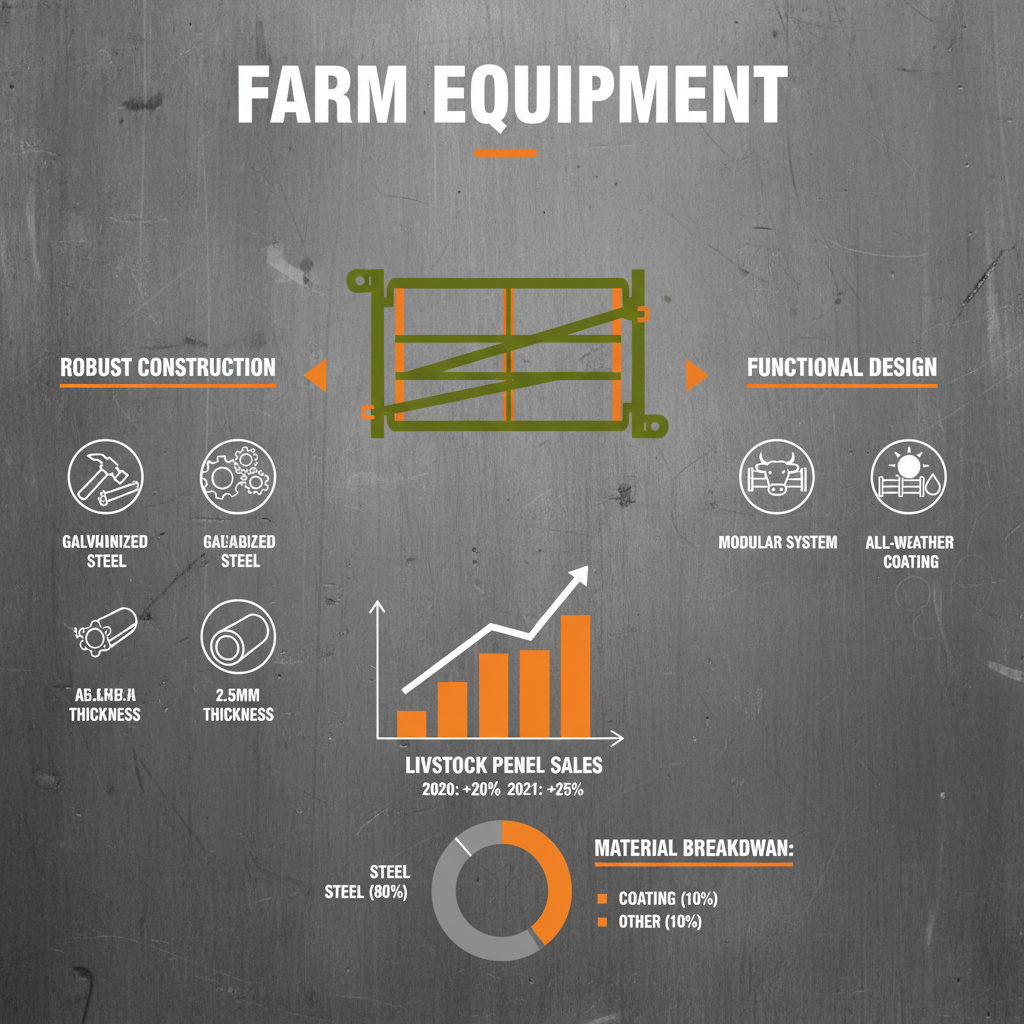
At their core, green livestock panels are heavy-duty modular fencing units constructed from high-grade steel or reinforced wire mesh, finished with a specialized green pigment coating. Unlike traditional fences, these panels are designed for versatility, allowing farmers to quickly configure pens, corridors, or temporary enclosures without the need for permanent post-digging in every instance.
The primary purpose of these panels extends beyond simple containment. The specific green hue is selected to minimize the stress levels of livestock—such as cattle, sheep, and goats—by mimicking the natural colors of their grazing environment. This psychological advantage leads to calmer animals and easier handling during sorting or veterinary procedures, directly impacting the productivity of the farm.
From an industrial perspective, these panels represent a fusion of metallurgical precision and agricultural practicality. By utilizing a modular design, they serve the humanitarian need for rapid deployment in disaster-stricken areas where livestock must be quickly secured to prevent loss and ensure the survival of rural livelihoods.
Core Components and Technical Factors for Durability
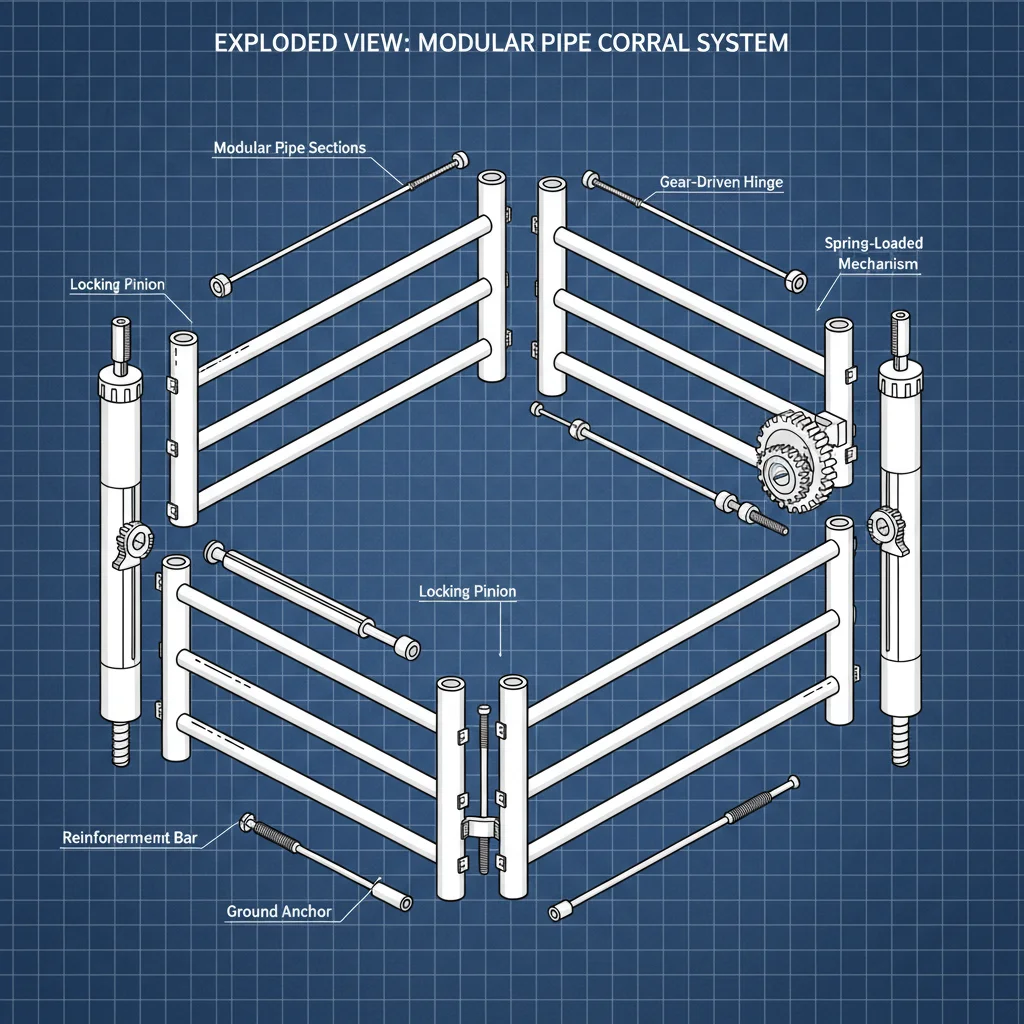
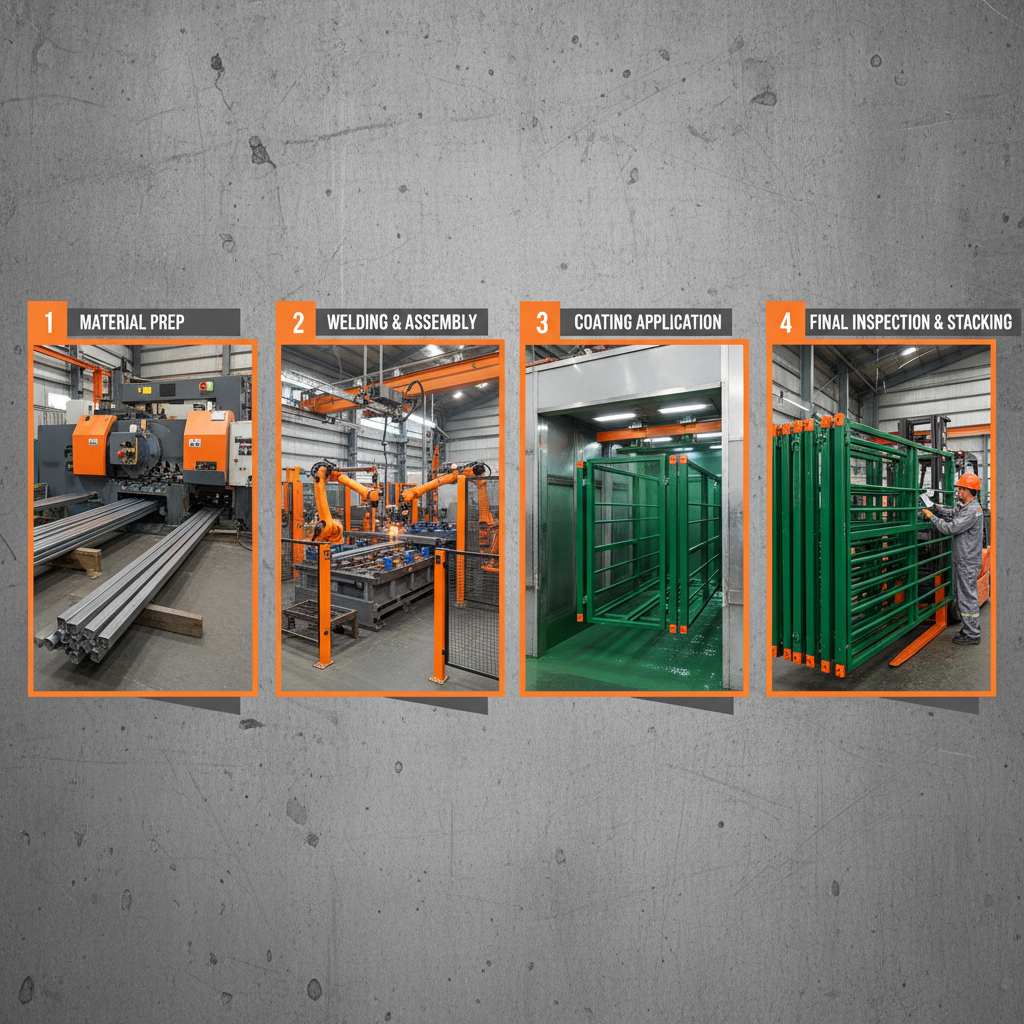
The structural integrity of green livestock panels depends heavily on the quality of the base metal. High-tensile steel is typically used to ensure the panels can withstand the physical pressure of leaning livestock without warping, while the welding points are reinforced to prevent failure under extreme stress.
A critical component is the coating process. Most premium panels undergo a hot-dip galvanizing process before the green powder coating is applied. This "duplex system" provides two layers of protection: the zinc layer prevents rust from spreading if the outer coating is scratched, while the green polymer layer provides the primary barrier and UV resistance.
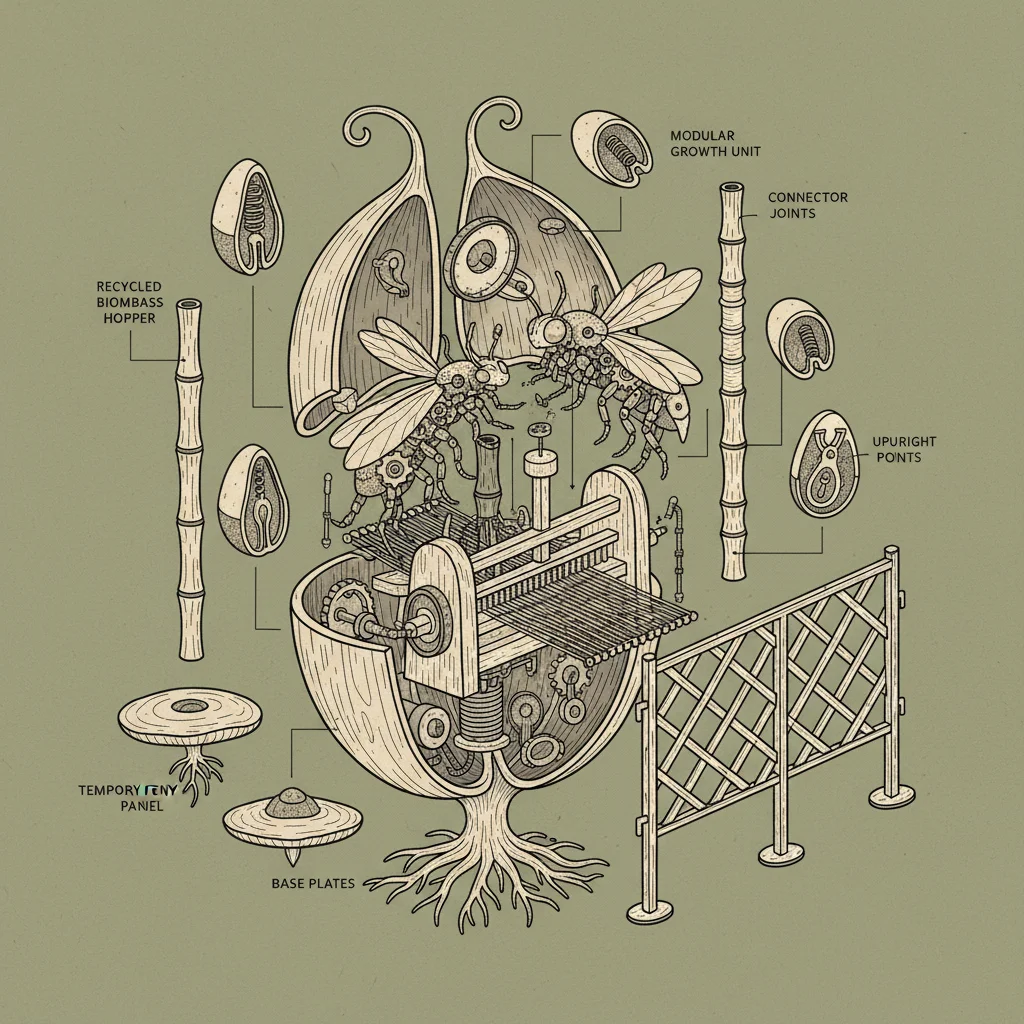
Lastly, the scalability of these systems is achieved through specialized interlocking mechanisms. These connectors allow green livestock panels to be joined securely but flexibly, ensuring that the fence can adapt to uneven terrain without creating gaps that could lead to livestock escape or predator entry.
Practical Applications and Global Use Cases
In real-world agricultural settings, green livestock panels are employed across a variety of scenarios. In the dairy industry, they are frequently used to create hygienic milking parlors and holding areas where cleanliness and animal flow are paramount. The smooth finish of the green coating prevents the buildup of organic debris and makes the panels easier to sanitize.
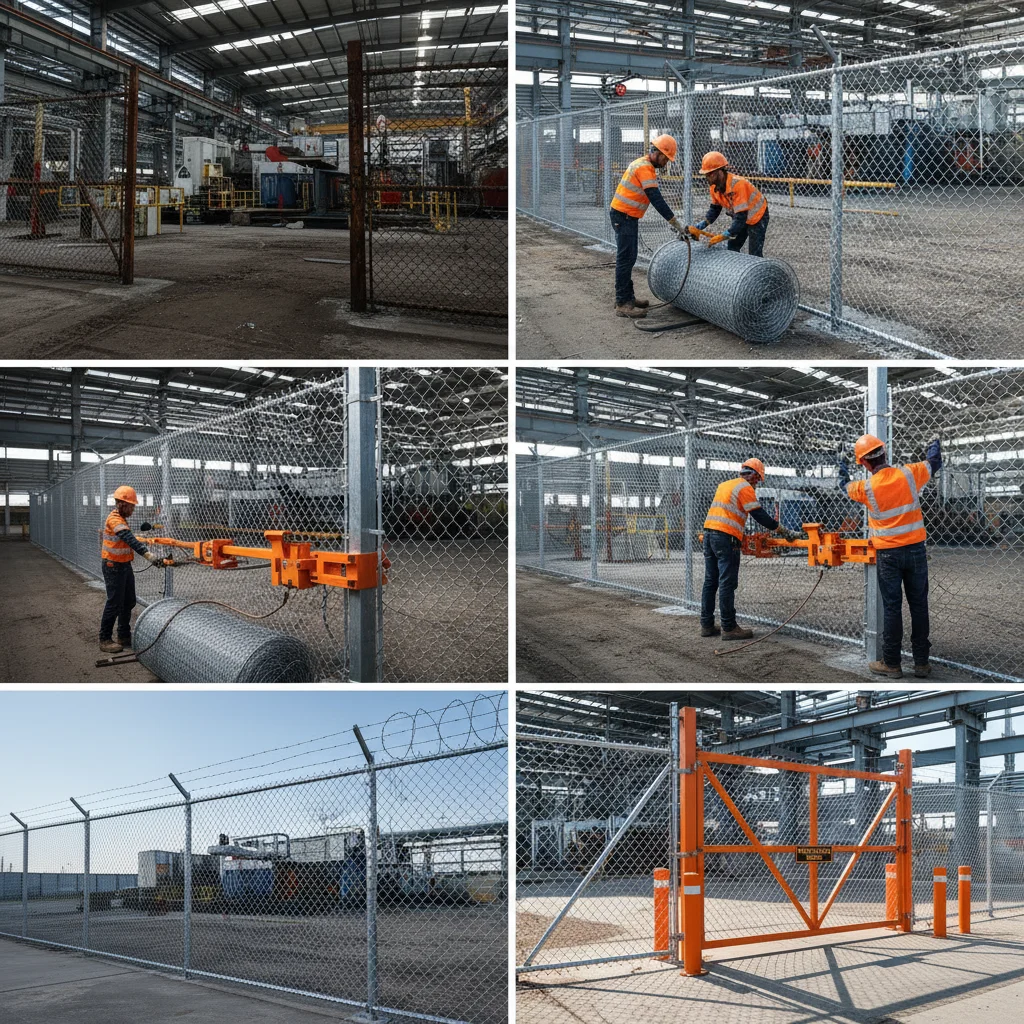
Beyond permanent farms, these panels are essential in remote industrial zones or post-disaster relief operations. When livestock are displaced by floods or wildfires, NGOs and government agencies deploy these modular panels to establish emergency shelters. Their ability to be transported in bulk and assembled in minutes makes them a critical tool for maintaining food security in volatile regions.
Performance Metrics of Various Green Livestock Panels
Tangible Advantages and Long-Term Value
The primary advantage of investing in green livestock panels is the significant reduction in Total Cost of Ownership (TCO). While the initial purchase price may be slightly higher than raw galvanized steel, the extended lifespan and reduced need for repainting or rust-treatment save farm operators thousands of dollars over a ten-year period.
Beyond the logic of cost, there is a strong emotional and ethical angle. Providing a secure, non-threatening environment for animals fosters trust and reduces injury. The reliability of a well-engineered paneling system gives the farmer peace of mind, knowing that their assets are safe and that the operation complies with the highest standards of animal welfare and environmental aesthetics.
Future Trends in Sustainable Fencing Innovation
The future of green livestock panels is leaning heavily toward the integration of "Smart Farming" technologies. We are seeing the emergence of panels embedded with IoT sensors that can monitor the pressure applied to the fence, alerting farmers to potential breach attempts or animal distress in real-time via a smartphone application.
Material science is also evolving. The next generation of panels will likely utilize graphene-enhanced coatings that are virtually scratch-proof and possess anti-microbial properties. This will further enhance hygiene in intensive farming environments and reduce the reliance on chemical disinfectants.
Sustainability is the overarching driver. Future production lines are moving toward zero-emission powder coating processes and the use of recycled high-tensile steel, ensuring that the panels are as eco-friendly in their creation as they are in their application.
Overcoming Common Challenges in Panel Deployment
One of the most common limitations in current practice is the challenge of installing green livestock panels on highly irregular or sloping terrain. Traditional rigid panels can leave gaps at the bottom, which are problematic for smaller livestock. The expert solution involves using adjustable footing brackets and custom-cut base plates that allow the panel to follow the contour of the land.
Another hurdle is the potential for coating chips during transport and installation. To overcome this, manufacturers are now implementing "touch-up" kits using the same UV-resistant green polymer. By immediately sealing any exposed metal, the integrity of the duplex coating system is maintained, preventing localized oxidation.
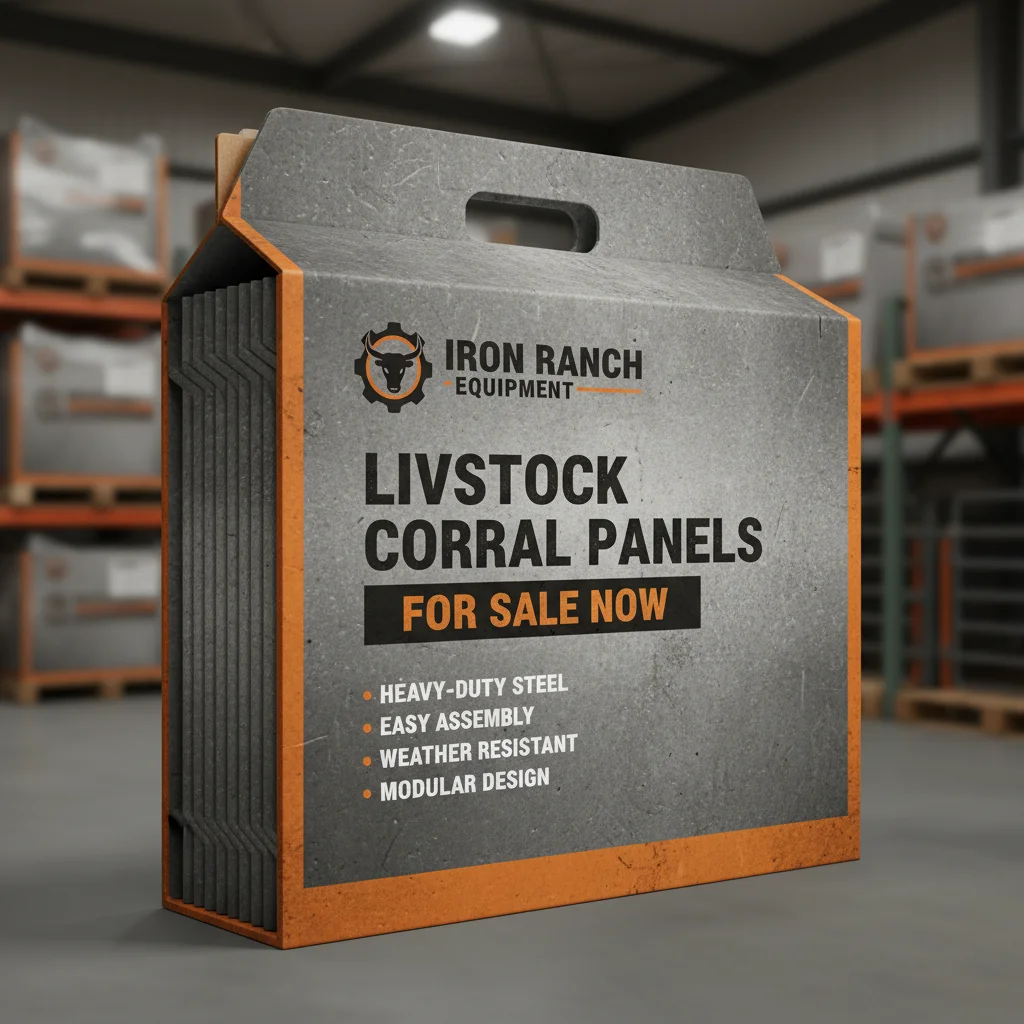
Finally, logistics and shipping costs for heavy steel panels can be prohibitive. The industry is shifting toward "flat-pack" modular designs that reduce shipping volume without compromising the strength of the final assembled structure, making high-quality fencing accessible to smaller farms globally.
Comparative Analysis of Deployment Strategies for Green Livestock Panels
| Deployment Method |
Installation Speed |
Long-term Stability |
Cost Efficiency |
| Modular Interlocking |
Very High |
High |
Medium |
| Fixed Post-Mounting |
Medium |
Very High |
Low |
| Temporary Stake-in |
Highest |
Low |
High |
| Hybrid Anchor System |
Medium |
High |
Medium |
| Custom Welded Frames |
Low |
Highest |
Very Low |
| Tension-Wire Integration |
High |
Medium |
High |
FAQS
The primary advantage lies in the dual-layer protection. While galvanized steel relies solely on zinc, green livestock panels combine galvanization with a powder coating. This not only provides superior corrosion resistance in harsh environments but also offers an aesthetic that blends with the landscape and reduces animal stress by mimicking natural surroundings.
Depending on the environment and the quality of the coating, premium green panels can last between 15 to 25 years. In coastal areas with high salinity, the duplex coating system is essential to prevent premature rusting. Regular inspections and the use of touch-up kits for scratches can further extend the lifespan of the installation.
Yes, provided you select the "Heavy-Duty" specification. These panels are constructed from high-tensile steel with reinforced welding at all joints. For particularly aggressive animals, we recommend using the hybrid anchor system to ensure the panels remain rooted and do not shift under heavy physical pressure.
Absolutely. One of the core benefits of modular green livestock panels is their flexibility. Using specialized interlocking pins or clamps, you can expand, contract, or relocate your livestock enclosures without needing to rebuild the entire fence, making them ideal for rotational grazing systems.
To optimize shipping costs, we recommend ordering "flat-pack" configurations. By reducing the volume of each shipment, international buyers can significantly lower freight charges. We provide comprehensive customs documentation and palletized packaging to ensure the panels arrive without coating damage.
Yes, the powder coatings used in professional green livestock panels are formulated to be non-toxic and lead-free. They are designed to be safe even if animals occasionally rub or lick the panels, meeting strict environmental and safety standards for agricultural use.
Conclusion
In summary, green livestock panels represent a critical evolution in agricultural infrastructure, blending high-tensile strength with environmental consciousness. By addressing the core challenges of corrosion, animal stress, and installation flexibility, these panels provide a sustainable alternative to traditional fencing. The long-term value is evident not only in the reduced maintenance costs but also in the improved welfare of the livestock and the preservation of the rural landscape.
As the industry moves toward a more digital and eco-centric future, the integration of smart sensors and zero-emission materials will further solidify the role of these panels in modern farming. For producers looking to future-proof their operations, investing in high-quality, duplex-coated containment systems is a strategic move toward efficiency and sustainability. To explore our range of professional fencing solutions, visit our website: www.haotianmesh.com