Effective livestock management relies heavily on the quality of containment systems, and gate panels for livestock stand as the critical intersection between security and accessibility. These specialized barriers are engineered to withstand the immense pressure of livestock while providing farmers with the flexibility to move animals efficiently between pastures, feeding areas, and clinics. In an era where animal welfare and operational efficiency are paramount, choosing the right gating solution can significantly reduce livestock stress and labor costs.
Globally, the demand for high-tensile, durable fencing has surged as agricultural operations scale to meet the food security needs of a growing population. The implementation of professional gate panels for livestock ensures that animals are kept safe from predators and prevented from wandering, which is essential for disease control and pasture rotation strategies. By integrating modern metallurgy and ergonomic design, these panels have evolved from simple wooden slats to high-performance steel and wire mesh systems.
Understanding the technical nuances of livestock gating—from galvanized coatings to modular interlocking mechanisms—allows producers to maximize the lifespan of their infrastructure. This guide explores the critical role of gate panels for livestock, analyzing their global application, the materials that drive their durability, and the innovative trends shaping the future of the metal products industry in agricultural settings.
Global Relevance of Livestock Gating Systems
The agricultural sector operates on a global scale, with livestock production contributing significantly to the GDP of many developing and developed nations. According to standards mirrored in ISO agricultural certifications, the security of livestock is directly linked to economic stability; a single breach in a fencing system can lead to devastating livestock loss or cross-contamination of herds. gate panels for livestock serve as the primary control points in these systems, ensuring that the flow of animals is managed without compromising the integrity of the perimeter.
In regions like North America, Europe, and Asia-Pacific, the shift toward intensive yet sustainable farming has highlighted a critical challenge: the need for containment that is both rigid enough to hold heavy cattle and flexible enough for rapid reconfiguration. Traditional fixed gates often fail under the pressure of modern high-yield livestock breeds, creating a demand for engineered gate panels for livestock that utilize high-tensile steel and anti-corrosive coatings to survive harsh outdoor environments.
Defining Professional Gate Panels for Livestock
In simple technical terms, gate panels for livestock are modular or fixed metal barriers specifically designed to regulate the movement of farm animals. Unlike standard residential gates, these panels are constructed from heavy-duty galvanized steel or reinforced wire mesh, featuring specific spacing (apertures) that prevent animals from getting their heads or limbs caught, which is a primary requirement for animal welfare compliance.
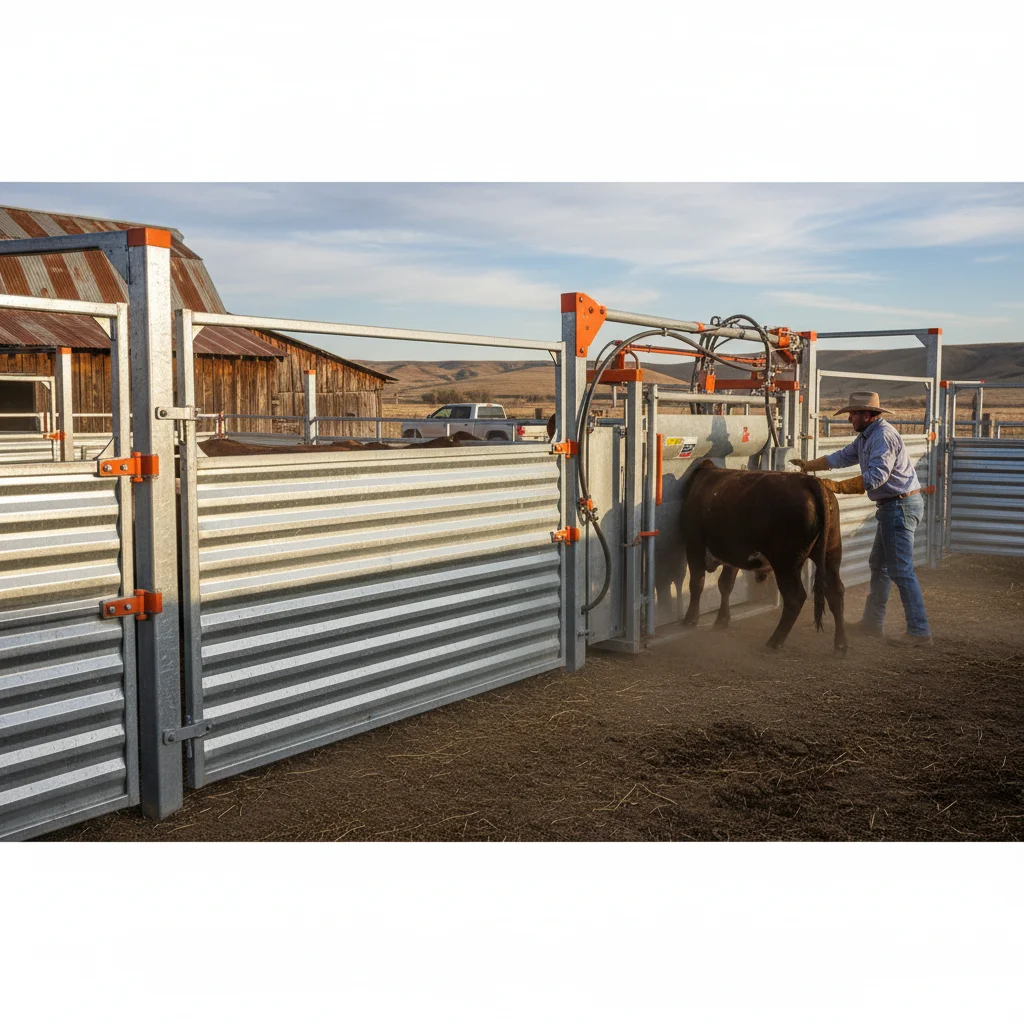
Beyond mere containment, these panels are an essential part of modern "precision livestock farming." They allow for the creation of temporary pens, sorting alleys, and handling facilities that can be moved as the herd grows or as grazing patterns change. The connection to humanitarian and ethical farming needs is clear: reducing the stress on animals during movement prevents injury and improves the overall quality of the livestock.
From a manufacturing perspective, these panels represent a fusion of structural engineering and agricultural utility. By utilizing cold-rolled steel and hot-dip galvanization, manufacturers ensure that gate panels for livestock can withstand ammonia-rich environments (common in barns) and extreme weather conditions without structural degradation, providing a reliable long-term investment for the farmer.
Core Components for Maximum Durability
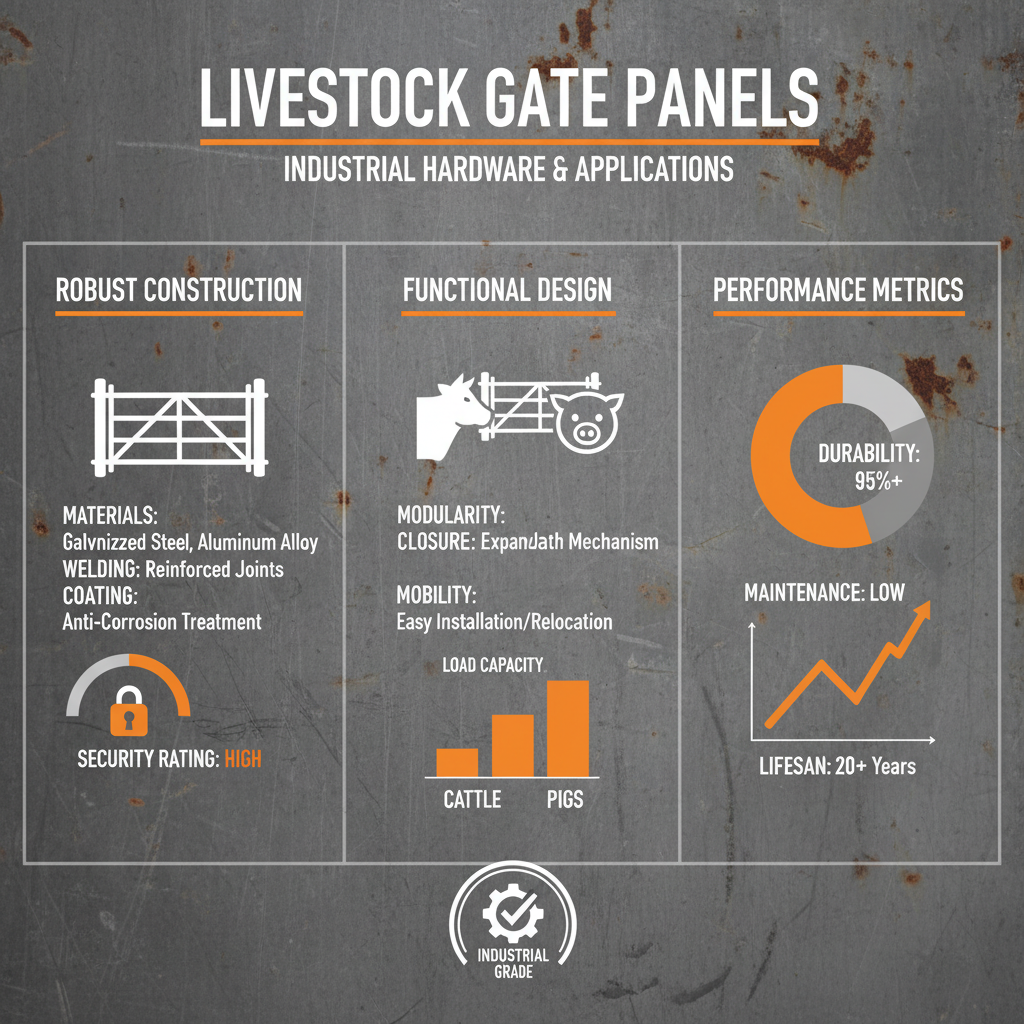
The primary factor in the effectiveness of gate panels for livestock is the material grade. High-tensile steel provides the necessary yield strength to resist "leaning" or bending when cattle put their weight against the barrier, ensuring the gate remains functional and aligned over years of heavy use.
Corrosion resistance is the second pillar of durability. Because gate panels for livestock are constantly exposed to rain, mud, and animal waste, a thick layer of hot-dip galvanization is crucial. This chemical bond prevents oxidation from penetrating the core of the steel, drastically reducing the frequency of replacements.
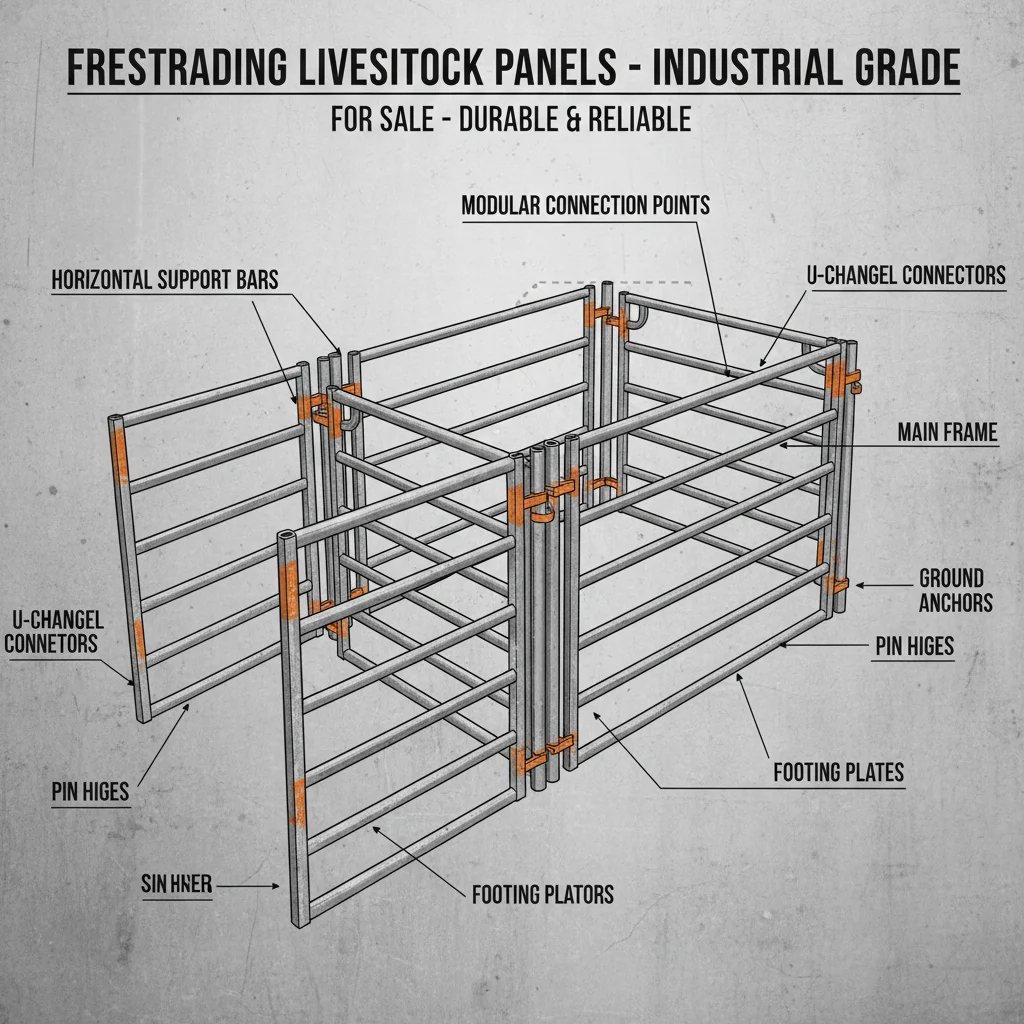
Lastly, the locking and hinge mechanisms define the operational efficiency. Professional gate panels for livestock utilize heavy-duty pins and reinforced welds at high-stress points. This attention to detail prevents the "sagging" commonly seen in low-quality gates, allowing for one-handed operation and faster animal sorting.
Comparative Efficiency of Different Panel Types
When selecting the ideal containment system, farmers must weigh the trade-offs between different design philosophies. Some prefer heavy-duty tubular frames for maximum strength, while others opt for wire mesh integration to provide better visibility and airflow, which is critical for reducing animal anxiety during handling.
The efficiency of gate panels for livestock is often measured by their "deployment-to-durability ratio." Modular panels that can be snapped together in minutes offer unparalleled flexibility for temporary grazing, whereas welded permanent gates provide the ultimate security for high-value breeding stock.
Performance Analysis of Various Gate Panels for Livestock
Global Applications and Use Cases
In the vast ranching territories of Australia and the Americas, gate panels for livestock are deployed across thousands of acres to facilitate rotational grazing. This practice involves moving cattle between different paddocks to prevent overgrazing and improve soil health; the ability to quickly install and remove temporary gate panels is what makes this sustainable farming method possible.
Furthermore, in specialized veterinary contexts or livestock exhibitions (such as state fairs), modular gate panels for livestock are used to create sterile, controlled environments. These panels allow handlers to isolate sick animals or showcase prize-winning livestock in secure pens that can be disassembled and transported with ease, proving the versatility of the product beyond the open field.
Long-Term Value and Sustainability
Investing in high-quality gate panels for livestock is a logical financial decision that yields long-term dividends. While low-cost alternatives may seem attractive initially, their tendency to rust and warp leads to frequent replacement costs and, more dangerously, potential animal escapes. High-grade steel panels, conversely, maintain their structural integrity for decades, reducing the total cost of ownership (TCO) for the producer.
From a sustainability perspective, the use of recyclable steel in gate panels for livestock aligns with the global push toward a circular economy. Unlike plastic or treated wood barriers that leach chemicals into the soil or end up in landfills, galvanized steel can be recycled indefinitely without losing its properties, making it the most eco-friendly choice for large-scale agricultural infrastructure.
Beyond the numbers, there is an emotional and ethical value: peace of mind. A farmer who knows their gate panels for livestock are secure can focus on the health and genetics of their herd rather than worrying about perimeter breaches. This trust in the hardware allows for more innovative farming techniques and a higher standard of animal dignity.
Future Trends in Livestock Containment
The future of gate panels for livestock is being shaped by the digital transformation of agriculture. We are seeing the emergence of "Smart Gates" that integrate sensors and automated latches. These systems can track animal movement via RFID tags, automatically opening or closing panels to sort livestock based on weight, age, or health status without human intervention.
Material science is also evolving, with the introduction of advanced powder coatings that offer even greater resistance to corrosive chemicals than traditional galvanization. These new coatings not only extend the life of gate panels for livestock but also allow for color-coding of pens, which helps large-scale operations organize their herds more visually and efficiently.
Moreover, the trend toward "modular agility" means that panels are becoming lighter yet stronger, thanks to high-strength low-alloy (HSLA) steels. This allows for faster deployment in disaster-relief scenarios—such as creating emergency shelters for livestock after a flood or hurricane—ensuring that animals are protected and managed even in the most chaotic circumstances.
Comparative Analysis of Modern Gate Panel Material Specifications
| Material Type |
Strength Rating (1-10) |
Corrosion Resistance |
Average Lifespan (Years) |
| Hot-Dip Galvanized Steel |
9 |
Excellent |
20-30 |
| Powder Coated Alloy |
8 |
Very High |
15-25 |
| Standard Mild Steel |
6 |
Low |
5-10 |
| Reinforced Wire Mesh |
7 |
High |
12-20 |
| HSLA Steel Panels |
10 |
High |
25-40 |
| Treated Wood Hybrid |
5 |
Medium |
7-12 |
FAQS
For wet or humid climates, hot-dip galvanized steel is the gold standard. Unlike spray-on coatings, hot-dip galvanization creates a metallurgical bond between the zinc and the steel, providing a deep layer of protection that prevents rust from forming even if the surface is scratched. This is critical for maintaining the structural integrity of the panels in rain-heavy regions.
Panel height should be determined by the animal's jumping ability and shoulder height. For cattle, taller, heavier-duty panels are required to prevent leaning and jumping. For sheep or goats, panels with smaller apertures (wire mesh) are preferred to prevent them from squeezing through the gaps. Always choose a height that provides a 20% safety margin above the animal's shoulder.
Modern modular gate panels for livestock use high-strength interlocking pins and reinforced joints that can match the strength of welded gates for most applications. While a fully welded structure is slightly more rigid, the modular system's ability to distribute pressure across connected panels often makes it more resilient to sudden impact from livestock.
Yes, modular panels are ideal for exhibitions because they offer a professional appearance, are easy to transport, and can be assembled quickly. Their stability ensures that animals remain calm and secure in high-traffic environments, while the ease of disassembly makes them cost-effective for event-based usage.
We recommend a comprehensive inspection every six months. Focus on the hinge points, locking pins, and any areas where the galvanization may have been chipped. Ensuring that the panels are still plumb and that locks engage fully prevents accidental escapes and ensures the safety of both the animals and the handlers.
Absolutely. Professional manufacturers can adjust the spacing between bars or the mesh gauge to accommodate specific livestock sizes. Customizing the aperture size is essential for preventing "head-trapping," especially for curious breeds of goats or calves, ensuring a higher standard of animal welfare.
Conclusion
In summary, gate panels for livestock are far more than simple barriers; they are strategic tools that enhance animal welfare, operational safety, and farm profitability. By focusing on high-tensile materials, superior corrosion resistance, and ergonomic design, livestock producers can create an infrastructure that minimizes stress for the animals and maximizes efficiency for the handlers. From the wide-open ranges of the west to the precision-managed farms of the east, the right gating solution is the foundation of a secure agricultural operation.
Looking forward, the integration of smart technology and advanced metallurgy will continue to refine how we manage livestock movement. We encourage farm owners and agricultural planners to move away from temporary, low-grade fixes and invest in professional, sustainable steel solutions. Upgrading your containment systems today not only secures your current assets but also prepares your operation for the technological advancements of tomorrow. Visit our website for more professional solutions: www.haotianmesh.com