
temporary fence panel manufacturers
  • home
  • Top Blog
  • High Quality Durable Galvanized Livestock Fence Panels for Farms
0%

Table of Contents

When managing livestock, the integrity of your boundary is the first line of defense against predation, livestock loss, and territorial disputes. High-quality galvanized livestock fence panels offer a robust solution for farmers and ranchers who require a balance between structural rigidity and ease of installation, ensuring that animals remain secure in their designated grazing areas.

In an era of industrial agriculture, the shift toward prefabricated galvanized solutions reflects a broader need for efficiency and longevity. These panels are specifically engineered to withstand the physical pressure of livestock leaning or rubbing, while the galvanization process provides a critical shield against the corrosive effects of moisture, manure, and varying weather patterns.

Understanding the nuances of material grade, coating thickness, and panel design is essential for making an informed investment. By opting for professional-grade galvanized livestock fence panels, land managers can significantly reduce long-term maintenance costs and improve the overall safety and operational flow of their agricultural facilities.
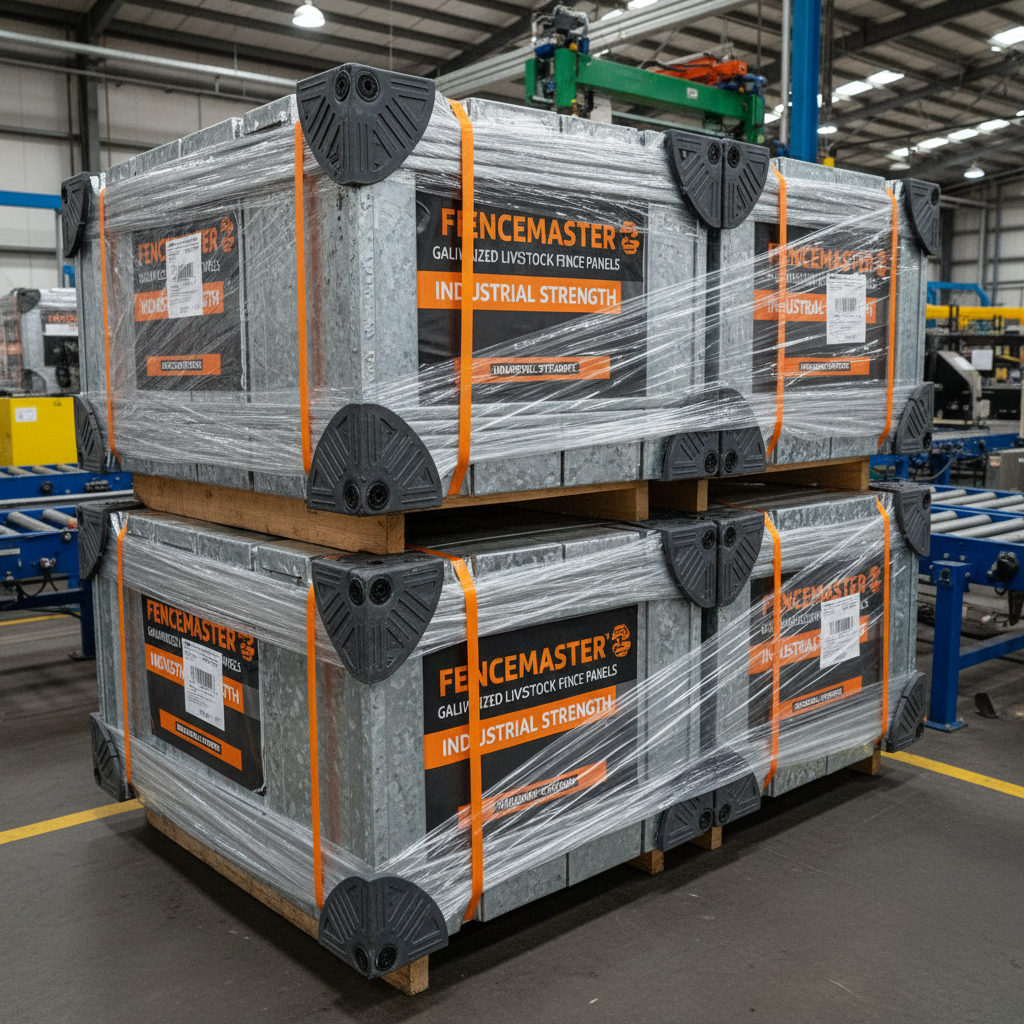
galvanized livestock fence panels

Global Industry Context of Galvanized Livestock Fence Panels
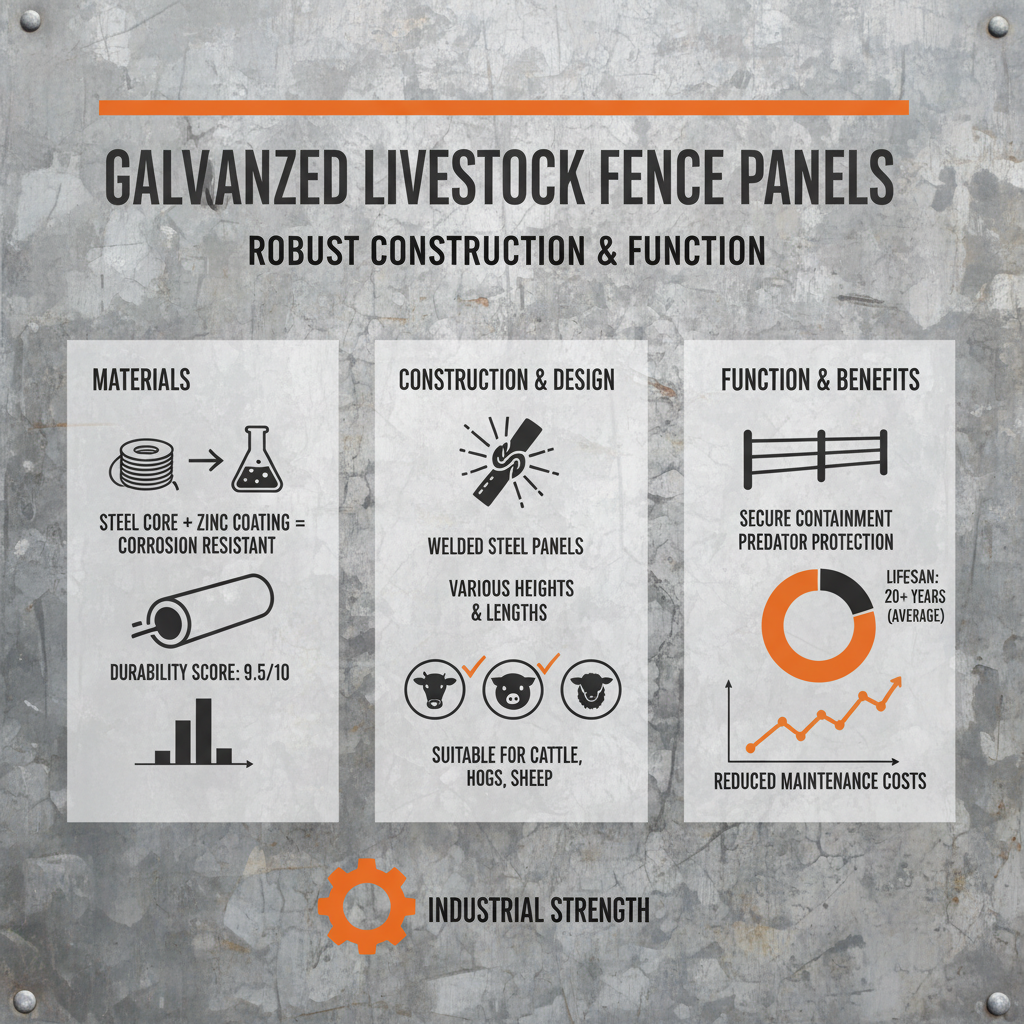
galvanized livestock fence panels

On a global scale, the demand for standardized galvanized livestock fence panels has surged as agricultural sectors in Asia, Africa, and the Americas modernize their livestock management systems. According to industry trends aligned with ISO standards for metallic coatings, the transition from untreated timber or simple wire to galvanized steel has drastically reduced the frequency of fence replacement cycles, allowing farmers to allocate capital toward animal health rather than infrastructure repair.

The primary challenge addressed by these panels is the volatile nature of outdoor environments. From the high salinity of coastal grazing lands to the extreme humidity of tropical regions, traditional fencing often fails due to oxidation. Galvanized livestock fence panels solve this by creating a metallurgical bond between the zinc coating and the steel substrate, effectively sealing the metal from the elements and preventing the structural failure that often leads to livestock escapes.

Defining the Engineering of Galvanized Livestock Fence Panels

In technical terms, galvanized livestock fence panels are prefabricated steel mesh or bar structures that have undergone a hot-dip galvanizing process. This involves immersing the fabricated panel into a bath of molten zinc, which not only coats the surface but penetrates the steel to provide cathodic protection. If the surface is scratched, the surrounding zinc continues to sacrifice itself to protect the underlying steel from rust.

Beyond the chemistry, the "livestock" designation implies a specific mechanical design. These panels are engineered with reinforced welds and specific aperture sizes to prevent animals from getting their heads or limbs trapped, while maintaining enough rigidity to resist the impact of heavy animals like cattle or pigs. This intersection of chemical protection and structural engineering is what makes them a staple in modern animal husbandry.

From a humanitarian and economic perspective, the deployment of these panels in developing agricultural zones helps stabilize local food supplies. By providing a reliable way to contain livestock, farmers can implement rotational grazing patterns more effectively, preventing overgrazing and ensuring the sustainable use of land—a key goal in global food security initiatives.

Core Components for Maximum Durability

The effectiveness of galvanized livestock fence panels relies heavily on the quality of the zinc coating. A thicker coating, often measured in grams per square meter, determines how many years the fence will last before the first sign of surface oxidation appears. This is the primary factor in determining the lifecycle cost of the installation.

Structural integrity is further enhanced by the welding technique used at the intersections of the galvanized livestock fence panels. High-frequency resistance welding ensures that the joints do not become the "weak points" where rust begins. When the weld is properly galvanized, it creates a seamless barrier that resists the physical stress of animals leaning against the mesh.

Finally, the gauge of the steel wire used within the panels plays a crucial role in scalability and strength. Heavier gauge wires are utilized for larger livestock like bulls, while lighter, more flexible gauges are used for sheep or goats. Matching the wire diameter to the specific animal species ensures that the fence is neither over-engineered (wasting money) nor under-engineered (risking failure).

Global Applications and Use Cases

In the real world, galvanized livestock fence panels are deployed in diverse scenarios ranging from high-density commercial feedlots in the US Midwest to small-scale organic farms in the European Union. In these contexts, the panels allow for the rapid creation of sorting pens and holding areas, which are critical during vaccination or transport cycles.

Beyond standard farming, these panels are frequently used in emergency disaster relief for livestock. When floods or hurricanes displace animals, NGOs and government agencies utilize the modular nature of these panels to quickly establish temporary shelters and quarantine zones, preventing the spread of disease among displaced herds.

Performance Comparison of Galvanized Livestock Fence Panels

Long-Term Value and Sustainability

The investment in galvanized livestock fence panels is a logical decision when considering the "Total Cost of Ownership." While the initial purchase price may be higher than untreated options, the absence of annual painting or frequent replacements leads to significant savings over a 10-to-20-year period. This financial predictability allows farm owners to better manage their operational budgets.

From a sustainability angle, galvanized steel is highly recyclable. At the end of its long service life, the panels can be melted down and repurposed without losing their material properties. Furthermore, by reducing the need for chemically treated wooden posts—which can leach toxins into the soil—galvanized steel provides a cleaner, more eco-friendly alternative for modern land management.

Future Trends in Fencing Technology

The future of galvanized livestock fence panels is moving toward "Smart Fencing." We are seeing the integration of sensor-based technology where panels can detect pressure or breaches in real-time, sending alerts to a farmer's smartphone. This hybrid approach combines the physical strength of galvanized steel with the digital oversight of IoT (Internet of Things) devices.

Material science is also evolving with the introduction of zinc-aluminum-magnesium (ZAM) coatings. These next-generation coatings offer even higher corrosion resistance than traditional hot-dip galvanizing, particularly in industrial agricultural environments where ammonia levels from livestock waste are high. This ensures that panels remain structurally sound even in the harshest conditions.

Automation in the manufacturing process is further refining the precision of these panels. Robotic welding and automated coating baths ensure that every single panel meets strict tolerances, eliminating the human error that previously led to "thin spots" in the galvanization. This consistency is vital for large-scale industrial farming operations that require thousands of identical panels for seamless assembly.

Overcoming Common Installation Challenges

One of the most common challenges when deploying galvanized livestock fence panels is uneven terrain. To overcome this, expert installers use a "stepping" technique or adjustable bracket systems that allow the panels to maintain their vertical alignment even when the ground slopes. This prevents gaps at the bottom of the fence that livestock could potentially exploit.

Another frequent issue is the "point of contact" corrosion, where panels meet metal posts. To solve this, utilizing high-quality galvanized clamps or specialized fasteners that match the coating of the panels prevents galvanic corrosion—a chemical reaction that occurs when two dissimilar metals touch. Using consistent materials across the entire system is the secret to longevity.

Finally, the weight of heavy-duty panels can make manual installation taxing. The industry has responded by developing lightweight, high-strength alloy variants that offer the same protection as traditional steel but are easier to transport and install in remote areas. By combining these logistical solutions with the inherent strength of galvanized steel, farmers can achieve a professional-grade perimeter with minimal stress.

Technical Comparison of Livestock Fence Panel Specifications

Panel Grade Coating Weight (g/m²) Estimated Lifespan (Years) Impact Resistance Score
Standard Galvanized 450 - 600 15 - 20 7/10
Heavy-Duty Hot-Dip 610 - 800 25 - 40 9/10
Electro-Galvanized 100 - 200 5 - 10 5/10
ZAM Coated 500 - 700 30 - 50 8/10
PVC Coated Galv 400 + PVC Layer 20 - 30 7/10
Economy Grade 300 - 400 10 - 15 6/10

FAQS

What is the difference between hot-dip and electro-galvanized livestock panels?

Hot-dip galvanizing involves immersing the panel in molten zinc, creating a thick, durable layer that bonds chemically with the steel. Electro-galvanizing uses an electrical current to apply a much thinner layer. For livestock applications, hot-dip is vastly superior because it provides the physical thickness and corrosion resistance needed to survive outdoor exposure and animal contact.

How long can galvanized livestock fence panels realistically last?

Depending on the environment and the coating thickness, high-quality hot-dip galvanized panels can last between 20 to 50 years. In highly corrosive areas (like near the ocean or in heavy industrial zones), the lifespan may be shorter, but they still significantly outperform untreated steel or wood, which may rot or rust within 5 to 10 years.

Can these panels be used for different types of animals?

Yes, but the specification should match the animal. Cattle require heavy-gauge wire and reinforced welds to withstand their weight and strength. Sheep, goats, and pigs can use lighter-gauge panels with smaller apertures to prevent them from squeezing through. Always check the wire diameter and mesh size before purchasing to ensure it's appropriate for your specific livestock.

Are galvanized panels safe for animals to lean against?

Yes, professional-grade galvanized livestock fence panels are designed with smooth finishes and secure welds to prevent snagging or cuts. The galvanization process eliminates the rough oxidation (rust) that could cause injuries to animals. However, it is always recommended to inspect panels periodically for any sharp edges caused by external damage.

Is it possible to install these panels on slopes?

Absolutely. While the panels are rigid, they can be installed on slopes using a "stepping" method where each panel is slightly offset vertically from the next. Alternatively, adjustable mounting brackets can be used to keep the panels plumb while following the contour of the land, ensuring no gaps are left at the ground level.

How do I prevent rust at the connection points?

To prevent rust at connection points, always use fasteners (bolts, nuts, and clamps) that are also galvanized. When two different metals touch, a process called galvanic corrosion can occur. By ensuring the entire system—from the panels to the screws—is galvanized, you maintain a uniform chemical barrier that prevents rust from starting at the joints.

Conclusion

In summary, galvanized livestock fence panels represent a critical convergence of material science and agricultural practicality. By combining the structural strength of steel with the protective properties of zinc, these panels solve the age-old problem of boundary degradation, offering a sustainable, cost-effective, and highly reliable solution for livestock containment across the globe.

As the agricultural industry continues to evolve toward more sustainable and technologically integrated practices, the reliance on high-performance fencing will only grow. We recommend that farm managers prioritize hot-dip galvanization and proper gauge selection to ensure their infrastructure serves them for decades to come. For professional-grade solutions tailored to your specific needs, visit our website: www.haotianmesh.com

Robert Johnson

Robert Johnson

Robert Johnson serves as the Technical Support Specialist for Anping Haotian in the United States. Robert’s background in metal fabrication and engineering provides a strong foundation for assisting customers with custom design requests and technical specifications. He has a proven ability to translate customer needs into precise CAD drawings and offers design and construct service support for large scale project. Robert is certified in welding inspection and understands the nuances of galvanizing and powder coating processes, ensuring product durability and longevity. He's dedicated to problem-solving and providing timely, accurate support to clients.
Previous Durable Freestanding Livestock Panels for Efficient Animal Handling

If you are interested in our products, you can choose to leave your information here, and we will be in touch with you shortly.