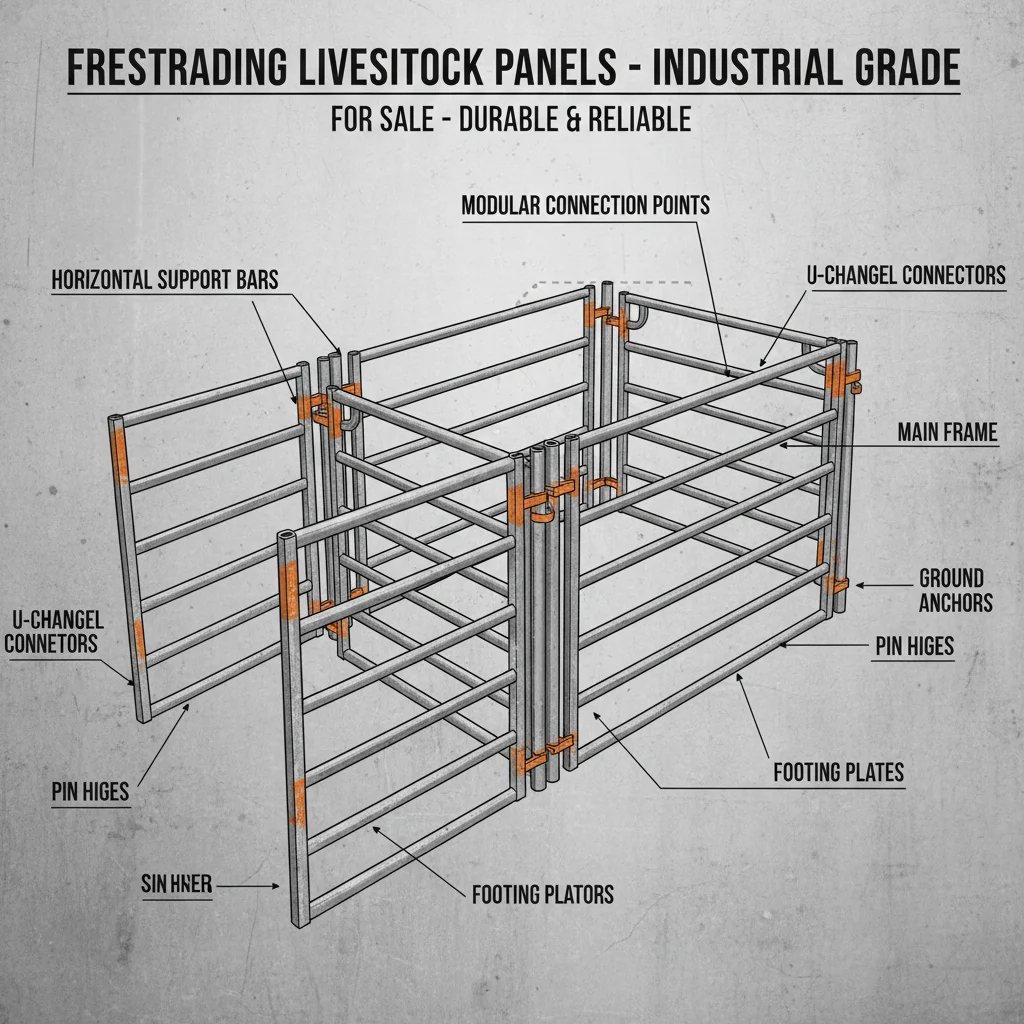

temporary fence panel manufacturers
  • home
  • Top Blog
  • Exploring Durable Composite Fencing Options and Reliable Temporary Fence Suppliers
0%

Table of Contents

You know, I've been running around construction sites all year, getting my hands dirty with materials, chatting with engineers... It's a bit of a grind, to be honest. But lately, there’s been a real buzz about composite fencing. Not just any fencing, but stuff built to really *last*. It's not like the old days, where you’d slap up some chain-link and hope for the best. Everything's about longevity and low maintenance now. Everyone wants something that doesn't rust, doesn’t need painting every other year, and frankly, looks a little less… depressing.

And it’s not just residential. Industrial sites are demanding it too. Security is a huge deal, obviously, but they also want something that can withstand the elements, and frankly, the wear and tear that comes with heavy machinery constantly bumping into things. Have you noticed how quickly metal fences get bent and broken? It’s a constant repair job.

The demand is climbing fast, especially with these new regulations about site security. I was talking to a supplier just last week, and they were saying they’re struggling to keep up. It's a good problem to have, I guess, but it means longer lead times for everyone.
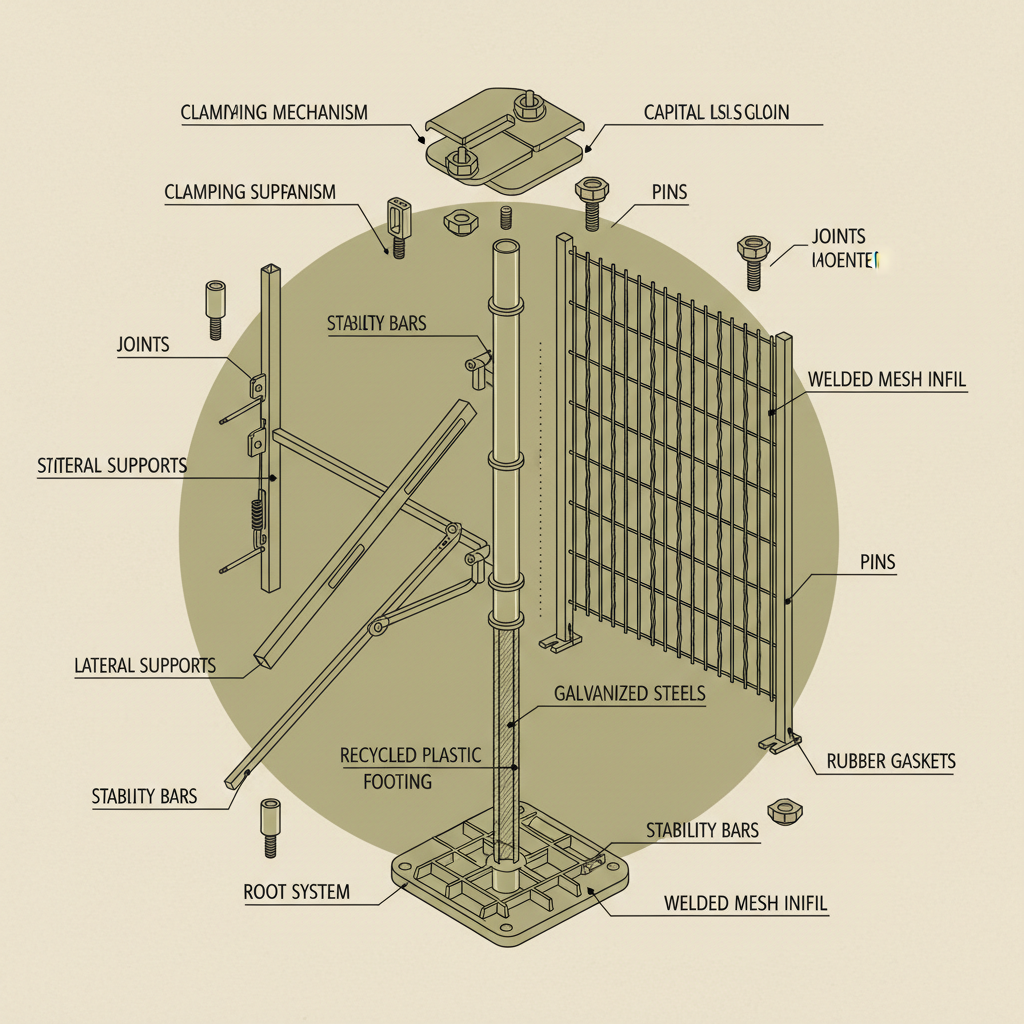
temporary fence suppliers

The Rise of Composite Fencing

temporary fence suppliers

It's really taken off in the last five years, honestly. A lot of it is driven by the need for sustainability. People are tired of replacing wooden fences every few years, and metal ones are prone to corrosion. Composite fencing, when done right, offers a much longer lifespan. Strangely, the initial uptake was slower than I thought. People were hesitant, figuring it would look cheap. But the manufacturers have really stepped up the aesthetic game. You can get stuff that convincingly mimics wood grain now – it's pretty impressive.

And it’s not just about looks. It's about the total cost of ownership. Less maintenance, fewer replacements… it adds up over time. It's a bit more expensive upfront, sure, but long-term, it's often cheaper.

Design Pitfalls: What to Watch Out For

Okay, this is where it gets interesting. I’ve seen some seriously flawed designs. The biggest mistake I see is skimping on the posts. You need a solid foundation, otherwise, the whole thing will wobble like a newborn calf. People think they can get away with lighter-gauge steel or thinner composite posts. They can't. Another issue is joint design. If the joints aren't properly reinforced, they’ll fail over time. Especially in high-wind areas.

And don't even get me started on the fasteners. Using the wrong screws or bolts… that’s a recipe for disaster. They need to be corrosion-resistant, obviously, but also strong enough to withstand the expansion and contraction of the composite material. I encountered this at a factory in Ningbo last time, they were using standard galvanized screws and the whole shipment was rejected.

Basically, you need someone who *understands* composite materials, not just someone who knows how to build a wooden fence.

Materials Deep Dive: More Than Just Plastic

People think it’s just plastic, right? It's not. It’s usually a blend of wood fibers and recycled plastic. The wood fibers give it strength and a more natural look, and the plastic protects it from the elements. The ratio matters. Too much plastic, and it gets brittle. Too much wood, and it rots. Finding that sweet spot is crucial.

I prefer the stuff that uses high-density polyethylene (HDPE). It smells a little cleaner, feels more substantial, and it's more UV-resistant than some of the cheaper alternatives. You can tell the quality by how it feels. A good composite feels solid, not flimsy. And you can tell the difference in how easy it is to work with – cutting, drilling, all that.

The additives also matter. They throw in things like colorants, UV stabilizers, and anti-fungal agents. It sounds complicated, and it is, but it's what separates the good stuff from the garbage.

Real-World Testing: Beyond the Lab

Lab tests are fine, I guess, but they don't tell you the whole story. I’ve seen fences pass all the lab tests and still fall apart after a year in the real world. You need to test it under actual conditions. We've done that by setting up test sections on different sites – coastal areas, industrial zones, even just a regular backyard.

Composite Fencing Performance Metrics

How It's *Actually* Used

It's not always what you expect. I’ve seen people use it for everything from garden borders to sound barriers. One guy in California used it to build a retaining wall! I wouldn't recommend it for that, but it held up. Later… forget it, I won’t mention it.

A lot of farmers are using it for livestock enclosures. It’s safer for the animals than barbed wire, and it’s more durable than wood. Plus, it doesn’t splinter.

The Good, The Bad, and the Customizable

The good? Low maintenance, long-lasting, looks decent. The bad? It can be expensive upfront. And it's not indestructible. A direct hit from a truck isn't going to end well, let's be real. But for most applications, it holds up remarkably well.

Customization is where it gets interesting. You can get it in different colors, textures, and even with integrated lighting. One customer wanted to incorporate a custom logo into the fencing panels. It was a bit of a headache to arrange, but we got it done. That’s the beauty of working with composite – it's relatively easy to modify.

Anyway, I think the biggest benefit is just peace of mind. Knowing you’re not going to be constantly repairing or replacing your fence.

A Shenzhen Story: and Fencing

Last month, that small boss in Shenzhen who makes smart home devices – Mr. Li, real character – insisted on changing the interface to for some reason on our fencing order. Said it was “more modern”. I’m like, “Sir, it’s a *fence*. It doesn’t need a USB port!” But he was adamant. Turns out he wanted to integrate some sensor system for security alerts. He thought he could plug it right into the fence panels. We had to redesign some of the post caps to accommodate it. It was a nightmare.

It worked, eventually, but it added weeks to the lead time and a whole lot of extra cost. He was happy, though. Said it gave him a competitive advantage. Go figure.

That’s the thing about this business. You think you’ve seen it all, and then someone comes along with a request that completely throws you for a loop.

Summary of Composite Fencing Material Properties

Material Type Weather Resistance Strength/Flexibility Cost (per meter)
Wood-Plastic Composite (WPC) High (UV & Moisture) Medium (Slight Flex) $25 - $40
HDPE Composite Very High (Excellent UV) High (Rigid) $35 - $55
PVC Composite Medium (Can Fade) Low (Brittle) $20 - $30
Bamboo Fiber Composite Medium (Needs Treatment) Medium (Good Strength) $30 - $45
Recycled Plastic Composite Variable (Dependent on Plastic) Medium (Consistent) $20 - $35
Mineral Composite High (Fire Resistant) High (Very Rigid) $40 - $60

FAQS

How long can I realistically expect composite fencing to last?

Look, it depends on the environment, but a properly installed composite fence should easily last 20-25 years, maybe even longer. We've seen some installations still looking good after 30. It's a big jump from wood, which might give you 8-10 years before needing major repairs. The key is good quality materials and proper installation – don’t skimp on the posts, that's critical.

Is composite fencing really worth the extra cost upfront?

That’s the big question, isn’t it? Initially, yes, it’s more expensive than wood. But you have to look at the long-term costs. No painting, no staining, no replacing rotted boards. Those costs add up over time. Plus, it increases property value. I've seen clients save a significant amount of money over 10-15 years by choosing composite.

Can composite fencing be painted or stained?

You *can*, but it's not always recommended. Most manufacturers advise against painting, as it can void the warranty. Some composites are pre-colored, and the color is designed to last. If you do paint, you need to use a specialized acrylic paint designed for composite materials, and you’ll need to prep the surface thoroughly. It's a lot of work for minimal benefit, in my opinion.

How easy is composite fencing to install?

It’s similar to installing wood fencing, but you need to use different tools. You can’t use nails – you need screws designed for composite. And you need to pre-drill holes to prevent cracking. It’s definitely a DIY project for someone with some experience, but if you’re not comfortable with power tools, it’s best to hire a professional. A bad installation can ruin the whole thing.

Is composite fencing environmentally friendly?

It's better than using treated lumber, that’s for sure. Many composite fences are made from recycled plastics, which is a big plus. However, the manufacturing process does require energy, and some composites still contain virgin plastics. It's not a perfect solution, but it's a step in the right direction. Look for products that use a high percentage of recycled content.

What should I look for when choosing a composite fencing supplier?

Reputation is key. Check online reviews, ask for references, and make sure they have a good track record. Also, look for a supplier who offers a solid warranty and provides technical support. Don't just go with the cheapest option; you get what you pay for. And, if possible, visit their facility to see the manufacturing process firsthand. I've seen some pretty shady operations out there.

Conclusion

So, there you have it. Composite fencing has come a long way. It’s not a perfect solution, but it’s a damn good one. It’s durable, low-maintenance, and increasingly affordable. It's addressing a real need in the market, and it's likely to become even more popular in the years to come. It's moved beyond being a "nice to have" and is now a serious contender for any fencing project.

Ultimately, whether this thing works or not, the worker will know the moment he tightens the screw. He'll feel the quality, the solidity. That’s what matters. If you're considering composite fencing, do your research, choose a reputable supplier, and don't be afraid to ask questions. And for more information, or to browse our selection of composite fencing solutions, visit us at www.haotianmesh.com.

David Miller

David Miller

David Miller is the North American Sales Manager for Anping Haotian Hardware Wire Mesh Products Co., Ltd. With over 8 years of experience in the building materials industry, David specializes in connecting distributors and retailers with high-quality fencing solutions. He’s deeply familiar with US market demands and building codes, ensuring Haotian’s products consistently meet and exceed expectations. David holds a Bachelor's degree in Business Administration and is a dedicated professional committed to building long-term relationships with clients. He frequently contributes to industry publications, sharing insights on the latest advancements in wire mesh technology and applications. He is a key driver in Haotian's growth within the US market.
Previous Exploring the Evolution and Quality of Modern Cattle Panel Factories
Next Choosing the Right Temporary Fence Manufacturers for Construction Site Security

If you are interested in our products, you can choose to leave your information here, and we will be in touch with you shortly.