

-
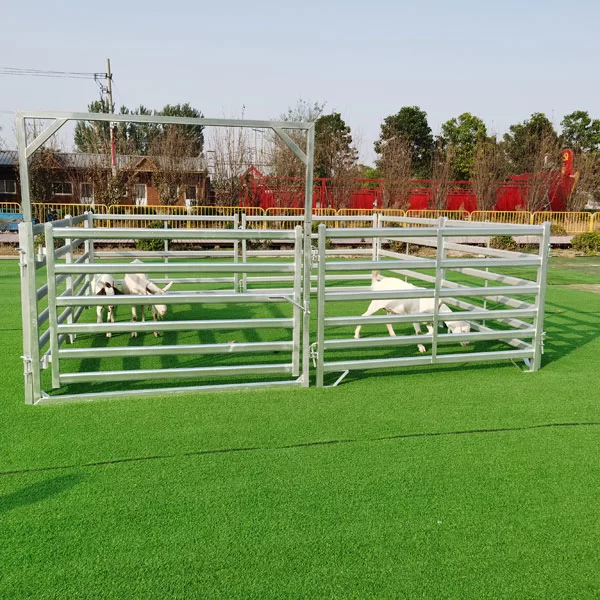
Sheep Panel
-
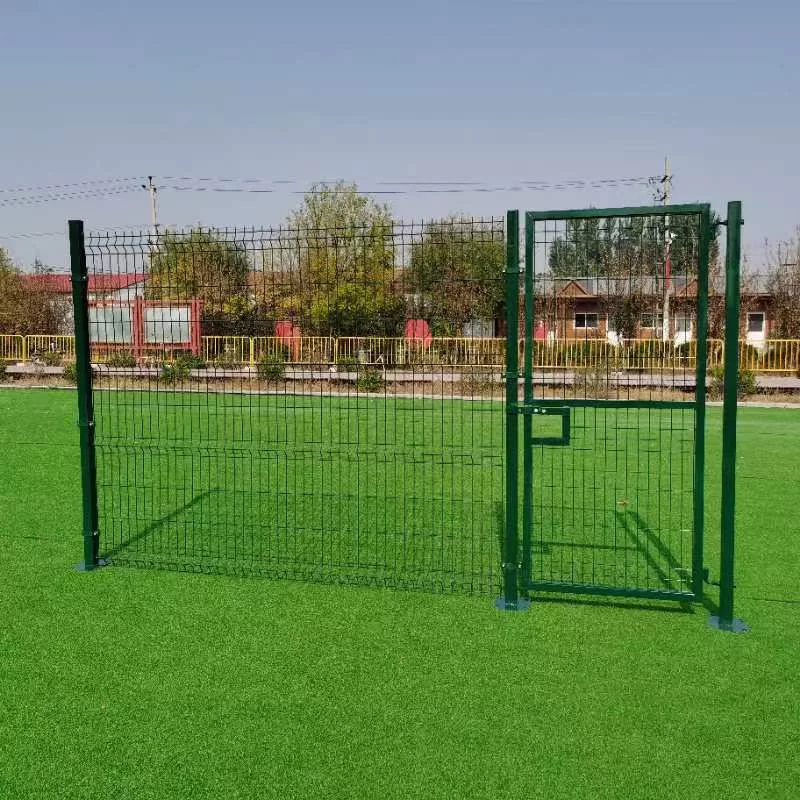
Welded Wire Mesh Fencing
-
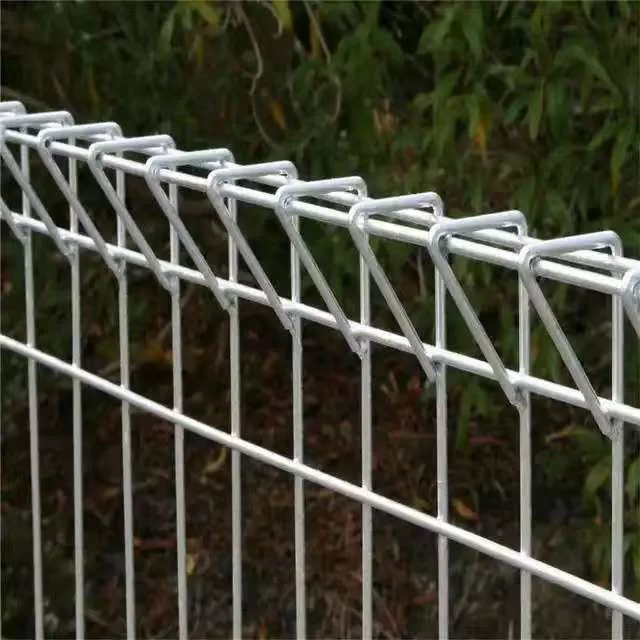
3D Welded Wire Mesh Fence
-
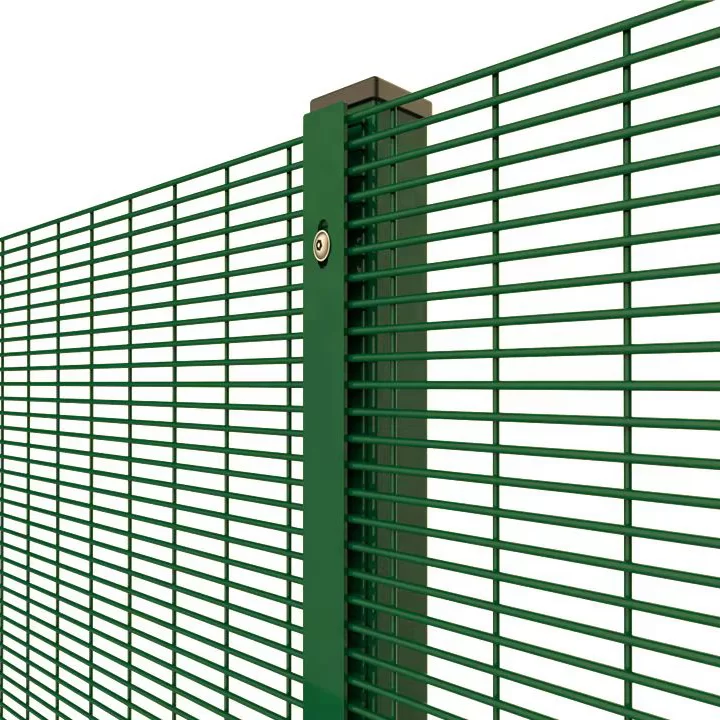
358 Anti-Climbing Fence
-
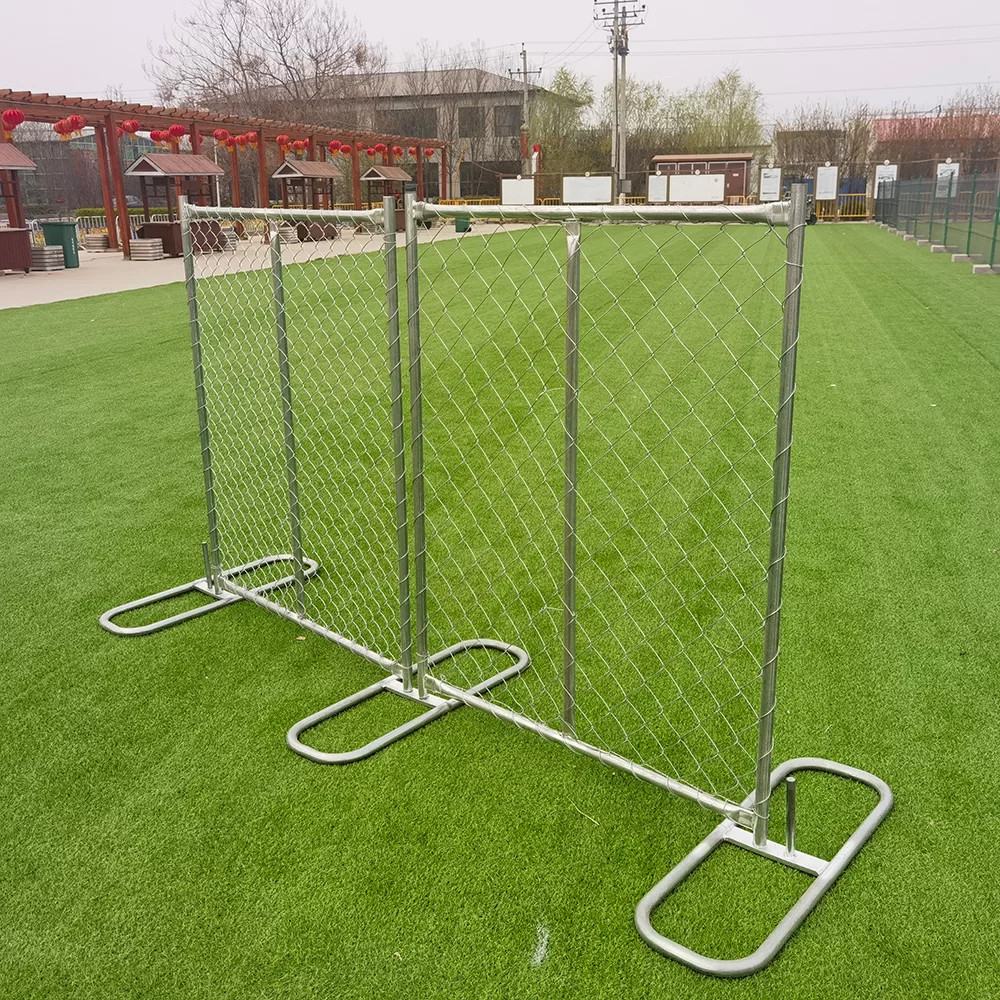
Temporary Chain Link Fence
-
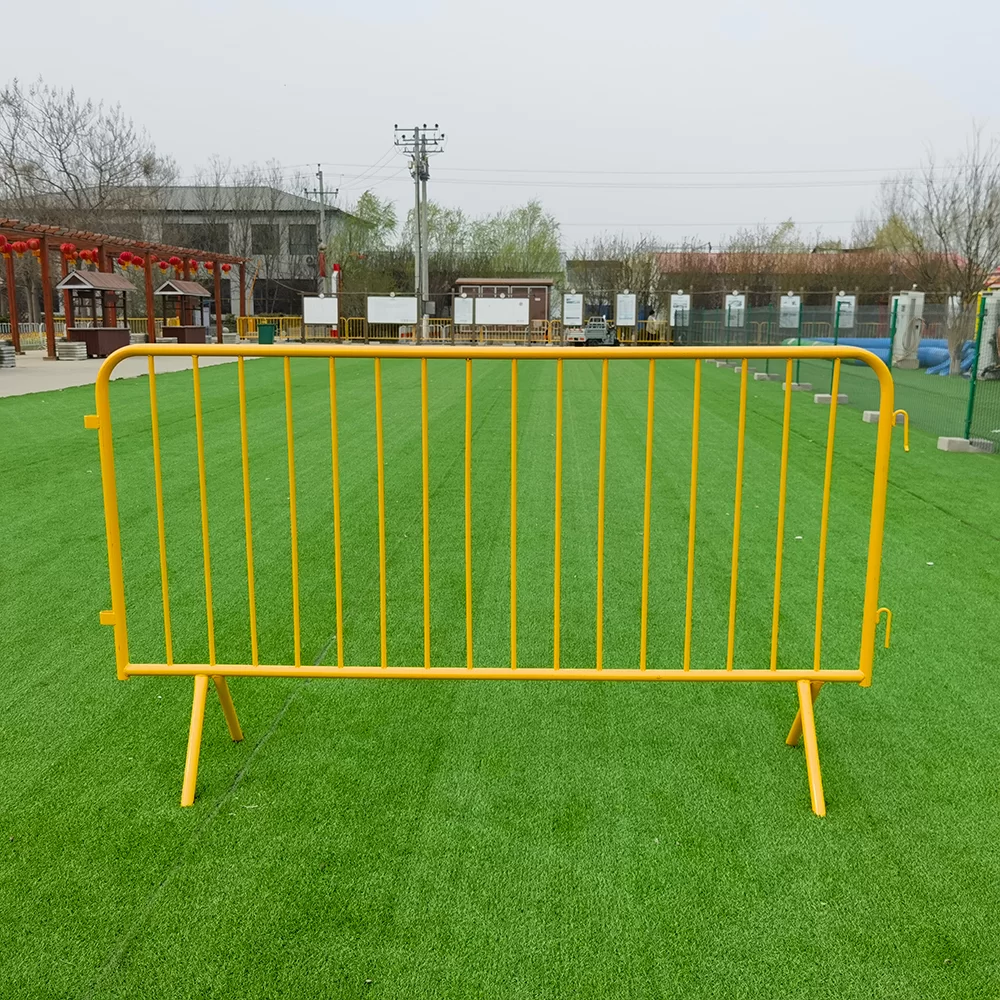
Crowd Control Barrier
-
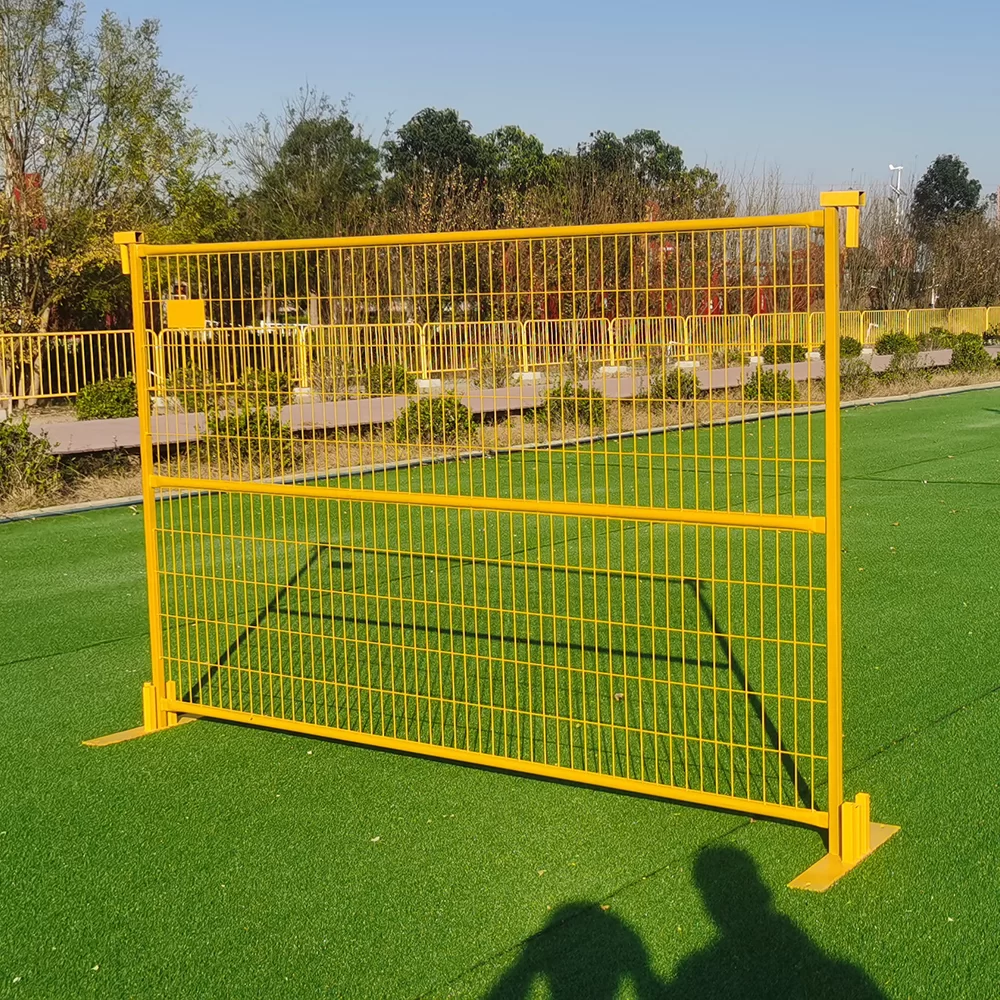
Canada Temporary Fence
-
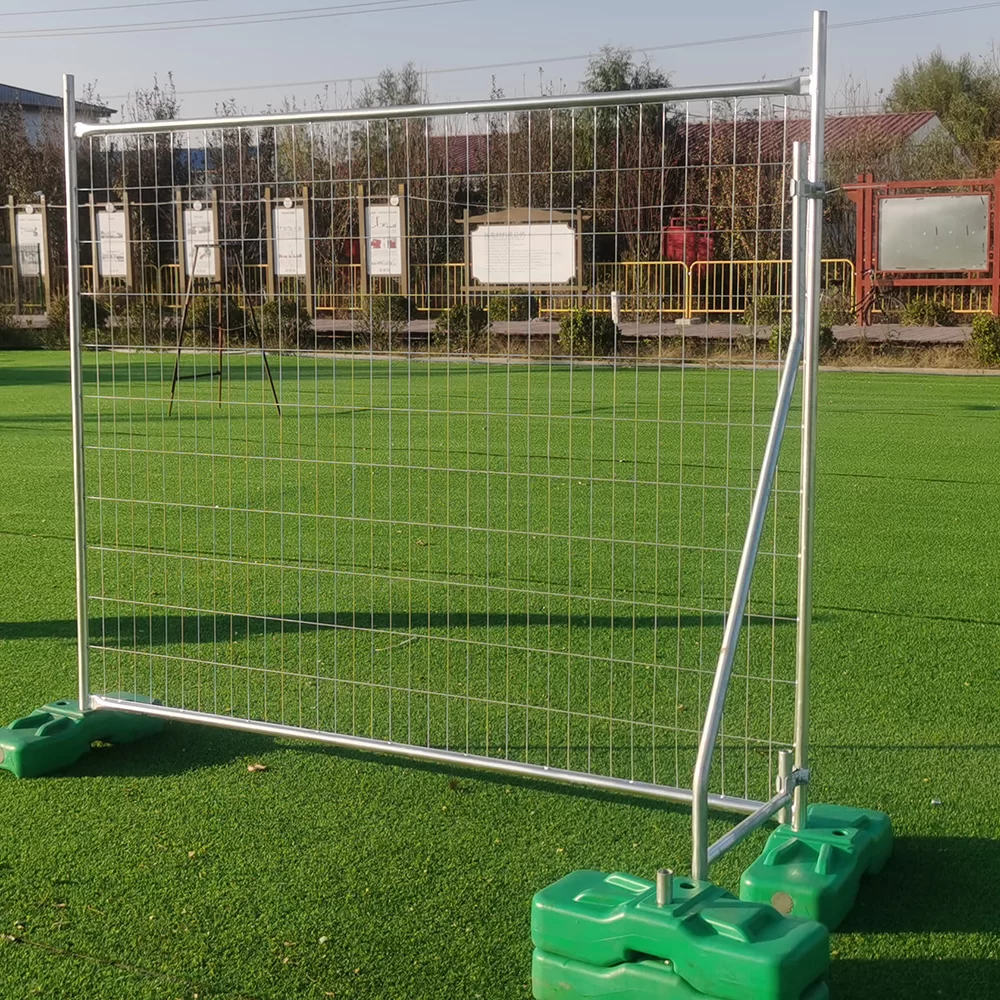
Round Pipe Temporary Fence
-
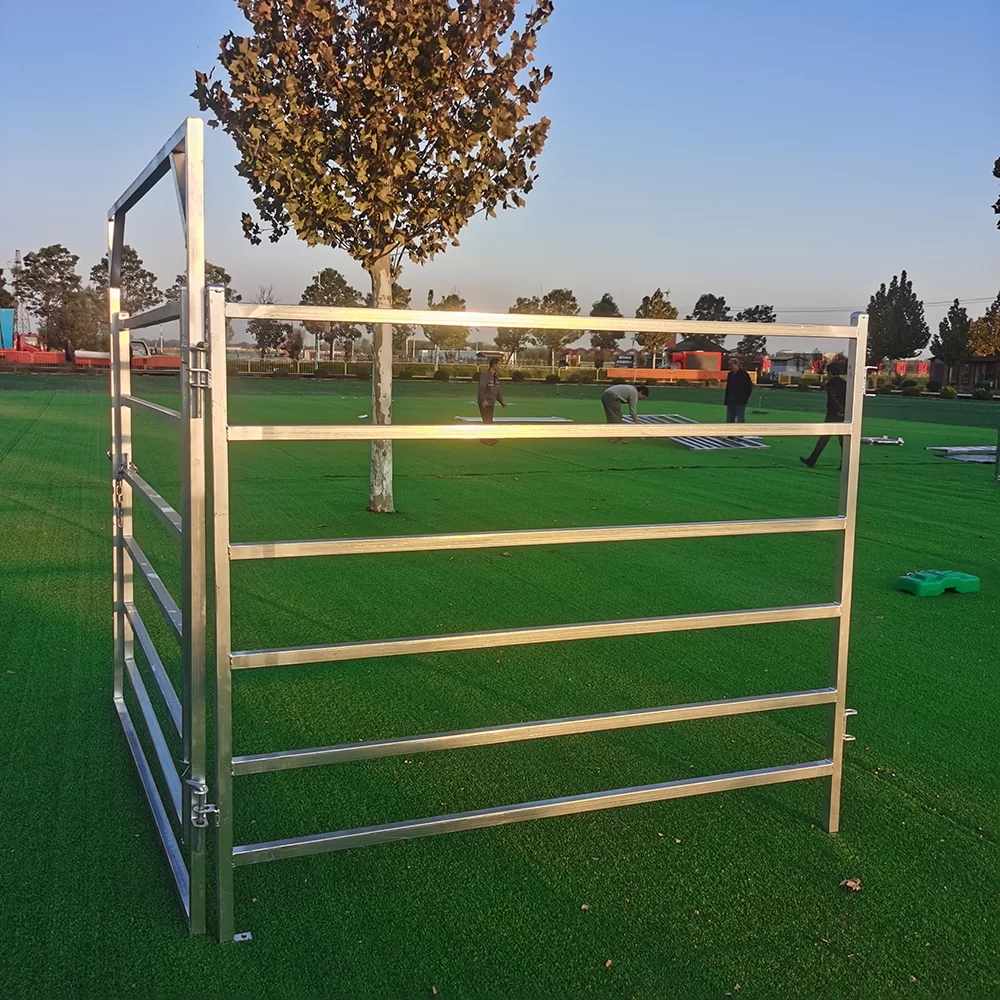
Cattle Panel
-
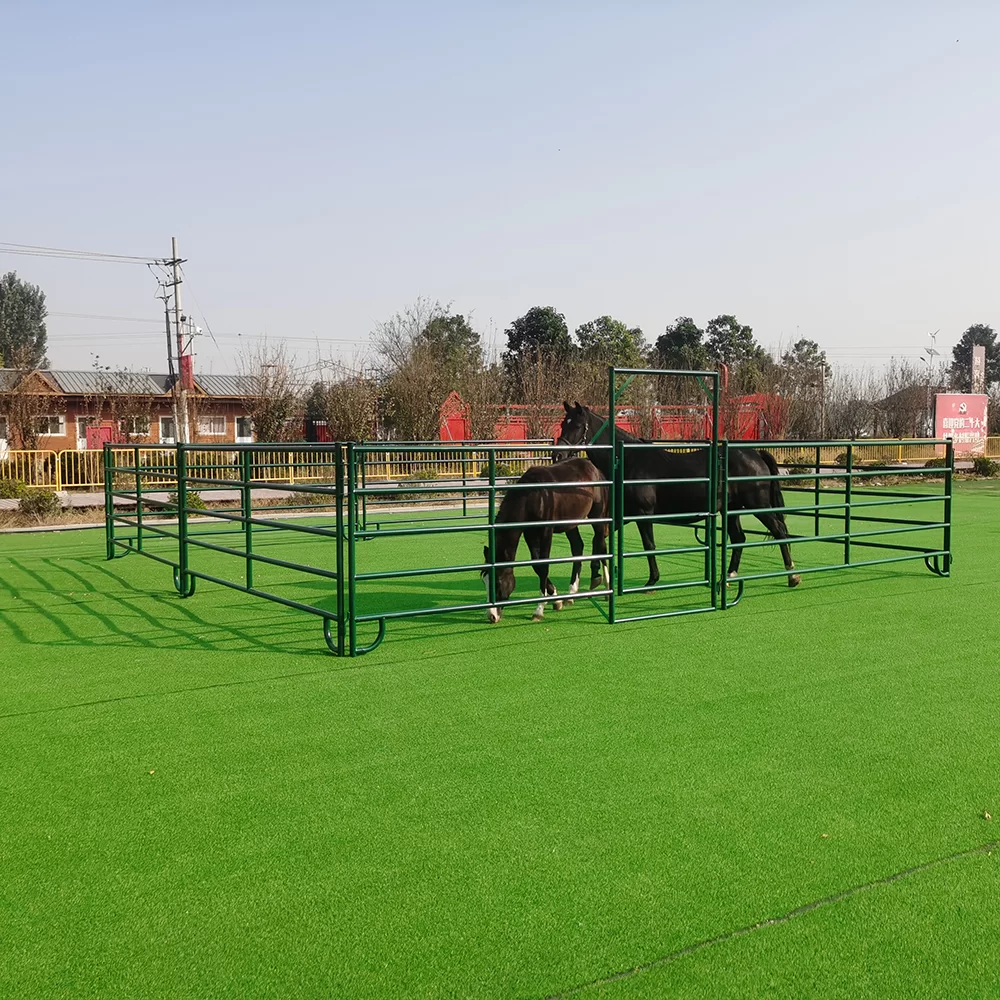
Horse Panel

Wire Mesh Fencing
Wire and mesh fencing is a durable and versatile solution for securing property, livestock, gardens, and industrial areas. Made from high-quality steel, galvanized wire, or coated mesh, it provides strength, visibility, and long-lasting protection against animals and intruders. The fencing comes in various patterns, including welded wire, chain link, and woven mesh, allowing flexibility for different applications. Easy to install and maintain, it can be used for residential yards, agricultural fields, construction sites, or security perimeters. Combining practicality, durability, and adaptability, wire and mesh fencing is a reliable choice for safeguarding spaces while ensuring visibility and airflow.
What is the advantage of a wire mesh fence?
Wire mesh fences offer numerous advantages, making them a popular choice for residential, commercial, and agricultural applications. One of the main benefits is durability. Made from high-quality steel, galvanized wire, or coated materials, wire mesh fences resist rust, corrosion, and weathering, ensuring long-term performance with minimal maintenance. This makes them ideal for outdoor use in various climates.
Another advantage is security. Wire mesh fences create a strong physical barrier that deters intruders and contains animals effectively. The tight spacing of the mesh prevents small animals from passing through while maintaining visibility, allowing property owners to monitor the area without obstruction.
Versatility is also a key benefit. Wire mesh fences are available in various types, including welded mesh, woven mesh, and chain link, and can be used for garden protection, livestock containment, perimeter security, or industrial enclosures. They can be easily customized in height, length, and panel design to suit specific needs.
Additionally, wire mesh fences provide cost-effectiveness. Compared to solid walls or wooden fencing, they are relatively inexpensive to install and require little upkeep. Their lightweight structure also makes installation quicker and easier.
Finally, wire mesh fences are aesthetically unobtrusive. They provide safety and containment without blocking natural light or airflow, blending seamlessly into gardens, yards, or landscapes.
In summary, the advantages of a wire mesh fence include durability, security, versatility, cost-effectiveness, and unobtrusive design. These qualities make it a reliable and practical choice for protecting property, managing livestock, and ensuring safety in a variety of settings.
wire mesh fence designs
Wire mesh fences come in a variety of designs, offering both functionality and aesthetic appeal for residential, commercial, and agricultural applications. One common design is welded wire mesh, where horizontal and vertical wires are welded together to form a rigid grid. This design provides high strength, durability, and security, making it ideal for industrial sites, construction areas, and heavy-duty animal enclosures.
Another popular design is woven wire mesh, created by interlacing wires to form a flexible yet strong barrier. Woven mesh fences are often used in gardens, vineyards, or farmland because they can adapt to uneven terrain while still containing livestock or protecting crops.
Chain link fencing is another widely used wire mesh design. It features interwoven wires that create a diamond pattern, offering durability, visibility, and cost-effectiveness. Chain link fences are commonly used for sports fields, playgrounds, parking lots, and property boundaries.
For more decorative applications, coated or colored wire mesh designs combine functionality with visual appeal. Powder-coated or PVC-coated mesh fences are resistant to corrosion and add an aesthetic touch, making them suitable for residential gardens, parks, or recreational areas.
Some modern wire mesh fences also include modular or panel systems, allowing easy installation, flexibility, and the ability to expand or adjust the layout as needed.
In summary, wire mesh fence designs vary from welded and woven mesh to chain link and coated decorative options. Each design offers unique advantages, including strength, flexibility, visibility, and aesthetic appeal, making wire mesh fencing a versatile solution for security, containment, and boundary marking across diverse applications.
-
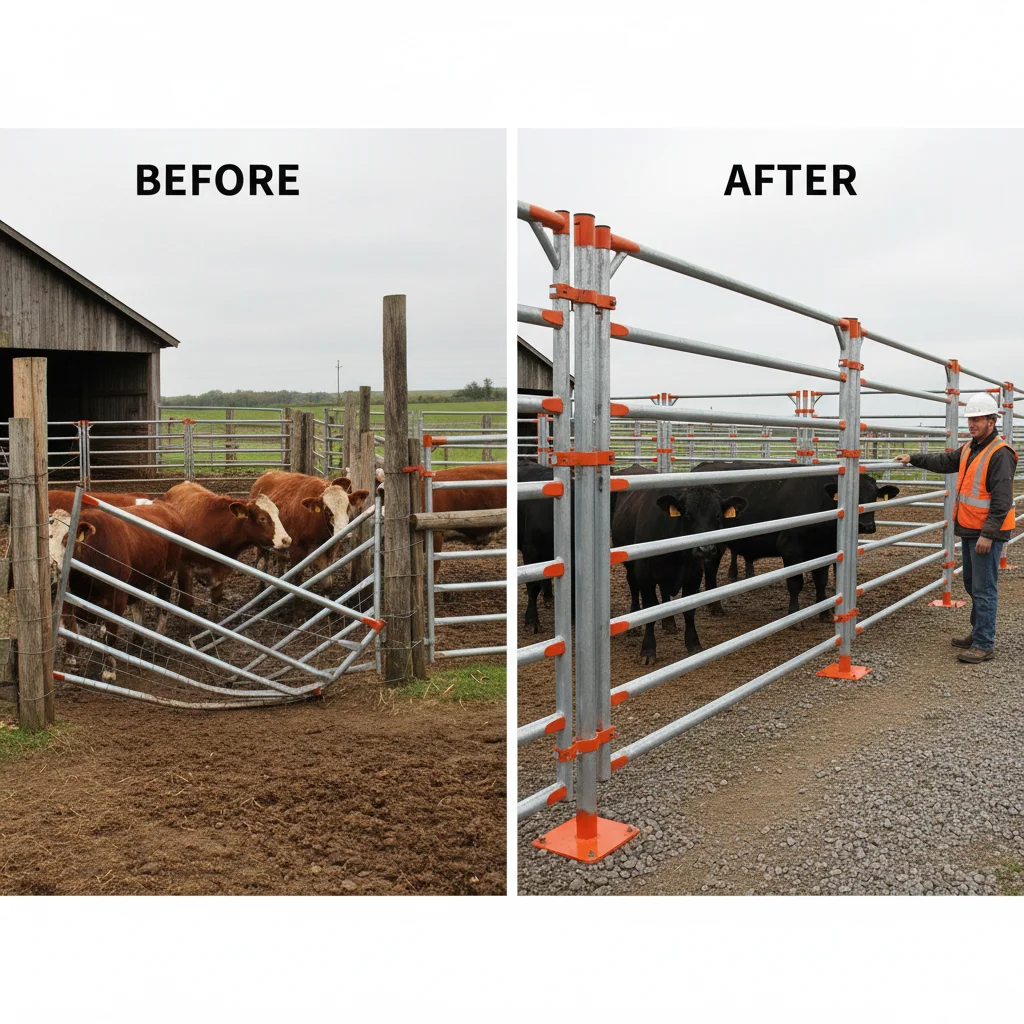
Durable Freestanding Livestock Panels for Efficient Animal Handling In the demanding world of agricultural management, the need for flexible and robust containment solutions has never been more critical. freestanding livestock panels offer a sophisticated answer to the challenges of animal handling, providing a secure yet adaptable barrier that does not require permanent installation or deep grounding. By allowing farmers and ranchers to redefine their spatial layouts in minutes, these panels maximize the efficiency of existing infrastructure while ensuring the safety of both the handlers and the livestock. Read More >26 Apr, 17
-
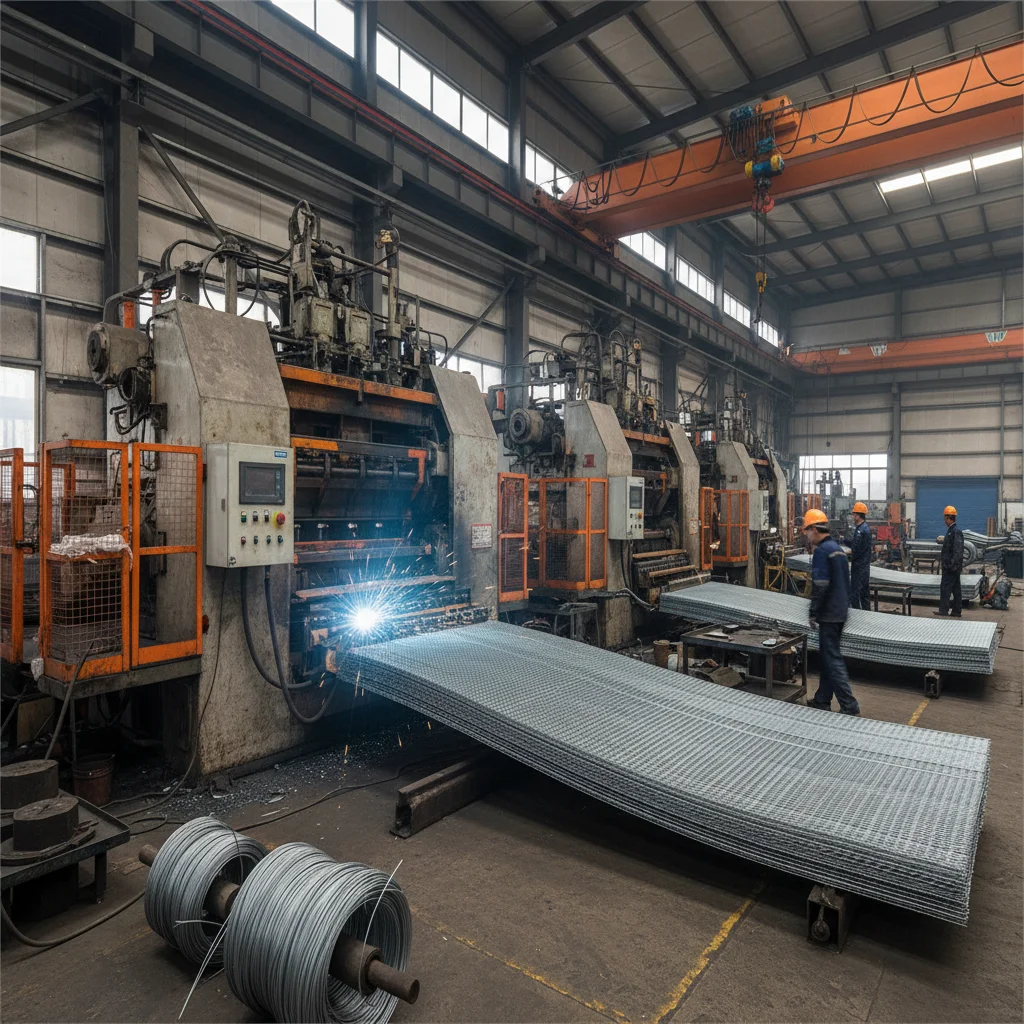
Professional Galvanized Welded Mesh Factory for Industrial Projects Finding a reliable galvanized welded mesh factory is critical for ensuring the structural integrity and longevity of your industrial or agricultural installations. Galvanized welded mesh is prized for its exceptional strength and resistance to corrosion, making it the go-to choice for fencing, animal cages, and construction reinforcement. However, not all factories adhere to the same quality standards. Whether you are sourcing for a large-scale infrastructure project or a specialized commercial application, understanding the manufacturing process and quality benchmarks is key to making a cost-effective investment that lasts for decades. Read More >26 Apr, 16
-
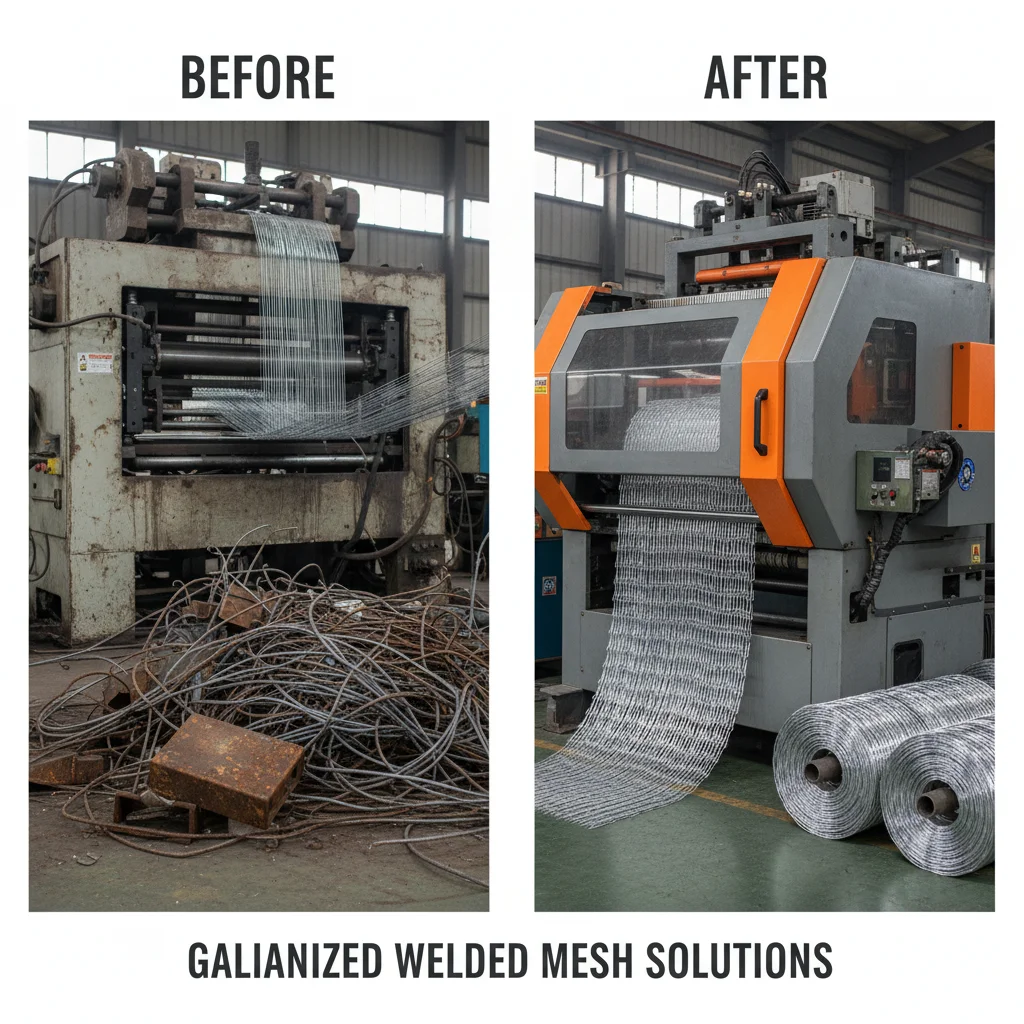
Professional Galvanized Welded Mesh Exporter for Quality Projects Selecting a high-quality fencing or screening solution requires more than just picking a product; it requires partnering with a reliable galvanized welded mesh exporter who understands the balance between structural integrity and corrosion resistance. Whether you are securing an industrial perimeter, building animal enclosures, or implementing architectural reinforcements, the quality of the galvanization process determines the lifespan of your installation. In this guide, we will explore the technical advantages of galvanized welded mesh and how to identify a global supplier that meets international quality standards to ensure your investment stands the test of time. Read More >26 Apr, 09
-
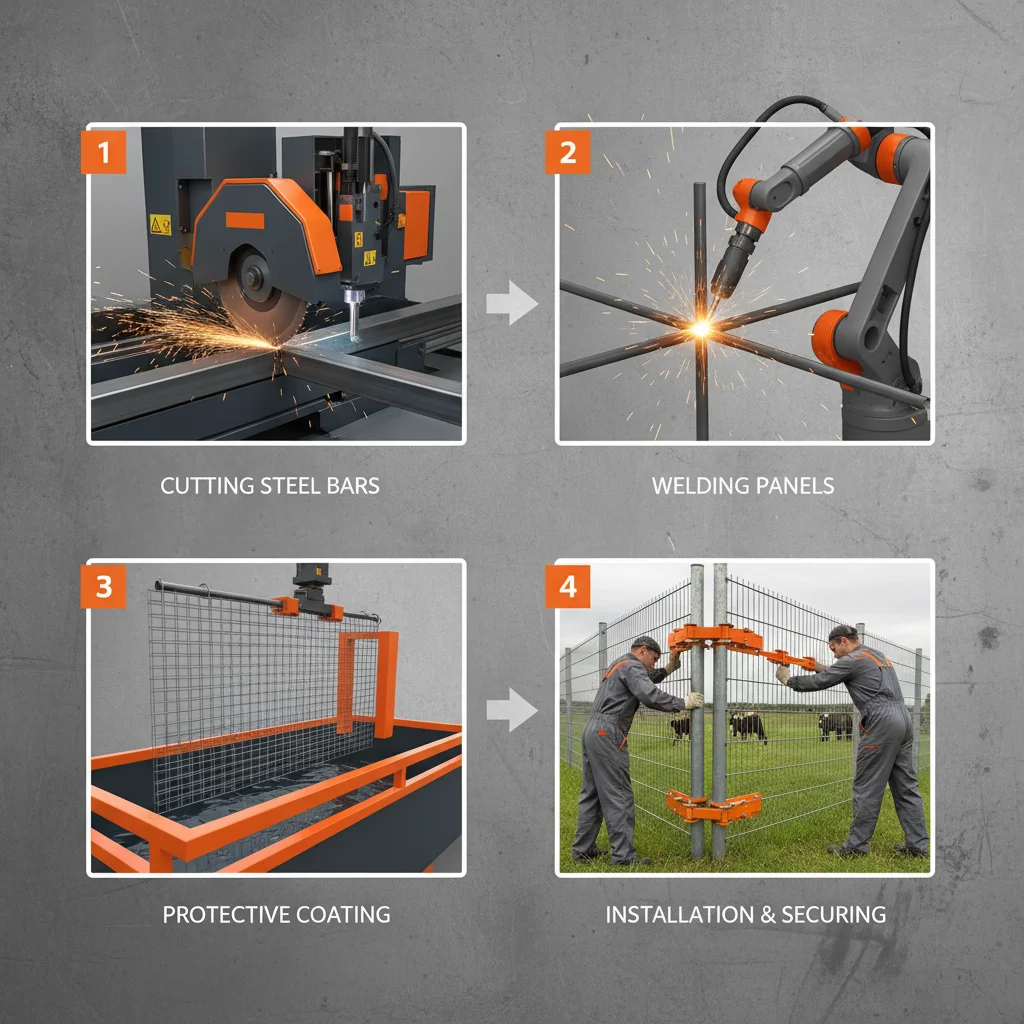
Essential Fencing Panels for Livestock Management and Farm Productivity Fencing panels for livestock are essential components in modern animal husbandry, playing a critical role in efficient farm management, animal welfare, and land utilization. Globally, the demand for robust and reliable fencing solutions is increasing due to the expanding livestock industry and the need to protect grazing lands from encroachment and predation. These panels aren’t simply barriers; they represent a vital investment in a farm's productivity and the health of its animals. Read More >26 Apr, 08
If you are interested in our products, you can choose to leave your information here, and we will be in touch with you shortly.


