


To be honest, the cattle panel world… it’s changing faster than I can keep up with these days. Everyone's talking about heavier gauge steel, more complex coatings. It's all about longevity, you know? And not just longevity on paper, but real-world beatings. I’ve been seeing a push for more galvanized options, especially in coastal areas. Salt spray is a killer.
I spent two weeks last fall at a fabrication plant in Texas, and the amount of automation they're throwing at this... it’s wild. Used to be, you’d see guys welding every joint by hand. Now, robots are doing most of it. Faster, sure, but you lose a little of that human touch, that inherent quality control, if you ask me. And honestly, some of those robots need a little tuning…
But, you know what really gets me? How many designs look great on a computer screen but are a nightmare to actually *build*. I encountered this at a factory in Ohio last time – fancy curved panels, all these intricate bends. Looked beautiful in the CAD drawing, but the manufacturing cost was insane and the yield rate was terrible. Strangel,y the simpler designs always win in the end.
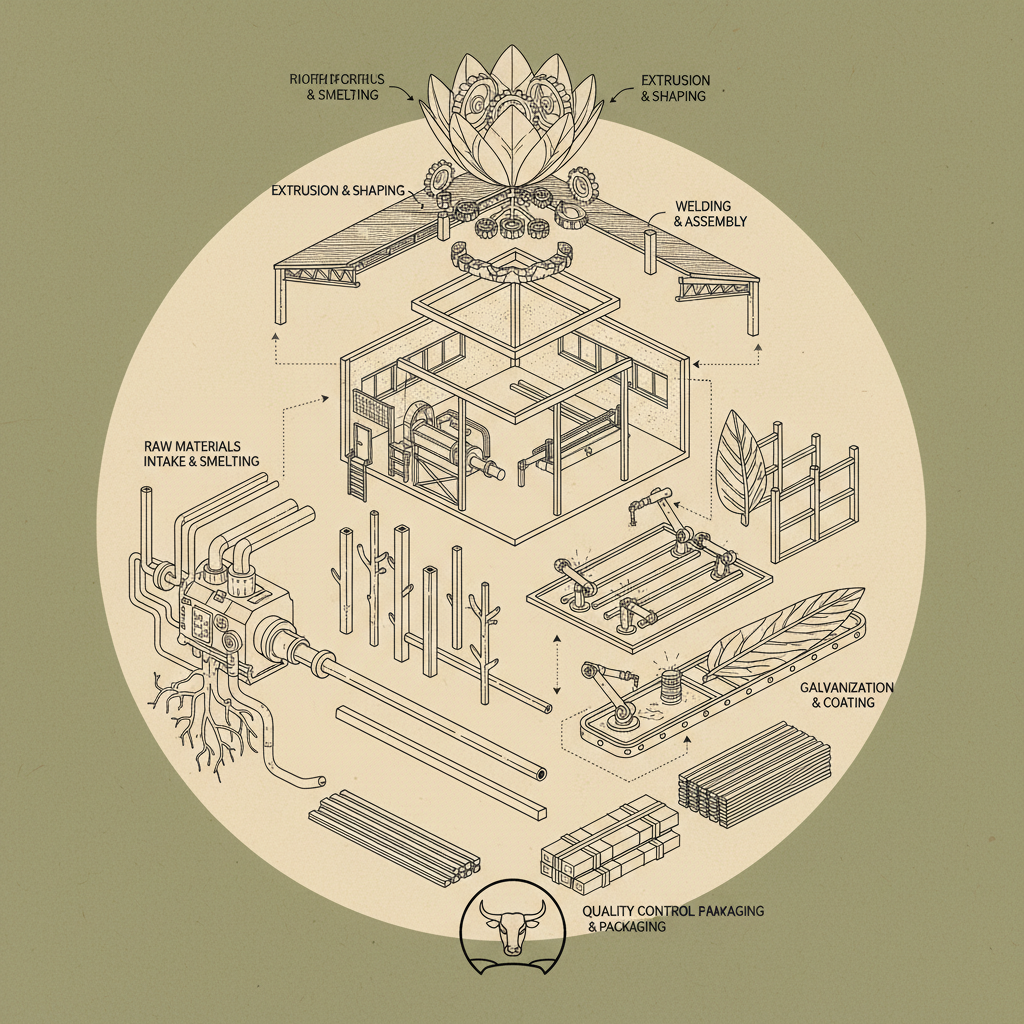
The Evolving Landscape of Cattle Panel Production
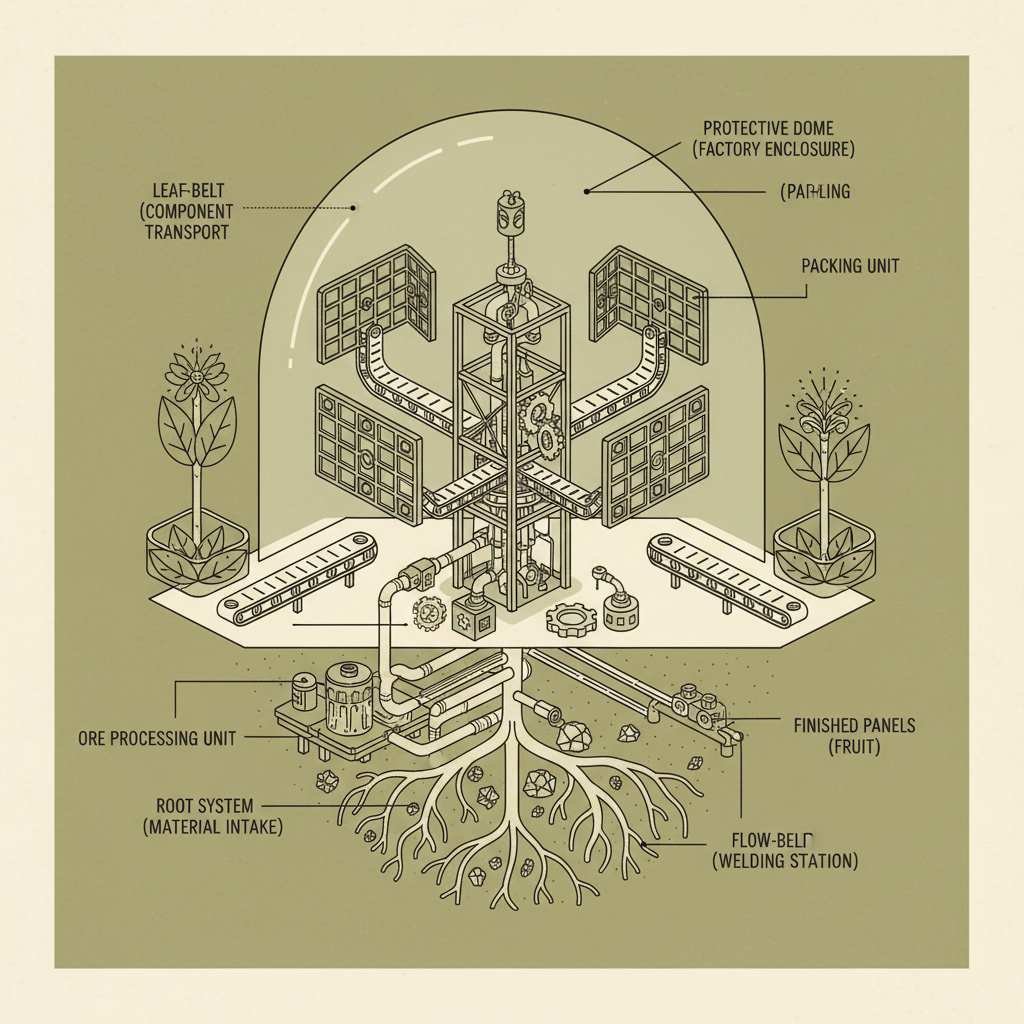
Honestly, the biggest trend I’m seeing – and I'm on sites constantly – is the demand for heavier-duty panels. Farmers are tired of replacing fences every few years. They want something that'll last. It’s simple economics, really. And it’s not just farms. Construction sites are using them for temporary security fencing, event organizers for crowd control… the applications are expanding.
The pressure is on manufacturers to increase the steel thickness, improve the galvanization process, and generally build a tougher product. And, of course, everyone wants it cheaper. That’s the eternal struggle, isn't it? I mean, you can get cheap panels from overseas, but the quality… well, let’s just say I’ve seen plenty of them buckle under minimal pressure.
FAQS
Galvanization is the process of applying a zinc coating to steel to prevent rust. It's a standard, relatively affordable option. Polymer coating adds an extra layer of protection *over* the galvanization, offering even better corrosion resistance, especially in harsh environments. It’s more expensive but lasts longer. Honestly, if you're near the ocean, go with polymer.
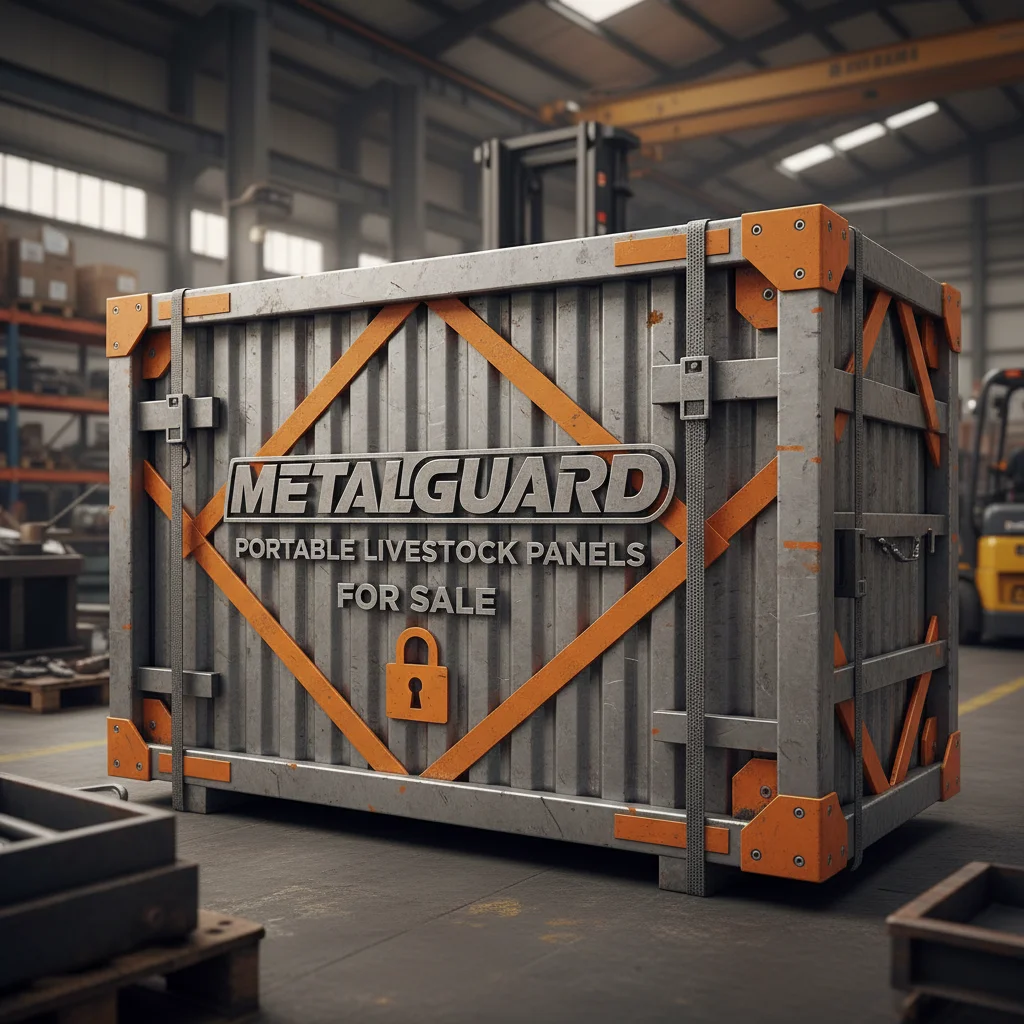
Store them off the ground, ideally on pallets or wooden blocks. Keep them dry, covered if possible. And if you’re stacking them, don’t stack them too high – you don’t want the weight compressing the panels. A little bit of oil can also help protect them during long-term storage. I always recommend storing them indoors if you can.
Use a metal cutting saw with a blade designed for steel. Angle grinders work, but they can generate a lot of heat and potentially damage the galvanization. Wear safety glasses and gloves! And after cutting, always file down any sharp edges to prevent injuries. It's also a good idea to coat the cut ends with a rust-inhibiting paint.
Absolutely not. Steel gauge (thickness) is a major factor. Thicker steel means a stronger panel. Also, the type of steel matters – higher carbon steel is stronger but more brittle. And the quality of the welds is critical. A weak weld is a point of failure. Don’t just go for the cheapest option; look for panels with a good reputation and a solid construction.
Yes, they’re a popular choice for temporary site security. They're relatively easy to install and remove, and they provide a good visual deterrent. Just make sure they’re properly secured to prevent them from being knocked over. Also, check local regulations – some areas may have specific requirements for temporary fencing.
Lead times vary depending on the complexity of the customization and the manufacturer’s current workload. But generally, you're looking at around 4-6 weeks for a significant order. It’s always best to plan ahead and get your order in early, especially during peak season. Communication is key – keep in touch with the manufacturer to get updates on the progress of your order.
Conclusion
So, what have we learned? Cattle panels aren’t glamorous, but they’re essential. They’re a workhorse product, used in a surprisingly wide range of applications. The market's pushing for durability and longevity, manufacturers are adopting automation, and the key to a good panel is simple: solid materials, quality construction, and a design that prioritizes function over form.
Ultimately, whether this thing works or not, the worker will know the moment he tightens the screw. If it feels solid, it is. If it feels flimsy, it isn’t. That’s the truth of it. If you're looking for a reliable cattle panel factory, check out cattle panel factory.
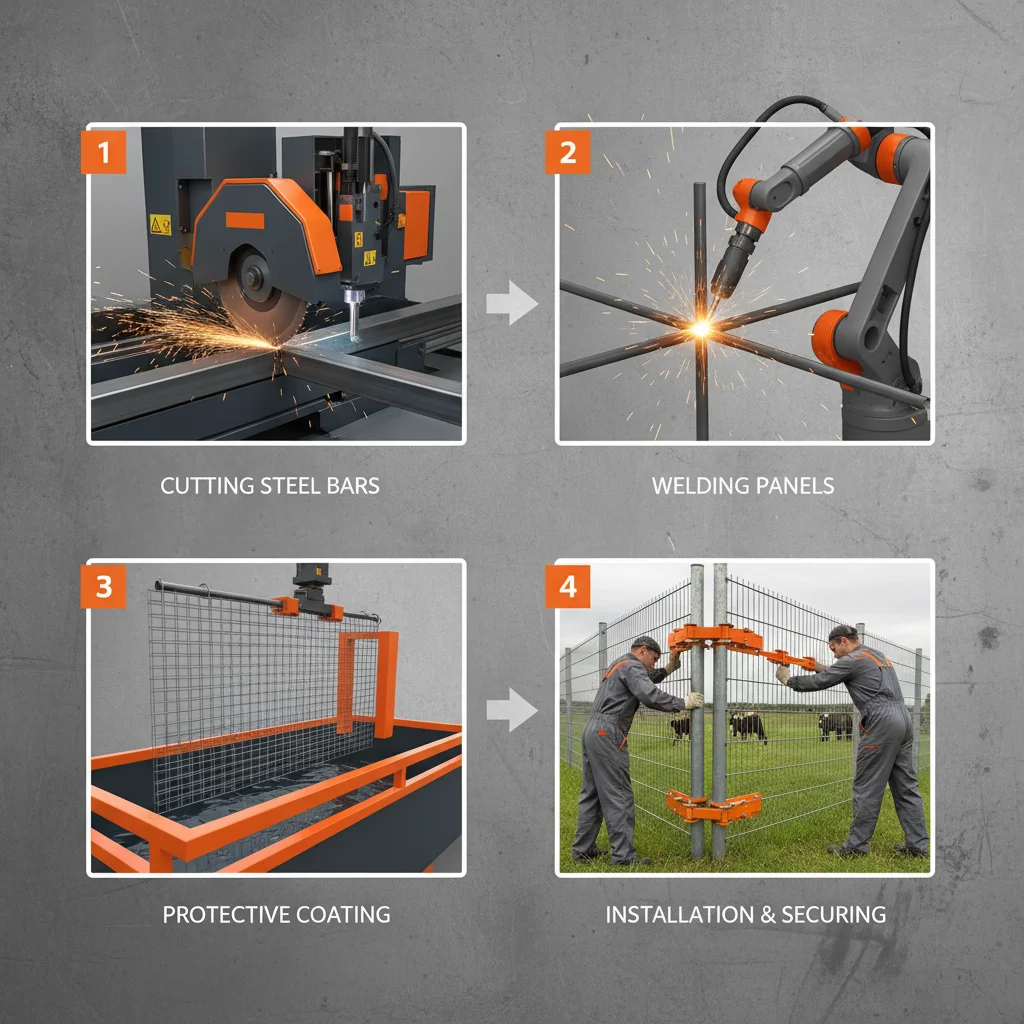

Christopher Davis
If you are interested in our products, you can choose to leave your information here, and we will be in touch with you shortly.


