


You know, lately everyone's talking about prefabrication. Not just houses, but everything. They say it's the future, saves time, reduces waste… To be honest, I’ve seen a lot of "future" promises come and go. What really matters is whether it holds up on a muddy construction site at 6 AM.
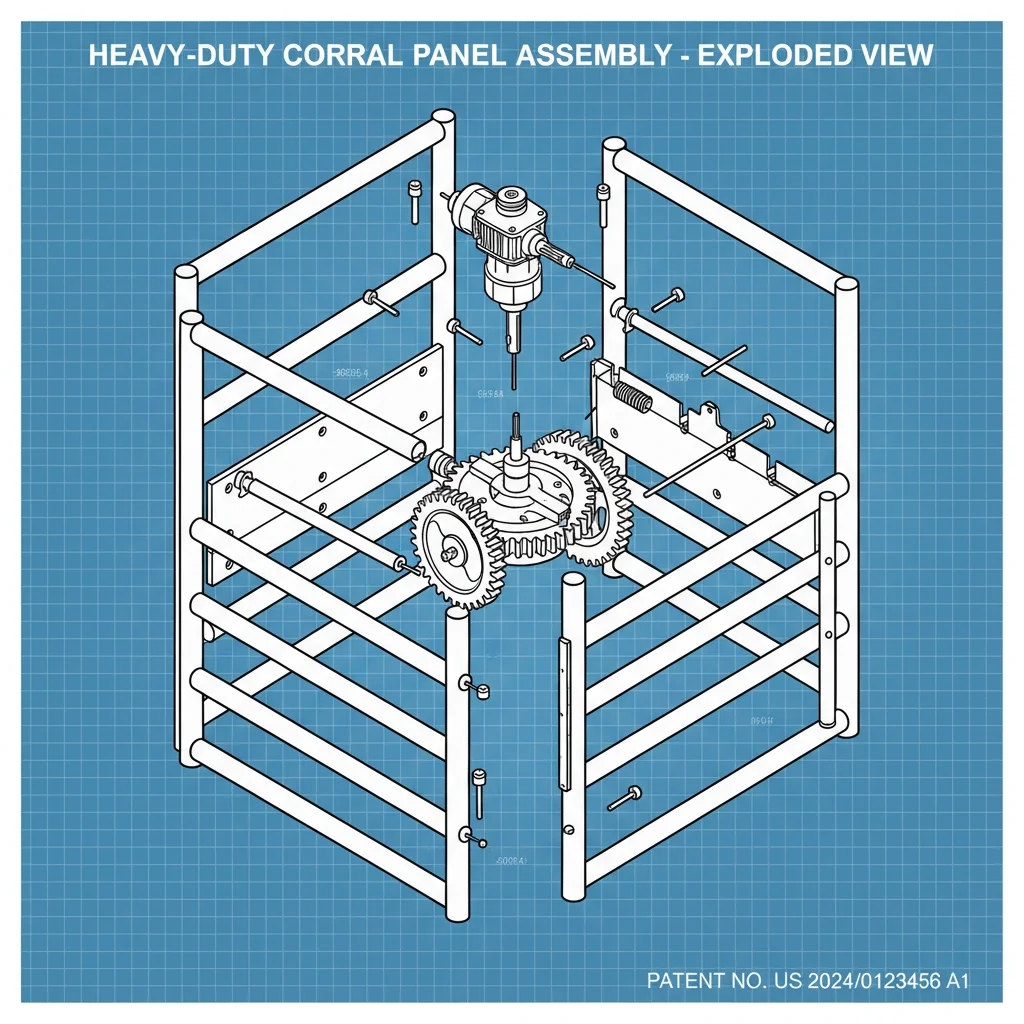
What I’ve noticed is a lot of designers – bright folks, mind you, but they haven’t spent a week hauling materials – they get hung up on aesthetics. They’ll specify some fancy connection point, all sleek and minimalist… and then the ironworker looks at you like you’ve lost your mind. "How am I supposed to tighten that with gloves on?"
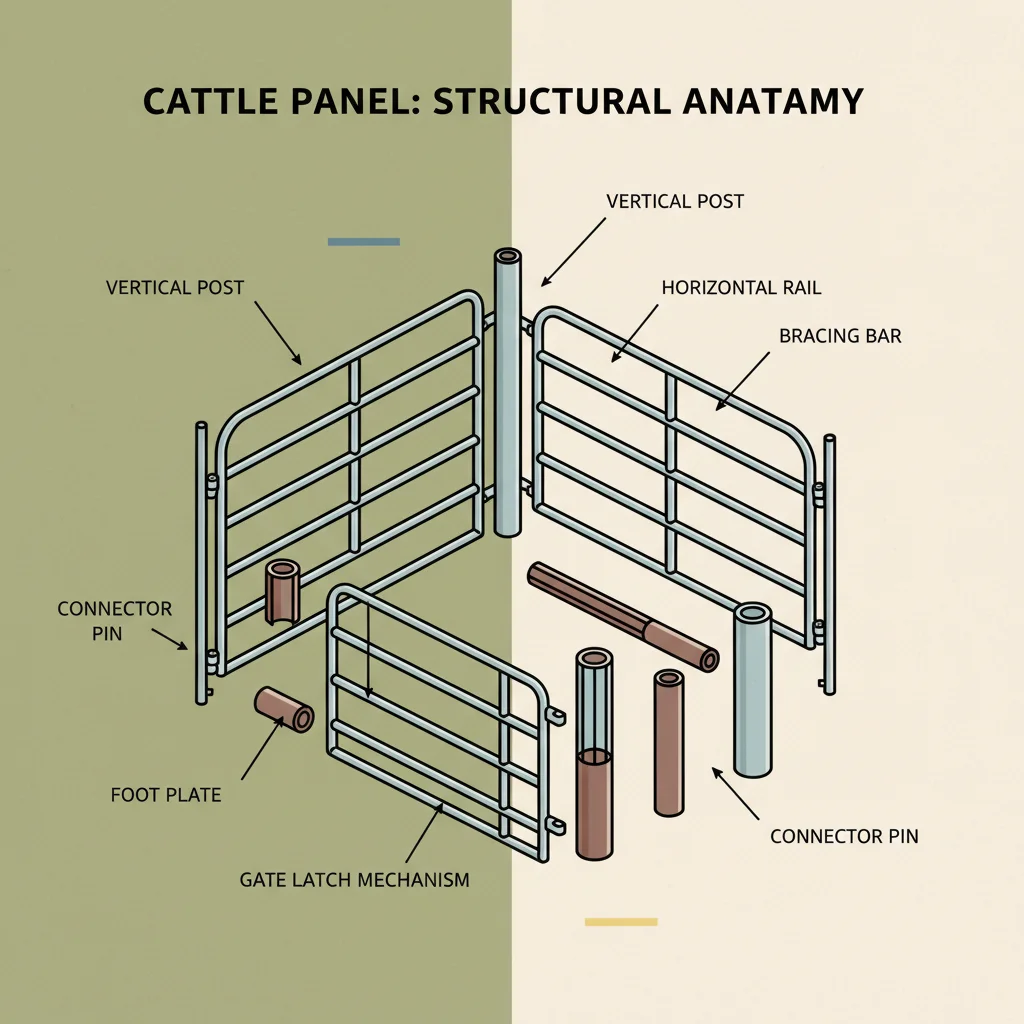
And then there's the material itself. These portable corral panels? Most of them are galvanized steel pipe, right? Standard stuff. But the quality varies wildly. I encountered this at a factory in Tianjin last time. They were using some "high-yield" steel... smelled a bit off, honestly. Not the clean smell of good steel, a little… metallic, almost burnt. You can tell just by tapping it – a good pipe rings. This one just thudded. Then you have the plastic coating - that’s crucial. Cheap plastic gets brittle in the sun, cracks within months. You want that thick, UV-resistant stuff, even if it adds a few yuan to the cost. It's worth it.
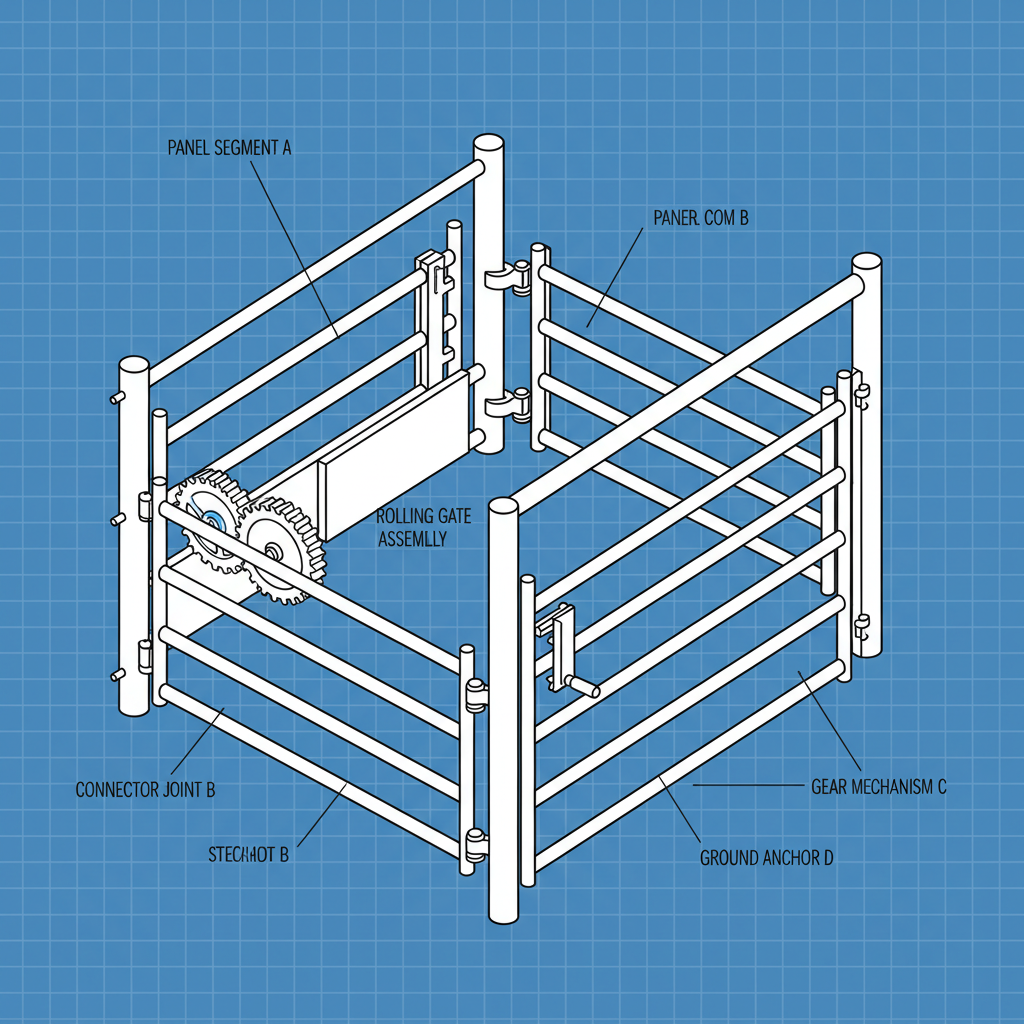
The Current Landscape of Portable Corral Panel Demand
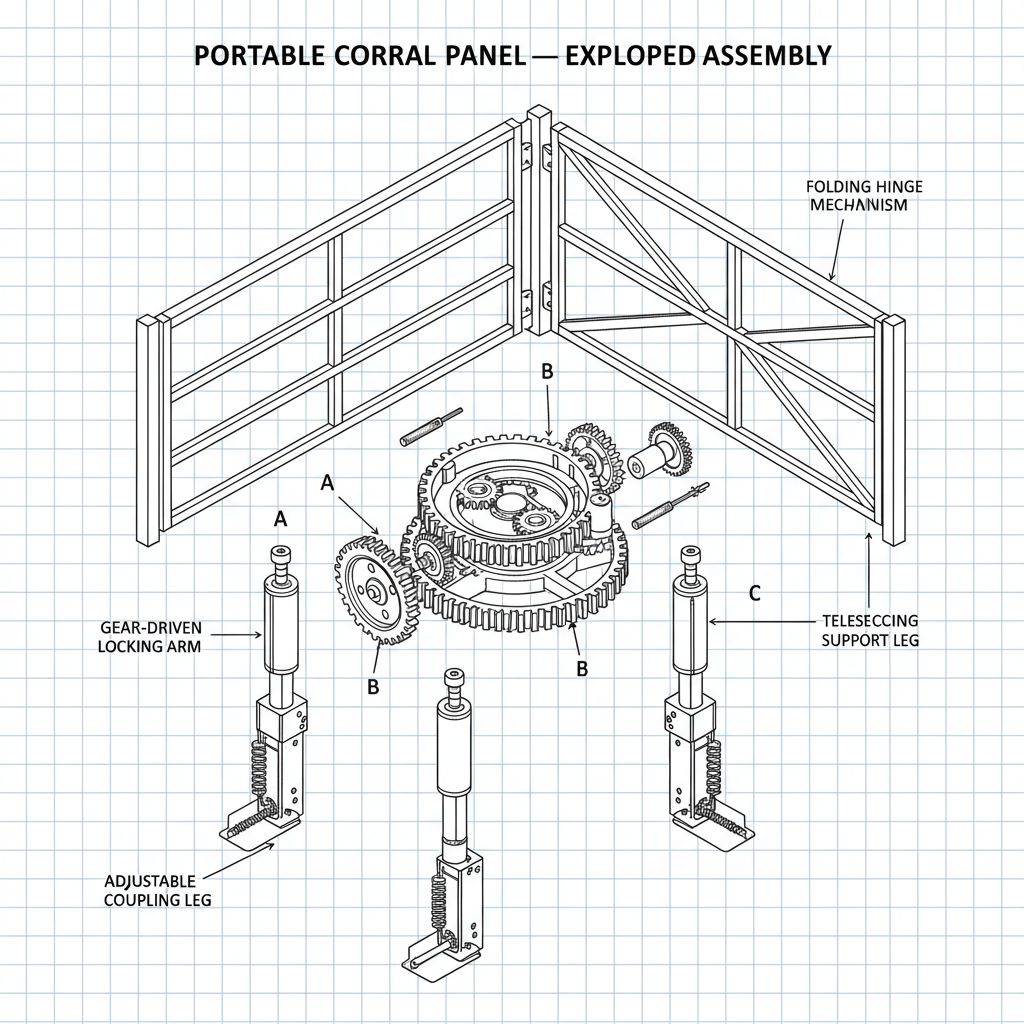
Honestly, the demand is all over the place. You've got your livestock folks, obviously. Rodeos, auctions, that kind of thing. But lately? Events. Music festivals, outdoor concerts, even corporate team-building exercises. They need temporary enclosures, crowd control... And increasingly, disaster relief. Quick, deployable fencing for temporary shelters or staging areas. I’ve even heard about using them for temporary dog parks. It’s strangely versatile.
The biggest growth is coming from the construction industry, though. Contractors using them for temporary site security, material storage, even as makeshift walkways. They're a lot easier to move around than concrete barriers, that's for sure. But they need to be movable. Which gets back to the design and materials…
FAQS
That really depends on usage and environment. With decent maintenance—occasional cleaning, re-tightening bolts—you can realistically get 5-10 years out of a galvanized steel panel. Powder-coated ones should last longer, maybe 8-12. But abuse them, leave them out in harsh weather, and they'll start to rust and fail much sooner. I've seen panels completely crumble after just a couple of years because they weren't looked after.
Generally, yes. The whole point is portability. Most panels connect with simple clips or bolts. One person can usually manage it, though it’s easier with two. The key is level ground! Uneven terrain makes it a pain. And make sure you've got the right tools – a wrench and maybe a rubber mallet. Don't try to force anything. If it's not fitting, you're doing it wrong.
Regular inspection is key. Check the connectors, look for rust, tighten any loose bolts. Clean off any mud or debris. If you live in a snowy area, clear the snow off the panels to prevent them from collapsing under the weight. A coat of rust-inhibiting paint every year or two can also extend their life significantly. It's not glamorous work, but it's important.
Absolutely. Renting is a great option, especially if you only need them for a short-term event. There are a lot of rental companies that specialize in fencing and crowd control. Just be sure to check the condition of the panels before you rent them, and ask about their cleaning and maintenance procedures. You don't want to end up with rusty, flimsy panels on your hands.
Like I said, they’re surprisingly versatile! I’ve seen them used for everything from event perimeters and temporary walkways to construction site security and even sound barriers at concerts. Disaster relief organizations use them for temporary shelters and staging areas. They’re even starting to pop up as temporary fencing for dog parks. It all comes down to needing a quick, portable, and relatively sturdy barrier.
Yes, absolutely. While they’re sturdy, they’re not indestructible. Most manufacturers will specify a load-bearing capacity, but that’s usually a static load. Dynamic loads – like animals leaning on them or wind pressure – can significantly reduce that capacity. You need to factor that in when designing your setup. And don't try to stack panels on top of each other unless they’re specifically designed for it. It's a recipe for disaster.
Conclusion
Ultimately, portable corral panels are a pretty straightforward product. They’re not glamorous, they’re not high-tech, but they get the job done. They provide a quick, portable, and relatively affordable solution for a wide range of fencing needs. But the devil is in the details – the quality of the materials, the design of the connectors, and the overall build quality.
And look, whether this thing works or not, the worker will know the moment he tightens the screw. That's the bottom line. If it feels solid, it probably is. If it feels flimsy, walk away. Because at the end of the day, it's not about what the engineer says, or what the sales guy promises. It’s about whether it’ll hold up when the chips are down. Visit our website at www.haotianmesh.com for portable corral panels for sale.

Christopher Davis
If you are interested in our products, you can choose to leave your information here, and we will be in touch with you shortly.


