Effective livestock management relies heavily on the quality of containment systems, and metal livestock panels have emerged as the gold standard for modern farming. These robust barriers are designed to balance security with animal welfare, ensuring that cattle, sheep, and pigs are contained safely while reducing the stress associated with restrictive environments. By integrating high-tensile steel and corrosion-resistant coatings, these panels provide a long-term solution to the perennial challenges of livestock containment.
Globally, the shift toward industrialization in agriculture has necessitated a transition from traditional wooden fencing to more durable alternatives. The adoption of metal livestock panels allows farmers to optimize their land use, implement precise rotational grazing, and manage herd health more effectively. Whether used for temporary sorting or permanent paddock division, these systems offer a level of structural integrity that prevents animal escapes and reduces labor costs over time.
Understanding the technical nuances of these panels—from gauge thickness to galvanization methods—is crucial for any operation aiming for scalability and safety. In an era where animal welfare standards are strictly monitored by global bodies and consumers alike, investing in high-quality metal containment is not just a logistical choice but a commitment to sustainable farming practices. The following guide explores the depths of these essential agricultural tools.
Global Relevance and Market Context of Metal Livestock Panels
The global demand for protein has surged, leading to an intensification of livestock farming across Asia, South America, and North America. This growth has put immense pressure on traditional infrastructure, where outdated fencing often leads to livestock loss or injury. According to industry trends aligned with ISO standards for agricultural equipment, the implementation of metal livestock panels has become a strategic necessity for commercial farms to ensure biosecurity and operational efficiency.
Beyond simple containment, these panels address the critical challenge of "animal stress management." By providing secure, modular environments, farmers can isolate sick animals or manage calving and lambing with minimal disruption. The global market is now shifting toward standardized, interchangeable panel systems that allow for rapid reconfiguration, reflecting a broader trend toward agile and data-driven farm management.
Defining Metal Livestock Panels in Modern Agriculture
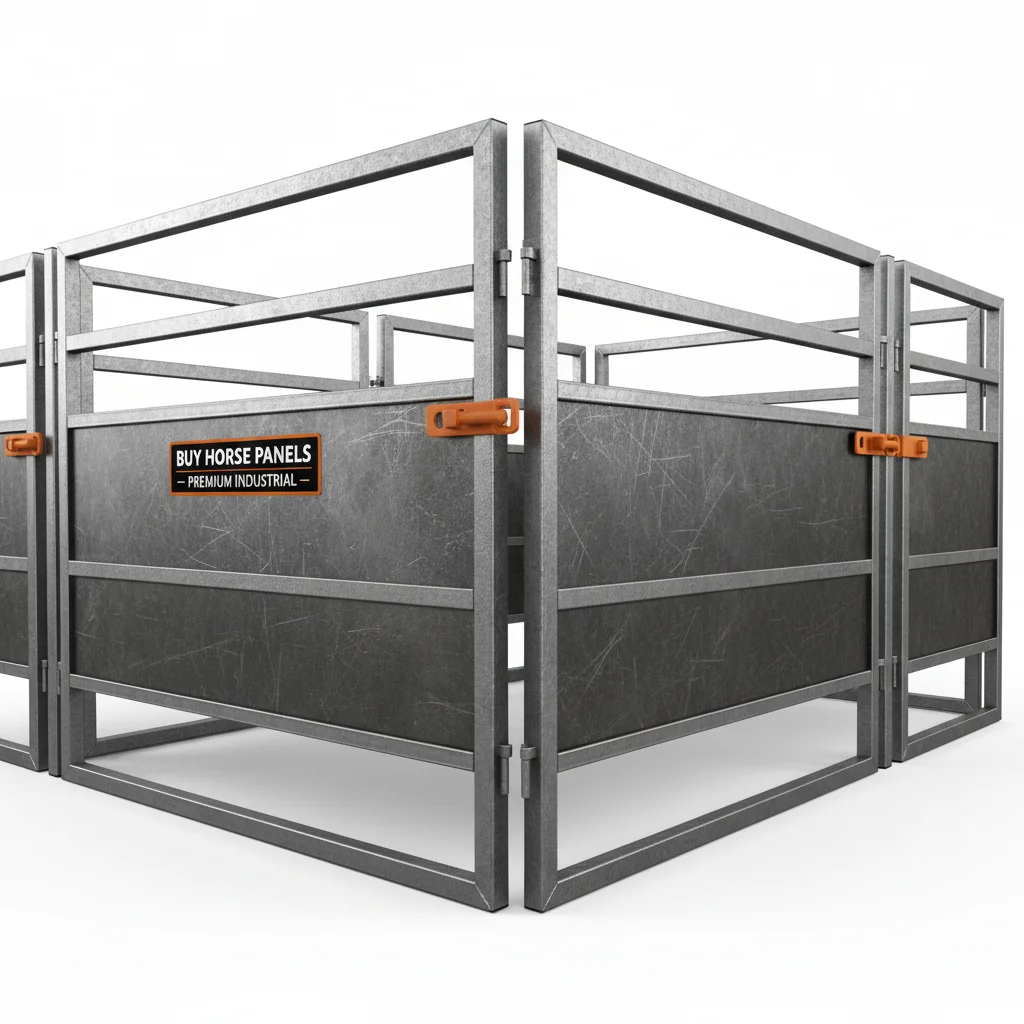
At its core, a metal livestock panel is a prefabricated structural barrier constructed from high-grade steel, often galvanized or powder-coated to resist the harsh environments of a farm. Unlike continuous wire fencing, these panels are typically modular, featuring a frame with internal rails or mesh that can be pinned together to create pens, alleys, or temporary corrals. Their primary purpose is to provide a rigid yet breathable boundary that livestock cannot easily push through or climb over.
In the context of modern industry, these panels represent the intersection of metallurgy and veterinary science. The design focuses on removing sharp edges and gaps that could cause injury to the animal, while maintaining enough strength to withstand the pressure of a panicked animal. This makes them indispensable for humanitarian and commercial efforts alike, where the goal is to maximize output without compromising the dignity and health of the livestock.
Moreover, the evolution of metal livestock panels has moved toward specialization. We now see panels specifically engineered for different species—heavier gauge steel for bulls and cows, and tighter mesh patterns for goats and sheep. This specialization ensures that the containment system is perfectly matched to the physical capabilities and behavioral traits of the animals it houses.
Core Components and Engineering Factors
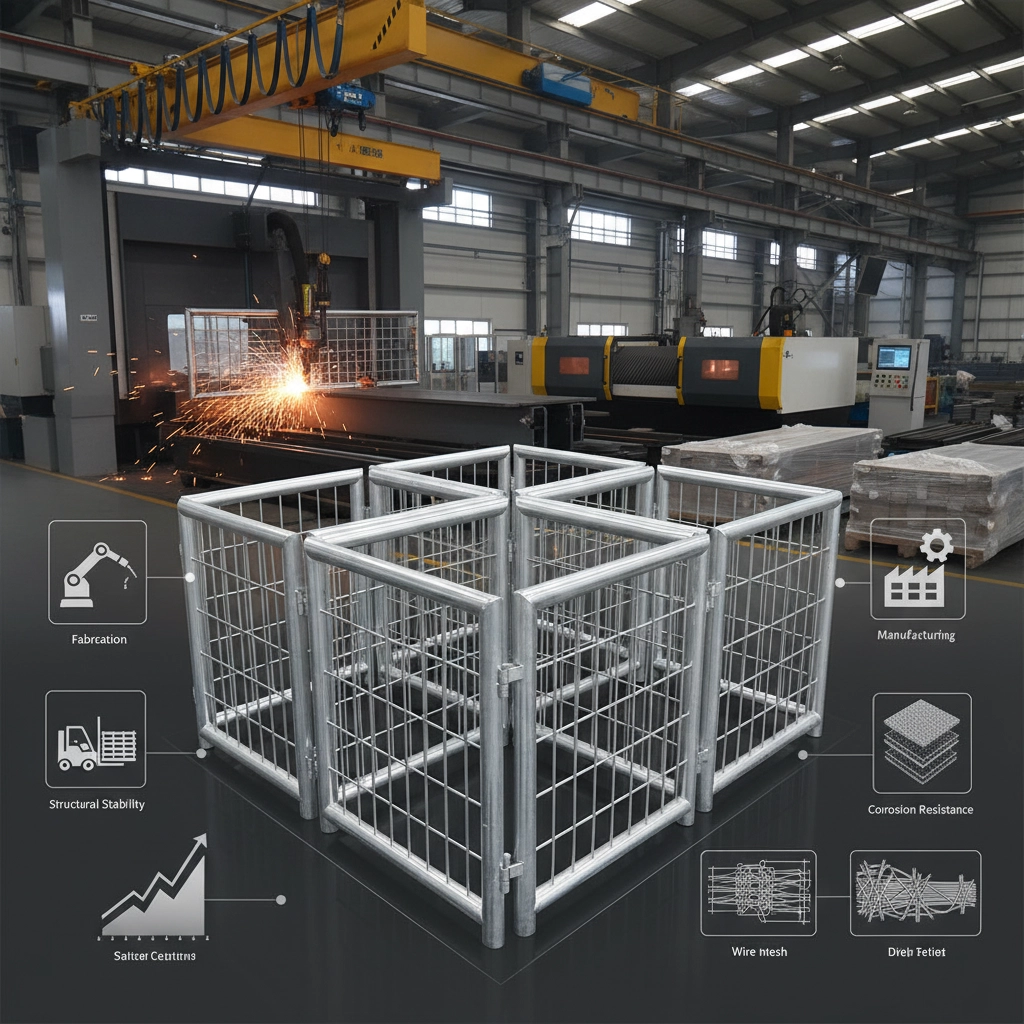
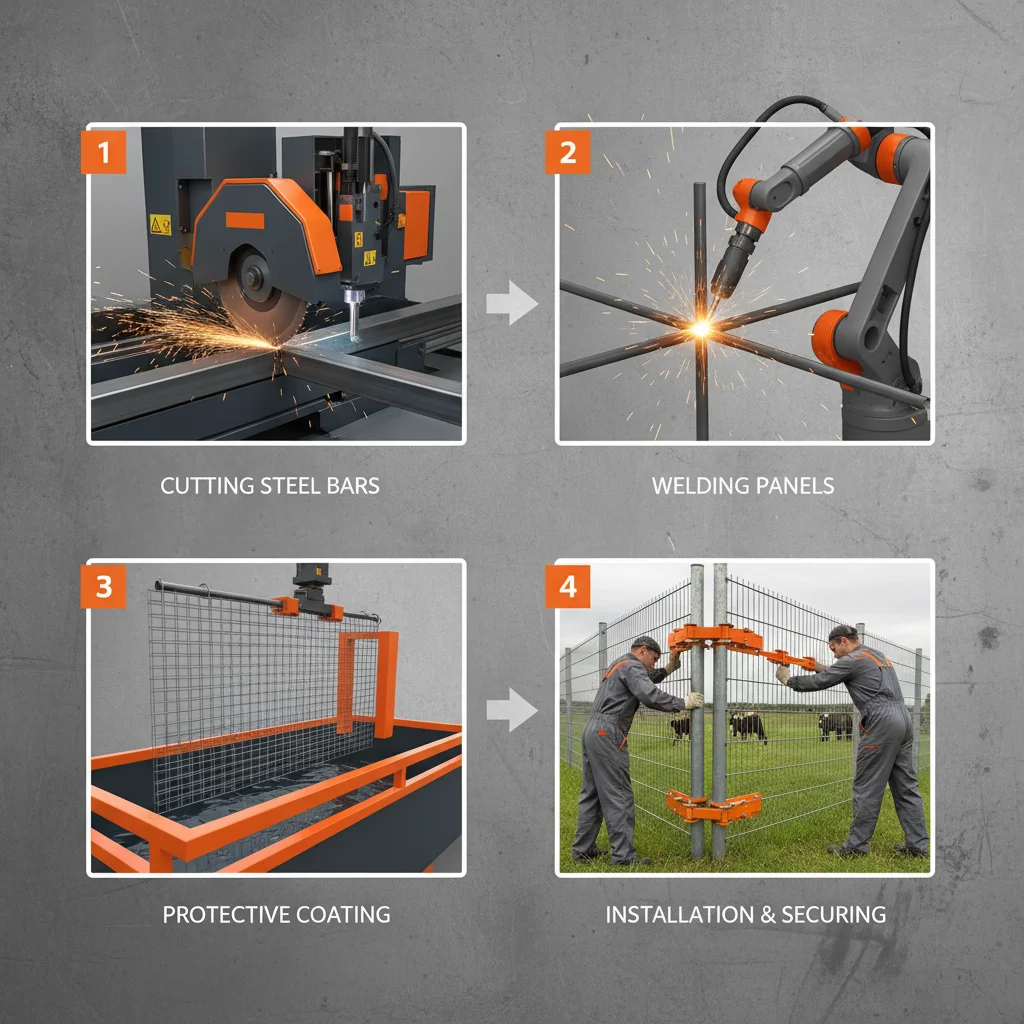
The durability of metal livestock panels depends heavily on the material grade. Most professional-grade panels utilize hot-dipped galvanized steel, which creates a metallurgical bond between the zinc and the iron. This prevents rust from forming even in high-moisture environments or when exposed to acidic animal waste, ensuring a lifespan that far exceeds untreated metals.
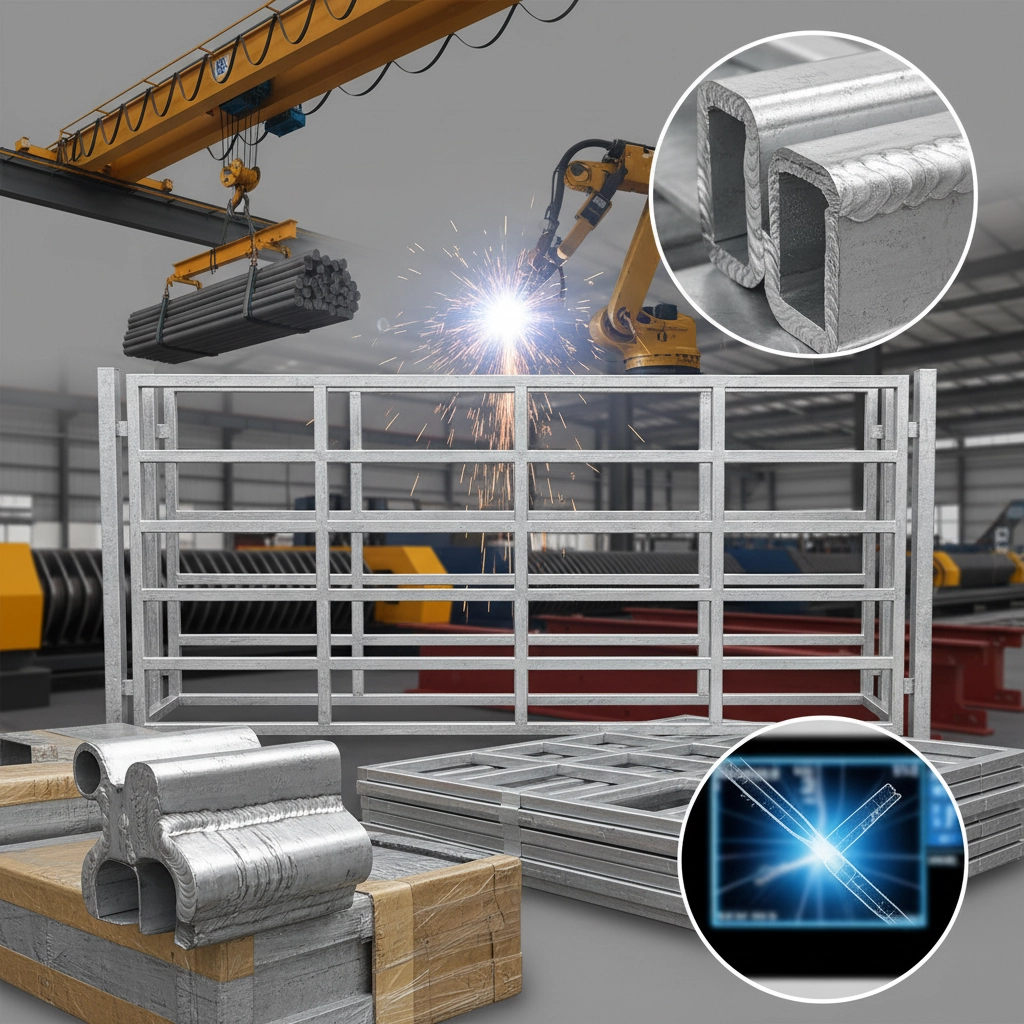
Another critical factor is the structural geometry. The use of tubular frames combined with reinforced welds at high-stress points prevents the panels from bowing or warping under pressure. Engineers focus on the "load-bearing capacity" per linear foot, ensuring that the panel can withstand the weight of a leaning animal without collapsing, which is vital for maintaining safety in high-density feeding areas.
Lastly, the connectivity system—the pins, clips, or bolts used to join panels—defines the scalability of the system. High-quality metal livestock panels utilize "drop-in" pins or locking mechanisms that allow a single worker to assemble a large pen in minutes. This modularity reduces the need for permanent concrete footings, offering flexibility as the farm's needs evolve.
Practical Applications and Global Use Cases
In real-world agricultural settings, metal livestock panels are deployed in a variety of high-impact scenarios. For instance, in the vast cattle ranches of Australia and the USA, these panels are used to create "sorting alleys" where animals are efficiently channeled for vaccinations or weighing. This precision movement reduces the risk of injury to both the handlers and the livestock.
Beyond commercial farming, these panels are critical in emergency response and disaster relief. In post-disaster zones where livestock are displaced, NGOs and government agencies deploy modular metal panels to create rapid-response shelters. These temporary enclosures prevent the spread of disease among displaced herds and ensure that livestock are kept away from hazardous debris, providing a sense of order and safety in chaotic environments.
Efficiency Performance of Different Metal Livestock Panel Designs
Long-Term Value and Tangible Advantages
The primary advantage of investing in metal livestock panels is the drastic reduction in long-term maintenance costs. While the initial capital expenditure is higher than wooden fencing, the elimination of rot, termite damage, and frequent replacements leads to a lower total cost of ownership. This financial predictability is essential for farm owners managing tight margins in a volatile commodity market.
From an emotional and ethical perspective, the reliability of these panels fosters trust between the farmer and the environment. Knowing that animals are secure and cannot accidentally breach a boundary provides peace of mind, reducing the stress of midnight escapes or predator intrusions. Furthermore, the professional appearance of metal installations signals a commitment to quality and innovation, which can be a deciding factor for buyers of high-end organic or pasture-raised meats.
Future Trends and Technological Innovations
The next generation of metal livestock panels is moving toward "smart containment." We are seeing the integration of IoT sensors into panel frames that can detect abnormal pressure or vibrations, alerting farmers to potential animal distress or breach attempts in real-time. This digital transformation allows for remote monitoring of large-scale operations, significantly reducing the need for physical patrols.
Sustainability is also driving material innovation. Manufacturers are exploring the use of recycled high-strength alloys and eco-friendly powder coatings that reduce VOC emissions during production. These "green" panels maintain the same structural integrity as traditional steel while lowering the overall carbon footprint of the farm's infrastructure, aligning agricultural practices with global climate goals.
Additionally, automation in the fabrication process—such as robotic precision welding—is ensuring that every panel is identical to the millimeter. This level of consistency means that components from different batches fit together perfectly, eliminating the "gap" issues that often plague older, manually welded systems. The future of livestock containment is one of precision, sustainability, and connectivity.
Common Challenges and Expert Solutions
Despite their strengths, metal livestock panels can face challenges, primarily related to soil corrosion in highly saline or acidic regions. In these environments, standard galvanization may not be enough. The expert solution is to utilize a "duplex coating" system—where the metal is first galvanized and then powder-coated—creating a double layer of protection that can withstand the harshest chemical exposures.
Another common issue is the weight of the panels, which can make manual transport difficult for smaller crews. To overcome this, industry leaders are introducing hybrid designs that utilize lightweight reinforced composites for non-load-bearing sections of the panel while keeping the primary frame steel. This reduces the weight by up to 30% without sacrificing the strength needed to contain heavy livestock.
Finally, the problem of "panel shifting" on uneven terrain can be solved through the implementation of adjustable-height feet or anchoring spikes. By allowing the user to level the panel regardless of the ground slope, the structural integrity of the entire pen is maintained, preventing the "domino effect" where one leaning panel causes the rest of the system to collapse.
Comparative Analysis of Metal Livestock Panel Specifications
|
Panel Type
|
Corrosion Resistance
|
Installation Speed
|
Lifespan (Years)
|
| Standard Galvanized |
High |
Fast |
15-20 |
| Powder-Coated Steel |
Very High |
Fast |
20-25 |
| Heavy-Duty Industrial |
Extreme |
Moderate |
30+ |
| Light-Weight Alloy |
Moderate |
Very Fast |
10-15 |
| Modular Slot System |
High |
Instant |
15-20 |
| Duplex Coated |
Extreme |
Fast |
35+ |
FAQS
Metal panels offer vastly superior durability and hygiene. Unlike wood, they do not rot, warp, or harbor parasites and bacteria, which is critical for animal health. Additionally, their modular nature allows for rapid reconfiguration and movement, whereas wooden fences are typically permanent and labor-intensive to modify.
Depending on the environment and the quality of the galvanization, standard panels usually last between 15 to 25 years. In highly corrosive environments, duplex coatings (galvanization plus powder coating) can extend this lifespan to over 30 years with minimal maintenance.
Yes, provided you choose the correct mesh density. We offer specialized panels with tighter gaps specifically designed to prevent smaller livestock from getting their heads stuck or escaping, ensuring the same level of security as those used for larger cattle.
Absolutely. Most of our metal livestock panels are designed for portability. Their modular "pin-and-lock" system means they can be disassembled in minutes and stacked flat on a trailer, making them ideal for temporary exhibitions, livestock markets, or rotational grazing setups.
For coastal areas with high salt spray, we recommend our duplex coating system. This combines hot-dip galvanizing for internal protection with a high-grade powder coat for an external barrier, effectively sealing the steel from saline air and preventing oxidation.
While the initial cost is higher than timber, the return on investment (ROI) is realized through zero replacement costs and reduced labor. When you factor in the lifespan and the efficiency gains in livestock handling, metal panels are significantly more cost-effective over a 10-year period.
Conclusion
In summary, metal livestock panels represent a vital evolution in agricultural infrastructure, merging structural engineering with a deep understanding of animal behavior. From their exceptional durability and corrosion resistance to their modular flexibility, these systems solve the most pressing challenges of modern livestock containment. By prioritizing material quality and precision design, farmers can ensure a safer environment for their animals and a more profitable, efficient operation for themselves.
Looking ahead, the integration of smart technology and sustainable materials will further elevate the role of metal containment in the global food supply chain. We encourage farm owners and agricultural managers to move beyond temporary fixes and invest in scalable, long-term solutions that protect their assets and enhance animal welfare. For those seeking professional-grade containment systems, visit our website: www.haotianmesh.com to explore our full range of livestock solutions.