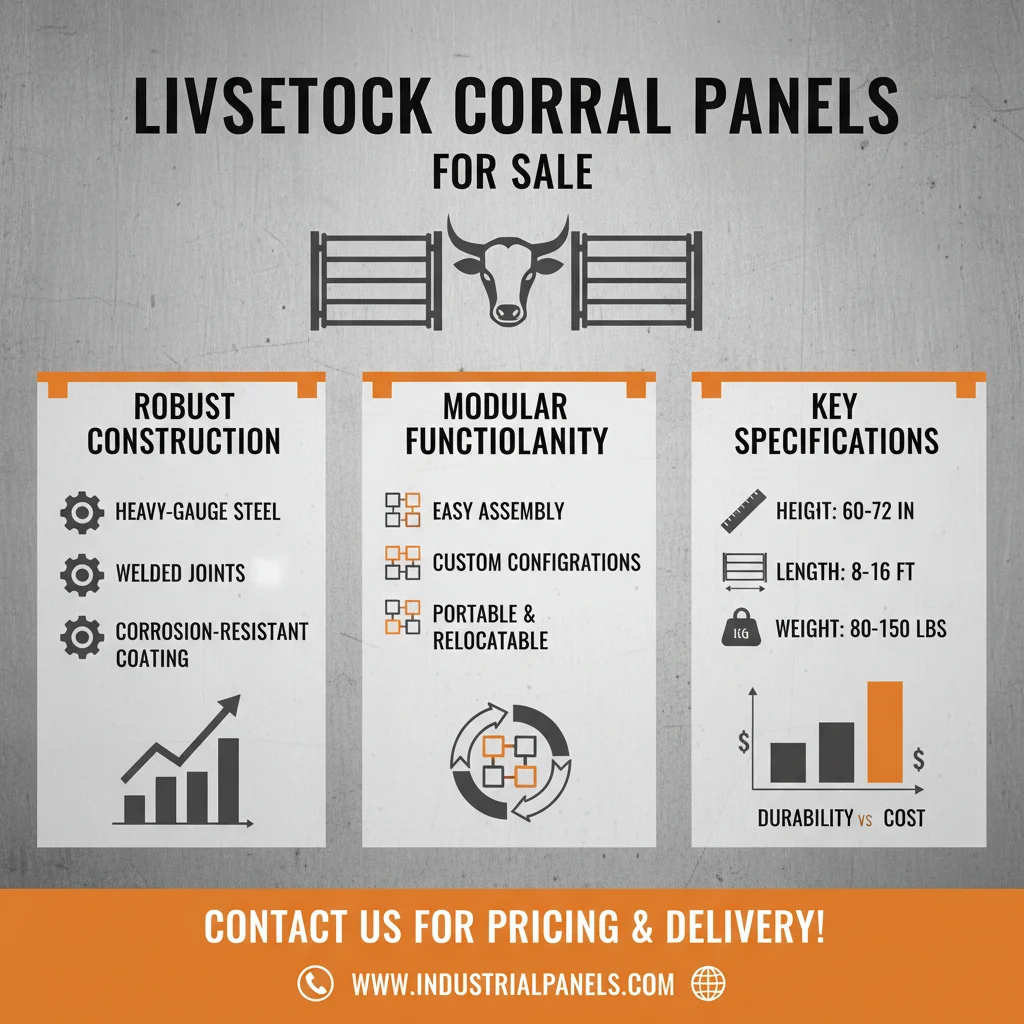
In the modern agricultural landscape, the demand for flexible and efficient animal containment has led to the widespread adoption of mini livestock panels. These specialized fencing solutions provide farmers and ranchers with a versatile way to manage small-to-medium sized animals, offering a perfect balance between structural integrity and ease of movement. Whether used for temporary sorting, kidding pens, or rotational grazing, these panels are essential for maintaining herd health and operational efficiency.
Globally, the livestock industry is shifting toward precision farming, where the ability to quickly isolate animals for veterinary care or nutritional management is paramount. mini livestock panels address this need by replacing permanent, rigid structures with modular systems that can be reconfigured in minutes. This adaptability reduces labor costs and minimizes animal stress during handling, which is a critical factor in maintaining high production standards.
Understanding the technical nuances of these panels—from the gauge of the steel to the type of coating used—allows producers to make informed investment decisions. By integrating high-quality mini livestock panels into their infrastructure, agricultural businesses can enhance bio-security, optimize space utilization, and ensure a safer environment for both the handlers and the livestock.
Global Relevance of Mini Livestock Panels
The global livestock sector is currently facing a dual challenge: the need to increase protein production to feed a growing population and the imperative to improve animal welfare standards. In this context, mini livestock panels have emerged as a critical tool for sustainable farm management. According to industry trends aligned with ISO standards for agricultural equipment, the move toward modularity allows farmers to implement "low-stress livestock handling" techniques, which are proven to increase meat quality and animal health.
Across North America, Europe, and Asia, the adoption of these panels is driven by the need for rapid deployment. In regions where livestock must be moved frequently to prevent overgrazing, the ability to set up secure, temporary enclosures without the need for permanent posts is a game-changer. These systems solve the problem of "fixed-infrastructure rigidity," allowing the farm layout to evolve in real-time based on the needs of the herd.
Defining the Role of Mini Livestock Panels
In simple terms, mini livestock panels are prefabricated, modular fencing sections designed specifically for smaller animals such as goats, sheep, pigs, and calves. Unlike traditional heavy-duty cattle panels, these "mini" versions feature a tighter mesh pattern and a lighter overall frame, making them easier to transport and install while remaining strong enough to prevent escapes and protect animals from external threats.
Beyond mere containment, these panels serve as a vital component of modern humanitarian and industrial agricultural needs. In developing regions, they provide a cost-effective way for small-scale farmers to protect their assets, reducing livestock loss due to predation or straying. The standardization of these panels ensures that they can be shipped efficiently across borders, supporting global food security initiatives by empowering local producers.
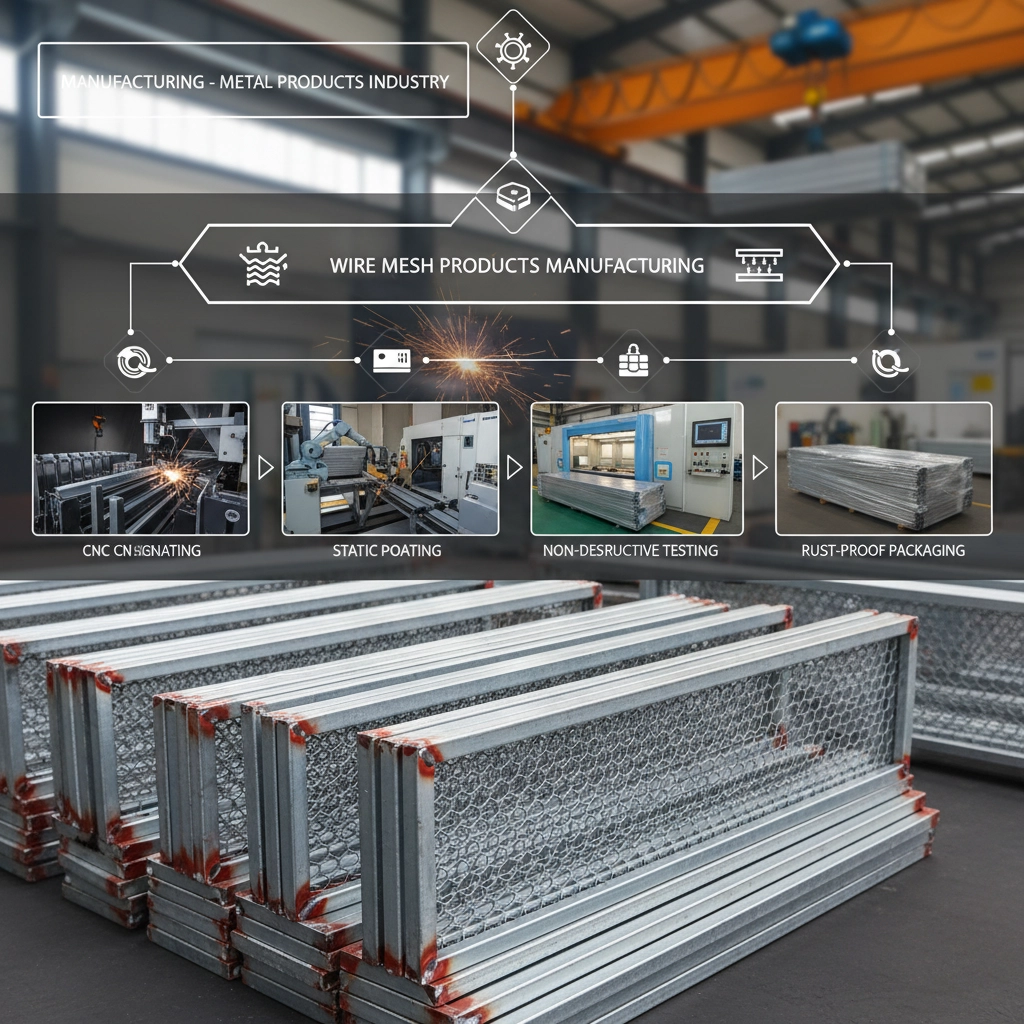
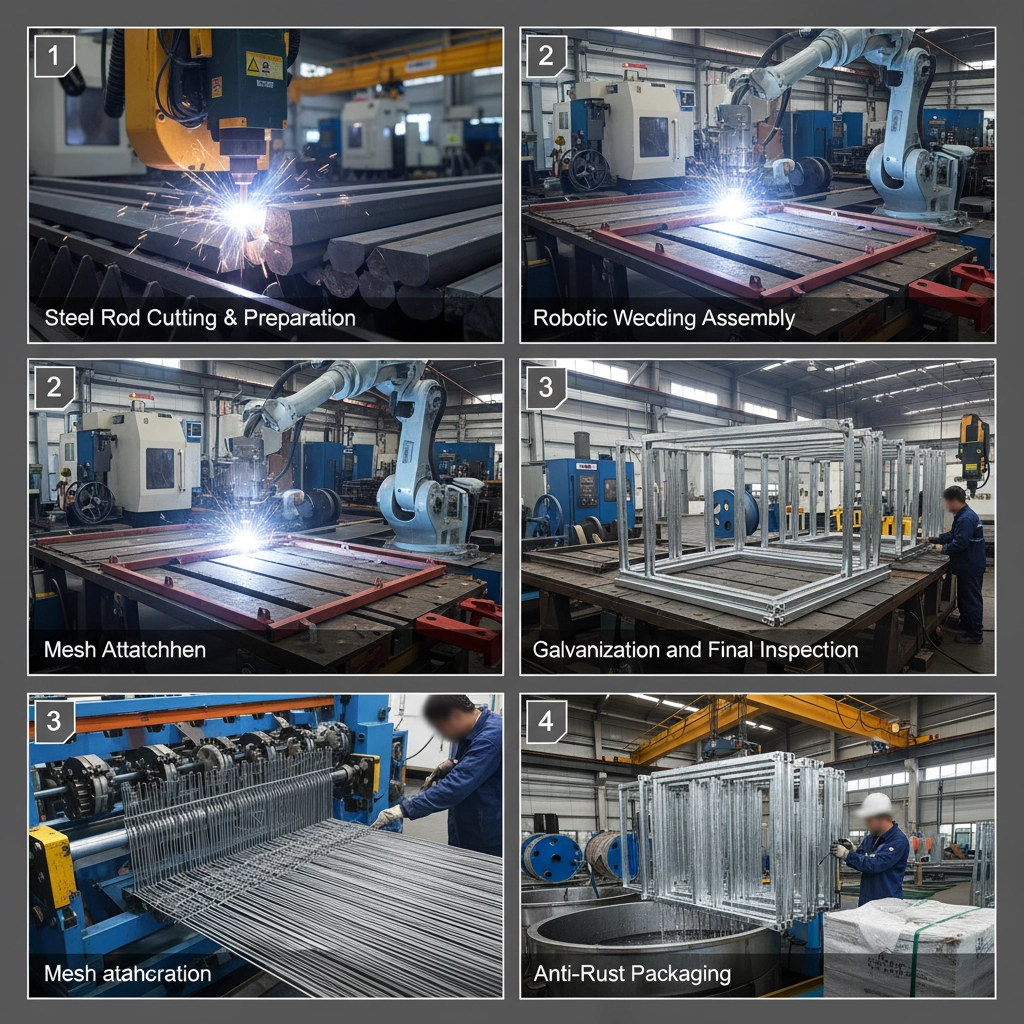
The connection to modern industry lies in the precision engineering of the wire mesh. Utilizing advanced welding techniques and galvanized coatings, mini livestock panels are designed to withstand harsh environmental conditions, from the salty air of coastal farms to the humid climates of tropical regions, ensuring a long service life with minimal maintenance.
Core Components for Maximum Durability
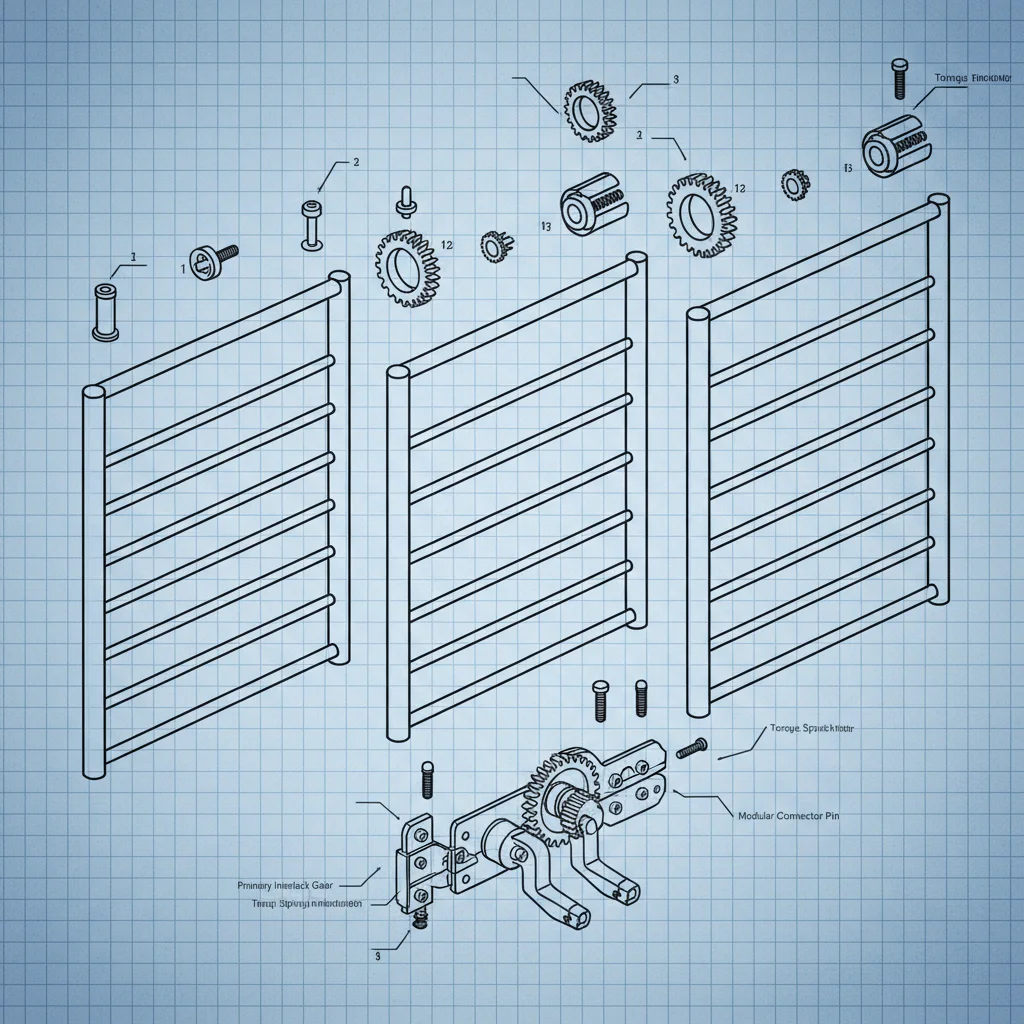
The effectiveness of mini livestock panels begins with the material quality. High-tensile carbon steel is typically used to ensure that the panels do not warp under the pressure of leaning animals. The structural integrity is further enhanced by reinforced corners and specialized locking mechanisms that prevent the panels from shifting during use.
Corrosion resistance is the second pillar of durability. Most professional-grade mini livestock panels undergo a hot-dip galvanization process, which creates a metallurgical bond between the zinc and the steel. This prevents rust from forming, even when the panels are in constant contact with moist soil or exposed to acidic animal waste.
Finally, the mesh geometry plays a crucial role. By optimizing the aperture size, manufacturers ensure that mini livestock panels prevent "head-trapping" while maintaining enough airflow and visibility. This balance of safety and openness is what makes these panels superior to solid-wall alternatives in terms of animal psychology and health.
Key Factors in Panel Performance
When evaluating the performance of mini livestock panels, several metrics come into play. Scalability is perhaps the most important; a system that can expand from a single kidding pen to a large sorting alley without requiring new tools is highly valued. Additionally, cost-efficiency is measured not just by the purchase price, but by the "cost per year of service," where high-quality galvanization significantly lowers the total cost of ownership.
Another critical factor is the ease of deployment. In fast-paced farming environments, the time it takes to set up a temporary fence can impact animal stress levels. Modern mini livestock panels utilize "drop-in" or "pin-lock" systems that allow a single operator to secure a perimeter in a fraction of the time required for traditional fencing.
Performance Comparison of Mini Livestock Panels Variants
Global Applications and Use Cases
In real-world contexts, mini livestock panels are deployed in a variety of critical scenarios. For instance, in the dairy industry, they are frequently used to create "sick pens" where ailing animals can be isolated and treated without contaminating the rest of the herd. This targeted approach to animal health is a cornerstone of bio-security protocols in high-output farming regions like the Netherlands and New Zealand.
Beyond commercial farms, these panels are invaluable in disaster relief operations. When livestock are displaced by floods or wildfires, NGOs often use mini livestock panels to quickly establish temporary shelters and distribution centers for animals. This ensures that livestock—which often represent the primary wealth of rural families—are kept safe and organized during chaotic recovery periods.
Long-Term Value and Sustainability
The long-term value of investing in high-quality mini livestock panels extends beyond simple utility. From a financial perspective, the durability of galvanized steel means these panels can last for decades, significantly reducing the need for replacement materials. This longevity directly contributes to a lower carbon footprint for the farm, as fewer resources are consumed over the lifespan of the facility.
From an emotional and ethical angle, the use of professional panels reflects a commitment to animal dignity. Secure, well-designed enclosures prevent injuries caused by gaps in fencing or sharp edges, fostering a sense of security for the animals. When animals are less stressed, they are more productive, creating a virtuous cycle of trust and efficiency between the handler and the herd.
Furthermore, the versatility of mini livestock panels supports innovative grazing strategies, such as managed intensive rotational grazing (MIRG). By allowing farmers to move enclosures frequently, the land is allowed to recover, promoting soil health and biodiversity, which aligns with global sustainability goals for regenerative agriculture.
Future Trends in Livestock Containment
Looking ahead, the evolution of mini livestock panels is being shaped by material science and digitalization. We are seeing the introduction of "smart coatings" that are not only corrosion-resistant but also antimicrobial, further reducing the spread of disease in crowded penning areas. Additionally, the integration of lightweight composite materials is making panels even easier to handle without sacrificing the strength required for stubborn livestock.
Automation is also beginning to touch this sector. While panels themselves remain physical barriers, the way they are integrated into farm management software is changing. Future systems may include RFID-integrated panels that can track which animal has entered a specific pen, automatically updating health records or feeding schedules in real-time.
Sustainability will remain the driving force. The industry is moving toward a circular economy, where mini livestock panels are designed for 100% recyclability at the end of their long life. By utilizing green energy in the galvanization process and optimizing shipping logistics, manufacturers are reducing the environmental impact of livestock infrastructure.
Technical Analysis of Mini Livestock Panel Specifications
| Panel Grade |
Material Coating |
Tensile Strength |
Recommended Use |
| Economy Series |
Light Galvanized |
Medium |
Temporary Sorting |
| Professional Grade |
Hot-Dip Galvanized |
High |
Long-term Penning |
| Heavy-Duty Plus |
Zinc-Aluminum Alloy |
Ultra-High |
Aggressive Breeds |
| Eco-Friendly Line |
Powder Coated |
Medium-High |
Indoor Facilities |
| Modular Flex |
Hot-Dip Galvanized |
High |
Rotational Grazing |
| Custom Heritage |
Specialty Polymer |
Medium |
Show Livestock |
FAQS
Mini livestock panels offer far superior durability and flexibility. Unlike wood, which can rot, splinter, or be chewed through by animals, steel panels are impervious to biological decay and provide a consistent, strong barrier. Furthermore, they are modular, meaning they can be moved and reconfigured in minutes without the need for digging post holes or using heavy machinery, making them far more efficient for dynamic farm management.
When treated with a professional hot-dip galvanization process, mini livestock panels can last 20 to 50 years, depending on the environment. The zinc coating acts as a sacrificial anode, protecting the underlying steel from oxidation. In coastal areas with high salt content, we recommend our Zinc-Aluminum alloy coated panels, which provide an extra layer of protection against chloride-induced corrosion.
Yes, provided you choose the correct mesh size. Our mini livestock panels are engineered with a specific aperture that prevents the heads of young animals from getting stuck, which is a common risk with wider cattle panels. The welds are ground smooth to ensure there are no sharp burrs, significantly reducing the risk of cuts or scrapes during daily movement.
While designed for versatility, they are perfectly suited for permanent use. By securing the panels to permanent steel posts or using heavy-duty clamps, you can create a permanent structure that remains easy to maintain. Many farmers use them as the "infill" for permanent barns or corridors because they allow for better ventilation and light than solid walls.
The choice depends on the weight and temperament of the animal. For sheep and goats, a medium-gauge panel is typically sufficient. However, for pigs or stubborn calves that tend to "push" against fences, we recommend our Heavy-Duty Plus series. A thicker gauge ensures the panel maintains its shape under pressure and prevents the mesh from bowing over time.
To optimize shipping costs, we design our mini livestock panels to be nestable, meaning they stack tightly to reduce the volume of the shipping container. We provide full customs documentation and support for international freight. We recommend ordering in bulk quantities that align with standard 20ft or 40ft container dimensions to minimize the per-unit landing cost.
Conclusion
In summary, mini livestock panels represent a critical intersection of metallurgical engineering and agricultural pragmatism. By providing a durable, scalable, and animal-safe alternative to traditional fencing, these panels empower farmers to optimize their operations, improve animal welfare, and ensure long-term sustainability. From the precision of hot-dip galvanization to the flexibility of modular design, every aspect of these panels is geared toward reducing labor and increasing productivity.
As the livestock industry continues to evolve toward more sustainable and humane practices, the adoption of high-quality containment solutions will be a key differentiator for successful producers. We encourage farm owners and agricultural planners to move away from rigid, outdated infrastructure and embrace the versatility of modular systems. For more information on how to upgrade your facility with professional-grade fencing, visit our website: www.haotianmesh.com