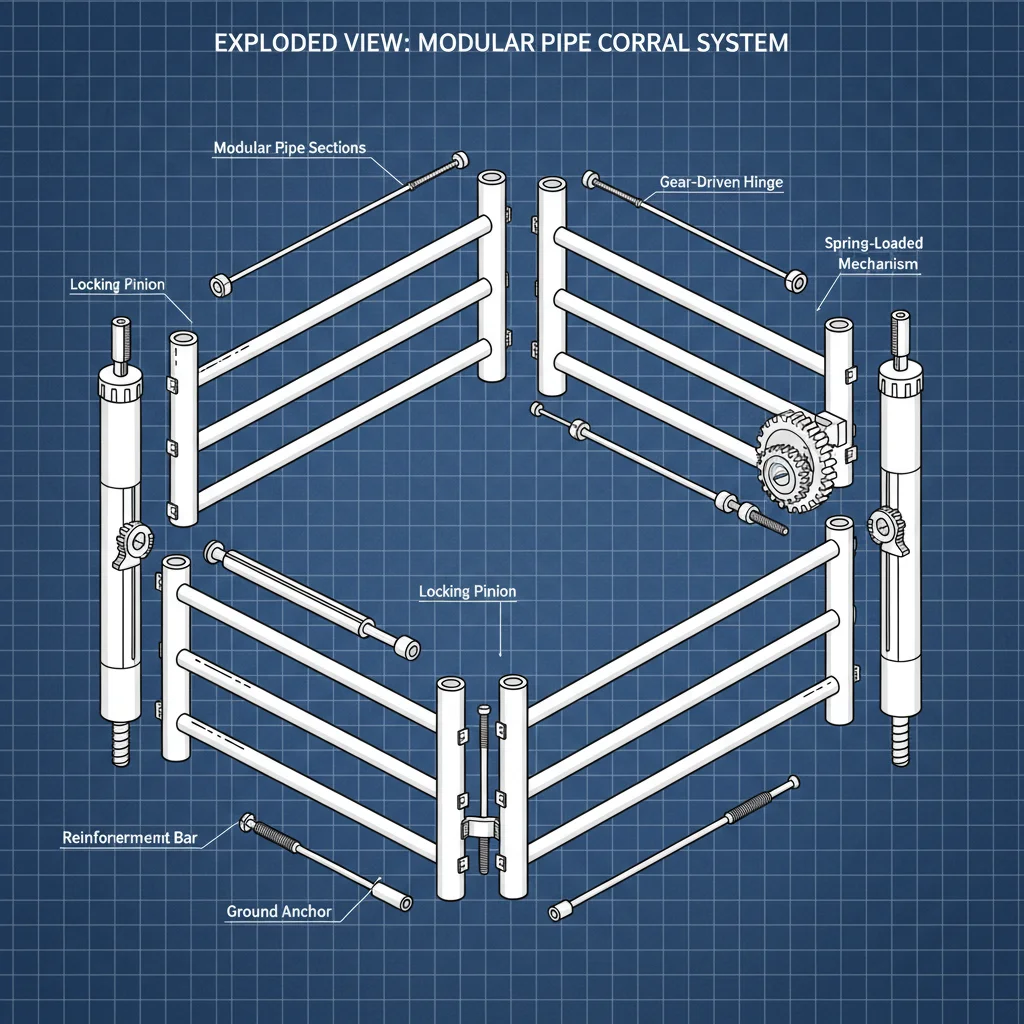

Managing livestock requires a delicate balance between security, animal welfare, and operational flexibility. In the modern agricultural landscape, light livestock panels have emerged as a critical solution for farmers and ranchers who need to create temporary enclosures without the permanent commitment or heavy labor associated with traditional fencing. These systems provide a lightweight yet sturdy alternative that allows for rapid reconfiguration of grazing areas and animal sorting.
From a global perspective, the demand for agile livestock management tools is rising as sustainable farming practices and rotational grazing become more prevalent. By utilizing light livestock panels, producers can effectively manage land degradation and improve pasture health, aligning their operations with international environmental standards. The shift toward modularity in agricultural infrastructure reflects a broader industry trend toward efficiency and resource optimization.
Understanding the technical specifications and practical applications of these panels is essential for any operation looking to scale. Whether it is for weaning calves, isolating sick animals, or managing temporary events, the right choice of fencing can significantly reduce stress for both the handler and the livestock. This guide explores the depth of light livestock panel technology, from material science to real-world deployment strategies.
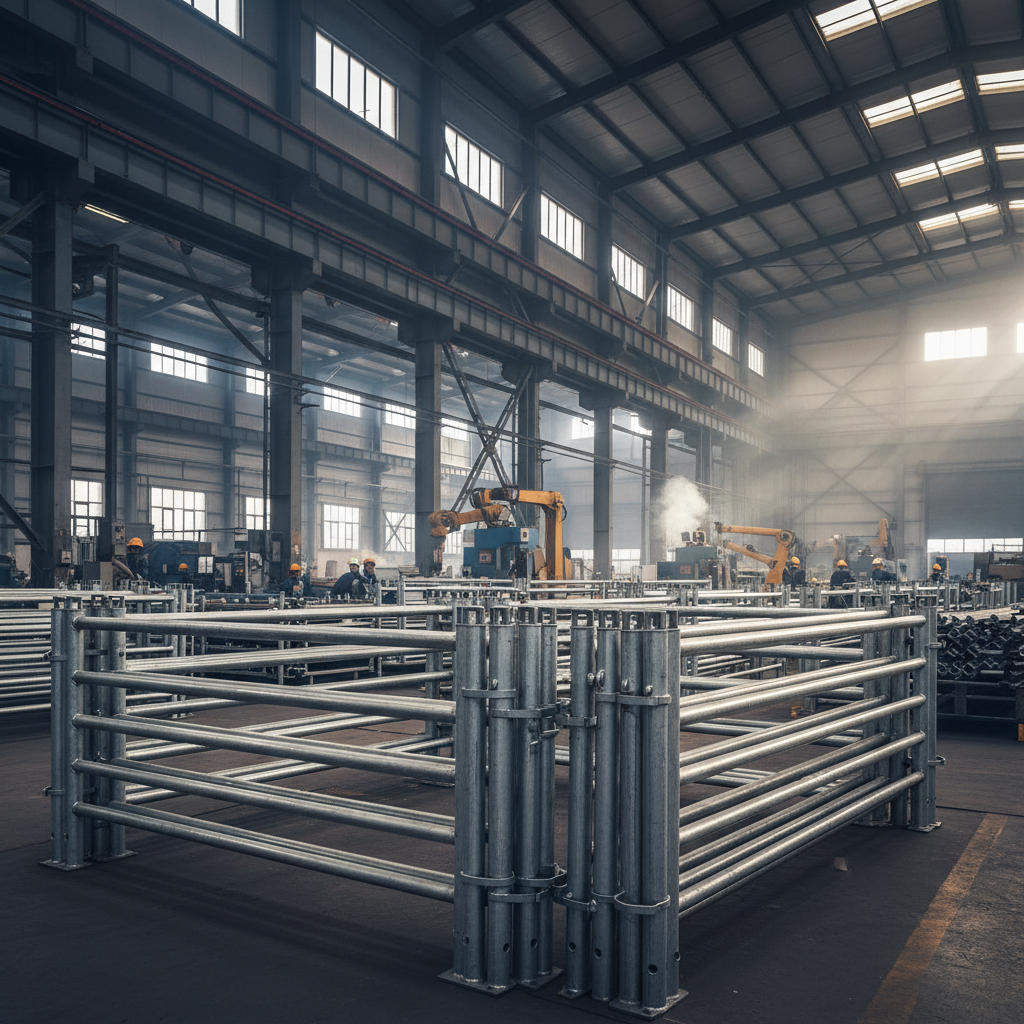
The global livestock sector is currently facing a dual challenge: the need to increase protein production to feed a growing population and the urgent requirement to reduce the environmental footprint of farming. According to data aligned with ISO standards for agricultural equipment, the adoption of modular fencing systems has surged as farmers move toward "regenerative agriculture." light livestock panels play a pivotal role here, enabling the precise movement of herds to prevent overgrazing and promote soil carbon sequestration.
In regions like North America, Australia, and the EU, the economic pressure to reduce labor costs has made the "lightweight" aspect of these panels a competitive necessity. Traditional heavy-steel fencing is often immobile and requires machinery for installation; in contrast, light panels can be deployed by a single worker, drastically reducing the man-hours required for daily herd management. This agility is not just a convenience but a strategic advantage in volatile market conditions where livestock must be moved quickly for health or climate reasons.
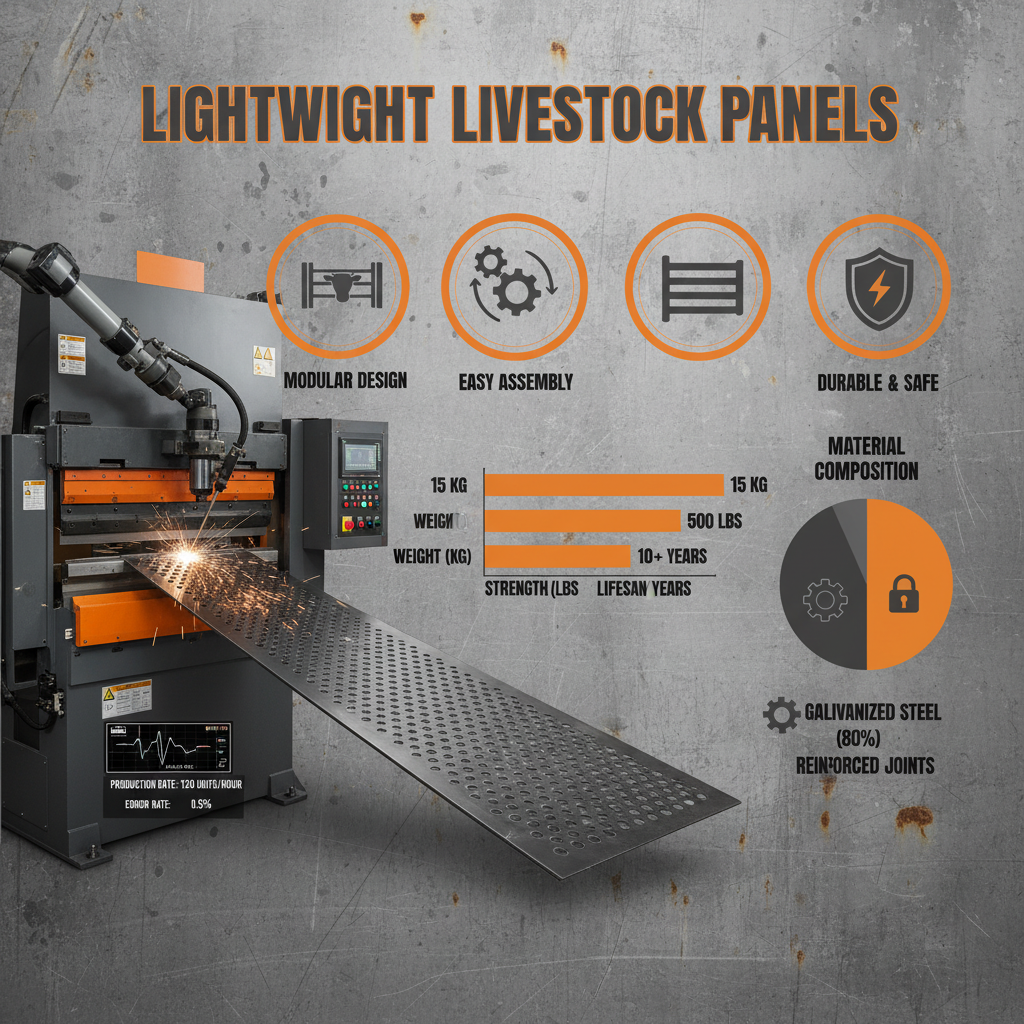
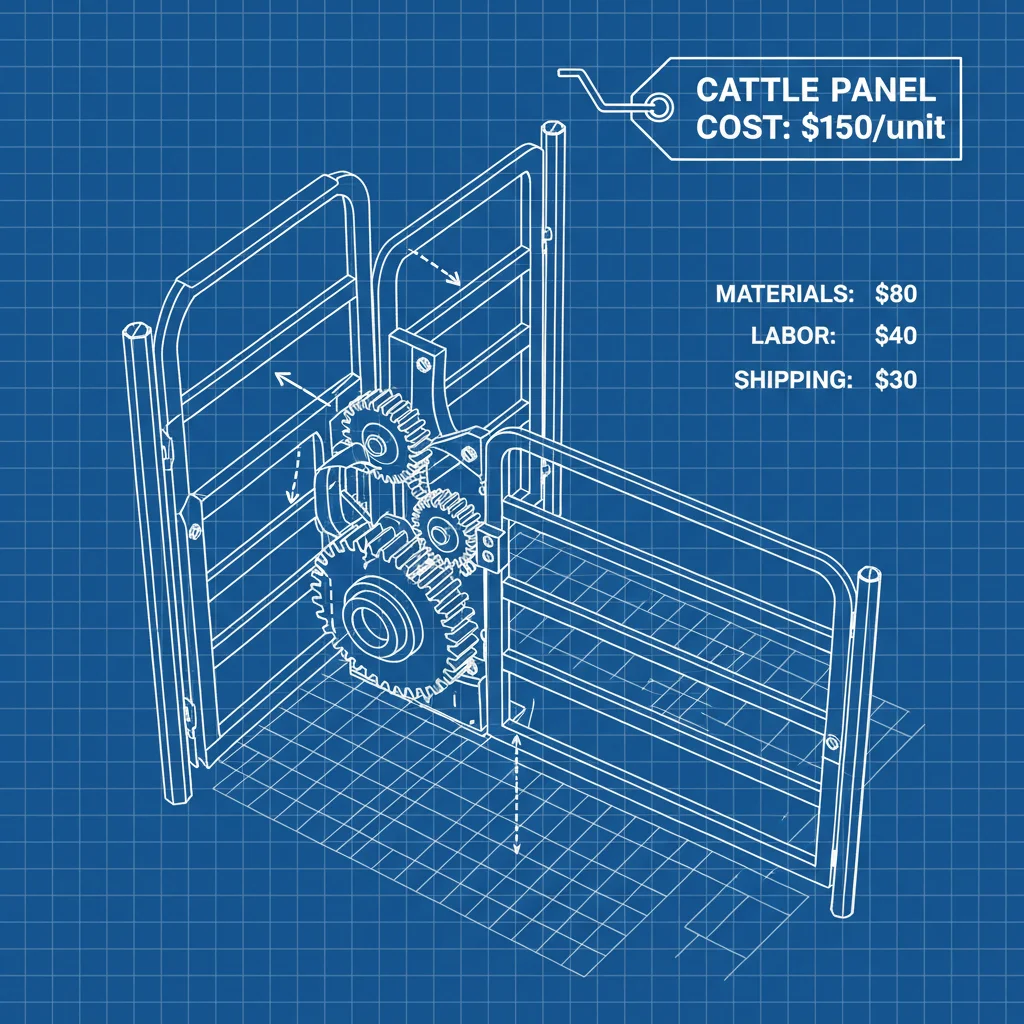
At its core, light livestock panels are prefabricated, portable fencing sections engineered from high-strength, low-weight materials—typically galvanized steel tubing or reinforced wire mesh. Unlike permanent boundary fences, these panels are designed for versatility, utilizing interlocking mechanisms that allow them to be connected and disconnected in minutes. They serve as a flexible barrier that can be adapted to the specific size and temperament of the animal being contained.
The "light" designation does not imply a lack of strength, but rather an optimization of the strength-to-weight ratio. By utilizing advanced metallurgy and precision welding, manufacturers can create a panel that resists the leaning pressure of sheep or goats while remaining light enough to be carried by hand. This balance is crucial for modern humanitarian and agricultural needs, especially in remote areas where heavy equipment is unavailable.
Beyond simple containment, these panels represent a shift toward "humane handling" systems. By creating smooth, predictable boundaries and reducing the need for aggressive herding, light livestock panels help minimize animal stress, which is directly linked to higher meat quality and better overall livestock health. They are the intersection of structural engineering and animal behavior science.
The effectiveness of light livestock panels depends heavily on the quality of the galvanization process. Hot-dip galvanizing ensures that the steel is protected from the corrosive effects of animal waste and varying weather conditions, extending the lifespan of the product from a few years to several decades. The zinc coating acts as a sacrificial layer, preventing rust from compromising the structural integrity of the frame.
Another critical factor is the "interlock precision." The connectors—whether they are pin-and-socket or slam-latch systems—must be manufactured to tight tolerances. If the connection is too loose, the light livestock panels can wobble, which may encourage animals to push through or cause the fence to collapse under pressure. High-grade interlocking systems ensure a seamless wall that remains stable even on uneven terrain.
Finally, the mesh gauge and aperture size are tailored to the specific animal. For smaller livestock, a tighter weave is necessary to prevent entrapment, whereas for larger animals, the focus shifts to vertical bar strength. The engineering of light livestock panels involves calculating the exact point of failure to ensure the panel bends before it breaks, providing a safety margin that prevents injury to the livestock.
In real-world scenarios, light livestock panels are indispensable for rotational grazing. By dividing a large pasture into smaller "paddocks," farmers can ensure that livestock graze one area completely before moving to the next. This prevents the "selective grazing" that typically occurs with permanent fences, leading to a more uniform pasture and higher forage yields over time.
Beyond the farm, these panels are widely used in emergency livestock evacuations and post-disaster relief operations. When floods or wildfires force the movement of thousands of animals, NGOs and government agencies use light livestock panels to create instant sorting pens and holding areas. Their ability to be transported in bulk and assembled rapidly makes them the gold standard for crisis management in the agricultural sector.
The long-term value of investing in light livestock panels extends beyond simple cost-per-unit. From a logical perspective, the reduction in labor costs is the most immediate gain. However, the emotional and ethical value is equally significant; these systems allow for "low-stress livestock handling" (LSLH), which enhances the dignity of the animals and the safety of the humans working with them.
Sustainability is another key driver. Because light livestock panels are reusable for decades, they reduce the need for disposable plastic fencing or the repeated installation of wooden posts that contribute to deforestation. Furthermore, the ability to precisely control animal movement prevents soil compaction and erosion, making these panels a tool for ecological stewardship as much as for commercial farming.
The future of light livestock panels is being shaped by the integration of "Smart Farming" (AgTech). We are seeing the emergence of panels equipped with embedded sensors that can detect the pressure exerted by livestock, alerting farmers to potential bottlenecks or animal distress in real-time via mobile applications. This digital transformation turns a passive barrier into an active data-collection tool.
Material science is also evolving, with the introduction of high-tensile carbon steels and lightweight polymer coatings that offer even greater corrosion resistance than traditional galvanization. These new materials allow for light livestock panels to be even lighter without sacrificing the strength required to hold larger breeds of cattle, further reducing the physical strain on farmworkers.
Additionally, there is a growing trend toward "circular economy" manufacturing. Future panels are likely to be produced from recycled steel and designed for 100% recyclability at the end of their life cycle. This shift ensures that the tools used to protect the land do not end up polluting it, aligning agricultural infrastructure with global net-zero carbon goals.
Despite their advantages, users of light livestock panels often face challenges regarding stability on extremely soft or sandy soils. When the ground cannot provide a firm grip for the panel feet, the structure can lean. The expert solution to this is the use of specialized ground anchors or "weighted foot pads" that distribute the load over a larger surface area, ensuring the fence remains upright.
Another common limitation is the potential for "gap escapes" if panels are not perfectly aligned. To overcome this, industry leaders are developing overlapping edge designs that eliminate the gap between interlocking units. By ensuring a continuous physical barrier, light livestock panels become virtually escape-proof, even for the most determined livestock.
Finally, the initial investment cost can be higher than simple electric tape. However, the solution lies in a "Life Cycle Cost Analysis." When calculating the cost of replacement, labor, and animal loss over five years, the durable nature of light livestock panels proves to be significantly more cost-effective than cheaper, temporary alternatives.
| Panel Variant | Installation Speed | Stability Rating | Cost-Efficiency |
|---|---|---|---|
| Standard Galvanized | Fast | 8/10 | High |
| Heavy-Duty Light | Moderate | 10/10 | Medium |
| Aluminum Series | Very Fast | 6/10 | Low |
| Composite Mesh | Fast | 7/10 | Medium |
| Portable Modular | Instant | 5/10 | High |
| Custom Industrial | Slow | 9/10 | Medium |
Unlike permanent fencing, light livestock panels can be moved daily or weekly without leaving a permanent footprint on the land. This allows farmers to precisely control where animals graze, preventing soil erosion and ensuring that grass has time to recover. The speed of deployment means you can adapt your grazing plan in response to unexpected weather changes, which is impossible with fixed posts and wire.
When manufactured with high-quality hot-dip galvanization, these panels can last between 15 to 25 years, depending on the acidity of the soil and the humidity of the region. The zinc coating prevents oxidation. To maximize lifespan, we recommend periodic inspections of the interlocking joints and applying a touch-up cold-galvanizing spray to any scratches or weld points that may have been damaged during transit.
Yes, provided you select the "Heavy-Duty" variant of the light panel series. While they are designed to be portable, the structural engineering focuses on vertical load-bearing strength. For larger cattle, we recommend using panels with thicker gauge tubing and reinforced cross-bracing. When properly interlocked and anchored, they can withstand significant pressure without bending or breaking.
Absolutely. Many operators use light livestock panels as the primary structural barrier and then run a single strand of electric poly-wire along the top or bottom. This creates a psychological barrier for the animals, reducing the physical impact on the panels and further minimizing the risk of animals attempting to lean on or push through the fence.
The best method is to stack them vertically in a specialized transport rack or use heavy-duty rubber straps to secure them in a flat bundle. To avoid scratching the galvanized coating, place rubber mats or cardboard dividers between the panels. This prevents "metal-on-metal" friction during transit, ensuring the anti-corrosive layer remains intact upon arrival at the site.
Yes, because the versatility of light livestock panels allows them to serve multiple purposes. A hobby farmer can use them for a temporary weaning pen in the spring, a sorting area in the autumn, and as a temporary garden protector in the summer. The durability means they won't need to be replaced every few seasons, making them a smarter long-term investment than cheap, disposable fencing options.
The adoption of light livestock panels represents a critical evolution in agricultural infrastructure, blending the need for rugged durability with the requirement for operational agility. By optimizing material science and interlocking design, these systems allow farmers to implement sustainable grazing practices, improve animal welfare, and significantly reduce labor overhead. From emergency response to daily herd management, the modularity and strength of these panels provide a scalable solution for livestock producers worldwide.
Looking forward, the integration of smart sensors and eco-friendly materials will likely make these tools even more indispensable. For those looking to upgrade their farm's efficiency and move toward a more regenerative model of agriculture, investing in high-quality portable fencing is a decisive step toward long-term profitability and environmental stewardship. To explore our full range of professional fencing solutions, visit our website: www.haotianmesh.com
If you are interested in our products, you can choose to leave your information here, and we will be in touch with you shortly.