Cattle panel cost is a critical consideration for ranchers, farmers, and agricultural businesses globally. These panels, used extensively for containing livestock, require careful cost analysis to ensure both operational efficiency and animal welfare. Understanding the factors influencing cattle panel cost – from material types and manufacturing processes to shipping and regional demand – is essential for making informed purchasing decisions. This understanding empowers producers to optimize their investments and maintain sustainable operations, particularly vital in a world facing increasing demands for food production.
The global demand for cattle panels is directly linked to the growth of the livestock industry, particularly in regions with extensive ranching operations like North America, Australia, and South America. According to recent FAO statistics, global meat production continues to rise, driving the need for robust and cost-effective containment solutions. Fluctuations in steel prices, a primary component of most cattle panels, significantly impact the overall cattle panel cost. Addressing these challenges requires producers to proactively explore different panel options and suppliers, and to understand long-term cost benefits beyond the initial purchase price.
Accurate assessment of cattle panel cost enables efficient budget allocation, minimized capital expenditures, and long-term profitability for livestock operations. Beyond simply acquiring panels, understanding the total cost of ownership—including maintenance, replacement, and potential livestock losses due to inadequate containment—is paramount. This comprehensive view ensures a solid return on investment and the sustainability of agricultural practices.
Introduction to Cattle Panel Cost
Understanding cattle panel cost isn’t simply about finding the lowest price per panel. It's a multifaceted assessment that considers longevity, durability, ease of installation, and the specific needs of your livestock operation. A higher upfront investment in quality panels can often translate to lower long-term costs due to reduced maintenance and replacement needs.
Fluctuations in global steel markets, transportation expenses, and labor costs all contribute to the variability in cattle panel cost. Savvy purchasers track these market trends to capitalize on favorable pricing opportunities and budget effectively for their fencing needs. Considering these factors provides a holistic view of the true cost, maximizing return on investment.
Defining Cattle Panel Cost
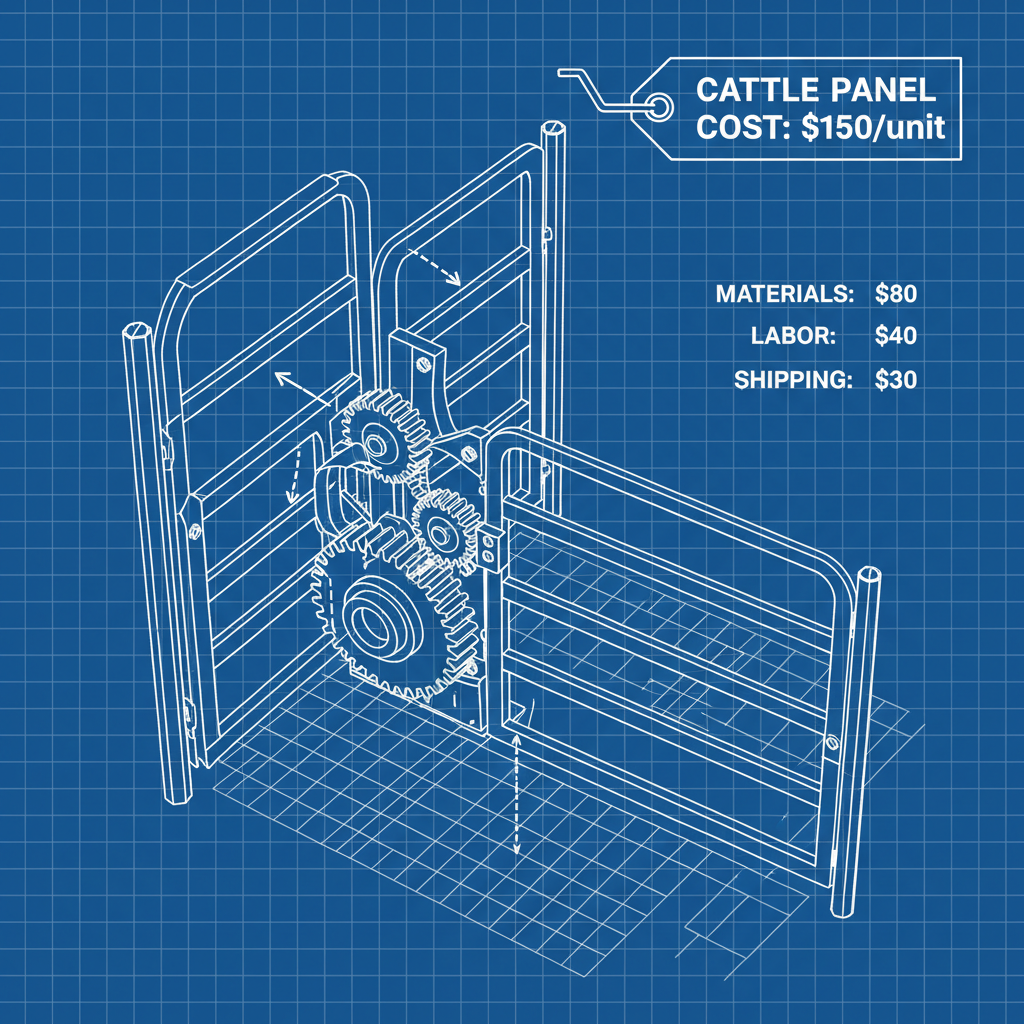
Cattle panel cost encompasses all expenses associated with acquiring and implementing livestock containment panels. This extends beyond the base price of the panel itself to include delivery charges, installation labor (if applicable), and any necessary hardware like clips, brackets, or posts. Essentially, it's the total expenditure to have a functional and secure fencing system in place.
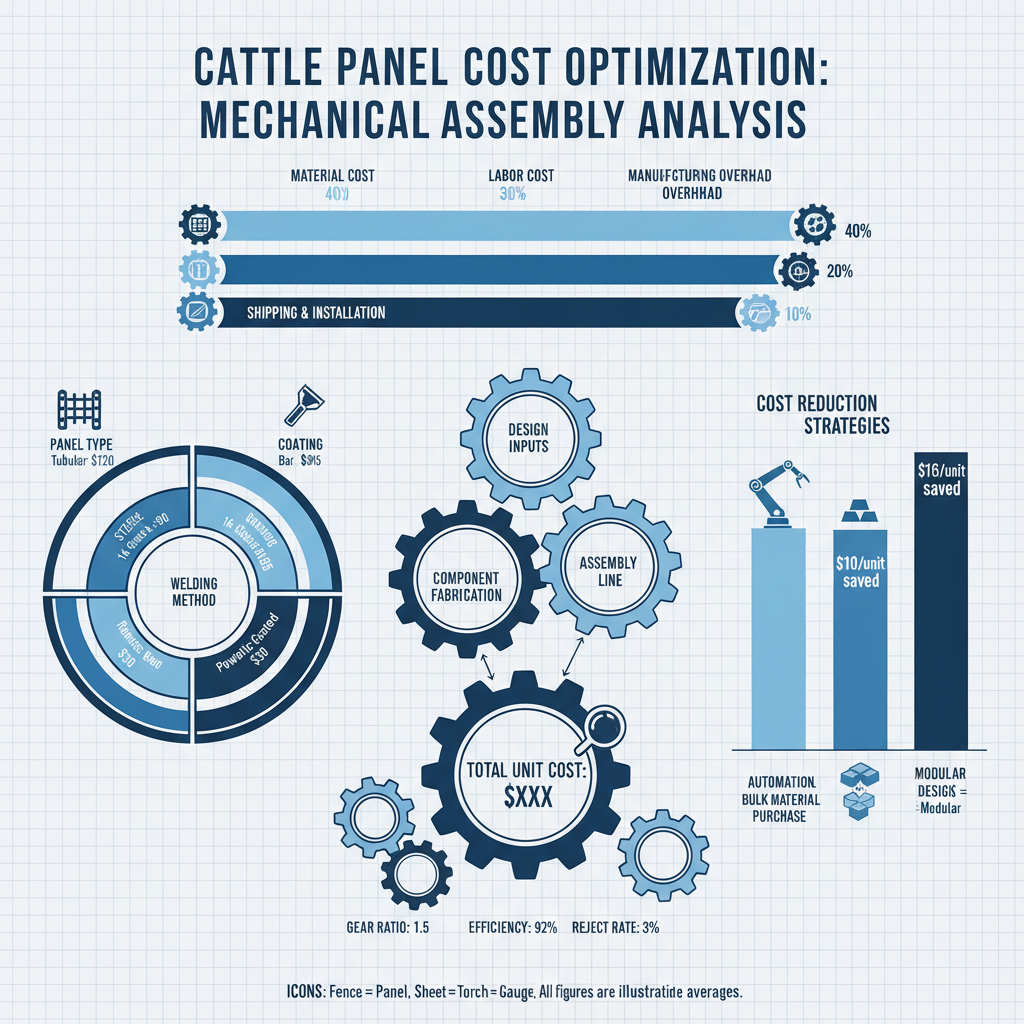
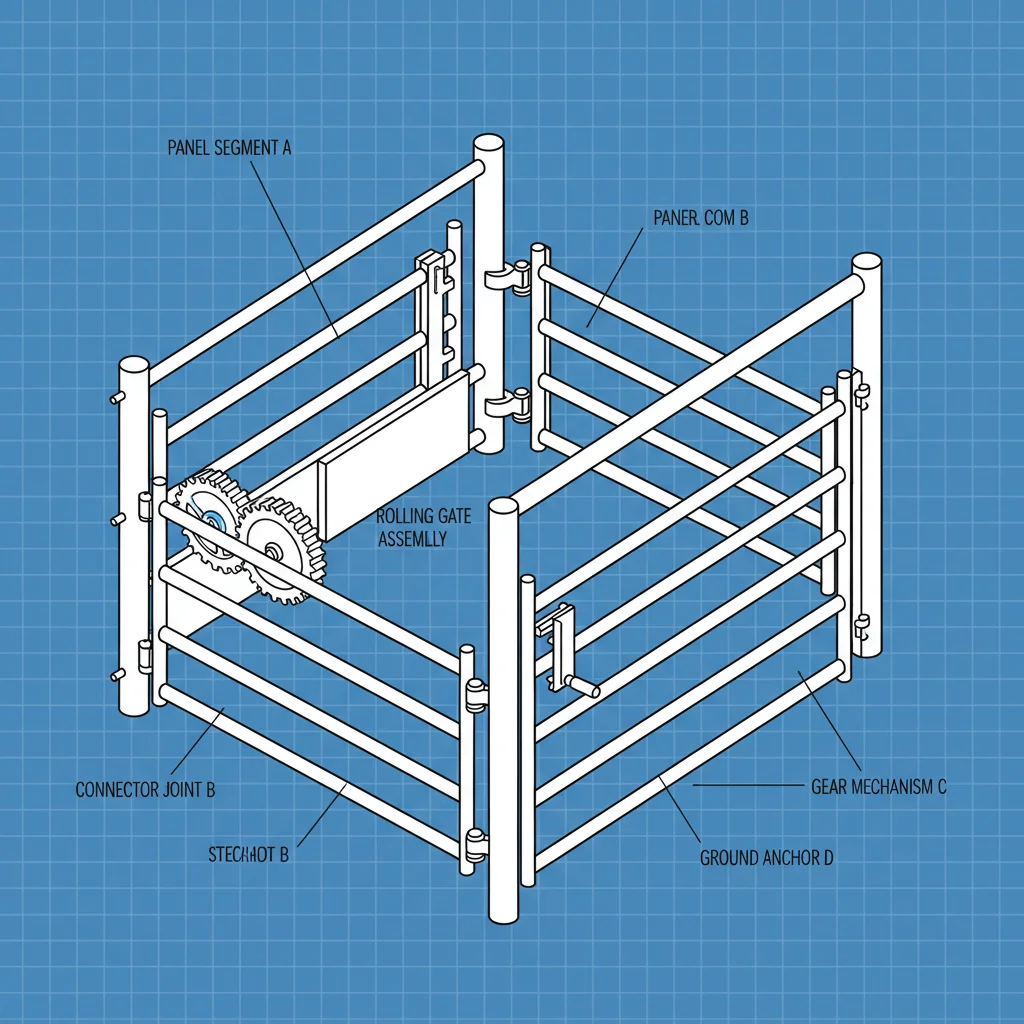
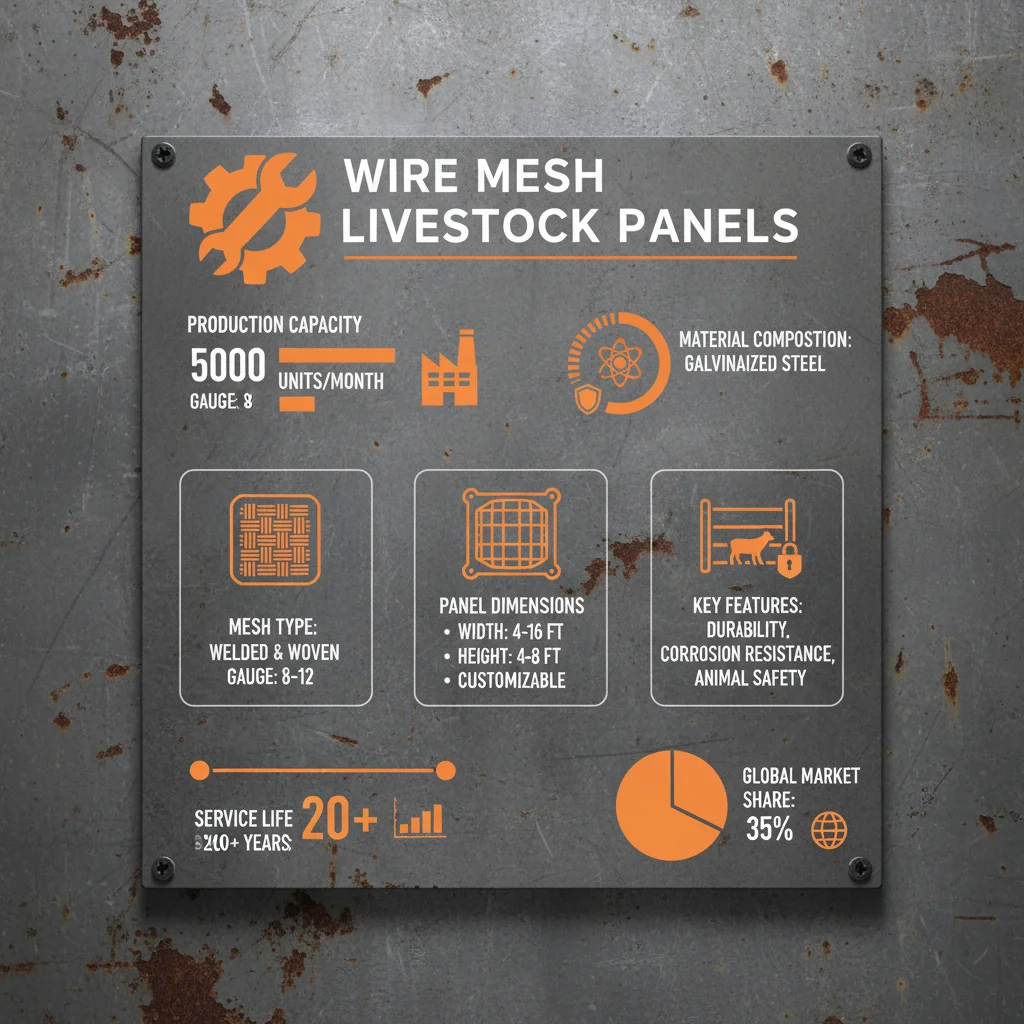
Cattle panel cost is directly influenced by panel specifications: the gauge of the steel, the panel height and length, the spacing between rails, and the type of coating applied for corrosion resistance all play a role. Heavier gauge steel and more robust coatings generally command a higher price point, but offer increased durability and longevity.
Understanding these variables is crucial for accurately comparing quotes from different suppliers. It’s important to analyze the overall value proposition—considering both initial expense and long-term performance—to determine the most cost-effective solution for your operation. The definition directly connects to the economic viability of modern livestock farming.
Core Components Influencing Cost
Several core components significantly impact cattle panel cost. Material Quality is paramount; galvanized steel provides excellent corrosion resistance, but is more expensive than standard steel. Panel Gauge – the thickness of the steel – directly correlates to durability, with heavier gauges commanding higher prices.
Manufacturing Process also plays a critical role. Automated welding and quality control procedures contribute to higher production costs but result in more consistent and reliable panels. Shipping Distance significantly affects the final cost, particularly for large orders or remote locations. Finally, Supplier Reputation and Volume Discounts can influence the price - established suppliers often offer competitive pricing and bulk discounts.
Each of these elements needs to be carefully considered. A lower initial cattle panel cost achieved through sacrificing material quality or manufacturing standards can lead to premature failure, costly repairs, and ultimately, a higher total cost of ownership.
Global Applications of Cattle Panels
Cattle panels find widespread application across the globe, serving as a cornerstone of livestock management in diverse agricultural landscapes. In North America, they’re integral to ranching operations, providing secure containment for cattle in pastures and holding pens. Australia utilizes them extensively in vast grazing lands, facilitating rotational grazing and efficient herd management.
In South America, particularly in countries like Brazil and Argentina, cattle panels are crucial for supporting the burgeoning beef industry. They’re also increasingly used in Europe for small-scale farming and hobby farms. Beyond traditional agricultural settings, cattle panels are employed in livestock auction yards, feedlots, and veterinary facilities for safe and controlled animal handling.
In post-disaster relief operations following floods or hurricanes, cattle panels can be rapidly deployed to create temporary livestock containment areas, providing crucial support for affected farmers. In remote industrial zones, they are often utilized for securing large animal holding facilities.
Cattle Panel Cost Comparison by Method
Advantages & Long-Term Value
The advantages of investing in quality cattle panels extend far beyond the immediate containment of livestock. These panels contribute to enhanced animal welfare, reducing stress and injuries, leading to improved weight gain and overall health. This translates into increased profitability for producers.
Long-term value is derived from the durability and low maintenance requirements of well-constructed panels. Galvanized steel coatings provide excellent corrosion resistance, minimizing the need for repairs or replacements. The initial cattle panel cost is offset by reduced long-term expenditure and increased operational efficiency.
Future Trends in Cattle Panel Technology
Innovation in cattle panel technology is focused on enhancing durability, simplifying installation, and improving animal welfare. We’re seeing a growing trend towards the use of high-tensile steel, offering increased strength and longevity with reduced weight. New coating technologies are being developed to further enhance corrosion resistance and extend panel lifespan.
Smart fencing solutions, incorporating sensors and data analytics, are also emerging. These systems can monitor animal behavior, detect breaches in the fencing, and provide real-time alerts, optimizing herd management and security. These advancements drive long-term cost savings and promote sustainable farming practices.
Challenges & Cost Optimization Strategies
A significant challenge in managing cattle panel cost is volatility in steel prices, which can fluctuate significantly due to global market conditions. Another challenge is transportation costs, especially for remote locations. Finding reliable suppliers and negotiating favorable pricing are crucial for mitigating these issues.
Cost optimization strategies include purchasing panels in bulk to leverage volume discounts, comparing quotes from multiple suppliers, and considering alternative materials or designs. Exploring lease-to-own options can also alleviate upfront capital expenditure.
Regular inspection and maintenance of existing panels can prevent costly repairs or replacements. Proactive cost management, combined with a long-term perspective, ensures a sustainable and profitable livestock operation.
Summary of Cattle Panel Cost Optimization Strategies
| Strategy Category |
Implementation Approach |
Cost Impact |
Long-Term Benefits |
| Bulk Purchasing |
Negotiate discounts for large-volume orders. |
Moderate (5-15% reduction) |
Reduced procurement costs. |
| Supplier Comparison |
Obtain quotes from multiple suppliers. |
Moderate (5-10% reduction) |
Competitive pricing and better terms. |
| Material Selection |
Opt for durable, corrosion-resistant materials. |
High initial cost, lower lifecycle cost. |
Reduced maintenance and replacement. |
| Preventative Maintenance |
Regular inspections and minor repairs. |
Low cost, high return |
Extends panel lifespan. |
| Lease-to-Own Options |
Finance panel acquisition through lease agreements. |
Reduced upfront capital expenditure. |
Improved cash flow. |
| Strategic Timing |
Purchase during periods of low steel prices. |
Variable, potential for significant savings. |
Capitalizes on market fluctuations. |
FAQS
The primary drivers of cattle panel cost are the gauge (thickness) of the steel, the type of coating applied for corrosion resistance (galvanization being more expensive but durable), the length and height of the panel, and transportation costs. Market fluctuations in steel prices also play a major role. Considering these elements allows for more accurate budgeting and cost comparison.
While galvanized steel panels have a higher initial cattle panel cost, they offer significantly improved corrosion resistance, extending their lifespan. Non-galvanized panels are cheaper upfront but require more frequent maintenance and replacement, ultimately leading to higher lifecycle costs. The superior durability of galvanized steel often provides a better return on investment.
Don't solely focus on the price per panel. Compare quotes based on the same panel specifications (gauge, height, coating). Factor in shipping costs, delivery timelines, and any warranties offered. Consider the supplier's reputation and customer reviews. A detailed comparison across all these factors provides a clear understanding of the overall value.
Negotiate shipping rates with suppliers, especially for large orders. Consider consolidating orders to reduce the number of shipments. Explore local suppliers to minimize transportation distances. If possible, arrange for pickup at the supplier's location. Efficient shipping can contribute significantly to reducing overall cattle panel cost.
The optimal panel gauge depends on the breed and size of your cattle. Larger, more aggressive breeds require heavier gauges (e.g., 6-gauge or heavier) to withstand pressure and prevent damage. Smaller breeds may be adequately contained by lighter gauges (e.g., 8-gauge). Consult with an agricultural specialist for tailored recommendations.
Depending on your location, various government programs and agricultural subsidies may be available to help offset the cost of livestock fencing, including cattle panels. These programs often aim to support sustainable farming practices and improve animal welfare. Check with your local agricultural department or extension office for specific eligibility requirements and application processes.
Conclusion
In conclusion, cattle panel cost is a multifaceted consideration requiring careful analysis of material quality, manufacturing processes, shipping expenses, and long-term maintenance requirements. A strategic approach that prioritizes durability, value, and proactive cost management is essential for maximizing return on investment and ensuring the sustainability of livestock operations. Understanding these factors empowers ranchers and farmers to make informed decisions and optimize their fencing infrastructure.
Looking ahead, continued innovation in materials and manufacturing techniques will likely drive down cattle panel cost while enhancing performance. Exploring smart fencing solutions and leveraging available government programs can further optimize expenditure. Ultimately, a well-planned and executed fencing strategy is a critical component of successful livestock management, contributing to both economic profitability and animal welfare. Visit our website at haotianmesh.com to learn more about our cattle panel solutions.