
temporary fence panel manufacturers
  • home
  • Top Blog
  • Navigating Trends in Temporary Fence Panel Manufacturers and Practical Design
0%

Table of Contents

To be honest, the temporary fence panel market has been… interesting lately. Everyone's chasing higher strength, lighter weight, and faster deployment. It's like they've all watched the same disaster movie and decided we need to be ready for anything. Have you noticed the shift towards more recycled materials too? Seems like everyone's trying to tick the sustainability box, which is good, but… sometimes it feels like marketing hype. Anyway, I think the biggest trend is customization. People want fences that fit their specific needs, not just off-the-shelf solutions.

I’ve been on enough construction sites to know that fancy designs often fall apart in the real world. You think you're being clever with a super-slim profile or a complex locking mechanism, and then a contractor tries to install it in the pouring rain with frozen fingers. That’s when you learn that simplicity is king. I encountered this at a factory in Tianjin last time - they were so proud of their interlocking system, but it jammed constantly. It's a trap, I tell you. A beautiful, expensive trap.

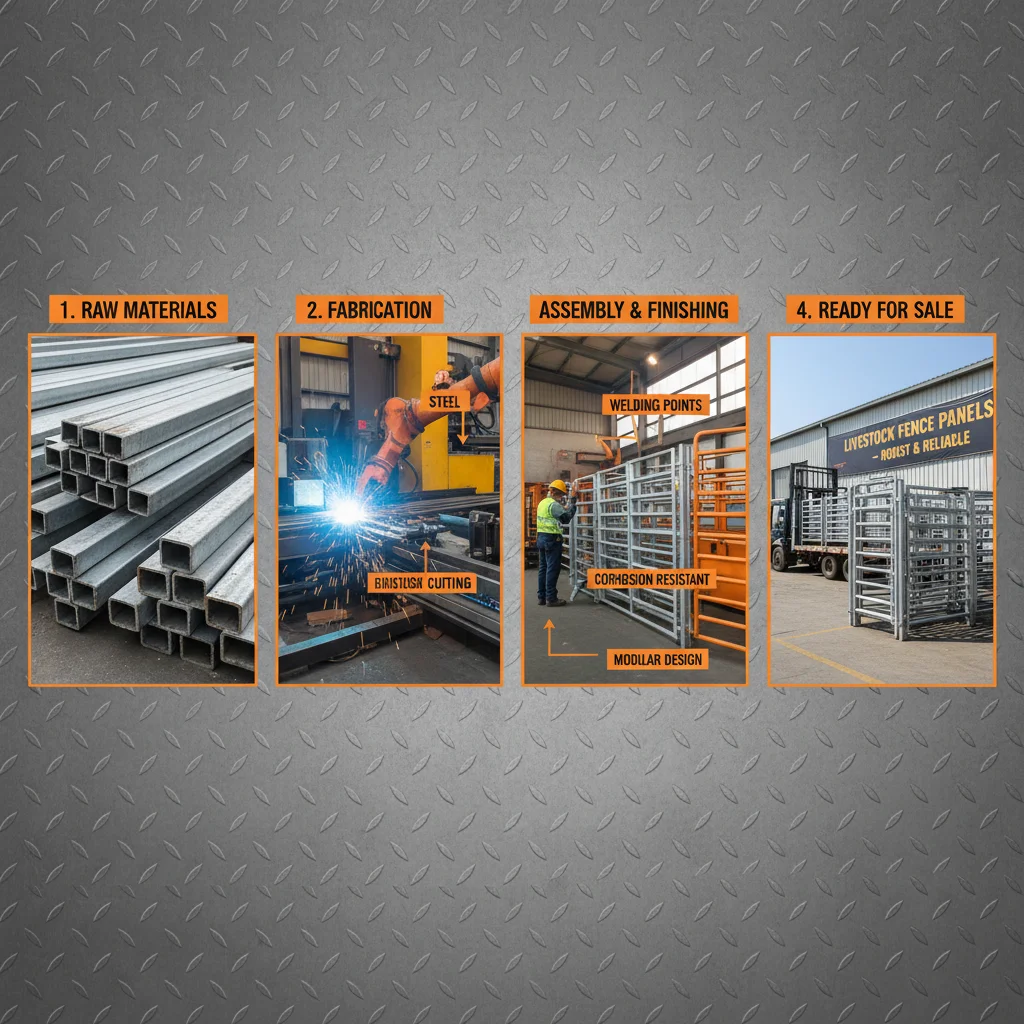
We primarily work with galvanized steel tubing, naturally. The smell of zinc when you’re welding… it’s a scent that’ll stick with you. You can tell a good batch by the heft of it – a solid, reassuring weight. We’ve been experimenting with aluminum alloys for some applications, but they’re tricky. You get the weight saving, but the strength isn’t quite there unless you throw a lot of money at it. Then there's the plastic coating. It has to be UV resistant, obviously, and able to withstand a good scrubbing. Otherwise, it'll look like garbage after a few months.
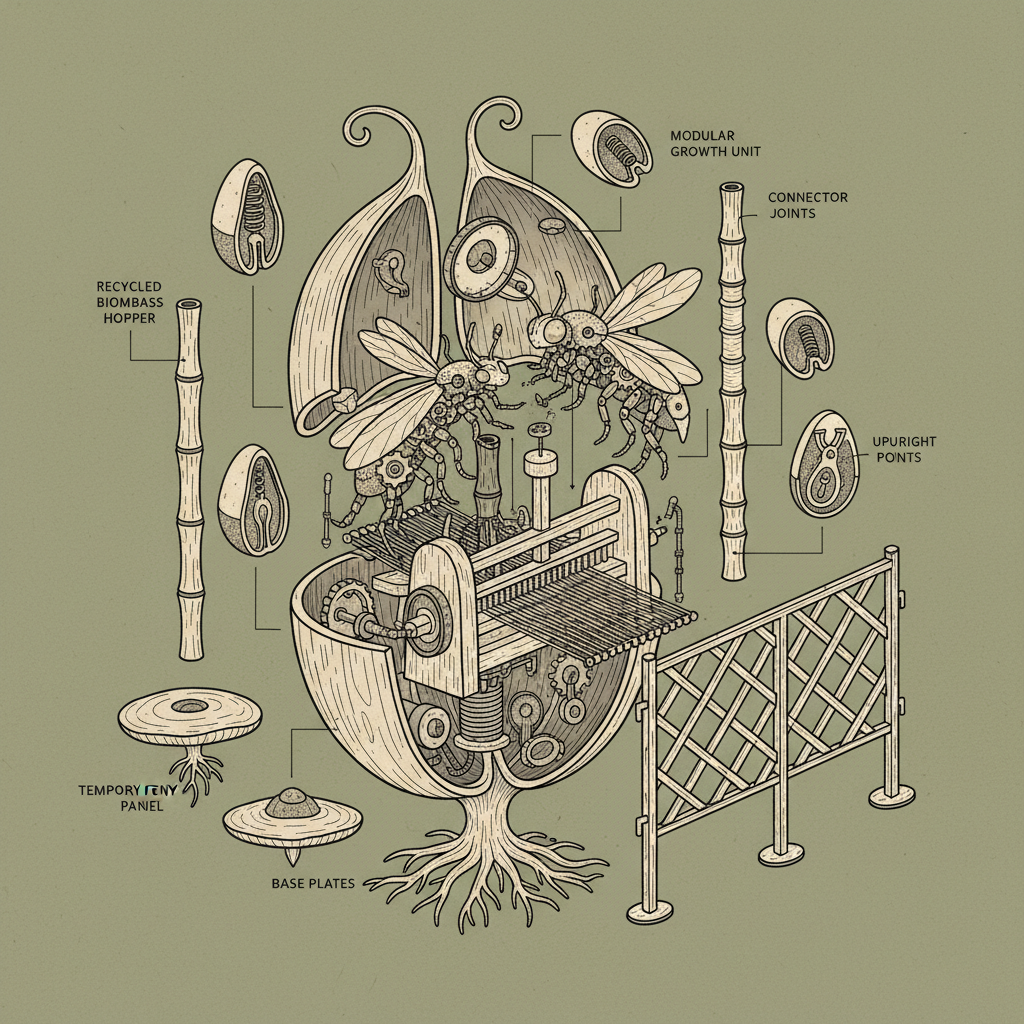
temporary fence panel manufacturers

The Latest Trends in Temporary Fence Panel Manufacturing
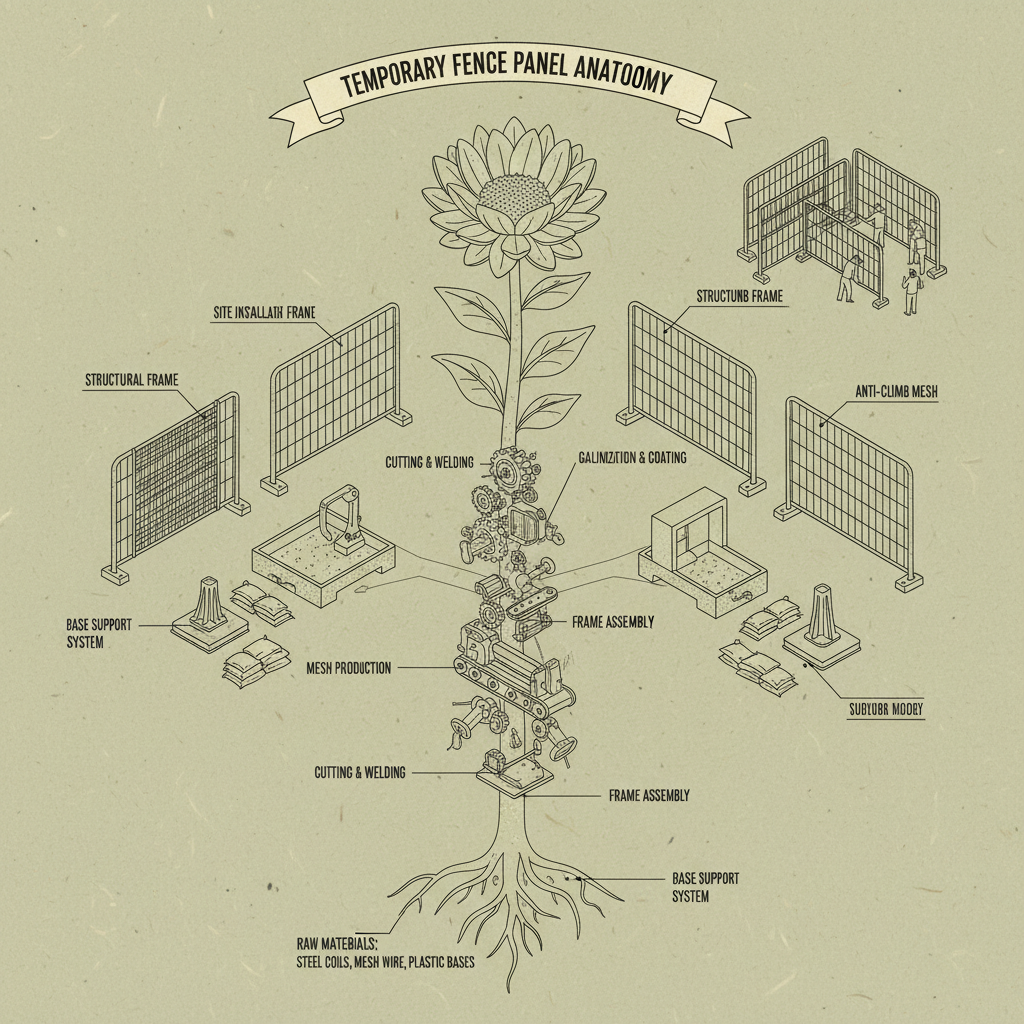
temporary fence panel manufacturers

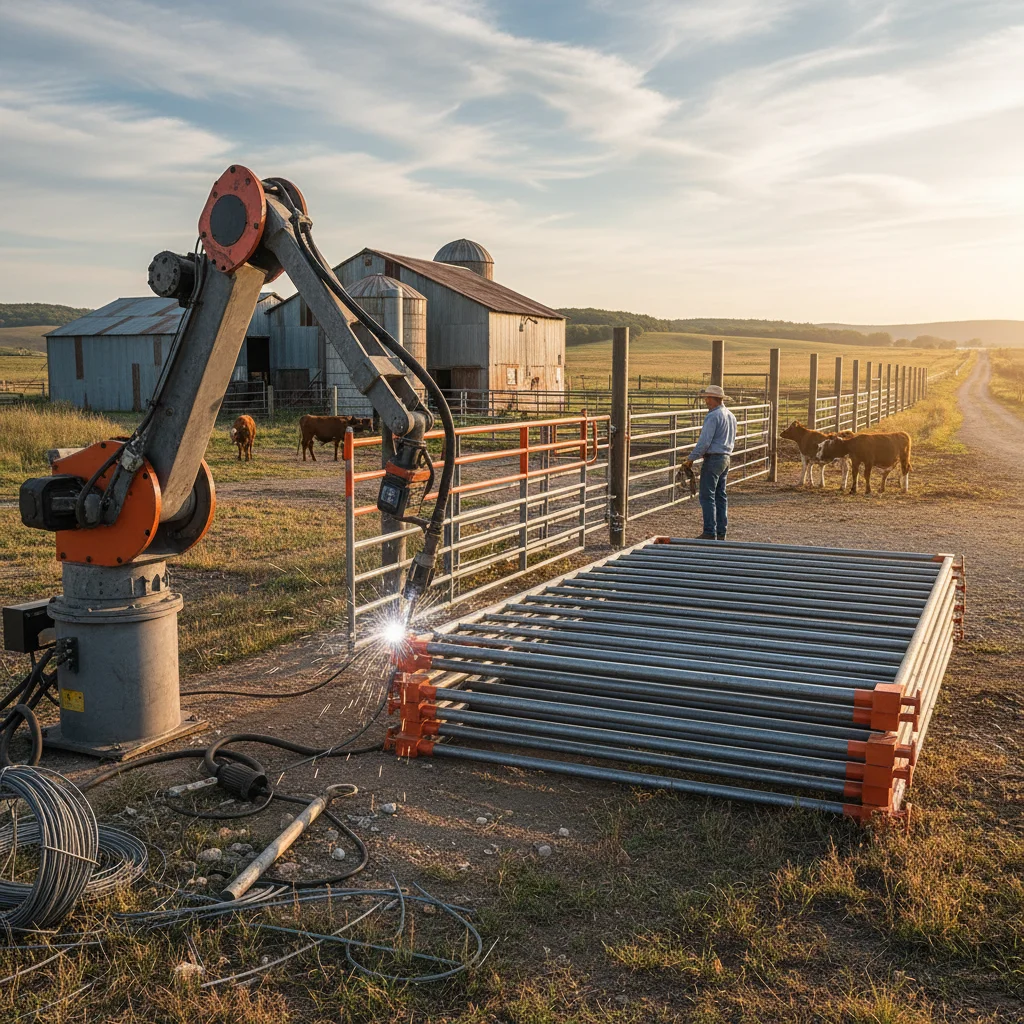
Strangely enough, prefabrication is making a comeback. People want faster setup times, and pre-assembled panels deliver that. It reduces labor costs on-site, which is a big win. But it also means tighter tolerances during manufacturing – a slight miscalculation at the factory can cause major headaches during installation. The demand for mobile fencing, with integrated wheels and braking systems, is also rising. It's handy for events or quickly securing a perimeter. You’d think it was simple, right? Wheels on a fence. But getting the balance right, ensuring it doesn't tip over… that takes some engineering.

And then there’s the whole smart fencing thing. Fences with built-in sensors for intrusion detection, or even crowd control. It's still early days, but I can see it taking off in high-security applications.

Common Design Pitfalls and Practical Considerations

Look, you can design a fence that looks beautiful on paper, but if a construction worker can’t put it up in under five minutes, it’s useless. I’ve seen fences with intricate latching systems that require a PhD in engineering to operate. They’re a nightmare. And don’t even get me started on flimsy bases. If the base isn’t solid, the whole thing will wobble and eventually fall over. We've had customers complain about bases shifting in soft ground. Simple concrete blocks work better, often. It’s frustrating because the engineers know these things, but they get caught up in the details.

Another thing: corrosion. Everyone talks about galvanized steel, but the quality of the galvanization varies wildly. A cheap galvanization process won’t last, especially in coastal areas. You’ll be replacing panels every year. It's a hidden cost that people often overlook. I’ve seen it happen time and time again.

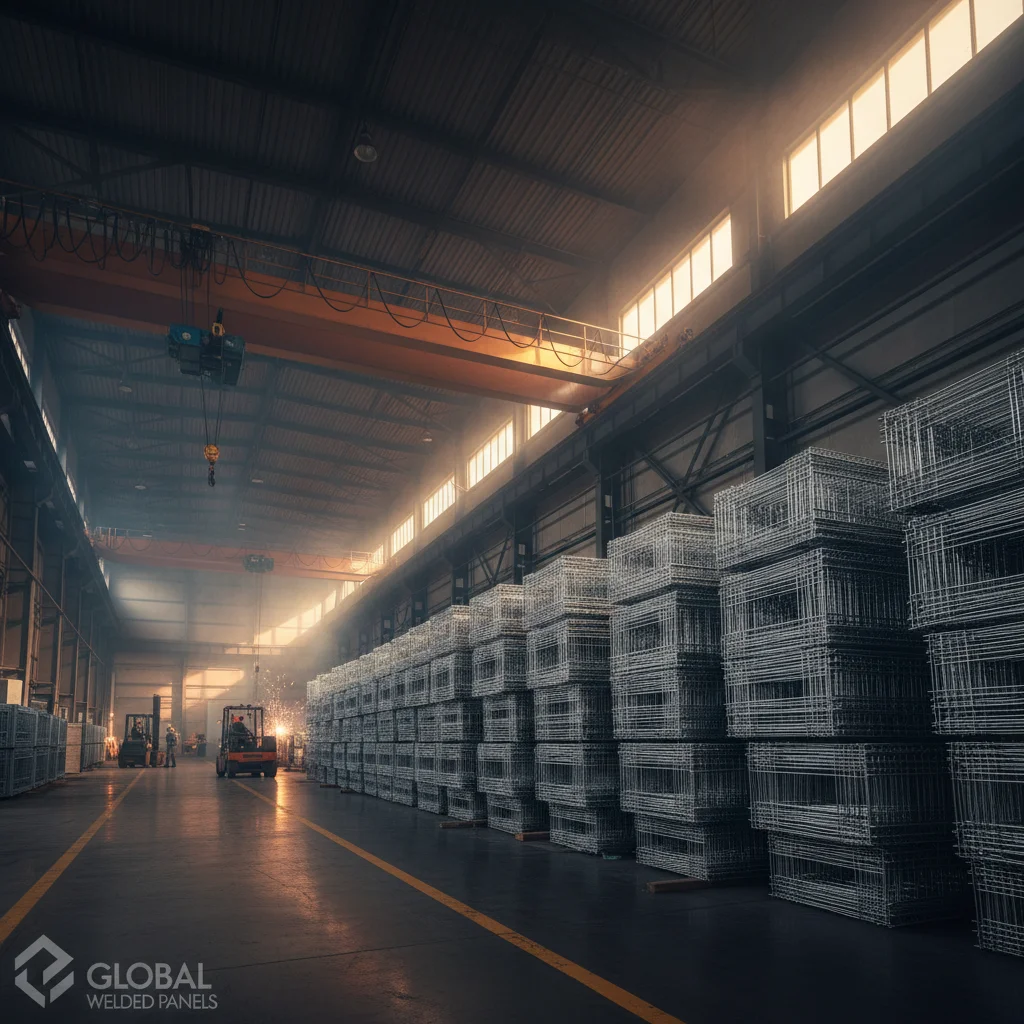
And think about transport! How easily can it be stacked? Does it scratch easily? A scratched fence doesn't perform any worse, but a customer won’t pay top dollar for something that looks like it’s been dragged through a gravel pit.

Material Science: Steel, Aluminum, and Coatings

Steel is still the workhorse, obviously. The strength and cost-effectiveness are hard to beat. We use a mix of Q235 and Q345 steel, depending on the application. Q345 is tougher, but also more expensive and harder to weld. The welding… that’s a whole other story. You need skilled welders, and you need to inspect every single weld. Otherwise, you’re asking for trouble.

Aluminum’s gaining traction for lightweight applications – events, pedestrian control, that sort of thing. The 6061 alloy is the most common. It's easy to work with, but it doesn't have the same impact resistance as steel. And the price… it’s almost double. It’s a trade-off. Sometimes, you just need something light and easy to move, even if it’s not as durable.

Coatings are critical. We use polyester powder coating for most applications. It's durable, UV resistant, and comes in a range of colors. But for really harsh environments – near saltwater, for example – we recommend a two-part epoxy coating. It’s more expensive, but it offers superior corrosion protection. You can smell the difference too – that epoxy has a pungent odor that lingers for days.

Real-World Testing and Performance Evaluation

Forget those lab tests. They’re useful for comparing materials, sure, but they don’t tell you how a fence will perform in the real world. We test our panels by setting them up on actual construction sites and letting the contractors abuse them. I mean, really abuse them. We've had panels leaned on, climbed on, even driven over with forklifts (accidentally, of course). It’s brutal, but it gives us valuable feedback.

We also do wind load testing. We use a big fan to simulate high winds and see if the panels can withstand the force. It's not as dramatic as watching a forklift run over a fence, but it's important.

Temporary Fence Panel Manufacturers Performance Metrics

How Users Actually Interact with Temporary Fencing

You know, people don’t always use fences the way you think they will. We designed a panel with a specific hook-and-loop closure system, thinking it would be a quick and easy way to attach tarps for privacy. Turns out, most people just zip-tie them on. Zip ties! It's cheaper, faster, and, apparently, good enough. Later... forget it, I won't mention it.

And they lean on them. Constantly. They hang stuff on them. They use them as backrests. They treat them like they’re indestructible. Which, thankfully, most of ours are.

Advantages, Disadvantages, and Customization Options

The biggest advantage? Speed. A temporary fence goes up in minutes, compared to days for a permanent structure. That’s a huge cost saving for most projects. Disadvantage? Well, it’s not the prettiest thing in the world. But it’s functional. And it keeps people out – or in, depending on the application. We offer customization on panel height, width, and the color of the coating.

We had one customer, a music festival organizer, who wanted us to print custom artwork directly onto the panels. It was a pain to coordinate, and the ink was expensive, but the result looked fantastic. It made their festival stand out.

We can also modify the base plates to accommodate different ground conditions – spiked feet for soft soil, weighted bases for hard surfaces. It's all about tailoring the solution to the specific needs of the client.

A Customer Story: The Interface Debacle

Last month, that small boss in Shenzhen who makes smart home devices insisted on changing the interface to . He thought it looked “more modern” and “future-proof.” He wanted us to build a temporary fence system around his factory with compatible connectors for the panels. The result? Complete chaos. The workers couldn’t figure out how to connect the panels. They kept trying to jam the connectors in upside down. Production ground to a halt. I swear, I’ve never seen anything like it.

He eventually caved and asked us to switch back to the standard hook-and-loop system. Cost him a fortune in wasted materials and lost productivity. He learned a valuable lesson that day: sometimes, simple is better.

Anyway, I think the lesson here is, don’t overcomplicate things.

Temporary Fence Panel Manufacturers: Key Material Properties

Material Strength (1-10) Cost (1-10) Corrosion Resistance (1-10)
Galvanized Steel 9 4 7
Aluminum Alloy 6061 6 8 5
Plastic (PVC) 3 2 9
Stainless Steel 10 10 10
Galvanized Steel + Epoxy Coating 9 5 9
Aluminum + Polyester Coating 6 7 6

FAQS

What is the typical lifespan of a temporary fence panel?

The lifespan really depends on how well it's maintained and the environment. With proper care – regular cleaning, re-galvanization if needed – a well-made steel panel can last for 5-10 years, even with frequent use. Aluminum panels, without corrosion, can last even longer, but they're more susceptible to damage. It’s not uncommon to see panels being re-used on multiple projects, but eventually, the fatigue starts to show.

How much weight can a standard temporary fence panel typically hold?

That’s a good question. A standard 8ft galvanized steel panel can usually handle a lateral load of around 500-1000lbs, depending on the gauge of the steel and the bracing. But it's not about just weight. Wind load is a bigger factor. In high-wind areas, you need to add extra bracing or consider using heavier-duty panels to prevent them from blowing over. You have to always factor in the conditions on site.

What are the most common causes of damage to temporary fence panels?

Honestly? Abuse. Contractors leaning on them, forklifts bumping into them, people trying to climb over them... It happens all the time. Corrosion is another big one, especially in coastal areas or where de-icing salt is used. And sometimes, it's just poor installation. If the base isn't secure, the whole thing is compromised. They're tough, but they’re not indestructible.

Are there any regulations or standards I should be aware of when using temporary fencing?

Yes, absolutely. Regulations vary depending on location, but generally, you'll need to comply with local building codes and safety standards. There are often requirements for fence height, spacing, and signage. For construction sites, OSHA has specific guidelines regarding perimeter security. Always check with your local authorities before installing any temporary fencing.

Can temporary fence panels be customized with company branding?

Definitely. We offer a range of customization options, including printing logos and designs directly onto the panels. We can also customize the color of the coating and add banners or mesh screening. It's a great way to promote your brand while maintaining site security. It will add to the cost, but if it creates a more professional look, it's worth it.

What’s the best way to transport and store temporary fence panels?

Stack them neatly, and protect them from the elements. That's the key. Use pallets to keep them off the ground and cover them with a tarp to prevent rust and corrosion. Secure them properly during transport to avoid damage. And try to store them in a dry, level location. A little bit of care goes a long way in extending their lifespan.

Conclusion

Ultimately, temporary fence panels are a simple but vital part of countless projects – construction, events, security… They're not glamorous, but they get the job done. The key takeaways are choosing the right materials for the application, prioritizing durability, and remembering that simplicity often trumps complexity. Don't get caught up in fancy features that add cost and complications without delivering real value.

And remember, the success of any fencing system comes down to proper installation and maintenance. It's not about the design or the materials alone; it’s about ensuring it’s securely anchored and regularly inspected. Ultimately, whether this thing works or not, the worker will know the moment he tightens the screw.

Daniel Wilson

Daniel Wilson

Daniel Wilson is the Quality Control Manager for Haotian's US export operations. Daniel works closely with the factory in Anping to ensure all products meet rigorous quality standards before shipment. He is responsible for verifying compliance with ISO certifications and SGS inspections. His attention to detail and expertise in materials science guarantee the consistency and reliability of Haotian’s wire mesh products. He's committed to maintaining the company's commitment to delivering exceptional quality to its North American customers.
Previous Choosing the Right Temporary Fence Manufacturers for Construction Site Security
Next Expert Insights on Chain Link Fencing Suppliers and Practical Installation

If you are interested in our products, you can choose to leave your information here, and we will be in touch with you shortly.