


Look, I've been running around construction sites for over a decade, breathing in dust and dealing with engineers who think everything is solvable with a spreadsheet. Chain link fencing, it sounds simple, right? Just wire mesh. But believe me, there’s a lot more to it than that. Lately, everyone’s obsessed with higher tensile strength, galvanization processes that supposedly last forever… it’s all marketing fluff, mostly. I mean, sure, durability matters, but what about usability? You wouldn’t believe the headaches caused by wire that’s too stiff to work with.
You know what I’ve noticed? Folks get way too hung up on specs and forget about the guys actually installing the fence. We had a project last year where they specified this super high-grade, supposedly corrosion-resistant wire, and the installers nearly quit. Thing was like trying to bend a steel rod. Turned out the galvanization process made it brittle. Anyway, I think the sweet spot is finding a balance between strength and workability.
And don’t even get me started on PVC coating. Looks pretty, yeah, but half the time it cracks within a year, especially in direct sunlight. To be honest, a good, old-fashioned galvanized finish, done right, will outlast a lot of this fancy stuff.

Industry Trends and Design Pitfalls
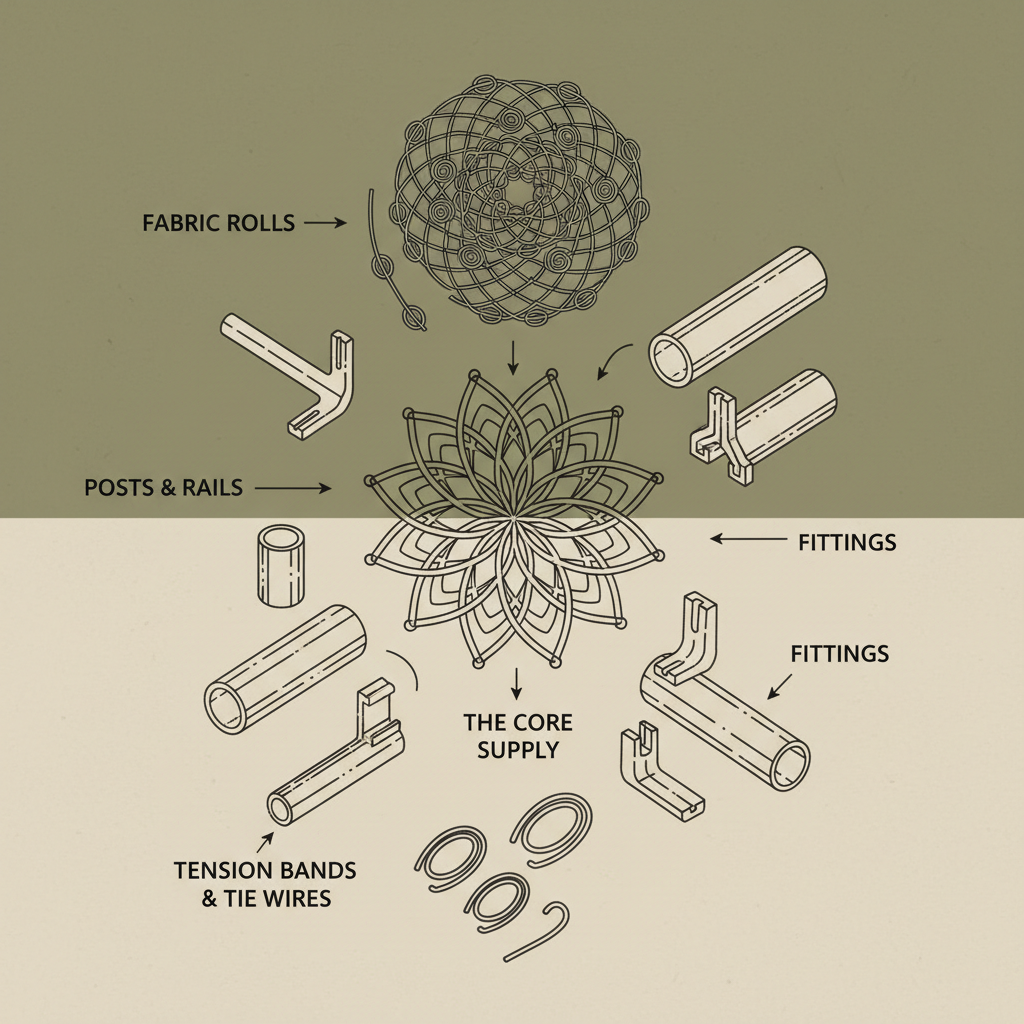
Strangely enough, the biggest trend I'm seeing is a push for “smart” fencing. Sensors, remote monitoring… it’s all a bit much, if you ask me. Most of the time, a simple visual inspection is all you need. A lot of these systems add complexity without solving a real problem. And don’t even think about the maintenance. The biggest pitfall? Underestimating the importance of proper tensioning. If the fence isn't stretched tight enough, it'll sag like a tired old man. You'd think engineers would understand this...
I encountered this at a factory in Tianjin last time, they were bragging about their automatic tensioning system. Looked great on paper, but when the guys went to install it, it kept jamming. Turns out the system couldn't handle the slight variations in wire diameter. The devil is always in the details.
FAQS
Proper tensioning is key, obviously. But also, make sure your posts are spaced correctly. Too far apart, and the wire will sag. Use heavier gauge wire for longer runs, and add bracing every 10-12 feet. Don't skimp on the bracing! A properly braced fence will last much longer and require less maintenance. Also, check the tension regularly, especially after heavy wind or snow.
You'll need to re-tension it. This usually involves adding a come-along or wire stretcher to pull the wire tighter. You might also need to adjust the post height. If the sagging is severe, you may need to replace the posts altogether. It’s a pain, I know, but it’s better than letting the whole thing collapse. Make sure the ground is firm before you start re-tensioning, or you’ll just end up pulling the posts out of the ground.
Galvanized is zinc coating applied to steel to prevent rust. It's durable and relatively inexpensive. Vinyl-coated adds a layer of PVC over the galvanized steel for extra protection and aesthetic appeal. Vinyl-coated looks nicer, but it's more expensive and the coating can crack over time, exposing the steel underneath. I’d usually go with galvanized unless the client absolutely insists on color.
It's decent, but not foolproof. A determined intruder can cut through it, given enough time and the right tools. It's more of a deterrent than a guarantee of security. Adding barbed wire or razor ribbon at the top can increase security, but that comes with its own set of legal and ethical considerations. The height of the fence also matters – the taller, the better.
You’ll need a wire stretcher, fence pliers, a post hole digger, a level, a measuring tape, and a pair of work gloves. A good pair of bolt cutters is also handy. And don't forget safety glasses! Seriously, flying wire is no joke. Having a helper is a lifesaver, too. It’s a two-person job, really. You’ll also want a good quality come-along for tightening the wire.
Yes, but it requires a bit more planning. You'll need to "step" the fence line, meaning follow the contours of the slope in a series of horizontal sections. Or, you can rack the fence, which means angling the mesh to match the slope. Racking looks okay but might affect the tension. Stepping is generally the better option, but it requires more materials and labor. Always ensure the posts are firmly set, as sloped ground can put extra stress on them.
Conclusion
So, chain link fencing. It’s not glamorous, it’s not fancy, but it’s a workhorse. It’s about finding the right balance between cost, durability, and ease of installation. It's a surprisingly nuanced business, and a lot more goes into it than people realize. Forget the marketing hype and focus on quality materials and proper installation.
Ultimately, whether this thing works or not, the worker will know the moment he tightens the screw. And that’s the truth of it. Don’t underestimate the importance of getting the basics right. And for the love of all that is holy, don’t let a tech guy tell you to put a port on a fence post.

Michael Brown
If you are interested in our products, you can choose to leave your information here, and we will be in touch with you shortly.


