


The Bright Side of Safety: Decoding Orange Temporary Fencing
You know, it's funny how something so ubiquitous often goes unnoticed until you actually need it. I'm talking about orange temporary fencing. It's everywhere, isn't it? From bustling construction sites to lively outdoor events, these bright barriers are our silent guardians, ensuring public safety and site security. But there's more to these vibrant panels than meets the eye, believe me. As someone who's spent years observing the industry, I can tell you that the evolution of these simple fences is quite fascinating, driven by both practical needs and ever-evolving safety standards.
Why Orange? It's All About Visibility (and a Bit of Psychology)
Frankly, the color choice isn't just a whim. The high-visibility orange is absolutely crucial. It immediately signals caution and a restricted area, even from a distance. This isn't just good practice; it's often a regulatory requirement in many regions, particularly for roadside work and construction zones. Think about it: a bright orange barrier is much harder to miss than a dull grey one, especially in low light or adverse weather conditions. This immediate visual cue drastically reduces the risk of accidental entry or injury, which, let's be honest, is the whole point of safety barriers.
Breaking Down the Tech: What Makes a Good Panel?
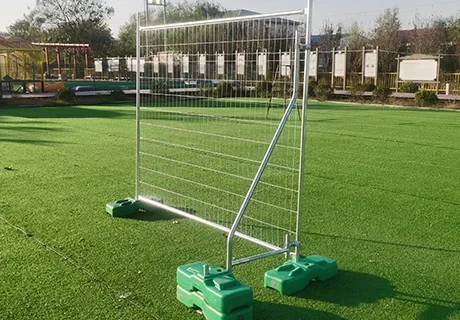
When we talk about robust orange temporary fencing, we're often looking at a product like the "Round Pipe Temporary Fence." These aren't just flimsy barriers; they're engineered for resilience. Typically, they're crafted from high-grade galvanized steel, which then gets a vibrant powder coating – that's where the iconic orange comes in. The galvanization process provides an excellent base layer, shielding the steel from rust and corrosion, while the powder coating adds another layer of protection and, of course, that unmistakable color.
Typical Specifications for Round Pipe Temporary Fence:
Feature | Specification Details |
Wire Diameter | 3.00-5.00mm (pretty sturdy, actually!) |
Mesh Opening | 50x100mm, 75x75mm, 75x100mm, 60x150mm & 100x300mm etc. (plenty of options for different security needs) |
Panel H x W | 2100x2400mm, 1800x2400mm, 1800x2500mm, 2100x2900mm, 2100x3300mm etc. (standard sizes, but customization is key) |
Frame & Middle Pipe Diameter | 25mm, 32mm, 42mm, 48mm (these provide the structural integrity, so bigger is often better!) |
Base Feet | Plastic, can be filled with concrete or not, as per customer need (adds stability) |
Typical Production Volume | Around 580 containers of temporary fence panels annually (a testament to their widespread use!) |
The manufacturing process usually involves welding the mesh wire to the round pipes, followed by hot-dip galvanization, and then the powder coating. This multi-layered approach ensures a service life that can easily stretch beyond 10 years with proper care, even in challenging outdoor environments.
Where You'll See Them: Applications Galore!
I mean, where don't you see orange temporary fencing these days?
· Construction Sites: This is probably the most obvious. They delineate site boundaries, protect the public from hazards, and secure equipment.
· Event Management: Music festivals, sporting events, parades – they're perfect for crowd control, directing pedestrian flow, and securing VIP areas.
· Roadwork & Utilities: Essential for keeping pedestrians and vehicles clear of active work zones, mitigating risks.
· Public Works Projects: Any area under temporary repair or development, really.
The adaptability is a big selling point, with panels easily connected by clamps and supported by sturdy plastic feet.
Choosing Your Provider: Not All Orange is Created Equal
It might seem like a generic product, but trust me, there's a real difference in quality and service among vendors. Many customers I've spoken with emphasize that while price is important, reliability, customization options, and adherence to international standards like ISO 9001 and specific regional certifications (e.g., Australian AS 4687-2007) are paramount.
Vendor Comparison Snapshot:
Factor | Vendor A (e.g., Haotian Mesh) | Vendor B (Competitor) |
Material Quality | High-grade galvanized steel, thick powder coating | Standard galvanized steel, thinner coating may vary |
Customization | Extensive: special sizes, colors, branding options | Limited: mostly standard sizes |
Certifications | ISO 9001, often meets regional standards (e.g., AS/NZS) | Basic quality control, fewer international certs |
Service Life | 10+ years (real-world use may vary) | 5-8 years (often rusts faster) |
Packaging | Panels, feet, and clamps well-packed by pallet (minimizes damage) | Bundled, sometimes less protected |
The Final Word: More Than Just a Fence
So, next time you see that flash of orange temporary fencing, perhaps you'll appreciate it a little more. It’s a testament to practical design, robust engineering, and a constant commitment to safety. These fences aren't just barriers; they're an integral part of how we manage risk, organize spaces, and protect lives in dynamic environments. And frankly, that's something worth acknowledging.
Authoritative References:
1. ISO 9001:2015 - Quality management systems — Requirements. International Organization for Standardization.
2. AS 4687-2007 - Temporary fencing and hoardings. Standards Australia.
3. OSHA Regulations for Construction (29 CFR 1926). Occupational Safety and Health Administration, U.S. Department of Labor.
-
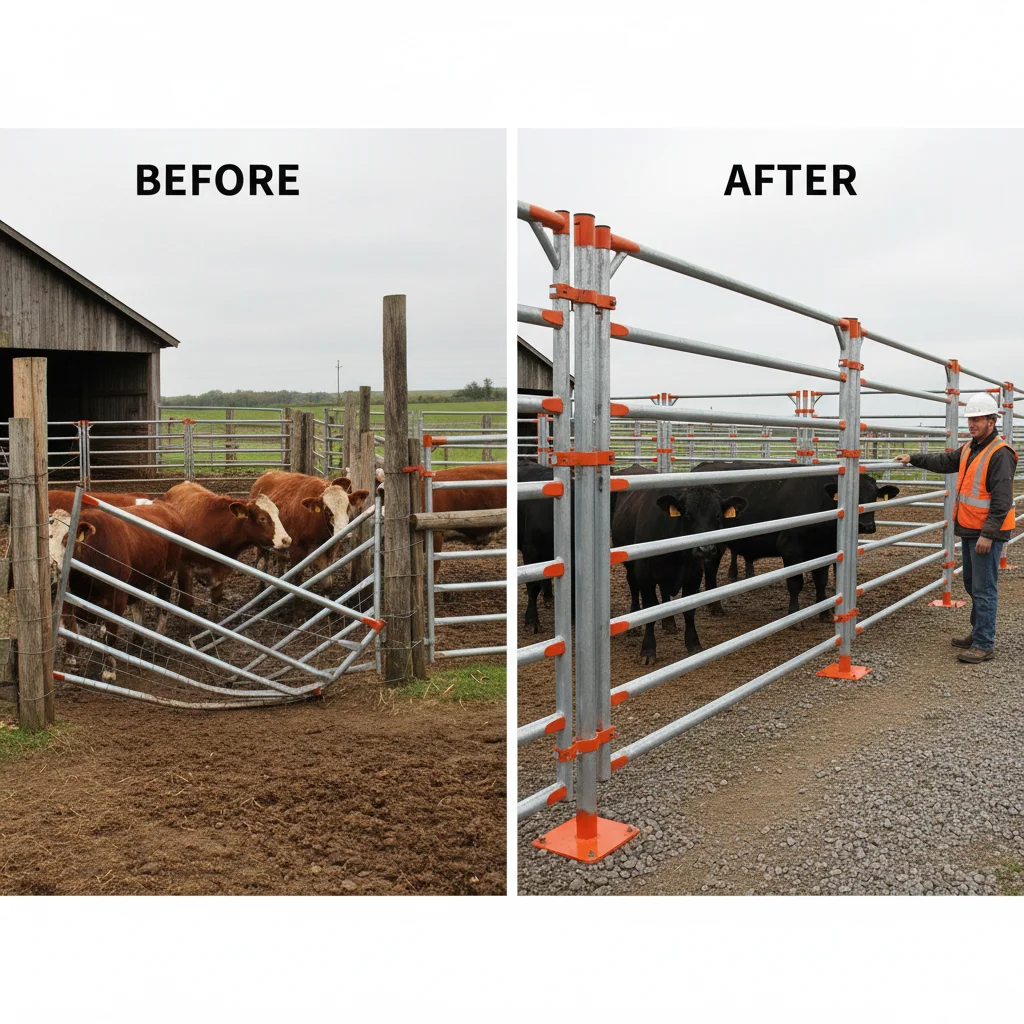
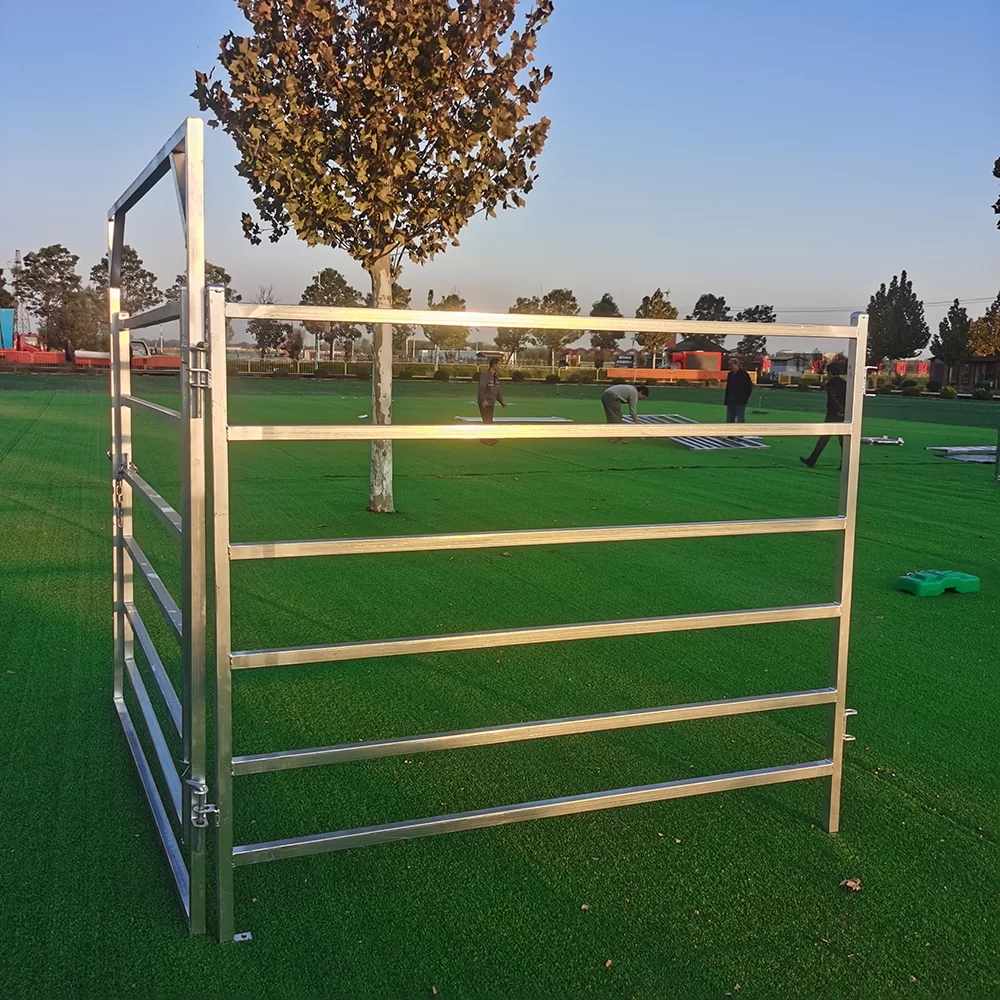
Durable Freestanding Livestock Panels for Efficient Animal Handling In the demanding world of agricultural management, the need for flexible and robust containment solutions has never been more critical. freestanding livestock panels offer a sophisticated answer to the challenges of animal handling, providing a secure yet adaptable barrier that does not require permanent installation or deep grounding. By allowing farmers and ranchers to redefine their spatial layouts in minutes, these panels maximize the efficiency of existing infrastructure while ensuring the safety of both the handlers and the livestock. Read More >26 Apr, 17
-
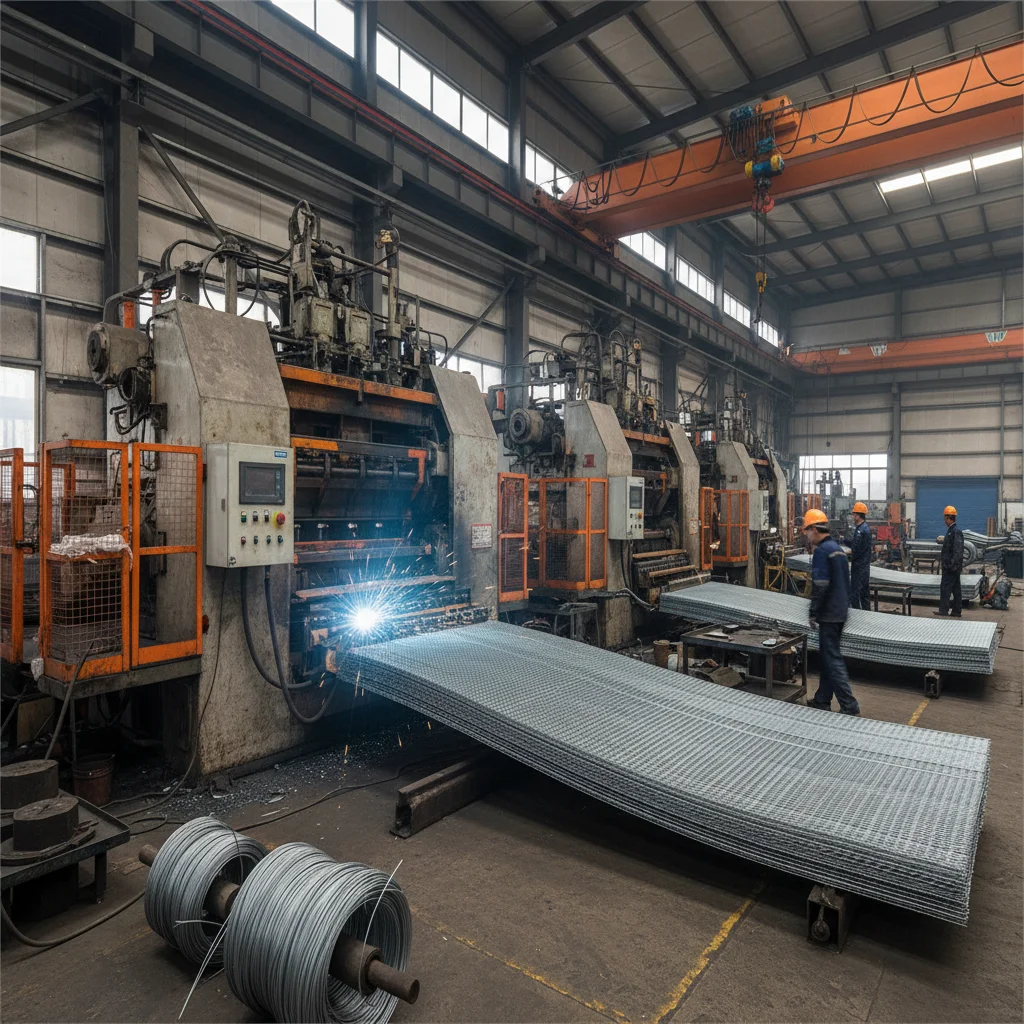
Professional Galvanized Welded Mesh Factory for Industrial Projects Finding a reliable galvanized welded mesh factory is critical for ensuring the structural integrity and longevity of your industrial or agricultural installations. Galvanized welded mesh is prized for its exceptional strength and resistance to corrosion, making it the go-to choice for fencing, animal cages, and construction reinforcement. However, not all factories adhere to the same quality standards. Whether you are sourcing for a large-scale infrastructure project or a specialized commercial application, understanding the manufacturing process and quality benchmarks is key to making a cost-effective investment that lasts for decades. Read More >26 Apr, 16
-
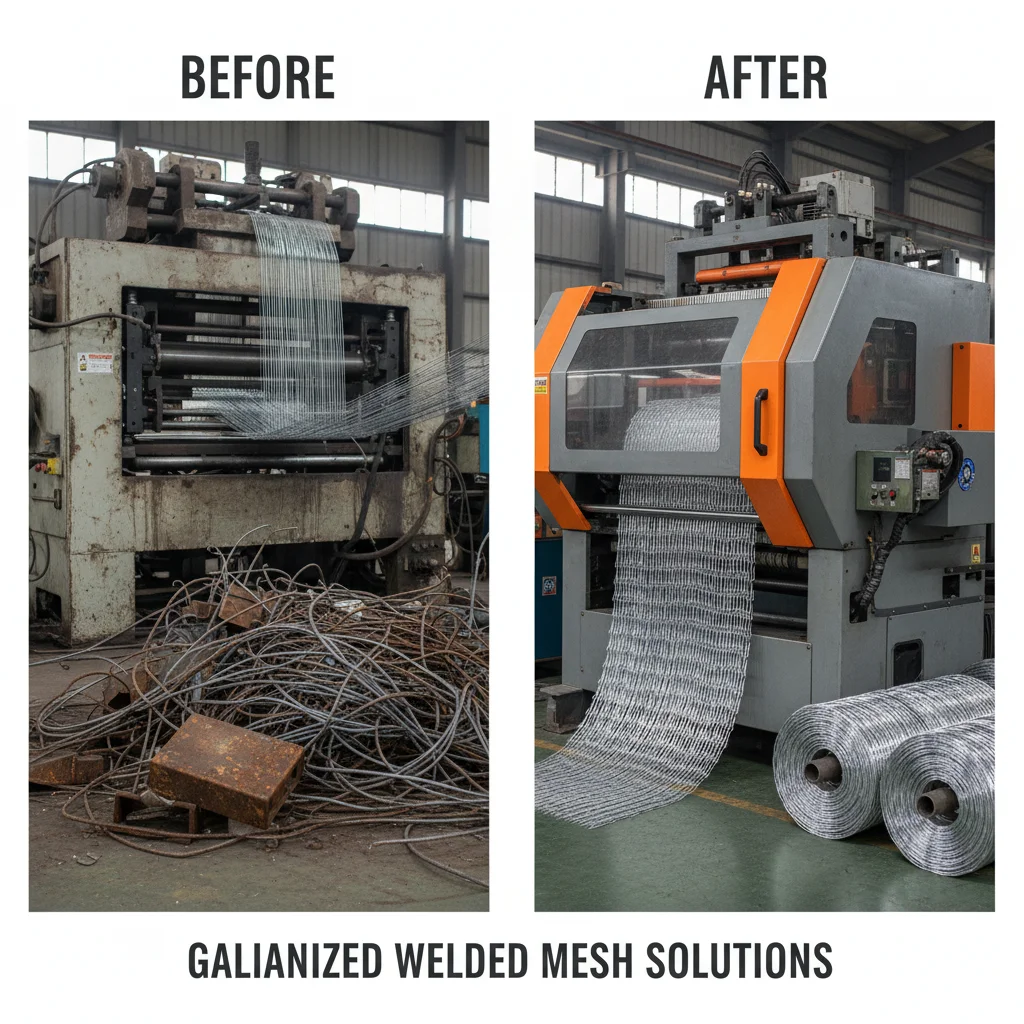
Professional Galvanized Welded Mesh Exporter for Quality Projects Selecting a high-quality fencing or screening solution requires more than just picking a product; it requires partnering with a reliable galvanized welded mesh exporter who understands the balance between structural integrity and corrosion resistance. Whether you are securing an industrial perimeter, building animal enclosures, or implementing architectural reinforcements, the quality of the galvanization process determines the lifespan of your installation. In this guide, we will explore the technical advantages of galvanized welded mesh and how to identify a global supplier that meets international quality standards to ensure your investment stands the test of time. Read More >26 Apr, 09
-
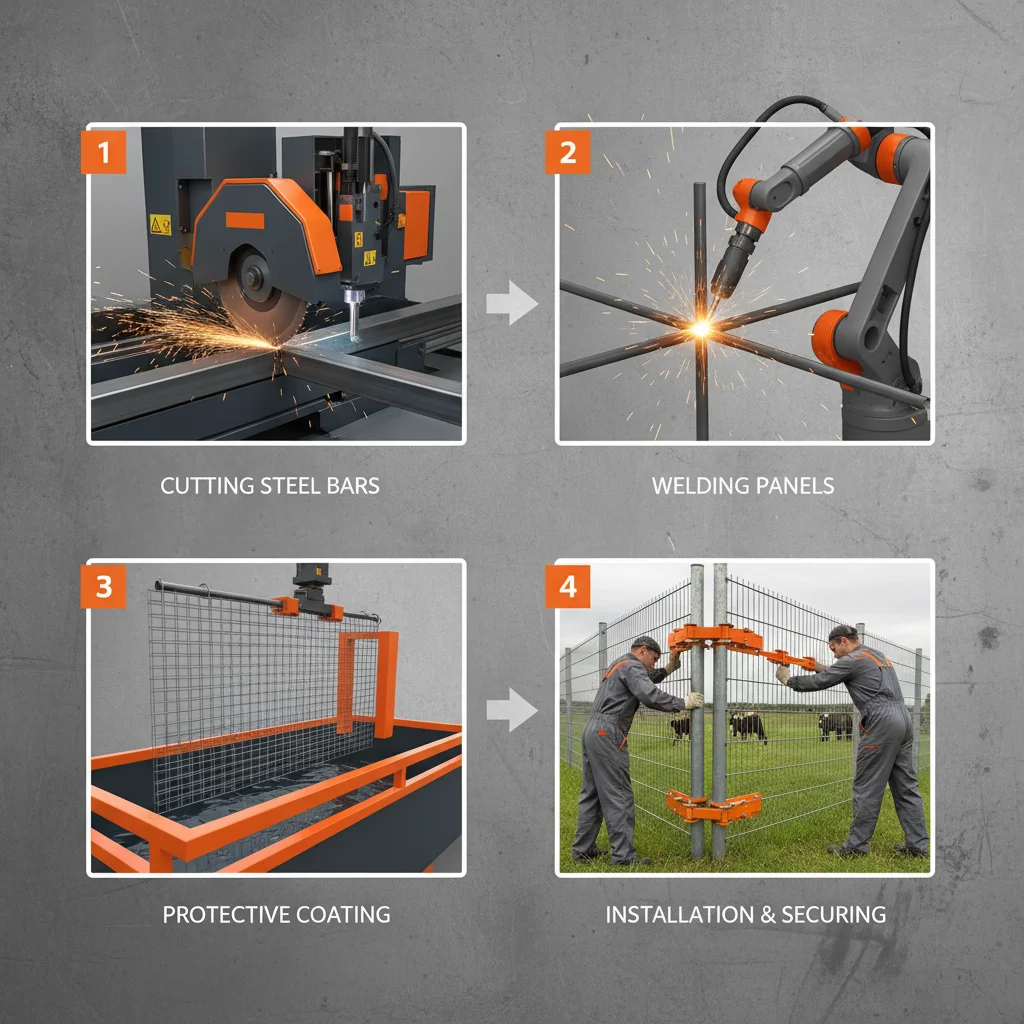
Essential Fencing Panels for Livestock Management and Farm Productivity Fencing panels for livestock are essential components in modern animal husbandry, playing a critical role in efficient farm management, animal welfare, and land utilization. Globally, the demand for robust and reliable fencing solutions is increasing due to the expanding livestock industry and the need to protect grazing lands from encroachment and predation. These panels aren’t simply barriers; they represent a vital investment in a farm's productivity and the health of its animals. Read More >26 Apr, 08
If you are interested in our products, you can choose to leave your information here, and we will be in touch with you shortly.


