


Temporary Fences: Chain Link Panel Essentials Unpacked
Alright, let's talk fences – but not just any fences. We're diving deep into the world of temporary chain link fence panels. If you've ever managed a construction site, organized an outdoor event, or just needed a quick, reliable way to secure an area, you'll know these are absolute lifesavers. To be honest, they’re often unsung heroes, silently doing the heavy lifting of security and crowd control.
The Buzz: Industry Trends and Why They Matter
The temporary fencing market, particularly for temporary chain link fence panels, has seen some interesting shifts lately. We’re seeing a growing demand for quick-deploy solutions that don't compromise on durability. Sustainability is also becoming a bigger factor; customers want products that can be reused project after project, reducing waste. Personally, I've noticed a significant uptick in inquiries for rental-grade quality, which tells me the industry is maturing beyond just one-off purchases to a more integrated, service-oriented model. There's also a big push for lighter, yet stronger materials, and faster installation mechanisms – because time, as we all know, is money on any job site.
Decoding the Tech: Key Specifications & What They Mean
When you're looking at temporary chain link fence panels, it's not just about height and width. There are crucial technical specs that dictate performance and longevity. Wire diameter, for instance, directly impacts strength. A thicker wire (like 3.0mm to 3.5mm) means more rigidity and resistance to bending, which is essential for heavy-duty applications. Mesh opening size, typically 50x50mm or 60x60mm, affects visibility and the ability to deter smaller intrusions. And don't forget the frame; a robust frame made from galvanized steel tubing is what holds the whole thing together. Many customers say that a good galvanization process is key to preventing rust, especially in coastal or humid environments.
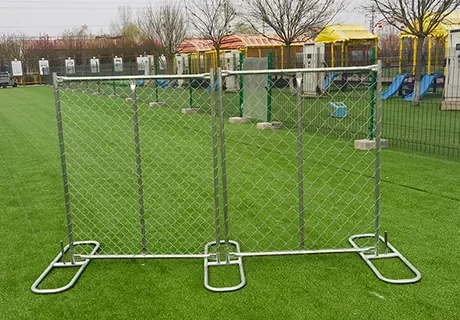
Typical Product Specifications (for a common temporary chain link fence panel)
Feature | Specification Range | Notes |
Wire Diameter | 2.00-3.50mm | Thicker for more robust security |
Mesh Opening | 50x50mm, 60x60mm, 75x75mm | Common sizes, affects visibility & security |
H x W (Panel) | 1.8m x 2.4m to 2.44m x 3.65m | Popular configurations, real-world use may vary |
Frame & Middle Pipe | 25mm, 32mm, 42mm, 48mm | Outside diameter, for structural integrity |
Finish | Hot-dip galvanized | Essential for corrosion resistance |
Where Do These Fences Shine? Applications & Advantages
Honestly, the versatility of temporary chain link fence panels is astounding. Think construction sites, of course, where they delineate boundaries, secure equipment, and ensure public safety. But that's just the start. They're indispensable for outdoor festivals, concerts, and sporting events for crowd control. They're also brilliant for disaster relief efforts, creating temporary shelters or secure perimeters quickly. In fact, many municipalities use them for public works projects or even temporary dog parks. The main advantages? Portability, rapid deployment (you can set up kilometers in a day with the right crew!), cost-effectiveness compared to permanent solutions, and the fact they don't damage existing surfaces.
The Nitty-Gritty: Materials, Manufacturing, & Quality Checks
The journey of a temporary chain link fence panel usually starts with high-quality low-carbon steel wire and tubing. The wire is typically woven into the familiar chain link pattern, then welded onto the tubular frame. But the real magic, I guess, is the galvanization process. Hot-dip galvanizing, a common method, involves immersing the fabricated panel in molten zinc. This creates a metallurgical bond, forming a coating that's incredibly resistant to rust and corrosion, significantly extending the service life to typically 5-10 years, sometimes more depending on environmental factors. Every reputable manufacturer, like those in the temporary chain link fence China market, adheres to stringent testing standards such as ASTM A392 or local equivalent, ensuring consistent mesh size, wire gauge, and coating thickness. Pre-shipment inspections are critical, checking welds, panel dimensions, and overall finish. This entire process ensures you're getting a product that can withstand the rigors of repeated outdoor use.
Choosing Wisely: Vendor Comparison & Customization
Navigating the vendor landscape can be tricky. It's not just about the lowest price for temporary chain link fence panels. You'll want to consider lead times, shipping logistics (especially for large orders), and, crucially, customization options. Many projects have unique requirements – maybe a specific height, integrated gates, or even different mesh types. A good vendor should be able to accommodate these. For instance, a vendor might specialize in specific markets, like those shipping 150 containers to the USA or 230 containers to Australia annually, indicating strong logistical capabilities and market understanding.
Vendor Comparison: What to Look For
Aspect | Consideration | Why it Matters |
Product Quality | Galvanization, weld integrity, material grade | Durability & service life |
Customization | Ability to produce special sizes/features | Meeting unique project needs |
Lead Times | Production & shipping schedules | Project timelines & urgency |
Certifications | ISO 9001, ASTM, local standards | Quality assurance & compliance |
Shipping & Packing | Palletized, secure, efficient | Minimizes damage, eases handling |
Real-World Success: A Quick Case Study
Consider a recent urban development project in a bustling city center. The client needed to secure a large perimeter for several months while excavation and foundation work was underway. They opted for robust 2.1m x 2.4m temporary chain link fence panels with a 3.2mm wire diameter. The panels were delivered pre-assembled and installed with heavy-duty concrete feet, allowing for quick deployment. Because they were hot-dip galvanized, they easily withstood the city's variable weather, remaining stable and rust-free. The ability to quickly reconfigure sections as the project progressed was also a huge plus, showcasing the inherent flexibility of these systems. It really cemented my view on their practical utility!
Final Thoughts
Ultimately, temporary chain link fence panels are more than just barriers; they’re integral to safe, efficient project management and public event planning. Understanding their technical nuances and focusing on quality, from the galvanization to the welding, will ensure you get a durable, reliable solution. They may not be the flashiest part of a project, but without them, things would, quite frankly, be a lot messier and less secure. It's an investment that truly pays off.
Authoritative References
1. ASTM International. (2022). ASTM A392/A392M-07(2017) Standard Specification for Zinc-Coated Steel Chain-Link Fence Fabric.
2. ISO 9001:2015. (2015). Quality management systems — Requirements. International Organization for Standardization.
3. Galvanizers Association. (n.d.). Hot Dip Galvanizing Process & Benefits. Retrieved from www.galvanizing.org.uk
-
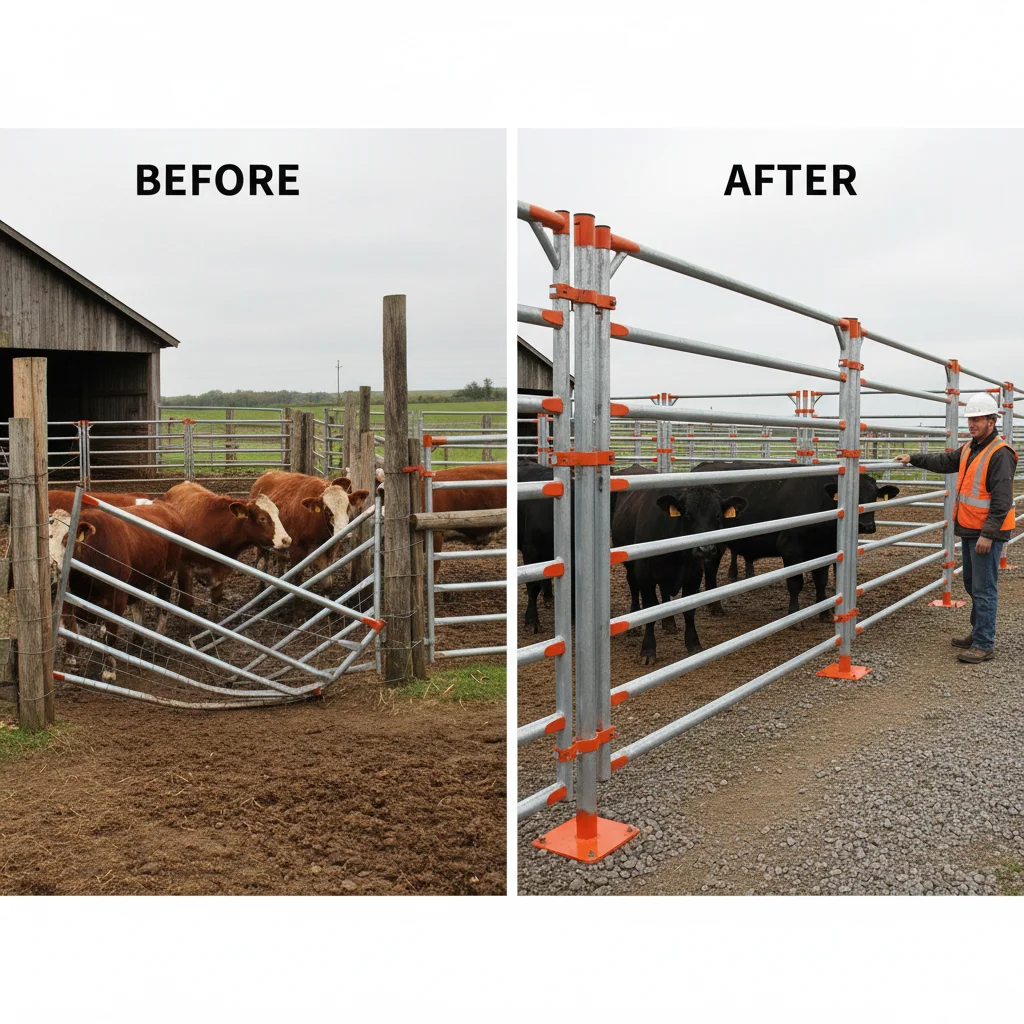
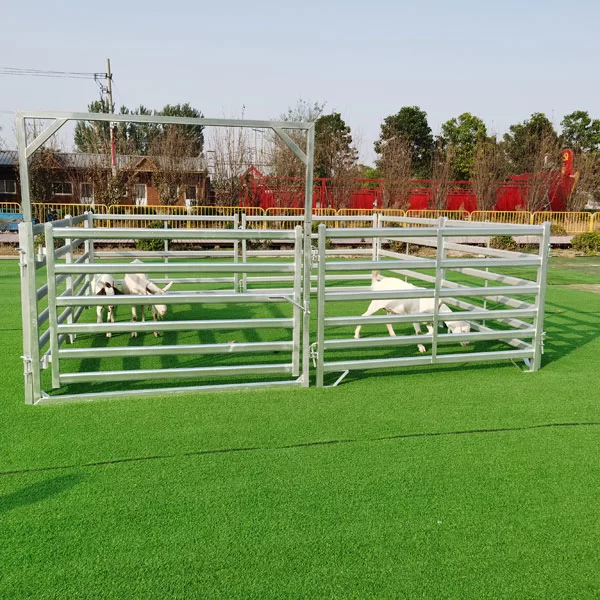
Durable Freestanding Livestock Panels for Efficient Animal Handling In the demanding world of agricultural management, the need for flexible and robust containment solutions has never been more critical. freestanding livestock panels offer a sophisticated answer to the challenges of animal handling, providing a secure yet adaptable barrier that does not require permanent installation or deep grounding. By allowing farmers and ranchers to redefine their spatial layouts in minutes, these panels maximize the efficiency of existing infrastructure while ensuring the safety of both the handlers and the livestock. Read More >26 Apr, 17
-
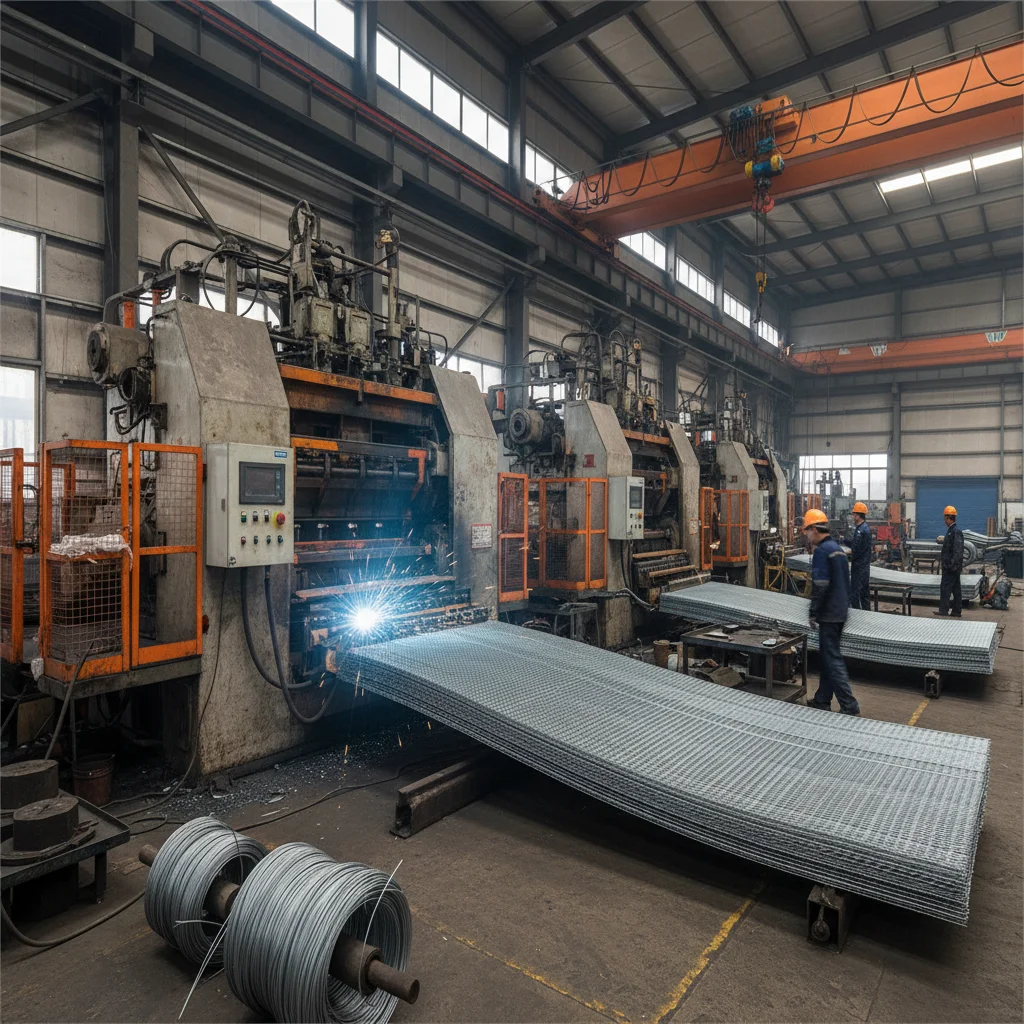
Professional Galvanized Welded Mesh Factory for Industrial Projects Finding a reliable galvanized welded mesh factory is critical for ensuring the structural integrity and longevity of your industrial or agricultural installations. Galvanized welded mesh is prized for its exceptional strength and resistance to corrosion, making it the go-to choice for fencing, animal cages, and construction reinforcement. However, not all factories adhere to the same quality standards. Whether you are sourcing for a large-scale infrastructure project or a specialized commercial application, understanding the manufacturing process and quality benchmarks is key to making a cost-effective investment that lasts for decades. Read More >26 Apr, 16
-
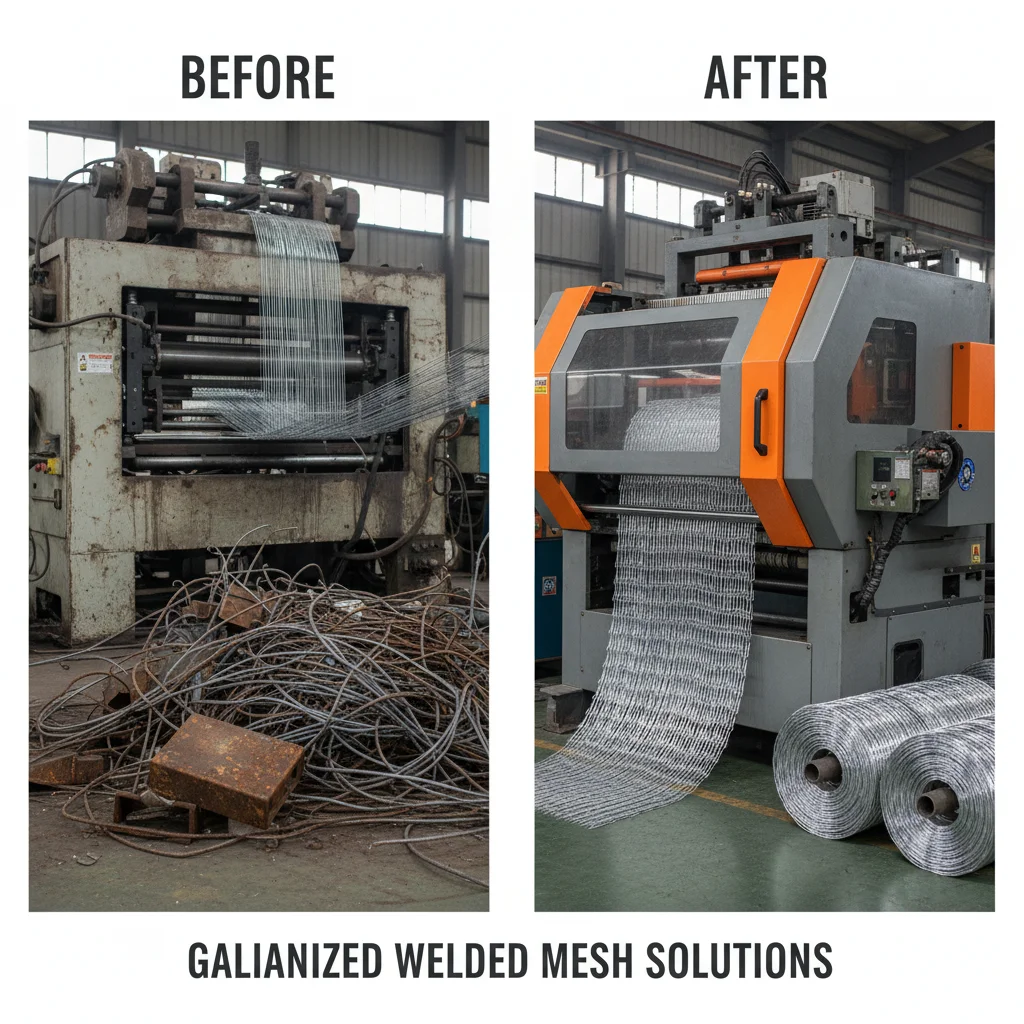
Professional Galvanized Welded Mesh Exporter for Quality Projects Selecting a high-quality fencing or screening solution requires more than just picking a product; it requires partnering with a reliable galvanized welded mesh exporter who understands the balance between structural integrity and corrosion resistance. Whether you are securing an industrial perimeter, building animal enclosures, or implementing architectural reinforcements, the quality of the galvanization process determines the lifespan of your installation. In this guide, we will explore the technical advantages of galvanized welded mesh and how to identify a global supplier that meets international quality standards to ensure your investment stands the test of time. Read More >26 Apr, 09
-
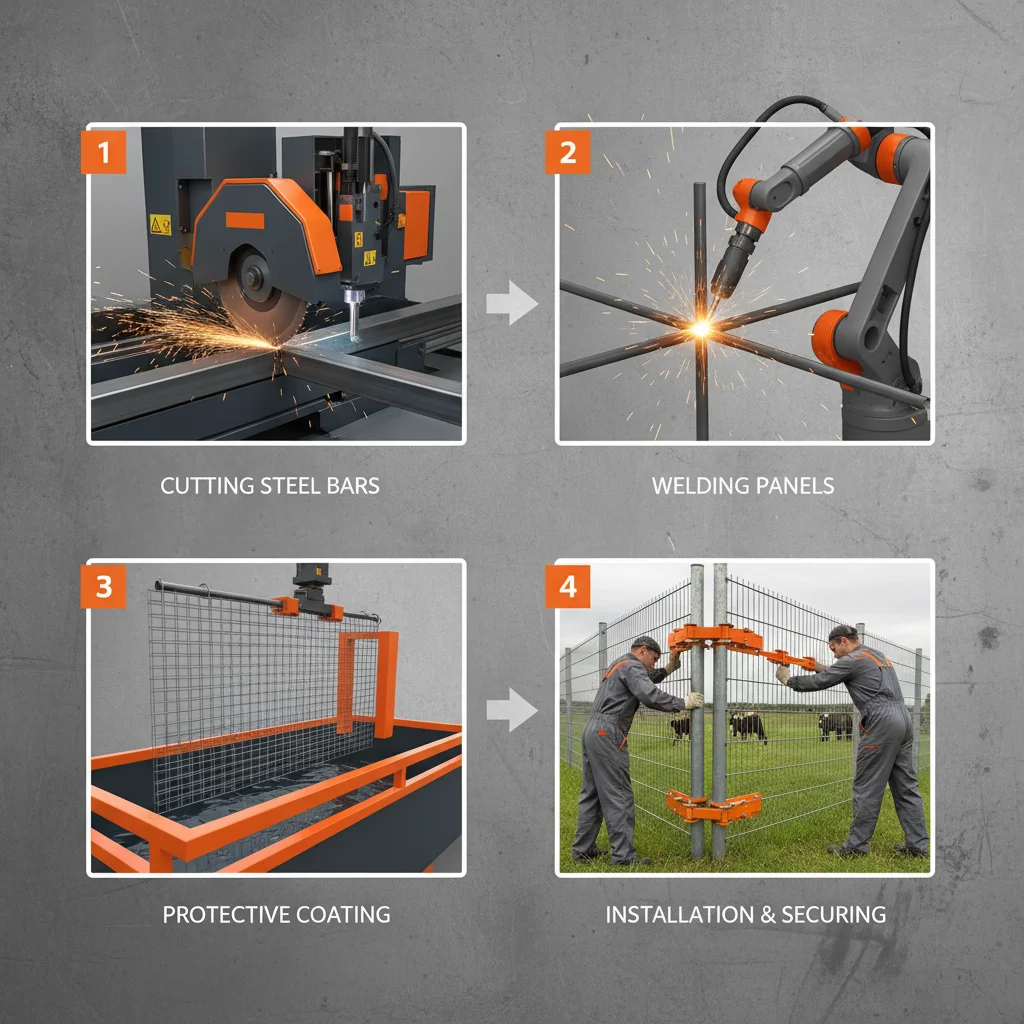
Essential Fencing Panels for Livestock Management and Farm Productivity Fencing panels for livestock are essential components in modern animal husbandry, playing a critical role in efficient farm management, animal welfare, and land utilization. Globally, the demand for robust and reliable fencing solutions is increasing due to the expanding livestock industry and the need to protect grazing lands from encroachment and predation. These panels aren’t simply barriers; they represent a vital investment in a farm's productivity and the health of its animals. Read More >26 Apr, 08
If you are interested in our products, you can choose to leave your information here, and we will be in touch with you shortly.


