


Beyond the Ropes: The Power of Flexible Crowd Control
Alright, let's talk about something we all encounter, but rarely truly appreciate: effective crowd management. Whether you're at a concert, a construction site, or even just queuing up for the latest gadget release, the subtle art of guiding people is crucial. And honestly, for years, the humble barrier felt… well, a bit static. But things have changed. We're now talking about systems, especially retractable crowd control barriers, that are far more dynamic than their predecessors.
The Evolving Landscape of Crowd Management
I've been in this industry for quite a while, and it's fascinating to observe the shifts. The old days of just throwing up some basic fencing are long gone. Today's events, public spaces, and even industrial environments demand a more sophisticated approach. Safety, efficiency, and aesthetics are all top priorities. This push has really driven innovation, particularly in making barriers not just strong, but also incredibly adaptable – almost 'retractable' in their ease of deployment and re-configuration, if you catch my drift. It’s not just about stopping people, it’s about guiding them safely and smartly.
Understanding What Makes Them Tick
When we talk about retractable crowd control barriers in this context, we're really focusing on modular, easily deployable steel barriers that offer incredible flexibility. They might not literally retract into a box with a button press (though some belt barriers do!), but their design philosophy prioritizes quick setup, relocation, and compact storage. This is where the magic happens, allowing event organizers or site managers to rapidly respond to changing crowd dynamics.
Materials, Methods, and the Build Quality
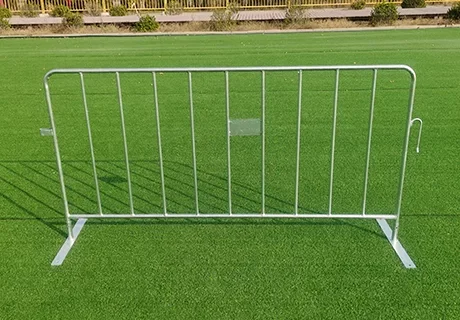
At their core, these barriers are typically constructed from robust steel, often mild steel, which is then processed for maximum durability. The process usually involves precision cutting, welding, and then, crucially, finishing. For a product that takes a beating, the finish isn't just about looks; it's about longevity. Hot-dipped galvanization is the gold standard, providing a thick, uniform coating of zinc that offers exceptional corrosion resistance. Powder coating is another popular option, giving a vast array of colors and an additional layer of protection, particularly against scuffs and scratches. Some manufacturers, like the one whose products I've seen, even offer pre-galvanized options or galvanization after welding for complete seam protection. That's a detail that, to be honest, makes a big difference in real-world service life.
The Specs That Matter: A Closer Look
You might think a barrier is just a barrier, but the devil, as they say, is in the details. Dimensions, frame thickness, and infill picket spacing all play a role in both security and stability. Here's a snapshot of some common specifications:
Feature | Typical Specifications |
Panel Size | ≈ 1100x2100mm, 1100x2200mm, 1100x2500mm |
Frame O.D. | 20mm, 25mm, 32mm, 38mm, 42mm, 48mm O.D. |
Infill Pickets O.D. | 12mm, 14mm, 16mm, 20mm, 25mm O.D. |
Picket Spacing | 60mm, 100mm, 190mm, 200mm spacing (real-world use may vary) |
Finish Options | Hot-dipped Galvanized / Powder Coating |
Feet Type | Removable (Flat Base) or Fixed (V-foot often) |
The Undeniable Advantages
So, why invest in these types of retractable crowd control barriers? Well, the advantages are pretty clear. For one, their modular design means incredible versatility. They're quick to set up and dismantle, which is a huge time and cost saver. The removable feet, particularly flat bases, make them surprisingly efficient for transportation and storage – easier for container loading, as many customers say. And should a foot get damaged, replacing just that part is far more economical than the whole barrier. The V-foot options, on the other hand, offer excellent stability on uneven terrain.
Their robust construction ensures safety and a long service life, often exceeding 10-15 years with proper care, even in demanding environments. They're also relatively easy to clean and maintain, which is a plus for any busy site manager.
Where You'll See Them: Application Scenarios
It seems that wherever people gather or work needs managing, these barriers are there. Think about:
· Large-scale Events: Music festivals, sporting events, political rallies. They define queues, create clear pathways, and manage entry/exit points.
· Construction Sites: Essential for safety, creating exclusion zones around hazards, and guiding workers and visitors.
· Public & Urban Spaces: Temporary pedestrian walkways, managing queues outside popular attractions, or for municipal works.
· Retail & Commercial: During busy sales or product launches, they help maintain order and customer flow.
· Emergency Services: Quickly cordoning off areas during incidents.
Customization: Making Them Yours
One of the best things about these systems is the level of customization available. Need a specific color to match your brand identity? Powder coating makes that possible. Want your logo or event details subtly integrated? Many vendors offer branding options. Even specific panel heights or widths can often be accommodated for truly unique requirements. This flexibility isn't just a nicety; it can be crucial for brand visibility and operational efficiency.
Navigating the Vendor Landscape: What to Look For
Choosing the right supplier for crowd control barriers for sale can be a minefield, I'll admit. It's not just about price. You're looking for quality, reliability, and support. Here's a quick comparison of what different types of vendors might offer:
Vendor Type | Pros | Cons | Ideal For |
Large Manufacturers | High volume, competitive pricing, often certified. | Less flexibility for small custom orders. | Bulk purchases, standard specifications. |
Specialist Suppliers | Expertise, good for custom solutions, strong support. | Potentially higher unit cost for standard items. | Specific needs, ongoing project support. |
Rental Companies | No upfront capital, short-term flexibility. | Long-term costs can exceed purchase price. | One-off events, testing new layouts. |
Standards and Certifications: The Mark of Quality
Good quality crowd control barriers for sale aren't just thrown together; they adhere to certain standards. While there isn't one universal "barrier" standard, manufacturers typically follow industry best practices for material strength (e.g., ASTM for steel), welding quality (e.g., ISO 3834), and corrosion protection (e.g., ASTM A123 for hot-dip galvanization). Look for suppliers who are transparent about their materials and manufacturing processes, and perhaps even hold certifications like ISO 9001 for quality management. Test data for load-bearing capacity and wind resistance can also be surprisingly important, particularly for outdoor use.
Final Thoughts: Investing in Safety and Efficiency
In conclusion, the landscape of crowd control has evolved dramatically. Modern, modular retractable crowd control barriers are not just fences; they're integral components of safety and operational efficiency plans. From ensuring spectator safety at a major sports event to protecting workers on a busy construction site, their role is undeniable. Choosing the right product, understanding its technical nuances, and partnering with a reputable vendor will always pay dividends in the long run. It's an investment, really, in seamless operations and peace of mind.
Authoritative Citations
1. ASTM International. (n.d.). Standard Specification for Zinc (Hot-Dip Galvanized) Coatings on Iron and Steel Products (A123/A123M). Retrieved from ASTM.org
2. International Organization for Standardization. (n.d.). ISO 9001: Quality management systems – Requirements. Retrieved from ISO.org
3. Health and Safety Executive (UK). (n.d.). Managing Crowds Safely. Retrieved from HSE.gov.uk
-
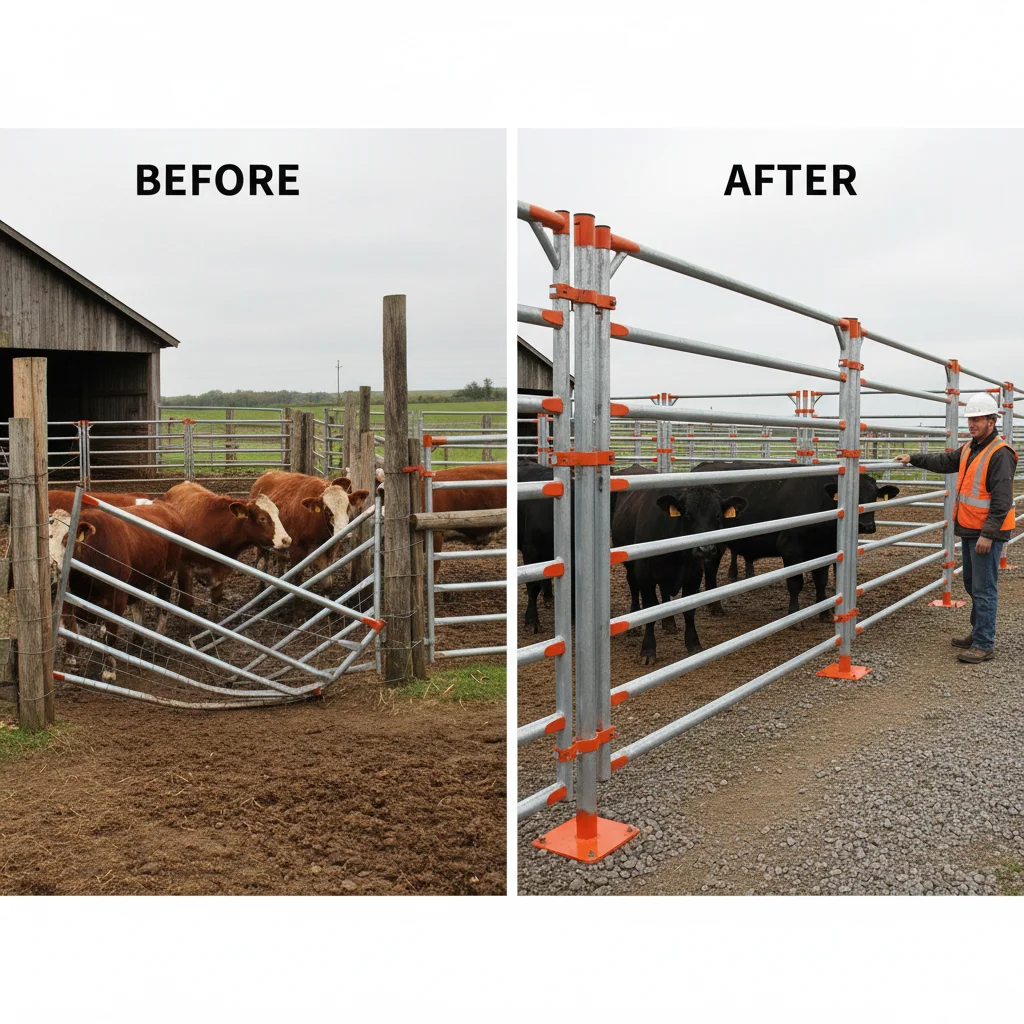
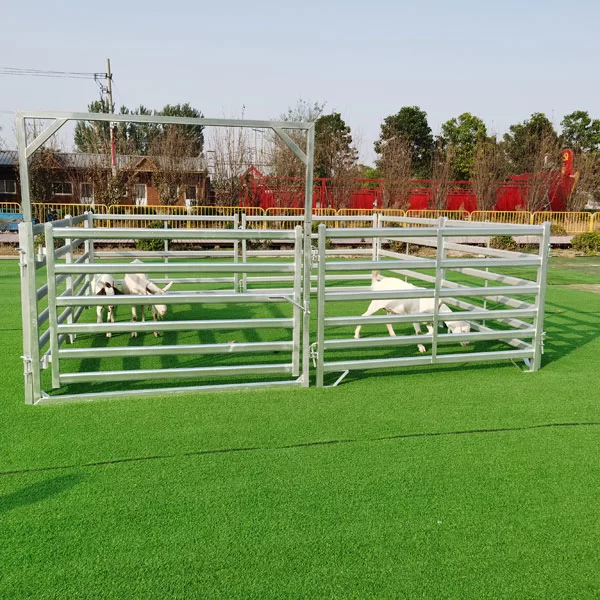
Durable Freestanding Livestock Panels for Efficient Animal Handling In the demanding world of agricultural management, the need for flexible and robust containment solutions has never been more critical. freestanding livestock panels offer a sophisticated answer to the challenges of animal handling, providing a secure yet adaptable barrier that does not require permanent installation or deep grounding. By allowing farmers and ranchers to redefine their spatial layouts in minutes, these panels maximize the efficiency of existing infrastructure while ensuring the safety of both the handlers and the livestock. Read More >26 Apr, 17
-
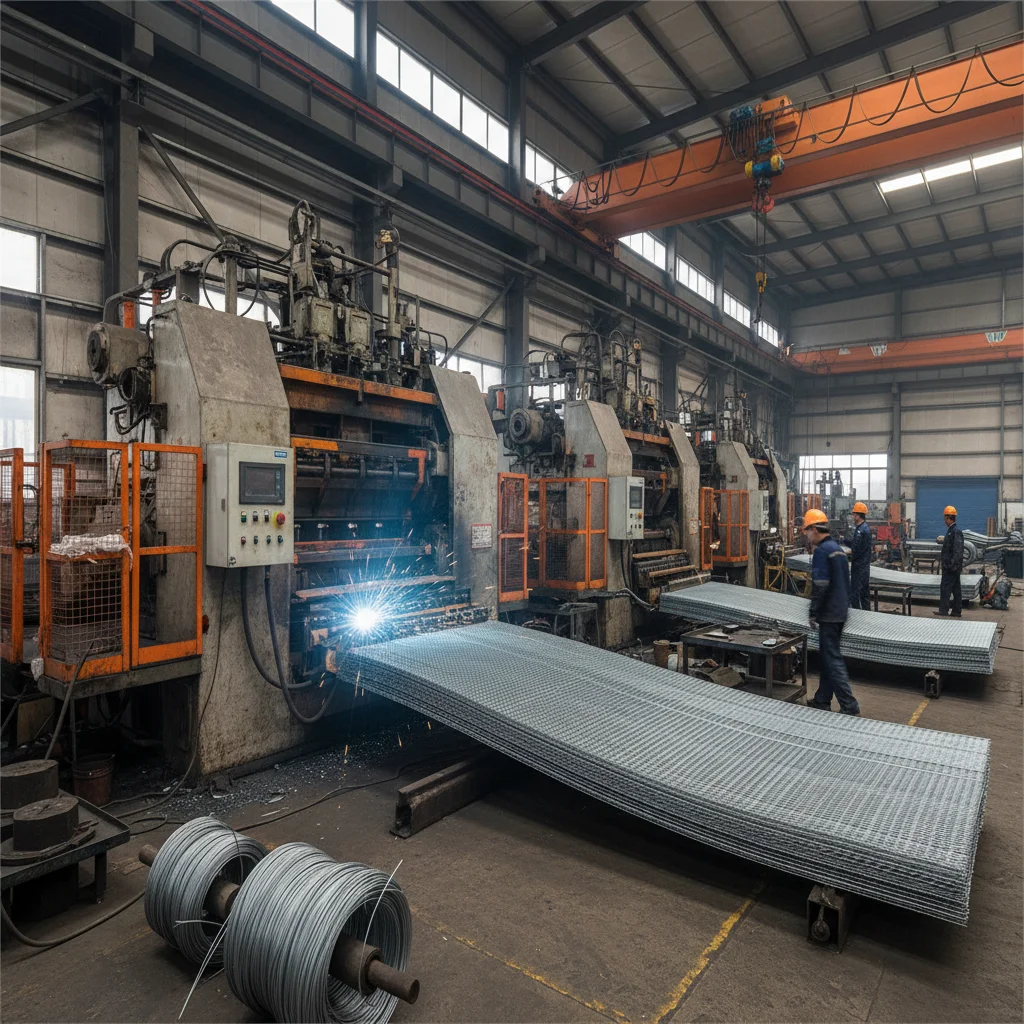
Professional Galvanized Welded Mesh Factory for Industrial Projects Finding a reliable galvanized welded mesh factory is critical for ensuring the structural integrity and longevity of your industrial or agricultural installations. Galvanized welded mesh is prized for its exceptional strength and resistance to corrosion, making it the go-to choice for fencing, animal cages, and construction reinforcement. However, not all factories adhere to the same quality standards. Whether you are sourcing for a large-scale infrastructure project or a specialized commercial application, understanding the manufacturing process and quality benchmarks is key to making a cost-effective investment that lasts for decades. Read More >26 Apr, 16
-
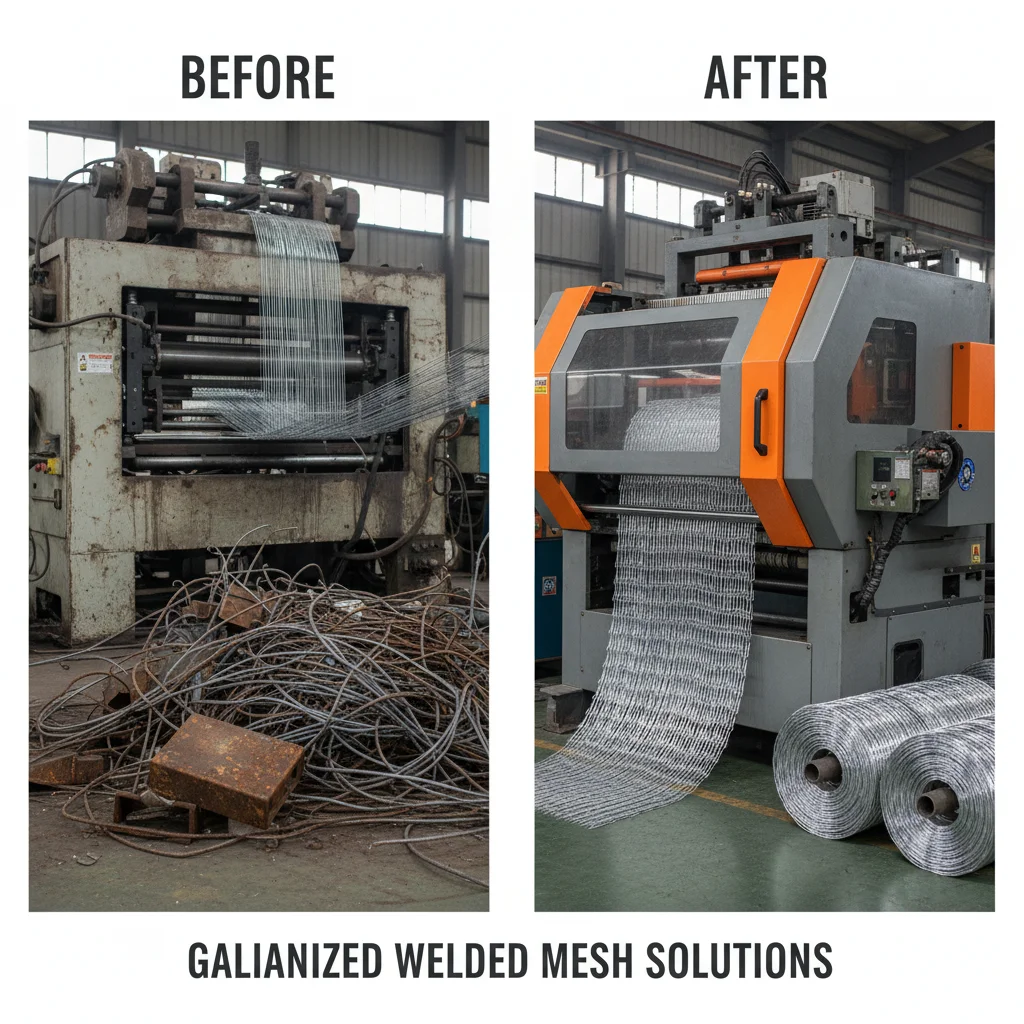
Professional Galvanized Welded Mesh Exporter for Quality Projects Selecting a high-quality fencing or screening solution requires more than just picking a product; it requires partnering with a reliable galvanized welded mesh exporter who understands the balance between structural integrity and corrosion resistance. Whether you are securing an industrial perimeter, building animal enclosures, or implementing architectural reinforcements, the quality of the galvanization process determines the lifespan of your installation. In this guide, we will explore the technical advantages of galvanized welded mesh and how to identify a global supplier that meets international quality standards to ensure your investment stands the test of time. Read More >26 Apr, 09
-
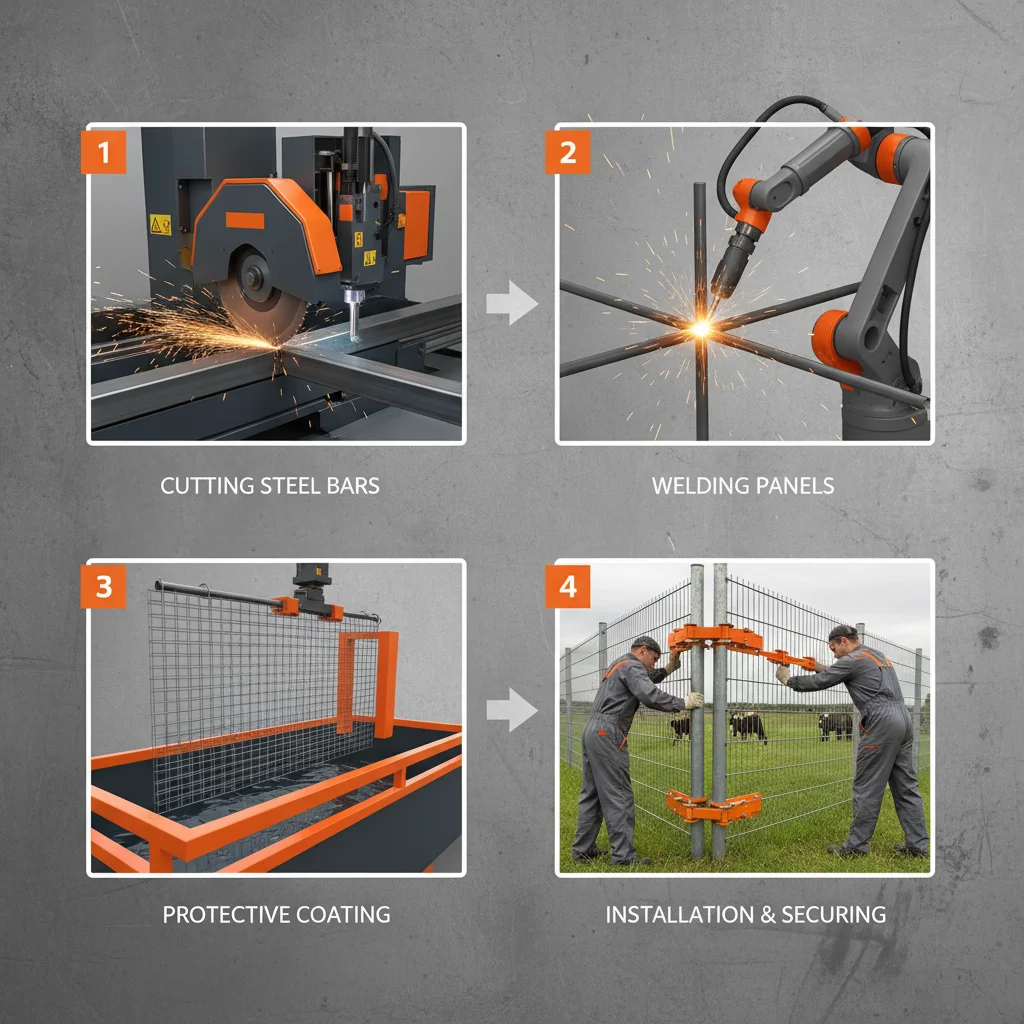
Essential Fencing Panels for Livestock Management and Farm Productivity Fencing panels for livestock are essential components in modern animal husbandry, playing a critical role in efficient farm management, animal welfare, and land utilization. Globally, the demand for robust and reliable fencing solutions is increasing due to the expanding livestock industry and the need to protect grazing lands from encroachment and predation. These panels aren’t simply barriers; they represent a vital investment in a farm's productivity and the health of its animals. Read More >26 Apr, 08
If you are interested in our products, you can choose to leave your information here, and we will be in touch with you shortly.


