


Beyond the Old Corral: Why Modern cattle yard panels Are a Game Changer
Alright folks, let's talk about something that's probably more critical to your daily operations than you might initially think: your cattle yard panels. For generations, farmers and ranchers have relied on robust fencing, and for a long time, wood was king. But let's be honest, those days are increasingly behind us. We're seeing a significant shift in the industry, and it's all pointing towards durable, low-maintenance steel panels. As someone who’s spent a fair bit of time in the agricultural sector, I can tell you this isn't just a fad; it's a fundamental improvement.
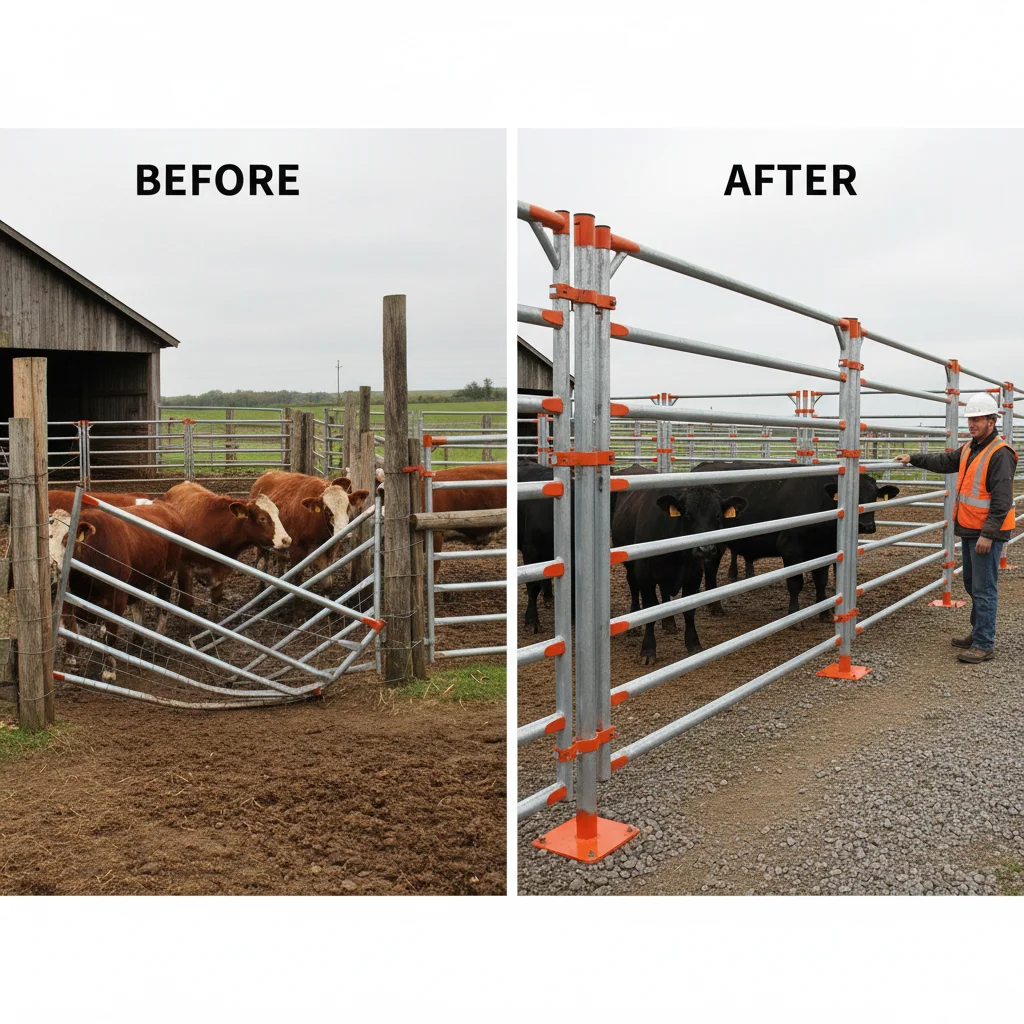
Actually, the move to steel isn't just about aesthetics; it’s about practicality and longevity. Many customers I speak with are tired of replacing rotten posts or splintered rails. Modern steel cattle yard panels are designed to withstand the rigors of livestock handling, from daily feeding routines to the occasional stampede (we've all been there, right?). They're far easier to install, too, which, let's face it, saves a huge amount of time and backache during setup or expansion.
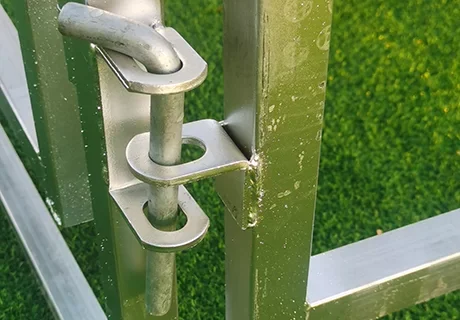
The Nitty-Gritty: Materials & Technical Specifications
So, what are these modern marvels made of? Typically, we're talking about high-grade steel, often galvanized to resist rust and corrosion – a vital feature given the outdoor exposure. When you're looking for cattle panels, you'll encounter a few main pipe styles:
· Round Pipe: A classic, robust choice.
· Square Pipe (RHS): Excellent for common applications, offering good strength-to-weight ratio.
· Oval Pipe: Increasingly popular, especially for larger quantity orders, due to its unique strength profile and often better material efficiency for manufacturers.
Pipe specifications often include Outer Diameter (O.D.) for round pipes or RHS dimensions for square ones. For example, popular choices are 32mm O.D., 40mm O.D., or RHS40mm. The thickness of the pipe wall is another critical factor for durability – don't skimp here, trust me. I've seen too many flimsy panels fail prematurely.
A Look at Typical Panel Specifications
Feature | Typical Spec | Notes |
Height x Length | 1.6m x 2.1m, 1.7m x 2.3m, 1.8m x 2.1m | Custom sizes available; look for ~4.8m (16 foot cattle panels for sale) for larger runs. |
Pipe Style Options | Round, Square (RHS), Oval | Choice often depends on budget and specific strength needs. |
Pipe Specification (O.D./RHS) | 32mm O.D., 40mm O.D., RHS40mm | Heavier gauge pipes generally offer greater durability. |
Surface Treatment | Hot-dip Galvanized | Crucial for rust prevention and extending service life. |
Service Life | ≈ 15-20+ years | Real-world use may vary based on conditions and maintenance. |
Application Scenarios and Customization
Whether you're setting up temporary holding pens, a permanent feedlot, or sophisticated cattle crushes, these panels are incredibly versatile. Cow feeding, for instance, demands a strong panel that can withstand constant pressure and activity. From small hobby farms needing just a few cattle yard panels to large-scale commercial ranches requiring hundreds, the applications are pretty much endless.
One of the big advantages today is customization. Need a specific height or length to match existing infrastructure? "Customer's size is available" is a common offering from reputable vendors, and honestly, it's a lifesaver for tailored setups. This flexibility means you're not just buying off-the-shelf; you're investing in a solution that fits your unique operation. And speaking of specific requirements, if you're looking for something like 16 foot cattle panels for sale, most suppliers can accommodate that, or something very close to it.
Navigating the Market: Vendor Comparison and Considerations
Choosing the right supplier for your cattle yard panels is almost as important as the panels themselves. You want quality, reliability, and good service. I've found that vendor comparison isn't just about price; it's about the overall value. Square tube cow fence panels are great for common quantities and provide excellent structural integrity. However, if you're looking at really large orders, say to outfit an entire new feedlot, oval pipe cattle panel fences often become more cost-effective due to the pipe's Minimum Order Quantity (MOQ) and manufacturing efficiencies. It's always worth discussing your specific needs and scale with your potential supplier.
Key Vendor Comparison Points
Factor | Consideration | Impact |
Material Quality | Steel grade, galvanization thickness. | Directly affects durability and rust resistance. |
Welding Standards | Clean, strong, consistent welds. | Prevents structural failure under stress. |
Customization Options | Ability to order non-standard sizes. | Ensures a perfect fit for unique layouts. |
Minimum Order Quantity (MOQ) | Oval pipes often have higher MOQs. | Affects cost-effectiveness for different project scales. |
Certifications/Standards | Compliance with local/international standards. | Indicates a commitment to quality and safety. |
The Long-Term View: Service Life and Impact
One of the most compelling arguments for modern cattle yard panels is their service life. While an old wooden fence might need significant repairs or replacement every 5-10 years, a well-made galvanized steel panel can easily last 15-20 years, sometimes even more, with minimal maintenance. This isn't just a cost saving; it's a huge reduction in labor and disruption to your operation. Think about it: less time fixing fences means more time focusing on your herd.
In fact, many operations that have transitioned from wood to steel report significant improvements in operational efficiency and animal safety. It seems that the consistent strength and smooth surfaces of steel panels also reduce the risk of injuries to livestock, which is, of course, paramount. From small-scale rotational grazing setups to sprawling feedlots, the feedback on these robust panels is overwhelmingly positive. They truly have revolutionized how we manage and contain our livestock.
Conclusion
So, there you have it. The humble cattle yard panel, often overlooked, is actually a crucial piece of modern farm infrastructure. With advancements in materials and manufacturing, the shift from traditional wood to steel is not just a trend but a logical evolution. They're more durable, easier to install, and in the long run, more cost-effective. If you're still wrestling with old, rotting fences, it might just be time to consider an upgrade. Your back, and your cattle, will thank you.
Authoritative Citations
1. Agricultural Engineering International: CIGR Journal. (2018). "Durability and Performance of Livestock Fencing Materials."
2. USDA National Agricultural Library. (2020). "Best Practices for Sustainable Livestock Management."
3. Farm Management Today. (2019). "Economic Analysis of Fencing Systems for Cattle Operations."
4. Livestock Science. (2021). "Impact of Pen Design and Materials on Cattle Welfare and Productivity."
-
Durable Freestanding Livestock Panels for Efficient Animal Handling In the demanding world of agricultural management, the need for flexible and robust containment solutions has never been more critical. freestanding livestock panels offer a sophisticated answer to the challenges of animal handling, providing a secure yet adaptable barrier that does not require permanent installation or deep grounding. By allowing farmers and ranchers to redefine their spatial layouts in minutes, these panels maximize the efficiency of existing infrastructure while ensuring the safety of both the handlers and the livestock. Read More >26 Apr, 17
-
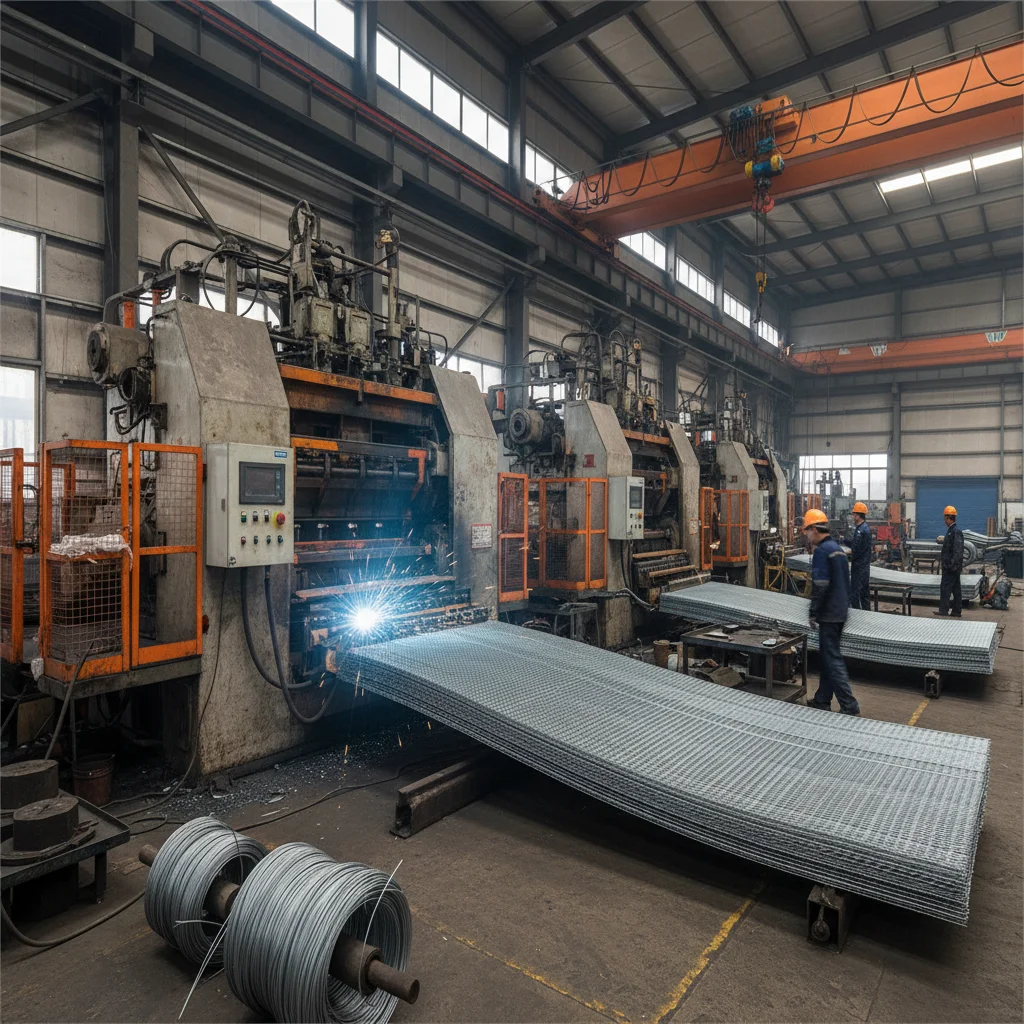
Professional Galvanized Welded Mesh Factory for Industrial Projects Finding a reliable galvanized welded mesh factory is critical for ensuring the structural integrity and longevity of your industrial or agricultural installations. Galvanized welded mesh is prized for its exceptional strength and resistance to corrosion, making it the go-to choice for fencing, animal cages, and construction reinforcement. However, not all factories adhere to the same quality standards. Whether you are sourcing for a large-scale infrastructure project or a specialized commercial application, understanding the manufacturing process and quality benchmarks is key to making a cost-effective investment that lasts for decades. Read More >26 Apr, 16
-
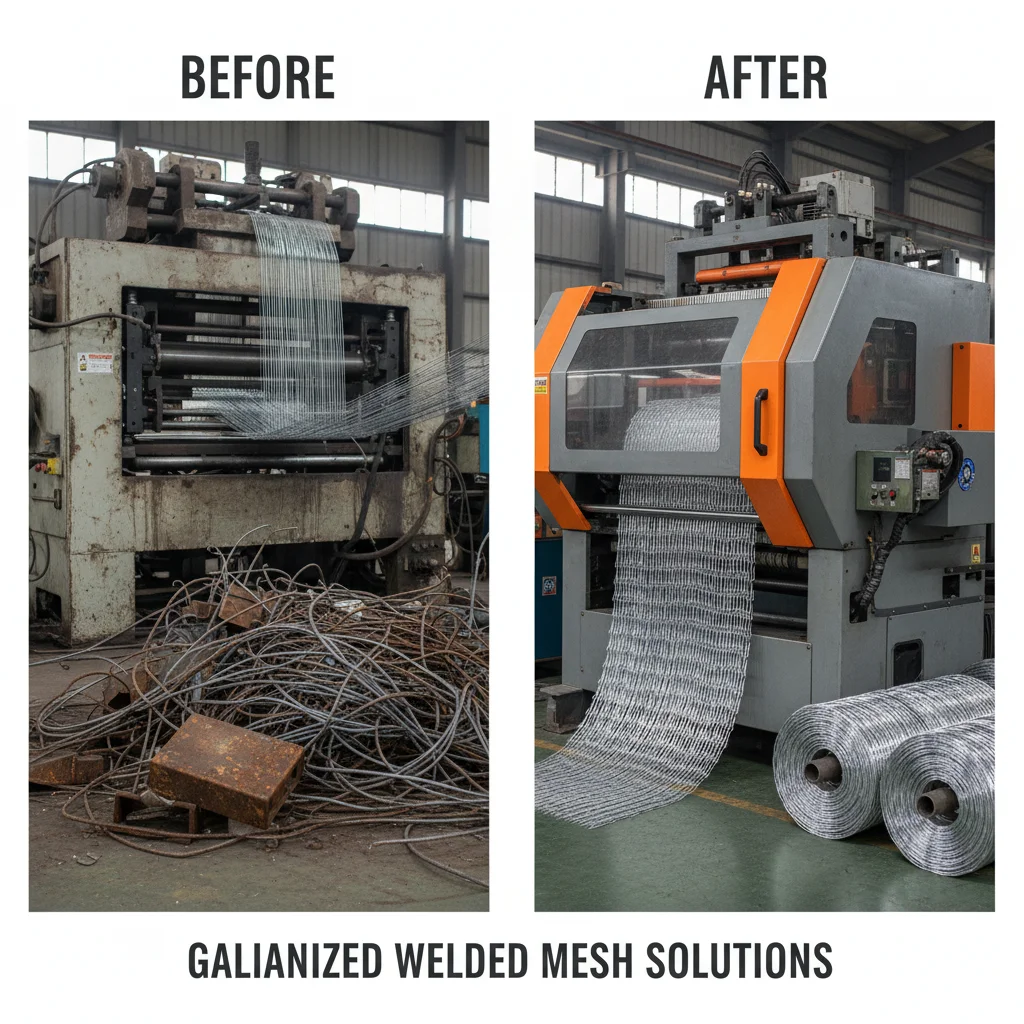
Professional Galvanized Welded Mesh Exporter for Quality Projects Selecting a high-quality fencing or screening solution requires more than just picking a product; it requires partnering with a reliable galvanized welded mesh exporter who understands the balance between structural integrity and corrosion resistance. Whether you are securing an industrial perimeter, building animal enclosures, or implementing architectural reinforcements, the quality of the galvanization process determines the lifespan of your installation. In this guide, we will explore the technical advantages of galvanized welded mesh and how to identify a global supplier that meets international quality standards to ensure your investment stands the test of time. Read More >26 Apr, 09
-
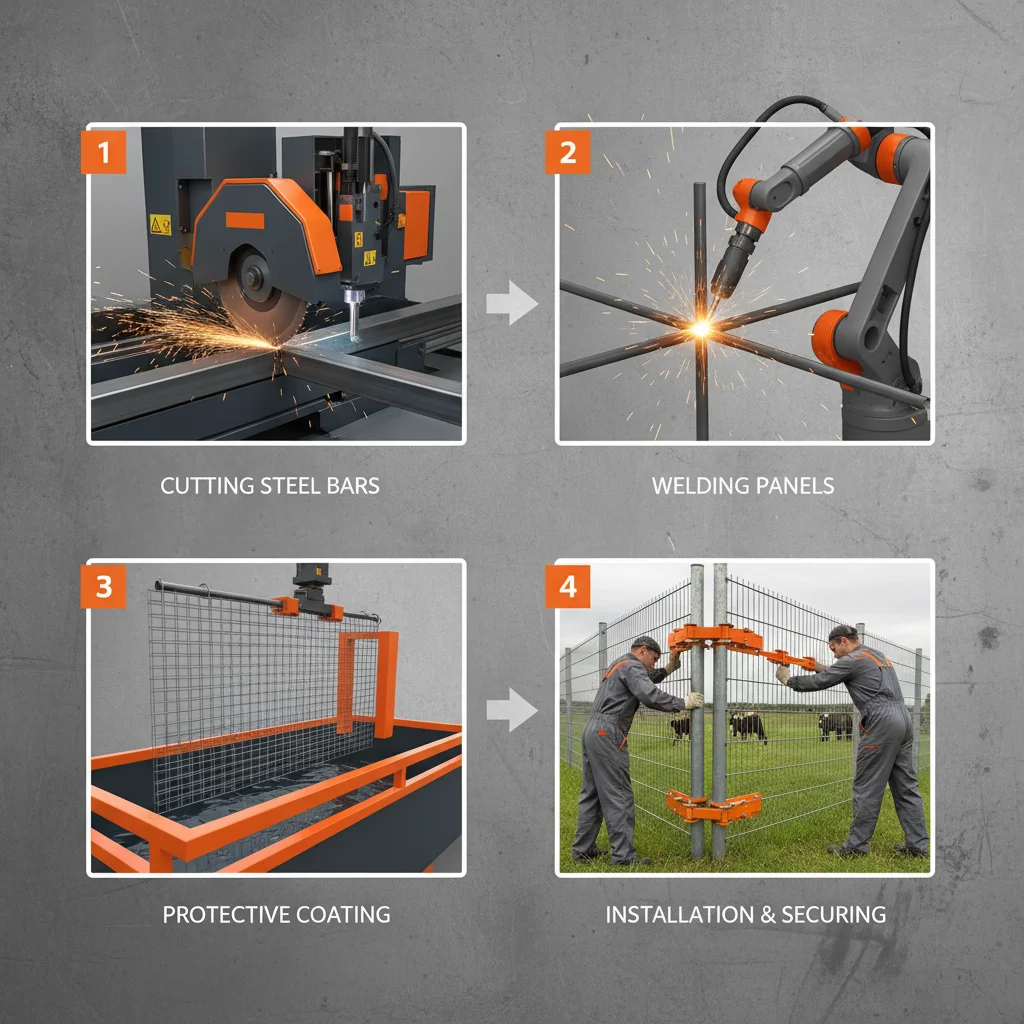
Essential Fencing Panels for Livestock Management and Farm Productivity Fencing panels for livestock are essential components in modern animal husbandry, playing a critical role in efficient farm management, animal welfare, and land utilization. Globally, the demand for robust and reliable fencing solutions is increasing due to the expanding livestock industry and the need to protect grazing lands from encroachment and predation. These panels aren’t simply barriers; they represent a vital investment in a farm's productivity and the health of its animals. Read More >26 Apr, 08
If you are interested in our products, you can choose to leave your information here, and we will be in touch with you shortly.


