


Square Tubing Cattle Panels: Durable, Efficient Fencing Solutions for Global Livestock
Square Tubing Cattle Panels: What They Are and Why They Matter Globally
If you haven’t dabbled much with livestock fencing, the term square tubing cattle panels might sound a bit niche — but oddly enough, these simple steel grids have become critical to both agriculture and humanitarian operations worldwide. Why? Because they offer a superb balance of strength, portability, and cost-effectiveness that solve longstanding problems in animal containment, supply chain logistics, and even disaster relief housing.
Understanding these panels isn’t just for ranchers or engineers; it’s for anyone interested in sustainable farming, global food security, or quick-setup infrastructures that millions rely on annually. So, stick around. I’ll walk you through what these cattle panels really are, their core features, global use cases, emerging tech, and even how to pick the right product for your needs.
How Square Tubing Cattle Panels Fit Into a Global Landscape
Agriculture accounts for about 26% of global employment (World Bank, 2022), and with rising demand for meat and dairy, the need to efficiently manage livestock is pressing. Here’s where square tubing cattle panels come into play — they’re part of an age-old problem: How to balance durability, cost, and ease of deployment in farming and emergency settings.
In developing regions, where livestock is both a livelihood and a safety net, reliable fencing is crucial. According to the FAO, livestock losses from inadequate containment cost billions annually. On the flip side, in places with advanced agriculture, the focus is on scalability and sustainability — and square tubing designs tick those boxes. They’re lightweight enough to shift but rugged enough to last, fitting both ends of the spectrum.
An interesting stat: ISO standards (ISO 1461:2009) related to galvanized steel coatings ensure these panels resist corrosion — vital when exposed to harsh climates. That’s one basic tech fact that often goes unnoticed but means long-term reliability.
Mini takeaway: Globally, square tubing cattle panels solve a universal problem by combining strength, portability, and affordability.
What Exactly Are Square Tubing Cattle Panels?
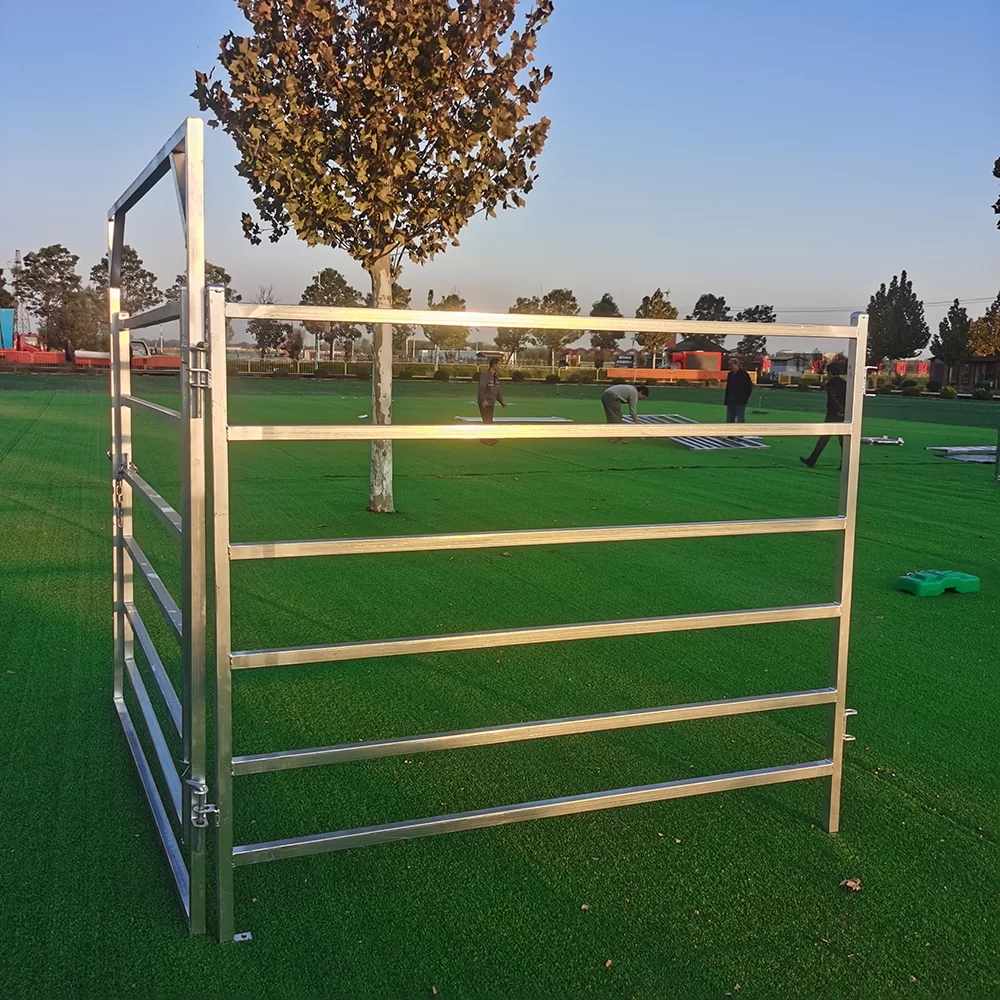
At its core, a square tubing cattle panel is a steel fence module made of square or rectangular hollow steel tubes welded into a grid pattern. Designed originally for livestock containment, these panels offer high tensile strength while remaining surprisingly light — if you asked a farmer, they’d call it “just right.”
Unlike round tubing or wire mesh, square tubing allows more rigidity and less flex, so cattle can’t push through or bend them easily. They come in standard sizes — often 50 inches tall and varying widths — and the tubing can be galvanized or powder-coated for added weather protection.
This design also lends itself well to modular assembly: panels bolt or clamp together, making temporary or permanent fences. It's a versatile, sturdy yet transportable solution — valuable not only to the farming sector but also to industries like construction, event management, and even refugee housing programs where fast, reliable enclosure is needed.
square tubing cattle panels also bridge the gap between traditional solid fences and flimsy wire alternatives, providing that extra peace of mind.
Core Components That Make These Panels Work
1. Durability and Corrosion Resistance
Most square tubing cattle panels are galvannealed or hot-dipped galvanized, ensuring resistance to rust — critical where livestock watering or weather extremes are expected. This means the panels keep their strength over years, with minimal maintenance.
2. Portability and Scalability
Because they come in manageable sizes and typically weigh under 50 pounds each, they’re easy to load and unload by hand, meaning quick fence setups on terrain that might not support heavy equipment. Scaling up or down is as simple as adding or removing panels.
3. Cost Efficiency
Compared to solid wood fences or concrete barriers, steel tubing panels offer an upfront cost advantage and longer life span. When factoring in labor savings during installation, the economics become even friendlier.
4. Safety for Animals and Humans
The smooth weld joins and rectangular shapes mean fewer injury risks compared with rough, splintering wooden fences or high-tension wires. Plus, the panels’ rigidity discourages cattle from pushing or pushing back, reducing stress for the animals.
5. Versatility in Application
Square tubing cattle panels aren’t just for cows. They’re used for pig corrals, horse fences, dog runs, and temporary crowd control. Some even repurpose them for portable exhibition booths or ad-hoc warehousing walls.
Mini takeaway: Durability, portability, and safety are the essence of why these panels are the go-to fencing solution worldwide.
Global Applications and Real-Life Success Stories
- Agriculture: In Australia’s cattle ranches, square tubing panels create rotational grazing paddocks, improving land use and herd health.
- Disaster Relief: After the 2010 Haiti earthquake, NGOs repurposed these panels as shelter frames and community corrals, enabling fast livestock containment amidst chaos.
- Developing Nations: In Kenya and Ethiopia, pastoralist communities rely on these panels to protect animals from predators and theft, directly supporting food security.
- Construction Sites: Temporary fencing for heavy equipment zones often uses these panels, balancing security and quick teardown on urban projects.
One remarkable case involved a rancher near Texas who cut livestock losses by 30% within 2 years just by switching to modular square tubing panels versus old barbed wire. That’s the kind of impact steady fencing can have when executed well.
Advantages and Long-Term Value of These Panels
In real terms, the benefits multiply: less animal loss, lower maintenance, and enhanced peace of mind. Landowners feel safer knowing cattle are kept in, while neighborhoods nearby benefit when herds stay out of roads.
Environmentally, using steel over timber preserves trees and often means a lower carbon footprint overall. Plus, the recyclability of steel ensures a future where end-of-life panels won’t clutter landfills.
Emotionally, the feeling of providing safe pasture and dignified care for animals makes all the difference. Innovation around such a humble product sometimes gets overlooked, but it’s that blend of logic and care that pushes adoption.
Square Tubing Cattle Panel Specifications
| Specification | Typical Value | Remarks |
|---|---|---|
| Dimensions | 50" H x 8' L standard | Common sizes; custom available |
| Material | Galvanized square steel tubing | Typically 1" sq tubing |
| Weight | 40-50 lbs per panel | Fits manual handling |
| Finish | Hot dipped galvanization or powder coating | Corrosion resistant |
| Load capacity | Up to 1000 lbs point load | Adequate for cattle pressure |
Comparing Leading Vendors for Square Tubing Cattle Panels
| Vendor | Material Quality | Pricing Range | Customization | Lead Time |
|---|---|---|---|---|
| Haotian Mesh | High-grade galvanized steel | $$ | Custom sizes & coatings | 2-3 weeks |
| Farm Fence Co. | Standard galvanized | $ | Limited options | 1 week |
| Premium Panels Ltd. | Premium alloy coating | $$$ | Full customization | 4-6 weeks |
Looking Ahead: Innovations and Sustainability Trends
Innovators in the fencing world are now exploring lighter, composite materials infused with fiberglass or carbon fiber to reduce weights further without compromising strength. There are also moves to integrate IoT sensors to monitor fence stress and breaches remotely.
Sustainability drives change here, too. Recycling programs for steel fences and replacing chemical coatings with eco-friendly paint options reflect the post-pandemic push toward greener agriculture infrastructure.
Haotian Mesh, for example, just launched a new galvanized mesh with a 30% lower carbon footprint — a bold move considering steel’s traditional environmental impact. It feels like the fence industry is quietly modernizing alongside solar farms and automated tractors, one panel at a time.
What Challenges Do Users Face — And How to Fix Them?
Square tubing cattle panels aren’t perfect. Cost can be a blocker for smaller, subsistence farmers. Welding quality varies by supplier, sometimes leading to failures under heavy strain. Plus, in super-humid or acidic soils, even galvanized steel might corrode faster than expected.
One expert recommendation: partnering with reliable vendors (square tubing cattle panels providers with good reviews and ISO certification) who offer warranties and technical guidance. Also, routine cleaning and inspecting the fence annually can add years of life.
FAQ: Practical Questions About Square Tubing Cattle Panels
- Q: How long do square tubing cattle panels typically last outdoors?
- A: With proper galvanization and maintenance, these panels can last 10–15 years or more even in tough climates. Regular inspection prevents minor rust spots from spreading into bigger issues.
- Q: Can these panels be used for temporary fencing at events?
- A: Absolutely. Their portability and modular design make them a strong choice for livestock shows, concerts, or construction sites requiring quick setup and breakdown.
- Q: Are square tubing cattle panels safe for all types of livestock?
- A: Generally yes. The smooth edges and sturdy design suit cattle, horses, pigs, and even sheep. However, very small or curious animals may require finer mesh options for added security.
- Q: How easy is it to ship these panels internationally?
- A: They’re fairly easy to ship compared to bulkier fencing materials. Vendors like Haotian Mesh often assist with customs and provide export-ready packaging suitable for global delivery.
- Q: Can I customize the size or coating of my panels?
- A: Most suppliers offer custom sizes and finishes, which is vital if you have special terrain or environmental needs. Customizing helps you maximize savings and longevity.
Conclusion: Why Square Tubing Cattle Panels Are a Smart Long-Term Investment
When all’s said and done, these panels serve as a backbone for livestock safety and management worldwide, blending good engineering with practical needs. They’re a small reminder that sometimes, the simplest steel frame can support livelihoods, preserve ecosystems, and move entire industries forward.
Curious to see what the best panels look like or need help picking the right specs? Visit our website for detailed product lines, expert advice, and competitive pricing. Because when it comes to protecting your herd or fencing your project, choosing the right panel makes all the difference.
References:
-
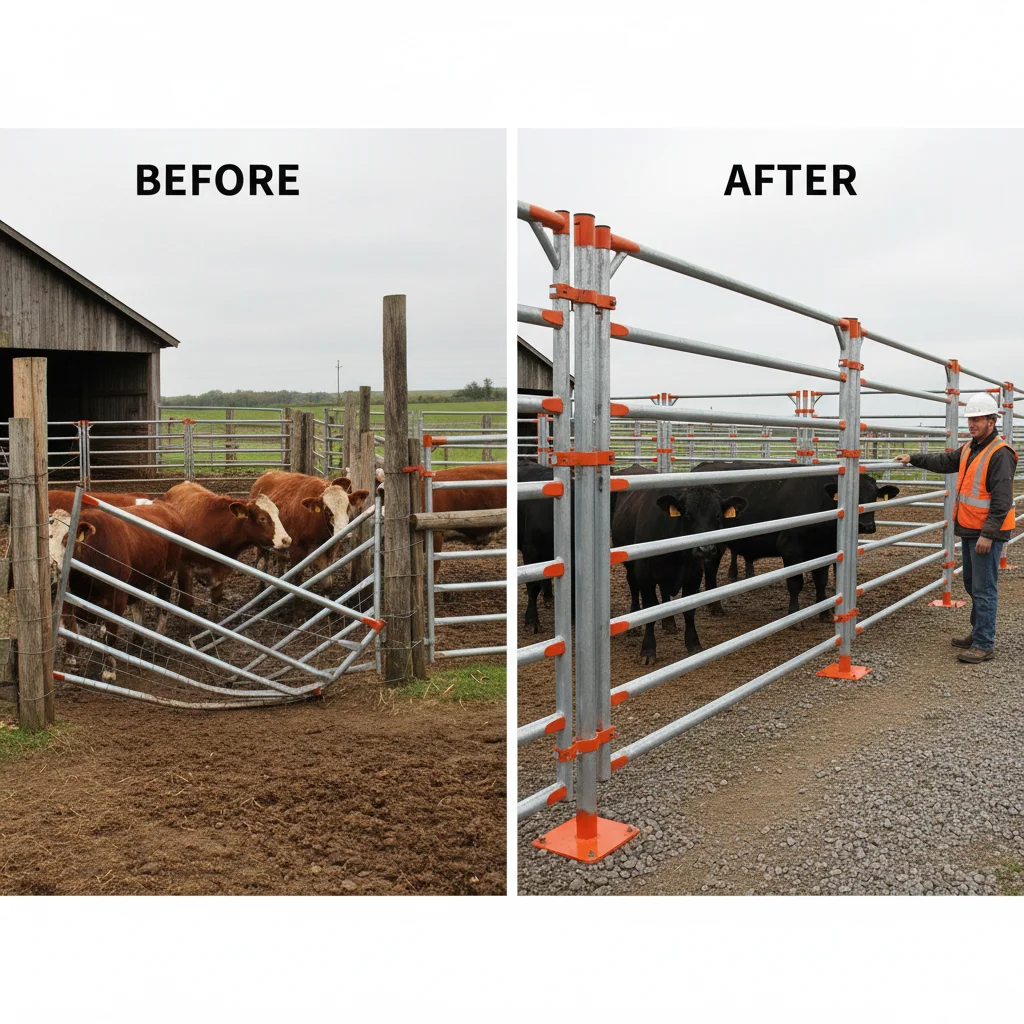
Durable Freestanding Livestock Panels for Efficient Animal Handling In the demanding world of agricultural management, the need for flexible and robust containment solutions has never been more critical. freestanding livestock panels offer a sophisticated answer to the challenges of animal handling, providing a secure yet adaptable barrier that does not require permanent installation or deep grounding. By allowing farmers and ranchers to redefine their spatial layouts in minutes, these panels maximize the efficiency of existing infrastructure while ensuring the safety of both the handlers and the livestock. Read More >26 Apr, 17
-
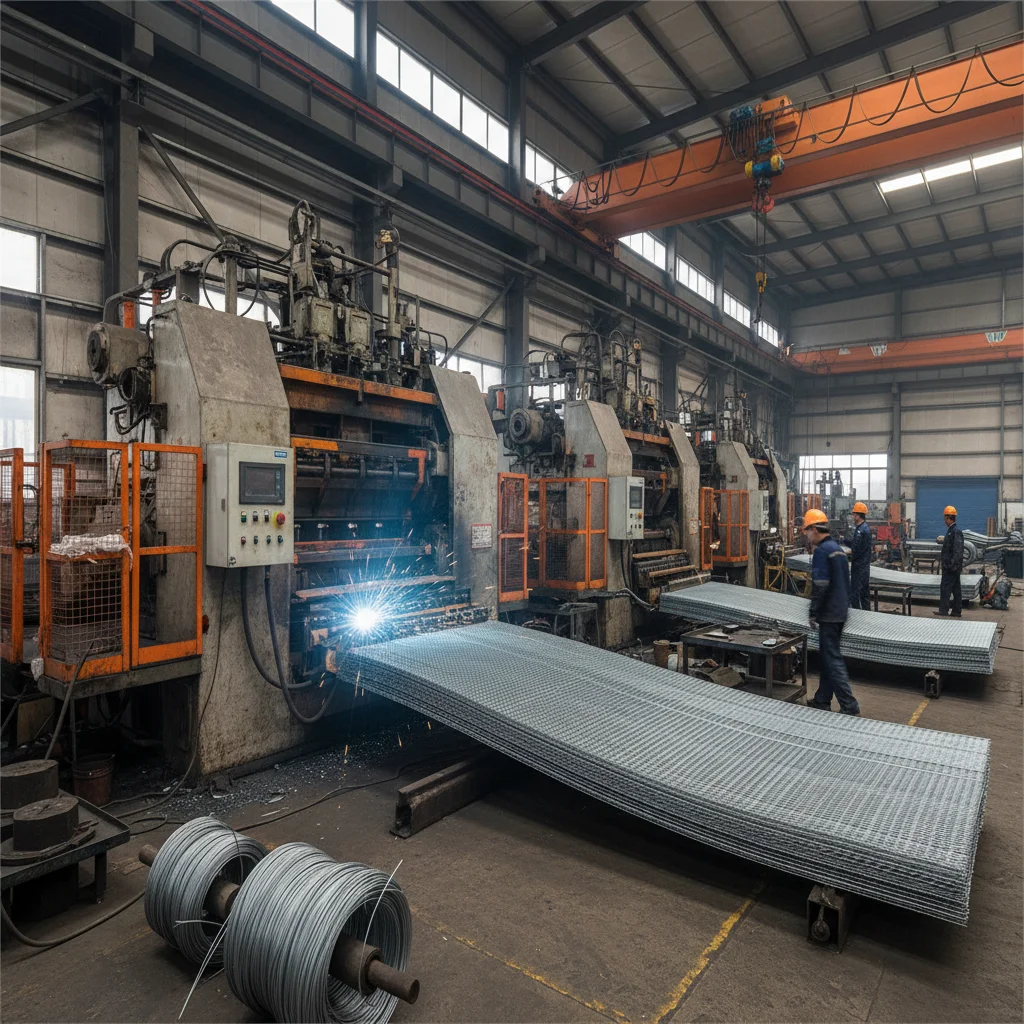
Professional Galvanized Welded Mesh Factory for Industrial Projects Finding a reliable galvanized welded mesh factory is critical for ensuring the structural integrity and longevity of your industrial or agricultural installations. Galvanized welded mesh is prized for its exceptional strength and resistance to corrosion, making it the go-to choice for fencing, animal cages, and construction reinforcement. However, not all factories adhere to the same quality standards. Whether you are sourcing for a large-scale infrastructure project or a specialized commercial application, understanding the manufacturing process and quality benchmarks is key to making a cost-effective investment that lasts for decades. Read More >26 Apr, 16
-
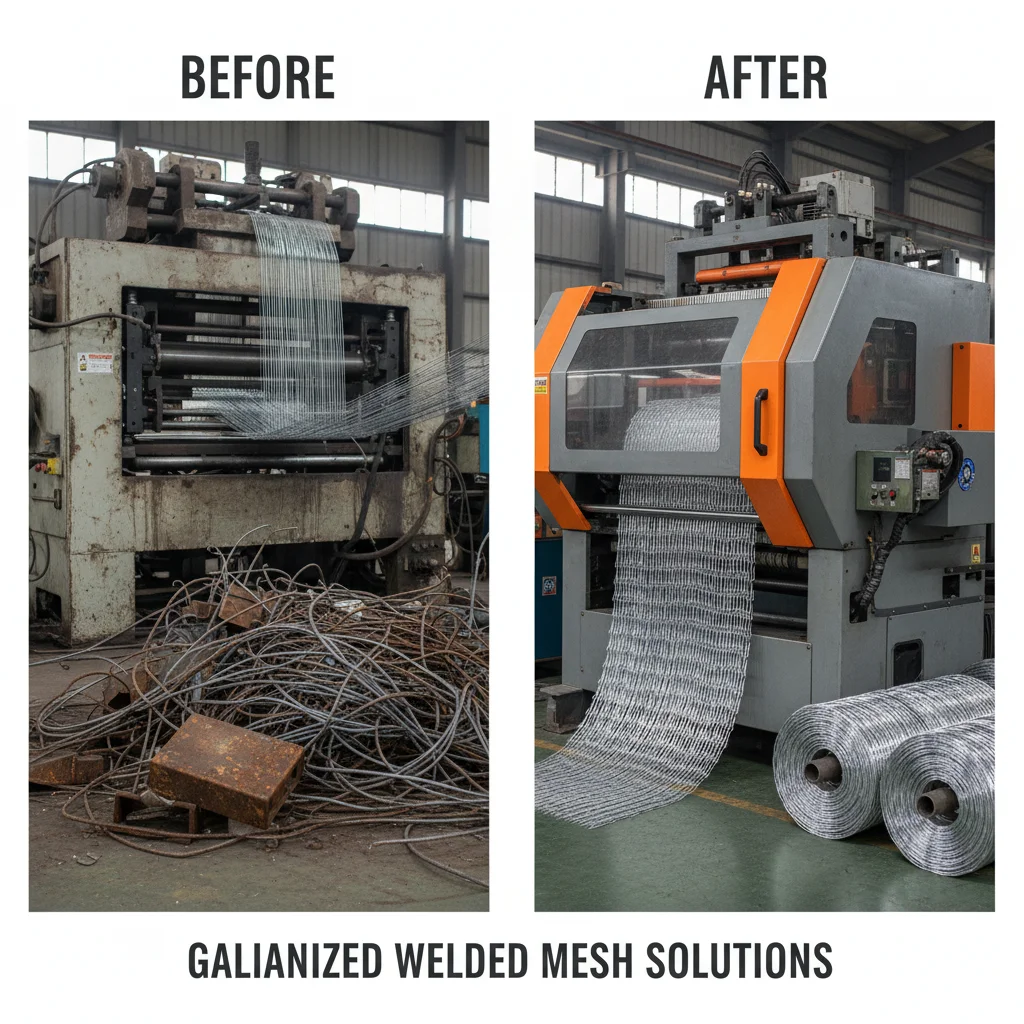
Professional Galvanized Welded Mesh Exporter for Quality Projects Selecting a high-quality fencing or screening solution requires more than just picking a product; it requires partnering with a reliable galvanized welded mesh exporter who understands the balance between structural integrity and corrosion resistance. Whether you are securing an industrial perimeter, building animal enclosures, or implementing architectural reinforcements, the quality of the galvanization process determines the lifespan of your installation. In this guide, we will explore the technical advantages of galvanized welded mesh and how to identify a global supplier that meets international quality standards to ensure your investment stands the test of time. Read More >26 Apr, 09
-
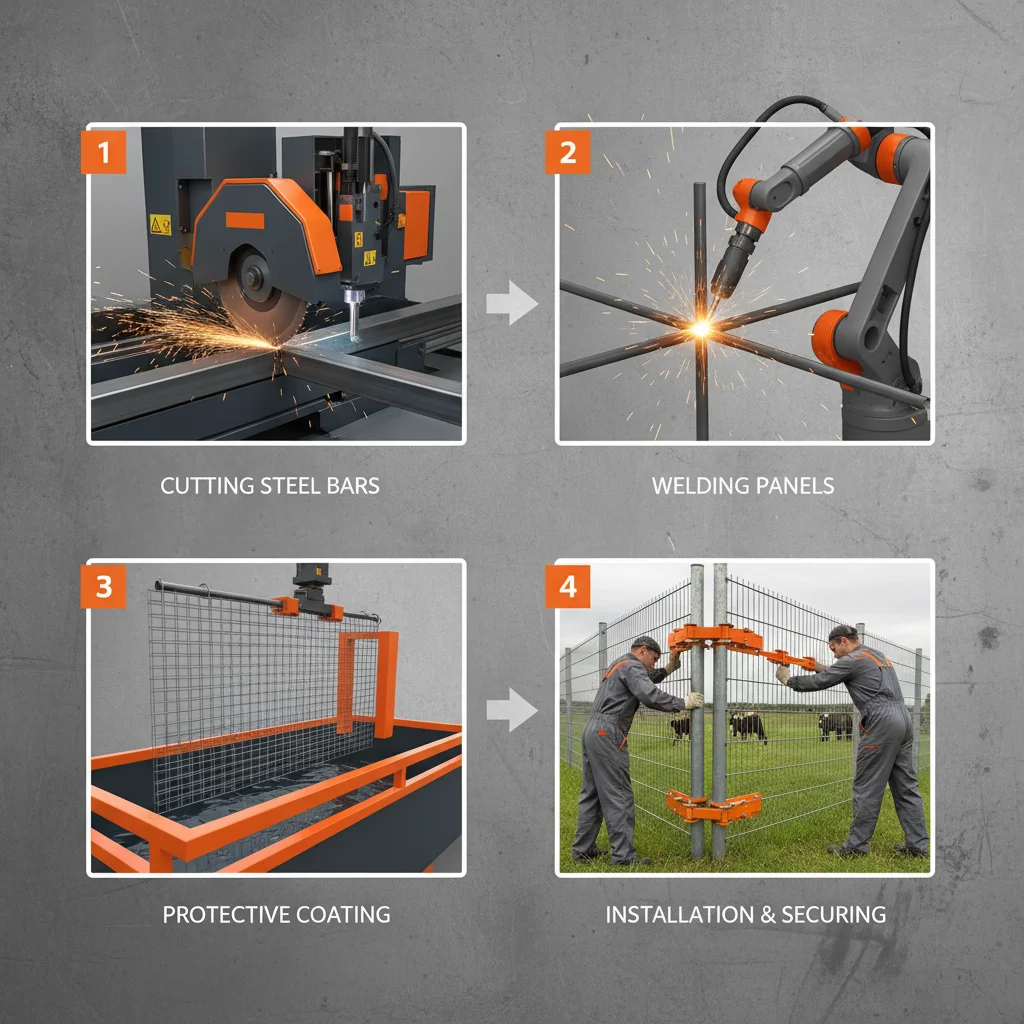
Essential Fencing Panels for Livestock Management and Farm Productivity Fencing panels for livestock are essential components in modern animal husbandry, playing a critical role in efficient farm management, animal welfare, and land utilization. Globally, the demand for robust and reliable fencing solutions is increasing due to the expanding livestock industry and the need to protect grazing lands from encroachment and predation. These panels aren’t simply barriers; they represent a vital investment in a farm's productivity and the health of its animals. Read More >26 Apr, 08
If you are interested in our products, you can choose to leave your information here, and we will be in touch with you shortly.


