


Durable Square Cattle Panels for Efficient Livestock Management | HaotianMesh
Understanding Square Cattle Panels: Why They Matter Worldwide
At first blush, square cattle panels might not seem like the star players in agriculture or livestock management—but in reality, they hold a surprisingly vital role on a global scale. These robust fencing solutions control livestock movement, enhance farm safety, and reduce operational costs, helping farmers and ranchers manage animals efficiently. Plus, with growing emphasis on sustainable farming and humane animal treatment, understanding square cattle panels is more than just a niche curiosity — it’s a fundamental piece of the puzzle for modern agriculture worldwide.
Simply put, if you're involved in livestock farming or rural infrastructure, knowing the benefits and applications of square cattle panels can help you improve productivity and protect your investments.
The Global Relevance of Square Cattle Panels: Setting the Stage
Let’s zoom out for a moment. According to the Food and Agriculture Organization (FAO), there are over 1.47 billion cattle worldwide, spread across diverse climates and farming setups.1 Managing these animals safely, humanely, and cost-effectively is no small feat, especially as demands for animal protein grow. Here’s where square cattle panels enter the picture—providing a sturdy, versatile barrier that tackles livestock containment issues head-on.
In emerging economies and developed countries alike, secure fencing helps maintain healthier herds by minimizing escapes and injuries. But more than that, it also intersects with environmental and social challenges. Overgrazing, accidental livestock loss, and predator attacks are frequent problems in many regions. By offering reliable containment, these panels contribute to better land stewardship and animal welfare.
Oddly enough, while high-tech solutions grab headlines, simple, durable products like square cattle panels quietly solve practical problems worldwide every day.
What Exactly Are Square Cattle Panels?
Simply put, a square cattle panel is a rugged metal grid panel typically made of galvanized steel wire. The grid forms a series of square-shaped openings, commonly 4x4 or 5x5 inches, which provide containment without obstructing visibility.
These panels connect to form fences or pens, often used for cattle, horses, pigs, and other livestock. Their modular nature means farmers can quickly assemble, reconfigure, or expand livestock enclosures based on changing needs.
Interestingly, beyond farms, square cattle panels find applications in humanitarian relief shelters, temporary fencing in remote areas, and even event crowd control—testament to their adaptability.
Core Components & Features of Square Cattle Panels
1. Durability and Corrosion Resistance
Most square cattle panels are galvanized or coated to resist rust and weather damage. This ensures long-term performance even outdoors, which is essential given how exposed fencing often is to the elements.
2. Portability and Modularity
Panels generally measure about 6 to 10 feet in length and 4 to 5 feet high, making them easy to transport and install. Since they bolt or clip together, setups can be custom-designed for specific ranch layouts.
3. Strength and Safety
The steel wire thickness (commonly ranging from 12 to 14 gauge) balances strength with some flexibility to absorb pressure without harming animals. Rounded wire edges and smooth coatings contribute to safer containment.
4. Cost Efficiency
Compared with permanent fence lines or exotic materials, these panels are relatively affordable and reusable, lowering long-term costs for livestock operations.
5. Versatility
You’ll find panels adapted for different livestock sizes, weight loads, and climatic conditions—ranging from heavy-duty industrial cattle panels to lighter hobby-farm versions.
Mini takeaway: Square cattle panels combine durability, flexibility, and economy, making them a go-to choice for efficient livestock containment.
Worldwide Applications and Real-life Use Cases
These panels show up across continents and settings. For instance:
- North America: Ranchers use them extensively for rotational grazing and winter corrals in harsh climates.
- Africa: NGOs employ square panels in refugee camps for livestock pens to restore livelihoods.
- Australia: Outback stations rely on rugged fencing panels to manage cattle across vast, remote tracts.
- Europe: Sustainable organic farms incorporate modular panels to create multi-purpose paddocks.
In post-disaster relief operations, temporary cattle pens made from these panels quickly establish livestock safety zones, protecting animals from chaotic conditions. In industrial zones with transient workforces, portable panels help segregate livestock during site preparations.
In real terms, the ability to rapidly deploy and reposition square cattle panels means farmers and agencies can adapt to changing environments without major infrastructure investments.
Advantages and Long-Term Value of Investing in Square Cattle Panels
Beyond the obvious safety and containment benefits, these panels offer tangible economic and social rewards:
- Reduced Livestock Loss: Animals are less likely to escape, get injured, or fall prey to predators, which protects farmer income.
- Lower Maintenance: Galvanized steel means fewer repairs and replacement costs compared to wood or non-metal fences.
- Improved Animal Welfare: Better containment reduces stress for animals, promoting healthier herds.
- Environmental Stewardship: Controlled grazing improves land health and reduces soil erosion.
- Adaptability: As farm needs evolve, panels can be re-used or extended rather than rebuilt.
Emotionally speaking, many farmers express a sense of pride and trust in their fencing — “It’s like the unsung hero of daily farm life,” I’ve heard more than once. Safety and dignity for both animals and caretakers — that’s a value that doesn’t always show up on balance sheets but matters immensely.
Emerging Trends and Innovations in Square Cattle Panels
The industry is evolving. Here’s what’s on the horizon:
- Eco-friendly Materials: Some manufacturers are experimenting with recycled metals and low-impact coatings to reduce environmental footprints.
- Smart Fencing: Embedded sensors could monitor animal movements or fence integrity remotely—part of the digital farm movement.
- Modular Automation: Automated gates and foldable panels enable hands-free reconfiguration, saving labor costs.
- Hybrid Designs: Combining metal panels with solar-powered lighting or electric deterrents for added security.
These trends marry traditional reliability with cutting-edge technology, making it an exciting space to watch.
Common Challenges and Practical Solutions
Like any tool, square cattle panels have their limitations:
- Initial Cost: While cost-effective long term, upfront expenses may be a hurdle for subsistence farmers. Solutions include bulk purchasing and phased installation.
- Transport Logistics: Panels can be heavy and awkward. Innovations in foldable or lightweight materials are addressing this.
- Rust and Damage: Despite galvanization, panels in very harsh environments still require maintenance. Better coatings are under development.
- Predator Pressure: In some regions, fences alone aren’t enough. Combining panels with deterrents or guardian animals works best.
Many livestock managers share tips like “anchor your panels well during storms” or “inspect fence lines monthly” as part of proactive maintenance.
FAQ: Your Square Cattle Panels Questions Answered
Q1: How durable are square cattle panels under extreme weather?
Most galvanized panels withstand harsh sun, rain, and snow for 10+ years if maintained properly. Choosing the right wire gauge and protective coatings boosts lifespan in tough climates.
Q2: Can I customize panel sizes or configurations?
Absolutely. Many vendors offer custom lengths, heights, and wire spacing to fit different livestock types or terrain constraints.
Q3: Are square cattle panels safe for smaller animals like sheep or goats?
Yes, though smaller species may require tighter wire spacing to prevent escape. Panels specifically designed for sheep and goats are common.
Q4: What’s the best way to connect panels securely?
Using heavy-duty clips, pipe fittings, or welds ensures stable connections that can handle animal pressure, wind, and movement.
Q5: Where can I buy quality square cattle panels?
Vendors like HaotianMesh, Big Ranch Panels Inc., and Premier Livestock Solutions all provide reliable options. Compare specifications to find what fits your needs.
Square Cattle Panels: The Long-Term Investment for Your Livestock
In a world where farms grow larger, climate challenges mount, and animal welfare gains prominence, the humble square cattle panel stands out as a small but essential investment. It blends functionality, durability, and adaptability in ways that transistor radios and tractors could only dream about decades ago.
Ready to secure your herd with the best in robust, cost-effective fencing? Visit square cattle panels to explore options built for real-world demands.
Product Specification Table
| Feature | Specification | Notes |
|---|---|---|
| Material | Galvanized Steel Wire | Hot-dip galvanized for corrosion resistance |
| Panel Size | 6 ft (length) x 5 ft (height) | Standard size; customizable options available |
| Wire Gauge | 12 or 14 gauge | Heavier gauges for larger cattle |
| Mesh Opening Size | 4 in x 4 in squares | Allows visibility and airflow |
| Weight | ~55 lbs per panel | Portable but requires handling care |
Comparison of Popular Square Cattle Panel Vendors
| Vendor | Price Range (per panel) | Material Quality | Customization | Lead Time |
|---|---|---|---|---|
| HaotianMesh | $45 - $60 | High (Galv. Steel, 12-14 ga.) | Full Custom Sizes & Coatings | 2-3 weeks |
| Big Ranch Panels Inc. | $40 - $55 | Medium (Standard Galv.) | Limited Customization | 1-2 weeks |
| Premier Livestock Solutions | $50 - $70 | High (Powder Coated Options) | Some Custom Options | 3-4 weeks |
Final Thoughts
So, there you have it — square cattle panels may seem modest but their ripple effects span across farming safety, economics, and even environmental care. Whether you manage a sprawling ranch in Texas or a community farm in Kenya, these panels offer a solid, trustworthy way to manage livestock and protect your livelihoods. I suppose sometimes it’s the humble workhorses like these that keep the wheels turning without fanfare.
Next time you think about fencing solutions, consider the blend of tradition, innovation, and practicality locked inside a good square cattle panel.
References:
1. Food and Agriculture Organization of the United Nations (FAO), “Cattle sector overview.” fao.org
2. International Organization for Standardization (ISO), “Agricultural equipment standards.”
3. World Bank, “Agricultural productivity and rural development data.”
-
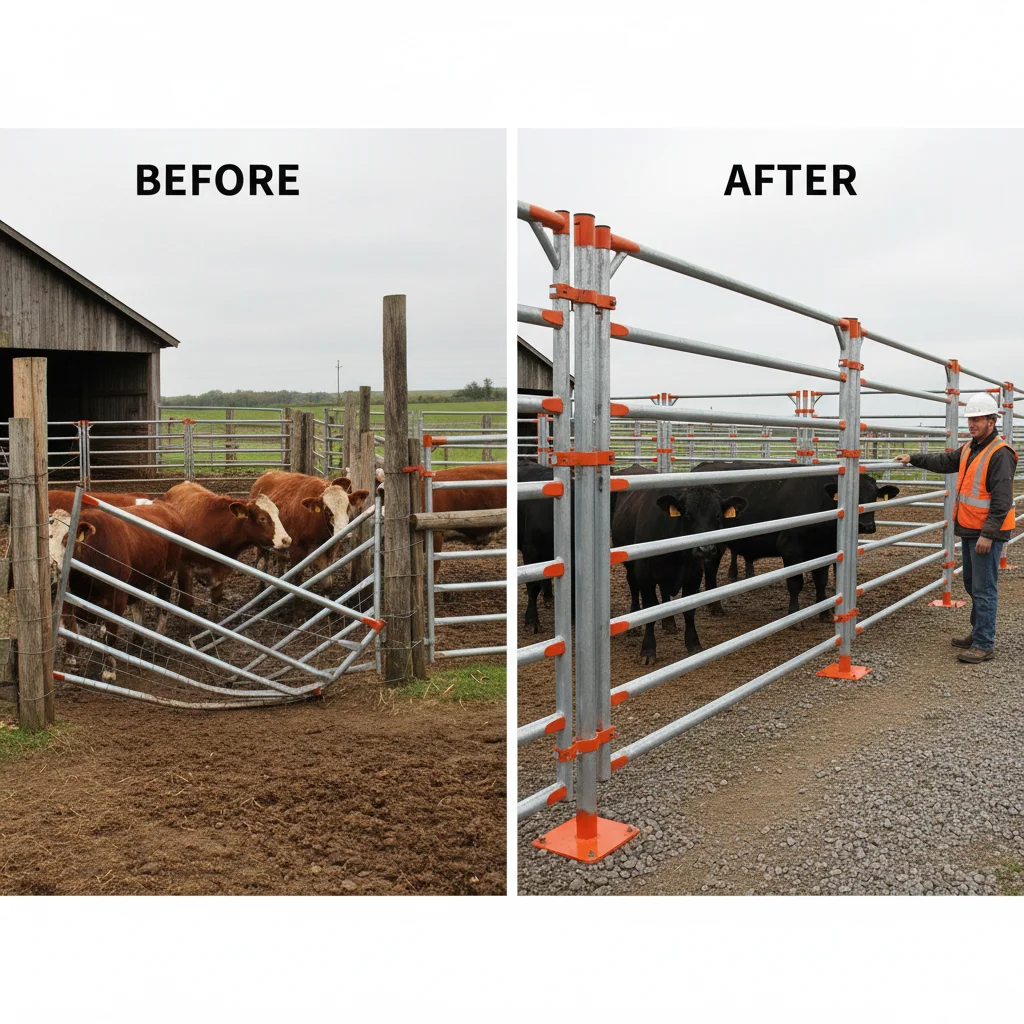
Durable Freestanding Livestock Panels for Efficient Animal Handling In the demanding world of agricultural management, the need for flexible and robust containment solutions has never been more critical. freestanding livestock panels offer a sophisticated answer to the challenges of animal handling, providing a secure yet adaptable barrier that does not require permanent installation or deep grounding. By allowing farmers and ranchers to redefine their spatial layouts in minutes, these panels maximize the efficiency of existing infrastructure while ensuring the safety of both the handlers and the livestock. Read More >26 Apr, 17
-
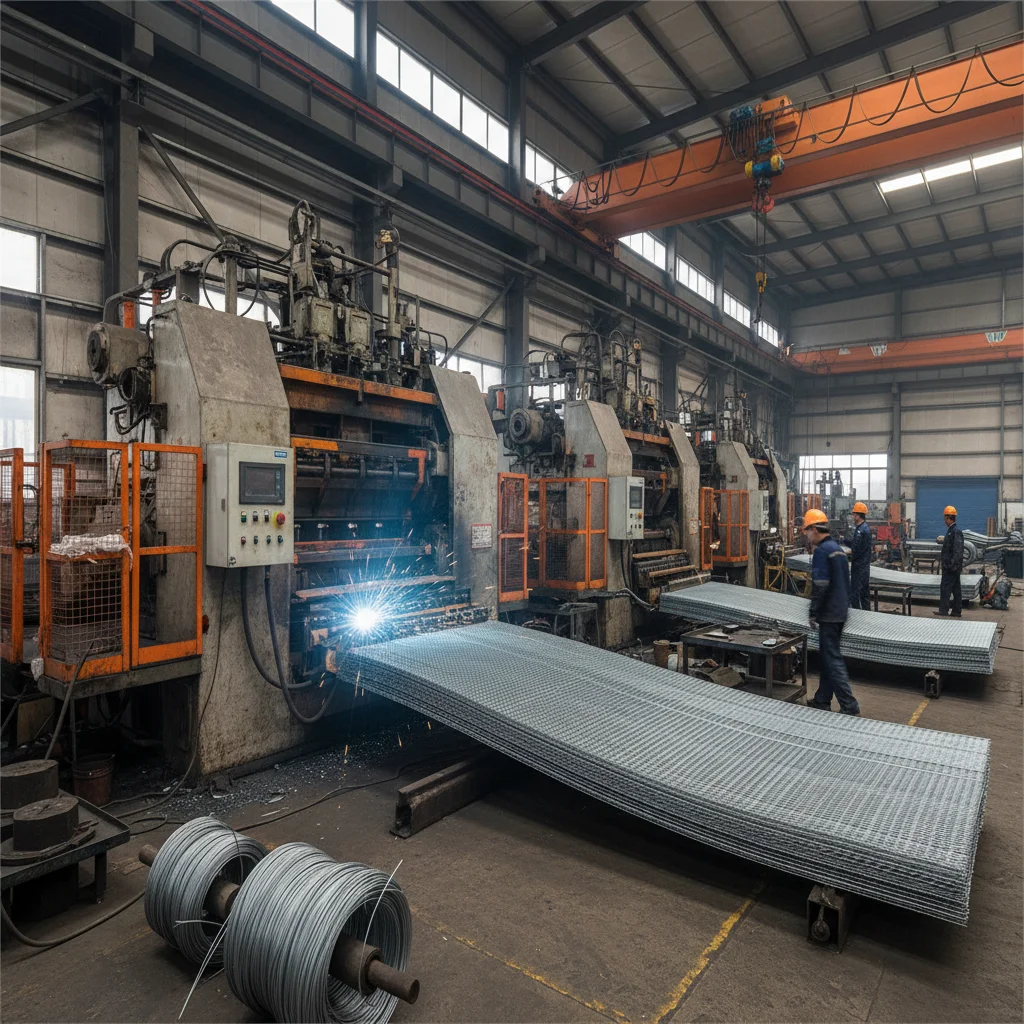
Professional Galvanized Welded Mesh Factory for Industrial Projects Finding a reliable galvanized welded mesh factory is critical for ensuring the structural integrity and longevity of your industrial or agricultural installations. Galvanized welded mesh is prized for its exceptional strength and resistance to corrosion, making it the go-to choice for fencing, animal cages, and construction reinforcement. However, not all factories adhere to the same quality standards. Whether you are sourcing for a large-scale infrastructure project or a specialized commercial application, understanding the manufacturing process and quality benchmarks is key to making a cost-effective investment that lasts for decades. Read More >26 Apr, 16
-
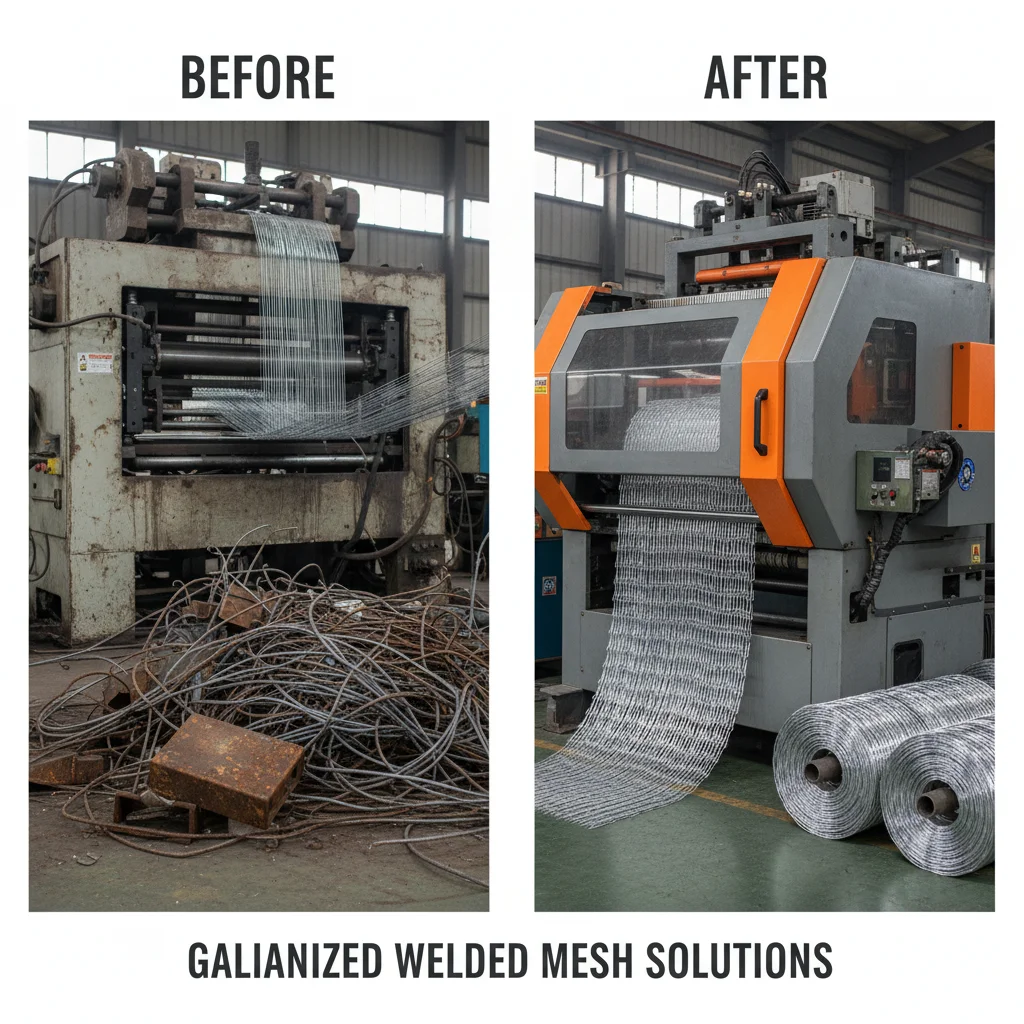
Professional Galvanized Welded Mesh Exporter for Quality Projects Selecting a high-quality fencing or screening solution requires more than just picking a product; it requires partnering with a reliable galvanized welded mesh exporter who understands the balance between structural integrity and corrosion resistance. Whether you are securing an industrial perimeter, building animal enclosures, or implementing architectural reinforcements, the quality of the galvanization process determines the lifespan of your installation. In this guide, we will explore the technical advantages of galvanized welded mesh and how to identify a global supplier that meets international quality standards to ensure your investment stands the test of time. Read More >26 Apr, 09
-
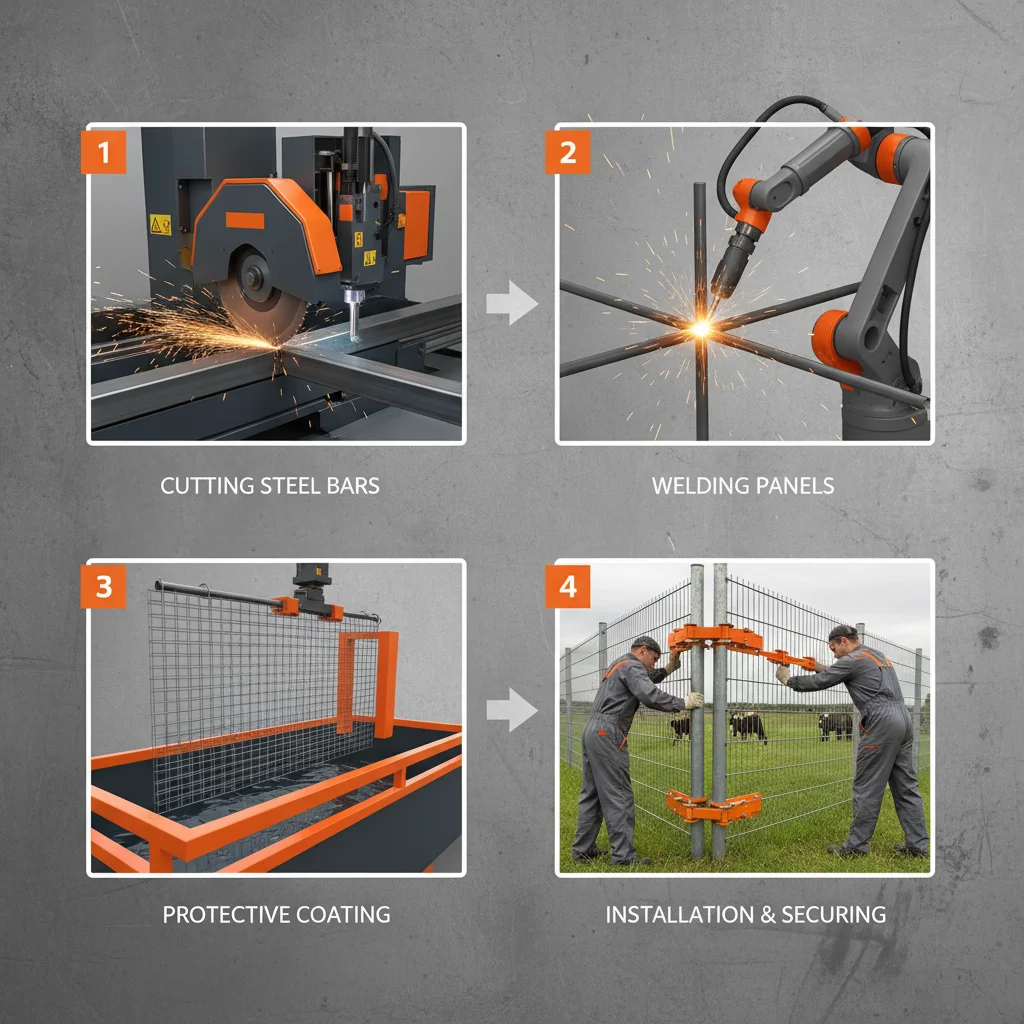
Essential Fencing Panels for Livestock Management and Farm Productivity Fencing panels for livestock are essential components in modern animal husbandry, playing a critical role in efficient farm management, animal welfare, and land utilization. Globally, the demand for robust and reliable fencing solutions is increasing due to the expanding livestock industry and the need to protect grazing lands from encroachment and predation. These panels aren’t simply barriers; they represent a vital investment in a farm's productivity and the health of its animals. Read More >26 Apr, 08
If you are interested in our products, you can choose to leave your information here, and we will be in touch with you shortly.


