


Durable Metal Cattle Fence Panels for Secure Livestock Management | Haotian Mesh
The Impact of Metal Cattle Fence Panels in Modern Agriculture
In agriculture and livestock management, few products have proven as indispensable and transformative as metal cattle fence panels. They form a backbone in managing cattle safely and efficiently, with benefits that ripple across global food security, rural economies, and animal welfare. Understanding these panels is not just about picking a fence but appreciating a product with wide-reaching effects affecting farmer livelihoods, ecosystem boundaries, and increasingly, international livestock trade compliance.
Global Perspective: Why Metal Cattle Fence Panels Matter
Globally, the livestock sector is a multi-billion-dollar industry. According to the Food and Agriculture Organization (FAO), there are over 1.5 billion cattle worldwide, and their management directly impacts local economies and food systems. Metal cattle fencing addresses significant challenges such as cattle containment, predator control, and pasture management. But ironically, many regions still struggle with poor fencing infrastructure, leading to cattle losses, grazing conflicts, and decreased productivity. Effective fencing solutions like metal cattle fence panels dramatically improve these outcomes.
For instance, in regions like Sub-Saharan Africa and Central Asia, where pastoralist communities play a major socioeconomic role, properly constructed cattle fencing can reduce overgrazing and conflicts with farmland owners, making coexistence more viable. The UN’s Food Security reports emphasize the importance of livestock infrastructure in sustaining rural livelihoods and promoting food security worldwide, making fencing a subtle but critical piece in the agricultural puzzle.
Mini takeaway:
Metal cattle fence panels are not just farm essentials—they’re global tools for securing livelihoods, optimizing land use, and supporting the vast livestock economy.
Defining Metal Cattle Fence Panels – What Are They Exactly?
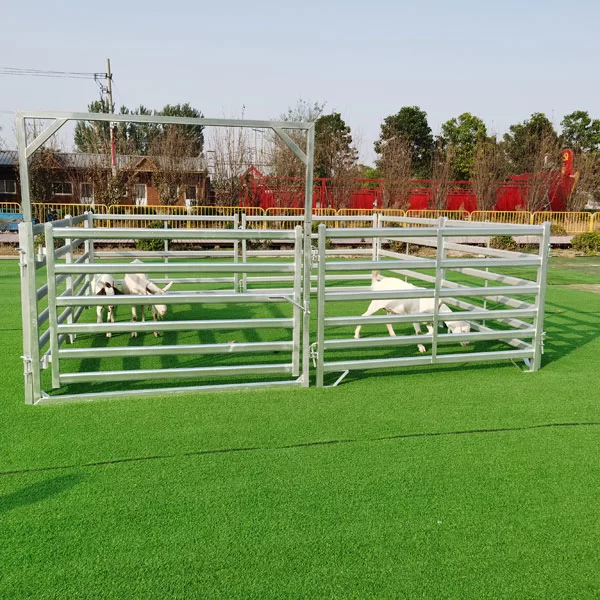
In simple terms, metal cattle fence panels are portable or fixed fencing units constructed mainly from galvanized steel or sometimes aluminum. They’re designed specifically for the containment of cattle, built with strength to withstand the weight and pressure of large animals. Unlike traditional wooden fences, metal panels offer superior durability and ease of installation. Their modular design allows farmers and ranchers to create pens, corrals, chutes, or boundary fences without heavy machinery or extensive ground work.
More importantly, they support modern agricultural practices that focus on animal welfare, safety, and operational efficiency. They find use not just on farms, but also in livestock shows, veterinary stations, and disaster response setups, proving their versatility.
Key Characteristics That Define These Panels
Durability and Weather Resistance
The backbone of metal cattle fence panels is their robust galvanized finish. This plating ensures resistance to corrosion caused by rain, sun, and even manure exposure. Many panels last 15+ years with minimal maintenance, outperforming wood that rots or attracts termites in humid climates.
Modularity and Scalability
One of the smartest selling points is their modular nature. Panels are typically 8-10 feet long and can be linked securely with heavy-duty clamps or clips. This means farmers can expand or reconfigure pens as herd sizes and land use change. A corral today can become a chute or loading facility tomorrow with minimal fuss.
Cost Efficiency
While initial costs might seem higher than wooden fencing, the longevity and low maintenance make metal panels a practical investment. Reduced labor, less downtime, and fewer repairs translate to real savings over time — and that’s before you count improved cattle management efficiencies.
Safety Features
Many panels come with rounded edges and smooth finishes to reduce injury risks. Properly tensioned panels also prevent cattle from pushing through or getting their heads stuck, minimizing animal stress and loss.
Portability
Unlike permanent fencing, many metal panels are lightweight enough for teams to transport and rearrange. This is crucial for seasonal grazing or emergency confinement needs.
Environmental Considerations
Metal panels can be fully recycled at the end of their lifespan, supporting sustainability goals in agriculture. Plus, because they reduce cattle roaming, they help control land degradation and promote better pasture management.
Mini takeaway:
The real magic lies in how design, durability, and versatility combine to serve both the landowner’s budget and the cattle’s well-being.
Where and How Are Metal Cattle Fence Panels Used Today?
Regions around the world leverage these panels in varied contexts:
- Australia and New Zealand: Extensive cattle ranches use panels to create temporary containment during mustering or veterinary care.
- United States & Canada: Feedlots and show rings rely on metal panels to segment animals and manage movement efficiently.
- Africa & South America: NGOs introduce metal fencing to pastoralist communities as part of sustainable grazing initiatives and conflict reduction.
- Disaster Relief Zones: When floods or droughts displace herds, quick-deploy metal panels provide emergency corrals to protect livestock.
Even industrial zones use them to safeguard livestock used in land reclamation or organic waste management projects. Their widespread adoption attests to their functional flexibility and trustworthiness.
Metal Cattle Fence Panels at a Glance: Specification Table
| Feature | Details |
|---|---|
| Material | Galvanized Steel or Aluminum |
| Panel Length | 8 to 10 feet (approx. 2.5 to 3 meters) |
| Panel Height | 4 to 6 feet (approx. 1.2 to 1.8 meters) |
| Weight | ~30 to 50 kg per panel |
| Finish | Hot-dip galvanization / Powder coating options |
| Connectors | Heavy-duty steel clips or pins |
| Longevity | 15+ years with proper maintenance |
Comparing Top Metal Cattle Fence Panel Vendors
| Vendor | Material Quality | Customization Options | Price Range (per panel) | Warranty |
|---|---|---|---|---|
| Haotian Mesh | Premium galvanized steel, powder-coated | Heights, lengths, colors | $70–$100 | 5 years |
| Ranches United | Standard galvanized | Limited customization | $60–$90 | 3 years |
| SafeHoof Products | Galvanized steel with reinforced frames | Custom sizes and gate systems | $80–$110 | 5 years |
Long-Term Value and Beyond
Investing in reliable metal cattle fence panels pays dividends beyond simple containment. Reduced cattle injuries and stress improve weight gain and reproduction rates, directly boosting profitability. Fences built to last minimize interruptions, saving time and money on repairs. And environmentally, they help maintain the landscape by supporting rotational grazing, preventing soil degradation.
On a deeper level, fencing can foster a sense of security and dignity among farmers—knowing their livelihood is physically safeguarded. It’s a quiet nod to innovation that doesn’t always come with a trophy but quietly shapes food security at scale.
Looking Forward: Innovations on the Horizon
Metal cattle fence panels are evolving. I’ve noticed increasing interest in incorporating smart technology — sensors that detect pressure or breaches, linked to mobile apps for farmers' immediate alerts. There's also a strong push for greener coatings and recycled metals to shrink carbon footprints.
Solar-powered lighting on panels for nighttime security or to guide cattle is an exciting niche gaining traction. As tech meets tradition here, functionality and sustainability converge nicely.
Challenges & Solutions In Metal Fencing
No product is perfect, of course. Some farmers worry about upfront costs, though as noted, the long view usually vindicates investment. Others find installation tricky in rocky or uneven terrain, suggesting modular panels designed with flexible joints might be the next breakthrough.
Corrosion remains a threat in salty coastal areas; manufacturers are experimenting with enhanced coatings and alloys to tackle this. For anyone looking into fencing, it’s wise to balance budget, environmental conditions, and use case carefully, a bit like choosing boots for a hike—it’ll make all the difference in durability.
FAQ: Common Questions About Metal Cattle Fence Panels
- Q: How easy is it to install metal cattle fence panels myself?
- A: Most panels are designed for relatively straightforward installation using standard clips and pins. With a few helpers and basic tools, many farmers can set them up within a day, depending on project size.
- Q: Can these panels withstand harsh weather conditions?
- A: Yes. Hot-dip galvanized steel panels resist rust, while powder-coated finishes provide extra protection. They perform well even in wet, sunny, or snowy climates.
- Q: Are metal fence panels safe for cattle?
- A: Panels are generally designed with smooth edges and appropriate bar spacing to minimize injuries or entrapment, helping keep cattle safe and calm.
- Q: Is it possible to customize the size or finish of these panels?
- A: Absolutely. Many vendors offer various heights, lengths, and coatings to meet specific needs, including special colors for branding or improved visibility.
- Q: How do I transport panels for seasonal grazing?
- A: Metal fence panels are portable and can be loaded onto trailers or trucks. Their modular design makes it easy to break down fencing and move it as the grazing season demands.
Wrapping Up: Why Metal Cattle Fence Panels Deserve a Place on Your Ranch
Metal cattle fence panels combine toughness, adaptability, and smart design in a way that truly supports the evolving demands of livestock management worldwide. They’re not just fences but strategic assets—helping secure the health of herds, the productivity of farms, and by extension, the stability of food supply chains. If you’re considering an upgrade or new fencing solution, it’s worth exploring options from trustworthy vendors like metal cattle fence panels specialists, who understand these needs thoroughly.
After all, a fence isn’t just about confinement; it’s about connection—to your animals, your land, and your future.
References
-
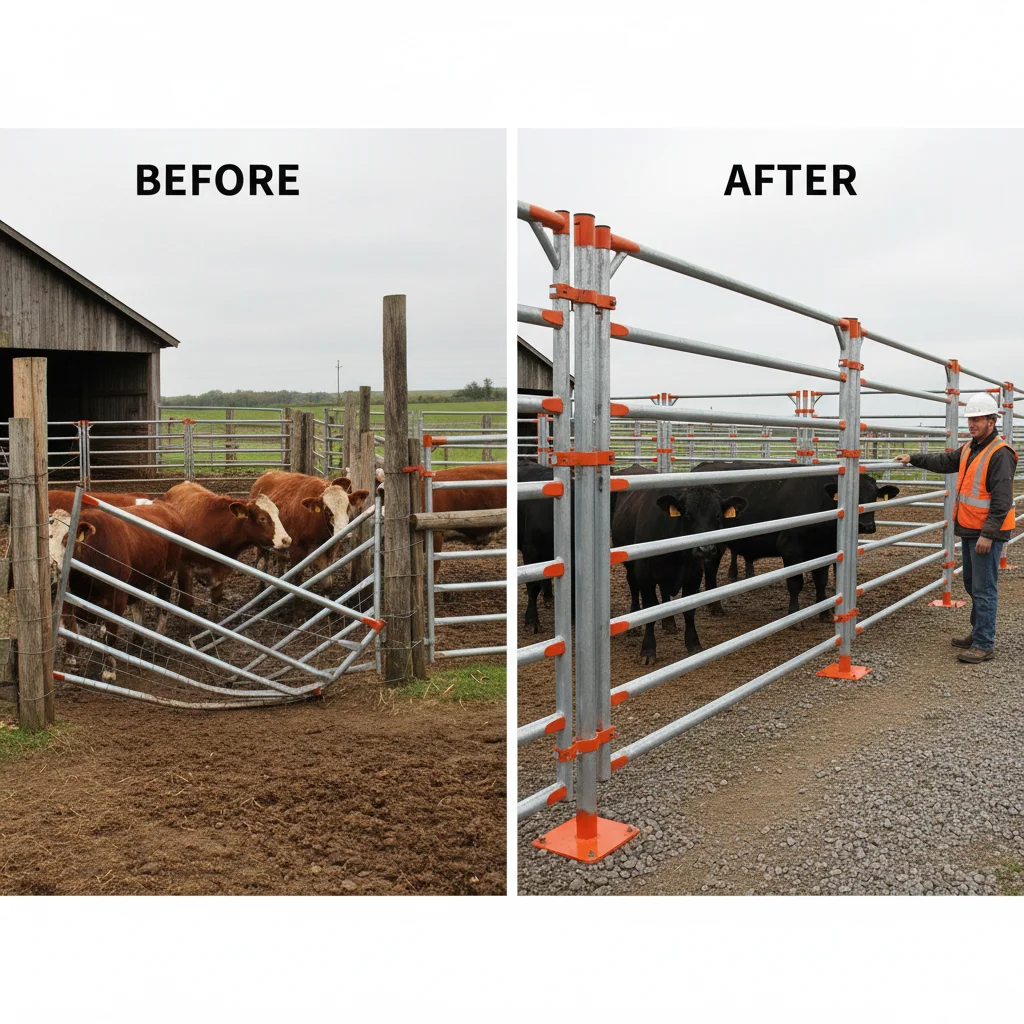
Durable Freestanding Livestock Panels for Efficient Animal Handling In the demanding world of agricultural management, the need for flexible and robust containment solutions has never been more critical. freestanding livestock panels offer a sophisticated answer to the challenges of animal handling, providing a secure yet adaptable barrier that does not require permanent installation or deep grounding. By allowing farmers and ranchers to redefine their spatial layouts in minutes, these panels maximize the efficiency of existing infrastructure while ensuring the safety of both the handlers and the livestock. Read More >26 Apr, 17
-
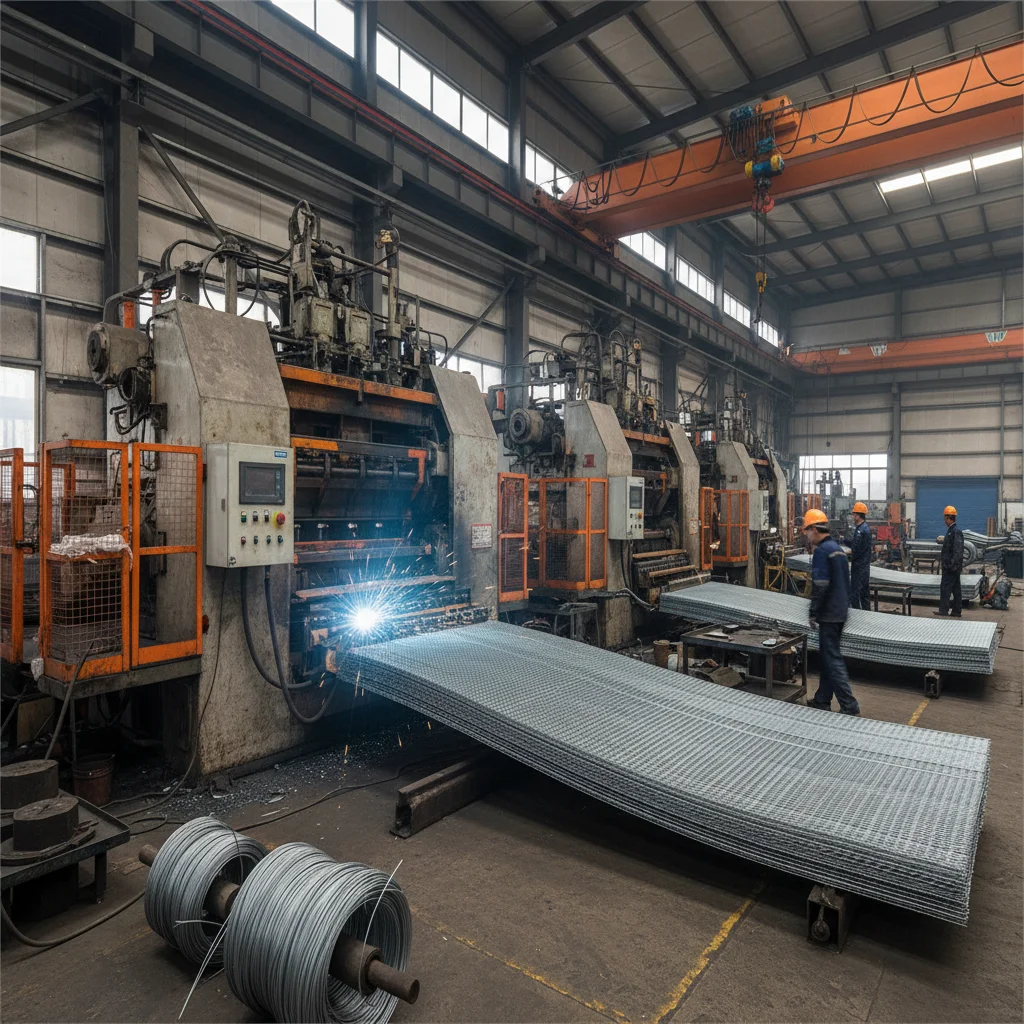
Professional Galvanized Welded Mesh Factory for Industrial Projects Finding a reliable galvanized welded mesh factory is critical for ensuring the structural integrity and longevity of your industrial or agricultural installations. Galvanized welded mesh is prized for its exceptional strength and resistance to corrosion, making it the go-to choice for fencing, animal cages, and construction reinforcement. However, not all factories adhere to the same quality standards. Whether you are sourcing for a large-scale infrastructure project or a specialized commercial application, understanding the manufacturing process and quality benchmarks is key to making a cost-effective investment that lasts for decades. Read More >26 Apr, 16
-
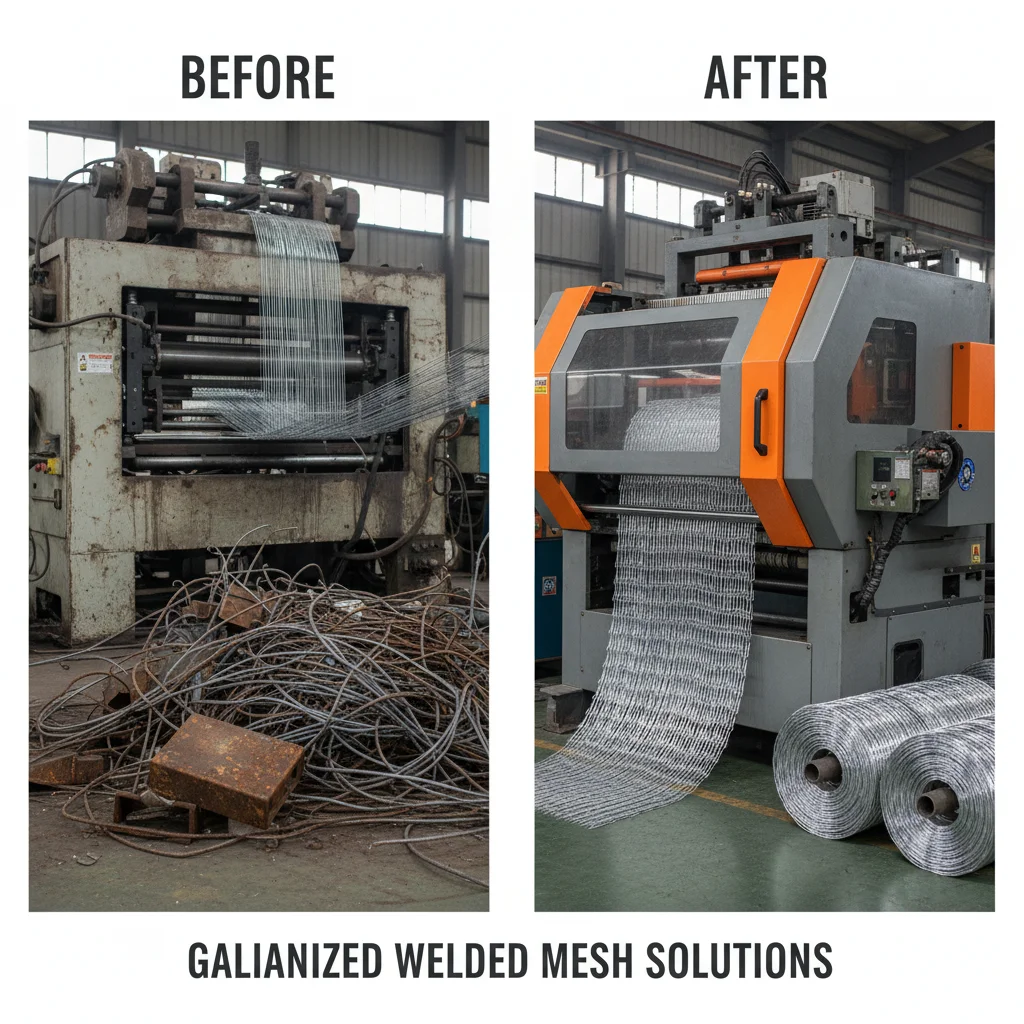
Professional Galvanized Welded Mesh Exporter for Quality Projects Selecting a high-quality fencing or screening solution requires more than just picking a product; it requires partnering with a reliable galvanized welded mesh exporter who understands the balance between structural integrity and corrosion resistance. Whether you are securing an industrial perimeter, building animal enclosures, or implementing architectural reinforcements, the quality of the galvanization process determines the lifespan of your installation. In this guide, we will explore the technical advantages of galvanized welded mesh and how to identify a global supplier that meets international quality standards to ensure your investment stands the test of time. Read More >26 Apr, 09
-
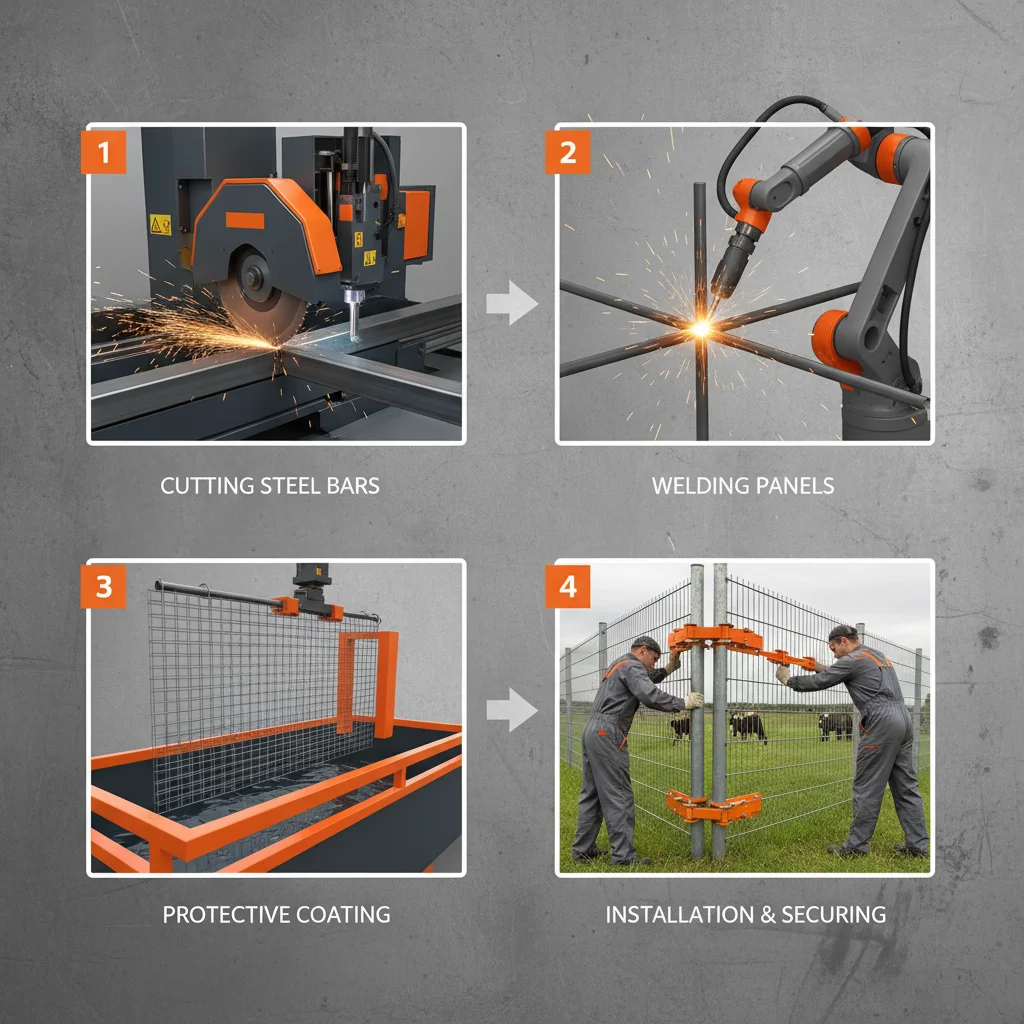
Essential Fencing Panels for Livestock Management and Farm Productivity Fencing panels for livestock are essential components in modern animal husbandry, playing a critical role in efficient farm management, animal welfare, and land utilization. Globally, the demand for robust and reliable fencing solutions is increasing due to the expanding livestock industry and the need to protect grazing lands from encroachment and predation. These panels aren’t simply barriers; they represent a vital investment in a farm's productivity and the health of its animals. Read More >26 Apr, 08
If you are interested in our products, you can choose to leave your information here, and we will be in touch with you shortly.


