


Introduction to Canada Temporary Fence Solutions & Their Critical Role
In Canada's dynamic landscape of urban development, large-scale events, and public infrastructure projects, the demand for robust and reliable temporary security solutions has never been more pronounced. A high-quality Canada temporary fence system is not merely a barrier; it is a fundamental component of project management, ensuring safety, security, and compliance across diverse environments. From bustling construction sites in downtown Toronto to expansive music festivals in Vancouver, temporary fencing serves as the first line of defense against unauthorized access, theft, and potential liabilities, while also facilitating organized crowd control and clear site demarcation.
The economic impact of inadequate site security can be staggering. Recent industry reports indicate that construction site theft and vandalism cost Canadian businesses an estimated $500 million annually. Furthermore, incidents involving unauthorized access or uncontrolled crowds at public events can lead to significant legal ramifications and reputational damage. A professionally installed temporary fence system mitigates these risks substantially. It provides a visible deterrent, delineates hazardous zones, safeguards valuable equipment and materials, and manages the flow of pedestrian and vehicular traffic effectively. Investing in superior temporary fencing is thus not an expense, but a crucial investment in operational efficiency, public safety, and financial protection. It establishes a secure perimeter that contributes directly to a project's successful, on-time, and on-budget completion, underscoring its indispensable role in modern Canadian enterprise.
Unpacking the Technical Superiority of Modern Temporary Fencing
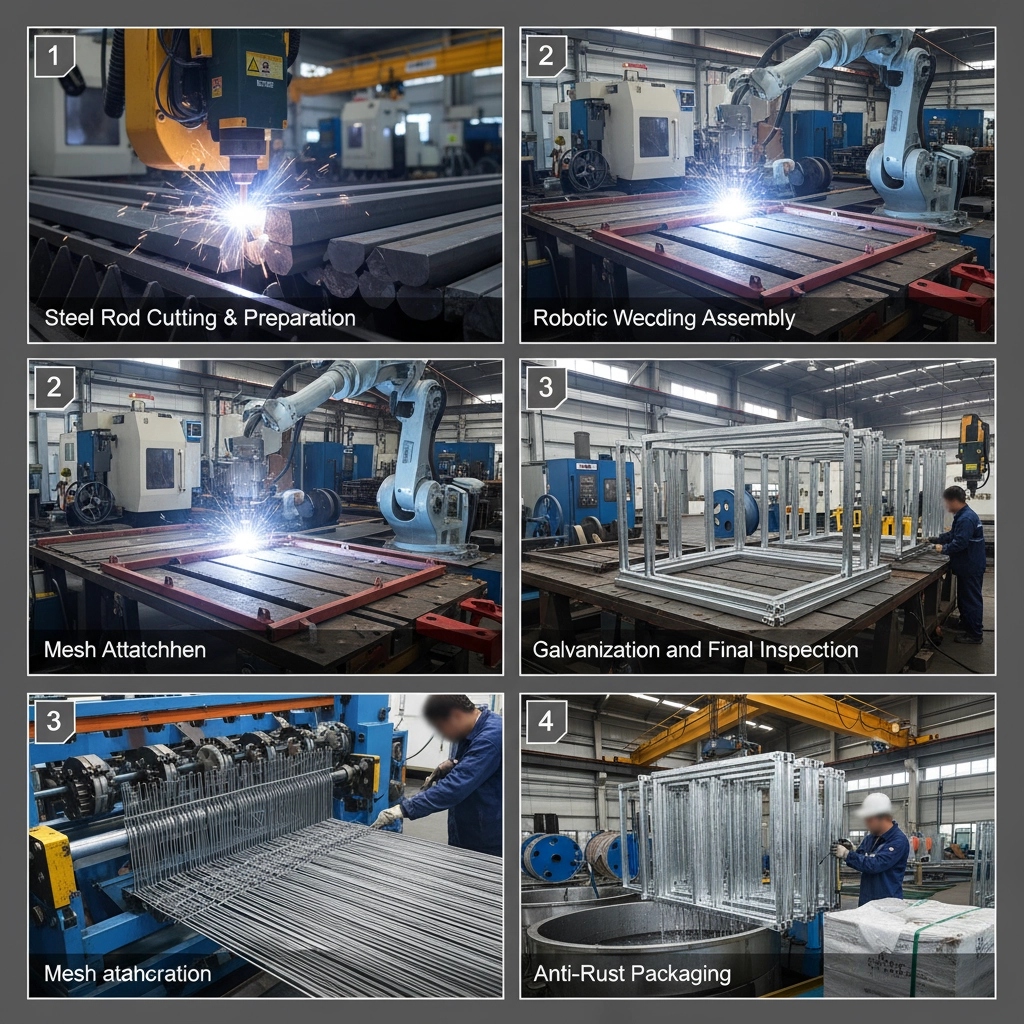
Modern temporary fencing systems represent a significant advancement over their rudimentary predecessors, embodying sophisticated engineering and material science to deliver unparalleled performance. At the core of their technical superiority lies the meticulous selection of materials. High-grade galvanized steel, often hot-dip galvanized after fabrication, forms the backbone of these systems, offering exceptional resistance to Canada's harsh climatic conditions, including freezing temperatures, heavy snowfalls, and corrosive salt air. This galvanization process ensures longevity, minimizing rust and degradation, thereby extending the product's lifespan and reducing replacement costs.
The construction techniques employed are equally crucial. Welded wire mesh panels, for instance, feature precise wire spacing and robust welds that resist cutting and climbing attempts, providing a formidable barrier. Chain-link temporary fences, while offering flexibility, are manufactured with heavier gauge wire and tighter weaves than standard residential fencing to enhance security. Panel systems are designed for rapid deployment and dismantling, utilizing sturdy interlocking clamps and heavy-duty bases, often made from concrete or recycled plastic, which provide superior stability even in high wind conditions or on uneven terrain. These bases are engineered to distribute weight effectively, preventing tipping and ensuring the fence remains upright and secure. Furthermore, some advanced systems incorporate anti-lift features or specialized footing designs that resist tampering, reinforcing the overall security posture. The integration of these technical elements ensures that modern temporary fencing is not just a temporary solution, but a resilient and highly effective security asset.
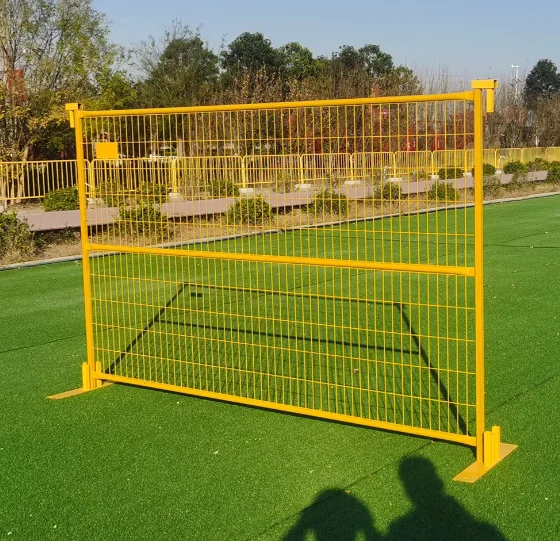
Navigating Manufacturer Choices: A Comparative Analysis of Temporary Fence Systems
Choosing the right temporary fence system involves understanding the nuanced differences between various types and the capabilities of their manufacturers. While many suppliers offer standard options, the distinction often lies in material quality, design innovation, ease of installation, and long-term durability. Different projects demand different levels of security and robustness. Below is a comparative analysis illustrating common temporary fence systems and their suitability:
Feature | Standard Welded Mesh Panel | Heavy-Duty Chain Link Panel | Privacy Hoarding Panel | Event Barrier System |
Primary Use Case | Construction sites, general security | High-security construction, demolition, longer projects | Aesthetic appeal, sound dampening, enhanced privacy at sites/events | Crowd control, pedestrian management at public events |
Material & Gauge | Hot-dip galvanized steel, ~11-12 gauge wire | Heavy-gauge galvanized steel, ~9 gauge wire | Galvanized steel frame with opaque metal or plastic sheeting | Lightweight galvanized steel or aluminum tubing |
Security Level | Good deterrent, basic containment | Very high, difficult to cut or climb | High (visual barrier, robust panel) | Moderate (primarily for crowd direction, not intrusion prevention) |
Installation Speed | Very fast, modular design | Fast, slightly heavier than mesh panels | Moderate, requires more careful alignment | Extremely fast, interlocking connections |
Durability/Lifespan | Excellent, 5-10 years with proper care | Superior, 10-15+ years | Good, panels may need replacement sooner than frame | Good, designed for frequent setup/takedown |
Cost Range (per linear foot) | $$ (Moderate) | $$$ (Higher) | $$$$ (Premium) | $ (Economical for short-term events) |
Beyond these categories, reputable manufacturers often differentiate themselves through superior welding techniques, robust frame designs, specialized anti-climb mesh, and comprehensive accessory offerings like gates, shade cloth, and bracing systems. When selecting a provider, consider their reputation for consistent material quality, adherence to safety standards, and the breadth of their inventory to ensure that the chosen temporary fence system aligns perfectly with the project's specific security, aesthetic, and budgetary requirements.
Tailoring Security: Advanced Customization for Your Specific Project
While standard temporary fence systems offer foundational security, the true power of modern solutions lies in their capacity for extensive customization. A one-size-fits-all approach rarely suffices for the varied and complex demands of contemporary Canadian projects. Customization ensures that the temporary perimeter is not just an off-the-shelf barrier but a precisely engineered security solution tailored to specific site conditions, operational needs, and regulatory mandates.
Customization options can range from fundamental adjustments to sophisticated integrations. For instance, panel height and width can be precisely specified to match unique site dimensions or to meet particular security clearances. Gate solutions are highly customizable, offering options from standard pedestrian gates to large vehicular swing gates, sliding gates, and even turnstiles for controlled access. These can be integrated with advanced access control systems, including keypads, card readers, or biometric scanners, especially crucial for high-security areas or events requiring meticulous attendee tracking.
Beyond structure, aesthetic and practical enhancements are available. Privacy screening, using mesh or solid hoarding panels, can be added to construction sites to obscure unsightly work areas, contain dust and debris, and reduce noise pollution for neighboring communities. For event organizers, branding opportunities are abundant, with custom mesh banners displaying logos, sponsors, or event information. Additional security measures like barbed wire or razor wire toppers can be installed for sites requiring maximum intrusion deterrence. Furthermore, specialized bases for challenging terrains, such as heavy-duty weighted blocks for asphalt or sandbags for softer ground, ensure stability in diverse environments. The ability to specify these elements ensures that every temporary fence installation perfectly addresses the unique challenges and objectives of its specific application.
Real-World Applications: Case Studies of Effective Temporary Fence Deployment
The versatility of temporary fencing is best demonstrated through its wide array of practical applications across Canada. These systems are indispensable in scenarios demanding flexible, reliable, and rapidly deployable perimeter solutions.
1. Large-Scale Urban Construction in Toronto: On a multi-story condominium development in downtown Toronto, a heavy-duty temporary fence system with solid hoarding panels was deployed. This served several critical functions:
o Security: Deterred theft of valuable construction materials and equipment, which had been a significant concern in previous projects.
o Public Safety: Created a safe buffer zone between active construction and pedestrian walkways, preventing accidental access to hazardous areas.
o Privacy & Aesthetics: The solid hoarding panels concealed the construction mess, reducing visual impact on the vibrant urban streetscape and minimizing dust dispersion.
o Noise Reduction: The dense panels offered a degree of sound dampening, mitigating noise complaints from nearby residents.
2. Major Public Festival in Montreal: For a renowned summer music festival attracting tens of thousands, temporary event barriers and chain-link fences were strategically placed:
o Crowd Control: Directed the flow of attendees, created distinct entry/exit points, and formed pathways between stages and vendor areas, preventing bottlenecks and ensuring smooth movement.
o Access Control: Segregated VIP zones, backstage areas, and restricted service entrances, allowing only authorized personnel access.
o Revenue Protection: Established clear perimeters around ticketed areas, preventing unauthorized entry and safeguarding event revenue.
3. Emergency Perimeter during a Public Works Project in Calgary: Following a sudden infrastructure failure that required urgent repairs on a major arterial road, temporary fencing was deployed around the affected area:
o Hazard Containment: Immediately cordoned off the dangerous zone, protecting the public from open excavations and heavy machinery.
o Traffic Management: Guided vehicular and pedestrian traffic safely around the repair site, minimizing disruption and preventing accidents.
o Rapid Deployment: The modular nature of the temporary fence allowed for quick installation, enabling emergency crews to secure the site within hours.
4. Residential Renovation Security in Vancouver: A homeowner undertaking a significant renovation, including a new addition, utilized temporary fencing:
o Equipment Protection: Secured building materials, tools, and personal belongings left on site during non-working hours.
o Child & Pet Safety: Prevented children and pets from accessing dangerous construction areas.
o Insurance Compliance: Met requirements from their home insurance provider for securing the property during construction.
These diverse applications underscore the critical role temporary fencing plays in maintaining order, enhancing safety, and protecting assets across a spectrum of Canadian endeavors.
Beyond the Basics: Installation, Maintenance, and Regulatory Compliance
The effectiveness of a temporary fence system extends far beyond the quality of its components; it is profoundly influenced by professional installation, diligent maintenance, and strict adherence to local regulations. Improper installation can negate the benefits of even the most robust fencing, turning a security asset into a potential hazard. Professional installation teams possess the expertise to assess site conditions, accounting for factors such as ground unevenness, potential wind loads, and pedestrian traffic patterns. They ensure that bases are properly weighted and aligned, clamps are securely fastened, and panels are interconnected to form a cohesive and stable barrier. Bracing systems, crucial for fences over a certain height or in areas prone to high winds, are installed correctly to prevent tipping and ensure structural integrity.
Maintenance, though often overlooked for temporary structures, is equally vital. Regular inspections for loose clamps, damaged panels, or shifted bases are imperative, especially after severe weather events. Prompt repair or replacement of compromised sections maintains the fence's effectiveness and prevents escalation of damage. This proactive approach significantly extends the lifespan of the system and ensures continuous security.
Furthermore, navigating the complex web of Canadian provincial and municipal regulations is paramount. Different cities and provinces may have varying bylaws concerning temporary fencing height, setbacks from public property, signage requirements, and the need for specific permits. For instance, urban centers like Toronto, Montreal, or Vancouver often have stricter regulations regarding construction site hoarding and public safety parameters than rural areas. Compliance with these regulations is not just a legal obligation but a cornerstone of responsible project management. Failing to meet these standards can result in hefty fines, project delays, and even mandated dismantling, creating significant logistical and financial setbacks. Partnering with a knowledgeable supplier who understands and helps navigate these regulatory landscapes is therefore invaluable.
Securing Tomorrow: The Lasting Impact of Choosing the Right Canada Temporary Fence
The decision to invest in a high-quality Canada temporary fence solution is one that resonates far beyond the immediate project timeline. It is a strategic choice that underpins safety, optimizes operational efficiency, and safeguards financial investments. From the initial safeguarding of a bustling construction zone to the meticulous crowd control at a grand public event, the right temporary fencing acts as an unwavering sentinel, providing peace of mind and tangible security benefits.
By prioritizing systems built with superior materials, engineered for resilience against Canada's diverse climate, and installed with professional precision, project managers and event organizers are making a commitment to excellence. This commitment translates into fewer security breaches, a reduced risk of accidents, enhanced public perception, and adherence to crucial regulatory standards. Ultimately, a well-chosen and expertly managed temporary fence system becomes an invisible force multiplier, allowing projects to progress smoothly and events to unfold successfully, protecting people, property, and reputation. It's not just about erecting a barrier; it's about building a foundation of secure operations for today and for the future.
Frequently Asked Questions About Canada Temporary Fences
1. What types of temporary fences are commonly used in Canada?
Common types include welded wire mesh panels (most popular for construction), chain-link panels (durable, often with privacy screens), hoarding panels (for privacy, aesthetics, and dust control), and pedestrian barriers (for crowd control at events).
2. Are temporary fences in Canada required to meet specific safety standards?
Yes, temporary fences must comply with various provincial and municipal bylaws, safety regulations (e.g., OH&S guidelines for construction sites), and sometimes specific engineering standards, especially concerning height, stability, and public access.
3. What is the typical lifespan of a rented temporary fence in Canadian conditions?
High-quality galvanized temporary fences are designed for durability. While their physical lifespan can be 10-15+ years, their effective rental lifespan (maintaining aesthetic appeal and full functionality) can be several years, even with frequent setup and dismantling, provided they are well-maintained.
4. Can temporary fences be customized for specific project needs?
Absolutely. Customization options include varying panel heights and widths, specialized gate solutions (swing, slide, turnstile), privacy screening, branding opportunities (mesh banners), and additional security features like barbed wire or anti-lift clamps.
5. Is it better to rent or buy a temporary fence for a project in Canada?
The choice depends on project duration and frequency. Renting is ideal for short-term projects or infrequent use, as it includes installation, dismantling, and maintenance. Buying is more cost-effective for long-term projects or companies with continuous fencing
needs, but it requires upfront investment and storage/maintenance responsibilities.
6. How are temporary fences stabilized in high winds or on uneven terrain?
Fences are stabilized using heavy bases (concrete, recycled plastic), secure clamps connecting panels, and strategically placed bracing systems. For very high wind loads or specific terrains, additional measures like ground anchoring or specialized footings may
be employed, often determined by a professional site assessment.
7. What are the environmental considerations for temporary fencing in Canada?
Many temporary fence providers prioritize sustainability by offering panels made from recycled materials, using durable, long-lasting products to reduce waste, and ensuring their fences are fully recyclable at the end of their lifecycle. Choosing providers with eco
friendly practices can contribute to a project's overall sustainability goals.
-
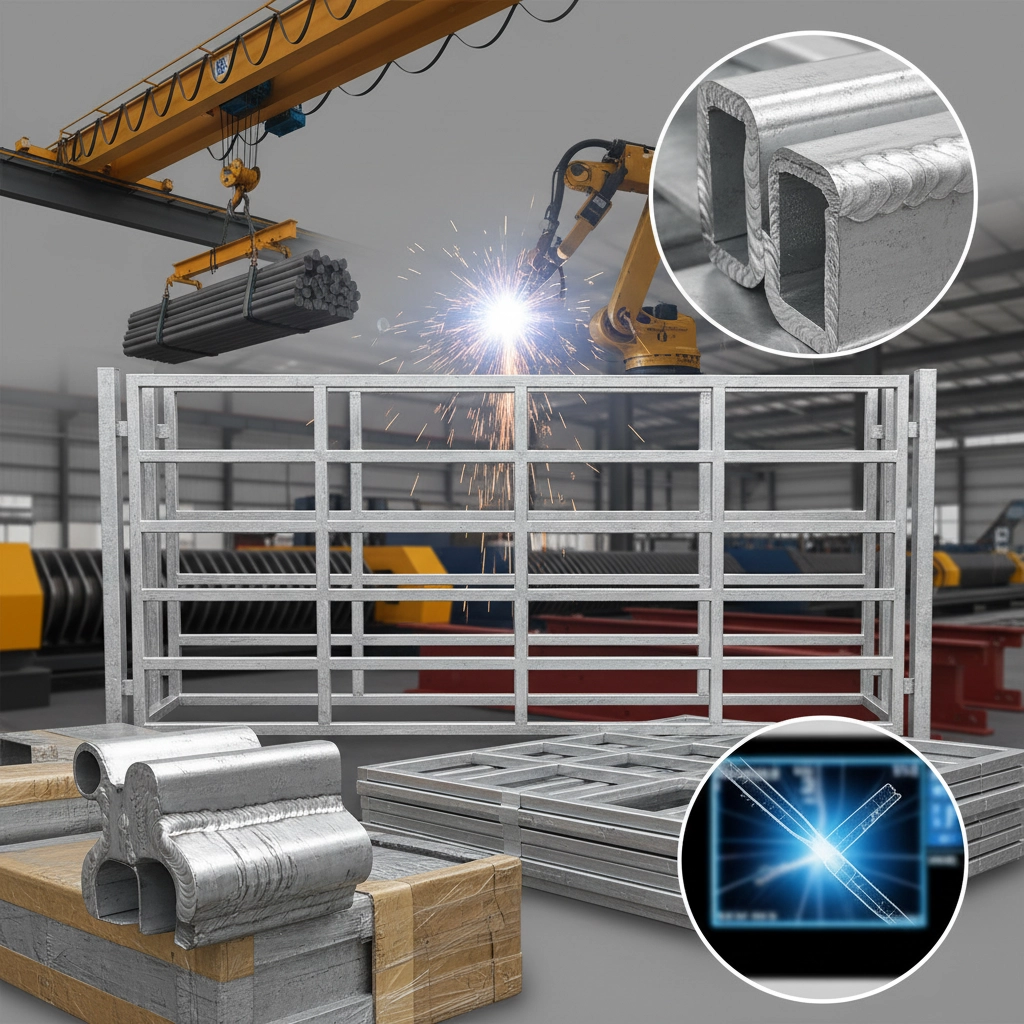
Durable Mini Livestock Panels for Efficient Animal Management In the modern agricultural landscape, the demand for flexible and efficient animal containment has led to the widespread adoption of mini livestock panels. These specialized fencing solutions provide farmers and ranchers with a versatile way to manage small-to-medium sized animals, offering a perfect balance between structural integrity and ease of movement. Whether used for temporary sorting, kidding pens, or rotational grazing, these panels are essential for maintaining herd health and operational efficiency. Globally, the livestock industry is shifting toward precision farming, where the ability to quickly isolate animals for veterinary care or nutritional management is paramount. Read More >26 May, 22
-
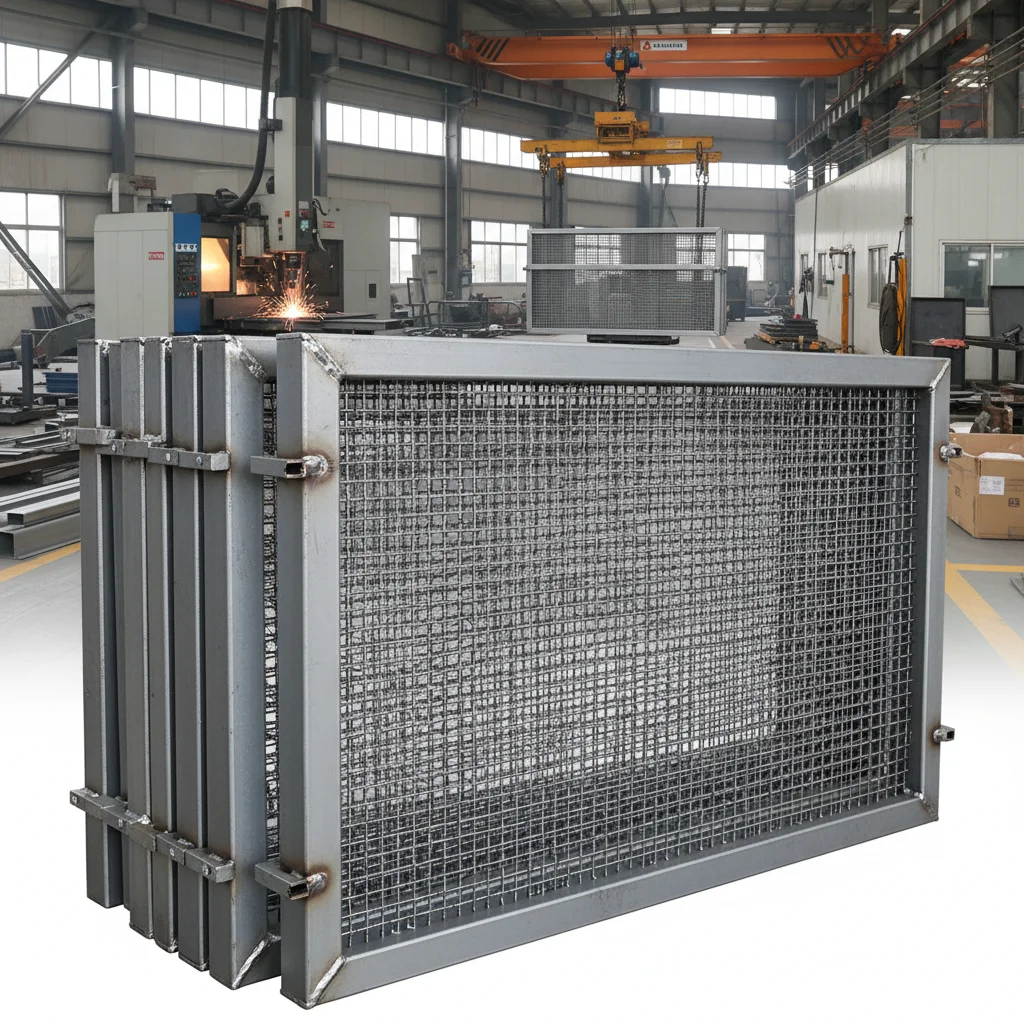
Durable Metal Livestock Panels for Modern Farming Systems Effective livestock management relies heavily on the quality of containment systems, and metal livestock panels have emerged as the gold standard for modern farming. These robust barriers are designed to balance security with animal welfare, ensuring that cattle, sheep, and pigs are contained safely while reducing the stress associated with restrictive environments. By integrating high-tensile steel and corrosion-resistant coatings, these panels provide a long-term solution to the perennial challenges of livestock containment. Globally, the shift toward industrialization in agriculture has necessitated a transition from traditional wooden fencing to more durable alternatives. Read More >26 May, 20
-
High Quality livestock windbreak panels for Animal Welfare In the demanding environment of modern animal husbandry, protecting livestock from harsh climatic conditions is not just a matter of comfort, but a critical factor in animal welfare and productivity. High-velocity winds can lead to significant heat loss in winter and excessive stress in summer, directly impacting growth rates and immunity. Implementing high-quality livestock windbreak panels provides a strategic barrier that stabilizes the microclimate within enclosures, ensuring that animals remain healthy regardless of external weather fluctuations. Across the globe, from the vast plains of North America to the intensive farming hubs in Europe and Asia, the adoption of engineered windbreaks has become a standard Read More >26 May, 18
-
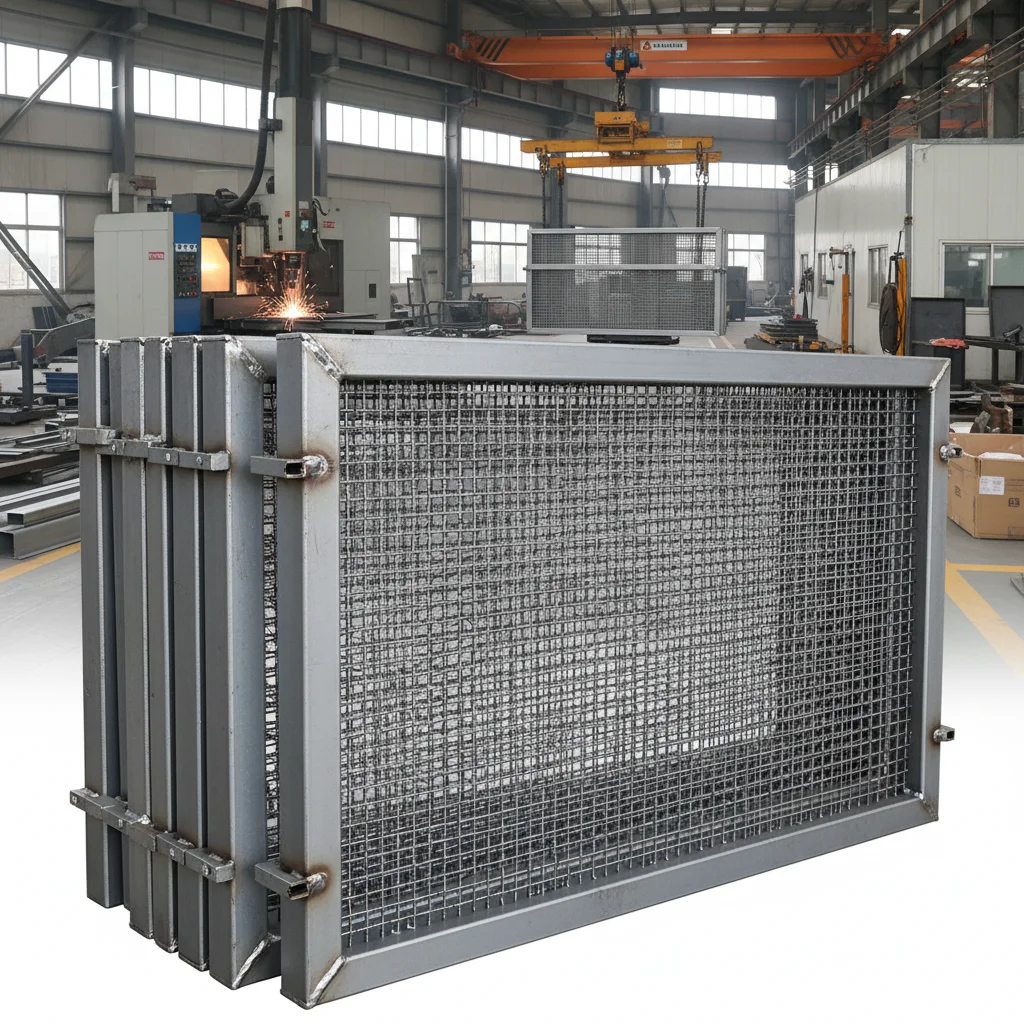
Industrial Grade Livestock Windbreak Panels Industrial Grade Livestock Windbreak Panels Engineered for maximum durability and optimal air filtration, protecting your livestock from extreme weather conditions with precision-woven metal mesh technology. 500k Annual Output sqm 120 Countries Served 7 Days Sample Lead Time 99.9 On-Time Delivery Advanced Wind Protection Engineering Excellence Setting the gold standard in livestock shelter ventilation and wind mitigation systems. As a pioneer in metal wire mesh manufacturing, our livestock windbreak panels occupy a leading position in the global agricultural sector. We combine high-tensile galvanized steel with precision weaving to ensure that every panel provides unmatched structural stability. Read More >26 May, 15
If you are interested in our products, you can choose to leave your information here, and we will be in touch with you shortly.


