


The Critical Imperative of Secure Temporary Fencing
In a world where project sites, public events, and sensitive areas constantly evolve, the need for robust, reliable, and rapidly deployable perimeter security has never been more pronounced. From sprawling construction zones bustling with expensive equipment and materials to high-profile outdoor festivals drawing thousands, and even emergency response areas requiring rapid containment, the demand for effective secure temporary fencing solutions is universal. This isn't merely about demarcation; it’s a foundational element of risk management, safeguarding assets, ensuring public safety, and maintaining operational continuity. Inadequate temporary fencing can lead to a cascade of costly complications, including theft, vandalism, unauthorized access, personal injury, and significant legal liabilities, all of which underscore the non-negotiable value of investing in superior temporary security infrastructure. The decision to implement high-quality temporary fencing is a proactive step that reflects a commitment to safety, efficiency, and responsible project execution, providing peace of mind amidst dynamic environments where security parameters frequently shift.
Modern temporary fencing transcends the basic function of a physical barrier. It integrates advanced design principles, durable materials, and thoughtful engineering to create a formidable defense against a myriad of potential threats. The adaptability of these systems allows for swift installation and dismantling, making them ideal for short-term projects or situations requiring dynamic site adjustments. However, this inherent flexibility must not come at the expense of security. Truly secure temporary fencing solutions are designed to resist tampering, withstand adverse weather conditions, and deter unauthorized entry effectively. They are an essential investment for any organization or individual responsible for securing a temporary space, demonstrating a clear understanding of potential vulnerabilities and a proactive approach to mitigating them. This comprehensive approach ensures that whether the need arises from a large-scale urban development or a localized event, the perimeter integrity remains uncompromised, allowing legitimate activities to proceed without undue risk or interruption.
Understanding Vulnerabilities and the Cost of Inadequate Security
The landscape of temporary site management is fraught with vulnerabilities that, if left unaddressed, can lead to substantial financial losses and reputational damage. Consider construction sites, which are notorious targets for theft due to the high value of materials, tools, and heavy machinery present. Industry reports indicate that construction site theft costs the industry billions annually, with some estimates placing the figure in the United States alone at over $1 billion per year. A significant portion of these losses can be attributed to inadequate perimeter security, allowing opportunistic criminals relatively easy access. Beyond direct theft, vandalism, though less publicized, represents another significant drain on resources, often resulting in project delays and increased repair costs. For instance, a single instance of malicious damage to critical equipment can halt operations for days, incurring not just repair expenses but also significant lost productivity.
Public events, ranging from music festivals to sporting events, present a different set of security challenges. Without robust temporary fencing, organizers face risks such as gate-crashing, unauthorized entry into restricted areas, and potential crowd control failures, which can escalate into serious safety incidents. The human cost of inadequate security at public gatherings can be catastrophic, leading to injuries, panic, and even fatalities, as evidenced by numerous historical incidents worldwide. The legal and reputational repercussions following such events can be devastating, resulting in multi-million dollar lawsuits, regulatory fines, and permanent damage to an organization's brand. A lapse in security can erode public trust and make future permits and operations significantly more challenging. Furthermore, in emergency or disaster zones, the absence of secure temporary barriers can impede rescue efforts, expose vulnerable populations to further harm, or allow unauthorized individuals to interfere with critical operations, exacerbating an already dire situation. Therefore, the seemingly simple act of erecting a fence becomes a critical strategic decision with far-reaching implications, underscoring the imperative of comprehensive risk assessment and the deployment of purpose-built, secure solutions.
Engineering Robustness: Technical Advantages of Modern Systems
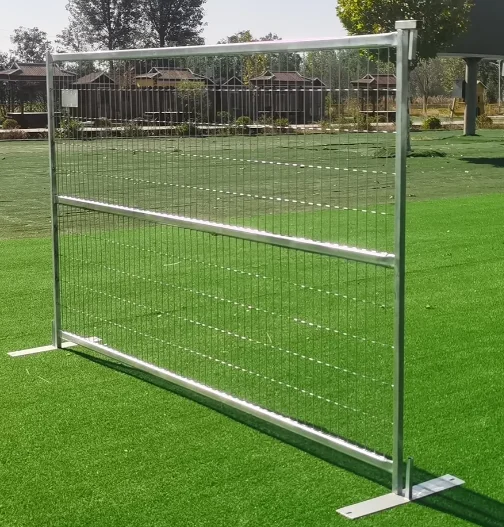
The efficacy of modern temporary fencing systems stems directly from their sophisticated technical design and choice of materials. Unlike rudimentary barriers, contemporary secure temporary fencing integrates features specifically engineered to deter, delay, and deny unauthorized access. A primary technical advantage is the use of high-strength, galvanized steel, often hot-dip galvanized, to provide superior corrosion resistance and extend the lifespan of the panels even in harsh environmental conditions. This material choice ensures structural integrity against both human tampering and natural elements like high winds or heavy precipitation, crucial for long-term deployments.
Mesh design plays a pivotal role. Anti-climb mesh, characterized by small aperture openings (typically less than 2x6 inches), prevents individuals from getting a secure hand or foothold, making scaling exceedingly difficult without specialized equipment. This contrasts sharply with standard chain-link fences that offer easy climbing points. Furthermore, many systems utilize a "no-dig" base design, employing robust steel footplates or heavy-duty concrete blocks that provide stability without requiring ground penetration, simplifying installation and preventing damage to underlying infrastructure. These bases are often designed to interlock or be secured with specialized clamps, enhancing the overall rigidity of the fence line and resisting attempts to push over or dislodge panels.
Another significant technical leap involves sophisticated locking mechanisms. Instead of simple wire ties, modern secure temporary fencing frequently incorporates heavy-duty steel clamps with anti-tamper bolts or proprietary locking systems that require specific tools for removal. This dramatically increases the time and effort required to compromise the fence line. Integrated gate systems are also designed with equally robust locking hardware, often compatible with advanced access control systems like keypads, RFID readers, or even biometric scanners for high-security applications. Bracing and support structures, such as cantilever support arms or triangular stay systems, are engineered to withstand significant wind loads and external pressure, a critical factor for tall fences in exposed areas. The modular nature of these systems, with standardized panel sizes and interlocking components, allows for rapid deployment and reconfiguration, minimizing installation time while maximizing security effectiveness. This combination of material science, ergonomic design, and security-focused engineering sets modern secure temporary fencing apart as a formidable protective solution.
Strategic Selection: Comparing Providers and Solutions
Choosing the right temporary fencing provider is as crucial as selecting the fencing itself. The market offers a wide array of options, and discerning the best fit requires a systematic evaluation of several key factors, including quality, durability, compliance with industry standards, and the breadth of services offered. A reputable provider will not only supply high-quality products but also offer comprehensive support, from site assessment and design consultation to professional installation and dismantling services. Furthermore, understanding the nuances of different fencing solutions – from heavy-duty anti-climb panels to more specialized options with integrated surveillance or access control – is essential to matching the product to the specific security requirements of a project.
To illustrate the considerations involved in selecting a supplier, let's examine a comparative overview focusing on critical attributes. While specific company names are illustrative, the categories represent tangible differentiators in the market:
Feature/Provider | Provider A (Premium Secure Fencing) | Provider B (Standard Event Fencing) | Provider C (Budget Contractor Fencing) |
Material & Gauge | Heavy-gauge hot-dip galvanized steel, anti-climb mesh (4mm wire) | Medium-gauge galvanized steel, standard chain-link (3mm wire) | Light-gauge painted steel, wide mesh (2.5mm wire) |
Security Features | Advanced anti-climb design, secure anti-tamper clamps, heavy concrete blocks, optional access control integration | Basic anti-climb top, standard clamps, plastic feet | Minimal, basic panel connection, lightweight feet |
Durability & Lifespan | Excellent, 10+ years, weather-resistant | Good, 3-5 years, moderate weather resistance | Fair, 1-2 years, susceptible to rust and damage |
Installation Speed/Complexity | Moderate, requires skilled team for secure setup, but quick once trained | Fast, simple connection | Very fast, basic setup |
Compliance & Certifications | Meets or exceeds industry standards (e.g., OSHA, local regulations), wind load tested | Basic compliance | May vary, often minimal |
Cost-Effectiveness (Long-Term) | High initial cost, but low maintenance and replacement, superior risk mitigation (High ROI) | Moderate initial cost, average maintenance/replacement (Medium ROI) | Low initial cost, high maintenance/replacement, high risk exposure (Low ROI) |
Customization & Integration | Extensive (height, color, gates, CCTV, access control) | Limited (standard gates, signs) | Very limited |
This comparison highlights that while budget options may seem attractive upfront, they often fall short on critical security features, durability, and long-term cost-effectiveness due to increased risk exposure and the need for frequent repairs or replacements. Premium secure temporary fencing, conversely, offers a superior return on investment by significantly reducing security risks, minimizing liabilities, and ensuring project continuity. When making a decision, organizations should prioritize providers who demonstrate a proven track record, offer robust technical specifications, and are committed to comprehensive customer support and regulatory compliance.
Precision Protection: Tailored Customization and System Integration
One of the most significant advantages of modern temporary fencing is its inherent adaptability, moving far beyond a generic barrier to offer highly customized, site-specific security solutions. The premise is simple: no two sites are identical, and therefore, their security requirements shouldn't be either. Customization allows for the precise alignment of fencing capabilities with unique project demands, site topography, and specific threat assessments. This flexibility ensures optimal security without unnecessary cost or complexity.
Height is a fundamental customizable feature. While standard panels typically come in heights like 6 or 8 feet, projects requiring enhanced security or privacy, such as sensitive government installations or high-value asset storage, can opt for taller systems, sometimes reaching 10 or 12 feet, often with extended anti-climb elements. Panel length and configuration are also adjustable to navigate irregular perimeters, accommodate existing structures, or create specific zones within a larger area. For instance, a construction site might require different fence types and heights for its main perimeter versus an internal zone safeguarding critical equipment or hazardous materials.
Gates are another area of extensive customization. Options range from simple pedestrian swing gates to wide vehicle gates, double-swing gates for oversized equipment, or even automated sliding gates for high-traffic entry points. These can be integrated with advanced access control systems, including keypad entry, RFID card readers, biometric scanners, or even remote-controlled operations, providing granular control over who enters and exits the secured area. Beyond traditional gates, specialized access points such as turnstiles can be incorporated for high-volume pedestrian flow management, enhancing both security and efficiency.
Furthermore, contemporary temporary fencing can be seamlessly integrated with other security technologies. This includes mounting points for CCTV cameras, motion sensors, infrared beams, or perimeter intrusion detection systems (PIDS) directly onto the fence structure. This creates a multi-layered defense, combining physical deterrence with active surveillance and early warning capabilities. Acoustic sensors, for example, can detect attempts to cut through the fence, while thermal cameras can identify human presence in low-light conditions. Signage, branding, and even color customization are available, allowing organizations to maintain a professional appearance, display safety warnings, or promote their brand while ensuring security. Wind load considerations, often critical in exposed locations, can be addressed through custom bracing, specialized footings, or even aerodynamic panel designs. This level of precision planning and integration transforms temporary fencing from a simple barrier into a sophisticated, interconnected security ecosystem, tailored to the exact specifications of any challenging environment.
Protecting Progress: Diverse Applications in Action
The versatility and robustness of modern secure temporary fencing make it indispensable across a wide spectrum of applications, each presenting unique challenges that these systems are adept at addressing. Its ability to be rapidly deployed, reconfigured, and removed ensures that security needs are met without imposing permanent infrastructure changes, proving cost-effective and operationally efficient.
One of the most prevalent applications is in construction sites. Here, secure temporary fencing serves multiple critical functions. Primarily, it acts as a robust deterrent against theft of expensive materials, tools, and heavy machinery, which, as previously noted, contributes to significant industry losses. Beyond asset protection, it plays a vital role in public safety by creating a clear, secure boundary that prevents unauthorized individuals, particularly children, from entering dangerous areas with active machinery, open excavations, or falling debris. By clearly defining the construction zone, it also protects passersby and adjacent properties, minimizing liability risks for contractors and developers. For example, a multi-story building project in a dense urban environment might use high-visibility panels with anti-climb features and integrated pedestrian gates with access control to manage worker flow, while also employing solid hoarding panels for privacy and dust containment.
In the realm of event management, secure temporary fencing is fundamental for crowd control, perimeter security, and delineating specific zones. At large outdoor festivals, it guides pedestrian traffic, prevents gate-crashing, and creates secure VIP areas or back-of-house operational zones. For sporting events, it secures playing fields, directs spectator flow, and manages entry/exit points to prevent overcrowding and ensure swift emergency evacuation. Consider a major marathon: secure fencing along the race route not only protects runners from external interference but also provides clear viewing areas for spectators, ensuring a safe and enjoyable experience for all.
Public works and infrastructure projects, such as road construction, bridge repairs, or utility upgrades, frequently require temporary security. These projects often span large, linear areas and intersect with public spaces. Secure temporary fencing ensures the safety of both workers and the public, preventing accidental entry into hazardous work zones and securing expensive equipment left overnight. Its modularity allows sections to be moved and reconfigured as the project progresses along a road or pipeline.
During emergency response and disaster relief efforts, the ability to quickly establish secure perimeters is paramount. Following natural disasters like hurricanes or earthquakes, secure temporary fencing can be used to cordon off dangerous structural collapse zones, protect humanitarian aid distribution centers from looting, or establish secure temporary shelters. Its rapid deployment capability allows responders to swiftly secure affected areas, facilitating organized relief efforts and preventing further harm. Similarly, at temporary storage facilities or during large-scale industrial shutdowns for maintenance, robust temporary barriers provide critical protection for valuable inventory or specialized equipment against theft or unauthorized access. In each of these diverse scenarios, secure temporary fencing acts as a flexible yet unyielding guardian, adapting to the immediate needs of dynamic environments while steadfastly upholding the principles of safety and security.
Investing in Resilience: The Enduring Value of Secure Temporary Fencing
The decision to implement high-quality secure temporary fencing is not merely an operational necessity; it is a strategic investment in resilience, security, and the uninterrupted progress of any endeavor. From safeguarding valuable assets and protecting personnel to ensuring public safety and maintaining regulatory compliance, the benefits far outweigh the initial outlay. The inherent risks associated with temporary sites – theft, vandalism, unauthorized access, and potential injury – can lead to profound financial losses, legal entanglements, and irreversible damage to reputation. By deploying advanced, purpose-built secure temporary fencing systems, organizations proactively mitigate these risks, creating controlled environments that foster productivity and peace of mind.
The evolution of temporary fencing from rudimentary barriers to sophisticated, technically advanced security solutions underscores a clear market demand for reliable protection in dynamic settings. Modern systems, with their anti-climb designs, robust materials, secure locking mechanisms, and integration capabilities, provide a formidable defense against a wide array of threats. The ability to customize these solutions to precise site requirements, incorporate advanced access control, and integrate with surveillance technologies further elevates their utility, transforming a simple fence into a comprehensive security ecosystem. Ultimately, investing in secure temporary fencing is an investment in the foundational elements of project success and societal well-being. It reflects a proactive, responsible approach to risk management, ensuring that temporary challenges do not compromise long-term objectives, and that every temporary space remains a secure and productive environment.
Frequently Asked Questions About Secure Temporary Fencing
Here are some common questions regarding secure temporary fencing solutions:
Q1: What makes temporary fencing "secure" compared to standard temporary barriers?
A1: Secure temporary fencing incorporates features like anti-climb mesh (small apertures), heavy-gauge galvanized steel construction, robust interlocking panel clamps, heavy concrete or steel bases for stability, and often includes provisions for integrated access control and surveillance systems. These elements collectively make it significantly harder to breach, scale, or dismantle than standard event or construction fencing.
Q2: Is secure temporary fencing suitable for high-wind environments?
A2: Yes, high-quality secure temporary fencing systems are engineered with wind load considerations. They often utilize heavier bases, stronger bracing systems (e.g., triangular stays), and robust panel connections to withstand significant wind forces. Reputable manufacturers provide data on wind resistance, and custom solutions can be designed for extreme conditions.
Q3: Can secure temporary fencing be integrated with electronic security systems?
A3: Absolutely. Modern secure temporary fencing is designed with integration in mind. It can easily accommodate mounting points for CCTV cameras, motion sensors, infrared beams, and perimeter intrusion detection systems (PIDS). Gate systems can be equipped with keypads, RFID readers, or biometric scanners for controlled access, creating a comprehensive security layer.
Q4: How long does it take to install secure temporary fencing for a large perimeter?
A4: Installation time varies depending on the perimeter length, site complexity, and the specific system chosen. However, the modular design of secure temporary fencing allows for relatively rapid deployment. A professional team can typically install hundreds of linear feet per day, minimizing disruption and quickly establishing security.
Q5: What are the main benefits of using galvanized steel for secure temporary fencing?
A5: Hot-dip galvanized steel offers superior corrosion resistance, protecting the fence from rust and degradation in various weather conditions. This significantly extends the lifespan of the fencing, reduces maintenance costs, and ensures the barrier maintains its structural integrity and aesthetic appeal over long periods of use.
Q6: Is customization available for secure temporary fencing, and what options are typically offered?
A6: Yes, customization is a key advantage. Options include varying panel heights, specialized gate types (pedestrian, vehicle, automated), different mesh patterns, solid hoarding panels for privacy, specific color coatings, and custom branding or signage integration. Solutions can be tailored to meet unique site layouts and security requirements.
Q7: What industries most commonly utilize secure temporary fencing?
A7: Secure temporary fencing is widely used across numerous industries, including construction, event management, public works and infrastructure development, industrial sites (for shutdowns and maintenance), emergency services, and temporary storage facilities. Any sector requiring robust, adaptable perimeter security for a finite duration benefits significantly from these solutions.
-
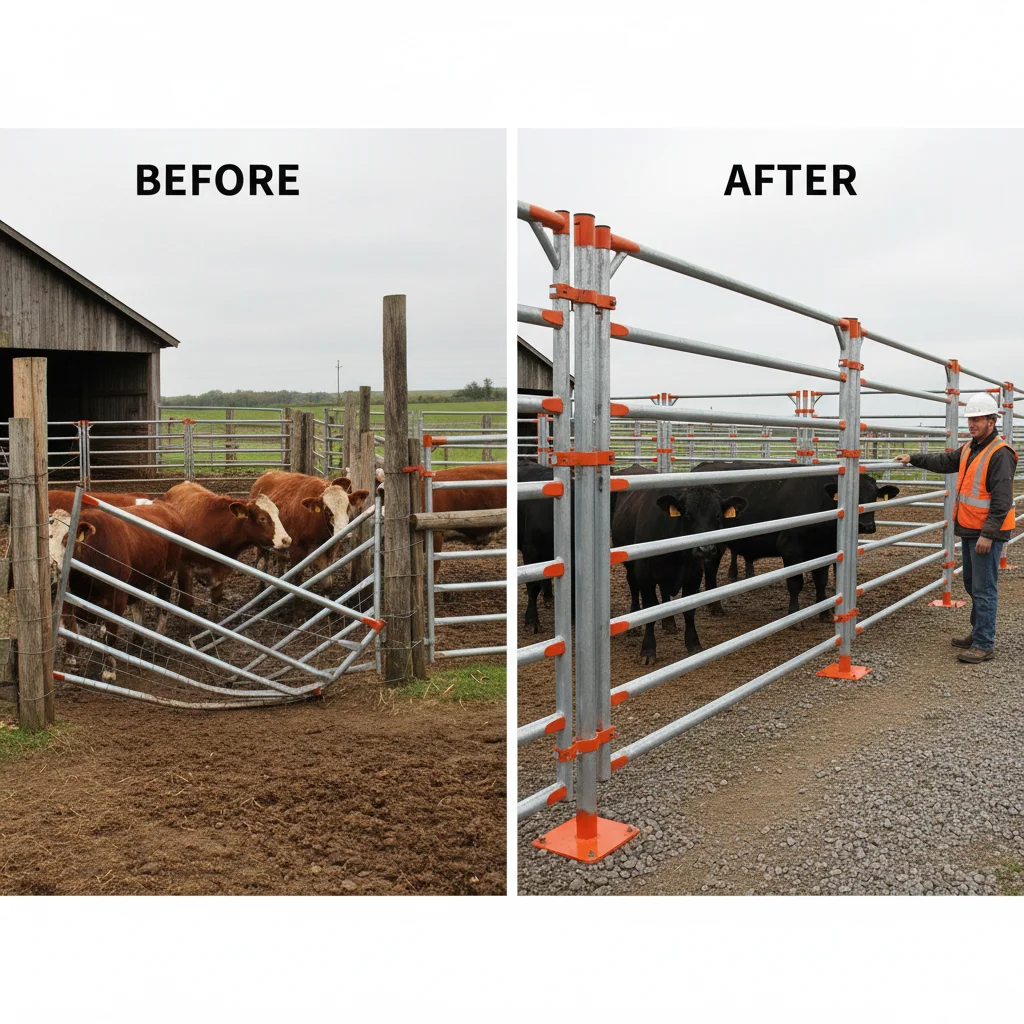
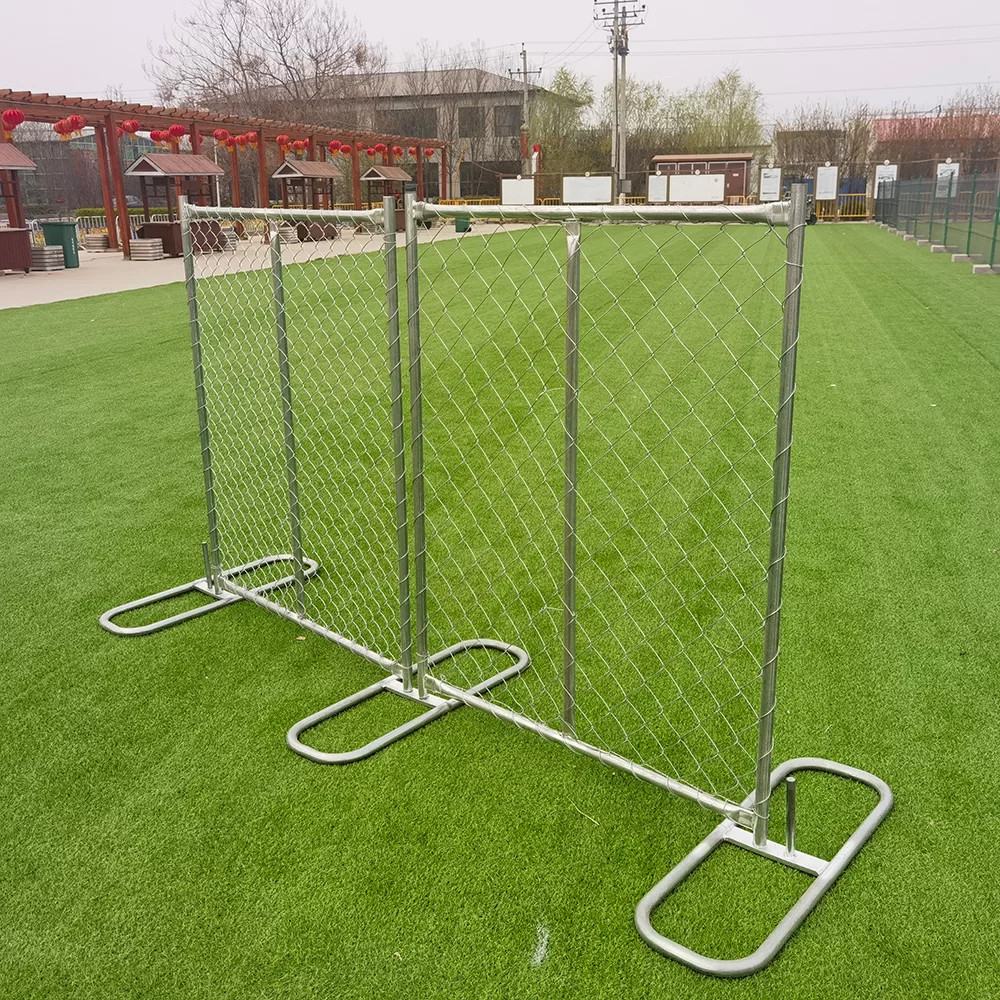
Durable Freestanding Livestock Panels for Efficient Animal Handling In the demanding world of agricultural management, the need for flexible and robust containment solutions has never been more critical. freestanding livestock panels offer a sophisticated answer to the challenges of animal handling, providing a secure yet adaptable barrier that does not require permanent installation or deep grounding. By allowing farmers and ranchers to redefine their spatial layouts in minutes, these panels maximize the efficiency of existing infrastructure while ensuring the safety of both the handlers and the livestock. Read More >26 Apr, 17
-
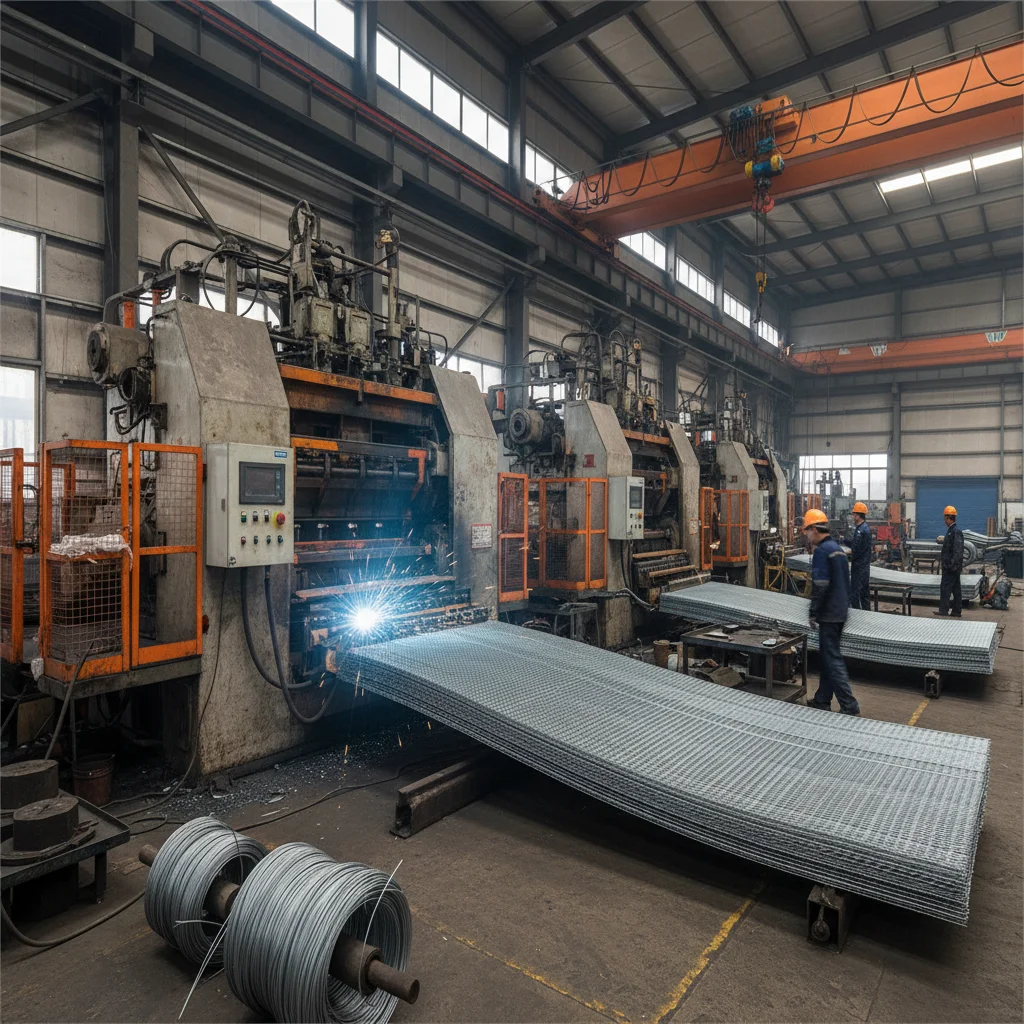
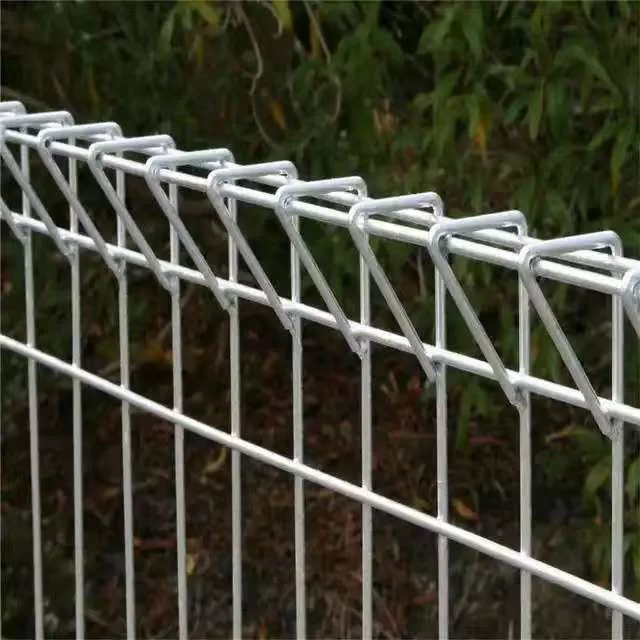
Professional Galvanized Welded Mesh Factory for Industrial Projects Finding a reliable galvanized welded mesh factory is critical for ensuring the structural integrity and longevity of your industrial or agricultural installations. Galvanized welded mesh is prized for its exceptional strength and resistance to corrosion, making it the go-to choice for fencing, animal cages, and construction reinforcement. However, not all factories adhere to the same quality standards. Whether you are sourcing for a large-scale infrastructure project or a specialized commercial application, understanding the manufacturing process and quality benchmarks is key to making a cost-effective investment that lasts for decades. Read More >26 Apr, 16
-
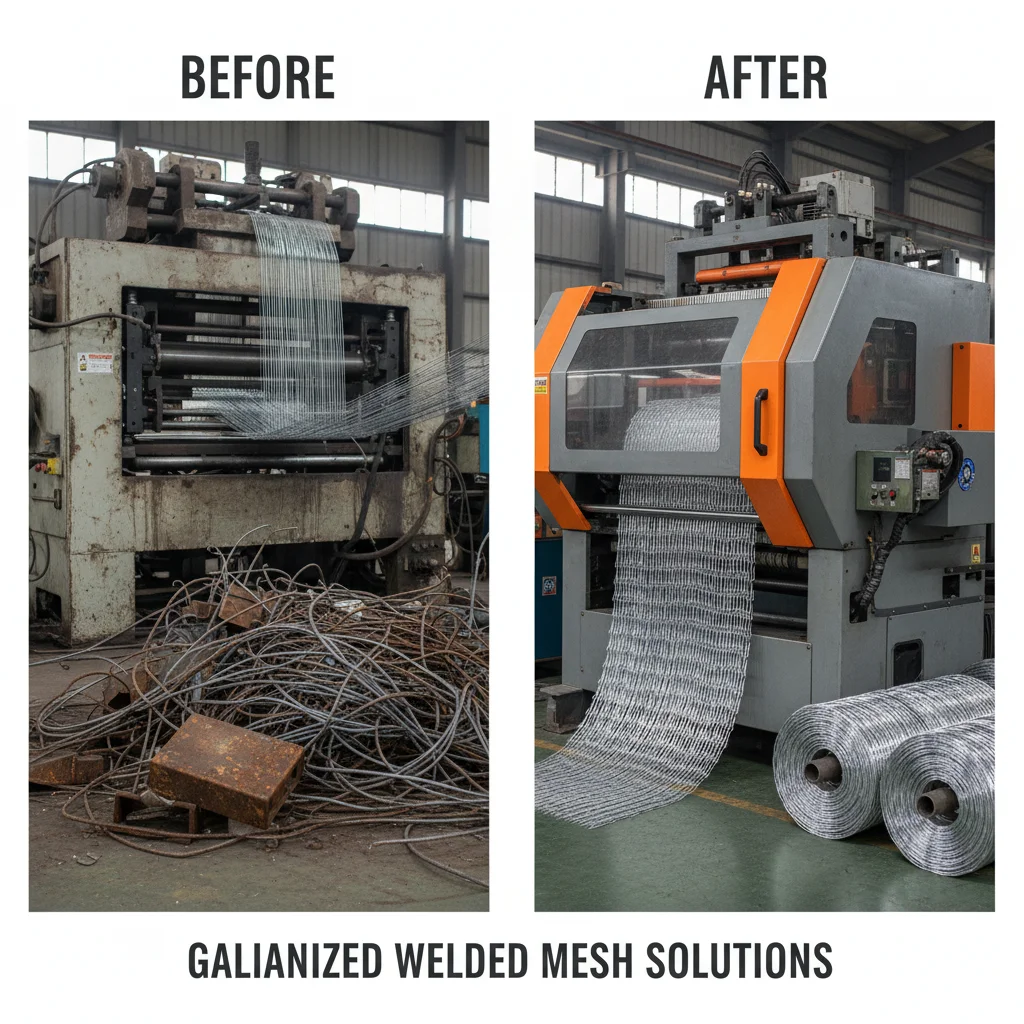
Professional Galvanized Welded Mesh Exporter for Quality Projects Selecting a high-quality fencing or screening solution requires more than just picking a product; it requires partnering with a reliable galvanized welded mesh exporter who understands the balance between structural integrity and corrosion resistance. Whether you are securing an industrial perimeter, building animal enclosures, or implementing architectural reinforcements, the quality of the galvanization process determines the lifespan of your installation. In this guide, we will explore the technical advantages of galvanized welded mesh and how to identify a global supplier that meets international quality standards to ensure your investment stands the test of time. Read More >26 Apr, 09
-
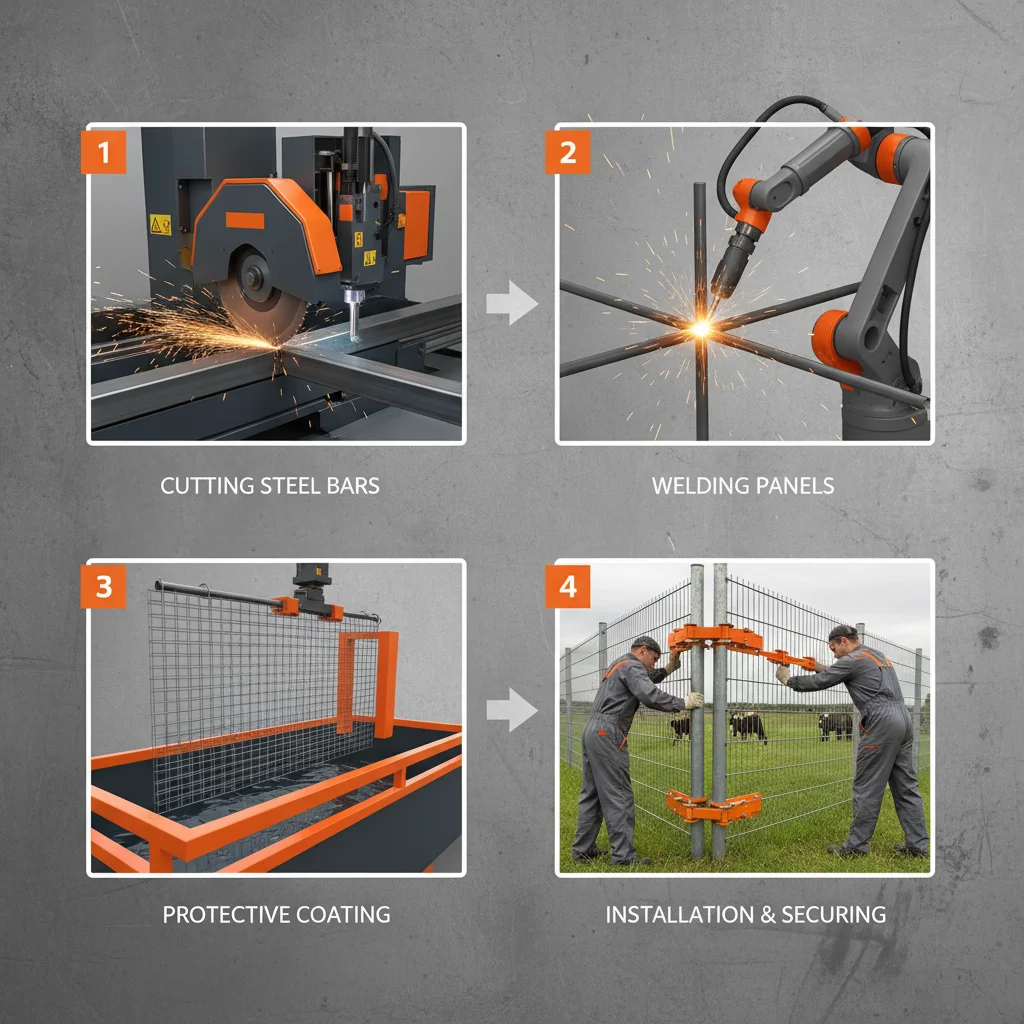
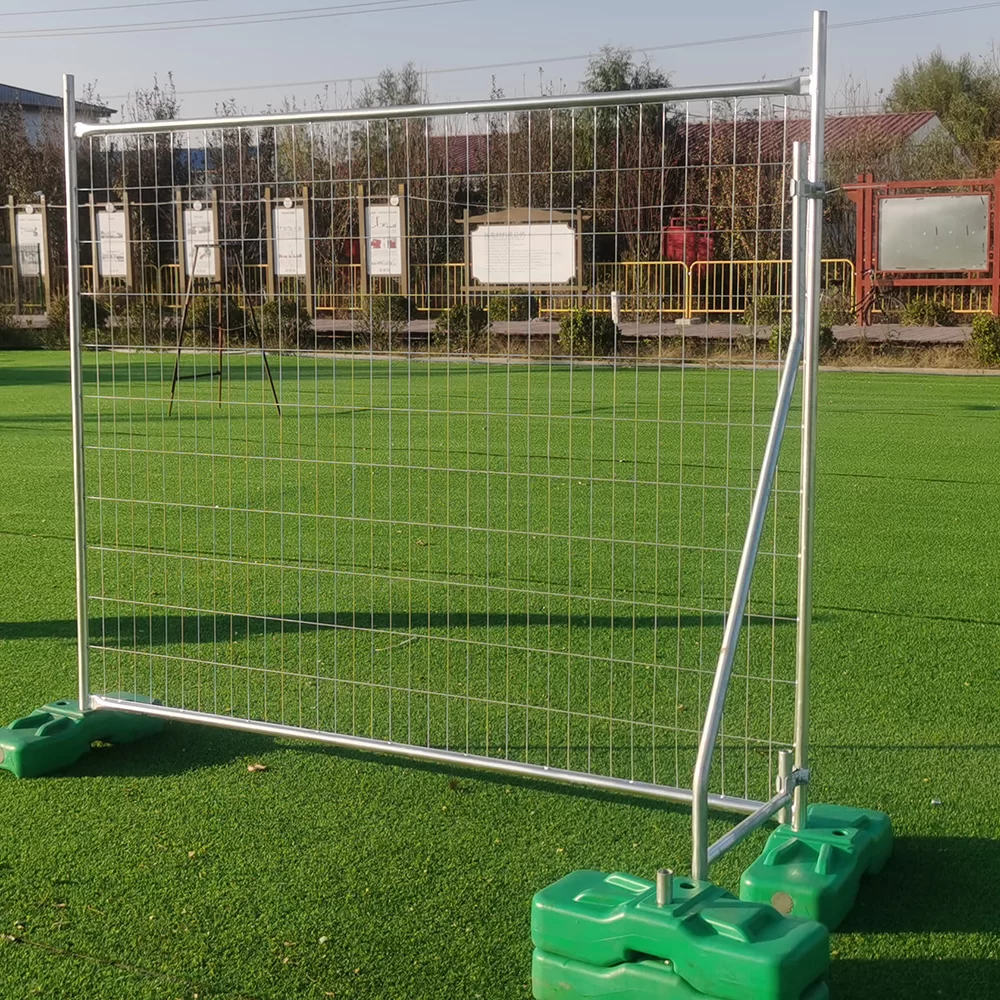
Essential Fencing Panels for Livestock Management and Farm Productivity Fencing panels for livestock are essential components in modern animal husbandry, playing a critical role in efficient farm management, animal welfare, and land utilization. Globally, the demand for robust and reliable fencing solutions is increasing due to the expanding livestock industry and the need to protect grazing lands from encroachment and predation. These panels aren’t simply barriers; they represent a vital investment in a farm's productivity and the health of its animals. Read More >26 Apr, 08
If you are interested in our products, you can choose to leave your information here, and we will be in touch with you shortly.


