


Durable and Efficient Framed Cattle Panel Fence Solutions for Global Livestock Management
Framed Cattle Panel Fence: What It Is and Why It Matters Globally
If you’ve ever needed to secure livestock quickly and economically, the framed cattle panel fence might just be your unsung hero. It’s one of those solutions that quietly supports farmers, aid workers, and even industrial players worldwide — yet it doesn't always get the spotlight it deserves. Understanding this type of fence is more than just knowing about steel wires and frames; it's about recognizing how a simple, robust design plays into global agricultural sustainability, disaster recovery, and secure perimeter control.
Globally, securing livestock and managing pastures efficiently remain critical challenges for both developed and developing regions. According to the Food and Agriculture Organization (FAO), efficient fencing systems are directly linked to better pasture management and reduced livestock losses, ultimately boosting food security—a core issue in many parts of the world. The framed cattle panel fence taps into that demand for cost-effective, durable, and easy-to-install livestock fencing.
The Global Context of Framed Cattle Panel Fence
In many countries, especially those with vast agricultural lands like the US, Brazil, Australia, and parts of Africa, fencing livestock is not just a matter of property lines but essential for wildlife management, disease control, and preventing theft. A framed cattle panel fence addresses these concerns nicely, offering a flexible, scalable solution.
Statistics from the World Bank highlight that agricultural land organization and livestock protection can increase productivity by up to 25%, which, frankly, no farmer can ignore. But beyond farming communities, humanitarian organizations are also using framed cattle panels in post-disaster zones to rebuild livestock enclosures quickly — livestock survival often spells recovery of local economies.
Defining the Framed Cattle Panel Fence
Put simply, a framed cattle panel fence is a metal panel constructed from heavy-gauge wire mesh with a solid frame, designed specifically to contain cattle and other livestock. The “frame” reinforces the panel, giving it strength and stability, ideally suited to withstand the pressure of large animals. Unlike plain wire fencing, these panels come ready to install, allowing for a modular, mobile setup if needed.
This approach connects directly to modern livestock management by combining durability with ease of installation, targeting both commercial ranching and temporary containment scenarios like quarantine or transport yards.
Core Components of a Framed Cattle Panel Fence
1. Durability
These fences are generally made from galvanized steel, which means they resist rust and corrosion even in tough weather. This is essential where fences need to last several seasons without frequent maintenance.
2. Scalability and Modularity
The panel design allows farmers and contractors to quickly expand or shorten fences as livestock numbers fluctuate or new pastures are leased. Panels can be connected easily with clamps or brackets, making the setup quite flexible.
3. Cost Efficiency
While initial costs may seem higher than simple barbed wire, the lifetime value of these panels—standing up to wear and tear, minimal repairs, and quick installation—usually translates into better cost efficiency, especially across large operations.
4. Safety and Livestock Welfare
The smooth wire mesh reduces injury risks compared to sharp barbs or broken strands, helping maintain animal health—a detail often overlooked but incredibly important.
Product Specification at a Glance
| Specification | Typical Value |
|---|---|
| Material | Galvanized Steel Wire |
| Wire Gauge | 12.5 to 14 gauge |
| Panel Dimensions | 5ft High × 16ft Long (custom sizes available) |
| Mesh Size | Approximately 4" × 6" Rectangular |
| Weight per Panel | ~75–90 lbs (depending on gauge) |
| Finish | Hot-dip Galvanized & Powder Coated Options |
In short: framed cattle panel fences blend industrial-grade steel with smart design. That’s their secret sauce.
Global Applications & Use Cases
These panels are popular everywhere from the expansive ranches of Texas to smallholder farms in South Africa. Aid groups like the Red Cross also rely on framed cattle panel fences post-disaster — say, after flooding or wildfires — to provide quick, temporary livestock corrals.
Industries around mining camps in remote Australia or oil fields in Canada also use these fences to cordon off animals or equipment, appreciating their quick assembly and durability in harsh climates.
Vendor Comparison: Common Options on the Market
| Feature | Brand A | Brand B | Brand C |
|---|---|---|---|
| Material Quality | Hot-dip Galvanized Steel | Powder Coated Steel | Galvanized & Painted |
| Standard Size (HxW) | 5' x 16' | 4' x 12' | 6' x 16' |
| Weight | 80 lbs | 60 lbs | 95 lbs |
| Price per Panel | $140 | $110 | $160 |
| Warranty | 10 years | 5 years | 7 years |
Advantages & Long-Term Value of Installing a Framed Cattle Panel Fence
Firstly: safety. For both the livestock and the people managing them, the sturdy and smooth mesh reduces the risk of injuries. That peace of mind is worth a lot on a productive farm.
From a business perspective, the ability to adapt and move panels around lowers long-term costs. You’re not just buying a fence; you’re buying flexibility.
Socially, particularly in developing regions, maintaining healthy livestock fencing supports local economies and food systems — a sort of ripple effect that’s easy to underestimate.
Future Trends to Watch
Oddly enough, even in a product as “simple” as a framed cattle panel fence, innovation is bubbling. For example, manufacturers are experimenting with eco-friendly coatings to reduce environmental impact. There’s also chatter about embedding RFID or IoT sensors in panels to track structural health or detect breaches, which sounds like sci-fi but could become the norm.
Automated panel assembly and deployment systems are gaining traction too — the kind of tech that would save hours in setting up temporary fencing during emergencies or rotational grazing.
Common Challenges & How Experts Suggest Overcoming Them
Weather extremes can still fatigue steel over time — which might mean you need to retrofit or replace panels quicker than expected. One clever approach is supplementing fencing with natural barriers, like thorny bushes, in certain climates.
Another issue is theft, particularly in regions where metal theft is rampant. Solutions here range from strategic placement, surveillance, to embedding tamper-proof hardware for connections.
FAQ: Quick Answers on Framed Cattle Panel Fence
- Q: How long does a framed cattle panel fence typically last outdoors?
A: With hot-dip galvanization and proper maintenance, these panels can last 15+ years even in wet or humid environments. Powder coatings add extra life but need occasional reapplication. - Q: Can a framed cattle panel fence be customized for different livestock?
A: Absolutely. Mesh size and panel height can be tailored depending on whether you’re fencing cattle, sheep, goats, or even wild animals. Just make sure the wire gauge matches the animal's pressure. - Q: Are these fences easy to install for someone without construction experience?
A: Yes, the modular design and bolt-on connectors make installation straightforward — many farmers assemble fences in a day with just basic tools. - Q: Is a framed cattle panel fence costlier than traditional barbed wire fences?
A: It usually has a higher upfront cost but offers better long-term value due to durability, maintenance, and reduced animal injury risks. - Q: How do I source high-quality framed cattle panel fencing internationally?
A: Look for globally recognized suppliers with ISO certifications and verified export records. Collaborating with companies like Haotian Mesh can guarantee quality and logistics support.
Wrapping Up: Why Choose a Framed Cattle Panel Fence?
It’s simple — investing in framed cattle panel fencing is about smarter livestock management, global sustainability, and practical longevity. Whether you’re trying to secure your farm, assist disaster recovery, or implement a scalable fencing system, this solution packs a lot of punch with relatively little fuss.
Feeling inspired? Check out Haotian Mesh’s range of framed cattle panel fences to find the right model for your needs. Efficiency and durability combined — what more could you ask for?
Takeaway
Think of framed cattle panel fences not just as physical barriers, but as tools enabling better agricultural productivity, disaster resilience, and peace of mind for livestock handlers worldwide. They’re quietly doing the heavy lifting, one panel at a time.
References
-
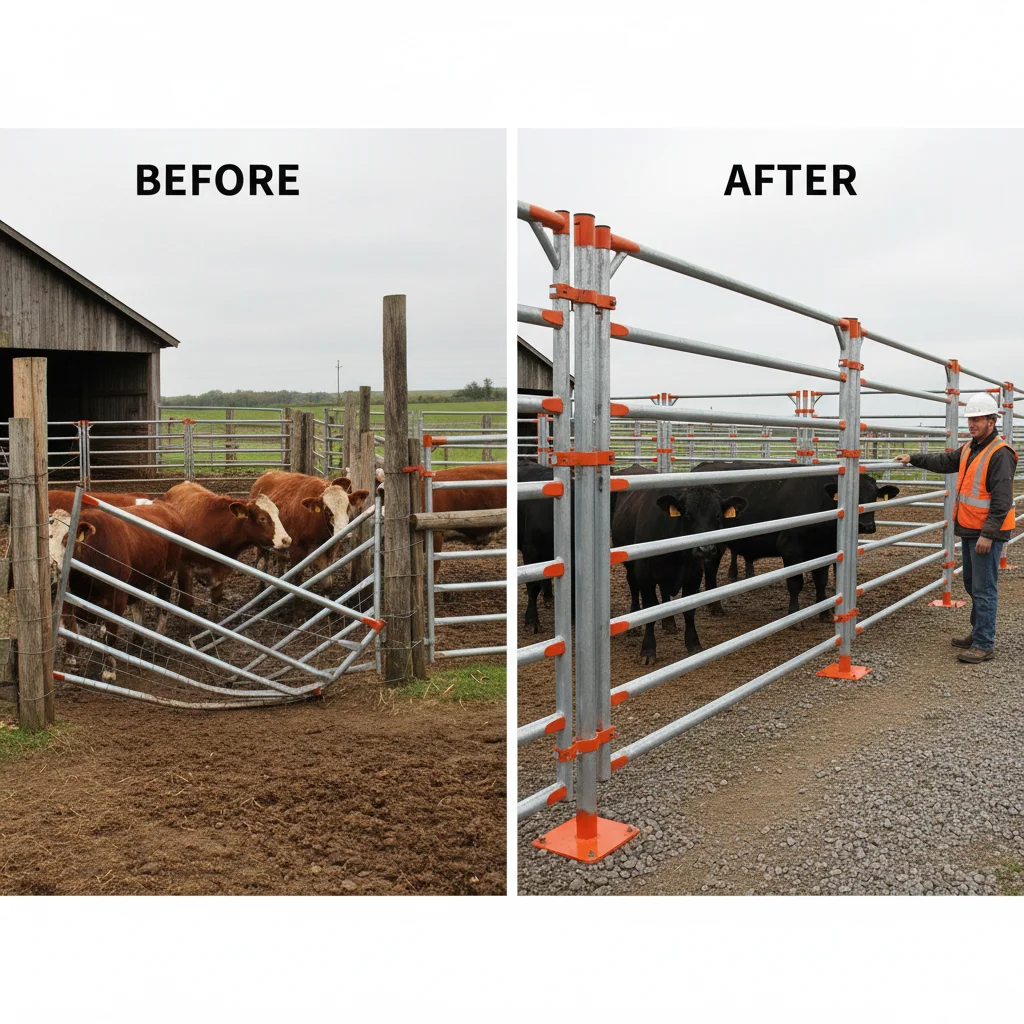
Durable Freestanding Livestock Panels for Efficient Animal Handling In the demanding world of agricultural management, the need for flexible and robust containment solutions has never been more critical. freestanding livestock panels offer a sophisticated answer to the challenges of animal handling, providing a secure yet adaptable barrier that does not require permanent installation or deep grounding. By allowing farmers and ranchers to redefine their spatial layouts in minutes, these panels maximize the efficiency of existing infrastructure while ensuring the safety of both the handlers and the livestock. Read More >26 Apr, 17
-
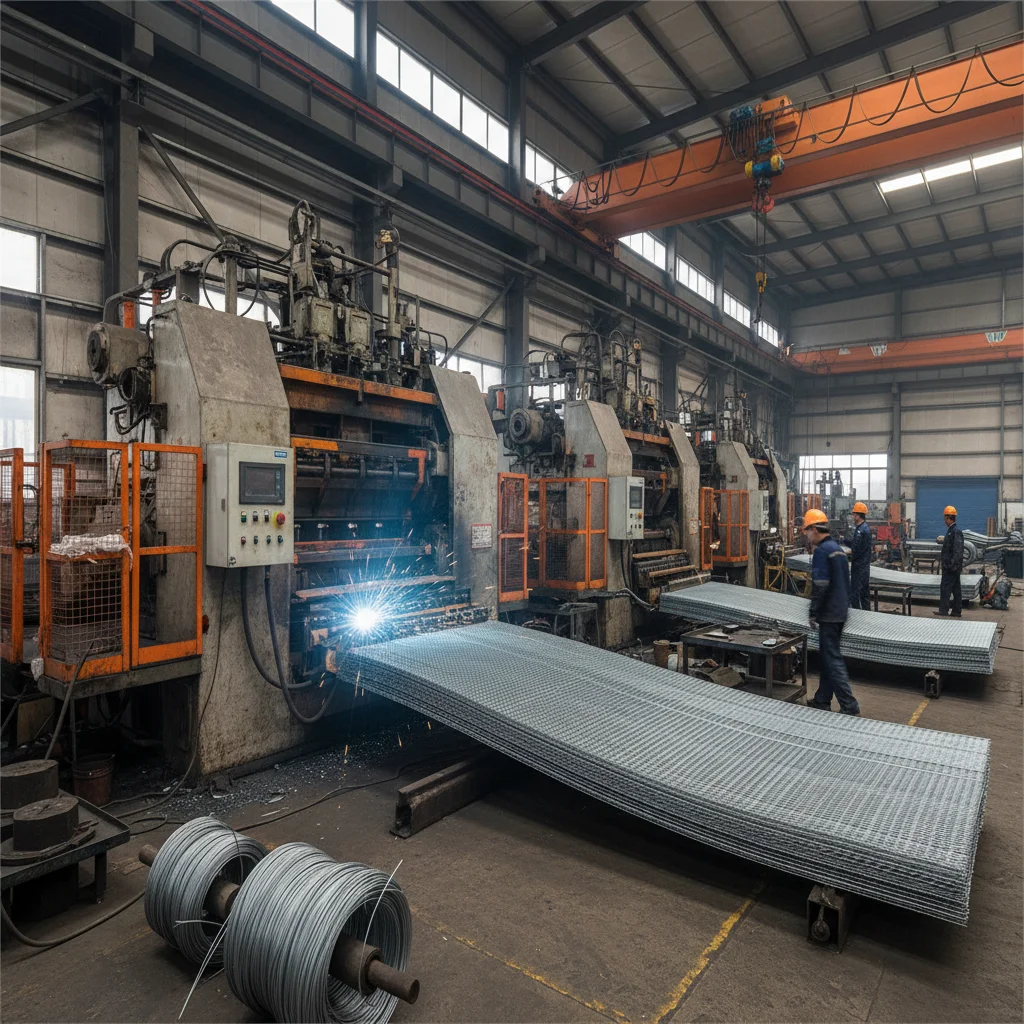
Professional Galvanized Welded Mesh Factory for Industrial Projects Finding a reliable galvanized welded mesh factory is critical for ensuring the structural integrity and longevity of your industrial or agricultural installations. Galvanized welded mesh is prized for its exceptional strength and resistance to corrosion, making it the go-to choice for fencing, animal cages, and construction reinforcement. However, not all factories adhere to the same quality standards. Whether you are sourcing for a large-scale infrastructure project or a specialized commercial application, understanding the manufacturing process and quality benchmarks is key to making a cost-effective investment that lasts for decades. Read More >26 Apr, 16
-
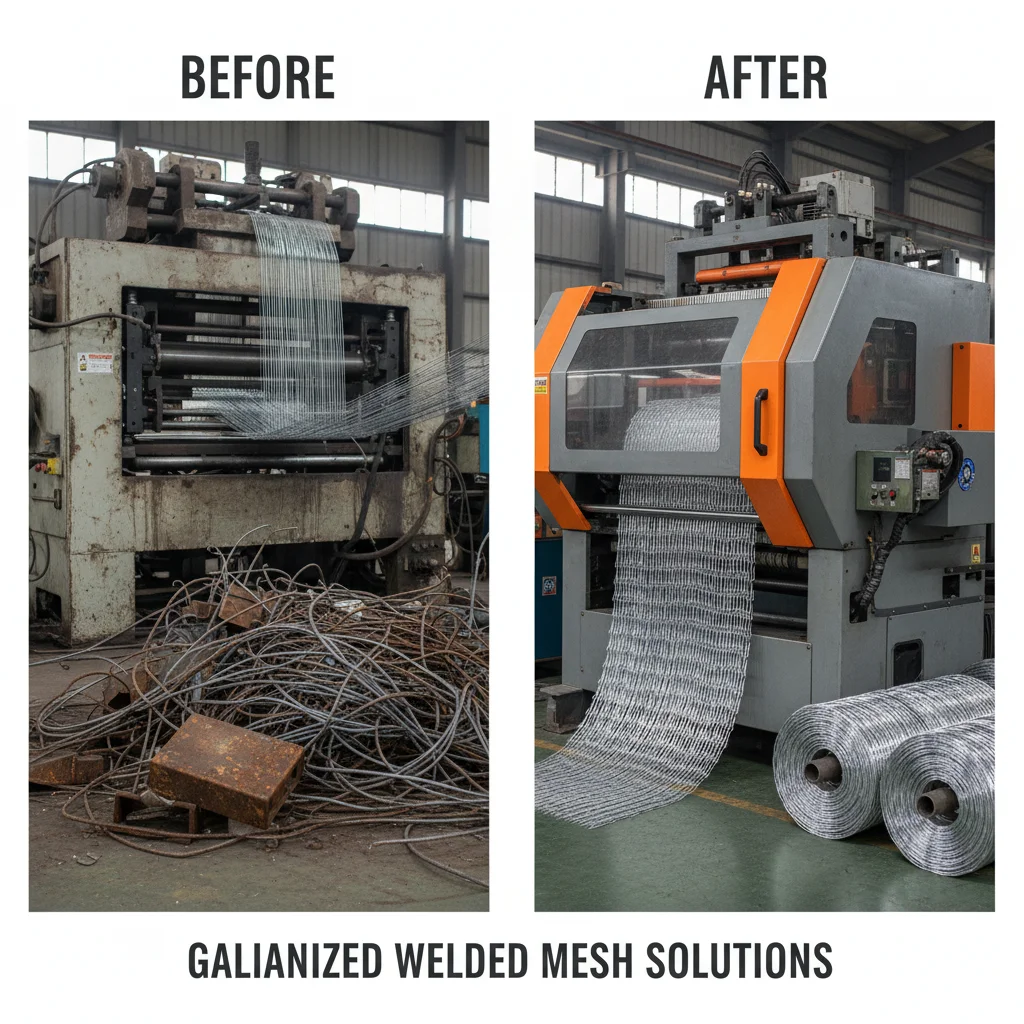
Professional Galvanized Welded Mesh Exporter for Quality Projects Selecting a high-quality fencing or screening solution requires more than just picking a product; it requires partnering with a reliable galvanized welded mesh exporter who understands the balance between structural integrity and corrosion resistance. Whether you are securing an industrial perimeter, building animal enclosures, or implementing architectural reinforcements, the quality of the galvanization process determines the lifespan of your installation. In this guide, we will explore the technical advantages of galvanized welded mesh and how to identify a global supplier that meets international quality standards to ensure your investment stands the test of time. Read More >26 Apr, 09
-
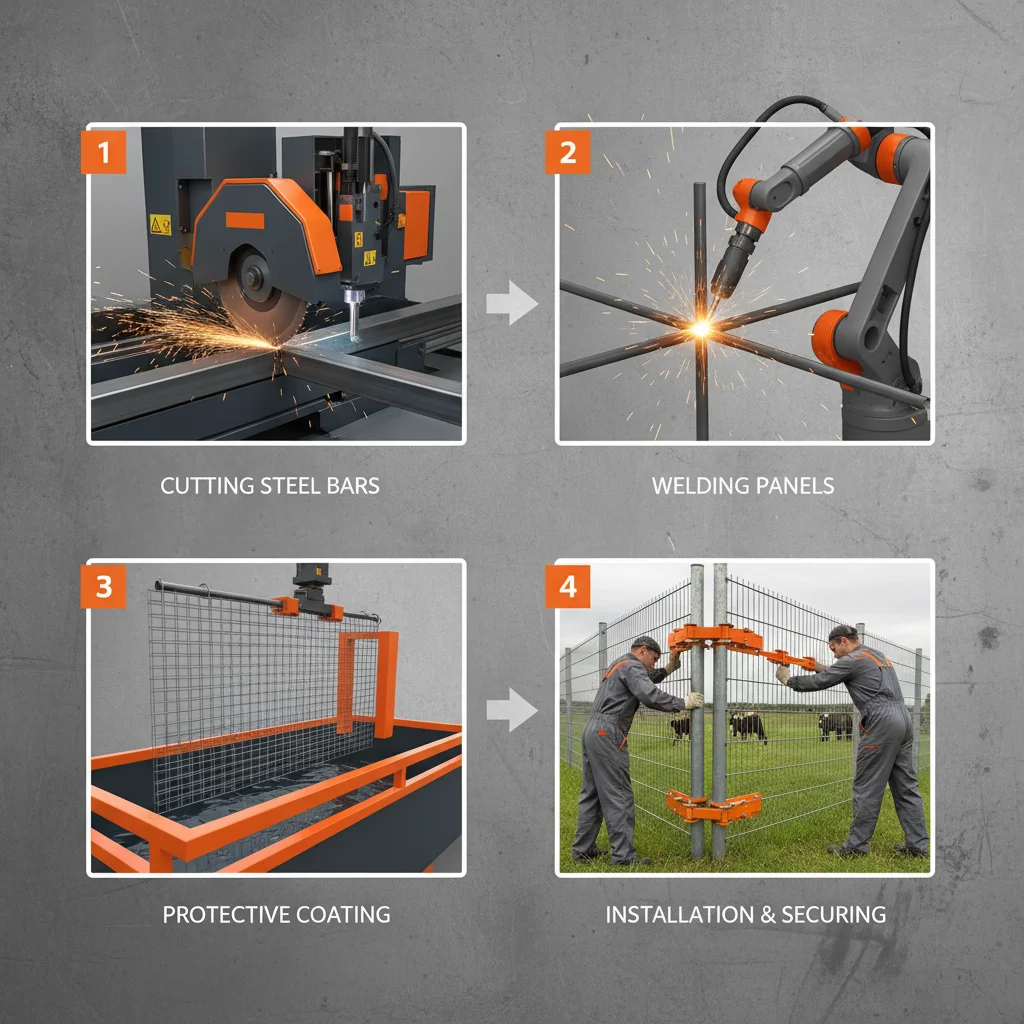
Essential Fencing Panels for Livestock Management and Farm Productivity Fencing panels for livestock are essential components in modern animal husbandry, playing a critical role in efficient farm management, animal welfare, and land utilization. Globally, the demand for robust and reliable fencing solutions is increasing due to the expanding livestock industry and the need to protect grazing lands from encroachment and predation. These panels aren’t simply barriers; they represent a vital investment in a farm's productivity and the health of its animals. Read More >26 Apr, 08
If you are interested in our products, you can choose to leave your information here, and we will be in touch with you shortly.


