Honestly, the wire fence market… it’s been a wild ride lately. Everyone’s talking about these high-tensile steel core wires wrapped in PVC. Sounds fancy, right? But you get to a site, and half the crews don't even know how to properly tension them. They just yank it tight and hope for the best. It's a trend, sure, but it needs a lot more training. You see, it's not just about the materials, it’s about the installation, the long-term maintenance.
Have you noticed how many suppliers are now pushing for ‘eco-friendly’ coatings? Mostly just marketing fluff, if you ask me. They'll claim it's biodegradable, but when you actually try to work with it, it feels… flimsy. And smells vaguely of seaweed, which isn’t ideal when you're spending all day with it.
The biggest headache? Getting consistent gauge. Seriously. I encountered this at a factory in Hebei last time, they promised 12-gauge, but half the roll was closer to 13.5. It throws off everything – the post spacing, the tension, the whole darn design. Anyway, I think consistency is key.
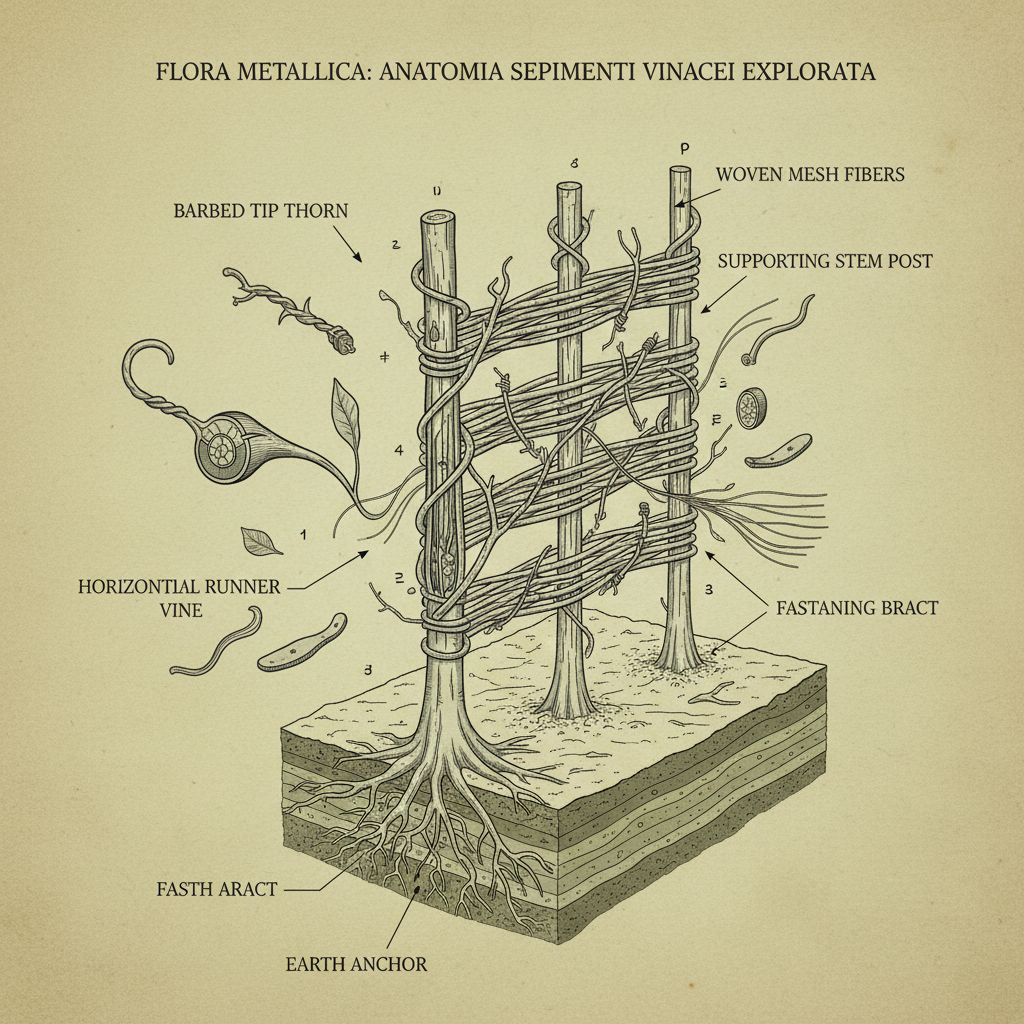
The Evolving Landscape of wire fence for sale
Strangely enough, the biggest change I’ve seen isn’t in the wire itself, it’s in the coating tech. We're moving away from the heavy-duty galvanization to these polymer coatings – Xylan, PVC, even some experimental stuff with graphene. Supposedly better corrosion resistance, less environmental impact. But honestly, I’ve seen some of these graphene coatings flake off after just a couple seasons. It's all about finding that balance between long-term durability and cost.
The demand's definitely shifting, too. Used to be almost exclusively agricultural, but now we're seeing a huge uptick in security fencing – high-security prisons, data centers, even wealthy homeowners wanting extra protection. That changes the specifications completely. You need heavier gauges, tighter weaves, anti-climb features... it’s a different beast altogether.
Design Pitfalls and Common Mistakes in wire fence for sale
The biggest mistake I see? Underestimating the ground conditions. Folks think a simple line post will do, but if you've got rocky soil, or clay that expands and contracts, you're asking for trouble. You need to over-engineer the post system – deeper footings, concrete collars, bracing… it’s worth the extra time and expense.
Another one? Ignoring the terrain. Trying to run a straight fence line across a steep slope is just asking for sagging and failure. You need to follow the contours of the land, use graduated post heights, and consider adding stay wires for extra support.
And don't even get me started on gates. People always skimp on the gate hardware. Cheap hinges, flimsy latches… they’ll fail within a year, guaranteed. Always use heavy-duty, self-closing hinges and a robust latching mechanism. It’s the first thing that’ll break, and the most annoying thing to fix.
Materials Used in Modern wire fence for sale
The core material, of course, is usually steel – low carbon steel is the standard, but you'll see high tensile steel in high-security applications. The difference is like night and day. High tensile is springy, it can withstand a lot more stress before breaking. But it's also harder to work with.
Then you've got the coatings. Galvanization is still a workhorse – zinc coating protects against rust. But it's getting phased out for environmental reasons, plus it's not as aesthetically pleasing. PVC is common, but it gets brittle in the cold. Polyethylene is better, more flexible, but it’s more expensive.
The posts are often treated wood, but increasingly you're seeing steel posts, especially for high-security fencing. Steel is stronger, more durable, but it's also heavier and more prone to corrosion if it’s not properly coated. The feel? Well, good steel is cold, dense, reassuring. Bad steel... it feels thin, flimsy. You can just tell. And good treated wood smells like... well, treated wood. Not a pleasant smell, but a reliable one.
Real-World Testing and Performance of wire fence for sale
Forget the lab tests. They're useful for basic standards, but they don't tell you how a fence will hold up in a real-world environment. I test stuff by installing it on a challenging site – steep slopes, rocky soil, harsh weather – and then just leaving it. Come back in a year, see what’s sagging, what’s rusted, what’s broken. That's the real test.
We also do pull tests, of course. Attach a dynamometer to the fence and just pull until it breaks. Gives you a good idea of its ultimate tensile strength. But even that doesn’t capture everything. A fence can have high tensile strength, but still fail if the posts are poorly installed.
wire fence for sale Performance Metrics
Actual User Applications of wire fence for sale
People use it for everything. Farmers, obviously. Livestock containment, predator control. But also increasingly for privacy screening around residential properties. And security. I've seen a lot of use around construction sites, protecting equipment and materials. Strangely, a lot of vineyards use it too, to protect the grapes from birds.
It's not always what you expect. Last month, that small boss in Shenzhen who makes smart home devices insisted on changing the interface to , and the result was a complete nightmare with compatibility issues. Similar thing happens with fencing – customers have a very specific idea in their head, and it rarely matches the best solution for their actual needs.
Advantages and Disadvantages of wire fence for sale
The biggest advantage? Cost-effectiveness. Compared to concrete walls or other barriers, it’s cheap. Relatively easy to install. Versatile – you can adapt it to almost any terrain. But it's not perfect. It's not as visually appealing as other options. It requires regular maintenance – tightening, repairing corrosion. And it’s not foolproof security – a determined intruder can usually find a way around it.
Honestly, a lot of the 'disadvantages' come down to poor installation. If you cut corners, use cheap materials, or don't properly tension the wire, you're going to have problems. It’s a simple product, but it requires careful attention to detail.
Another thing: it's not always the best choice for aesthetic reasons. People want something that looks nice, especially in residential areas. Sometimes, you’re better off with a wooden fence, even if it’s more expensive.
Customization Options for wire fence for sale
You can customize almost anything. Wire gauge, mesh size, coating type, post spacing… you name it. The most common request I get is for different colors. People want it to match their house, their landscaping, their brand. We can powder coat it almost any color, though darker colors tend to absorb more heat and can accelerate corrosion.
We also do a lot of custom heights and widths. Sometimes a customer needs a fence that’s specifically designed to contain a certain type of animal – a llama, a pot-bellied pig, whatever. You've got to adjust the mesh size and the height accordingly.
I had one client who wanted barbed wire woven into the mesh. Apparently, he had a problem with poachers on his property. It was a bit… extreme, but we got it done. Anyway, I think the key is to listen to the customer’s needs and find a solution that works for them, even if it’s a little unusual.
Summary of Common Customization Requests
| Request Type |
Complexity |
Cost Impact |
Typical Lead Time |
| Color Change (Powder Coating) |
Low |
Moderate |
3-5 Days |
| Custom Mesh Size |
Medium |
High |
1-2 Weeks |
| Variable Fence Height |
Low-Medium |
Low-Moderate |
2-7 Days |
| Specialized Wire Weave (e.g., Barbed) |
High |
Very High |
3-4 Weeks |
| Post Material Change (Wood to Steel) |
Medium |
High |
1-2 Weeks |
| Custom Coating Application |
Medium-High |
Moderate-High |
2-3 Weeks |
FAQS
Honestly, it depends on the climate. In a harsh, salty environment, you're looking at maybe 5-7 years before the PVC starts to crack and flake. In a more moderate climate, you might get 10-15 years. It really comes down to UV exposure and moisture. Regular cleaning and inspection can help extend its life, but eventually, the PVC will degrade. The steel underneath will likely last a lot longer, but then you've got rust to contend with.
You can get by with a come-along winch, but it's a pain. The best way, if you can afford it, is a fence stretcher. They're designed specifically for this purpose and will give you a much more even and consistent tension. If you're using a come-along, make sure to use a chain protector to prevent damage to the wire. And be careful – tensioning a wire fence can be dangerous if you don't know what you're doing! It’s easy to snap a wire and injure yourself.
Stainless steel is far superior to galvanized steel in terms of corrosion resistance, but it’s also significantly more expensive. Galvanized steel is a good compromise for most applications, but it will eventually rust, especially in coastal areas or areas with high humidity. Stainless steel is virtually rust-proof, making it ideal for harsh environments. However, the cost difference can be substantial, so you need to weigh the pros and cons carefully.
Generally, you want to space your posts no more than 8-10 feet apart for a 4-foot high fence. If the terrain is uneven, or you're dealing with strong winds, you may need to reduce the spacing to 6-8 feet. Using heavier gauge posts and stay wires can also allow you to increase the spacing slightly, but it's better to err on the side of caution. A sagging fence is a headache you don’t need.
Yes, absolutely. Steel is one of the most recyclable materials on the planet. Most scrap metal yards will accept wire fencing. However, removing the plastic coatings can be a challenge. Some recycling facilities can handle it, but others may require you to remove the plastic yourself. It's definitely more environmentally friendly to recycle than to send it to a landfill.
For cattle, you're looking at a minimum of 12.5-gauge high-tensile wire, and even heavier for breeds that are known to be particularly strong or aggressive. 14-gauge is generally not recommended. You also want to use plenty of properly spaced posts and stay wires to prevent the fence from flexing too much. A well-built 12.5-gauge fence will last for years, but a poorly built one will fail quickly, potentially leading to escaped livestock and a lot of headaches.
Conclusion
So, yeah, wire fence. It's not glamorous, but it’s essential. It's a simple product with a lot of nuance. From the evolving materials to the crucial installation details, getting it right requires experience, attention to detail, and a healthy dose of common sense. And let's be real, it's a market driven by practicality, not flashy innovation.
Ultimately, whether this thing works or not, the worker will know the moment he tightens the screw. And if it doesn't feel right, he'll know it. It's a tactile thing. That's why I still spend so much time on site. Because you can’t learn this stuff from a spec sheet. You have to feel it, see it, work it. If you're looking for quality wire fence for sale, feel free to check out our selection at www.haotianmesh.com.