
temporary fence panel manufacturers
  • home
  • Top Blog
  • Exploring the Diverse Types of Mesh Wire Fencing for Modern Applications
0%

Table of Contents

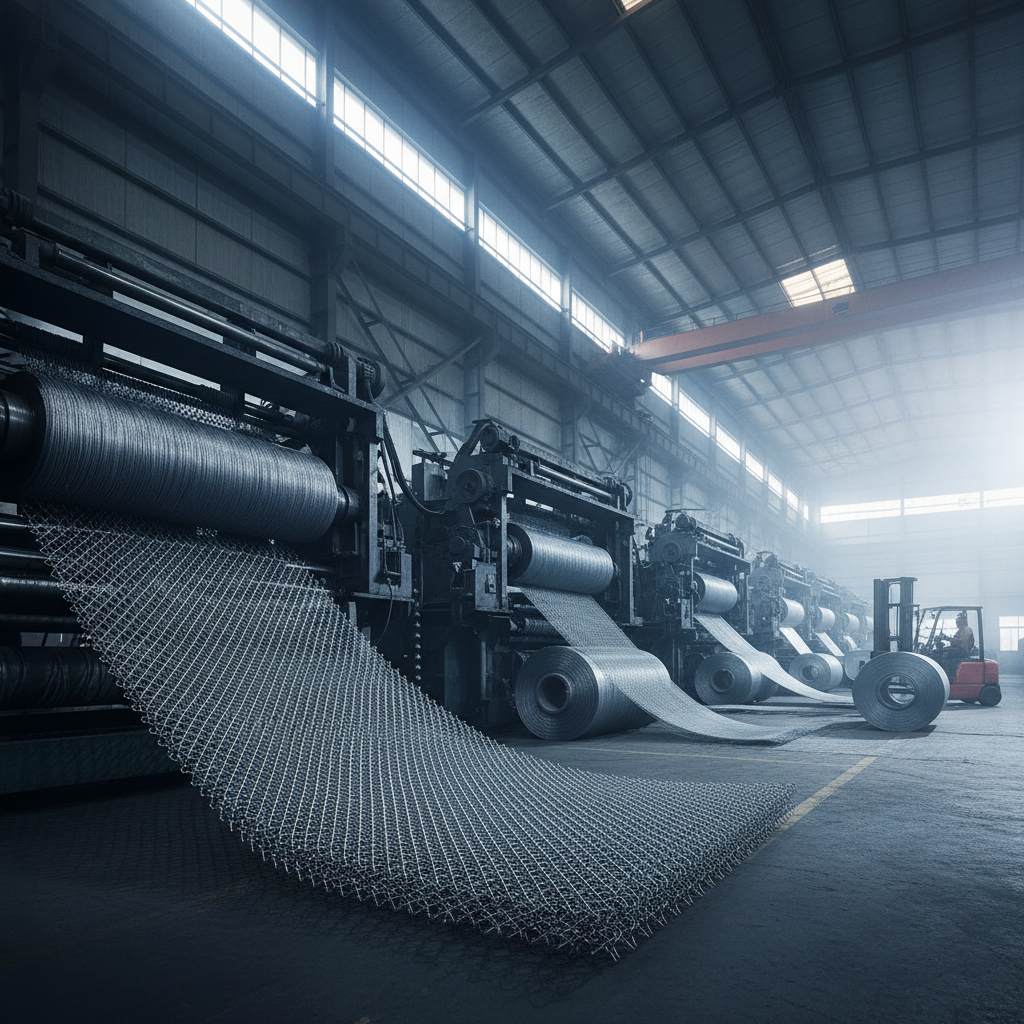
Types of mesh wire fencing represent a crucial element in modern infrastructure, security, and agricultural practices globally. From simple perimeter protection to complex containment solutions, the versatility of mesh fencing makes it a ubiquitous material across diverse landscapes. Understanding the nuances of different types of mesh wire fencing – their materials, weave patterns, and applications – is paramount for effective project planning and long-term durability.

The global market for wire mesh fencing is experiencing sustained growth, driven by increasing demand for security solutions in both developed and developing nations. According to industry reports, the sector is projected to reach billions of dollars in the coming years. This expansion is fueled by concerns surrounding public safety, property protection, and livestock management. The ability to quickly deploy and adapt mesh fencing to varying terrains and security needs significantly contributes to its widespread adoption.

Ultimately, a thorough understanding of the various types of mesh wire fencing allows for optimal resource allocation, improved security measures, and more sustainable and cost-effective solutions across a broad range of industries. Choosing the correct type of fencing is essential for maximizing its lifespan, minimizing maintenance, and ensuring it meets the specific requirements of the application.
types of mesh wire fencing

Key Characteristics of Types of Mesh Wire Fencing
types of mesh wire fencing

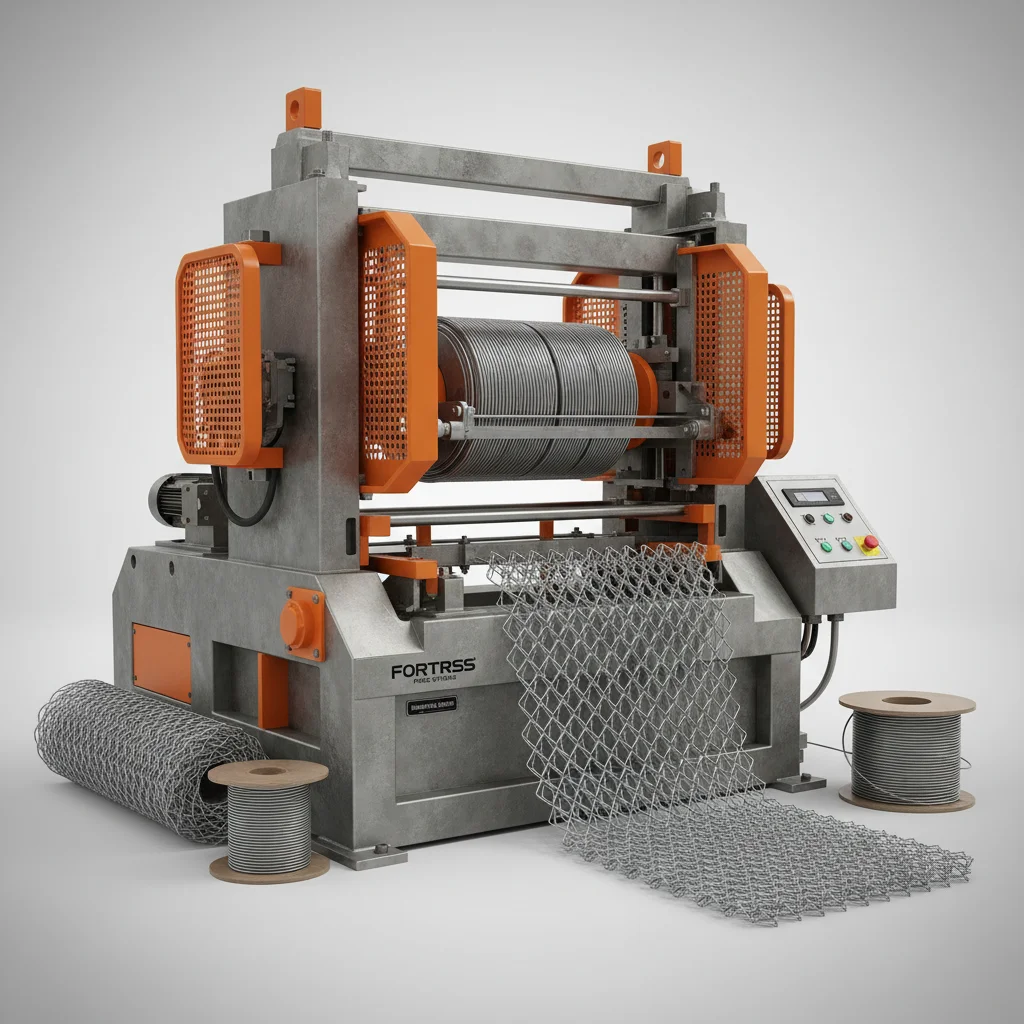
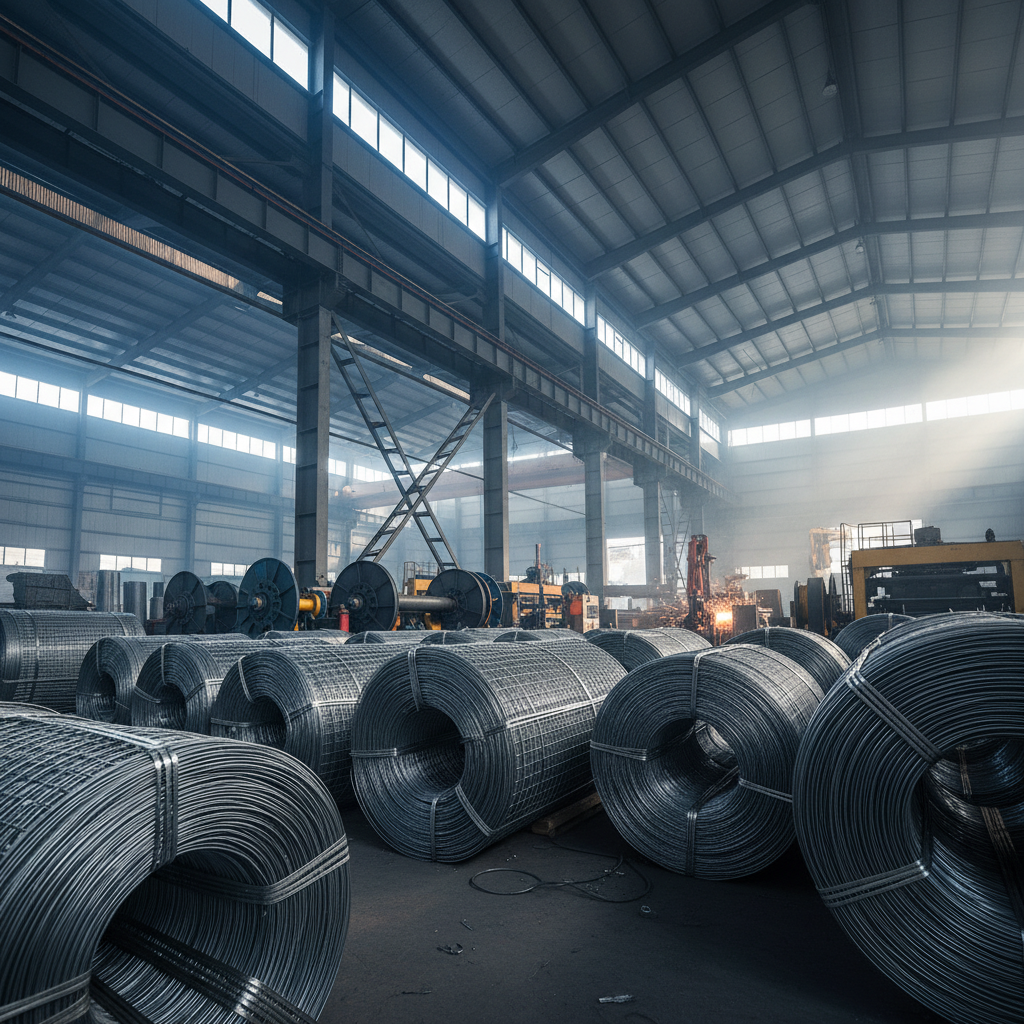
The defining characteristics of types of mesh wire fencing lie in their construction and intended use. Mesh size, wire gauge, and the weaving pattern are crucial factors determining the fencing’s strength, security level, and aesthetic appeal. Different weaves – such as welded wire, woven wire, and chain link – offer unique properties suitable for diverse environments.

Furthermore, the versatility of mesh fencing allows for customization in height, length, and coating options, catering to both practical and aesthetic requirements. From simple agricultural fencing to high-security perimeter barriers, understanding these core characteristics is fundamental to selecting the appropriate type for a given application.

Material Composition and its Impact

The materials used in types of mesh wire fencing significantly impact its performance and longevity. Galvanized steel remains the most common material due to its cost-effectiveness and resistance to corrosion. However, stainless steel is preferred in harsh environments, such as coastal areas, where corrosion is a significant concern. Other materials, including aluminum and PVC-coated wire, offer specific advantages depending on the application.

The choice of material also influences the fencing’s overall strength and security level. Stainless steel and heavier gauge wires provide superior resistance to cutting and tampering, making them ideal for high-security applications. PVC coatings not only enhance corrosion resistance but also offer aesthetic benefits and reduce the risk of injury.

Considering the environmental impact, recycled materials are increasingly being used in the production of mesh wire fencing, promoting sustainability and reducing the overall carbon footprint.

Durability and Longevity Considerations

Assessing the durability and longevity of types of mesh wire fencing is critical for long-term investment value. Factors influencing durability include the quality of materials, the manufacturing process, and the environmental conditions to which the fencing is exposed. Properly installed and maintained fencing can withstand decades of use, minimizing replacement costs and disruptions.

Coating types play a crucial role in extending the lifespan of mesh wire fencing. Galvanization provides a basic level of corrosion resistance, while powder coating and PVC coatings offer superior protection against weathering, UV radiation, and chemical exposure. Regular inspection and maintenance, such as cleaning and repairing damaged areas, are essential for maximizing longevity.

Understanding the specific environmental challenges – such as salt spray, industrial pollutants, or extreme temperatures – is vital for selecting the appropriate type of fencing and coating to ensure long-term performance and reliability.

Cost-Effectiveness Across Applications

Types of mesh wire fencing offer a highly cost-effective solution for a wide range of applications compared to alternative fencing materials like wood, concrete, or wrought iron. The initial investment is typically lower, and the long-term maintenance costs are generally minimal. The cost-effectiveness varies depending on the material, gauge, weave pattern, and height of the fencing.

Cost Comparison of Different types of mesh wire fencing Methods

Global Applications of Mesh Wire Fencing

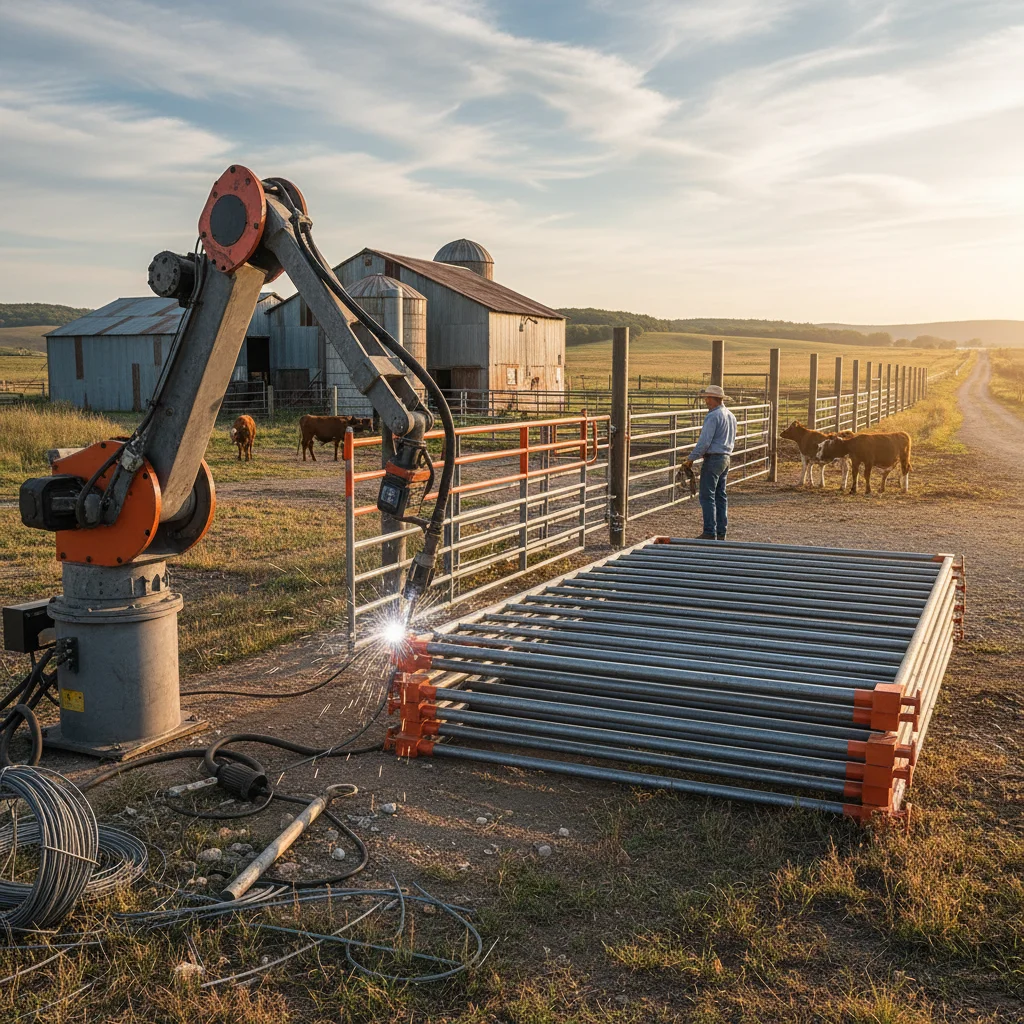
Types of mesh wire fencing find applications across a diverse range of industries and geographical locations. In agriculture, it’s used for livestock containment, crop protection, and creating secure boundaries. In urban environments, it serves as perimeter security for residential properties, commercial buildings, and industrial facilities.

Advantages and Long-Term Value Proposition

The advantages of using types of mesh wire fencing extend beyond initial cost savings. Its inherent strength, durability, and ease of installation contribute to long-term value. The minimal maintenance requirements reduce ongoing operational expenses. Furthermore, the ability to customize fencing to specific security needs enhances its overall effectiveness.

The long-term value proposition is further enhanced by the increasing availability of sustainable materials and environmentally friendly manufacturing processes. Choosing mesh fencing demonstrates a commitment to responsible resource management and reduces the environmental impact of infrastructure projects.

Future Trends and Innovation in Mesh Fencing

The future of types of mesh wire fencing is characterized by ongoing innovation in materials, manufacturing techniques, and smart technologies. Research is focused on developing high-strength, lightweight alloys with enhanced corrosion resistance. The integration of sensors and monitoring systems is enabling the creation of “smart fencing” that provides real-time security alerts and intrusion detection.

The trend towards sustainable materials and eco-friendly manufacturing processes will continue to gain momentum. Recycled content and biodegradable coatings will become increasingly prevalent, reducing the environmental footprint of mesh fencing. Automation in the manufacturing process will further enhance efficiency and reduce production costs.

Overview of Key Performance Indicators for Different Types of Mesh Wire Fencing

Fencing Type Security Rating (1-10) Lifespan (Years) Maintenance Level (1-5)
Chain Link 6 15-20 2
Welded Wire Mesh 7 20-25 1
Woven Wire Mesh 5 10-15 3
Hexagonal Wire Netting 3 5-10 4
Razor Wire 9 25+ 2
PVC Coated Chain Link 6 20-30 1

FAQS

What is the most cost-effective type of mesh wire fencing for large agricultural fields?

For large agricultural fields, woven wire mesh is often the most cost-effective solution. While not offering the highest security, it provides a reliable barrier for livestock containment and crop protection at a lower price point than welded wire or chain link. Consider the specific animals and crop requirements when choosing the mesh size and wire gauge.

How does galvanized steel mesh compare to stainless steel in terms of corrosion resistance?

Galvanized steel offers good corrosion resistance for many applications, but stainless steel provides superior protection, especially in harsh environments like coastal areas or those exposed to industrial chemicals. Stainless steel is more expensive, but its longer lifespan and reduced maintenance needs can make it a more economical choice in the long run.

What is the best type of mesh fencing for high-security perimeter protection?

For high-security applications, a combination of welded wire mesh with small apertures and razor wire is often the most effective solution. Welded wire provides a strong base barrier, while razor wire adds a significant deterrent. Properly installed and maintained, this system can provide a robust and reliable security perimeter.

How can I extend the lifespan of my mesh wire fencing?

Regular maintenance is key to extending the lifespan of your mesh wire fencing. This includes cleaning the fence to remove dirt and debris, repairing any damaged areas promptly, and applying a protective coating as needed. Inspect the fence regularly for signs of corrosion or wear and tear.

Are there eco-friendly options for mesh wire fencing?

Yes, there are increasingly eco-friendly options available. Look for fencing made with recycled materials or coated with biodegradable materials. Choosing suppliers committed to sustainable manufacturing practices can also reduce the environmental impact of your fencing project.

What factors should I consider when choosing the mesh size for livestock fencing?

The mesh size should be appropriate for the size and type of livestock you are containing. Smaller mesh sizes are needed for smaller animals like sheep or goats, while larger mesh sizes can be used for cattle or horses. Consider the animal’s ability to squeeze through or get their heads stuck in the mesh when making your selection.

Conclusion

In conclusion, the diverse world of types of mesh wire fencing offers solutions for a wide spectrum of needs, from agricultural containment and residential security to industrial perimeter protection and specialized applications. Understanding the nuances of material composition, weave patterns, and durability factors is paramount for making informed decisions that maximize value and longevity.

Looking ahead, innovation in materials and smart technologies promises to further enhance the performance and sustainability of mesh fencing, creating even more effective and environmentally responsible solutions. For high-quality types of mesh wire fencing and expert guidance, visit our website: www.haotianmesh.com.

Robert Johnson

Robert Johnson

Robert Johnson serves as the Technical Support Specialist for Anping Haotian in the United States. Robert’s background in metal fabrication and engineering provides a strong foundation for assisting customers with custom design requests and technical specifications. He has a proven ability to translate customer needs into precise CAD drawings and offers design and construct service support for large scale project. Robert is certified in welding inspection and understands the nuances of galvanizing and powder coating processes, ensuring product durability and longevity. He's dedicated to problem-solving and providing timely, accurate support to clients.
Previous Comprehensive Guide to Wholesale Welded Wire Fencing Solutions and Applications
Next Comprehensive Guide to Chain Link Fencing for Sale and Secure Solutions

If you are interested in our products, you can choose to leave your information here, and we will be in touch with you shortly.