


Beyond Barbed Wire: The Smart Choice for Equine Safety
Let's be honest, when it comes to keeping our horses safe and secure, a sturdy fence isn't just a suggestion; it's an absolute necessity. But not all fences are created equal, especially in the demanding world of equestrian management. Today, I want to chat a bit about horse fence panels – a topic I've seen countless discussions about at shows, clinics, and frankly, even over coffee with fellow horse owners.
It seems like everyone is looking for that perfect blend of durability, safety, and ease of use, whether they're setting up a temporary paddock, creating a round pen, or even just sectioning off part of a larger pasture. And I guess that's where these panels really shine. The trend, frankly, is moving away from permanent, high-maintenance fencing towards more flexible, robust, and safer panel solutions. Why? Well, for one, portability. Plus, they’re designed with equine behaviour in mind, minimizing injury risks from getting tangled or cut.
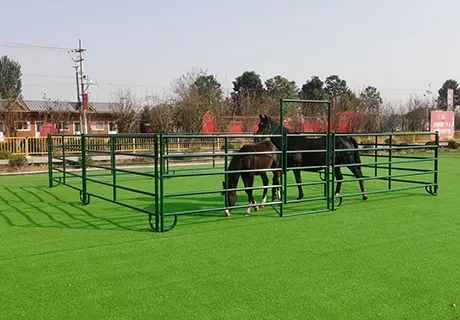
What Makes a Good Horse Panel? Diving Into the Specs
When we talk about horse fence panels, we're not just talking about any old metal barrier. There's a science to it. The materials, the construction – it all matters. Most quality panels, like those you find for horse panels for sale, are made from galvanized steel, which means they've been treated to resist rust and corrosion. Some manufacturers also offer powder-coated options, adding an extra layer of protection and often a splash of color, which, let's face it, can be nice!
The pipes themselves come in various styles: round, oval, and even square tubes. Each has its devotees. Round pipes (typically 32mm O.D. or 40mm O.D.) are often the more economic choice, especially when galvanized or powder-coated. Oval pipes (like 30x60mm, 30x50mm, or even larger 60x30mm, 80x40mm) are generally considered stronger due to their wider surface area, which can distribute impact better. Square tubes, I've found, tend to sit in that middle-grade sweet spot, offering good strength without necessarily being the most expensive option.
Typical Panel Specifications
Feature | Details |
Popular Sizes (H x L) | 1.5m x 2.1m, 1.7m x 2.3m, 1.8m x 2.1m (real-world use may vary slightly) |
Pipe Styles | Round Pipe, Oval Pipe, Square Tube |
Pipe Specifications | ≈ 32mm O.D., 40mm O.D. (Round); ≈ 30x60mm, 30x50mm, 60x30mm, 80x40mm (Oval/Square) |
Treatment Options | Hot-dip Galvanized, Powder-coating |
Customization | Most reputable vendors accept customized designs |
Service Life | Typically 10-20 years, depending on environment & maintenance |
Choosing Your Supplier: A Quick Comparison
Okay, so you know what you're looking for. Now, how do you pick a vendor? This is where it gets tricky, as there are so many options for horse panels for sale out there. I've often heard stories – good and bad – about different suppliers. It's not just about the cheapest price; it's about the quality of the welds, the consistency of the galvanization, and frankly, the customer service.
Vendor Comparison Considerations
Aspect | Budget-Friendly Vendor (e.g., "Vendor A") | Mid-Range Vendor (e.g., "Vendor B" / Haotian) | Premium Vendor (e.g., "Vendor C") |
Price Point | Lower | Competitive, good value | Higher |
Material Quality | Standard galvanized steel, sometimes thinner gauge | Quality galvanized & powder-coated options, varied pipe specs | High-grade steel, often heavier gauge, premium coatings |
Customization | Limited to standard sizes | Accepts customized designs & dimensions | Extensive customization, bespoke solutions |
Certifications/Testing | Basic manufacturing standards | ISO, internal quality checks, customer feedback driven improvements | Often third-party certified, rigorous impact testing |
Customer Feedback | Mixed, sometimes concerns about longevity | Generally positive, good balance of cost & performance | Very positive, focus on long-term satisfaction |
I've learned that looking at samples, or at least detailed product photos and specifications, is crucial. Ask about the welding process – clean, strong welds are a tell-tale sign of quality. Some manufacturers, like Haotian, actually offer different grades, from economic galvanized round pipe options to the robust oval pipe panels, and even square tube versions if you're looking for that middle-ground strength. It's all about matching the panel to your specific needs and budget, really.
Beyond the Purchase: Longevity and Maintenance
Once you've got your horse panels, the good news is they're relatively low maintenance. A quick inspection now and then to check for any dings, loose connectors, or rust spots is usually enough. For galvanized panels, minor scratches can be touched up with cold galvanizing paint to extend their life. With proper care, a good set of panels can easily last you a decade or two, possibly even more, depending on your climate and how much abuse your horses dish out!
In summary, investing in high-quality horse fence panels is a smart move for any horse owner. They offer flexibility, safety, and durability that traditional fencing often can't match. Do your homework, compare options, and don't be afraid to ask vendors detailed questions about their materials and manufacturing processes. Your horses, and your peace of mind, will thank you for it.
References
1. ASTM International. (n.d.). ASTM A123/A123M - 17 Standard Specification for Zinc (Hot-Dip Galvanized) Coatings on Iron and Steel Products. Retrieved from www.astm.org
2. American Quarter Horse Association. (n.d.). Safe Fencing for Horses. Retrieved from www.aqha.com
3. Personal communications with various fence manufacturers and equine facility managers.
-
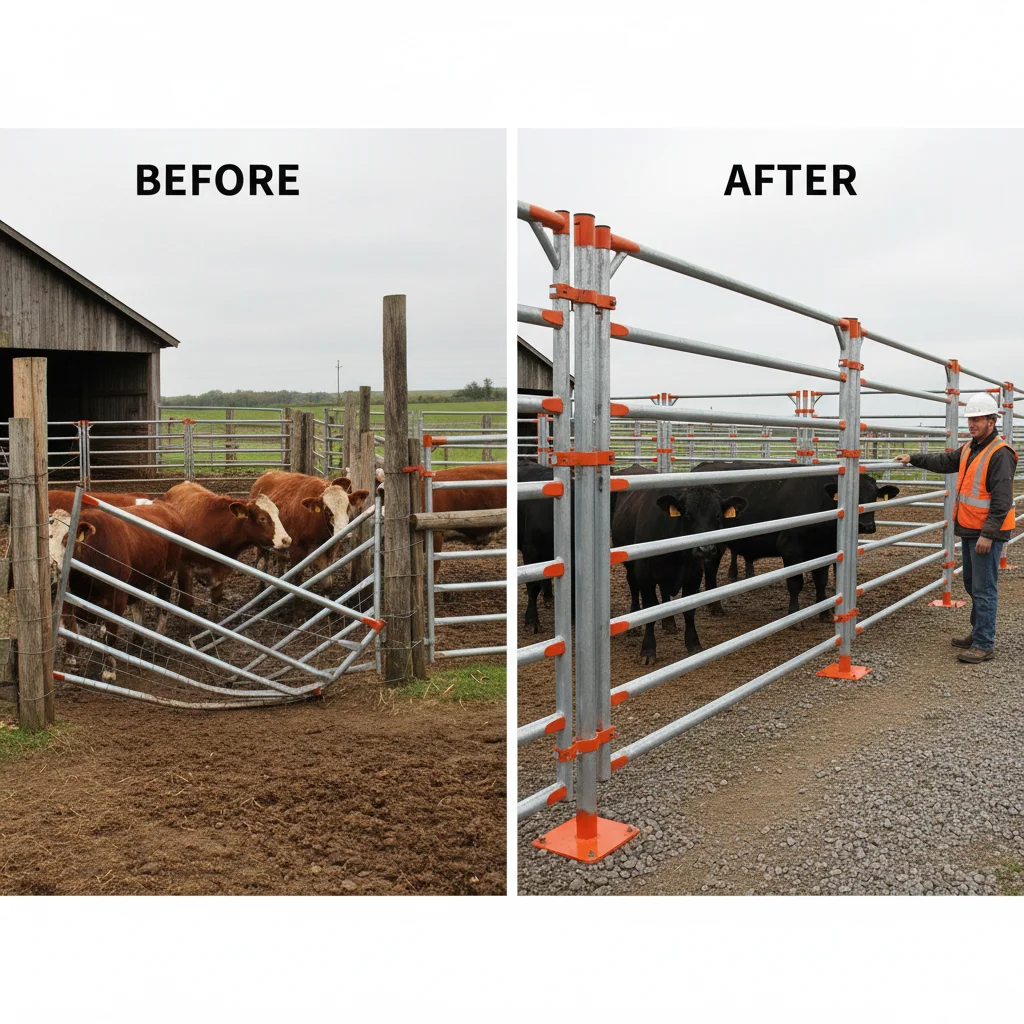
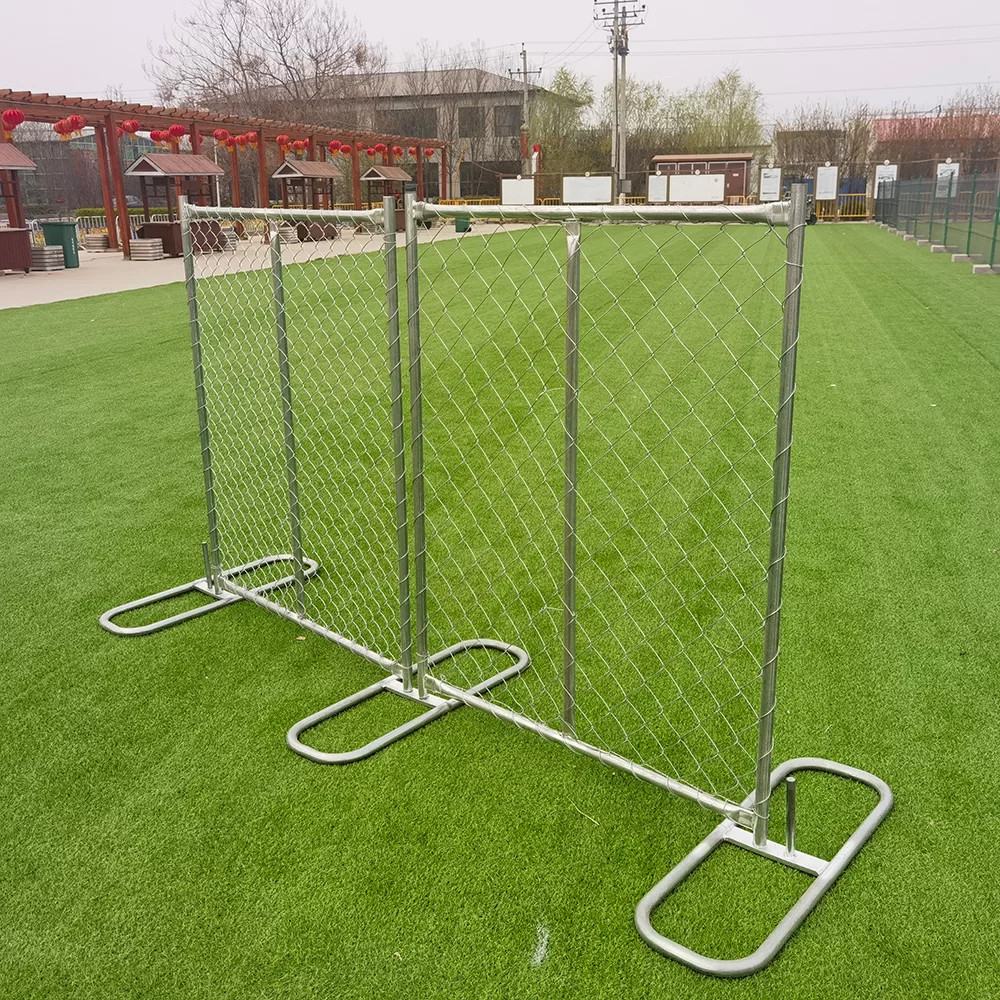
Durable Freestanding Livestock Panels for Efficient Animal Handling In the demanding world of agricultural management, the need for flexible and robust containment solutions has never been more critical. freestanding livestock panels offer a sophisticated answer to the challenges of animal handling, providing a secure yet adaptable barrier that does not require permanent installation or deep grounding. By allowing farmers and ranchers to redefine their spatial layouts in minutes, these panels maximize the efficiency of existing infrastructure while ensuring the safety of both the handlers and the livestock. Read More >26 Apr, 17
-
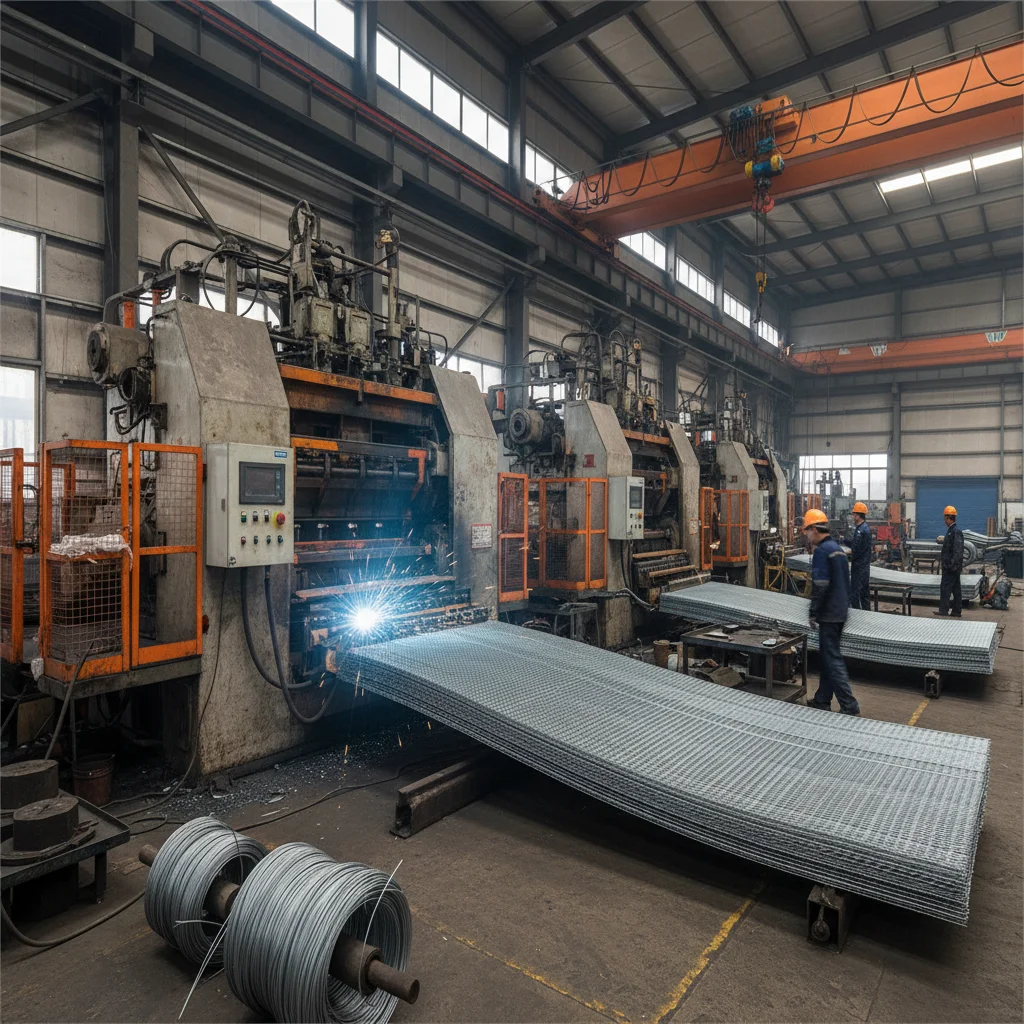
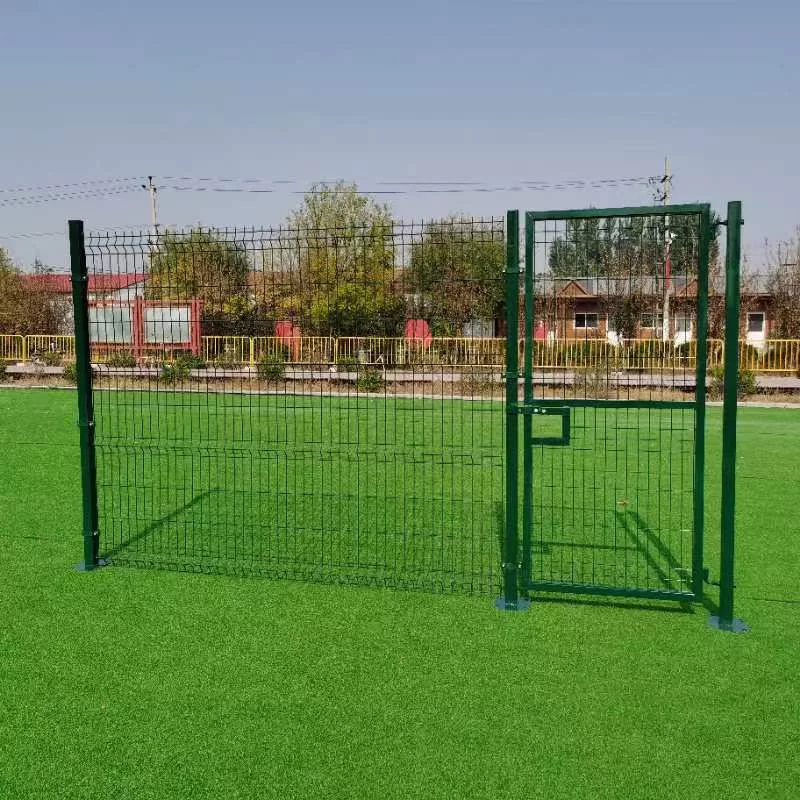
Professional Galvanized Welded Mesh Factory for Industrial Projects Finding a reliable galvanized welded mesh factory is critical for ensuring the structural integrity and longevity of your industrial or agricultural installations. Galvanized welded mesh is prized for its exceptional strength and resistance to corrosion, making it the go-to choice for fencing, animal cages, and construction reinforcement. However, not all factories adhere to the same quality standards. Whether you are sourcing for a large-scale infrastructure project or a specialized commercial application, understanding the manufacturing process and quality benchmarks is key to making a cost-effective investment that lasts for decades. Read More >26 Apr, 16
-
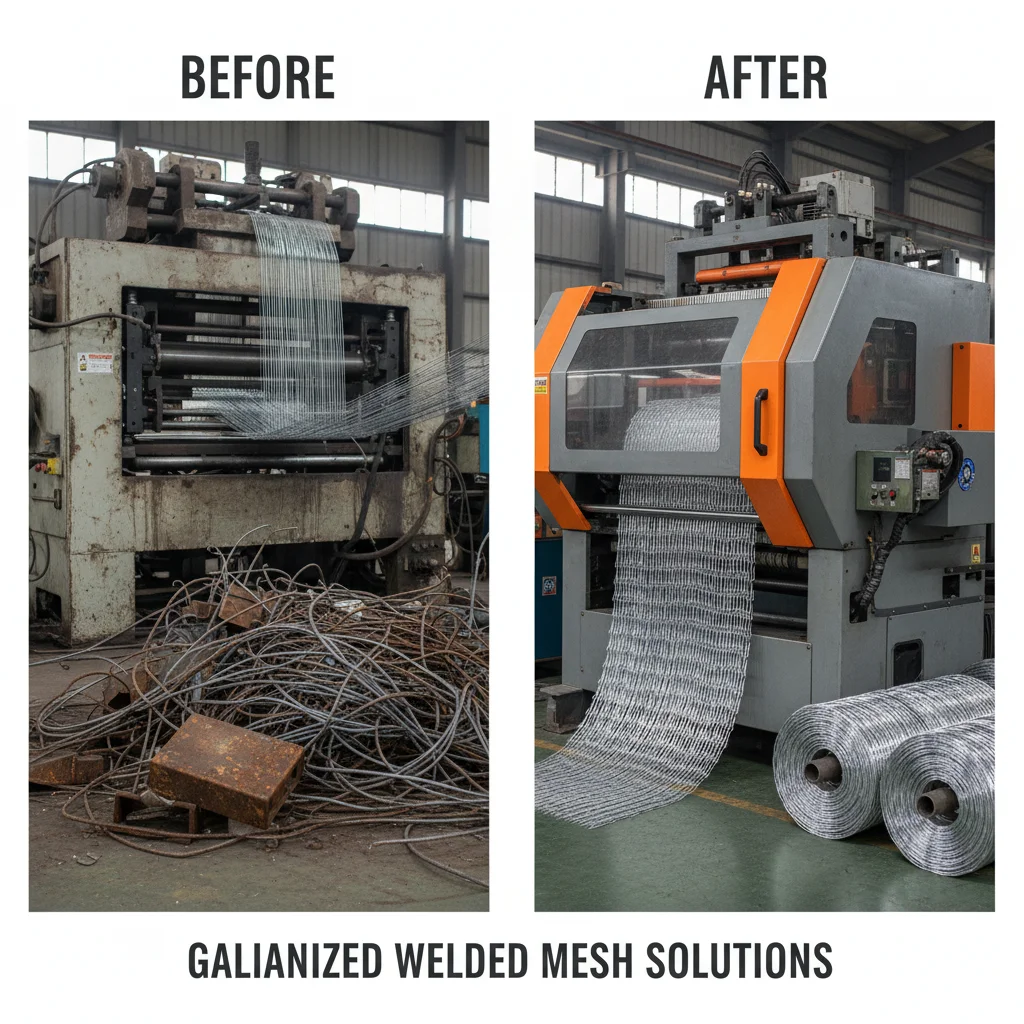
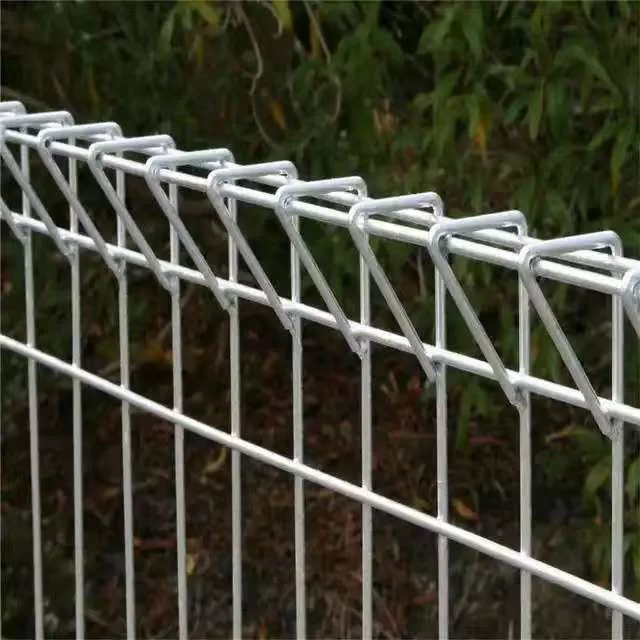
Professional Galvanized Welded Mesh Exporter for Quality Projects Selecting a high-quality fencing or screening solution requires more than just picking a product; it requires partnering with a reliable galvanized welded mesh exporter who understands the balance between structural integrity and corrosion resistance. Whether you are securing an industrial perimeter, building animal enclosures, or implementing architectural reinforcements, the quality of the galvanization process determines the lifespan of your installation. In this guide, we will explore the technical advantages of galvanized welded mesh and how to identify a global supplier that meets international quality standards to ensure your investment stands the test of time. Read More >26 Apr, 09
-
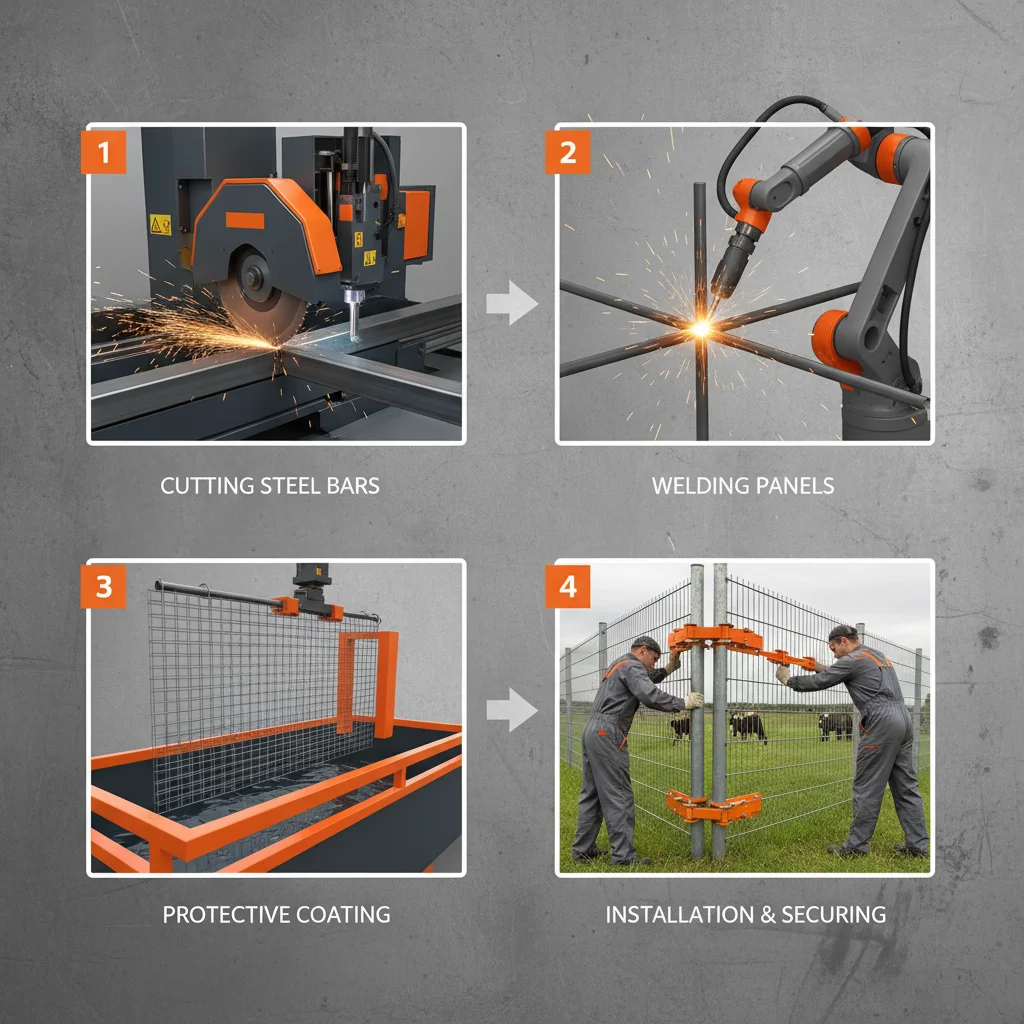
Essential Fencing Panels for Livestock Management and Farm Productivity Fencing panels for livestock are essential components in modern animal husbandry, playing a critical role in efficient farm management, animal welfare, and land utilization. Globally, the demand for robust and reliable fencing solutions is increasing due to the expanding livestock industry and the need to protect grazing lands from encroachment and predation. These panels aren’t simply barriers; they represent a vital investment in a farm's productivity and the health of its animals. Read More >26 Apr, 08
If you are interested in our products, you can choose to leave your information here, and we will be in touch with you shortly.


