


The Crucial Role of Canada Temporary Fence
In Canada’s dynamic landscape, from bustling urban construction sites to sprawling event venues and vital infrastructure projects, the demand for adaptable, robust, and reliable temporary fencing solutions is paramount. A well-designed Canada temporary fence system is not merely a barrier; it is a critical component of site management, public safety, and asset protection. Consider the sheer volume: annually, Canada initiates over 200,000 new construction projects, each necessitating secure perimeters, and hosts thousands of events, from community festivals to major sporting championships, all requiring effective crowd control and security. This pervasive need underscores the significance of temporary fencing as an indispensable tool for project managers, event organizers, and property owners alike. The initial investment in quality temporary fencing can reduce site incidents by up to 40%, significantly impacting project timelines and liability. This article delves into the technical advantages, market considerations, customization potential, and practical applications of these essential systems, emphasizing how a thoughtful approach to temporary fencing can deliver substantial operational benefits and peace of mind across various sectors nationwide.
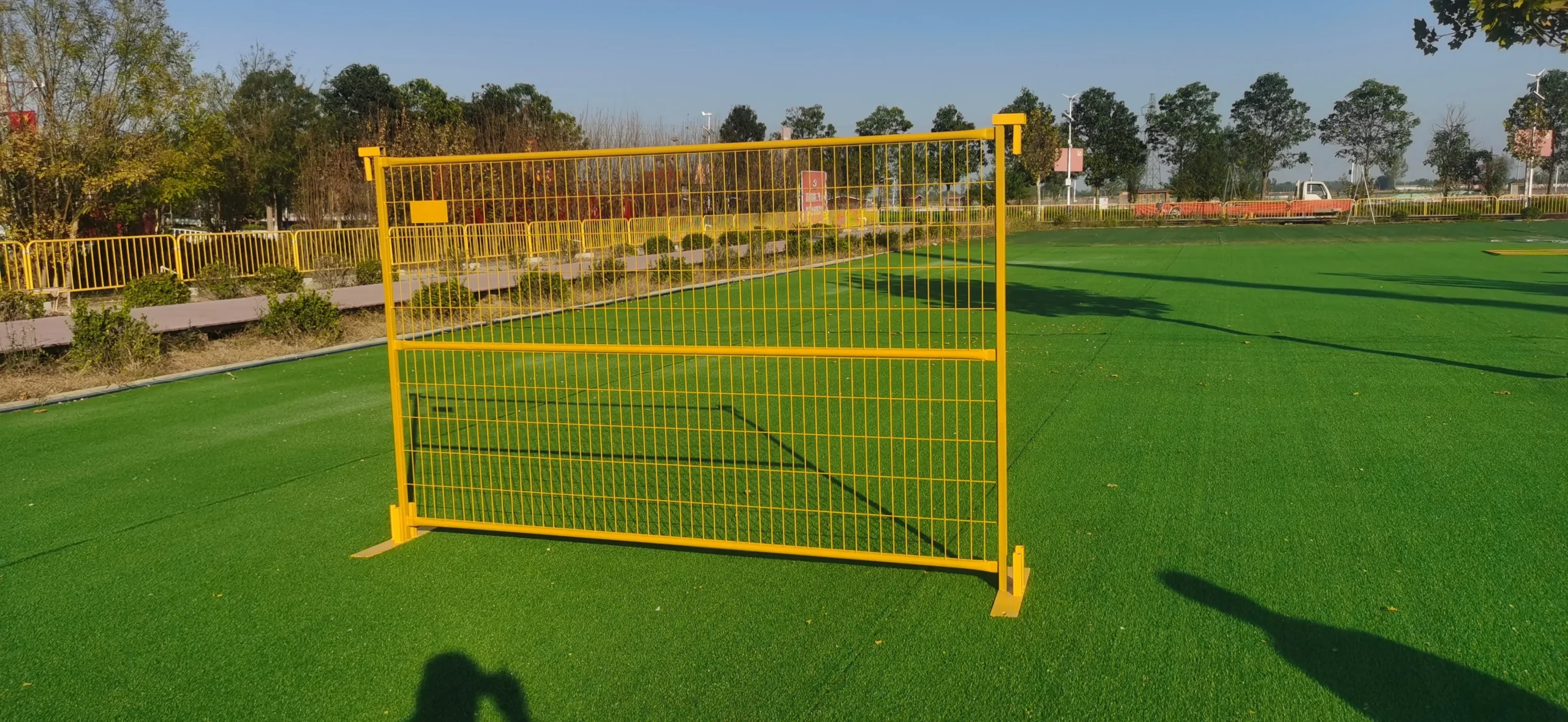
Understanding the Core Need: Security, Safety, and Agile Site Management
The fundamental requirements driving the deployment of temporary fencing are multifaceted, extending beyond simple demarcation. At its core, temporary fencing serves as a primary line of defense against unauthorized access, safeguarding valuable equipment and materials from theft or vandalism. On construction sites, where millions of dollars in assets are often present, a secure perimeter can deter casual opportunists and provide a crucial buffer for more sophisticated security measures. Beyond asset protection, these fences are vital for public safety, preventing accidental incursions into hazardous areas, whether it's an active excavation site, a demolition zone, or a restricted event space. The physical barrier guides pedestrian traffic, controls crowd flow, and establishes clear boundaries that communicate potential risks. Furthermore, in the context of agile site management, temporary fencing offers unparalleled flexibility. It can be rapidly deployed, reconfigured, and removed, adapting to evolving project phases, shifting event layouts, or emergency response scenarios. This adaptability is particularly crucial in Canada's diverse climatic conditions, where outdoor projects often face unpredictable weather patterns and stringent regulatory compliance standards. Non-compliance with safety regulations can lead to hefty fines, project delays, and even legal action, making the strategic deployment of temporary fencing an essential component of risk mitigation and adherence to industry best practices.
Technical Superiority: Engineering Robustness for Diverse Canadian Environments
The effectiveness of a temporary fence hinges on its engineering integrity, particularly when confronting Canada's varied and often harsh environmental conditions. Modern temporary fencing systems are designed with a keen focus on durability, stability, and ease of installation. High-quality panels are typically constructed from galvanized steel, offering exceptional resistance to corrosion, a critical factor given Canada's wet climates and winter conditions. The galvanization process, often hot-dip, creates a robust zinc coating that can extend the fence's lifespan by decades, significantly reducing maintenance and replacement costs. Mesh infill, commonly chain-link or welded wire, is chosen for its strength-to-weight ratio and anti-climb properties. Welded wire mesh, for instance, provides a smaller aperture, making it more difficult to gain handholds or foothold. The stability of these systems is further enhanced by innovative base designs, such as weighted concrete blocks or durable plastic feet, which provide a wide, stable footprint. These bases are often designed to interlock, forming a continuous, rigid line. Wind load resistance is a paramount consideration, especially in open areas or during seasonal gusts. Advanced clamping systems and bracing options, including stay-rods and support brackets, are engineered to withstand significant wind forces, preventing panels from toppling and creating safety hazards. For instance, a well-engineered fence system with proper bracing can typically withstand wind speeds exceeding 80 km/h, a critical specification for ensuring uninterrupted safety. The integration of robust hinges for gates, secure locking mechanisms, and optional privacy screens or barbed wire extensions further enhances their technical prowess, making them capable of meeting rigorous security demands across the nation.
Navigating the Market: A Comparative Analysis of Temporary Fencing Manufacturers
The market for temporary fencing in Canada is diverse, with several manufacturers offering solutions that vary in material quality, design, and cost-effectiveness. Understanding these differences is crucial for selecting a system that perfectly aligns with project requirements and budget constraints. While specific brands offer proprietary features, a general comparison of key attributes can illuminate the technical advantages and value propositions. For instance, some manufacturers prioritize lightweight portability for frequent reconfigurations, while others focus on heavy-duty construction for long-term, high-security applications. The choice between welded wire mesh versus chain-link, or the type of galvanization (pre-galvanized vs. hot-dip galvanized), significantly impacts durability and price point. Beyond the panels themselves, the design of the fence feet, the locking mechanisms, and available accessories like gates, privacy screens, and bracing systems, all contribute to the overall utility and safety of the system. Investing in a system that offers superior wind resistance, for example, might have a higher initial cost but can prevent costly damage and safety incidents in the long run. The following table illustrates a generalized comparison across hypothetical manufacturers, highlighting common differentiators.
Manufacturer Comparison: Key Differentiators
Feature | Manufacturer A (Standard Grade) | Manufacturer B (Mid-Tier Robust) | Manufacturer C (Premium Heavy-Duty) |
Panel Material | Pre-galvanized steel | Hot-dip galvanized steel | Hot-dip galvanized high-tensile steel |
Mesh Type | Lightweight Chain-link (11.5 gauge) | Standard Welded Wire (10 gauge) | Heavy-Duty Welded Wire (8 gauge) |
Panel Frame Diameter | 1.25" O.D. | 1.375" O.D. | 1.625" O.D. |
Base Weight/Type | Light plastic feet (18 lbs) | Standard concrete blocks (60 lbs) | Heavy-duty concrete blocks (80 lbs+) |
Wind Resistance (with bracing) | Up to 60 km/h | Up to 85 km/h | Up to 110 km/h+ |
Locking Mechanism | Standard clamps | Heavy-duty galvanized clamps | Anti-tamper security clamps |
Typical Lifespan | 5-10 years | 15-20 years | 25+ years |
Price Point (Relative) | $ | $$ | $$$ |
Lead Time (Standard orders) | 1-2 weeks | 2-3 weeks | 3-5 weeks (custom) |
This comparison highlights that while a lower initial cost might be appealing, investing in higher-grade materials and robust engineering often translates into greater longevity, reduced safety risks, and ultimately, a better return on investment over the lifecycle of the project or asset. The decision should balance immediate needs with long-term value and the specific demands of the operational environment.
Tailored Solutions: Crafting Custom Canada Temporary Fence Systems
While standard temporary fencing panels meet many general requirements, the unique challenges of specific projects often necessitate customized solutions. A truly professional temporary fencing provider understands that "one size fits all" rarely applies, especially in complex Canadian environments. Customization options extend far beyond simply choosing panel dimensions. Height and width modifications are common, allowing fences to seamlessly integrate with existing structures or to create elevated security barriers. For instance, a standard 6-foot fence might be insufficient for a high-value storage area, requiring an 8-foot or even taller system. Gate solutions are another critical area for customization, ranging from simple pedestrian gates to robust double-swing vehicle gates for heavy machinery access, often incorporating advanced locking mechanisms or access control integration. Imagine a construction site requiring specific entry points for different trades, or an event venue with VIP and general admission access – custom gates are essential for efficient flow. Furthermore, visual elements like custom colors for branding or increased visibility, privacy screens for sensitive operations, or the incorporation of company logos can transform a functional barrier into a professional extension of a brand. For example, a major event might use color-coded fences to delineate zones, or a construction company might brand its perimeter fencing for corporate identity and professional appearance. Technical enhancements such as barbed wire extensions for enhanced security, heavy-duty anti-lift brackets, or ground-level toe boards to prevent material creep, are also routinely integrated. The customization process typically begins with a detailed site assessment and consultation, where experts collaborate with clients to understand specific security risks, access requirements, regulatory compliance, and aesthetic considerations, ensuring the final design is perfectly aligned with operational goals and safety standards.
Real-World Deployment: Diverse Applications and Illustrative Case Studies
The versatility of temporary fencing makes it indispensable across a spectrum of industries and applications in Canada. Its ability to adapt to varying terrains and operational demands has led to its widespread adoption, with a demonstrable impact on safety and efficiency. Consider urban development projects where tight city footprints necessitate precise boundary demarcation. A multi-story condominium build in downtown Toronto, for example, utilized modular temporary fencing with integrated privacy screens, not only to secure the site but also to mitigate visual impact on adjacent businesses and pedestrian traffic, meeting stringent municipal bylaws. This integration reduced public complaints by an estimated 30%. In contrast, large-scale infrastructure projects, such as a pipeline expansion across rural Alberta, require extensive runs of heavy-duty temporary fencing to secure equipment laydown areas and restrict access to active work zones, often spanning kilometers. Here, easy installation and robust wind resistance were paramount, with specialized bracing systems preventing fence breaches during high prairie winds, saving the project an estimated 10-15% in potential repair and re-securing costs. Event management is another prime example. Major music festivals in British Columbia deploy intricate temporary fencing configurations to manage attendee flow, delineate VIP areas, and create secure perimeters for emergency services. The quick setup and dismantling capabilities of these systems are critical, allowing for rapid transformation of open spaces into controlled environments and back again within tight schedules. During natural disaster responses, such as flood-affected areas in Quebec, temporary fencing has been deployed rapidly to establish safety perimeters around damaged properties, preventing looting and ensuring public protection from immediate hazards. These diverse applications underscore the fundamental utility and adaptability of temporary fencing as a practical, effective, and often essential solution for a wide range of Canadian operational needs.
Investing in Reliability: The Lasting Value of Canada Temporary Fence
Choosing the right Canada temporary fence solution is more than a transactional decision; it's a strategic investment in safety, security, and operational efficiency. The initial outlay for a high-quality system, while potentially higher than cheaper alternatives, yields substantial long-term benefits that far outweigh the upfront cost. Durability, as evidenced by superior material choices and robust engineering, translates into a longer service life, reducing the frequency of replacements and associated labor costs. This not only offers economic advantages but also contributes to environmental sustainability by minimizing waste. Furthermore, the reliability of a well-engineered temporary fence significantly mitigates risks. By effectively preventing unauthorized access and ensuring public safety, it reduces the likelihood of accidents, theft, and vandalism, which can lead to costly legal disputes, insurance claims, and project delays. Consider the potential legal ramifications and reputational damage from a single security breach or an avoidable accident on a site. The peace of mind derived from knowing that a site or event is adequately secured is invaluable. Ultimately, a premium temporary fencing system, customized to precise requirements and backed by expert consultation and support, provides a foundational layer of protection that ensures compliance, safeguards assets, and promotes a safer environment for everyone involved. It represents a commitment to best practices and a shrewd decision for any project manager, event organizer, or property owner operating within the Canadian landscape.
Frequently Asked Questions about Canada Temporary Fence
Q1: What are the primary types of temporary fencing available in Canada?
A1: The primary types include chain-link temporary fence and welded wire mesh temporary fence. Chain-link is often more economical and flexible, while welded wire mesh offers enhanced rigidity and anti-climb properties, with smaller apertures making it harder to penetrate.
Q2: What regulations should I be aware of when installing temporary fencing in Canada?
A2: Regulations vary by municipality and province, but typically involve local bylaws regarding fence height, setbacks from public property, and permits for installation on public land. Provincial occupational health and safety (OHS) acts also dictate requirements for construction site safety and public protection.
Q3: How do Canadian weather conditions affect temporary fence durability and stability?
A3: Canadian weather, including heavy snow, ice, and strong winds, can significantly impact temporary fences. High-quality hot-dip galvanized steel is crucial for corrosion resistance. Robust bases, proper bracing, and securing panels with heavy-duty clamps are essential to maintain stability against wind loads and snow accumulation.
Q4: Is it better to rent or purchase temporary fencing for my project in Canada?
A4: The decision depends on project duration, frequency of use, and budget. Renting is often more cost-effective for short-term projects (e.g., events, short construction phases) as it eliminates storage, maintenance, and capital outlay. Purchasing is usually more economical for long-term projects, frequent use, or if specific customization is required.
Q5: Can temporary fences be customized for specific security or aesthetic needs?
A5: Absolutely. Customization options include varying panel heights, custom gate solutions (pedestrian, vehicular, sliding), incorporating privacy screens or wind screens, adding barbed wire extensions for enhanced security, branding with company logos, and even custom color coatings for aesthetic or identification purposes.
Q6: What are the key considerations for ensuring temporary fence stability and safety?
A6: Key considerations include using robust bases (e.g., heavy concrete blocks or interlocking plastic feet), securely attaching panels with high-quality clamps, adding bracing or stay-rods in high-wind areas, ensuring proper gate installation with secure latches, and regularly inspecting the fence for damage or instability, especially after severe weather.
Q7: Are there specific installation requirements for temporary fencing on uneven terrain in Canada?
A7: Yes, uneven terrain requires careful planning. Solutions include using adjustable bases, step-down panel installation (where panels are set at different heights to follow the contour of the land), and additional bracing or ground anchors to ensure stability. Some manufacturers offer specialized bases or panel designs for challenging topographies.
-

How to Buy Horse Panels for Different Farm Layouts To buy horse panels with a suitable balance of layout flexibility, protection, and budget, start with the enclosure size and livestock pressure, then choose the pipe profile and finish. Our horse panels use industrial-grade steel, come in several standard sizes, and can be customized for stable, paddock, and temporary enclosure projects. Read More >26 Nov, 17
-

Temporary Fence Panel Manufacturers: Round Pipe or Square Tube? Round pipe and square tube temporary fence panels share welded mesh construction, but their openings, frame sizes, panel dimensions, and base arrangements suit different site layouts. This comparison helps you match the fence format to perimeter planning, visibility, handling, and installation work before requesting a quotation. Read More >26 Nov, 11
-

How to Choose a Heavy Duty Steel Pipe Sheep Panel Manufacturer for Farm Pens A practical guide to selecting Heavy Duty Sheep Panels by pen type, height, rail count, pipe profile, connection method, gate mounting, and animal-safety details. The product suits permanent, semi-permanent, and portable sheep containment layouts. Read More >26 Nov, 02
-

Horse Panel FAQ: Specifications, Customization, Ordering and Support Questions This FAQ answers the most common buyer questions about horse panels from Anping Haotian Hardware Wire Mesh Products Co., Ltd. — covering available sizes, pipe styles, finish options, customization process, and after-sales support. Whether you are sourcing livestock fencing panels for a stable, paddock, or temporary enclosure, the answers below draw directly from our published product documentation. Read More >26 Oct, 29
If you are interested in our products, you can choose to leave your information here, and we will be in touch with you shortly.


