The global demand for secure, scalable, and rapid perimeter solutions has led to a significant rise in the reliance on professional temporary fence panel manufacturers. These specialized producers provide the essential infrastructure required to secure construction sites, manage crowd control at large-scale events, and protect industrial assets during transition periods. By leveraging advanced metallurgy and welding techniques, they ensure that temporary barriers are not only functional but also resilient against environmental stressors.
From an industry perspective, the quality of a temporary fencing system depends heavily on the raw materials and surface treatments used during production. High-quality galvanized welded mesh, characterized by its flat surface and solid structure, has become the gold standard for these applications. The ability to customize opening sizes and wire gauges allows projects to balance transparency with security, ensuring that site safety protocols are met without compromising operational efficiency.
When selecting the right partner, it is crucial to work with experienced temporary fence panel manufacturers who understand the intersection of structural integrity and ease of deployment. Whether the application is for livestock management, concrete reinforcement, or high-security perimeter control, the choice of material—ranging from mild steel to stainless steel—determines the long-term viability and cost-effectiveness of the installation.

The Role of Material Science in Temporary Fencing
The structural integrity of any temporary barrier begins with the selection of the base metal. Professional manufacturers typically utilize mild steel wire for standard commercial applications due to its balance of strength and weldability, while stainless steel wire is reserved for high-corrosion environments or food-grade agricultural settings. This foundation ensures that the panels can withstand lateral pressure and mechanical impact without permanent deformation.
By employing a solid structure and a flat surface design, these materials allow for seamless interlocking and stable installation. The precision in wire gauge selection—ranging from BWG 12 for heavy-duty needs to BWG 24 for lighter applications—enables a tailored approach to security. This scientific approach to material selection is what separates premium temporary fence panel manufacturers from generic suppliers.
Understanding Surface Treatments for Durability
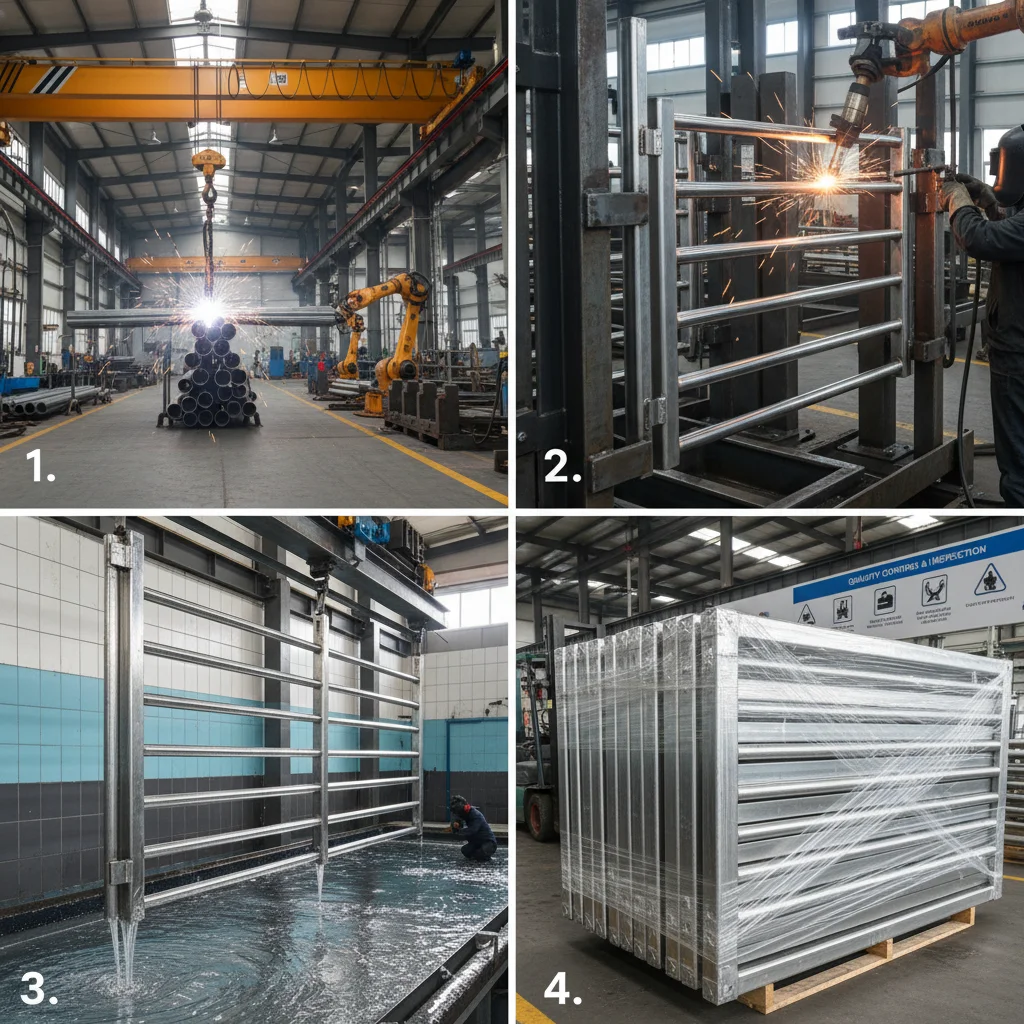
Surface treatment is the primary defense against oxidation and environmental degradation. For galvanized welded mesh, hot-dip galvanizing after welding is often preferred because it provides a thick, uniform layer of zinc that protects the weld points—the most vulnerable areas of the panel. This process ensures that the fence remains rust-free even when exposed to rain, humidity, and salt air.
Alternatively, electrogalvanizing offers a smoother, more aesthetically pleasing finish and is available both before and after the welding process. For projects requiring specific branding or high visibility, spraying after welding provides a versatile option, allowing for various colors that can denote different security zones or satisfy local municipal codes for construction site aesthetics.
The choice of treatment directly impacts the lifecycle of the product. While electrogalvanizing is suitable for short-term indoor or dry-climate use, hot-dip galvanizing is the industry standard for outdoor temporary installations. Experts in the field emphasize that matching the surface treatment to the specific environmental exposure is critical for reducing replacement costs.
Technical Specifications of Welded Mesh Panels
Precision is paramount when analyzing the technical data provided by temporary fence panel manufacturers. The "opening" or mesh size determines the level of permeability and security; for instance, a 1/4" x 1/4" mesh is ideal for small animal containment or fine filtration, whereas a 4" x 4" opening is more appropriate for heavy-duty site hoarding.
Integrating a wide array of BWG (Birmingham Wire Gauge) options allows for flexibility in strength. A panel utilizing BWG 12 wire is significantly more rigid than one utilizing BWG 22, making it suitable for high-traffic areas where the risk of physical impact is greater. This granularity in specification ensures that the product meets exact engineering requirements.
Furthermore, the application of black mesh panels for concrete reinforcement demonstrates the versatility of these products. By using specialized coatings, the mesh provides essential tensile strength to concrete structures, bridging the gap between temporary site security and permanent structural engineering.
Comparative Analysis of Manufacturing Methods
Different production methodologies yield varying results in terms of panel rigidity and longevity. Traditional welding focuses on speed, but precision-engineered systems focus on the consistency of the weld point. When comparing methods, factors such as weld penetration and wire alignment are the primary KPIs used to evaluate the quality of a manufacturer's output.
For most commercial projects, the balance between cost-efficiency and strength is achieved through optimized automated welding lines. These systems ensure that every intersection is fused securely, preventing the "popping" of wires under stress, which is a common failure point in lower-quality temporary fencing.
Efficiency Ratings of Temporary Fence Panel Manufacturing Methods
Global Applications Across Diverse Industries
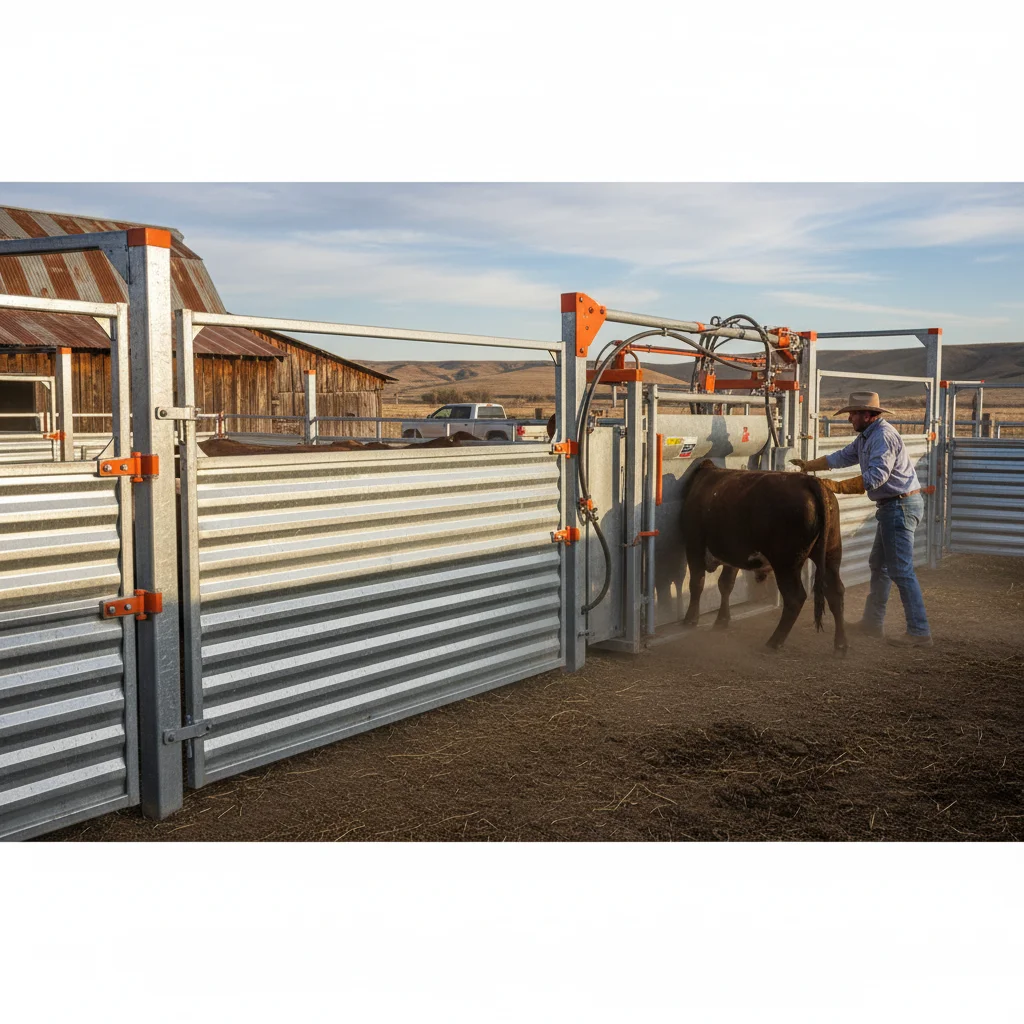
The versatility of galvanized welded mesh makes it indispensable across multiple sectors. In the construction industry, these panels are used as site hoardings to prevent unauthorized access and ensure the safety of pedestrians. In agriculture, specifically livestock paneling, the varying mesh sizes are used to create secure enclosures for animals, preventing escape while allowing for ventilation and visibility.
Beyond these, the food industry utilizes stainless steel welded mesh for partitions and shelving due to its hygienic properties and resistance to caustic cleaning agents. In civil engineering, the use of black mesh for concrete reinforcement provides a critical additive that prevents cracking and increases the load-bearing capacity of temporary road slabs and foundations.
Long-Term Value and Sustainability
Investing in high-quality products from reputable manufacturers provides significant long-term economic value. While the initial cost of hot-dip galvanized panels may be higher than electro-galvanized options, the extended lifespan reduces the frequency of replacements and the associated labor costs of re-installation.
Sustainability is also a key factor in modern procurement. Steel is one of the most recycled materials on the planet. By choosing durable, long-lasting panels, companies reduce the amount of waste sent to landfills. Furthermore, the ability to reuse temporary panels across multiple project sites maximizes the return on investment.
From a safety perspective, the reliability of a solid structure prevents accidents and liability claims. A panel that does not warp or break under pressure provides peace of mind to project managers and a safer environment for workers, effectively turning a simple fence into a critical risk-management tool.
Future Innovations in Perimeter Security
The industry is currently seeing a shift toward "smart" fencing solutions. Integration of sensors and IoT devices into the mesh structure allows for real-time intrusion detection, transforming passive barriers into active security systems. Future iterations may include lightweight high-tensile alloys that offer the strength of steel with a fraction of the weight for easier transport.
Additionally, advancements in eco-friendly coatings are replacing traditional solvent-based sprays with water-based, low-VOC alternatives. This ensures that the manufacturing process is more sustainable and that the finished panels are safer for use in environmentally sensitive areas, such as nature reserves or urban green zones.
Automation in the welding process is also reaching new heights, with AI-driven quality control systems capable of detecting microscopic weld defects in real-time. This ensures that every panel leaving the factory meets the strictest global safety standards.
Comparative Specification Analysis for Welded Mesh Applications
|
Application Type
|
Recommended Mesh Opening
|
Ideal Wire Gauge (BWG)
|
Surface Treatment
|
| Construction Site |
2" x 2" to 4" x 4" |
12, 13, 14 |
Hot-Dip Galvanized |
| Livestock Panel |
1" x 1" to 2" x 3" |
14, 15, 16 |
Galvanized/Sprayed |
| Concrete Reinforcement |
1/2" x 1/2" to 1" x 1" |
16, 17, 18 |
Black Coating |
| Food Industry Partition |
1/4" x 1/4" to 1/2" x 1/2" |
20, 22, 24 |
Stainless Steel |
| Crowd Control |
2" x 2" |
14, 16 |
Electro-Galvanized |
| Garden/Agricultural |
1/2" x 1/2" |
18, 19, 20 |
Hot-Dip Galvanized |
FAQS
Hot-dip galvanizing involves immersing the welded mesh into molten zinc, creating a thick, durable layer that is highly resistant to rust and weather. Electro-galvanizing uses an electrical current to apply a thinner zinc layer, providing a smoother finish and better aesthetics, but with less long-term corrosion resistance. For outdoor, high-exposure sites, hot-dip is the recommended choice by most manufacturers.
Yes, professional manufacturers offer a wide range of opening sizes. For smaller livestock or poultry, smaller openings like 1/4" or 1/2" are ideal to prevent escape. For larger livestock, sizes such as 2" x 2" or 4" x 4" are typically used. You can specify the exact metric or imperial dimensions required for your specific containment needs.
For high-security applications where rigidity and impact resistance are critical, lower BWG numbers (which indicate thicker wire) should be selected. BWG 12, 13, and 14 are typically used for heavy-duty temporary fencing. For lighter, decorative, or temporary partitions, BWG 18 to 24 is sufficient.
Black mesh panels are specifically designed for concrete reinforcement to provide structural support and prevent cracking. While they are highly effective, you must ensure the wire gauge matches the engineering specifications of the concrete slab. Always consult with a structural engineer to determine the correct mesh density and thickness for your project.
While galvanized panels are largely maintenance-free, periodically checking for deep scratches or mechanical damage to the zinc layer is recommended. If the coating is breached, applying a cold-galvanizing spray or zinc-rich paint to the affected area can prevent rust from spreading, ensuring the panel lasts for multiple project cycles.
Stainless steel is highly recommended for environments with extreme salinity (coastal areas) or in the food and pharmaceutical industries where hygiene is mandatory. While the initial cost is higher, its immunity to rust and resistance to chemical cleaners make it the most cost-effective choice for specialized, high-corrosion environments.
Conclusion
In summary, the selection of the right temporary fencing system depends on a deep understanding of material science, surface treatments, and precise technical specifications. By partnering with experienced temporary fence panel manufacturers, businesses can ensure they receive products that balance strength, durability, and cost-effectiveness. From the heavy-duty requirements of construction sites to the hygienic needs of the food industry, the versatility of galvanized welded mesh provides a reliable solution for any perimeter challenge.
Looking forward, the integration of smart technology and sustainable manufacturing will continue to redefine how we approach site security and containment. Investing in high-quality, recyclable steel panels not only protects assets and people today but also contributes to a more sustainable industrial future. For those seeking professional-grade fencing solutions tailored to specific project needs, visiting a trusted supplier is the first step toward operational excellence. Visit our website: www.haotianmesh.com