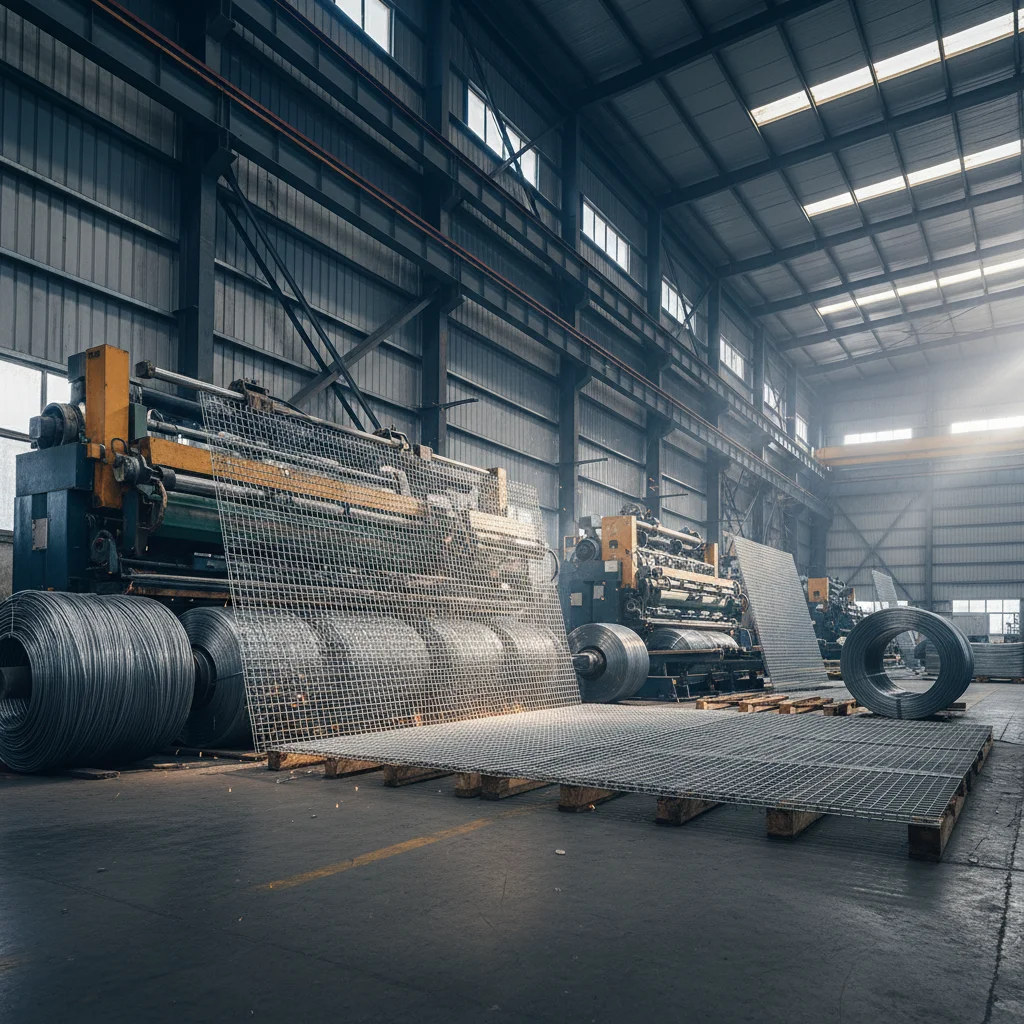
Galvanized steel cattle panels are essential components in modern livestock management, offering a durable and cost-effective solution for containing and protecting animals. Their widespread use stems from the increasing demand for efficient and safe animal husbandry practices globally, driven by factors like population growth and evolving consumer preferences for quality meat and dairy products. Understanding their construction, applications, and advantages is critical for ranchers, farmers, and agricultural professionals alike.
The global market for livestock fencing, including galvanized steel cattle panels, is experiencing significant growth, fueled by the expansion of agricultural industries in emerging economies. According to recent reports, the demand for durable and reliable fencing solutions is projected to increase by approximately 5-7% annually over the next decade. This growth underscores the importance of materials like galvanized steel that provide longevity and minimal maintenance. The challenges of maintaining animal welfare and preventing livestock loss further drive the need for high-quality fencing.
These panels aren’t simply metal structures; they represent a vital investment in farm infrastructure, contributing to increased productivity, reduced animal stress, and overall operational efficiency. galvanized steel cattle panels are a fundamental aspect of sustainable agriculture, allowing for responsible land management and ethical animal care.
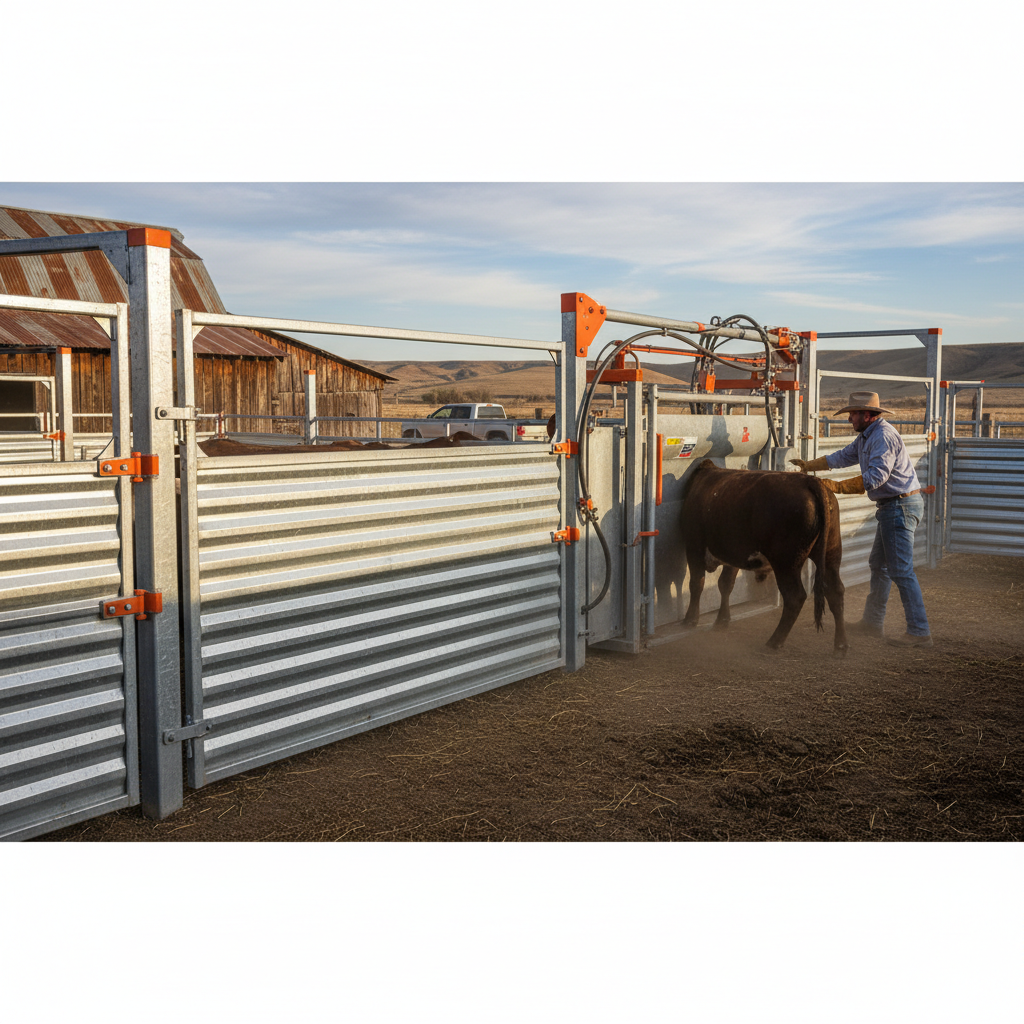
Introduction to Galvanized Steel Cattle Panels
Galvanized steel cattle panels represent a significant advancement in livestock containment, offering a robust and long-lasting alternative to traditional wood or woven wire fencing. Their construction, typically involving welded steel rails protected by a zinc coating, ensures resistance to corrosion and provides a safe and secure environment for animals. galvanized steel cattle panels have become a standard in modern ranching and farming operations worldwide.
The increasing prevalence of intensive livestock farming and the need for efficient handling of large herds have driven the demand for robust and easily manageable fencing solutions. These panels provide a secure perimeter, preventing escapes and protecting animals from predators, while also facilitating efficient movement and segregation of livestock.
Defining Galvanized Steel Cattle Panels
Galvanized steel cattle panels are prefabricated sections of fencing constructed from welded steel rails and a protective zinc coating. The zinc coating, applied through a process called galvanization, protects the underlying steel from rust and corrosion, significantly extending the lifespan of the panels. They come in various sizes and configurations, commonly featuring vertical rails spaced to prevent animals from squeezing through.
These panels are distinct from other fencing options due to their combination of strength, durability, and ease of installation. Unlike wood, they don't require regular painting or replacement. Compared to traditional woven wire, they offer superior structural integrity and resistance to damage from animals. They’re a cornerstone of modern agricultural infrastructure.
The connection to modern industry and humanitarian needs lies in their ability to provide reliable and long-lasting containment, supporting sustainable agricultural practices and ensuring animal welfare – both critical components of global food security and responsible resource management.
Key Factors and Core Components
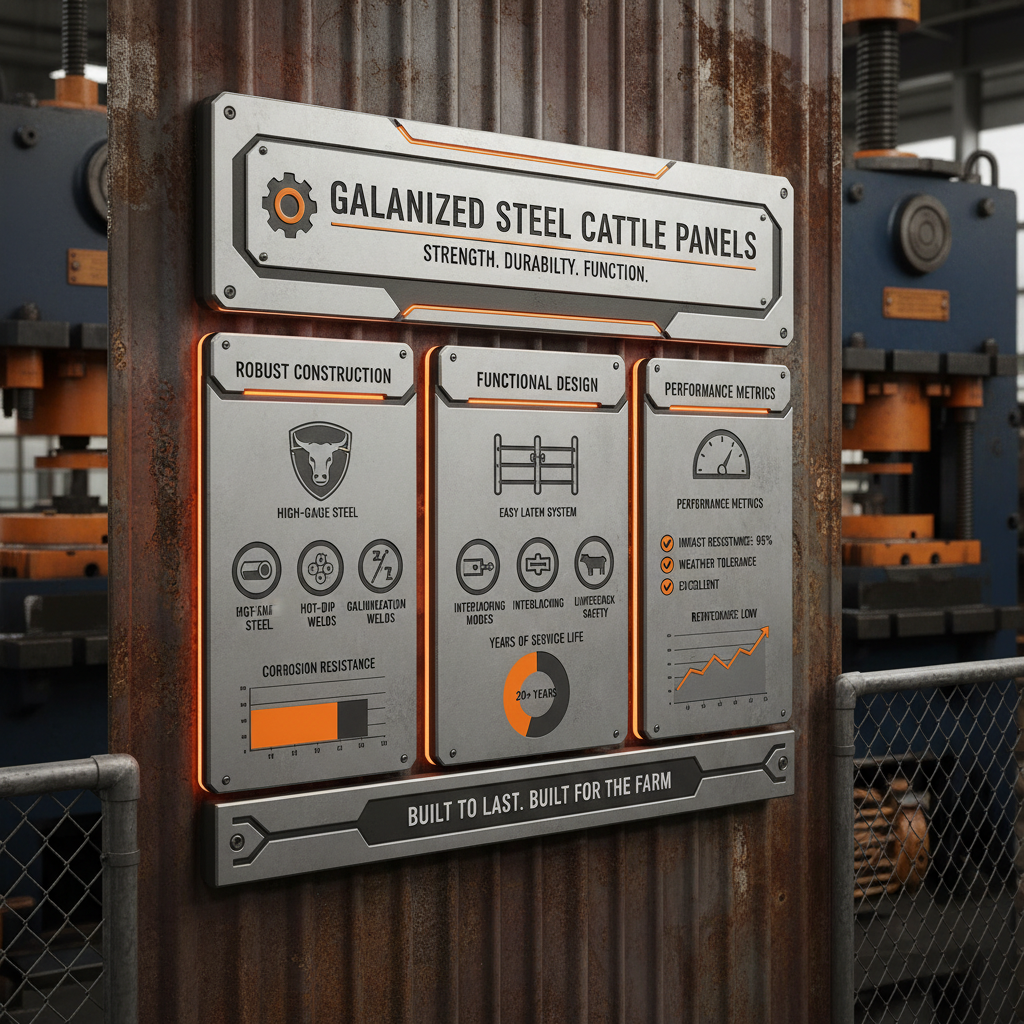
Several key factors contribute to the effectiveness and value of galvanized steel cattle panels. These include durability, stemming from the inherent strength of steel and the corrosion resistance provided by galvanization. The panels are built to withstand the rigors of livestock impact and adverse weather conditions, minimizing the need for repairs or replacements.
Scalability is another crucial aspect. Panels are easily joined together to create fencing of any length, accommodating diverse farm layouts and livestock needs. This modularity simplifies installation and allows for future expansion or reconfiguration. Furthermore, ease of installation – often requiring minimal tools and labor – significantly reduces project costs.
Cost-efficiency, both in initial investment and long-term maintenance, makes galvanized steel cattle panels a financially sound choice. While the upfront cost may be higher than some alternatives, the reduced need for repairs and replacements over time results in significant savings. Finally, the safety of both animals and handlers is paramount; the smooth, welded construction minimizes the risk of injuries.
Global Applications and Use Cases
Galvanized steel cattle panels are widely used across a diverse range of agricultural settings globally. In North America, they are a staple on cattle ranches and feedlots, providing secure containment for beef and dairy herds. Australia and New Zealand similarly rely heavily on these panels for sheep and cattle farming, particularly in expansive grazing lands.
In developing nations, these panels are becoming increasingly popular due to their durability and relatively low maintenance requirements, making them ideal for areas with limited resources. They are also employed in livestock auctions, show grounds, and quarantine facilities, offering a secure and professional environment.
For example, in post-disaster relief operations following hurricanes or floods, these panels can quickly be deployed to create temporary livestock enclosures, preventing animals from wandering and ensuring their safety. In remote industrial zones, they provide secure perimeters for livestock operations, safeguarding both the animals and the surrounding environment.
Performance Metrics of Different Galvanized Steel Cattle Panel Designs
Advantages and Long-Term Value
The advantages of using galvanized steel cattle panels extend beyond mere containment. The inherent durability significantly reduces lifecycle costs, as replacements are far less frequent compared to wood or less robust materials. This cost saving translates directly into increased profitability for livestock operations.
From a sustainability standpoint, the longevity of these panels minimizes waste and reduces the environmental impact associated with frequent replacements. The steel is also recyclable at the end of its lifespan, further contributing to a circular economy. The emotional benefit lies in the peace of mind knowing your livestock are safely and securely contained, reducing stress and potential losses.
Future Trends and Innovations
Several emerging trends are poised to impact the galvanized steel cattle panel industry. Advancements in galvanization techniques, such as improved zinc alloy coatings, are further enhancing corrosion resistance and extending panel lifespan. Integration with smart farming technologies, such as sensors embedded within the panels to monitor animal behavior, is also gaining traction.
The development of more sustainable manufacturing processes, utilizing recycled steel and reducing energy consumption, is becoming increasingly important. Furthermore, the exploration of alternative coating materials to zinc, offering even greater environmental benefits, is an area of ongoing research.
Challenges and Solutions
One common challenge is the potential for panel damage from extreme weather events, such as high winds or heavy snow loads. Solutions include using heavier gauge steel, increasing the number of vertical rails, and properly anchoring the panels to the ground. Another concern is the cost of initial investment, which can be higher than some alternatives.
To address this, exploring financing options and emphasizing the long-term cost savings associated with durability and reduced maintenance can be effective. Furthermore, optimizing panel design to reduce material usage without compromising strength can help lower production costs. Proper installation techniques are also crucial to maximizing the lifespan and effectiveness of the panels.
Finally, the fluctuating cost of steel is a concern. Sourcing materials from multiple suppliers and exploring long-term contracts can help mitigate price volatility.
Summary of Challenges and Potential Solutions for Galvanized Steel Cattle Panel Implementation
| Challenge |
Impact on Operations |
Potential Solution |
Implementation Cost (1-10) |
| Extreme Weather Damage |
Livestock Escapes, Repair Costs |
Heavy-Gauge Steel, Secure Anchoring |
6 |
| High Initial Investment |
Budget Constraints |
Financing Options, Long-Term Cost Analysis |
4 |
| Steel Price Volatility |
Increased Production Costs |
Multiple Suppliers, Long-Term Contracts |
7 |
| Corrosion in Harsh Environments |
Reduced Panel Lifespan |
Improved Galvanization Techniques, Coating Alternatives |
5 |
| Improper Installation |
Reduced Stability, Potential for Failure |
Professional Installation, Clear Guidelines |
3 |
| Limited Design Customization |
Difficulty Adapting to Unique Farm Layouts |
Explore Modular Design Options, Partner with Manufacturers |
2 |
FAQS
The lifespan of galvanized steel cattle panels generally ranges from 20 to 30 years, and even longer with proper maintenance. The zinc coating provides excellent corrosion resistance, but factors like climate, soil conditions, and exposure to salt can influence longevity. Regular inspection and touch-up painting where the galvanization is damaged can significantly extend the panels' service life. The quality of the initial galvanization process is also critical.
While the initial cost of galvanized steel cattle panels is typically higher than wood fencing, the long-term cost is often lower. Wood requires regular maintenance, including painting, repair, and eventual replacement, whereas steel panels require minimal upkeep. Considering the lifespan, reduced labor costs, and decreased material replacement, galvanized steel provides a more cost-effective solution over time. Furthermore, wood is susceptible to rot and insect damage.
Yes, galvanized steel cattle panels are generally considered safe for livestock when properly installed. The welded construction minimizes sharp edges or protruding points that could cause injury. Smooth coatings and rounded corners further enhance safety. However, it's crucial to ensure panels are securely anchored to prevent shifting or collapse. Regularly inspect panels for any damage that could pose a risk to animals.
Proper installation is key to maximizing the lifespan and effectiveness of galvanized steel cattle panels. Use sturdy posts spaced appropriately for the panel length. Securely attach panels to posts using suitable hardware, such as clips or bolts. Ensure posts are deeply embedded in the ground for stability. Consider ground conditions and adjust post depth accordingly. Proper tensioning and alignment are also important for a secure fence line.
Galvanized steel cattle panels offer several environmental advantages. The durability and long lifespan reduce the need for frequent replacements, minimizing waste. Steel is a highly recyclable material, allowing for resource recovery at the end of the panel's life. Furthermore, the minimal maintenance requirements reduce the use of chemicals like paints and preservatives. Proper disposal and recycling practices enhance the environmental benefits.
While galvanization provides excellent corrosion resistance, rust can still occur, particularly in harsh environments. Regularly inspect panels for any scratches or damage to the zinc coating. Apply a zinc-rich paint or coating to exposed steel to prevent rust formation. Remove any existing rust and repaint affected areas. Proper drainage around the fence line can also help minimize moisture exposure. Avoid contact with dissimilar metals, which can accelerate corrosion.
Conclusion
Galvanized steel cattle panels stand out as a robust, cost-effective, and sustainable solution for livestock containment. Their durability, scalability, and low maintenance requirements make them a preferred choice for ranchers and farmers worldwide. The benefits extend beyond mere functionality, contributing to animal welfare, operational efficiency, and long-term profitability.
Looking ahead, innovations in materials, manufacturing, and integration with smart farming technologies promise to further enhance the value of these panels. Investing in high-quality galvanized steel cattle panels is not simply a fencing decision; it's an investment in the future of responsible and sustainable agriculture. For reliable and durable galvanized steel cattle panels, visit our website today.