


Securing Perimeters: The Unseen Power of Anti-Climb Fences
In an increasingly complex world, security is, let's be honest, paramount. Whether we're talking about a high-security military base, a bustling airport, or even a critical data center, preventing unauthorized access isn't just a good idea; it's an absolute necessity. And when it comes to physical barriers, few solutions offer the robust protection quite like an anti climb fence. This isn't just about putting up a barrier; it's about installing an intelligent deterrent that significantly ups the ante for anyone thinking of breaching a perimeter.
What Makes a Fence Truly 'Anti-Climb'? The Technical Edge
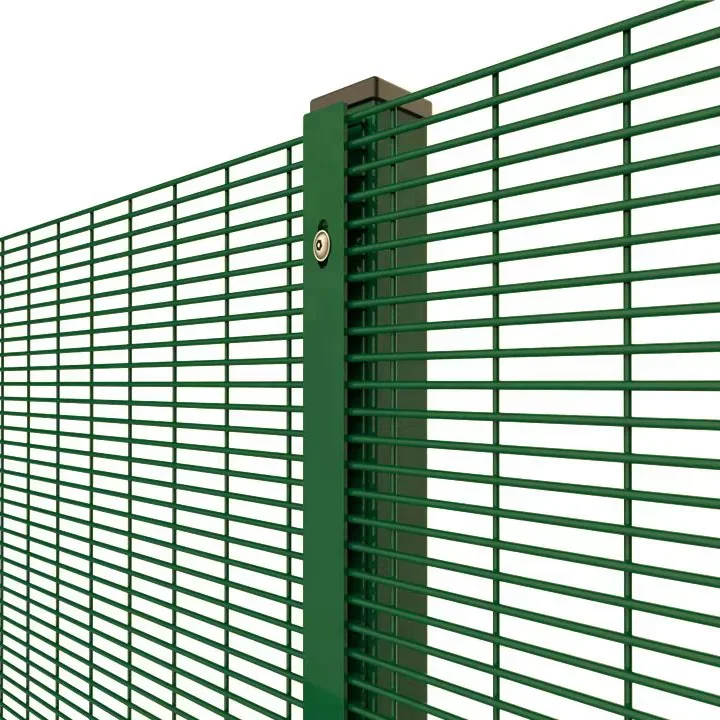
You might think all fences are designed to keep people out, right? Well, yes, but an anti climb fence takes this concept to a whole new level. The real magic lies in its design, particularly the mesh opening. We're talking about extremely dense, fine mesh that simply doesn't offer any foothold or handhold. It's often referred to in the industry as "358 mesh" – a nod to its dimensions of 3" x 0.5" x 8 gauge wire, which translates to a minuscule 76.2mm x 12.7mm aperture with a wire diameter of 4mm. Frankly, your fingers won't fit, and certainly, no climbing tools will either.
This incredibly tight pattern isn't just for climbing prevention; it also offers phenomenal resistance to shear forces. Trying to cut through one of these with standard wire cutters? Good luck! The dense mesh makes it incredibly difficult for cutting pliers to even get a purchase on the wire, significantly delaying or completely thwarting any attempts at forced entry. It's a testament to simple, yet brilliant, engineering.
Applications Beyond Expectation: Where 358 Shines
When you have a fence that's this secure, its applications are, as you might expect, in areas where security simply cannot be compromised. Think about those critical isolation zones we hear about:
· Military Sites: Protecting sensitive equipment and personnel.
· Airports: Securing perimeters against unauthorized access to runways and facilities.
· Prisons and Security Facilities: Preventing escapes and external breaches – a truly non-negotiable requirement.
· Light Rail Systems & Intercity Train Stations: Ensuring public safety and preventing track access.
· Data Centers: Guarding invaluable digital infrastructure.
· Power Stations and Utilities: Protecting critical national infrastructure.
Surprisingly, despite its formidable strength, a well-designed anti climb fence like the 358 mesh actually offers good transparency. This is crucial for easy inspection, monitoring, and even for maintaining natural light in certain areas. It truly is the best of both worlds.
The Nitty-Gritty: Technical Specs and Durability
Let's delve into some of the typical specifications you'd find for a quality anti climb fence. The longevity and performance really come down to the materials and manufacturing process. Generally, these fences are made from high-strength steel wire, which then undergoes rigorous surface treatments to ensure maximum resistance to corrosion and environmental factors.
Typical 358 Anti-Climbing Fence Specifications:
Feature | Detail/Range |
Wire Diameter | 3.00mm - 5.00mm |
Mesh Opening | 12.7 × 76.2mm (0.5" x 3") |
Surface Treatment | Electrogalvanized, Hot-dip Galvanized, Electrostatic Spraying (Powder Coating) |
Column Height | 1.8m - 3m (custom heights available) |
Color Options | Optional (e.g., Black, Green, Grey) |
The manufacturing process typically involves welding high-tensile wire into panels, followed by rigorous quality checks. Post-weld, the panels undergo galvanization – either electro-galvanizing for a thinner zinc coat or hot-dip galvanizing for a thicker, more durable layer, which is my personal preference for extreme longevity. This is often followed by a powder coating (electrostatic spraying) to add another layer of protection against UV, weathering, and to give it a pleasing aesthetic. The service life? With proper installation and maintenance, you're looking at 15-25 years, sometimes even more, especially for hot-dip galvanized and powder-coated systems.
Customization and Enhanced Security
One of the really useful aspects of these fences is their flexibility. You can connect multiple mesh panels, making them suitable for protective projects with specific, even unusual, height requirements. And for truly high-security situations? You can easily pair a 358 Anti-Climbing Fence with blade barbed wire (razor wire) or barbed spikes atop the panels. This combination, I guess, creates an almost impenetrable barrier, pushing the deterrence factor through the roof.
Choosing Your Vendor: A Critical Decision
Picking the right supplier for such a crucial security component isn't something to take lightly. You're not just buying wire; you're investing in peace of mind. Here's a quick comparison of what to look for:
Vendor Comparison: Key Considerations
Factor | High-Quality Vendor | Average Vendor |
Certifications & Standards | ISO 9001, CE, adheres to international welding/coating standards. Provides test data. | May lack specific certifications or readily available test reports. |
Customization Capabilities | Offers bespoke heights, colors, and integration with other security features. | Limited to standard sizes; customization might be costly or unavailable. |
Material Quality | Uses virgin steel, robust galvanization (e.g., hot-dip), durable powder coating. | Might use recycled steel or thinner coatings, impacting service life. |
Installation Support | Provides detailed guides, possibly on-site consultation or recommended installers. | Basic instructions; less post-purchase assistance. |
Customer Feedback | Positive testimonials, long-term client relationships, good after-sales service. | Mixed reviews or difficulty finding references. |
Many customers say that investing a little more upfront in a reputable vendor pays dividends in the long run, both in terms of actual security and the fence's lifespan. It seems that quality materials and meticulous manufacturing, backed by authoritative standards like ASTM or British Standards, are non-negotiable for critical infrastructure projects.
Conclusion: The Future of Perimeter Security
The trend in perimeter security is undeniably towards more sophisticated, robust, and often integrated solutions. The 358 Anti-Climbing Fence stands as a prime example of a physical barrier that combines formidable strength with intelligent design. It's more than just a deterrent; it's a statement of intent, a commitment to safeguarding what matters most. As threats evolve, so too will our defenses, and for the foreseeable future, advanced anti-climb fencing will remain a cornerstone of effective physical security strategies worldwide.
Authoritative Citations
1. "Perimeter Security Handbook: Best Practices for Physical Protection." ASIS International, 2022.
2. "Guide to Fence and Gate Automation." Door & Access Systems Manufacturers Association (DASMA), 2021.
3. "Standard Specification for Zinc-Coated (Galvanized) Steel Barbed Wire." ASTM A121/A121M-13, 2013.
4. "Security Fencing: A Practical Guide." Centre for the Protection of National Infrastructure (CPNI), UK Government, 2020.
-
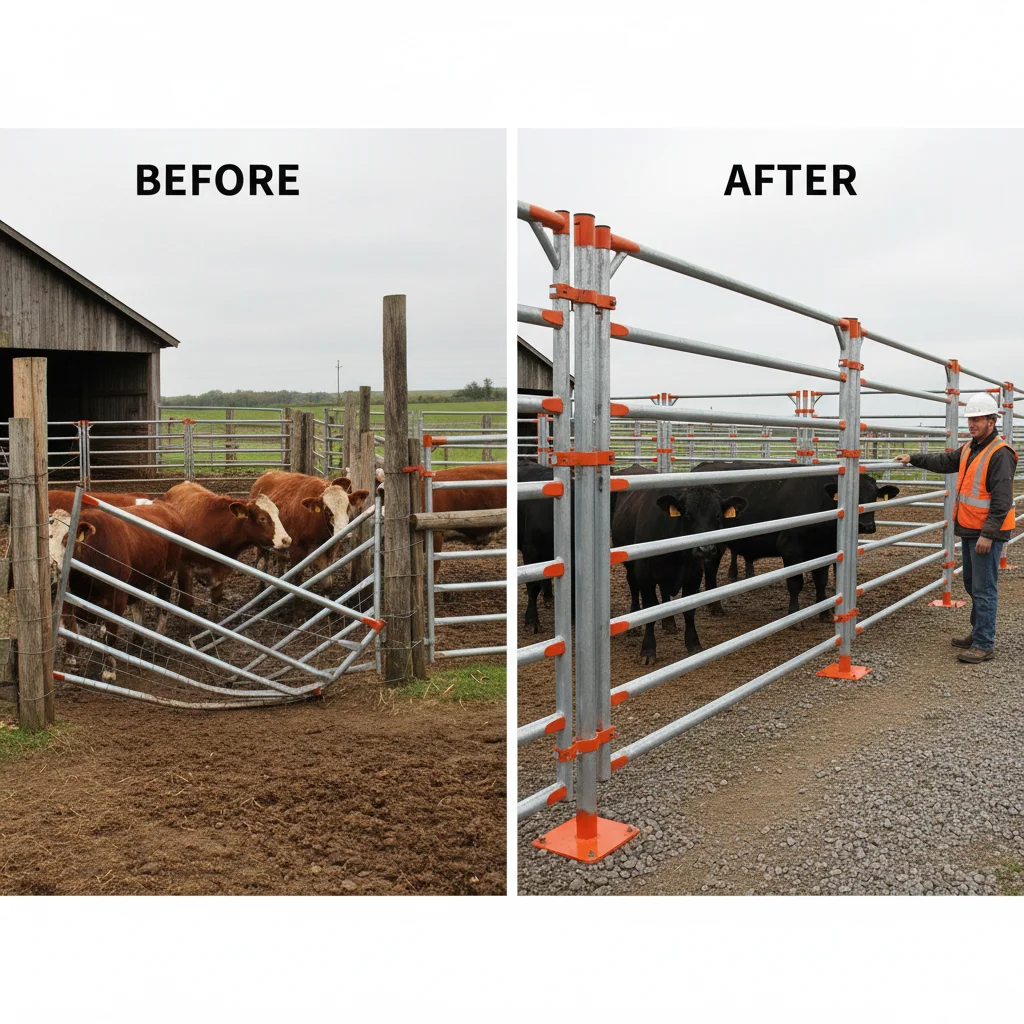
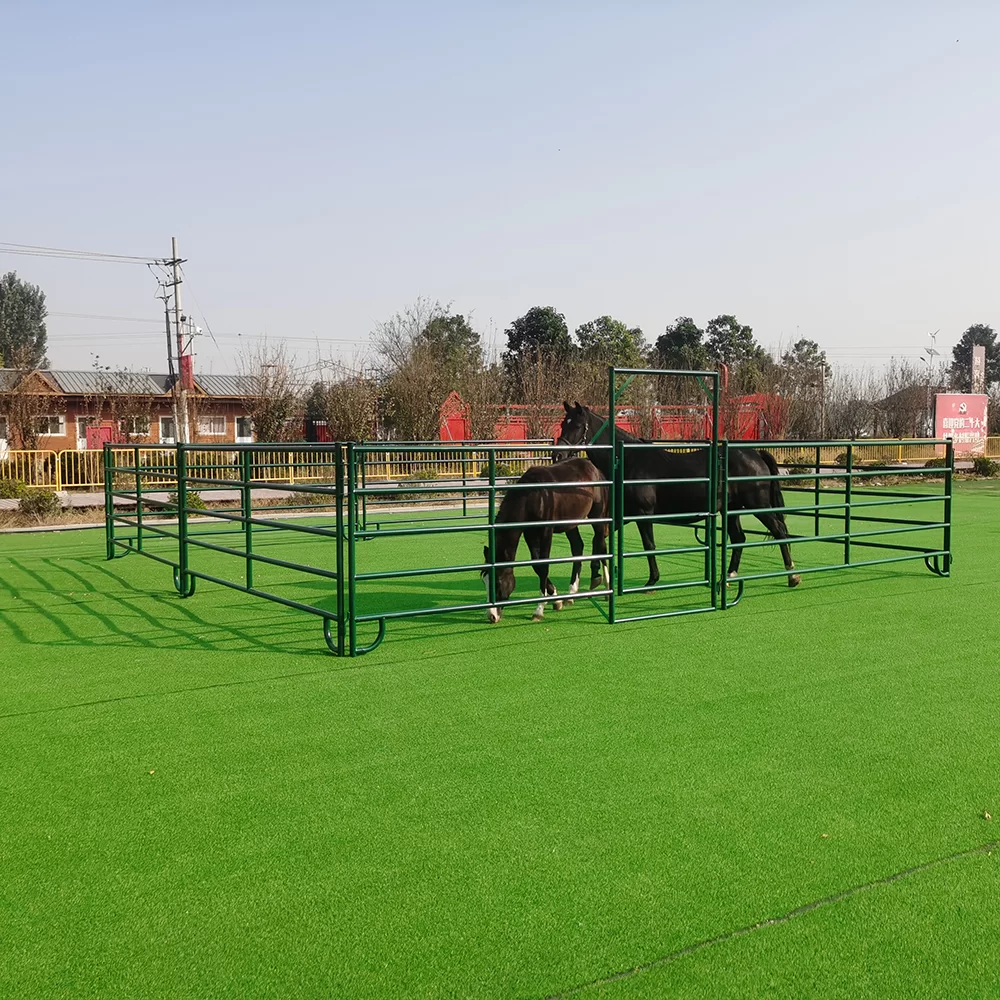
Durable Freestanding Livestock Panels for Efficient Animal Handling In the demanding world of agricultural management, the need for flexible and robust containment solutions has never been more critical. freestanding livestock panels offer a sophisticated answer to the challenges of animal handling, providing a secure yet adaptable barrier that does not require permanent installation or deep grounding. By allowing farmers and ranchers to redefine their spatial layouts in minutes, these panels maximize the efficiency of existing infrastructure while ensuring the safety of both the handlers and the livestock. Read More >26 Apr, 17
-
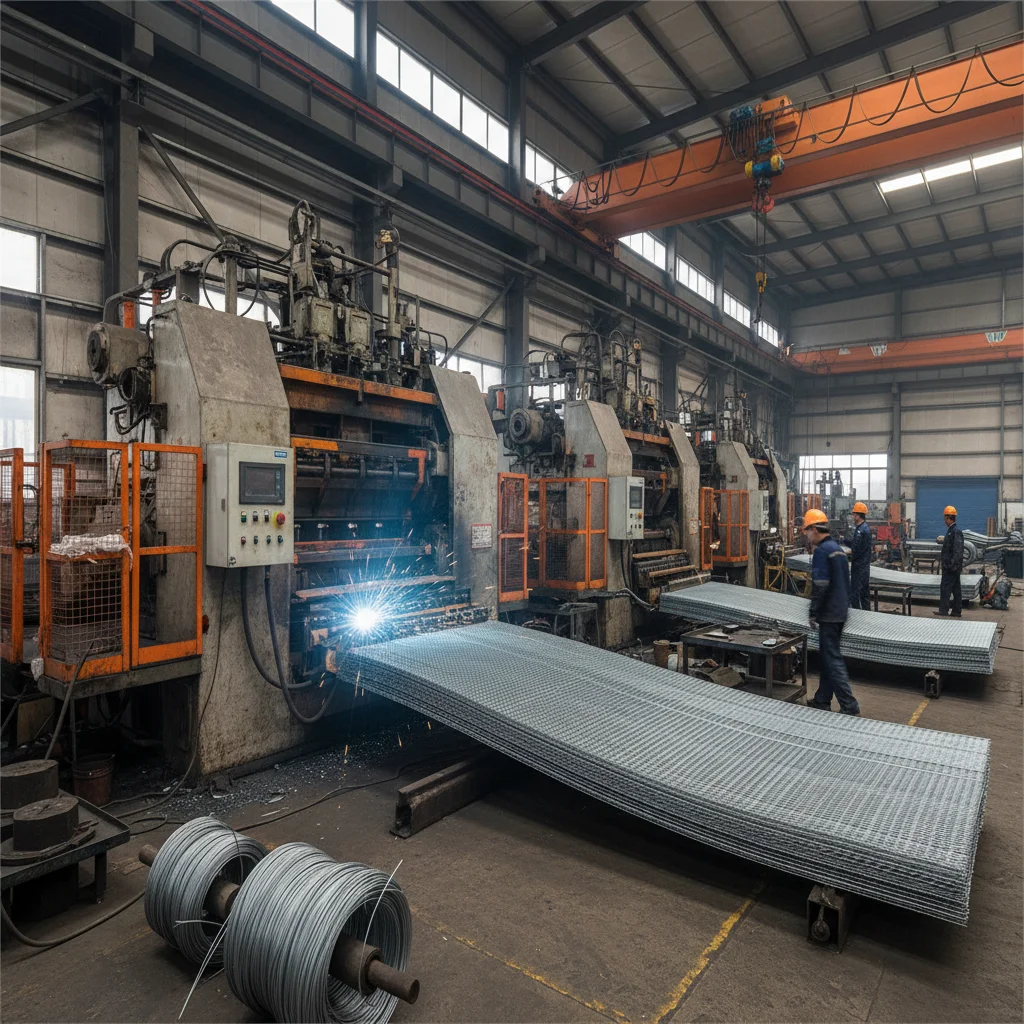
Professional Galvanized Welded Mesh Factory for Industrial Projects Finding a reliable galvanized welded mesh factory is critical for ensuring the structural integrity and longevity of your industrial or agricultural installations. Galvanized welded mesh is prized for its exceptional strength and resistance to corrosion, making it the go-to choice for fencing, animal cages, and construction reinforcement. However, not all factories adhere to the same quality standards. Whether you are sourcing for a large-scale infrastructure project or a specialized commercial application, understanding the manufacturing process and quality benchmarks is key to making a cost-effective investment that lasts for decades. Read More >26 Apr, 16
-
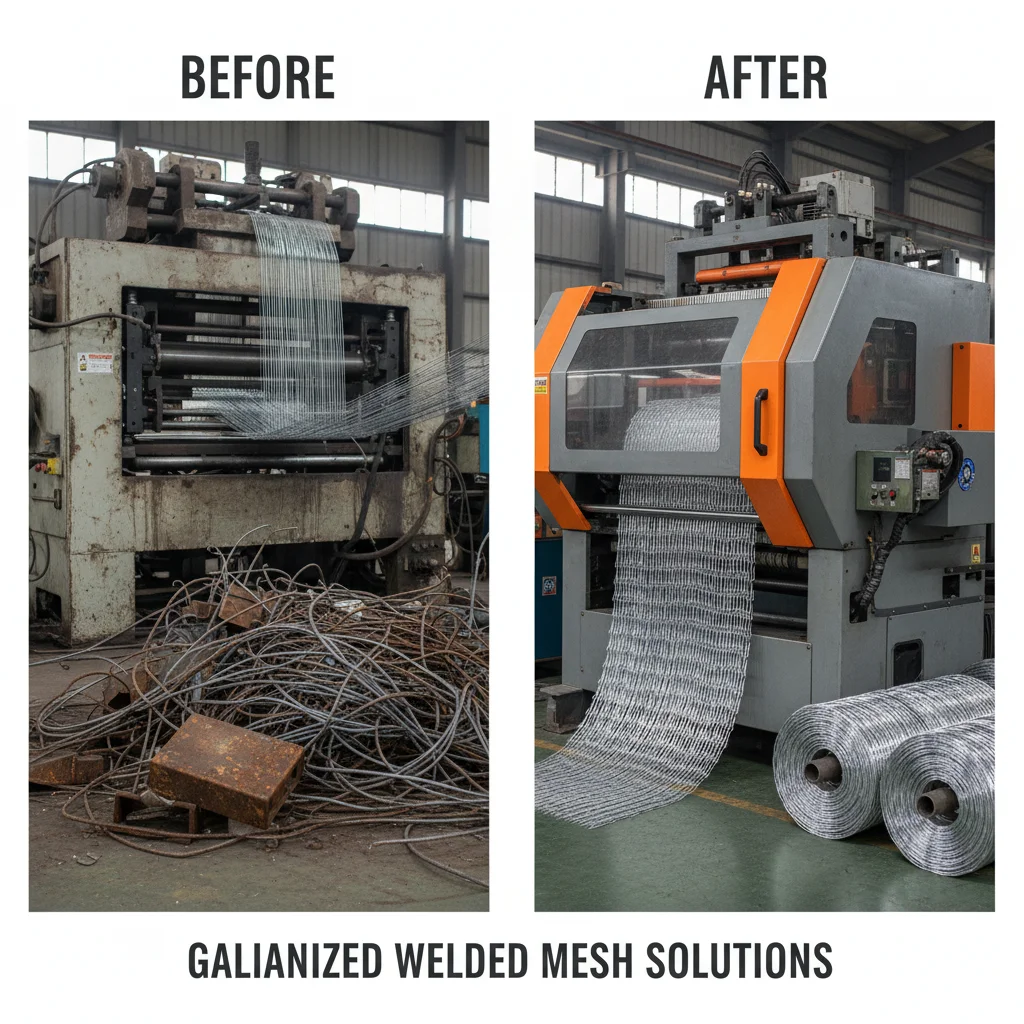
Professional Galvanized Welded Mesh Exporter for Quality Projects Selecting a high-quality fencing or screening solution requires more than just picking a product; it requires partnering with a reliable galvanized welded mesh exporter who understands the balance between structural integrity and corrosion resistance. Whether you are securing an industrial perimeter, building animal enclosures, or implementing architectural reinforcements, the quality of the galvanization process determines the lifespan of your installation. In this guide, we will explore the technical advantages of galvanized welded mesh and how to identify a global supplier that meets international quality standards to ensure your investment stands the test of time. Read More >26 Apr, 09
-
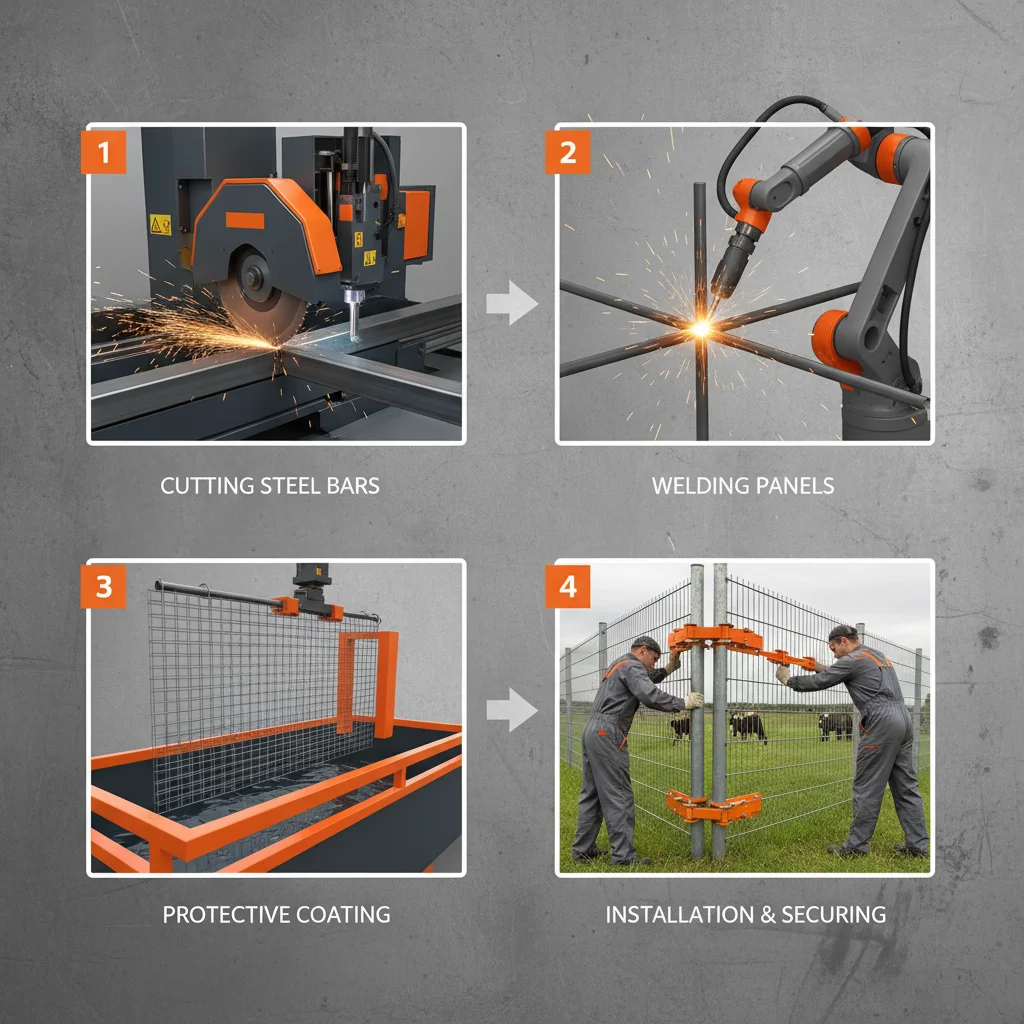
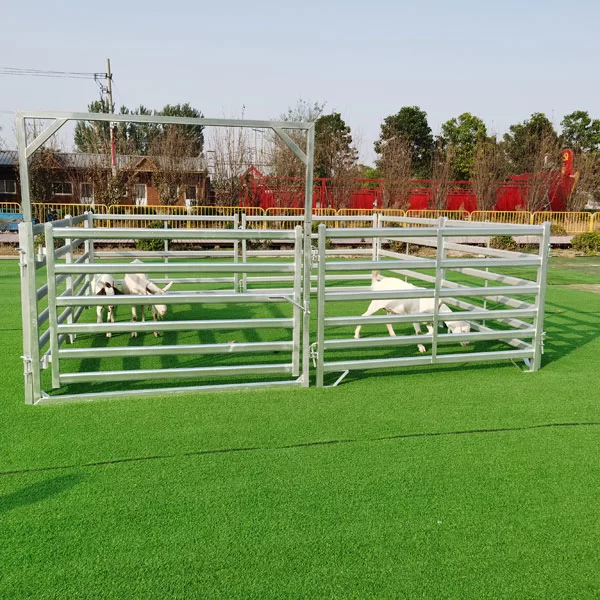
Essential Fencing Panels for Livestock Management and Farm Productivity Fencing panels for livestock are essential components in modern animal husbandry, playing a critical role in efficient farm management, animal welfare, and land utilization. Globally, the demand for robust and reliable fencing solutions is increasing due to the expanding livestock industry and the need to protect grazing lands from encroachment and predation. These panels aren’t simply barriers; they represent a vital investment in a farm's productivity and the health of its animals. Read More >26 Apr, 08
If you are interested in our products, you can choose to leave your information here, and we will be in touch with you shortly.


