


Corralling Quality: A Deep Dive into Horse Panel Fencing
Let's be honest, anyone who owns horses knows that keeping them safe and contained is paramount. It’s not just about building a fence; it's about investing in peace of mind. And when it comes to portable or semi-permanent enclosures, horse fence panels are, in my experience, the unsung heroes of the equestrian world. I’ve seen them everywhere, from sprawling ranches to small backyard setups, and their versatility is simply unmatched.
The Evolution of Horse Panels: More Than Just Bars
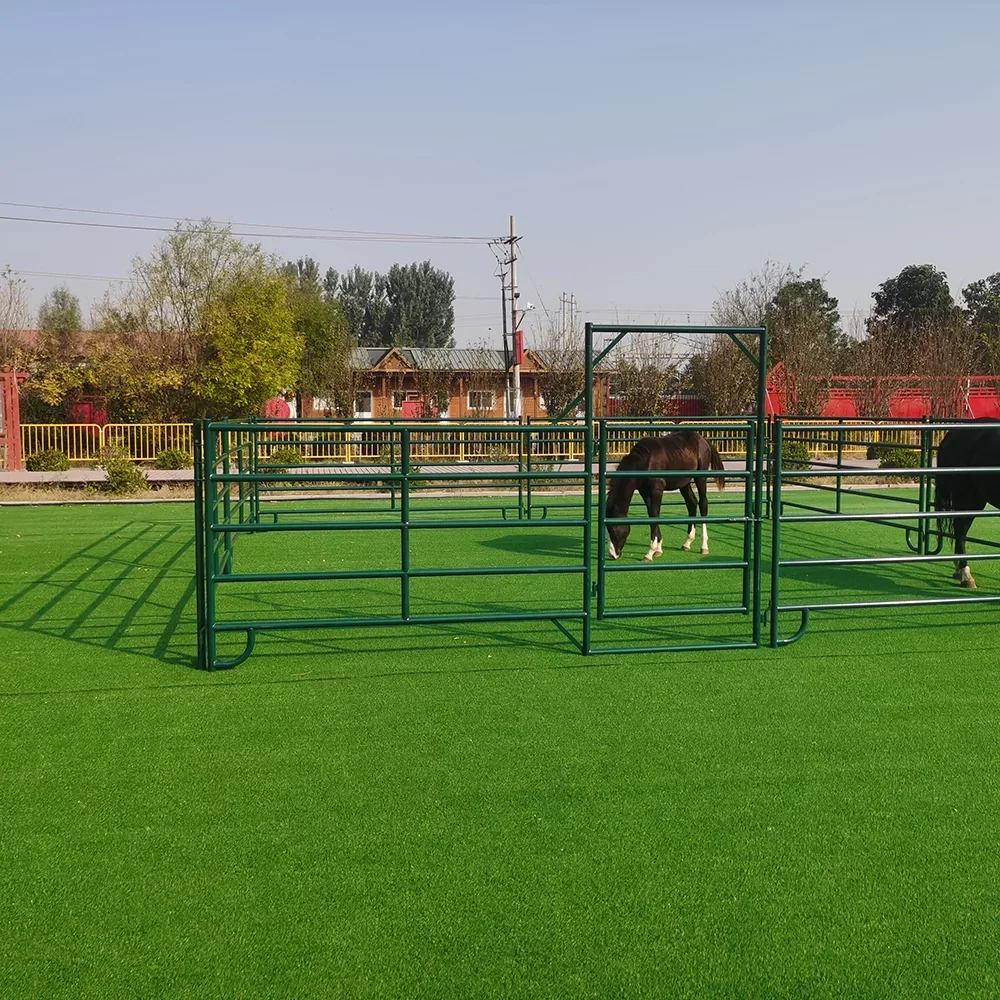
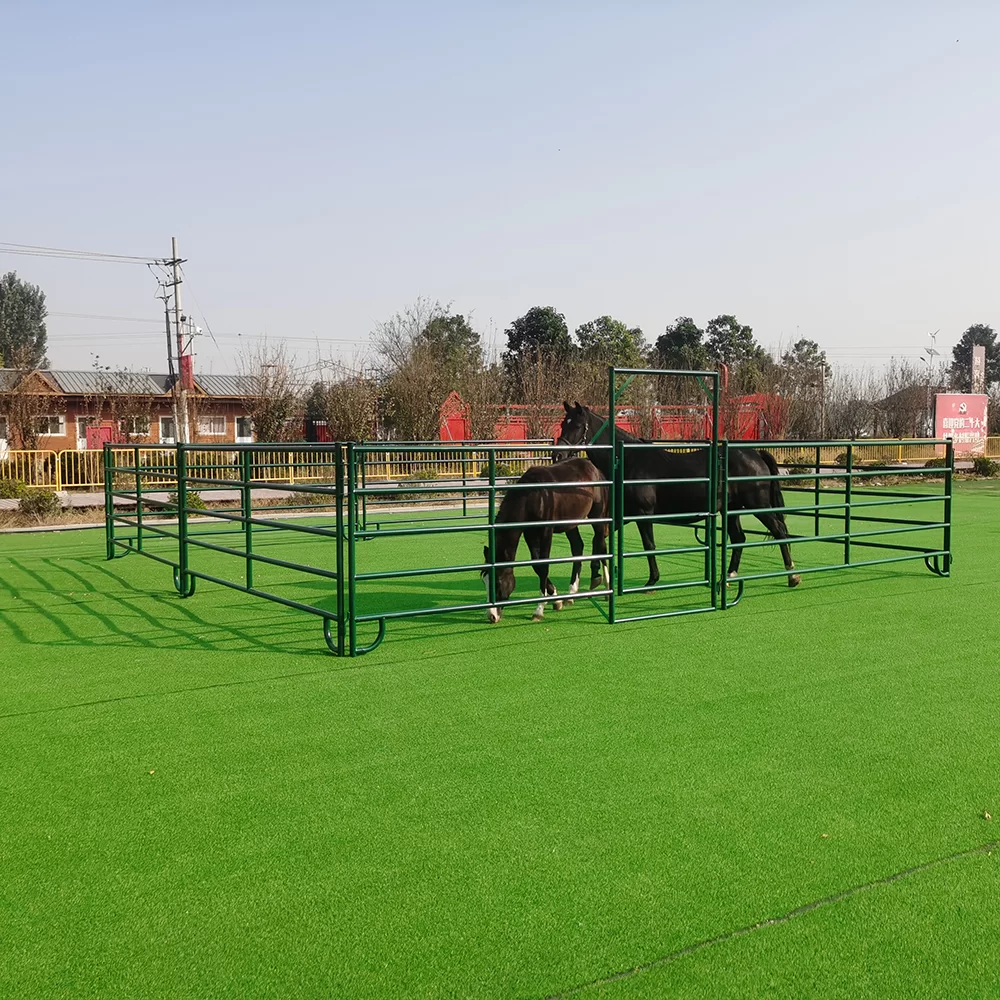
Gone are the days when a horse panel was just a basic steel frame. Actually, the industry has seen some really neat developments. Today, we're looking at various pipe styles, advanced coatings, and clever connection systems that make these panels incredibly durable and easy to handle. Many customers I speak with emphasize how much they appreciate options that cater to different budgets and aesthetic preferences.
Understanding the Specs: What Really Matters?
When you're shopping for horse fence panels, it’s crucial to look beyond the price tag. The real value lies in the materials, construction, and specifications. For instance, you'll often encounter panels made from powder-coated steel or galvanized steel. Each has its advantages: galvanized offers excellent corrosion resistance, while powder-coating can provide a wider range of colors and a smooth finish.
Typical Horse Panel Specifications | |
Feature | Details |
Popular Heights | 1.5m, 1.7m, 1.8m |
Popular Lengths | 2.1m, 2.3m (and others) |
Pipe Styles | Round, Oval, Square Tube |
Pipe Specifications | ≈32mm O.D., 40mm O.D., 30x60mm, 30x50mm, 60x30mm, 80x40mm (varies) |
Material Finishes | Powder-coated steel, Galvanized steel |
Connection System | Quick connect pin system for easy setup |
From my discussions with manufacturers, the process generally involves cutting and shaping steel pipes (round, oval, or square tubing), welding them into sturdy panels, and then applying either a hot-dip galvanization or a powder-coating finish. These treatments are vital for ensuring a long service life, often upwards of 10-15 years, depending on environmental factors and usage. Robust welding and consistent coating application are key quality indicators, believe me.
Beyond Horses: Versatility on the Farm
While they're called horse fence panels, their utility stretches far beyond the paddock. These light/heavy duty corral panels are incredibly popular for containing other livestock too – think pig corral panels, sheep corral panels, goat corral panels, or even cattle corral panels. Their robust construction helps keep livestock confined and, crucially, safe from predators. It's truly a multi-purpose solution for agricultural settings.
Choosing Your Supplier: A Quick Comparison
Navigating the market for horse fence panels can be a bit overwhelming. Some vendors specialize in basic, economic options, while others offer more robust, premium designs. To illustrate, here's a general idea of what to expect:
Vendor Comparison: Horse Panel Types (Illustrative) | ||
Panel Type | Key Feature | Typical Use/Grade |
Powder-Coating Round Pipe | Economic, good appearance | Budget-friendly, temporary corrals |
Galvanized Round Pipe | Economic, strong corrosion resistance | Long-term outdoor use, economic |
Oval Pipe | Extremely strong, high visibility | Heavy-duty, high-stress environments |
Square Tube | Middle grade, sturdy design | Balanced strength and cost |
Customization and Quality Assurance
A really great feature of many manufacturers today is the acceptance of customized designs. Need a specific height? A different bar spacing? It’s often possible! This flexibility means you don't have to settle for off-the-shelf if your needs are unique. When choosing a supplier, always inquire about their testing standards and any certifications they hold, as this speaks volumes about product quality and safety.
Final Thoughts
Ultimately, whether you're building a new arena, setting up a temporary pen, or simply needing to divide a pasture, horse fence panels offer a practical, durable, and surprisingly flexible solution. By paying attention to the details – material, pipe style, and connection system – you can ensure you're getting panels that will serve you and your animals well for years to come. Don't compromise on safety, I always say.
Authoritative Citations:
1. American Fence Association. (2023). Livestock Fencing Guidelines.
2. Equine Industry Standards Committee. (2022). Safe Equine Enclosures.
3. National Association of Galvanizers. (2021). Hot-Dip Galvanizing for Outdoor Applications.
-
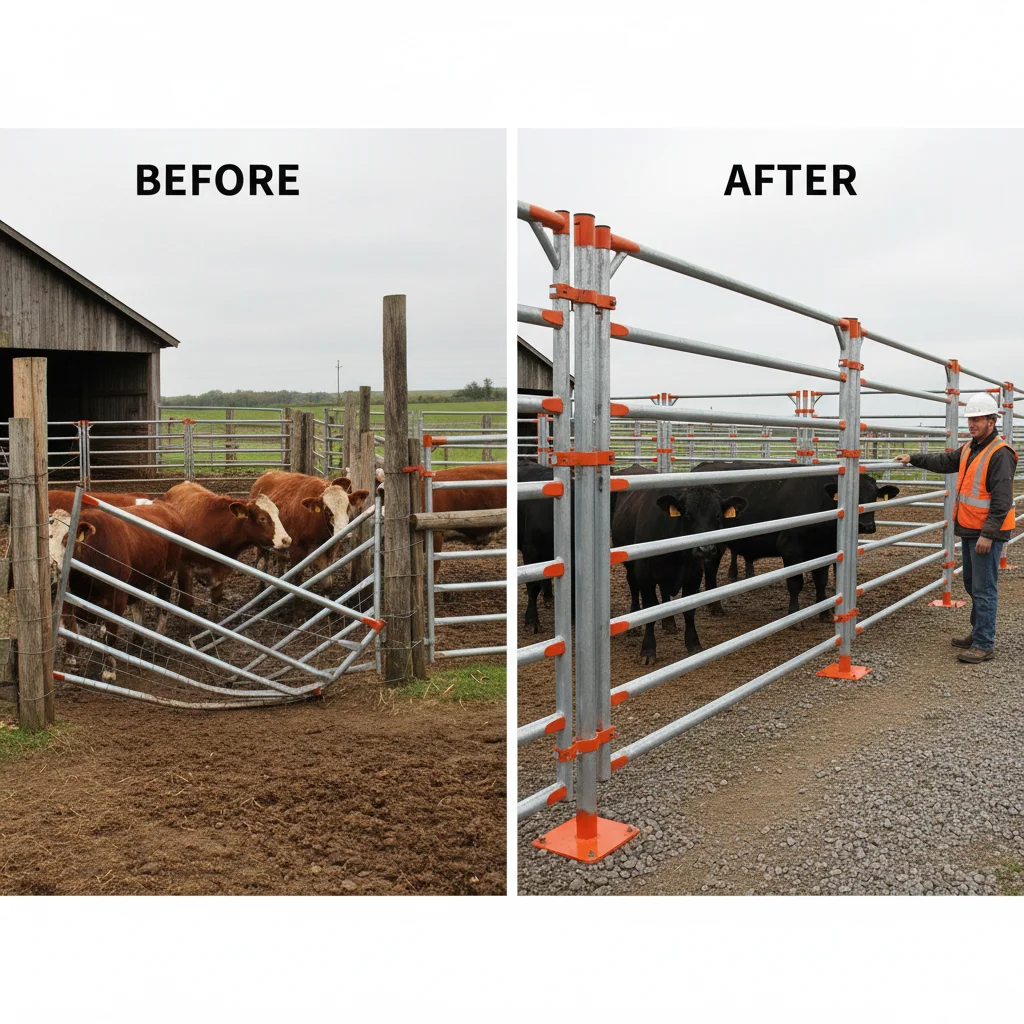
Durable Freestanding Livestock Panels for Efficient Animal Handling In the demanding world of agricultural management, the need for flexible and robust containment solutions has never been more critical. freestanding livestock panels offer a sophisticated answer to the challenges of animal handling, providing a secure yet adaptable barrier that does not require permanent installation or deep grounding. By allowing farmers and ranchers to redefine their spatial layouts in minutes, these panels maximize the efficiency of existing infrastructure while ensuring the safety of both the handlers and the livestock. Read More >26 Apr, 17
-
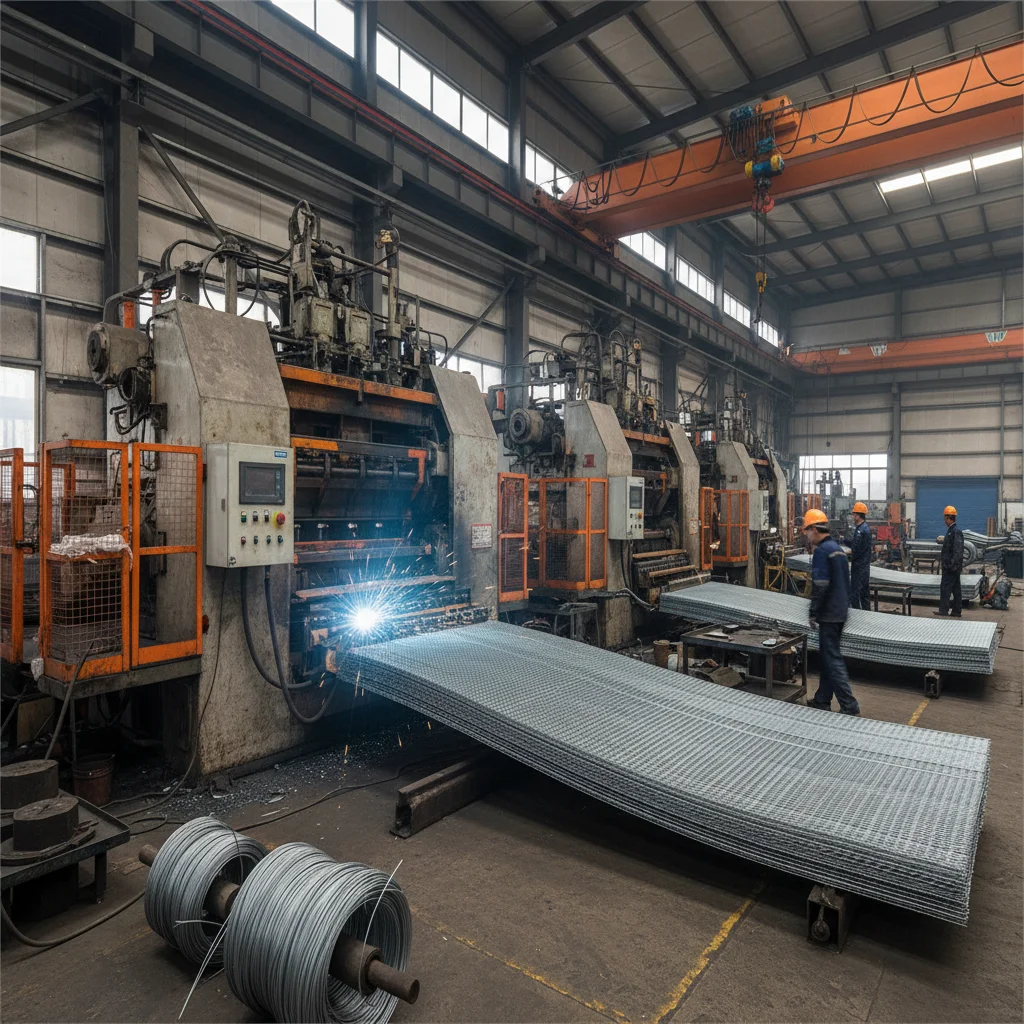
Professional Galvanized Welded Mesh Factory for Industrial Projects Finding a reliable galvanized welded mesh factory is critical for ensuring the structural integrity and longevity of your industrial or agricultural installations. Galvanized welded mesh is prized for its exceptional strength and resistance to corrosion, making it the go-to choice for fencing, animal cages, and construction reinforcement. However, not all factories adhere to the same quality standards. Whether you are sourcing for a large-scale infrastructure project or a specialized commercial application, understanding the manufacturing process and quality benchmarks is key to making a cost-effective investment that lasts for decades. Read More >26 Apr, 16
-
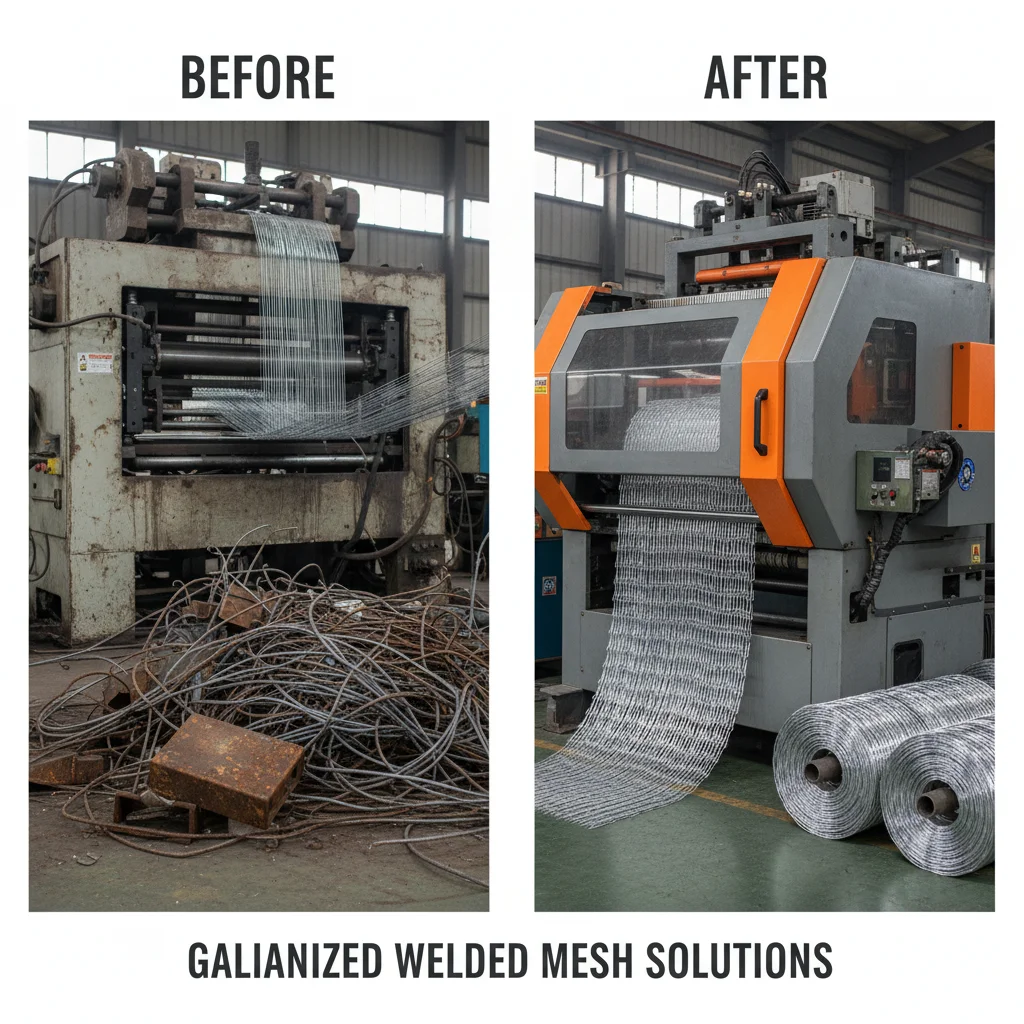
Professional Galvanized Welded Mesh Exporter for Quality Projects Selecting a high-quality fencing or screening solution requires more than just picking a product; it requires partnering with a reliable galvanized welded mesh exporter who understands the balance between structural integrity and corrosion resistance. Whether you are securing an industrial perimeter, building animal enclosures, or implementing architectural reinforcements, the quality of the galvanization process determines the lifespan of your installation. In this guide, we will explore the technical advantages of galvanized welded mesh and how to identify a global supplier that meets international quality standards to ensure your investment stands the test of time. Read More >26 Apr, 09
-
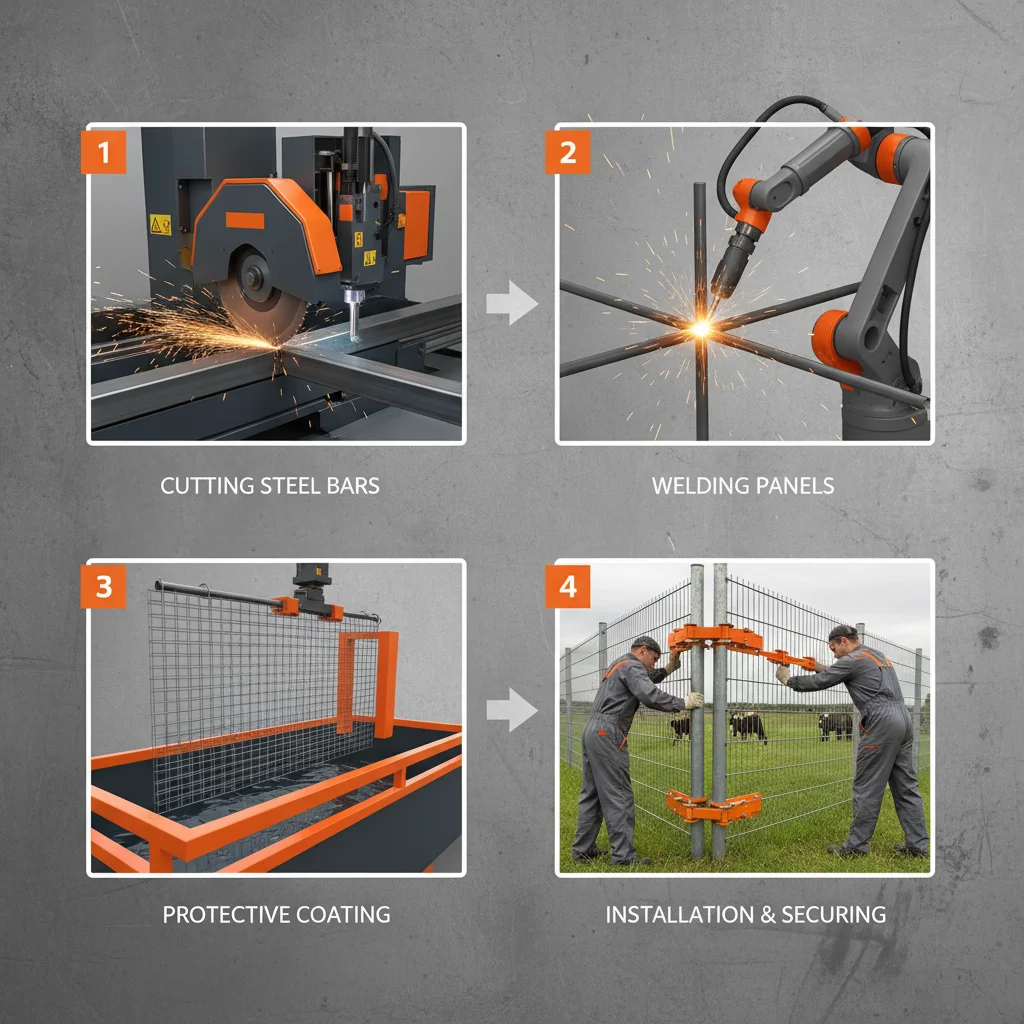
Essential Fencing Panels for Livestock Management and Farm Productivity Fencing panels for livestock are essential components in modern animal husbandry, playing a critical role in efficient farm management, animal welfare, and land utilization. Globally, the demand for robust and reliable fencing solutions is increasing due to the expanding livestock industry and the need to protect grazing lands from encroachment and predation. These panels aren’t simply barriers; they represent a vital investment in a farm's productivity and the health of its animals. Read More >26 Apr, 08
If you are interested in our products, you can choose to leave your information here, and we will be in touch with you shortly.


