


Comprehensive Guide to Welded Wire Farm Fence for Secure Property Management
Welded Wire Farm Fence: A Comprehensive Guide
Protecting livestock and defining property boundaries are essential for successful farm management. Welded wire farm fence offers a robust and reliable solution for these needs. This article explores the benefits, applications, types, and installation considerations of welded wire farm fence, helping you make informed decisions for your agricultural property. Choosing the right fencing material is a critical investment in the safety and security of your farm. We’ll cover everything you need to know, from material selection to long-term maintenance.
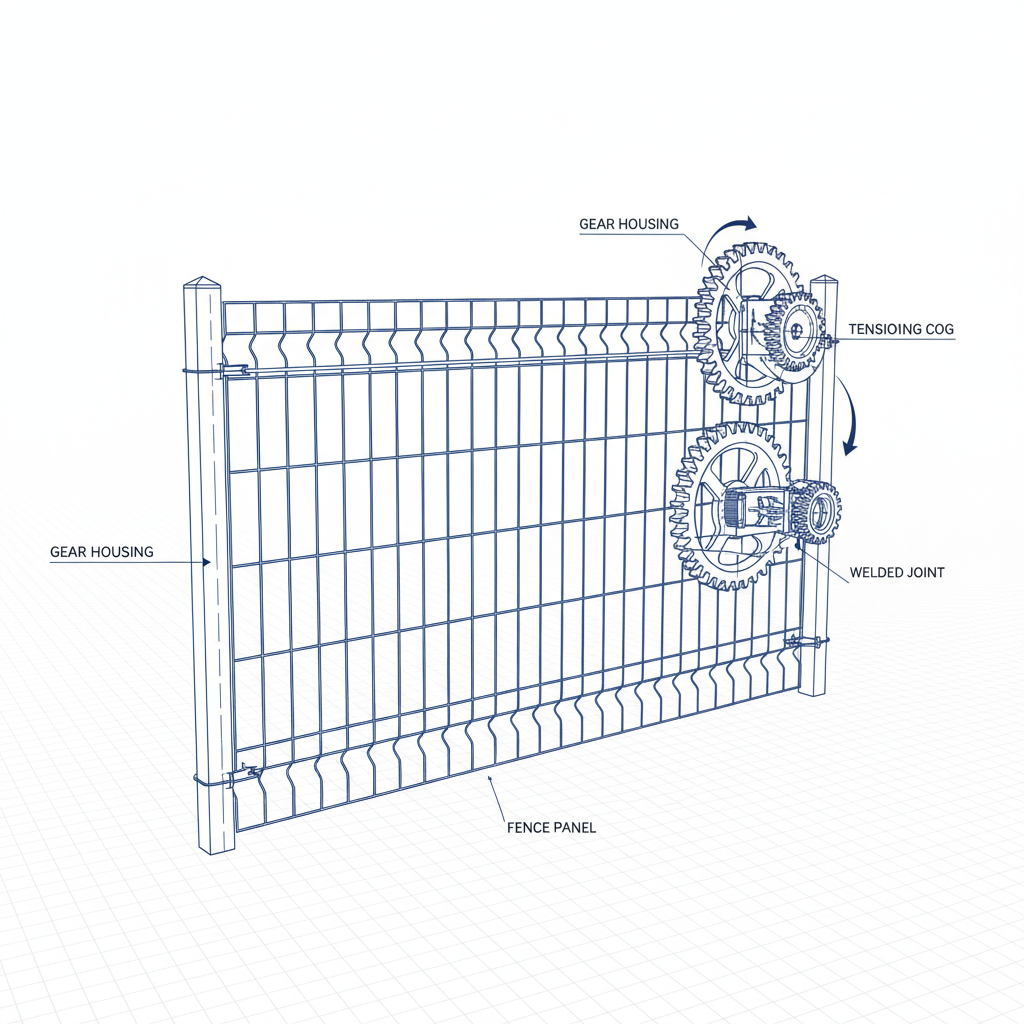
Understanding Welded Wire Farm Fence
Welded wire farm fence, also known as livestock fence, is constructed from steel wires welded together to form a rigid mesh. This construction provides exceptional strength and durability, making it ideal for containing a variety of animals, including cattle, horses, sheep, and goats. Unlike traditional woven wire fencing, welded wire offers greater stability and reduced sag over time. The consistent aperture size prevents animals from stretching or breaking through the fence. Haotian Mesh provides high-quality welded wire options designed to withstand the rigors of farm life.
Key Benefits: Strong and durable, prevents stretching and sagging, secure containment for various livestock, long-lasting and cost-effective.
Types of Welded Wire Farm Fence
Welded wire farm fence comes in several variations to suit specific needs. These variations differ in wire gauge (thickness), mesh size (aperture), and coating. Common types include:
- Standard Welded Wire: Galvanized steel wire for general livestock containment.
- Heavy-Duty Welded Wire: Thicker wire gauge and smaller mesh size for stronger containment, ideal for larger animals or challenging terrain.
- Galvanized Before Weaving (GBW): Provides superior corrosion resistance due to the galvanizing process before welding.
- Galvanized After Weaving (GAW): More cost-effective, but offers slightly less corrosion protection.
- PVC Coated Welded Wire: Offers an additional layer of protection against corrosion and adds color for aesthetic appeal.
Choosing the Right Coating:
• GBW: Excellent corrosion resistance, best for harsh environments.
• GAW: Good corrosion resistance, cost-effective option.
• PVC Coated: Superior corrosion resistance, color options, but more expensive.
Welded Wire Farm Fence vs. Other Fencing Options
When considering fencing options, it's crucial to compare welded wire to alternatives like barbed wire, electric fence, and woven wire. Each option has its pros and cons. Welded wire offers a safer alternative to barbed wire, reducing the risk of injury to animals. While electric fencing is effective, it requires a power source and regular maintenance. Woven wire, although traditional, is more prone to stretching and sagging compared to welded wire.
Installation Considerations for Welded Wire Farm Fence
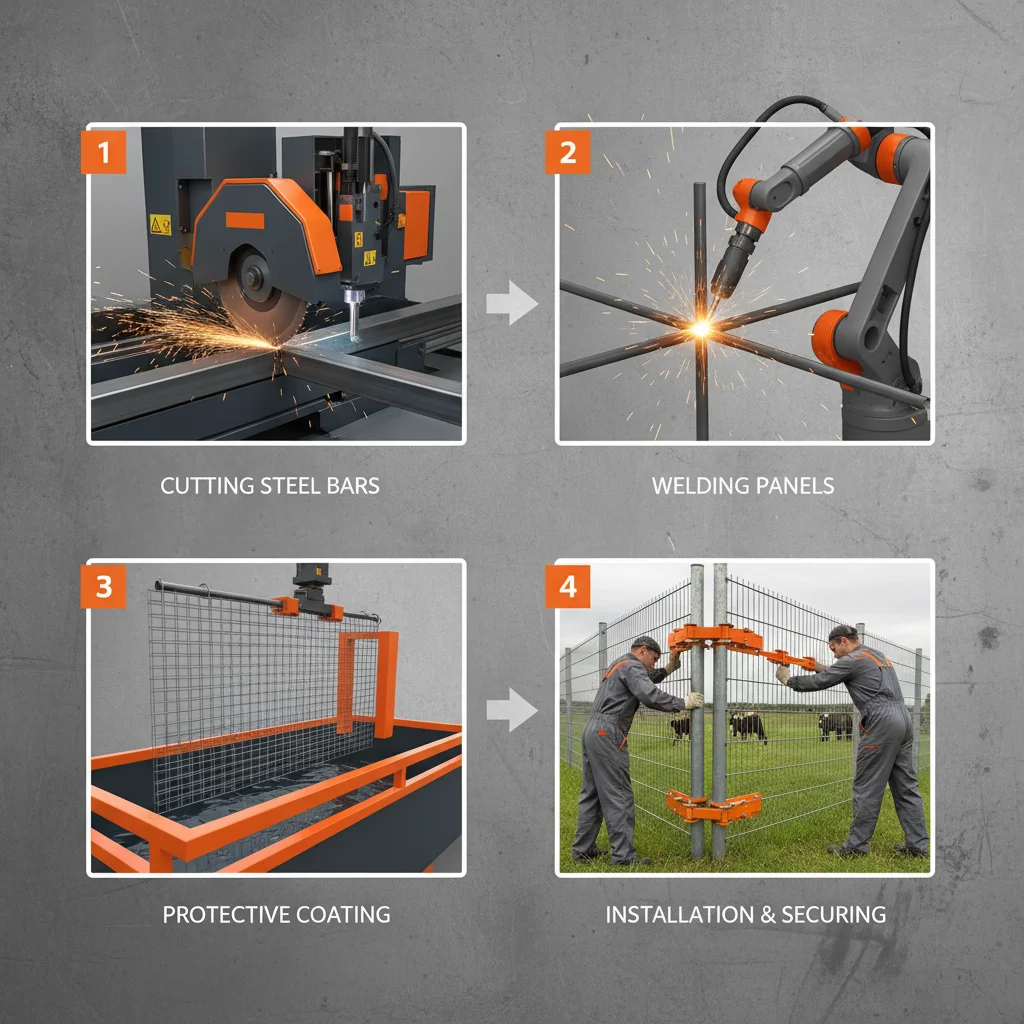
Proper installation is crucial for maximizing the lifespan and effectiveness of your welded wire farm fence. Key considerations include:
- Post Spacing: Typically 8-12 feet apart, depending on terrain and animal type.
- Post Depth: At least 2-3 feet deep for stability.
- Corner and End Posts: Use larger diameter posts and bracing for increased strength.
- Tensioning: Use appropriate tensioning tools to ensure the fence is taut and secure.
- Grounding (for electric fences): Proper grounding is essential for effective electric shock.
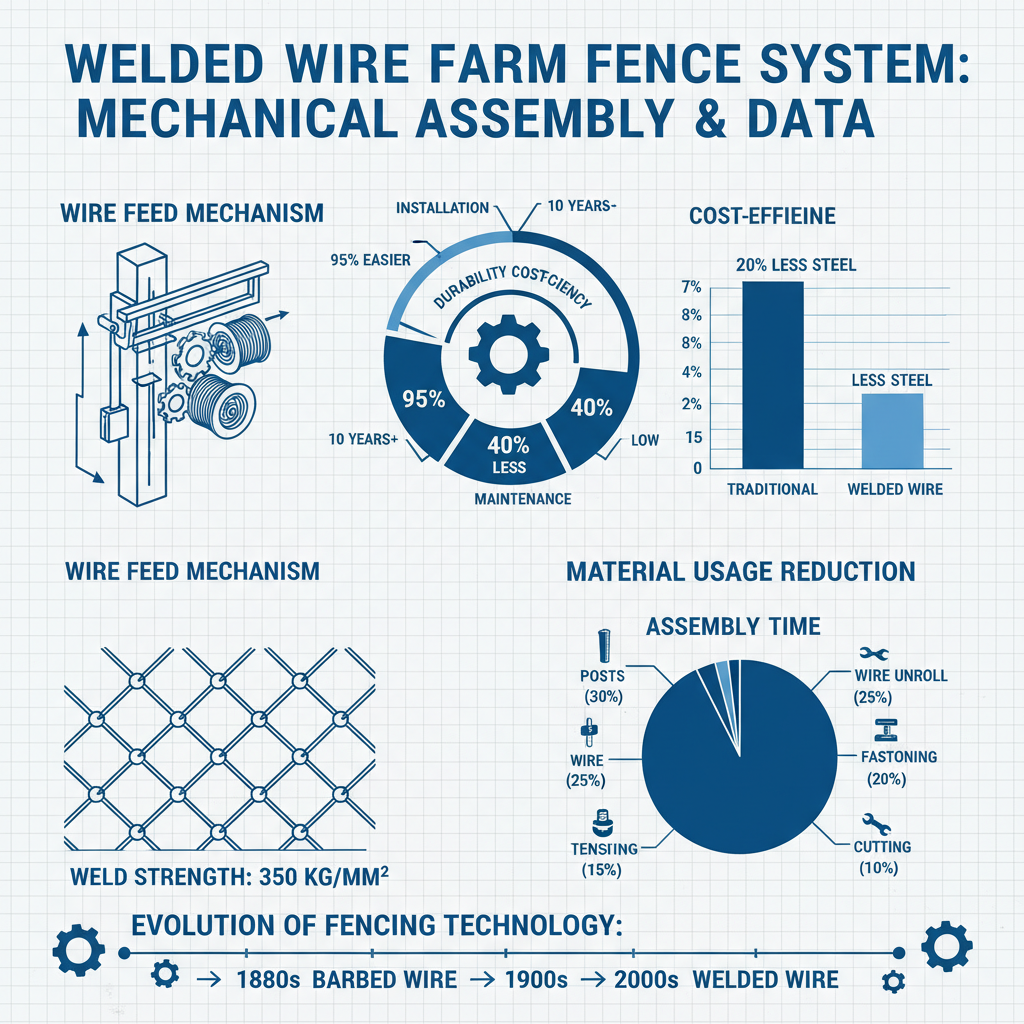
Product Specifications
Here’s a look at common product specifications available from Haotian Mesh:
Conclusion
Investing in welded wire farm fence is a smart decision for any property owner prioritizing livestock safety and security. Its durability, versatility, and relatively easy installation make it a superior choice compared to other fencing options. By carefully considering your specific needs and selecting the right materials, you can create a fence that will provide reliable protection for years to come.
Frequently Asked Questions (FAQs)
What is the best wire gauge for containing cattle?
For containing cattle, a 12.5 or 14-gauge welded wire is generally recommended. These heavier gauges provide the strength needed to withstand the weight and pressure of cattle without bending or breaking. The mesh size should be no larger than 4"x4" to prevent animals from getting their heads stuck. It’s important to consider the breed and temperament of your cattle when making your selection.
How long will a galvanized welded wire fence last?
The lifespan of a galvanized welded wire fence depends on several factors, including the climate, soil conditions, and the quality of the galvanizing. Generally, a properly installed galvanized fence can last 15-20 years or longer. PVC coating can extend the lifespan significantly, providing an extra layer of protection against corrosion. Regular inspection and maintenance are crucial for maximizing its longevity.
Can welded wire fence be used for poultry?
Yes, welded wire fence is a popular choice for poultry enclosures. However, a smaller mesh size (e.g., 1"x1") is essential to prevent chickens or other poultry from escaping and to keep predators out. Galvanized or PVC-coated wire is recommended to withstand pecking and exposure to the elements.
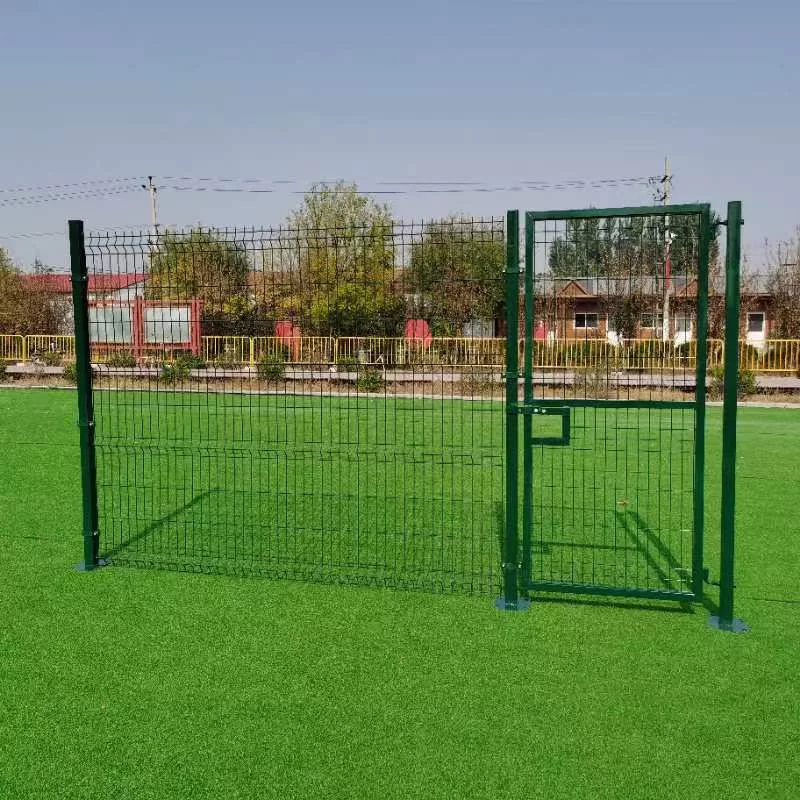
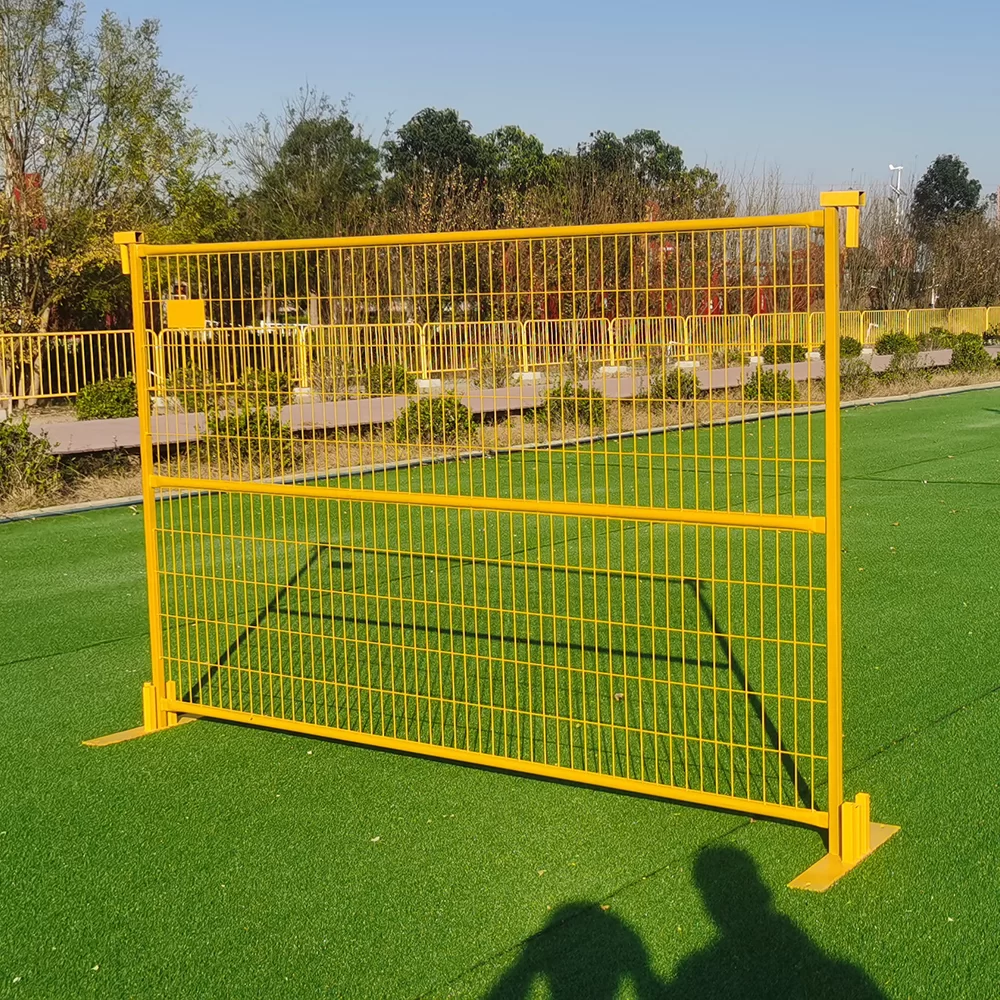
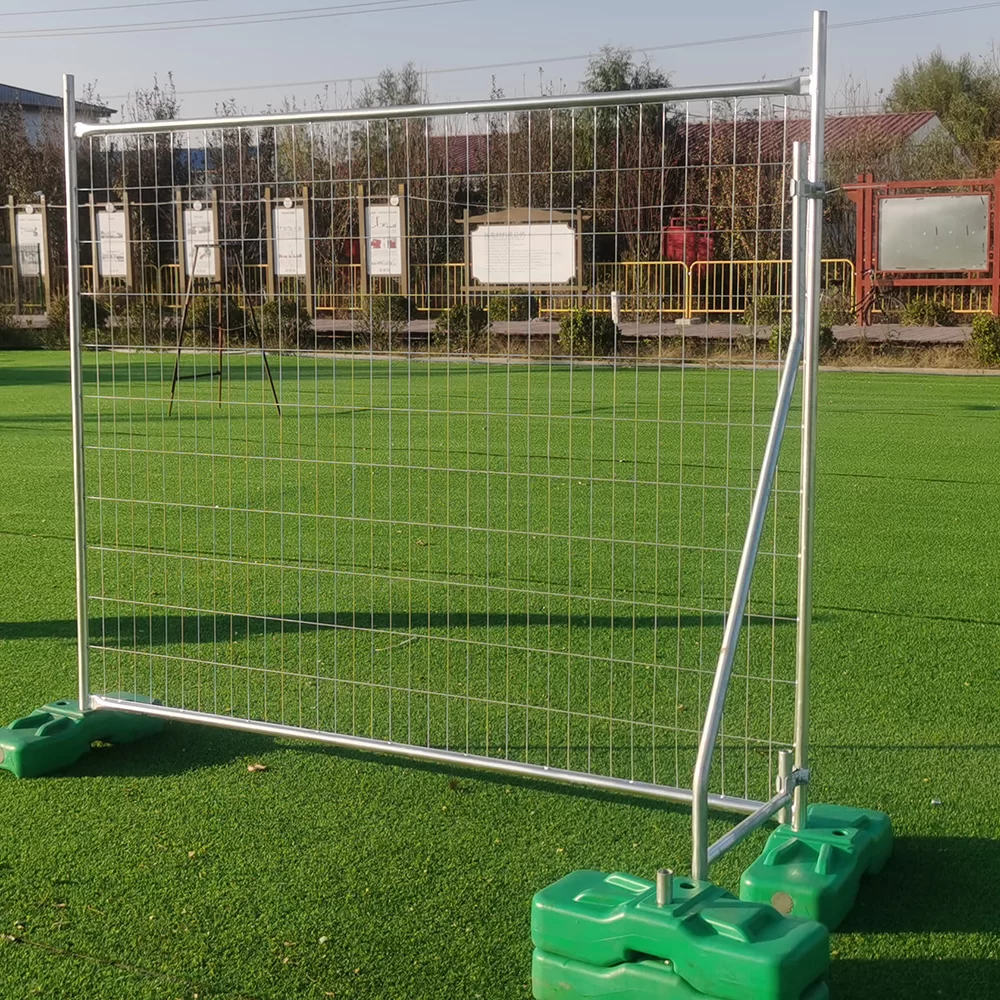
-
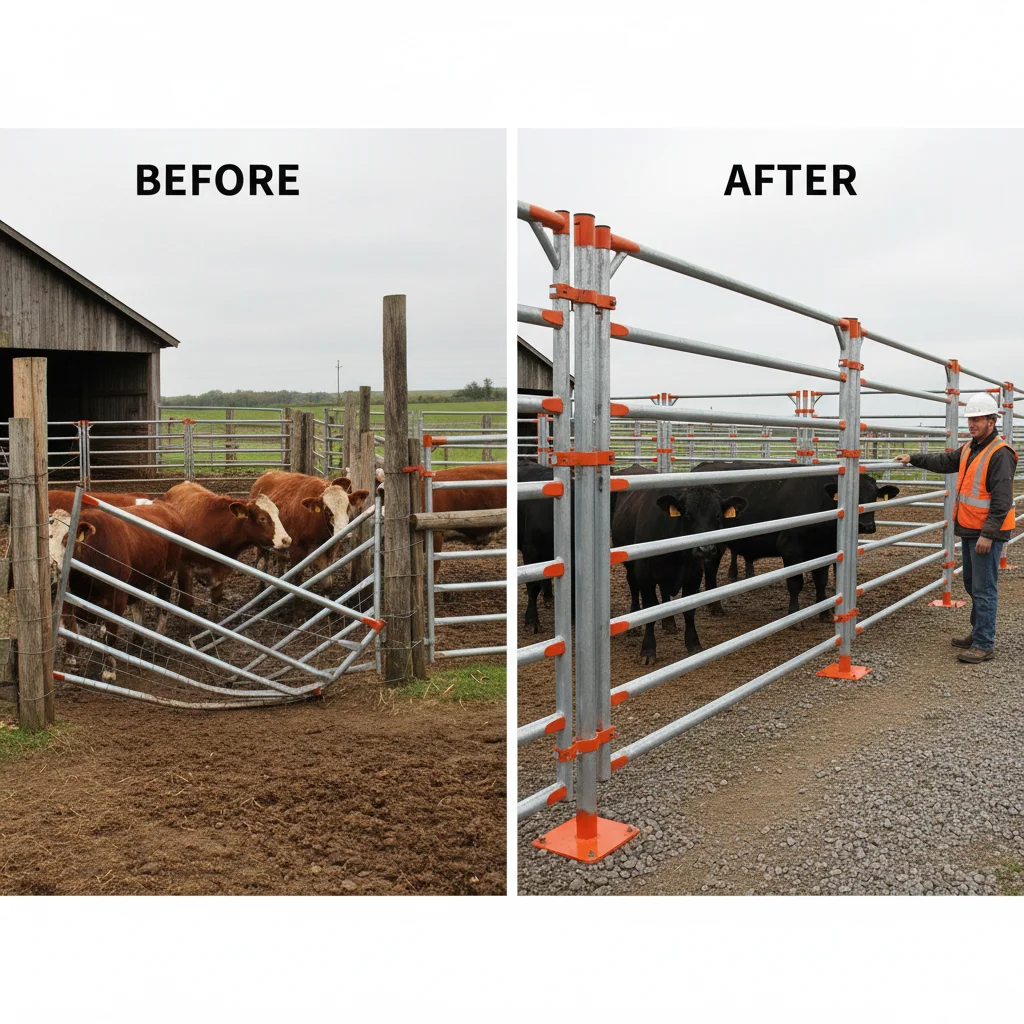
Durable Freestanding Livestock Panels for Efficient Animal Handling In the demanding world of agricultural management, the need for flexible and robust containment solutions has never been more critical. freestanding livestock panels offer a sophisticated answer to the challenges of animal handling, providing a secure yet adaptable barrier that does not require permanent installation or deep grounding. By allowing farmers and ranchers to redefine their spatial layouts in minutes, these panels maximize the efficiency of existing infrastructure while ensuring the safety of both the handlers and the livestock. Read More >26 Apr, 17
-
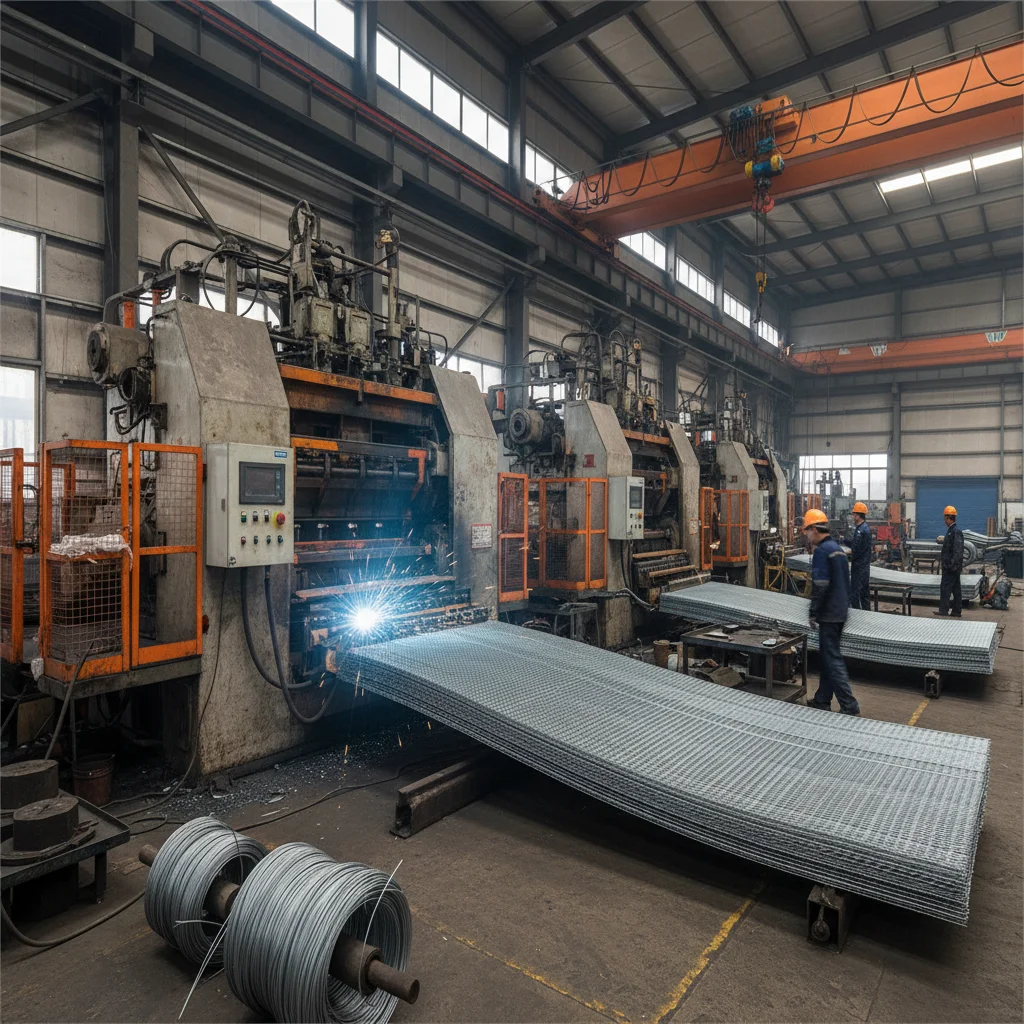
Professional Galvanized Welded Mesh Factory for Industrial Projects Finding a reliable galvanized welded mesh factory is critical for ensuring the structural integrity and longevity of your industrial or agricultural installations. Galvanized welded mesh is prized for its exceptional strength and resistance to corrosion, making it the go-to choice for fencing, animal cages, and construction reinforcement. However, not all factories adhere to the same quality standards. Whether you are sourcing for a large-scale infrastructure project or a specialized commercial application, understanding the manufacturing process and quality benchmarks is key to making a cost-effective investment that lasts for decades. Read More >26 Apr, 16
-
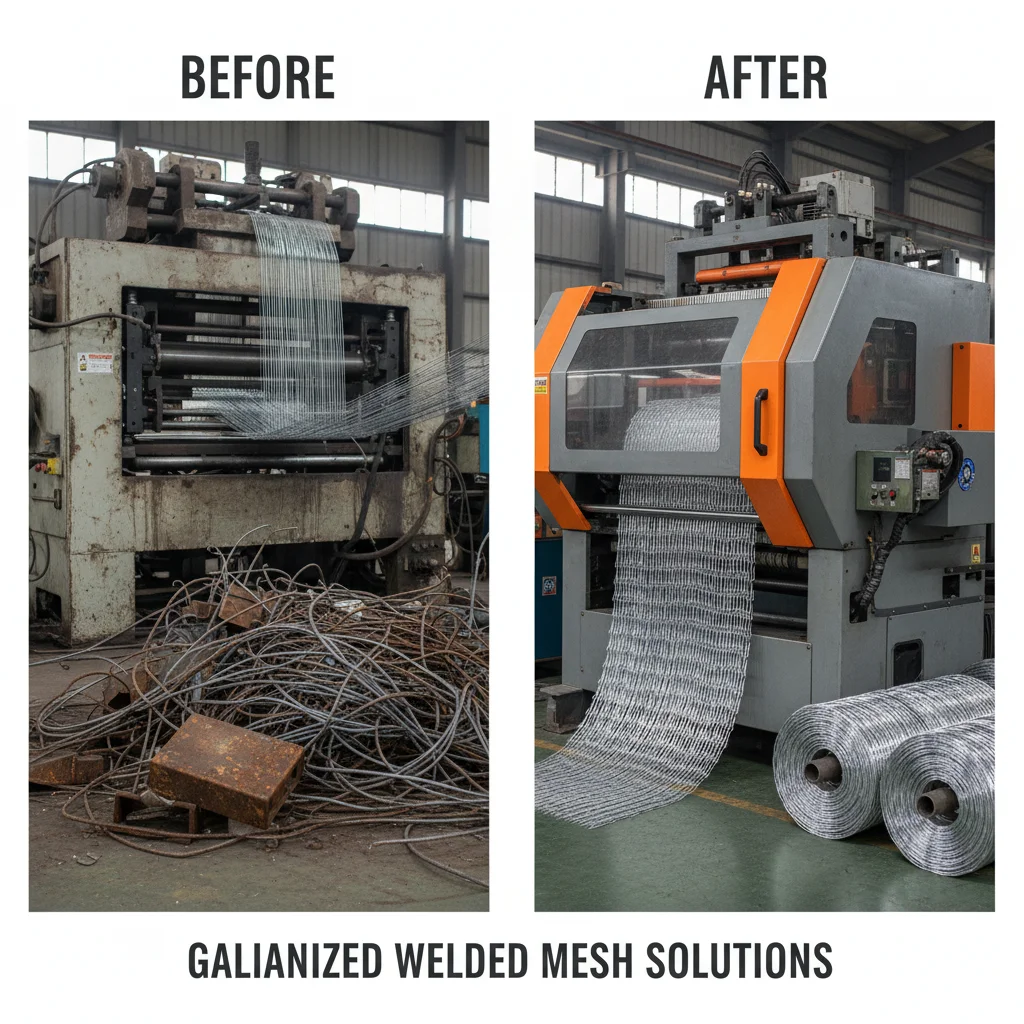
Professional Galvanized Welded Mesh Exporter for Quality Projects Selecting a high-quality fencing or screening solution requires more than just picking a product; it requires partnering with a reliable galvanized welded mesh exporter who understands the balance between structural integrity and corrosion resistance. Whether you are securing an industrial perimeter, building animal enclosures, or implementing architectural reinforcements, the quality of the galvanization process determines the lifespan of your installation. In this guide, we will explore the technical advantages of galvanized welded mesh and how to identify a global supplier that meets international quality standards to ensure your investment stands the test of time. Read More >26 Apr, 09
-
Essential Fencing Panels for Livestock Management and Farm Productivity Fencing panels for livestock are essential components in modern animal husbandry, playing a critical role in efficient farm management, animal welfare, and land utilization. Globally, the demand for robust and reliable fencing solutions is increasing due to the expanding livestock industry and the need to protect grazing lands from encroachment and predation. These panels aren’t simply barriers; they represent a vital investment in a farm's productivity and the health of its animals. Read More >26 Apr, 08
If you are interested in our products, you can choose to leave your information here, and we will be in touch with you shortly.


