


Windbreak Panels for Cattle – Durable & Sustainable Livestock Protection Solutions
Understanding Windbreak Panels for Cattle: Why They Matter Globally
When we think about cattle farming, the image of open fields and grazing herds is nearly universal. But less visible—yet critically important—are the elements protecting those hardworking animals from harsh weather. Enter windbreak panels for cattle: sturdy barriers designed to shield livestock from biting winds, dust storms, and extreme weather fluctuations. While it might sound niche, these panels have significant global relevance, especially in regions grappling with climate variability, animal welfare concerns, and agricultural sustainability.
Worldwide, livestock farming supports millions of livelihoods and is a backbone of food security. The United Nations notes that improving animal welfare and reducing environmental impacts are key for sustainable agriculture. Effective wind protection enhances cattle comfort, reduces stress-related illness, and even boosts productivity. So, tuning into the design, deployment, and benefits of windbreak systems is more than technical talk—it’s about supporting global food chains and rural communities.
Mini takeaway: Windbreak panels are more than “barn stuff”; they’re vital tools in sustainable cattle farming, offering tangible benefits from animal health to environmental protection.
The Global Context: Why We Need Windbreak Panels for Cattle
Across continents, from the temperate plains of North America to the arid rangelands of Australia and the steppes of Central Asia, the struggle to protect livestock from wind chill and dust is a constant. According to the Food and Agriculture Organization (FAO), livestock accounts for roughly 40% of agricultural gross domestic product globally. But extreme weather—intensified by climate change—poses a growing risk.
Windbreaks act as first responders, preventing heat loss in winter and protecting feed and soil from erosion. This shields animals from temperature stress, which, as studies show, can reduce milk yields by up to 20% and increase vulnerability to disease. Yet many traditional windbreaks—like tree lines or loose fencing—fail short in durability, installation speed, and maintenance.
And here’s the kicker: as farming intensifies and moves to marginal lands, fast, affordable, and scalable solutions like windbreak panels for cattle become even more critical. Whether for a small family farm or a commercial feedlot, these panels bring tangible improvements.
Mini takeaway: With climate and industry challenges mounting globally, windbreak panels offer scalable answers to pressing animal welfare and operational risks.
Defining Windbreak Panels for Cattle
So what exactly are windbreak panels? Simply put, they are modular, often prefabricated barriers installed around pastures, holding pens, or feed areas that reduce wind speed and exposure. Made from materials like high-density polyethylene (HDPE), wood composites, or metal frames with mesh inserts, these panels create controlled microclimates that protect cattle from chill, dust, and related stressors.
Unlike traditional windbreaks—think rows of sheltering trees that take decades to mature—these panels can be quickly deployed, relocated, or expanded, suiting modern farming demands and humanitarian relief operations alike. The connection to broader industry needs is clear: protecting livestock is protecting livelihoods, food security, and in some contexts, even cultural heritage.
Mini takeaway: Windbreak panels are practical, adaptable solutions designed to meet both immediate and long-term cattle protection needs.
Key Factors in Choosing Windbreak Panels for Cattle
Durability and Weather Resistance
When you’re investing in a windbreak system, it needs to last through rains, sun, frost, and storms. Many manufacturers use UV-stabilized materials and corrosion-resistant coatings. This means panels don’t warp, crack, or degrade quickly—saving farmers money over time.
Ease of Installation and Scalability
Modular design is key. Many panels come with interlocking clips and standardized sizes that simplify assembly—even for non-professionals. This flexibility lets ranchers scale their protection as herds or land areas grow.
Cost Efficiency
Sure, initial investment counts. But farmers often find the tradeoffs worthwhile as panels reduce labor costs for maintenance, prevent feed spoilage, and improve cattle health. Bulk purchases or custom bundles can reduce per-unit costs.
Environmental Impact
Materials matter. Some windbreak panels are made from recycled plastics or sustainably sourced composites. Additionally, these panels reduce soil erosion and can be reused or recycled at end-of-life, which aligns with growing eco-conscious farming practices.
Customizability and Adaptation
Panels aren’t one-size-fits-all. Depending on climatic conditions, size of operation, or cattle breed, panels can be customized for height, porosity (how much air passes through), or even include mesh layers for predator control.
| Specification | Details |
|---|---|
| Panel Dimensions | 2m width × 1.5m height (typical) |
| Material | UV stabilized HDPE or galvanized steel frame |
| Weight | 25-30 kg per panel |
| Installation Time | ~10 minutes per panel (with tools) |
| Wind Reduction Rate | 50-70% reduction in wind velocity behind panels |
| Expected Lifespan | 8-15 years (depending on climate) |
Where Are Windbreak Panels for Cattle Used Around the World?
In real terms, these windbreak solutions pop up in many diverse contexts:
- North American Ranches: Feedlots in Nebraska and Texas rely heavily on windbreak panels to reduce stress during brutal winters.
- Australian Outback Farms: Here, panels reduce dust and sandblasting, protecting young calves especially.
- European Organic Farms: Sustainable farms integrate panels with natural windbreaks for a humane environment.
- Post-Disaster Livestock Relief: NGOs use portable panels after natural disasters to quickly provide shelter for displaced cattle.
- High-Altitude Farming in Central Asia: Windbreaks protect animals from harsh alpine winds, increasing survival rates.
One cattle station manager I spoke with in Alberta mentioned how, after installing these panels, "our calf mortality dropped noticeably—it's a quiet but powerful difference."
Mini takeaway: From extremes of geography to urgent relief efforts, windbreak panels adapt and deliver consistent results worldwide.
Why Invest in Windbreak Panels? Advantages & Long-Term Value
You could think of windbreak panels as an insurance policy for cattle welfare. They:
- Improve Animal Comfort: Less wind chill means fewer respiratory issues and happier herds.
- Boost Productivity: Healthier cattle produce more milk and gain weight more efficiently.
- Reduce Operational Costs: Less feed wastage and fewer veterinary visits.
- Enhance Environmental Stewardship: Panels help keep topsoil in place and lower farm carbon footprints when sustainable materials are used.
- Enable Flexibility: Easily moved or configured to adapt to changing farm plans or seasons.
Emotionally, livestock farmers often speak of the panels as agents of care — an unseen “hug” for their animals against something as invisible (yet brutal) as wind. Trust and innovation flow through these simple structures.
Mini takeaway: Windbreak panels blend practical economy with compassionate farming, reinforcing a cycle of care and productivity.
Looking Forward: Innovative Trends in Windbreak Panels for Cattle
Far from static, the world of windbreak panels is evolving. Innovations are emerging in:
- Smart Materials: Panels incorporating solar-powered sensors to monitor wind speed or cattle presence.
- Eco-Friendly Manufacturing: Using biodegradable composites or recycled plastics to lower environmental impact.
- Automation and Modular Robotics: Concepts of remotely deployable windbreaks for large ranches are in experimental phases.
- Enhanced Design: 3D-printed bespoke panels fitted exactly to terrain contours, maximizing wind reduction.
Frankly, it’s exciting to imagine a near future where science and tradition meld to protect cattle even better.
Mini takeaway: Windbreak technology is becoming smarter, greener, and more responsive to farmer needs.
Common Challenges & How to Overcome Them
Of course, there are hurdles. Some farmers worry about upfront costs, or the panels being damaged by curious cattle or storms. Installation in rocky or uneven terrain can be tricky, too. But solutions exist:
- Cost Mitigation: Government subsidies or cooperative purchasing lower financial pressure.
- Robust Design: Reinforced frames and chew-resistant coatings protect panels longer.
- Professional Consultation: Expert site surveys help optimize panel placement and reduce installation headaches.
- Community Programs: Sharing installation resources or training helps spread best use.
Kind of like any tech on the farm, resilience comes from persistence and practical tweaks.
Vendor Comparison: Popular Windbreak Panel Suppliers
| Vendor | Material | Price Range (per panel) | Warranty | Notable Features |
|---|---|---|---|---|
| Haotianmesh | Recycled HDPE with steel frame | $45 - $60 | 10 years | UV resistant, easy install, customizable |
| EcoFarm Panels | Wood composite | $50 - $70 | 7 years | Biodegradable, natural look |
| WindGuard Solutions | Galvanized steel & poly mesh | $55 - $65 | 12 years | High wind reduction, vandal resistant |
FAQ: Practical Questions About Windbreak Panels for Cattle
Q1: How quickly can windbreak panels be installed on a mid-size cattle farm?
A1: Typically, a team of two can install about 6 to 8 panels per hour, depending on terrain complexity. For a medium farm (say 50 panels), installation can be completed within a few days. Pre-assembled or modular kits speed things up considerably.
Q2: Do windbreak panels require ongoing maintenance?
A2: Generally, maintenance is minimal—primarily periodic checks for panel stability and cleaning debris. UV-resistant materials help keep degradation slow. Some farmers recommend yearly inspections post-winter for damage.
Q3: Are windbreak panels effective year-round?
A3: Yes. While most critical in winter for wind chill reduction, panels also protect cattle from harsh summer winds and dust, improving overall comfort and feed efficacy throughout the year.
Q4: Can they be used in combination with natural windbreaks like trees?
A4: Absolutely. Panels complement natural windbreaks by filling gaps or providing temporary protection until trees mature. This hybrid approach can optimize protection and biodiversity.
Q5: Are these panels suitable for all cattle breeds and sizes?
A5: Most commercially available panels come in standard sizes compatible with typical cattle. For very large breeds or specialty herds, customized options are often available to ensure safety and effectiveness.
Wrapping Up: Why Windbreak Panels Are a Smart Investment
In sum, windbreak panels for cattle offer a level of protection that’s as practical as it is essential. Protecting herds from wind stress doesn’t just improve animal welfare; it touches everything from productivity to environmental sustainability. For farmers and organizations aiming to future-proof their operations against a shifting climate, investing in these panels is about resilience, empathy, and innovation.
Fancy exploring effective options and detailed product specs? Visit our trusted source at Haotianmesh and discover how smart, scalable windbreak solutions can fit your farm’s needs.
References:
-
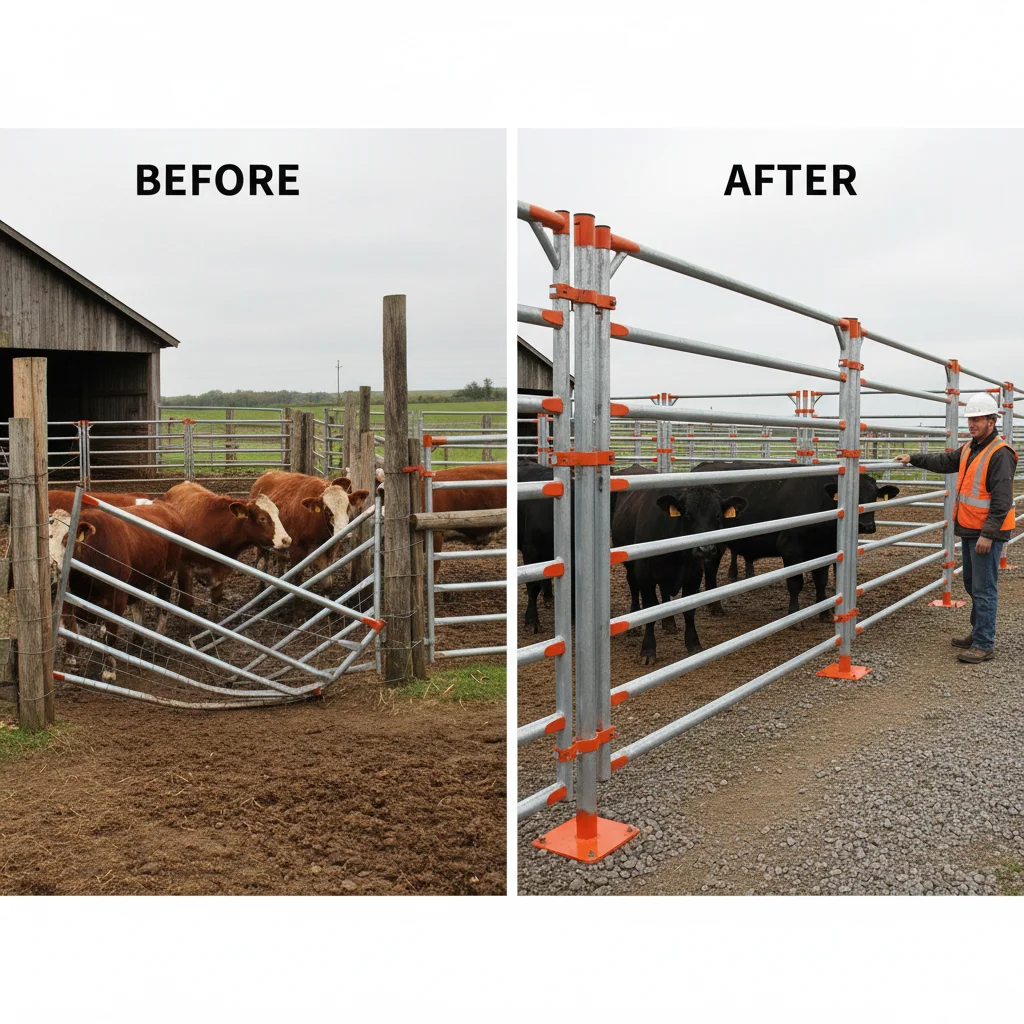
Durable Freestanding Livestock Panels for Efficient Animal Handling In the demanding world of agricultural management, the need for flexible and robust containment solutions has never been more critical. freestanding livestock panels offer a sophisticated answer to the challenges of animal handling, providing a secure yet adaptable barrier that does not require permanent installation or deep grounding. By allowing farmers and ranchers to redefine their spatial layouts in minutes, these panels maximize the efficiency of existing infrastructure while ensuring the safety of both the handlers and the livestock. Read More >26 Apr, 17
-
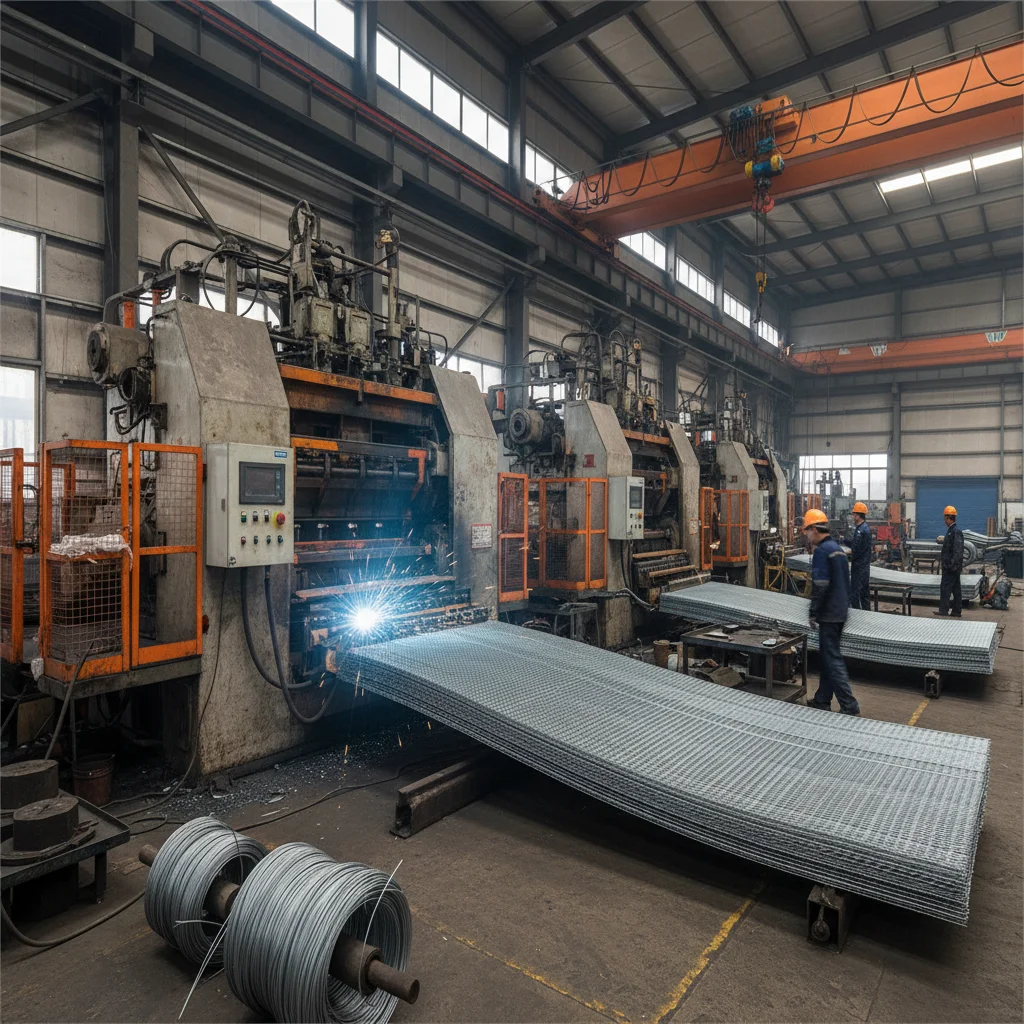
Professional Galvanized Welded Mesh Factory for Industrial Projects Finding a reliable galvanized welded mesh factory is critical for ensuring the structural integrity and longevity of your industrial or agricultural installations. Galvanized welded mesh is prized for its exceptional strength and resistance to corrosion, making it the go-to choice for fencing, animal cages, and construction reinforcement. However, not all factories adhere to the same quality standards. Whether you are sourcing for a large-scale infrastructure project or a specialized commercial application, understanding the manufacturing process and quality benchmarks is key to making a cost-effective investment that lasts for decades. Read More >26 Apr, 16
-
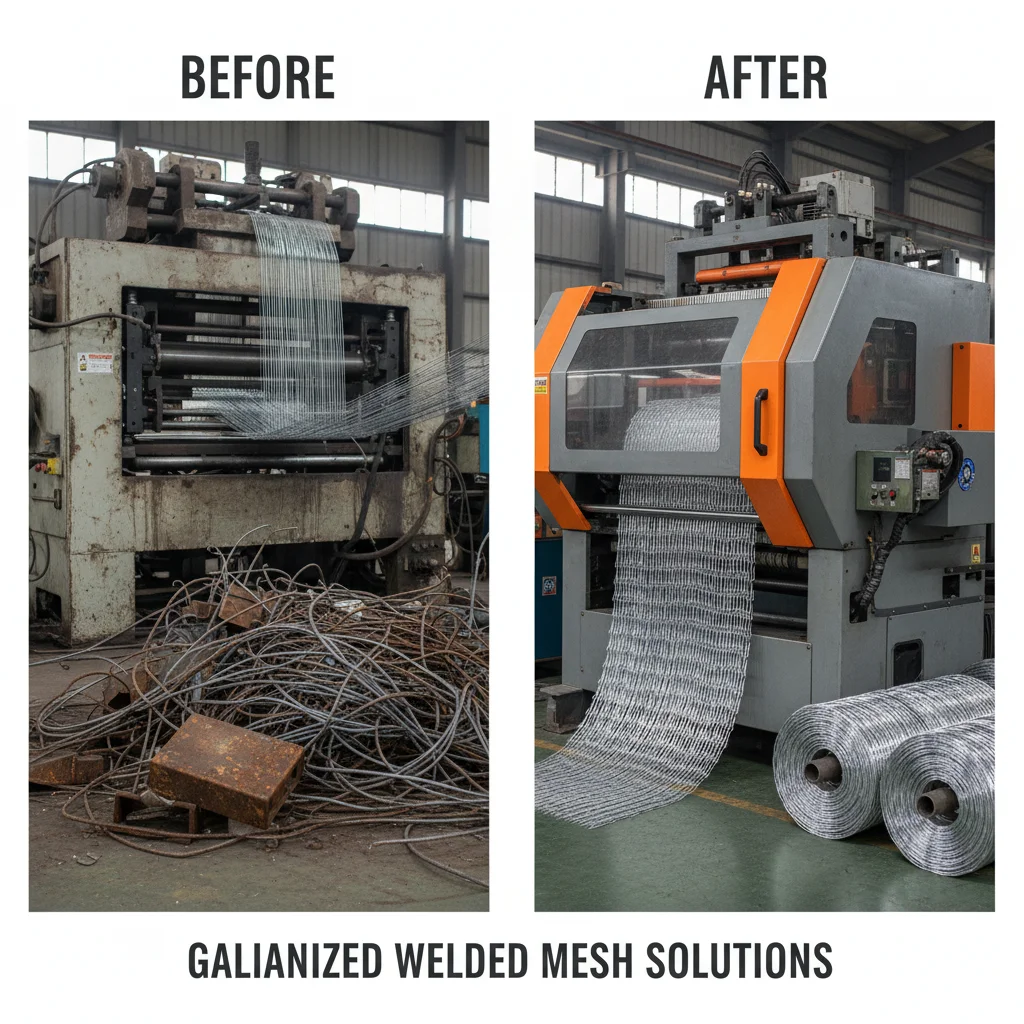
Professional Galvanized Welded Mesh Exporter for Quality Projects Selecting a high-quality fencing or screening solution requires more than just picking a product; it requires partnering with a reliable galvanized welded mesh exporter who understands the balance between structural integrity and corrosion resistance. Whether you are securing an industrial perimeter, building animal enclosures, or implementing architectural reinforcements, the quality of the galvanization process determines the lifespan of your installation. In this guide, we will explore the technical advantages of galvanized welded mesh and how to identify a global supplier that meets international quality standards to ensure your investment stands the test of time. Read More >26 Apr, 09
-
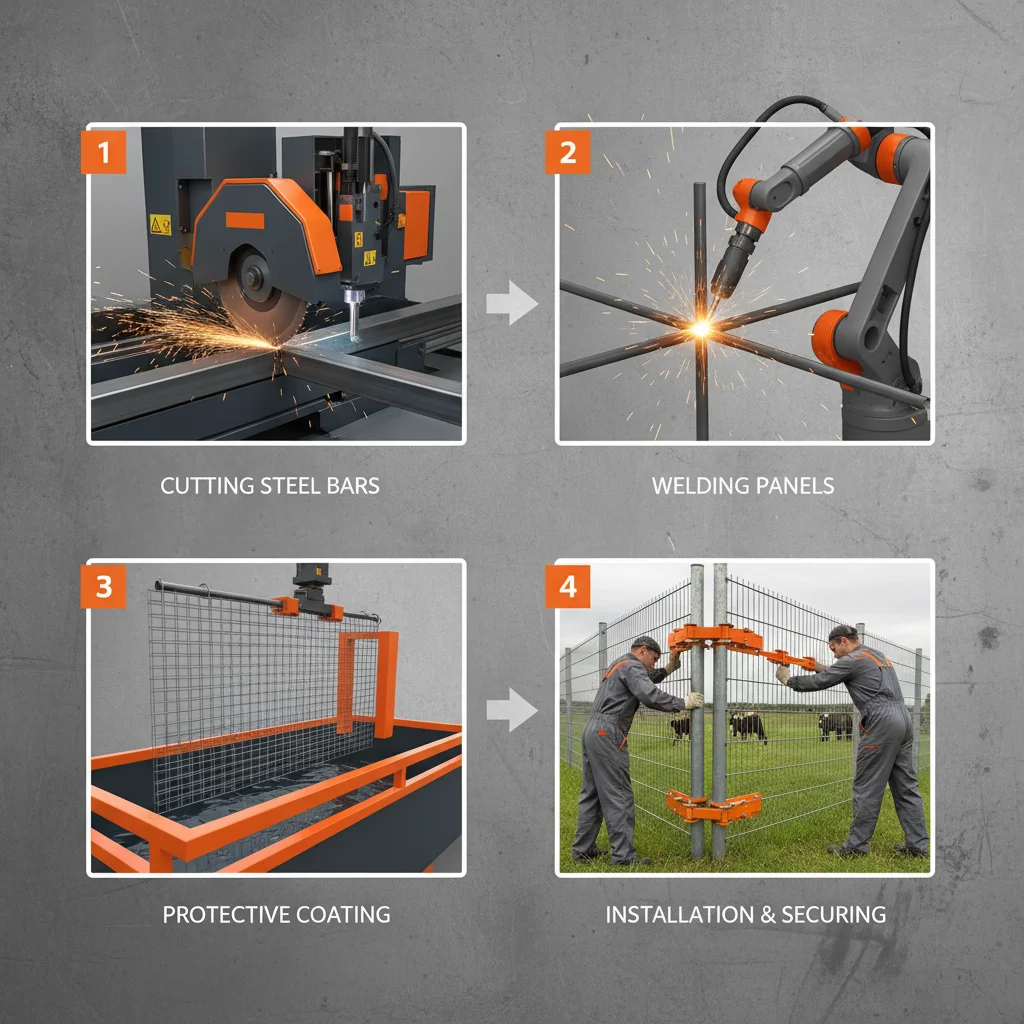
Essential Fencing Panels for Livestock Management and Farm Productivity Fencing panels for livestock are essential components in modern animal husbandry, playing a critical role in efficient farm management, animal welfare, and land utilization. Globally, the demand for robust and reliable fencing solutions is increasing due to the expanding livestock industry and the need to protect grazing lands from encroachment and predation. These panels aren’t simply barriers; they represent a vital investment in a farm's productivity and the health of its animals. Read More >26 Apr, 08
If you are interested in our products, you can choose to leave your information here, and we will be in touch with you shortly.


