


Types of Wire Mesh Fencing Explained | Industrial Expert Insights
Exploring Types of Wire Mesh Fencing: A Veteran's Take
Working in the industrial equipment sector for over a decade, I've gotten pretty familiar with wire mesh fencing — not just the technical specs but the little quirks that only experience reveals. Wire mesh fencing types come in all shapes and sizes, and frankly, knowing which type suits which application can save a company heaps of time and money.
Oddly enough, most people tend to think of wire mesh fencing as a one-size-fits-all solution, but in real terms, the differences matter. There’s welded wire mesh, woven wire mesh, chain link fencing, and expanded metal mesh — each with its own strengths depending on the environment and security needs.
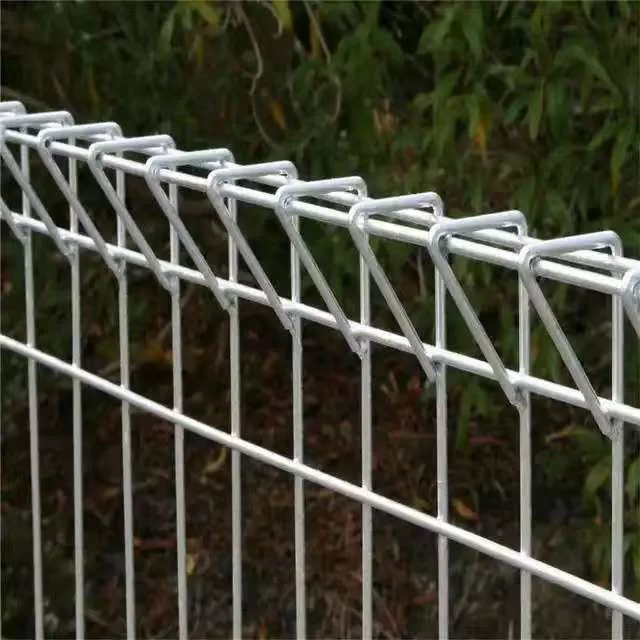
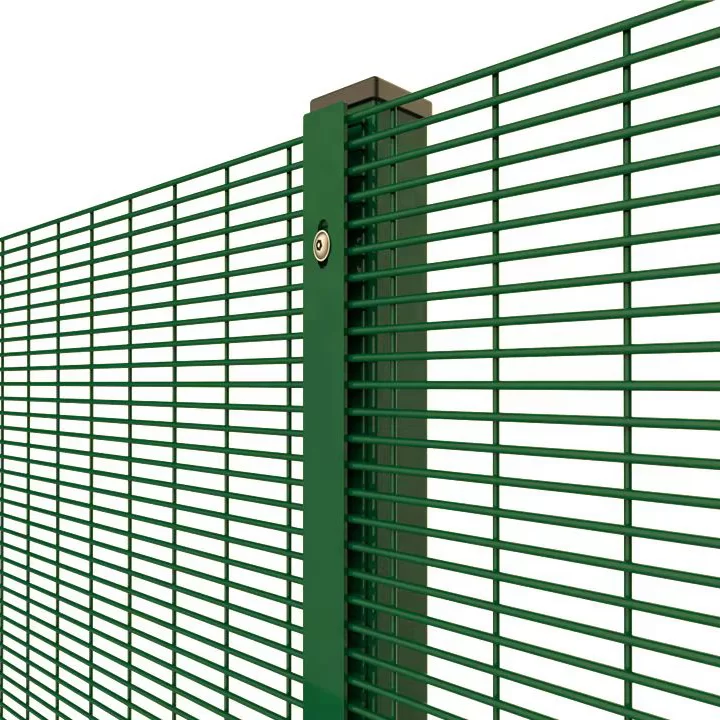
Take welded wire mesh for example. It’s fairly rigid thanks to the welding process at every intersection, making it ideal for areas that need solid structural integrity. I remember one project where a construction company needed fencing to secure a hazardous materials storage; welded wire was their best bet because its grid doesn’t easily deform — something that’s not true with woven mesh.
Then there’s woven wire mesh, which is a bit more flexible. The wires are intertwined rather than welded, creating a fabric-like structure. This type is often used in agricultural fencing or animal enclosures since it’s less likely to snap under sudden impacts, yet still provides great visibility and airflow.
Chain link fencing, that diamond pattern we all recognize, is super popular given its cost-effectiveness and quick installation. But the materials and coatings can vary drastically — galvanized steel is the norm, but vinyl-coated options offer extra weather resistance. I’ve generally noticed that clients in coastal zones opt for vinyl coatings to fend off rust.
Expanded metal mesh is another beast altogether. Here, steel sheets are slitted and stretched to form a mesh with diamond-shaped openings. It’s tough, difficult to cut, and often used for high-security applications or industrial walkways. A customer once told me it saved their team days on installation since they didn't have to weld sections together.
Common Materials and Testing Standards
In terms of materials, galvanized steel remains a staple across types, especially because of its corrosion resistance and durability. Stainless steel versions, while pricier, offer superior rust protection and longevity — which is crucial for food processing plants or chemical factories. You’ll also find PVC vinyl coatings, which add a splash of color and extra weatherproofing.
Testing is another angle that’s crucial but often overlooked. Most industrial-grade wire mesh fencing passes tensile strength and weather resistance tests to comply with standards like ASTM or ISO norms. Many engineers I know swear by third-party testing reports, especially when installing fencing in safety-critical places.
| Type | Material | Mesh Size | Typical Use | Advantages |
|---|---|---|---|---|
| Welded Wire Mesh | Galvanized Steel, Stainless Steel | Small (up to 2”) | Perimeter Security, Hazardous Areas | Rigid, Durable, High Strength |
| Woven Wire Mesh | Galvanized Steel, PVC coated | Medium to Small | Agricultural, Animal Enclosures | Flexible, Resists Impact |
| Chain Link Fence | Galvanized or Vinyl Coated Steel | Diamond Pattern | General Security, Sports Fields | Cost-Effective, Easy Install |
| Expanded Metal Mesh | Steel, Stainless Steel | Diamond Openings | Security, Walkways, Grates | Strong, Difficult to Cut |
A Quick Comparison of Popular Suppliers
If you've been around the block with industrial fencing (and, well, I have), you know that not all suppliers are created equal. Sourcing the right mesh can feel like a maze, especially with concerns around quality control and consistency.
| Supplier | Material Quality | Customization | Lead Time | Price Level |
|---|---|---|---|---|
| Haotian Mesh | High grade galvanized & stainless steel | Full custom sizes & coatings | 2-4 weeks | Competitive |
| Generic Industrial Supplier | Standard galvanized steel | Limited to stock sizes | 1-3 weeks | Low to mid-range |
| Premium Metalworks | Top grade stainless steel | Custom engineering services | 4-6 weeks | High |
As I often advise customers, it’s better to spend a little time vetting your mesh supplier than to rush into a purchase. I once saw a site where fencing arrived rusted and warped — and the hassle to fix that? Not fun. That’s why trusted suppliers like Haotian Mesh stand out: good materials, flexible options, and reliable delivery.
So, whether you’re protecting a factory, farming lands, or just enclosing a sports ground, understanding the right type of wire mesh fencing and trusting your supplier is fundamental. Hopefully, this little rundown gives you a better grip on what’s what — because in this line of work, the right mesh really does make all the difference.
In the end, the best fence is the one that quietly does its job for years without a fuss. That’s the kind of reliability I’ve come to respect after all this time.
References:
1. ASTM International standards for wire mesh
2. Industry experience and project case notes
3. Haotian Mesh official product documentation
-
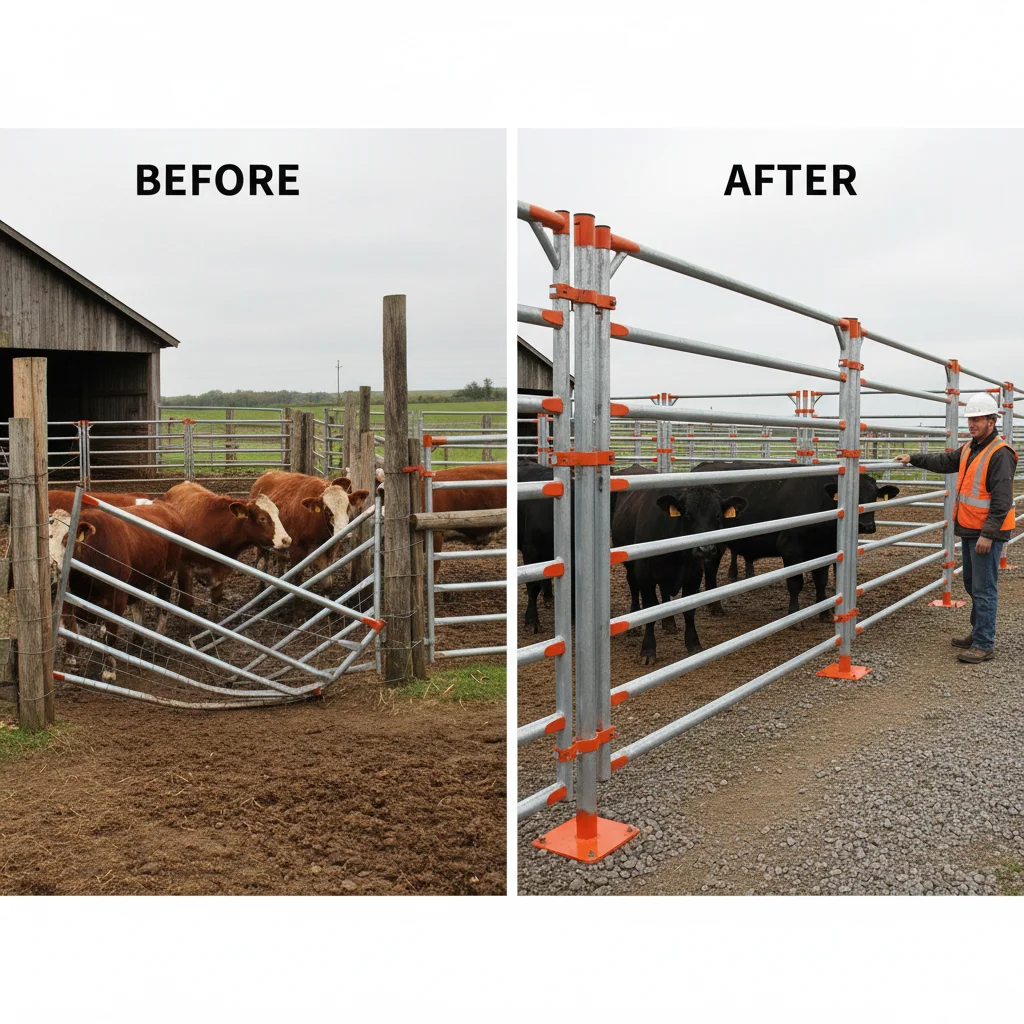
Durable Freestanding Livestock Panels for Efficient Animal Handling In the demanding world of agricultural management, the need for flexible and robust containment solutions has never been more critical. freestanding livestock panels offer a sophisticated answer to the challenges of animal handling, providing a secure yet adaptable barrier that does not require permanent installation or deep grounding. By allowing farmers and ranchers to redefine their spatial layouts in minutes, these panels maximize the efficiency of existing infrastructure while ensuring the safety of both the handlers and the livestock. Read More >26 Apr, 17
-
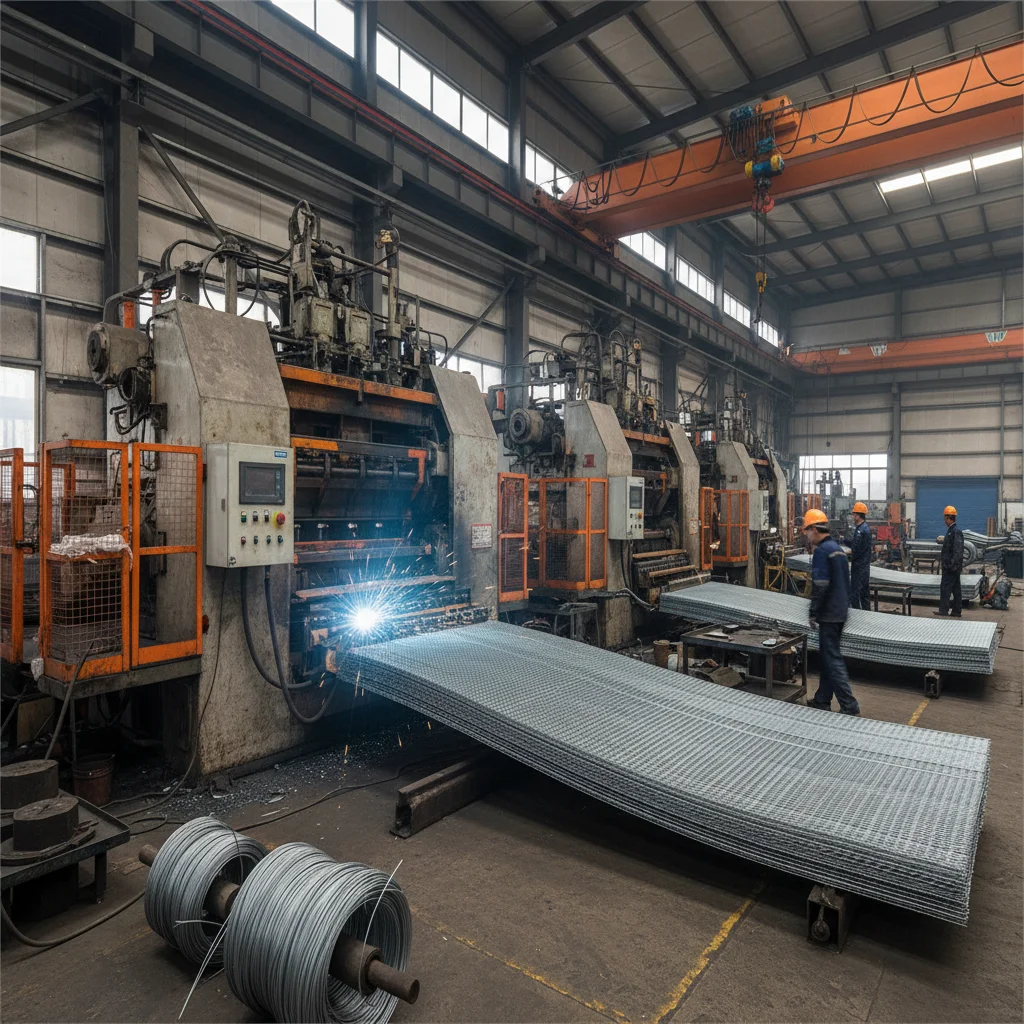
Professional Galvanized Welded Mesh Factory for Industrial Projects Finding a reliable galvanized welded mesh factory is critical for ensuring the structural integrity and longevity of your industrial or agricultural installations. Galvanized welded mesh is prized for its exceptional strength and resistance to corrosion, making it the go-to choice for fencing, animal cages, and construction reinforcement. However, not all factories adhere to the same quality standards. Whether you are sourcing for a large-scale infrastructure project or a specialized commercial application, understanding the manufacturing process and quality benchmarks is key to making a cost-effective investment that lasts for decades. Read More >26 Apr, 16
-
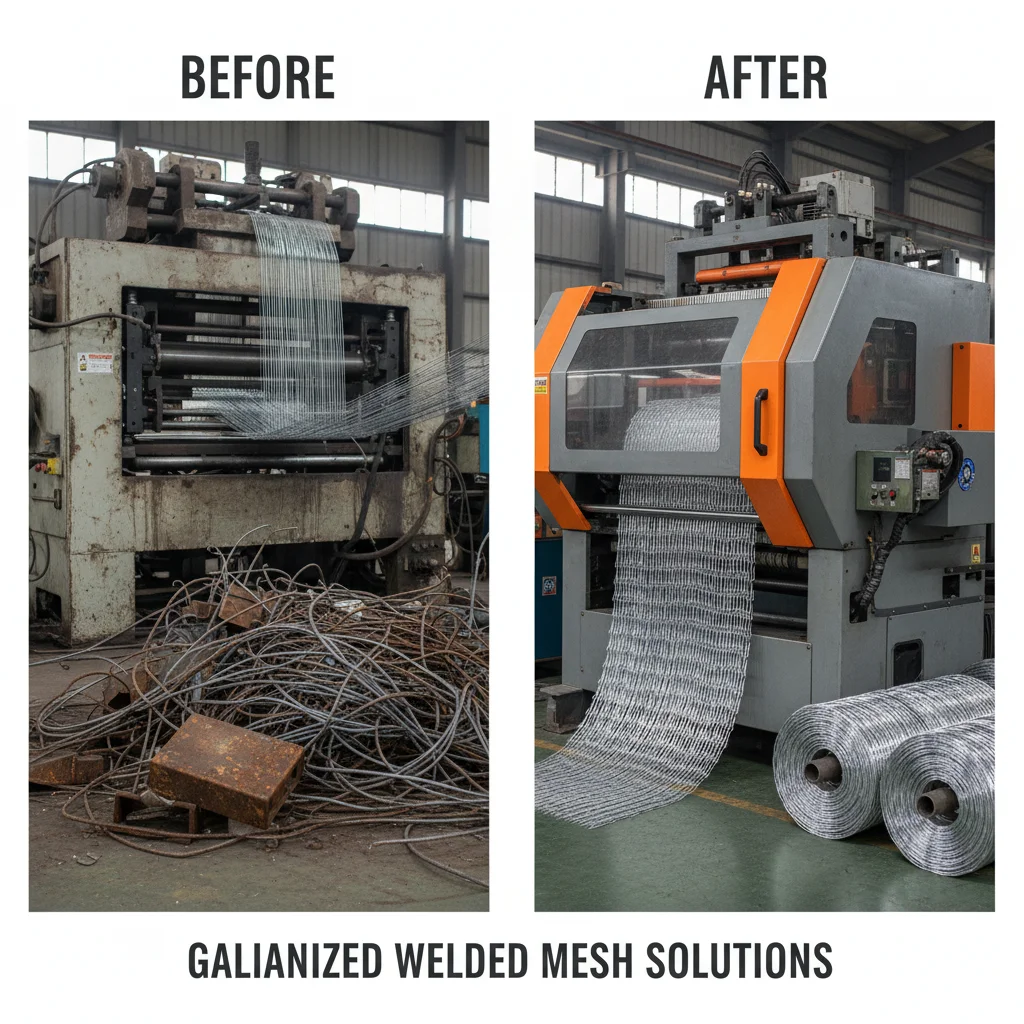
Professional Galvanized Welded Mesh Exporter for Quality Projects Selecting a high-quality fencing or screening solution requires more than just picking a product; it requires partnering with a reliable galvanized welded mesh exporter who understands the balance between structural integrity and corrosion resistance. Whether you are securing an industrial perimeter, building animal enclosures, or implementing architectural reinforcements, the quality of the galvanization process determines the lifespan of your installation. In this guide, we will explore the technical advantages of galvanized welded mesh and how to identify a global supplier that meets international quality standards to ensure your investment stands the test of time. Read More >26 Apr, 09
-
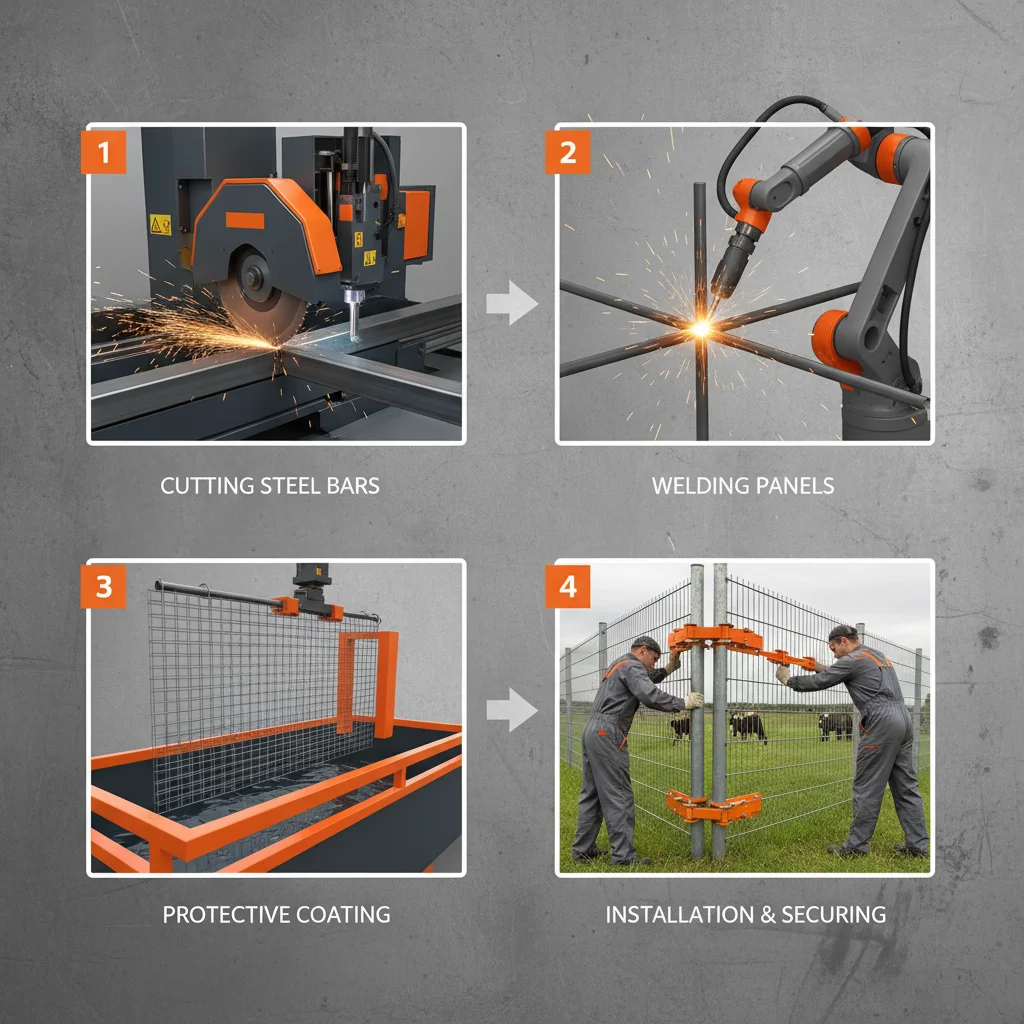
Essential Fencing Panels for Livestock Management and Farm Productivity Fencing panels for livestock are essential components in modern animal husbandry, playing a critical role in efficient farm management, animal welfare, and land utilization. Globally, the demand for robust and reliable fencing solutions is increasing due to the expanding livestock industry and the need to protect grazing lands from encroachment and predation. These panels aren’t simply barriers; they represent a vital investment in a farm's productivity and the health of its animals. Read More >26 Apr, 08
If you are interested in our products, you can choose to leave your information here, and we will be in touch with you shortly.


