


Reliable 16 ft x 50 in Cattle Panels for Durable Livestock Fencing Solutions
Why Understanding the 16 ft x 50 in Cattle Panel Matters Globally
When we talk about sustainable livestock management around the world, the unassuming 16 ft x 50 in cattle panel often flies under the radar. Yet, these steel reinforcements are at the heart of fencing solutions that keep livestock safe, contain animals efficiently, and help millions of farmers and ranchers operate profitably. The global livestock sector, which contributes over 40% of agricultural GDP according to the FAO, depends on sturdy panels to protect assets and minimize losses. In remote pastoral regions, secure fencing can be a game-changer—keeping animals safe from predators, preventing fence breaches, and reducing environmental degradation.
Understanding the specifications and applications of a 16 ft x 50 in cattle panel paints a clear picture of why it's more than just a length of wire and steel bars. It's part of a resilient infrastructure that spans continents and transcends climates.
The Global Context: How Cattle Panels Address Major Challenges
Globally, the livestock industry faces increasing pressures: from land degradation and climate change to rapid urbanization and the need for efficient food production. According to the World Bank, about 70% of rural poor depend on livestock for their livelihoods. But without proper fencing, issues like livestock theft, overgrazing, and habitat destruction can quickly spiral out of control.
The 16 ft x 50 in cattle panel plays a tactical role here. Its size, with a 50-inch height that suits a wide variety of animals and a 16-foot length that minimizes the number of joints, offers not just physical containment but also cost efficiency and quicker installation. Imagine trying to fence a sprawling ranch or a complicated terrain without standardized panels — it would be a nightmare.
Defining the 16 ft x 50 in Cattle Panel
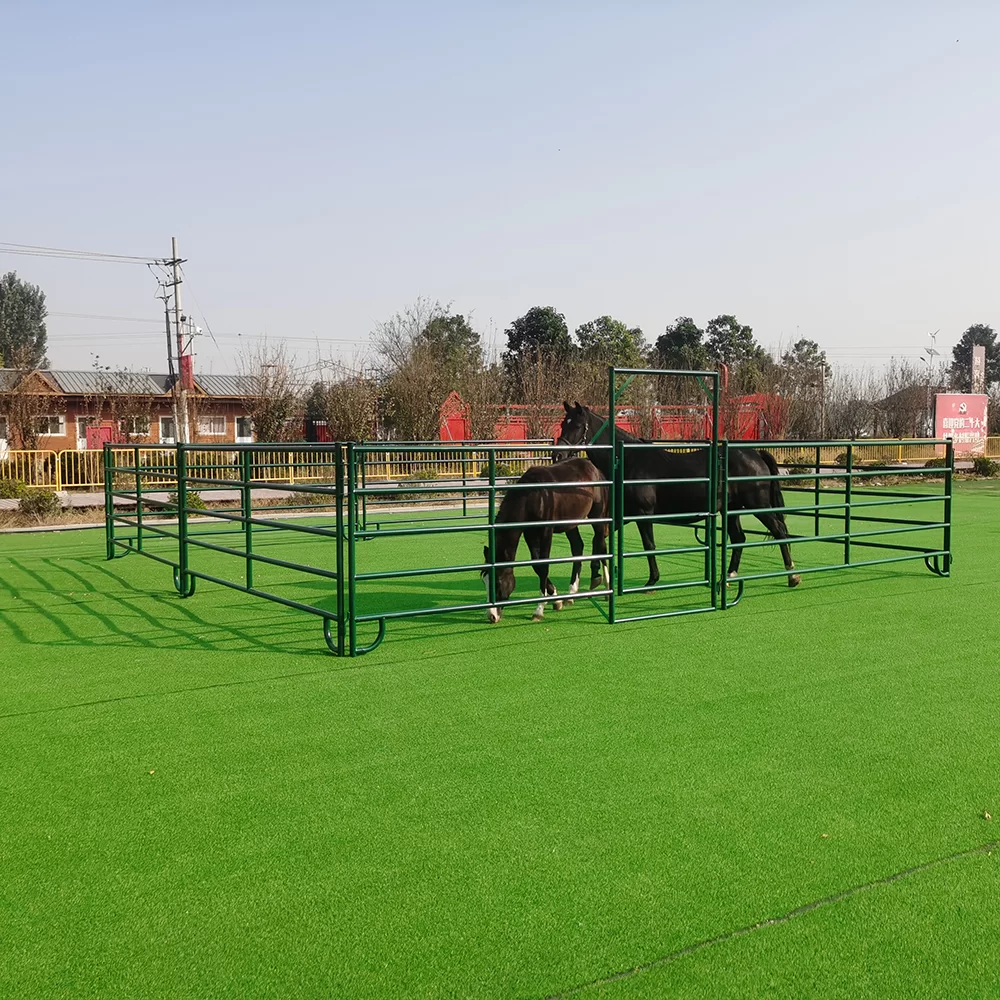
Simply put, a 16 ft x 50 in cattle panel is a rectangular, pre-fabricated welded wire fencing panel measuring 16 feet in length and 50 inches in height. Usually constructed from galvanized steel rods or wire mesh, its grid pattern provides strength and flexibility. The panels are designed to fit together, creating long stretches of fencing that can contain animals like cattle, horses, sheep, and goats.
Beyond basic containment, these panels tie into modern livestock management techniques that emphasize animal welfare, operational efficiency, and environmental stewardship. For many humanitarian organizations working in food security and animal husbandry, these affordable panels make a measurable difference when establishing sustainable livestock enclosures in rural communities.
Key Components of a Quality Cattle Panel
1. Durability and Corrosion Resistance
Most 16 ft x 50 in cattle panels are galvanized or sometimes coated with PVC, ensuring they resist rust and maintain integrity even in wet or salty environments. This is crucial for longevity, especially in coastal or rainy areas where fences often fall victim to corrosion within a few years.
2. Wire Gauge and Strength
Panels usually employ 12.5 to 14 gauge wire, striking a balance between strength and weight. Thicker wire panels mean added robustness, especially useful where animals are more aggressive or larger breeds are contained.
3. Mesh Size and Pattern
The spacing between wires is small enough to prevent calves or smaller animals from escaping yet large enough to allow visibility and airflow. This reduces stress and improves management ease.
4. Ease of Installation and Scalability
The 16-foot length is ideal for both small and large-scale operations. It minimizes the number of joints, which are typically weak points. The standardized size also allows for modular extension as your needs grow.
5. Cost Efficiency and Availability
Affordable and widely available, these panels allow ranchers worldwide to set up or repair fences without huge upfront investment or waiting periods.
| Specification | Details |
|---|---|
| Dimensions | 16 ft length x 50 in height |
| Wire Gauge | 12.5 – 14 gauge galvanized steel |
| Mesh Opening | 4 in x 4 in or 4 in x 6 in typical |
| Finish | Hot-dip galvanized or PVC-coated options |
| Weight | Approx. 180-210 lbs per panel |
| Typical Uses | Livestock fencing, perimeter control, temporary barriers |
Global Applications & Use Cases
From the vast ranches of Australia to the smallholder farms in East Africa, the 16 ft x 50 in cattle panel is a global staple. Notably, NGOs supporting pasture-based livelihoods in countries like Kenya, Mongolia, and Brazil use these panels to install affordable yet durable fencing that protects livestock and prevents disease spread.
In post-disaster relief, these panels provide a quick solution to rebuild containment areas destroyed by floods, fires, or conflicts. In remote industrial zones—think mining or oil fields—they often double as security barriers to separate livestock from dangerous equipment or keep employees safe.
Even conservation efforts catch a break: fences made with these panels help in controlled grazing and protecting sensitive flora from overgrazing.
Advantages and Long-Term Value of Using 16 ft x 50 in Cattle Panels
- Cost-Effective Durability: Unlike makeshift fences, galvanized steel panels stand up to years of weather abuse, reducing replacement costs.
- Animal Welfare: Proper fencing prevents injuries and stress caused by poorly constructed or inappropriate barriers.
- Environmental Sustainability: Efficient fencing limits overgrazing and habitat destruction, aligning with better land management practices.
- Ease of Expansion and Repair: Modular and standardized design means you can quickly scale fencing as your herd or property expands.
- Community Trust: For many farmers, a solid fence equals security—not just of assets but of livelihood and dignity.
Frankly, it’s not just about panels, but the science and care behind designing a fence that respects animals and the environment. Innovation happens not only in new materials but in how we use these old standards for fresh challenges.
Future Trends & Innovations in Livestock Fencing
Looking ahead, the cattle panel isn’t staying still. New coatings are making panels more eco-friendly by reducing chemical runoff and extending lifespan. There’s also a push towards integrating sensors and IoT devices to monitor fence integrity and animal movement remotely (imagine a fence that tells you if there’s a breach or an injured cow). Automating routine fence inspections could save countless hours and even lives.
Green energy isn’t far behind—solar-powered electric fencing supplements traditional panels, creating hybrid solutions that balance security with environmental stewardship. Materials science advances periodically offer lightweight yet stronger composites, although steel still dominates due to cost and strength credentials.
Challenges & Solutions When Using Cattle Panels
Despite their strengths, cattle panels dohave some common hurdles. Their weight can make manual handling tough, especially in steep or uneven terrain. Installation takes practice, and improper setup risks sagging or fence failure. Corrosion can still sneak in if coatings are scratched or damaged. Theft or vandalism is another issue in insecure areas.
Experts suggest combining panels with sturdy corner posts and gates, and using quick-connect clamps to ease installation. Increasingly, farmers are adopting pre-fabricated fence kits and consulting professional installers rather than going it alone.
In terms of durability, frequent inspection and simple maintenance like touch-up painting or resealing damaged spots can make a world of difference.
Vendor Comparison: Leading 16 ft x 50 in Cattle Panel Providers
| Vendor | Material Quality | Price per Panel | Lead Time | Warranty | Additional Services |
|---|---|---|---|---|---|
| RanchMaster Co. | Hot-dip galvanized, 12.5 gauge | $120 | 2-3 weeks | 5 years | On-site installation support |
| AgriFence Solutions | PVC-coated galvanized, 14 gauge | $135 | 1-2 weeks | 7 years | Custom panel sizes and fabrication |
| Global Mesh Corp. | Standard galvanized, 13 gauge | $110 | 3-4 weeks | 3 years | Bulk discounts & expedited shipping |
Frequently Asked Questions About 16 ft x 50 in Cattle Panels
- Q: What factors should I consider when choosing a cattle panel for different climates?
- A: In humid or coastal regions, look for hot-dip galvanized or PVC-coated panels to resist corrosion. For dry areas, standard galvanized panels usually suffice. Consider wire gauge and mesh size based on animal type and behavior.
- Q: Can these panels be used for temporary fencing during events or rotational grazing?
- A: Absolutely. The 16 ft x 50 in size is portable enough to reposition with some equipment and can be combined with movable posts for temporary setups.
- Q: How do I maintain cattle panels to extend their lifespan?
- A: Regular inspections for rust spots or damage are key. Clean panels if covered in mud or debris, touch up scratches with zinc-rich paint, and tighten loose fittings.
- Q: Are custom-sized cattle panels available?
- A: Yes, many vendors offer custom fabrication, but the 16 ft x 50 in panel remains popular due to standardized sizing and compatibility with other fence components.
Conclusion: Why the 16 ft x 50 in Cattle Panel Is an Indispensable Asset
Over decades, the 16 ft x 50 in cattle panel has proven its worth as a versatile, durable, and cost-effective solution for livestock fencing worldwide. It’s a product that quietly supports livelihoods, safeguards ecosystems, and evolves with emerging technologies. Whether you’re a rancher managing hundreds of acres or a humanitarian agency building sustainable enclosures, these panels deliver dependable performance wherever they go.
If your next fencing project calls for strength, reliability, and proven design, don’t overlook the humble but mighty 16 ft x 50 in cattle panel. Visit our website for expert advice and quality products ready to ship.
References
-
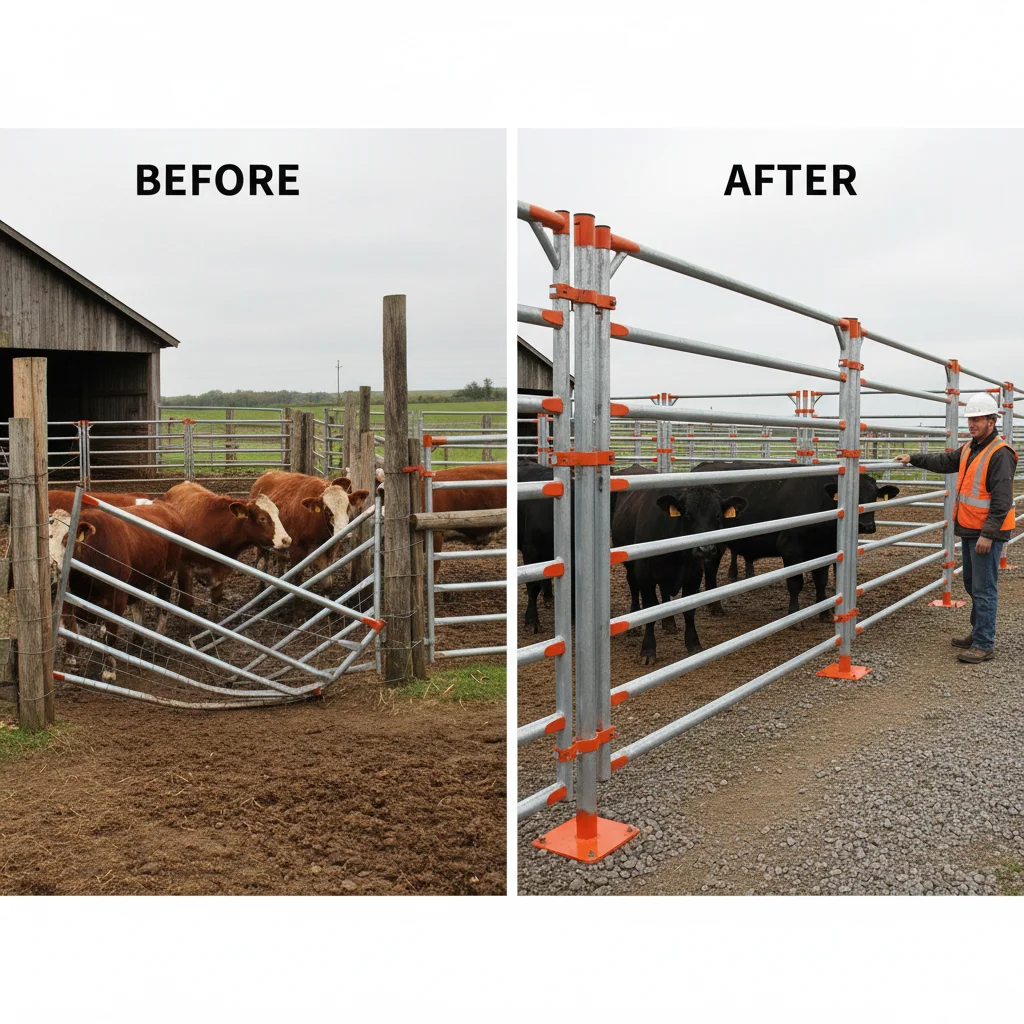
Durable Freestanding Livestock Panels for Efficient Animal Handling In the demanding world of agricultural management, the need for flexible and robust containment solutions has never been more critical. freestanding livestock panels offer a sophisticated answer to the challenges of animal handling, providing a secure yet adaptable barrier that does not require permanent installation or deep grounding. By allowing farmers and ranchers to redefine their spatial layouts in minutes, these panels maximize the efficiency of existing infrastructure while ensuring the safety of both the handlers and the livestock. Read More >26 Apr, 17
-
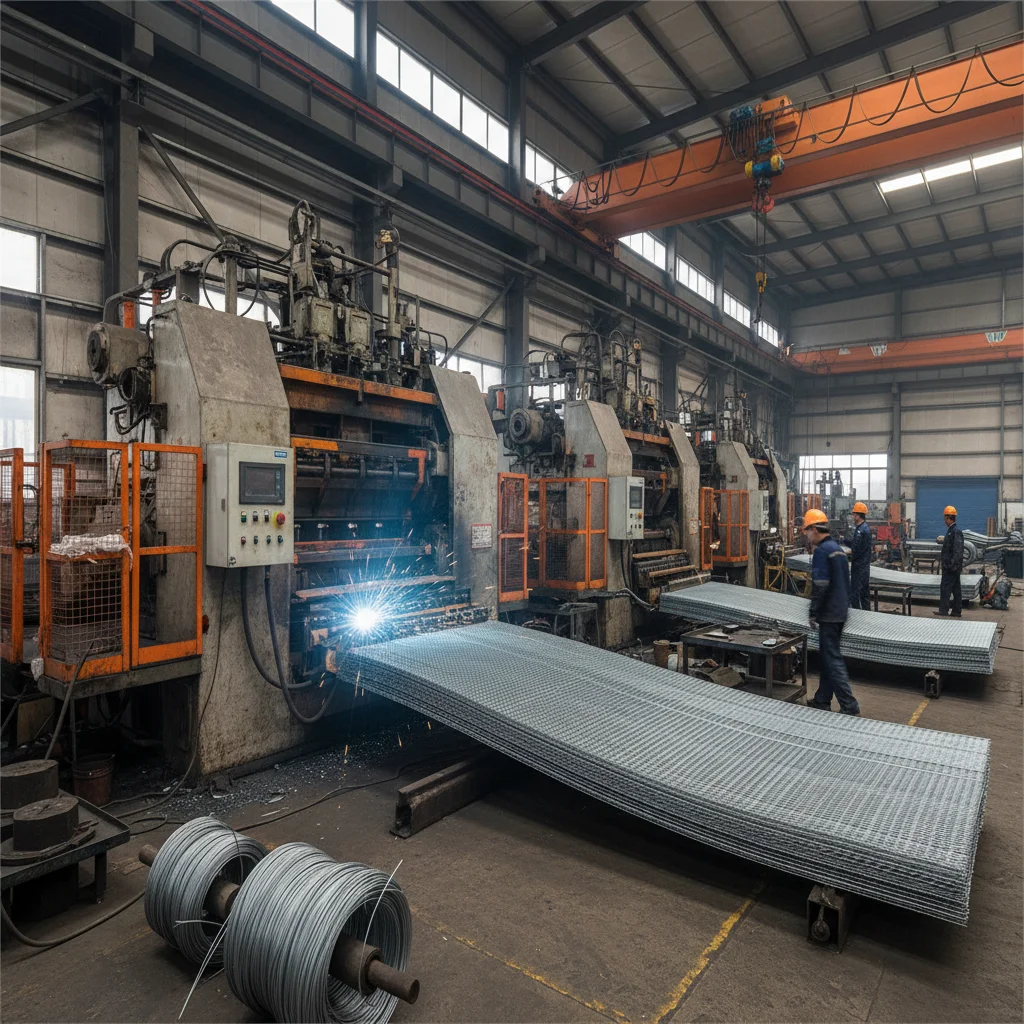
Professional Galvanized Welded Mesh Factory for Industrial Projects Finding a reliable galvanized welded mesh factory is critical for ensuring the structural integrity and longevity of your industrial or agricultural installations. Galvanized welded mesh is prized for its exceptional strength and resistance to corrosion, making it the go-to choice for fencing, animal cages, and construction reinforcement. However, not all factories adhere to the same quality standards. Whether you are sourcing for a large-scale infrastructure project or a specialized commercial application, understanding the manufacturing process and quality benchmarks is key to making a cost-effective investment that lasts for decades. Read More >26 Apr, 16
-
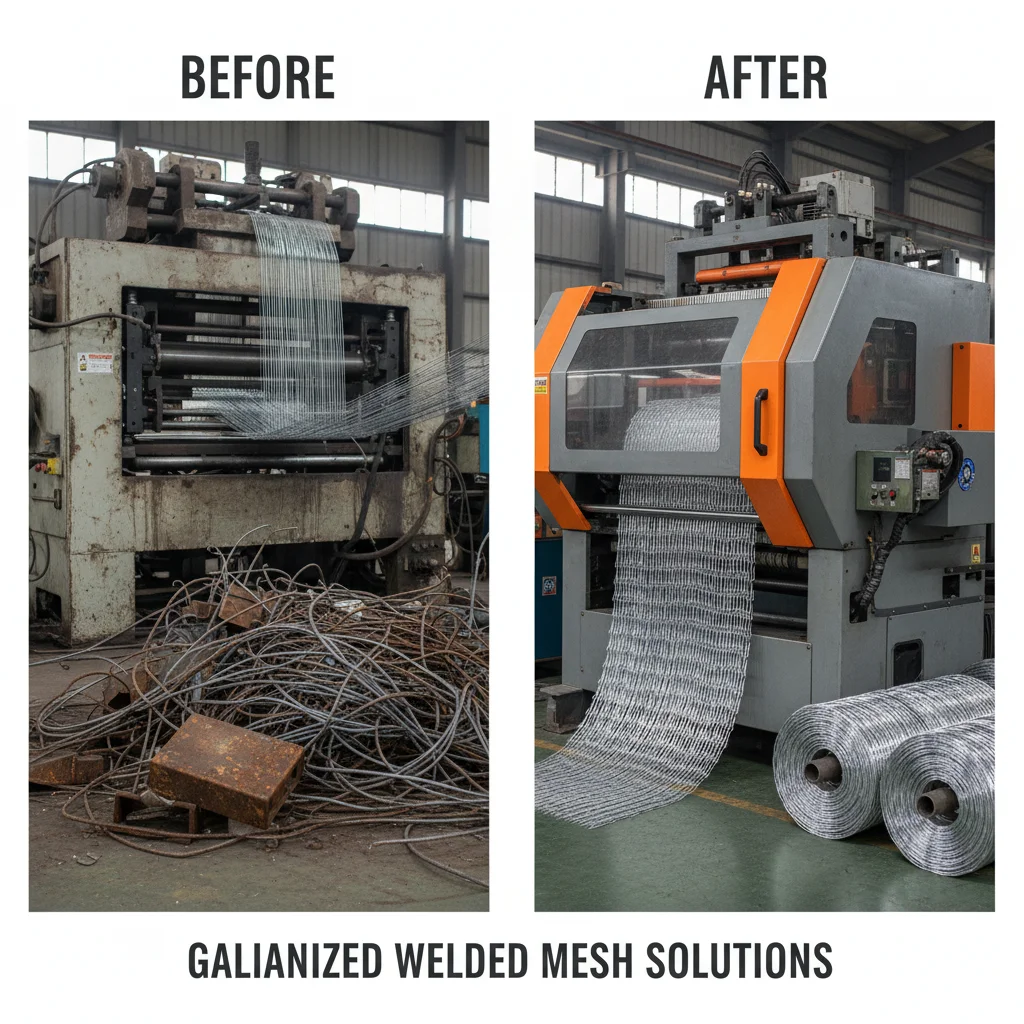
Professional Galvanized Welded Mesh Exporter for Quality Projects Selecting a high-quality fencing or screening solution requires more than just picking a product; it requires partnering with a reliable galvanized welded mesh exporter who understands the balance between structural integrity and corrosion resistance. Whether you are securing an industrial perimeter, building animal enclosures, or implementing architectural reinforcements, the quality of the galvanization process determines the lifespan of your installation. In this guide, we will explore the technical advantages of galvanized welded mesh and how to identify a global supplier that meets international quality standards to ensure your investment stands the test of time. Read More >26 Apr, 09
-
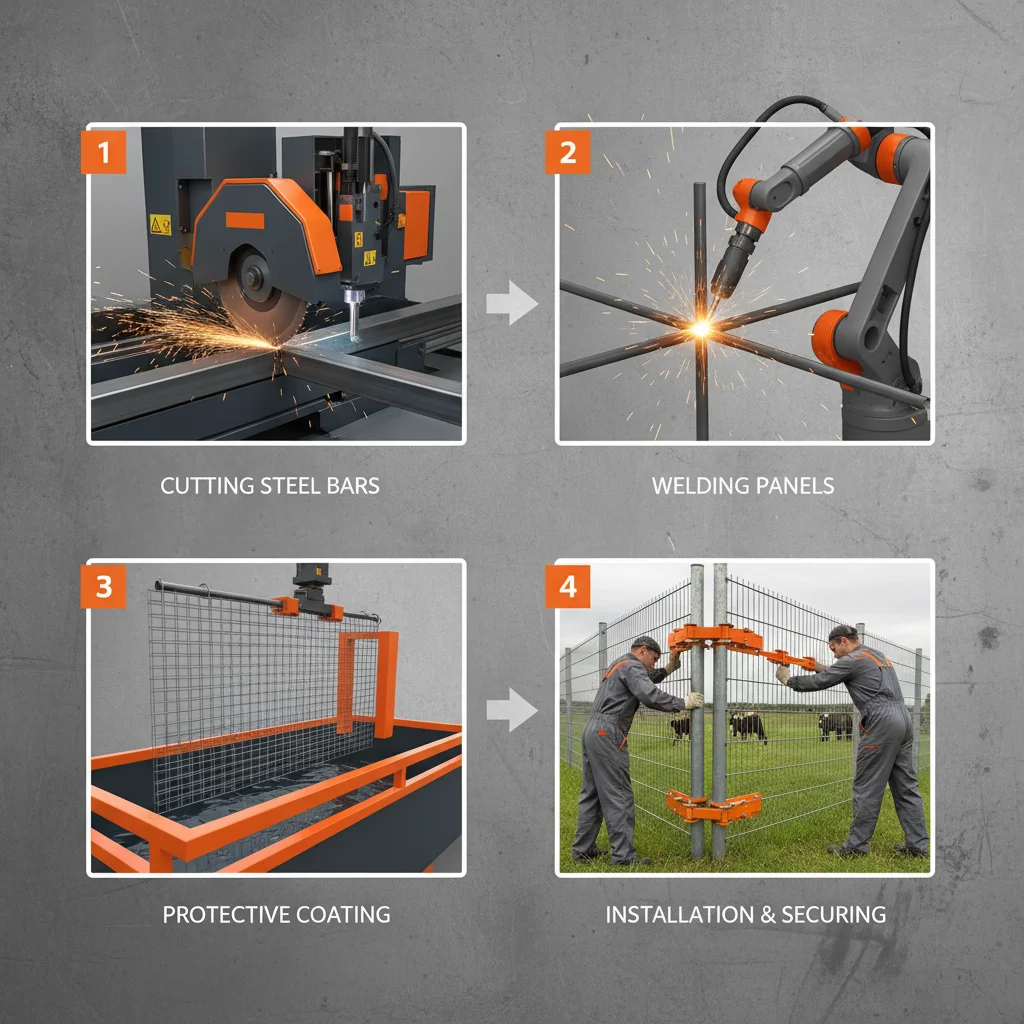
Essential Fencing Panels for Livestock Management and Farm Productivity Fencing panels for livestock are essential components in modern animal husbandry, playing a critical role in efficient farm management, animal welfare, and land utilization. Globally, the demand for robust and reliable fencing solutions is increasing due to the expanding livestock industry and the need to protect grazing lands from encroachment and predation. These panels aren’t simply barriers; they represent a vital investment in a farm's productivity and the health of its animals. Read More >26 Apr, 08
If you are interested in our products, you can choose to leave your information here, and we will be in touch with you shortly.


