


Portable Windbreak Panels for Cattle: Flexible Protection for Livestock Worldwide
What Are Portable Windbreak Panels for Cattle and Why Do They Matter Worldwide?
If you've ever stood on a sprawling ranch or watched a herd of cattle braving a relentless winter breeze, you've probably sensed how exposed livestock can be to harsh weather. Portable windbreak panels for cattle are exactly what they sound like: movable barriers designed to shield animals from wind, cold, and sometimes even sun. Understanding these panels is more than just a farming tip—it's a small but significant solution to global challenges like animal welfare, sustainable farming, and resource efficiency.
In a world increasingly focused on sustainable food production and humane livestock management, these panels offer tangible benefits. They improve cattle comfort, reduce feed waste, and can even cut down on veterinary costs related to weather-induced stress. This seemingly simple product is actually woven tightly into the fabric of modern agriculture and climate adaptation strategies.
Global Context: How Portable Windbreak Panels for Cattle Fit Into Today’s Agricultural Challenges
Around the globe, agriculture is under pressure. The UN’s Food and Agriculture Organization (FAO) highlights that more extreme weather — stronger winds, colder snaps — is impacting livestock health and productivity. Cattle, in particular, are vulnerable; wind chill forces them to expend more energy to stay warm, leading to higher feed consumption and lower weight gains.
The World Bank estimates that improving shelter and livestock housing could reduce annual economic losses by billions, especially for smallholder farmers in vulnerable regions. Enter portable windbreak panels. These units address an urgent need: flexibility without massive infrastructure investment. Whether it’s a remote ranch in Montana or a semi-nomadic herd in Mongolia, the ability to quickly set up and move protective barriers means farmers can react to shifting conditions effectively.
- Statistic: Studies suggest cattle exposed without shelter can lose up to 10% more weight during cold wind events (source: USDA Extension Reports).
- Challenge: Fixed windbreaks are expensive and permanent — difficult to adjust when climates and grazing patterns vary.
Mini takeaway: Simply put, portable windbreak panels for cattle answer a growing, global need: flexible, cost-effective animal protection that moves with the seasons and terrain.
Understanding Portable Windbreak Panels for Cattle
So what exactly are portable windbreak panels for cattle? At their core, these are modular, lightweight barriers assembled from durable materials like galvanized steel frames and high-density polyethylene (HDPE) mesh or panels. They are designed to be easily transported, set up, and reconfigured without heavy machinery.
Functionally, they create a wind shadow—an area of reduced wind velocity—where cattle can cluster during harsh weather. Unlike traditional, permanent windbreaks made from trees or concrete, these panels can be arranged across fields or paddocks as needs evolve.
In modern agricultural operations, their portability syncs well with trends toward rotational grazing and precision livestock management, allowing farmers to optimize land use and animal comfort simultaneously.
Key Features That Make These Panels Work
1. Durability in Harsh Conditions
Materials are critical. Steel frames resist rust and corrosion, while HDPE or mesh panels stand up against UV rays and moisture. This means the panels often last years, even in wet or windy environments.
2. Ease of Transport & Assembly
Panels typically weigh between 10–30 kg, with modular connectors or brackets allowing quick snap-together assembly. This setup saves hours and avoids heavy equipment — a game-changer for remote or rugged locations.
3. Scalability & Adaptability
Farmers can link several panels to create small sheltered zones or long, continuous barriers depending on herd size and pasture layout. Some vendors even offer customizable sizes for unique terrain.
4. Cost Efficiency Over Time
While initial investment might seem notable, reducing feed loss and animal stress greatly compensates. Plus, portability means a single set can service multiple fields across seasons, increasing ROI.
5. Environmental Impact
Unlike planting hedgerows, these panels have immediate effect and minimal ecological footprint. And many products are designed for recyclability or made from recycled materials.
Mini takeaway: The best portable windbreak panels combine strength, lightweight design, and flexibility, creating a solution both farmers and cattle appreciate.
Where Are Portable Windbreak Panels Used Globally?
These panels aren't just American ranch fantasies. They serve varied markets worldwide:
- North America: Ranchers in Montana and Alberta use them to shield cattle against harsh prairie winds and blizzards.
- Australia: Sheep and cattle producers in arid zones rely on movable panels for seasonal cover, given sparse natural shelter.
- Mongolia & Central Asia: Nomadic herders adopt lightweight panels to set up temporary shelters along migration routes.
- Disaster Relief: Agencies provide windbreak panels after floods or storms to help displaced herds recover comfortably.
To give an example, a New Zealand farm reported 15% less feed consumption after installing portable windbreak panels, noting calmer herds and fewer frost-related illnesses. This kind of impact scales meaningfully across continents.
Advantages and Lasting Value of Portable Windbreak Panels
From a business and ethical standpoint, they offer:
- Improved Animal Welfare: Less stress means healthier cattle and higher yields.
- Economic Savings: Reduced feed waste and veterinary bills add up.
- Environmental Benefits: Minimal land disturbance and lower need for building permanent structures.
- Flexibility: Panels can redeploy to where they’re needed most, no wasted infrastructure.
There's also the emotional comfort of knowing one is providing dignity to animals in tough conditions — something many livestock owners take seriously but often goes unquantified.
Looking Ahead: Innovations and Future Trends
Expect exciting advances, such as:
- Smart Materials: UV-resistant, self-cleaning surfaces and lightweight composites.
- Integration with Solar Tech: Panels doubling as mounting points for solar arrays to power smart livestock sensors.
- Digital Monitoring: RFID-enabled panels that alert farmers if panels are damaged or moved.
- Sustainable Manufacturing: More recyclable and biodegradable options emerging.
Such developments will push portable windbreak panels from simple physical barriers to integral parts of smart farming ecosystems.
Common Challenges and Clever Solutions
No product is perfect, right? Some hurdles include:
- Wind Load Resistance: Strong gusts can topple lightweight panels if not anchored well.
- Durability vs. Portability: Very tough panels can be heavier, complicating transport.
- Theft or Damage in Open Fields: Panels in remote areas are vulnerable.
Some vendors address these by:
- Providing ground anchors or weighted bases ensuring stability.
- Using modular designs that balance strength and manageable weight.
- Designing panels with integrated tracking or strong markings to deter theft.
Portable Windbreak Panels for Cattle: Product Specification Table
| Feature | Description | Typical Range |
|---|---|---|
| Material | Frame & Panel | Galvanized Steel / HDPE Mesh |
| Dimensions (L×H) | Modular, Connectable Panels | 2m × 1.2m to 3m × 1.5m |
| Weight per Panel | Portable, Hand-Carryable | 10–30 kg |
| Assembly Type | Tool-free or Basic Tools | Snap Together / Bolted |
| Expected Lifespan | Under Normal Use | 5-8 Years |
| Wind Resistance | Anchored With Stakes | Up To 60 km/h Gusts |
Comparing Leading Vendors of Portable Windbreak Panels
| Vendor | Material Quality | Portability | Customization | Price Range | Notable Features |
|---|---|---|---|---|---|
| Haotian Mesh | High-grade galvanized steel & premium mesh | Very lightweight, tool-free assembly | Custom sizes and colors | $$$ | Eco-friendly, UV-resistant coating |
| GreenShelter Co. | Standard steel frame, basic mesh | Moderate weight, requires tools | Limited customization | $$ | Affordable for small producers |
| RanchGuard Innovations | Steel & composite hybrid | Tool-free assembly, medium weight | Several modular options | $$$ | Reinforced wind resistance |
Frequently Asked Questions About Portable Windbreak Panels for Cattle
Q1: How quickly can these panels be set up in the field?
Most portable windbreak panels can be assembled within 15 to 30 minutes by two people without specialized tools. The modular design means panels snap or bolt together easily, allowing rapid deployment even during sudden weather changes.
Q2: Are these panels effective against snow as well as wind?
Yes. By disrupting wind flow, they reduce wind chill and drifting snow buildup where cattle rest. However, in heavy snowfall areas, it's recommended to combine panels with natural shelter or additional overhead protection.
Q3: Can these panels be left outdoors year-round?
Absolutely. Durable materials like galvanized steel and UV-resistant mesh ensure longevity year-round. Proper anchoring is crucial to withstand storms and high winds, and routine inspections help extend service life.
Q4: Do portable windbreak panels work for all cattle breeds?
They are suitable for nearly all cattle breeds. Larger or more wind-sensitive breeds may benefit more from extensive coverage, but the product’s flexibility allows tailored sizing to herd needs.
Q5: Where can I purchase these panels internationally?
Many vendors, including portable windbreak panels for cattle suppliers, offer international shipping or global distribution. It’s best to contact suppliers directly for quotes and import assistance to your country.
Conclusion: Why Portable Windbreak Panels Are Worth Considering
In the grand scheme of livestock management and sustainable farming, portable windbreak panels for cattle are a small but mighty tool. They marry practicality with innovation, helping farmers adapt to unpredictable weather, improve animal welfare, and save money over time. Whether you manage a high-volume ranch or a smallholding, these panels offer flexibility without sacrificing durability or cost-effectiveness.
Curious to learn more or ready to upgrade your livestock sheltering solutions? Visit our website at HaotianMesh for detailed product info, customization options, and expert advice.
Remember, protecting cattle from wind isn’t just an investment in their productivity—it’s an investment in their comfort and dignity.
References
-
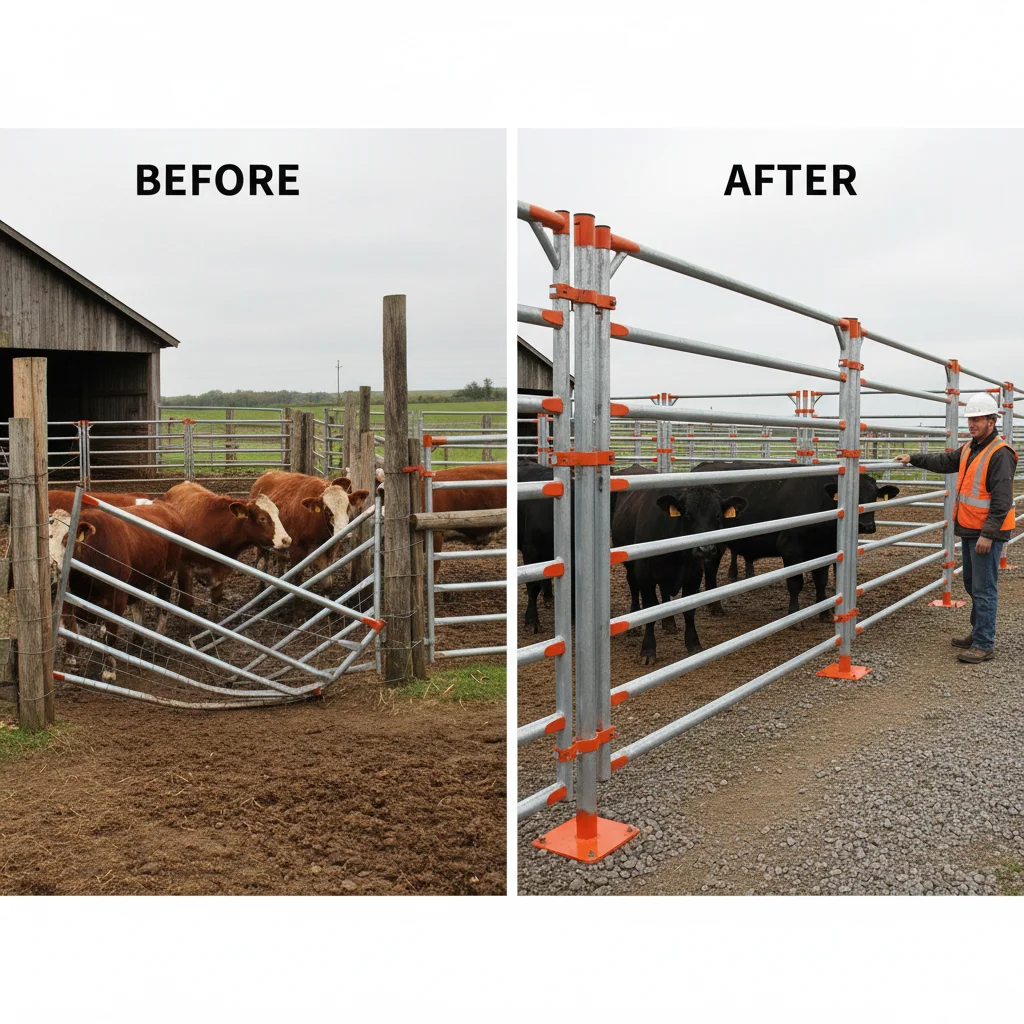
Durable Freestanding Livestock Panels for Efficient Animal Handling In the demanding world of agricultural management, the need for flexible and robust containment solutions has never been more critical. freestanding livestock panels offer a sophisticated answer to the challenges of animal handling, providing a secure yet adaptable barrier that does not require permanent installation or deep grounding. By allowing farmers and ranchers to redefine their spatial layouts in minutes, these panels maximize the efficiency of existing infrastructure while ensuring the safety of both the handlers and the livestock. Read More >26 Apr, 17
-
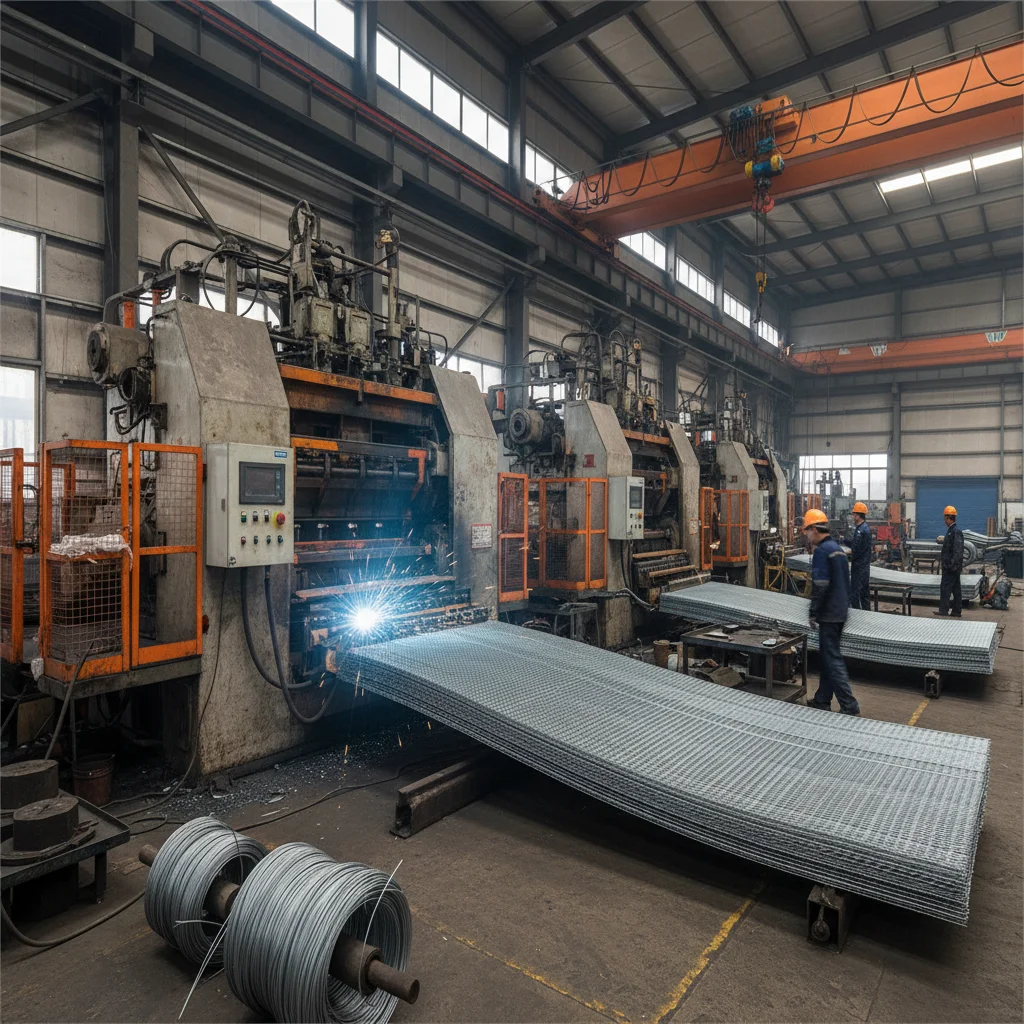
Professional Galvanized Welded Mesh Factory for Industrial Projects Finding a reliable galvanized welded mesh factory is critical for ensuring the structural integrity and longevity of your industrial or agricultural installations. Galvanized welded mesh is prized for its exceptional strength and resistance to corrosion, making it the go-to choice for fencing, animal cages, and construction reinforcement. However, not all factories adhere to the same quality standards. Whether you are sourcing for a large-scale infrastructure project or a specialized commercial application, understanding the manufacturing process and quality benchmarks is key to making a cost-effective investment that lasts for decades. Read More >26 Apr, 16
-
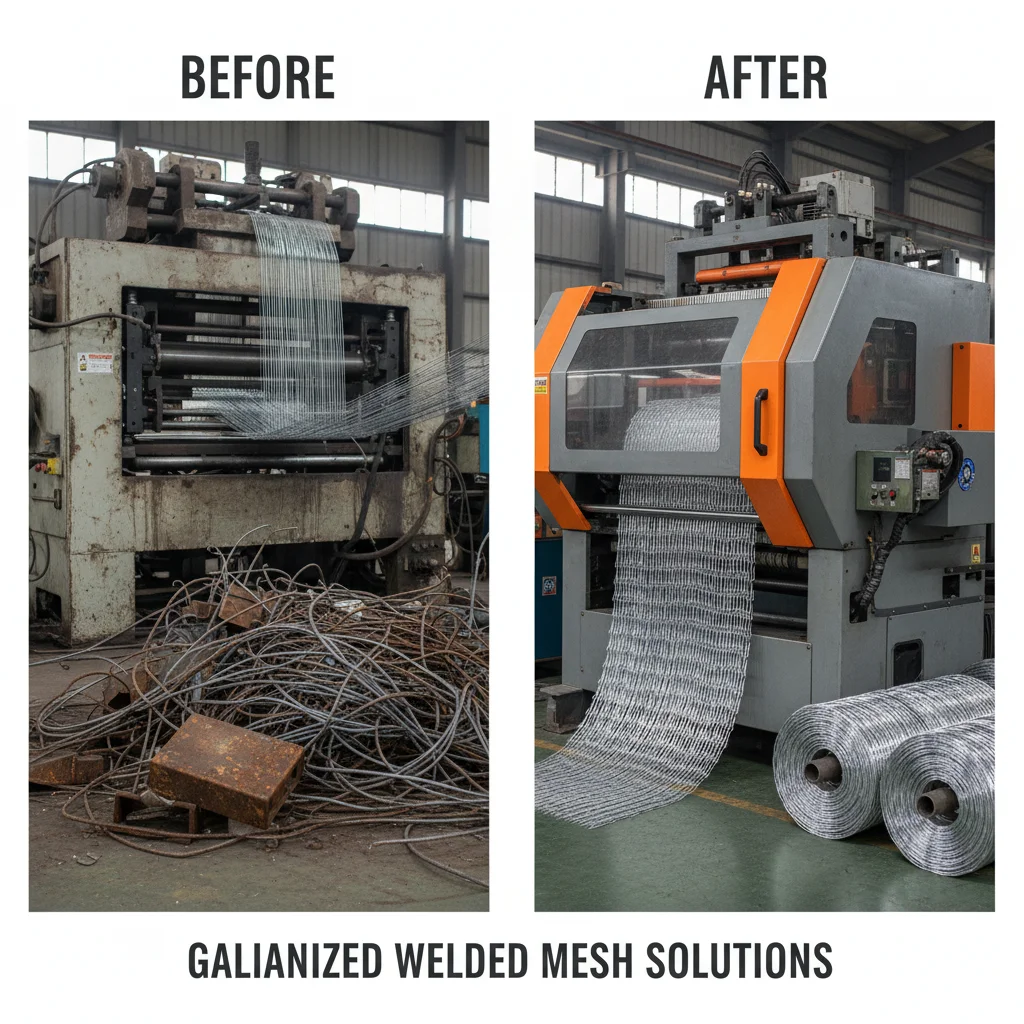
Professional Galvanized Welded Mesh Exporter for Quality Projects Selecting a high-quality fencing or screening solution requires more than just picking a product; it requires partnering with a reliable galvanized welded mesh exporter who understands the balance between structural integrity and corrosion resistance. Whether you are securing an industrial perimeter, building animal enclosures, or implementing architectural reinforcements, the quality of the galvanization process determines the lifespan of your installation. In this guide, we will explore the technical advantages of galvanized welded mesh and how to identify a global supplier that meets international quality standards to ensure your investment stands the test of time. Read More >26 Apr, 09
-
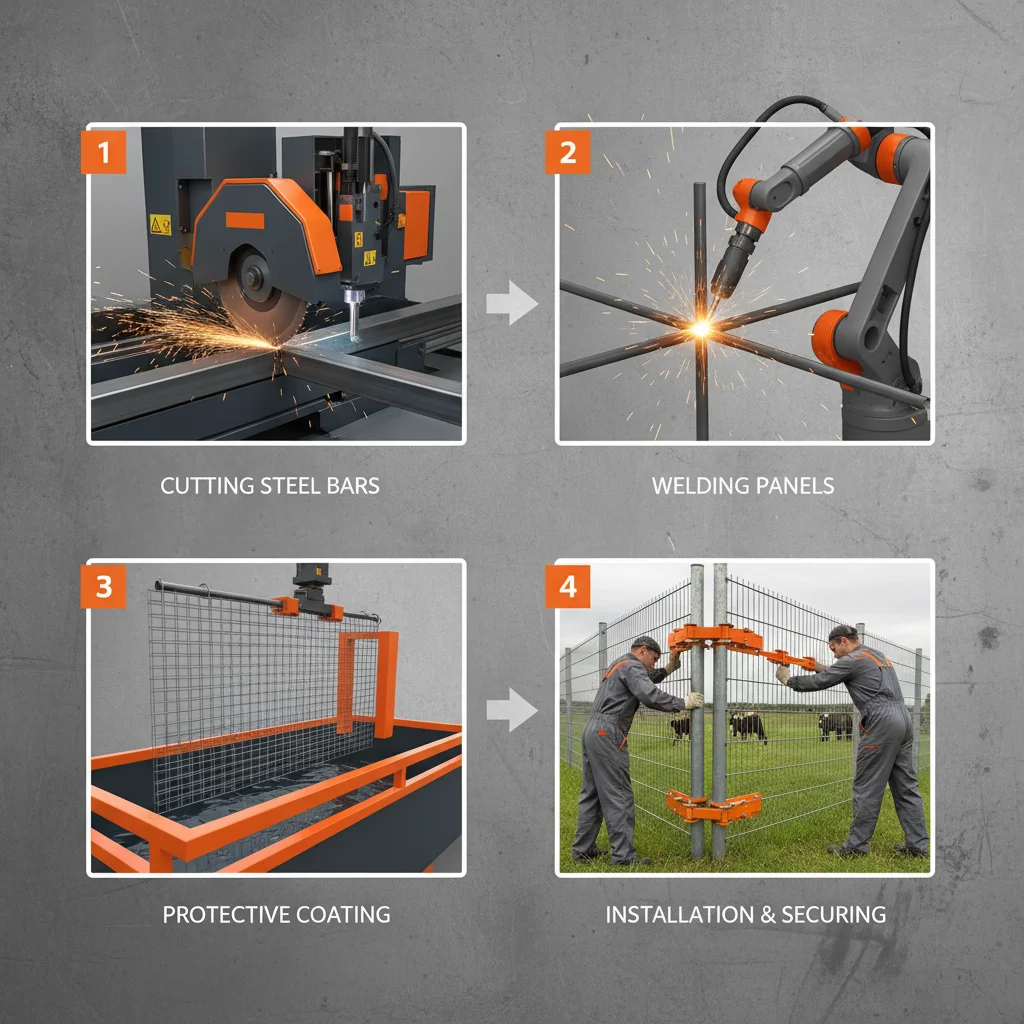
Essential Fencing Panels for Livestock Management and Farm Productivity Fencing panels for livestock are essential components in modern animal husbandry, playing a critical role in efficient farm management, animal welfare, and land utilization. Globally, the demand for robust and reliable fencing solutions is increasing due to the expanding livestock industry and the need to protect grazing lands from encroachment and predation. These panels aren’t simply barriers; they represent a vital investment in a farm's productivity and the health of its animals. Read More >26 Apr, 08
If you are interested in our products, you can choose to leave your information here, and we will be in touch with you shortly.


