


Optimal Cattle Feedlot Panels for Safer, Efficient Livestock Management
What Is a Cattle Feedlot Panel—and Why It Matters Globally
Whether you’re deeply involved in livestock management or just curious about agricultural innovations, the cattle feedlot panel holds a quiet but critical role in global livestock farming. At its core, a cattle feedlot panel is a specially designed fencing or partition panel used to safely contain, manage, and control cattle within feedlots — those large, often sprawling operations where cattle are fattened before slaughter.
You might wonder why this matters worldwide. Well, the global beef industry is a multibillion-dollar enterprise, with feedlot efficiency directly impacting animal welfare, operational safety, and environmental footprints. Using the right feedlot panels means better herd control, fewer injuries, and often better feed utilization—which all add up to a more sustainable farming cycle worldwide.
Mini takeaways: Cattle feedlot panels may not always make headlines, but their role in global beef production is immense, improving safety, efficiency, and sustainability on farms big and small.
Setting the Stage: Why Cattle Feedlot Panels Are a Global Industry Staple
Across continents from the U.S. Midwest plains to the Australian Outback, cattle feedlot panels serve as foundational tools in the beef production chain. According to the FAO, global cattle inventory topped 1.5 billion heads as of the last few years, with a majority housed in feedlots at some stage.
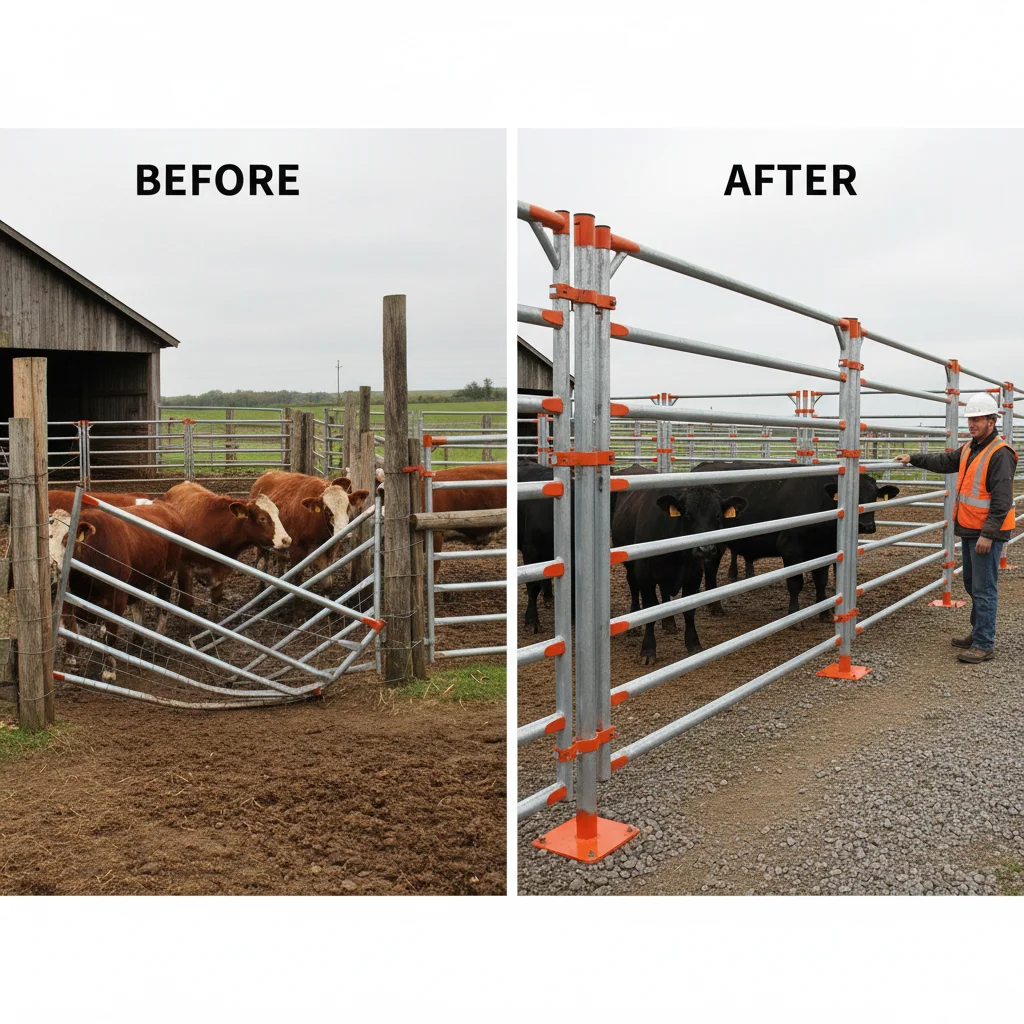
But here’s the sticking point: traditional fencing or ad-hoc partitions often lead to stress and injury among animals, labor inefficiencies, and sometimes breaches that can spark disease outbreaks—things that no farmer wants. Feedlot panels bring robust, tested solutions to these problems by offering reliable containment and easy handling of livestock.
With increasing global meat demand projected (World Bank data suggests rising consumption in emerging economies) and climate pressures on agricultural lands, optimizing feedlot design and infrastructure is not just technical—it’s a sustainability priority.
Understanding Cattle Feedlot Panels: What They Are and Why They Work
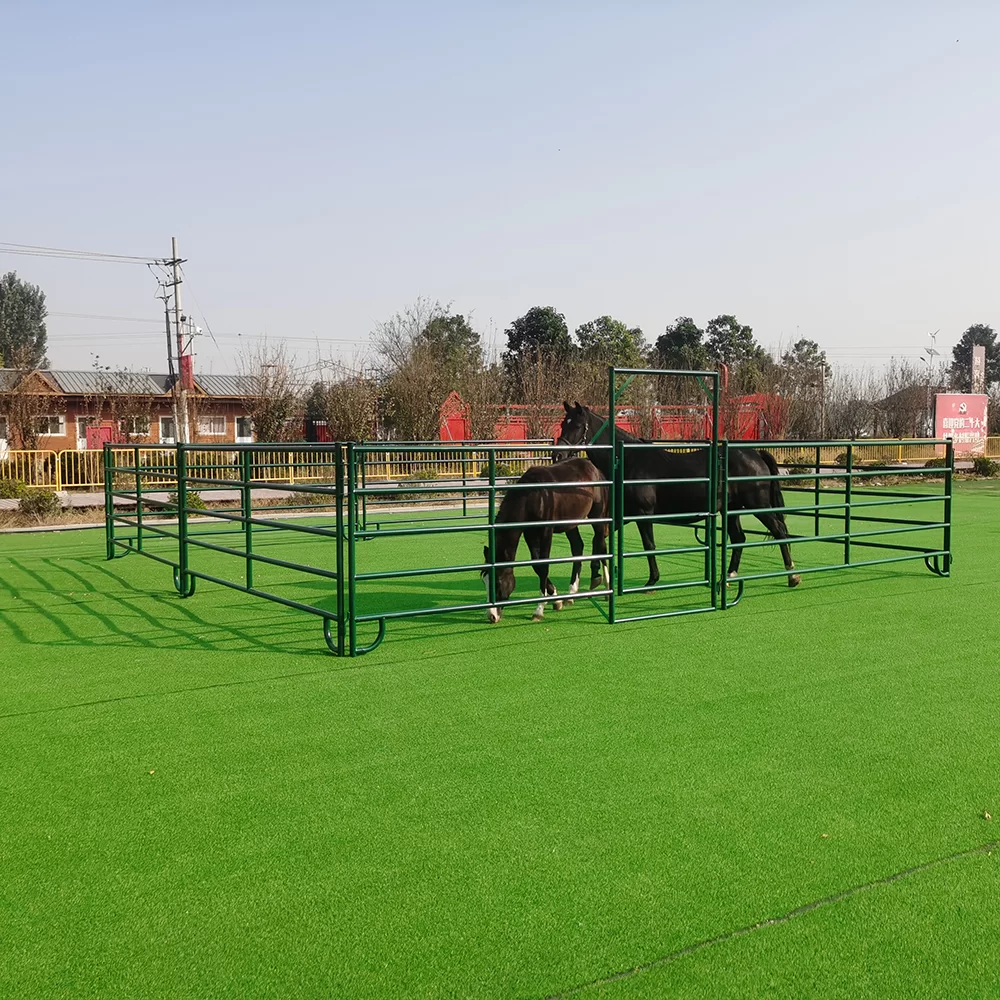
Simply put, a cattle feedlot panel is a metal or composite barrier, usually modular, designed to form pens, alleys, and crowding tubs necessary for controlling movement and managing cattle. Unlike simple fences, these panels are often heavy-duty, with reinforced joints and coatings that resist rust and wear.
The panels' design considers both cattle comfort and handler safety—curved edges to prevent injury, correct spacing so animals can’t get limbs stuck, and enough rigidity to withstand weight and impact. They’re indispensable tools that also tie into larger systems for automated feeding or sorting in modern ranches.
Core Components That Make a Feedlot Panel Effective
1. Durability and Materials
Most cattle feedlot panels are built from galvanized steel or powder-coated iron to withstand harsh weather and rough use. Oddly enough, material longevity can save enormous costs in the long run, especially in environments prone to rust or where animals exert force.
2. Size and Modular Design
Panels often range from 6 to 12 feet long and 4 to 6 feet high, adjustable to different farm layouts. The modularity allows farmers to customize pens on the fly, facilitating scalability for seasonal or inventory changes.
3. Safety Features
Rounded tubing, carefully spaced bars, and secure latching systems reduce injury risk to cattle and handlers alike. Safety, honestly, is paramount—not just from a welfare standpoint but also legal and financial perspectives.
4. Ease of Installation and Transport
Light enough for a small crew to install but sturdy enough to last, many panels include quick-attach fittings. This makes it easier for farms to reconfigure layouts without expensive labor or equipment downtime.
5. Cost Efficiency
While upfront costs can vary, the panels often pay for themselves by reducing cattle stress (improves growth rates) and minimizing damage or escapes. They strike a balance between investment and return that many ranchers appreciate.
Mini takeaways: The best feedlot panels combine durability, safety, and flexibility. Selecting components thoughtfully ensures long-term value and farm adaptability.
How Cattle Feedlot Panels Are Used on the Ground
Globally, feedlot panels are a backbone on commercial feedlots, dairy farms, and even some conservation ranches. For example, in North America, you’ll find them in automated sorting systems within feedlots handling tens of thousands of cattle annually.
In places like Brazil and Argentina—huge beef exporters—modular panels help handle seasonal herd movement where quick setup and takedown is crucial. Meanwhile, smaller family farms in parts of Africa are adopting panels as a humanely affordable way to manage cattle and reduce theft or predation risks.
Additionally, NGOs sometimes use lightweight variants for livestock management in rural development or post-disaster recovery zones, where rebuilding agricultural infrastructure swiftly is a top priority.
Product Specification Table
| Feature | Typical Specification | Notes |
|---|---|---|
| Material | Galvanized Steel / Powder-coated Iron | Corrosion resistant, rugged |
| Dimensions | 6–12 ft length, 4–6 ft height | Modular, configurable |
| Weight | 30–50 kg per panel | Light enough for manual handling |
| Safety Features | Rounded edges, secure latches | Minimizes injuries |
| Installation | Quick-fit brackets | Fast setup, portable |
Comparing Leading Cattle Feedlot Panel Vendors
| Vendor | Material Quality | Price Range (per panel) | Customization Options | Global Shipping |
|---|---|---|---|---|
| Haotian Mesh | Premium galvanized steel, ECO coatings | $45 - $70 | Multiple sizes, colors, branding | Yes (global freight) |
| FarmFence Co. | Standard powder-coated iron | $40 - $60 | Basic size options | Mostly regional |
| RanchPro Supplies | Heavy-duty galvanized steel | $50 - $80 | Custom engineering available | Selective countries |
Advantages and Long-Term Value of Using Cattle Feedlot Panels
Beyond the upfront cost, using quality feedlot panels builds trust—between farmers, workers, and animals. Reduced injury means happier, healthier livestock, which in turn translates into better meat yields and fewer disruptions. The social impact can be surprising: improved handling conditions lessen worker stress and increase overall operational morale.
Environmentally, durable panels reduce waste from repairs and replacements. Some vendors even offer recycled steel options and green coatings, meaning the environmental footprint shrinks while performance stays solid.
What’s Next? Innovations Shaping the Future of Feedlot Panels
It’s not just about steel anymore. Some manufacturers are blending composites or carbon-reinforced polymers to create ultra-light but strong panels that shave weight without losing durability. Digital sensors integrated into panels can now track animal movement in real-time, supporting precision livestock farming and welfare monitoring.
Green policies encourage sustainable sourcing and coating technologies with lower VOC emissions, while automation advances envision fully robotic panel rearrangement in larger feedlots.
Challenges and Expert Insights
Installing and maintaining feedlot panels can sometimes be expensive upfront, especially in remote areas where shipping and labor costs spike. Cattle can still injure themselves if panels are not properly sized or maintained, so operator training remains essential. Weather extremes also test materials, requiring regional customization.
That said, many engineers emphasize the importance of modular designs and routine inspection schedules to mitigate these challenges. Partnering with trusted vendors for tailored solutions often pays off faster—and with fewer headaches.
Frequently Asked Questions About Cattle Feedlot Panels
-
Q: What material works best for a cattle feedlot panel in wet climates?
A: Galvanized steel with heavy powder coating is ideal for wet or humid environments to prevent rusting and ensure longevity. Some suppliers offer additional eco-friendly coatings for better protection. -
Q: Can feedlot panels be easily moved for seasonal rearrangement?
A: Yes, many panels feature quick-connect fittings designed precisely for fast assembly and teardown, making them very suitable for farms that adjust layouts seasonally. -
Q: How do I ensure cattle safety with feedlot panels?
A: Choose panels with rounded edges and proper spacing that prevents limb entrapment, and regularly inspect the panels for damage or loose fittings. -
Q: Are cattle feedlot panels cost-effective for small farms?
A: Absolutely. Though initial investment varies, the panels reduce animal stress and injury, which often leads to better productivity and lower vet bills. -
Q: Can these panels be shipped internationally?
A: Many vendors, including Haotian Mesh, offer global shipping options. It’s best to contact suppliers for freight policies and customs assistance.
Wrapping It Up: Why the Right Panel Matters
At the end of the day, a cattle feedlot panel isn’t just a fence. It’s a complex, thoughtfully engineered tool that supports animal welfare, operational efficiency, and sustainable agriculture worldwide. If you’re involved in livestock management—big or small—it pays to understand your options.
Curious about upgrading your setup or exploring the wide range of panels available? Visit our website https://www.haotianmesh.com to learn more and get expert advice tailored to your needs.
Final mini takeaway: Investing in quality cattle feedlot panels is a smart step towards safer, more productive farms that respect both animals and people. The future looks bright—and innovative—for those willing to adapt.
References
-
Durable Freestanding Livestock Panels for Efficient Animal Handling In the demanding world of agricultural management, the need for flexible and robust containment solutions has never been more critical. freestanding livestock panels offer a sophisticated answer to the challenges of animal handling, providing a secure yet adaptable barrier that does not require permanent installation or deep grounding. By allowing farmers and ranchers to redefine their spatial layouts in minutes, these panels maximize the efficiency of existing infrastructure while ensuring the safety of both the handlers and the livestock. Read More >26 Apr, 17
-
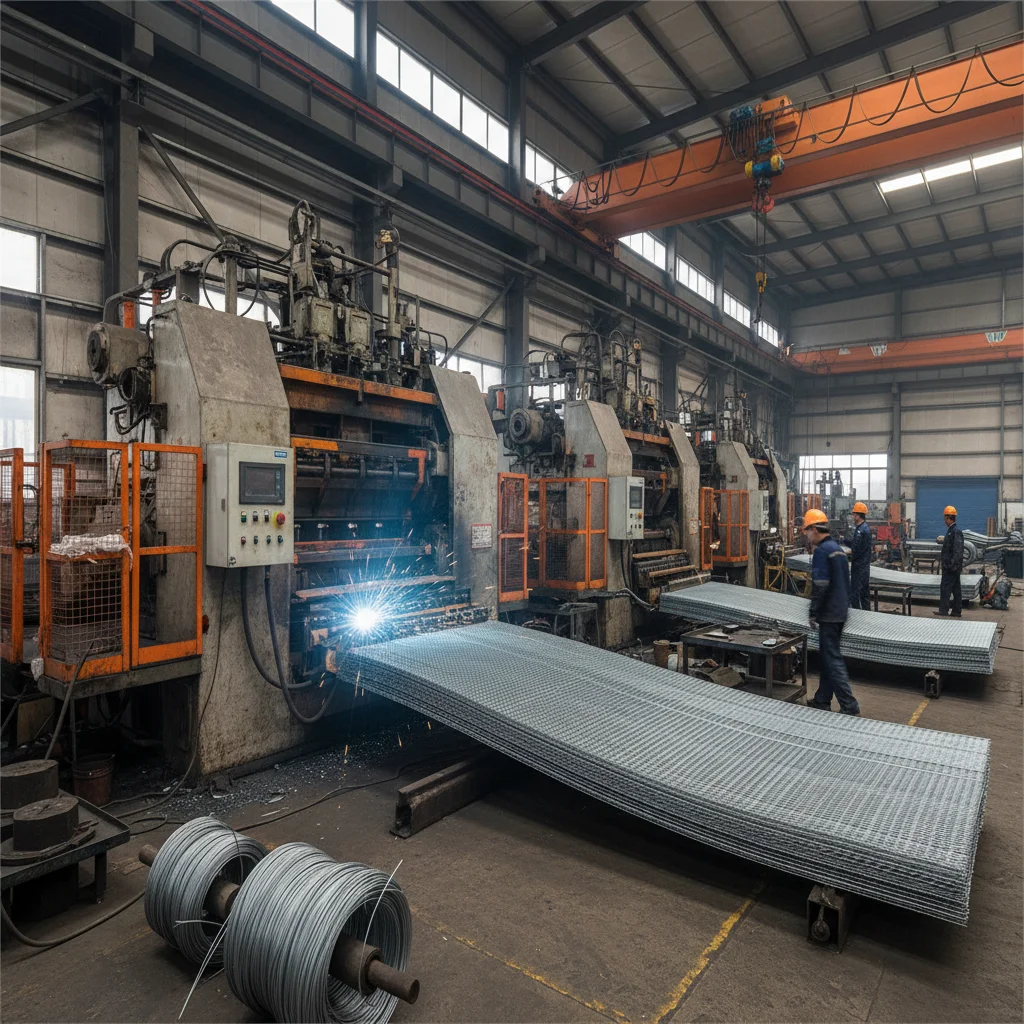
Professional Galvanized Welded Mesh Factory for Industrial Projects Finding a reliable galvanized welded mesh factory is critical for ensuring the structural integrity and longevity of your industrial or agricultural installations. Galvanized welded mesh is prized for its exceptional strength and resistance to corrosion, making it the go-to choice for fencing, animal cages, and construction reinforcement. However, not all factories adhere to the same quality standards. Whether you are sourcing for a large-scale infrastructure project or a specialized commercial application, understanding the manufacturing process and quality benchmarks is key to making a cost-effective investment that lasts for decades. Read More >26 Apr, 16
-
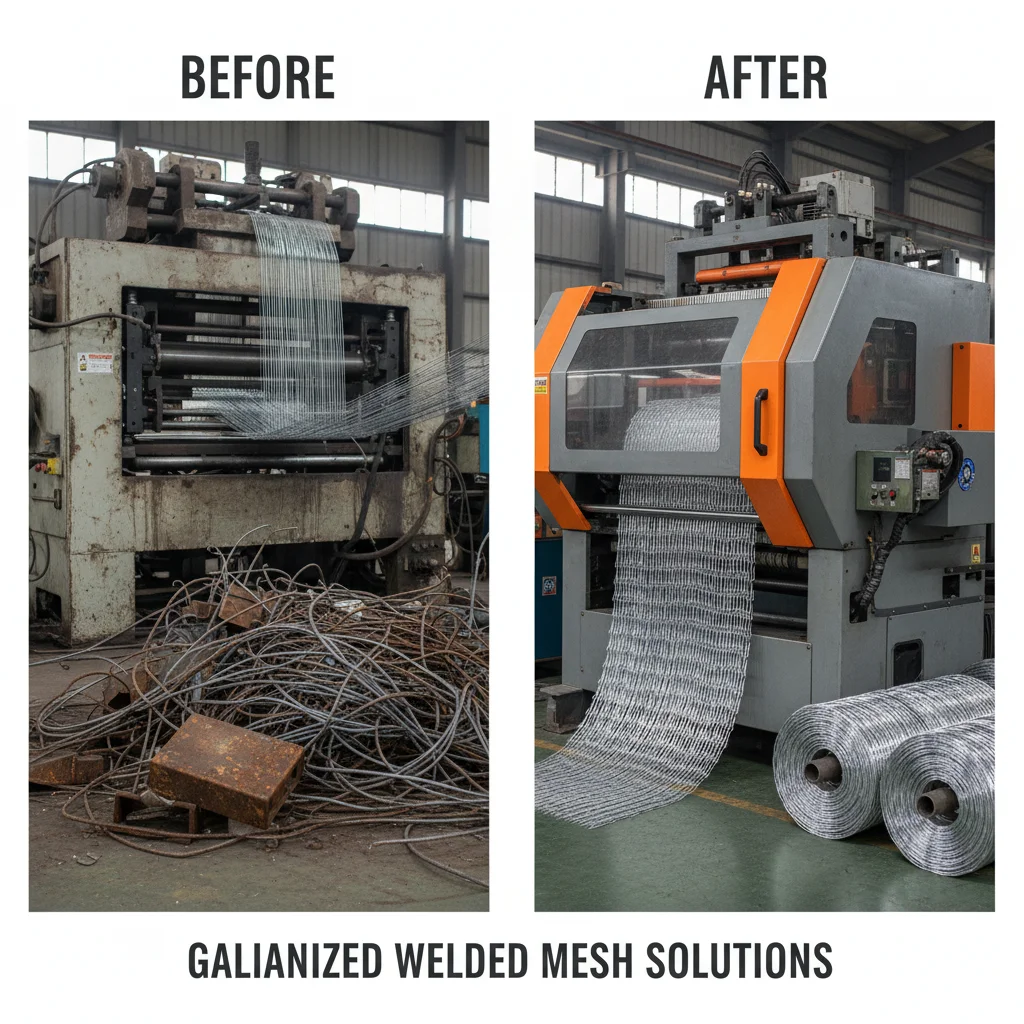
Professional Galvanized Welded Mesh Exporter for Quality Projects Selecting a high-quality fencing or screening solution requires more than just picking a product; it requires partnering with a reliable galvanized welded mesh exporter who understands the balance between structural integrity and corrosion resistance. Whether you are securing an industrial perimeter, building animal enclosures, or implementing architectural reinforcements, the quality of the galvanization process determines the lifespan of your installation. In this guide, we will explore the technical advantages of galvanized welded mesh and how to identify a global supplier that meets international quality standards to ensure your investment stands the test of time. Read More >26 Apr, 09
-
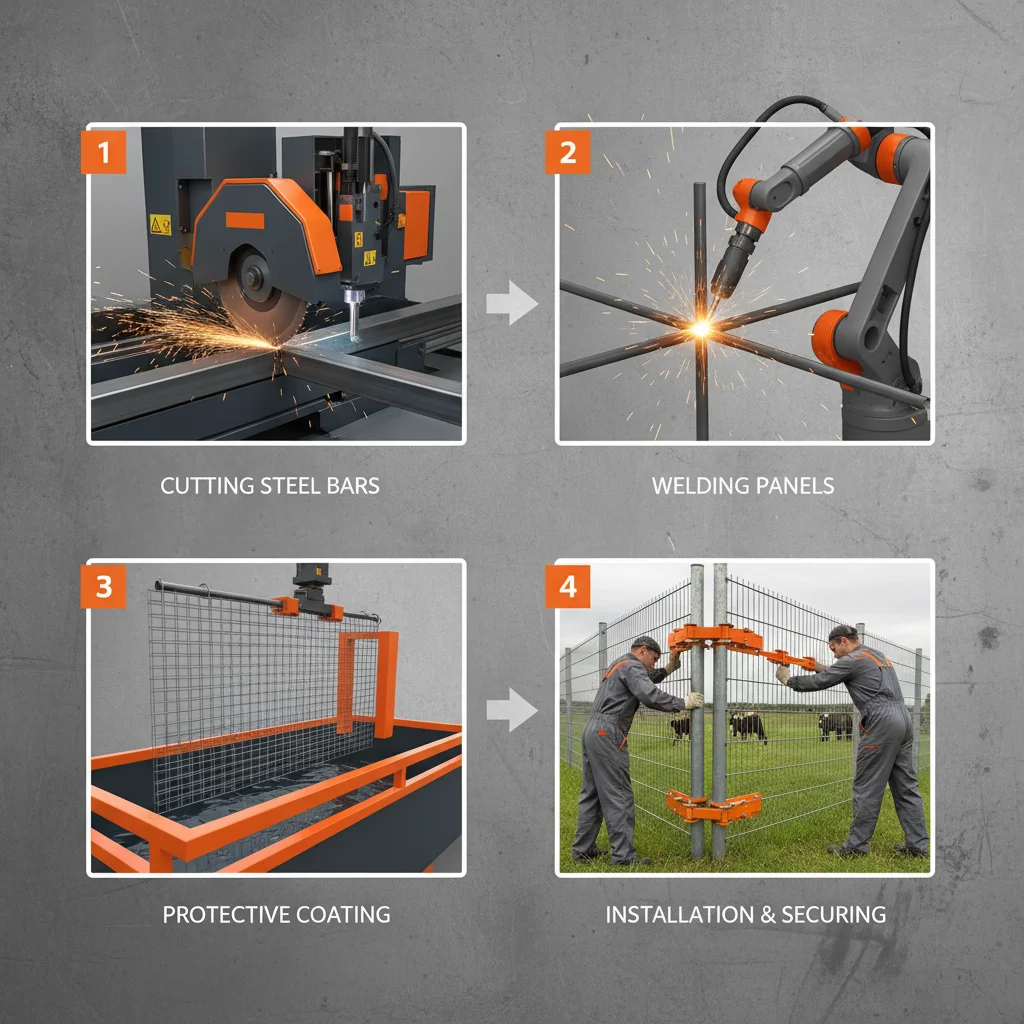
Essential Fencing Panels for Livestock Management and Farm Productivity Fencing panels for livestock are essential components in modern animal husbandry, playing a critical role in efficient farm management, animal welfare, and land utilization. Globally, the demand for robust and reliable fencing solutions is increasing due to the expanding livestock industry and the need to protect grazing lands from encroachment and predation. These panels aren’t simply barriers; they represent a vital investment in a farm's productivity and the health of its animals. Read More >26 Apr, 08
If you are interested in our products, you can choose to leave your information here, and we will be in touch with you shortly.


