


Modern Wire Mesh Fence: Durable Security Solutions with Global Impact
Understanding Modern Wire Mesh Fence: A Global Perspective
When you hear “modern wire mesh fence,” you might picture a simple barrier — but it’s surprising how this straightforward technology plays a mighty role across industries and humanitarian efforts worldwide. The concept matters because it fuses durability with flexibility, addressing security, safety, and even sustainability needs. From securing industrial zones to aiding disaster response sites, grasping the benefits of modern wire mesh fencing opens doors to smarter, cost-effective infrastructure solutions.
The Global Context: Why Modern Wire Mesh Fences Matter
Globally, fence and barrier solutions underpin everything from border security to wildlife protection. The demand for effective fencing solutions marks a steady increase, driven by urban expansion and evolving safety regulations. According to ISO standards for fencing products (ISO 1461 and 1462), wire mesh fences must meet specific tensile, corrosion resistance, and dimensional requirements to ensure long-term usability. Notably, the World Bank reports increased infrastructure investments in developing regions, where fencing often safeguards sensitive industrial zones and vital installations. However, challenges such as corrosion, installation speed, and maintenance remain prevalent.
Modern wire mesh fences respond directly to these challenges by offering enhanced strength, adaptability, and often quicker deployment options. They represent a quiet revolution in how we protect property, infrastructure, and even lives.
What Exactly Is a Modern Wire Mesh Fence?
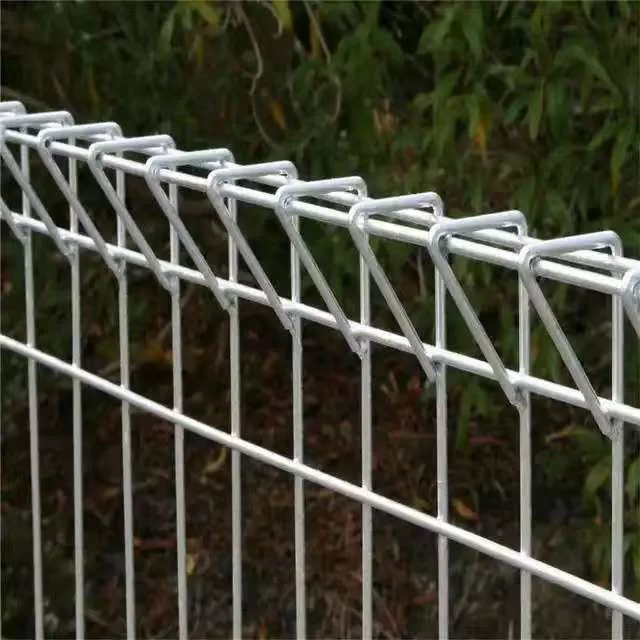
To put it simply, a modern wire mesh fence consists of interconnected metal wires—usually steel—that form a grid strong enough to act as a barrier, yet flexible enough to be installed in various environments. Unlike older fencing types that might rely on bulky posts and panels, this mesh is often pre-fabricated, galvanized or PVC coated for corrosion resistance, and designed with standardized apertures to balance visibility and security. It’s everywhere — from sprawling industrial complexes to refugee camps, and even in urban parks.
The connection to modern industry is significant. Manufacturers incorporate these fences into facilities where security, ventilation, and visual openness all have to be optimized simultaneously. Then, from a humanitarian standpoint, such fences help organize spaces without the harshness of solid walls, maintaining dignity while ensuring safety.
Core Components of Modern Wire Mesh Fence
Durability
Rust, corrosion, and weather-related wear are the biggest enemies. That’s why modern fences rely on galvanized steel or PVC coatings. The wire thickness and coating life define how long the fence lasts—usually 10 to 25 years in typical climates. It's quite remarkable how this simple protective layer extends the fence's usefulness.
Scalability & Modularity
One fence doesn’t fit all, obviously. Modern wire mesh fences come in panels of standard sizes (commonly 2x2 meters) that can be easily connected or extended. This scalability is critical for large projects needing phased installation or future expansion without complete overhauls.
Cost Efficiency
Compared to solid concrete walls or wrought iron fences, wire mesh variants offer a budget-friendly alternative — both upfront and for maintenance. Installation is faster and uses fewer heavy equipment resources. This helps particularly in developing areas where funding is tight but safety can’t be compromised.
Versatility in Design
Wire mesh fencing is more than just a grid. Options include different mesh aperture sizes, wire gauges, and coatings customized for wildlife preservation, industrial security, or even decorative settings. The multipurpose nature makes it an engineer’s favorite.
Environmental Impact
While metal production is energy-intensive, the longevity and recyclability of wire mesh fences balance its footprint. Some manufacturers now introduce recycled steel meshes and eco-friendly coatings, aligning with global sustainability trends.
Technical Specifications at a Glance
| Specification | Typical Value |
|---|---|
| Material | Galvanized Steel / PVC Coated Steel |
| Panel Size | 2m x 2.5m (varies by vendor) |
| Mesh Aperture | 50mm – 100mm |
| Wire Diameter | 3mm – 5mm |
| Coating Thickness | 45–65 microns (galvanized layer) |
| Longevity | 10-25 years (depending on environment) |
Mini Takeaway: Modern wire mesh fences blend engineering precision and material science to offer durable and scalable security solutions.
Where and How Are Modern Wire Mesh Fences Used Globally?
- Industrial and Infrastructure Sites: In industrial zones across Asia and Europe, wire mesh fences secure perimeters while allowing ongoing ventilation and visibility.
- Urban Environment: Parks and playgrounds use decorative variants to ensure safety without sacrificing aesthetics.
- Humanitarian Aid & Disaster Relief: In refugee camps in Africa and post-disaster shelters, wire mesh fences organize space and maintain safety with speed and cost-effectiveness.
- Agricultural Use: Protecting crop lands without creating wildlife barriers — this balance is essential in rural Australia and North America.
For instance, in post-disaster relief operations following the 2015 Nepal earthquake, modern wire mesh fence systems were deployed rapidly to secure temporary camps, enabling efficient organization and protection.
Why Choose Modern Wire Mesh Fence? Advantages & Long-Term Benefits
Beyond practical benefits, there's a clear emotional comfort knowing a fence is both a reliable boundary and a symbol of safety. Some top merits include:
- Cost Savings: Efficient production and installation reduce both capital and operational expenses.
- Sustainability: Long-lasting materials minimize waste and promote recyclability.
- Security & Safety: The fence balances visibility (critical in security monitoring) and deterrence.
- Flexibility: Customizable designs adapt to multiple scenarios—whether dense urban setups or sprawling rural areas.
- Social Trust: Fencing can help communities feel protected without imposing barriers that feel oppressive.
What’s Next? Future Trends in Modern Wire Mesh Fencing
Technology keeps sprinting forward. Green energy integration, such as solar-powered sensor systems embedded into fences, is becoming more feasible. Digital transformation means some fences now include IoT-connected monitoring to detect intrusions or damage instantly. Manufacturers are also pushing more recycled steel content and environmentally friendlier coatings, responding to global climate goals.
Navigating Challenges and Solutions
Of course, no solution is perfect. Corrosion in highly saline or industrial environments still challenges durability. Installation on uneven terrain can be tricky and may require customized panel shapes. However, accelerated galvanizing processes combined with flexible anchoring systems are addressing these issues. Plus, modular assembly reduces installation times and reduces labor demands.
Vendor Comparison: Leading Modern Wire Mesh Fence Suppliers
| Vendor | Material Options | Lead Time | Customization | Sustainability Credentials |
|---|---|---|---|---|
| Haotian Mesh | Galvanized, PVC Coated, Stainless Steel | 2-3 weeks | High (mesh size, coating color, panel size) | Uses recycled steel, ISO 14001 certified |
| GlobalFences Inc. | Galvanized Steel only | 4-6 weeks | Medium (standard sizes only) | Limited sustainability programs |
| EcoMesh Solutions | Recycled Steel, Green Paint Coating | 3-5 weeks | High (eco-friendly options) | Strong green certifications, Carbon neutral |
FAQ: Frequently Asked Questions About Modern Wire Mesh Fence
Q1: How does modern wire mesh fencing compare with traditional solid fencing?
Modern wire mesh fencing offers better ventilation and visibility, improving safety monitoring. It tends to be lighter and faster to install, so costs and environmental impact are usually lower compared to concrete or wooden fences. It’s also more adaptable to uneven terrain.
Q2: Can these fences withstand harsh weather conditions like heavy storms or saltwater exposure?
Yes, provided they use appropriate coatings like hot-dip galvanization or PVC. In marine or industrial settings, thicker coatings and thicker wire diameters ensure the fences last longer, often beyond 15 years with regular maintenance.
Q3: Are these fences suitable for wildlife protection without harming animals?
Absolutely. Mesh sizes can be customized to prevent animals from getting caught, and the fence’s transparency allows wildlife to see through the barrier, reducing stress. This feature is used in agricultural fencing to keep livestock safe without blocking migratory animals.
Q4: How easy is it to expand or relocate modern wire mesh fence installations?
Because panels are modular and standardized, expansions or relocations are relatively straightforward. The process usually involves detaching and reassembling panels, which saves time and avoids waste compared to permanent walls.
Q5: Can NGOs or governments order these fences internationally?
Most modern mesh fence suppliers offer international shipping and customizable solutions to meet different project specifications. Working with vendors delivering both quality and certified environmental compliance is best practice.
In Conclusion: Why the Modern Wire Mesh Fence Stands Out
Framed by its adaptability, durability, and cost-effectiveness, the modern wire mesh fence is anything but simple. It’s a quiet but essential tool helping industries, communities, and humanitarian operations thrive safely and sustainably. Whether you’re securing a sprawling industrial complex or organizing temporary relief zones, this fencing solution keeps evolving alongside global needs.
If you’re seeking trusted, high-quality fencing tailored for modern challenges, visit Haotian Mesh to explore their innovative portfolio today.
In the end, it’s not just about fencing off spaces — it’s about opening up safer, smarter, more connected ones.
References:
-
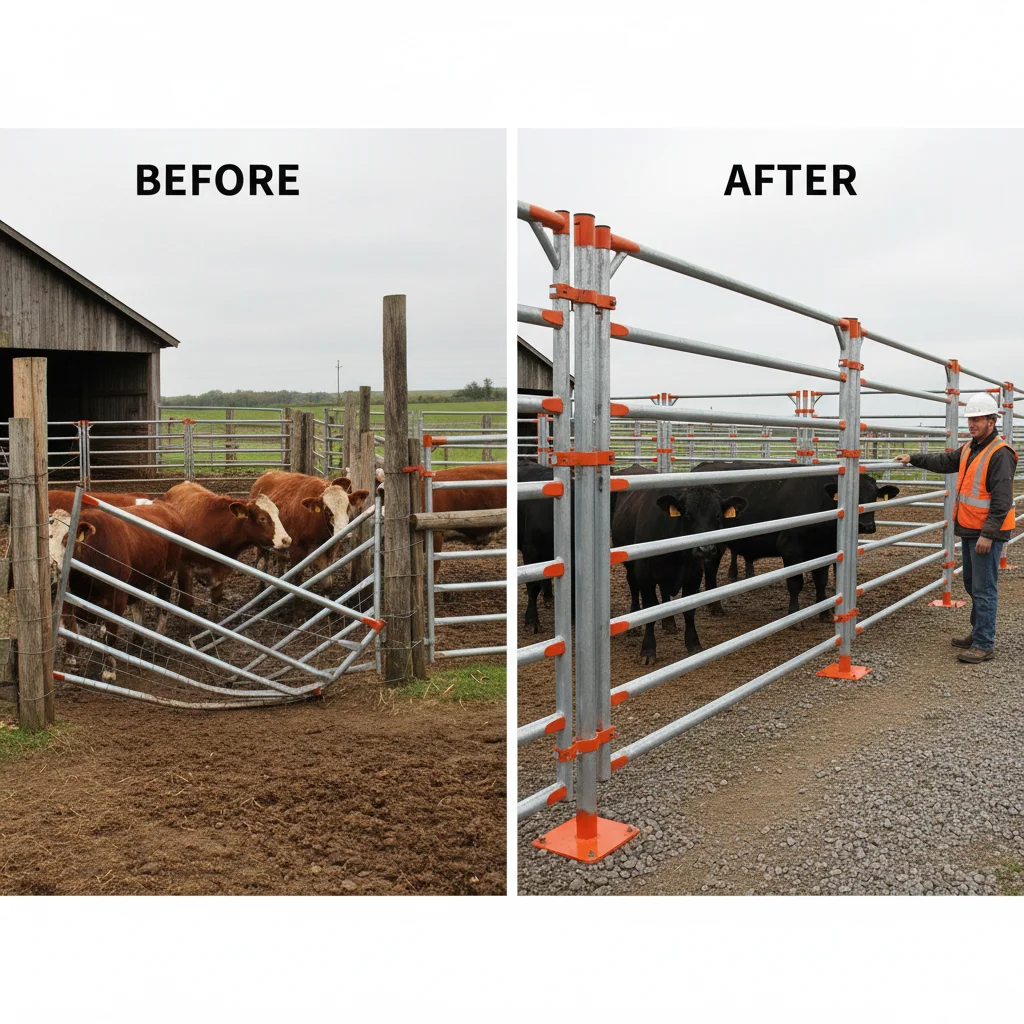
Durable Freestanding Livestock Panels for Efficient Animal Handling In the demanding world of agricultural management, the need for flexible and robust containment solutions has never been more critical. freestanding livestock panels offer a sophisticated answer to the challenges of animal handling, providing a secure yet adaptable barrier that does not require permanent installation or deep grounding. By allowing farmers and ranchers to redefine their spatial layouts in minutes, these panels maximize the efficiency of existing infrastructure while ensuring the safety of both the handlers and the livestock. Read More >26 Apr, 17
-
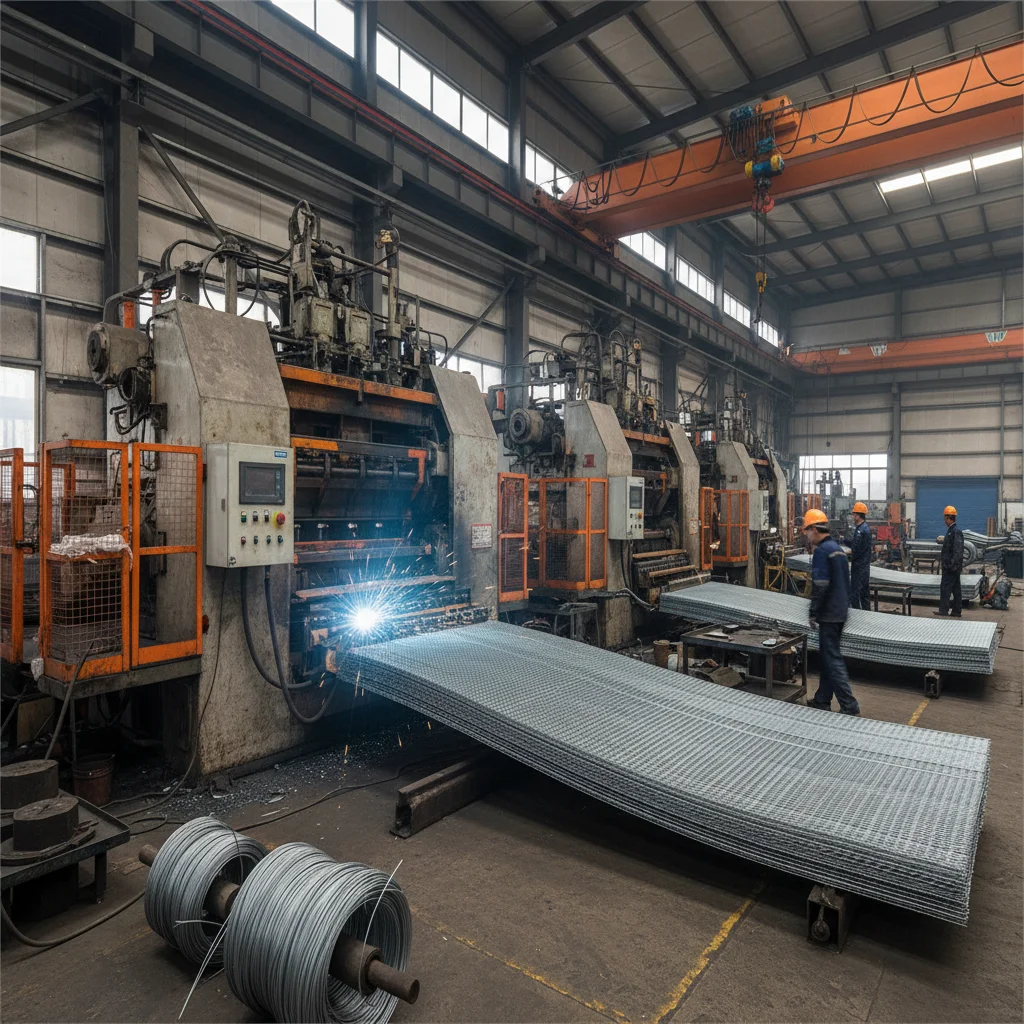
Professional Galvanized Welded Mesh Factory for Industrial Projects Finding a reliable galvanized welded mesh factory is critical for ensuring the structural integrity and longevity of your industrial or agricultural installations. Galvanized welded mesh is prized for its exceptional strength and resistance to corrosion, making it the go-to choice for fencing, animal cages, and construction reinforcement. However, not all factories adhere to the same quality standards. Whether you are sourcing for a large-scale infrastructure project or a specialized commercial application, understanding the manufacturing process and quality benchmarks is key to making a cost-effective investment that lasts for decades. Read More >26 Apr, 16
-
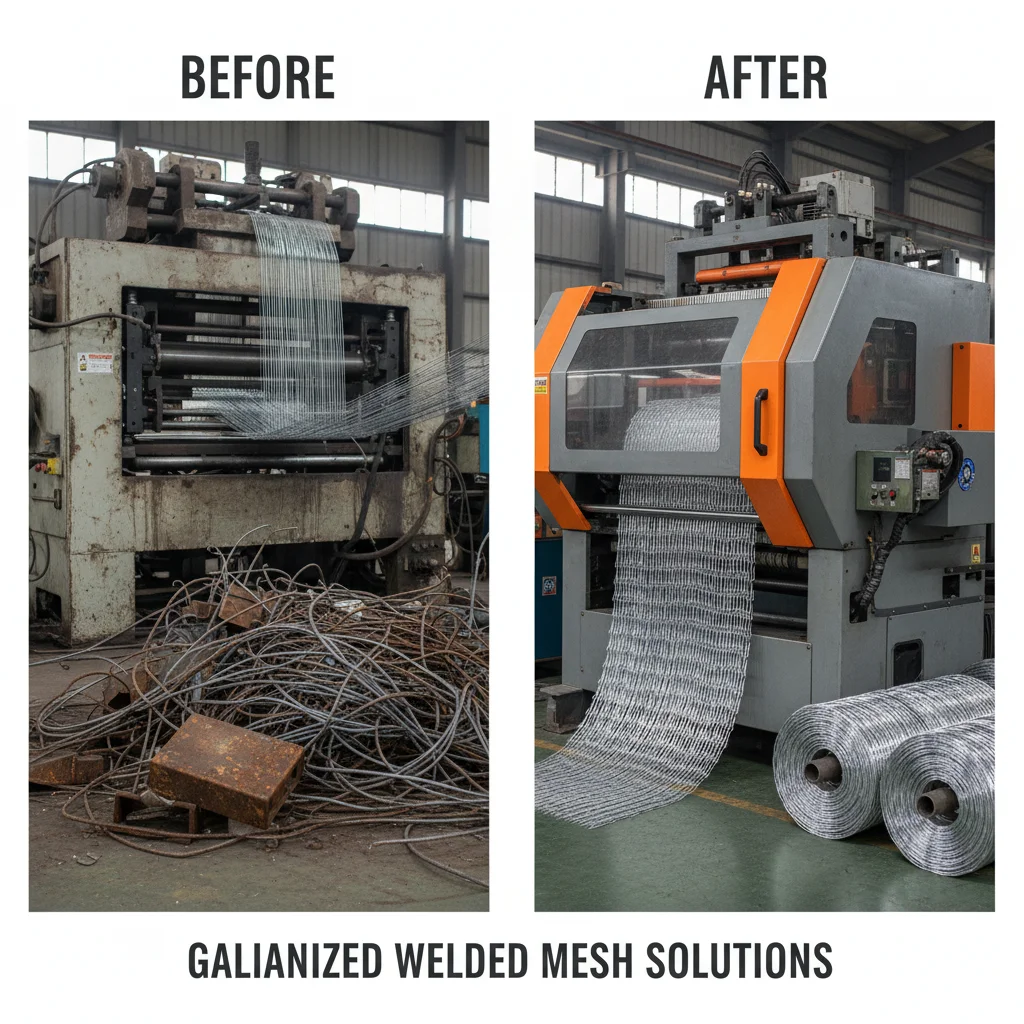
Professional Galvanized Welded Mesh Exporter for Quality Projects Selecting a high-quality fencing or screening solution requires more than just picking a product; it requires partnering with a reliable galvanized welded mesh exporter who understands the balance between structural integrity and corrosion resistance. Whether you are securing an industrial perimeter, building animal enclosures, or implementing architectural reinforcements, the quality of the galvanization process determines the lifespan of your installation. In this guide, we will explore the technical advantages of galvanized welded mesh and how to identify a global supplier that meets international quality standards to ensure your investment stands the test of time. Read More >26 Apr, 09
-
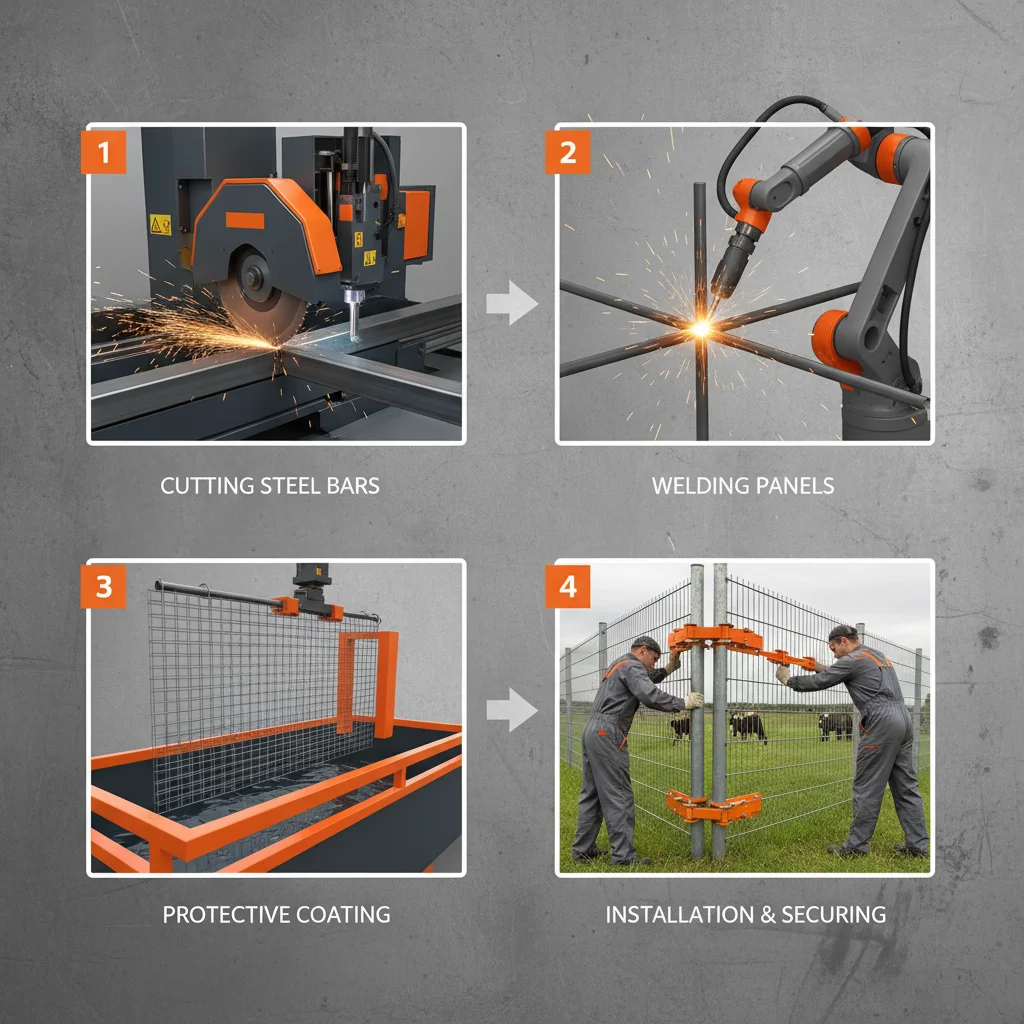
Essential Fencing Panels for Livestock Management and Farm Productivity Fencing panels for livestock are essential components in modern animal husbandry, playing a critical role in efficient farm management, animal welfare, and land utilization. Globally, the demand for robust and reliable fencing solutions is increasing due to the expanding livestock industry and the need to protect grazing lands from encroachment and predation. These panels aren’t simply barriers; they represent a vital investment in a farm's productivity and the health of its animals. Read More >26 Apr, 08
If you are interested in our products, you can choose to leave your information here, and we will be in touch with you shortly.


