


How to Build a Durable Round Pen with Cattle Panels – A Practical Guide
Building a Round Pen with Cattle Panels: An Essential Guide
If you’re an equine enthusiast, a livestock manager, or someone fascinated by practical farm engineering, you’ve likely bumped into the idea of building a round pen with cattle panels. It’s one of those simple yet profoundly useful solutions that blends affordability, versatility, and safety in livestock handling and training. Globally, as agricultural practices evolve, understanding this approach can improve animal welfare, optimize land use, and even contribute to broader sustainability efforts. Whether you're in a rural setting or supporting humanitarian operations, knowing the hows and whys behind constructing a sturdy round pen from cattle panels can make a meaningful difference.
Why Building a Round Pen with Cattle Panels Matters Globally
On a global scale, livestock farming remains a cornerstone of food security and rural livelihoods. According to the Food and Agriculture Organization (FAO), over 40% of agricultural GDP in low-income countries is livestock-related. Yet, proper handling and training facilities often lag behind, especially in developing regions. This is where building round pens using cattle panels shines — it's cost-effective, quick to deploy, and durable.
Challenges like land scarcity, climate resilience, and animal stress highlight the necessity for adaptable pen systems. The round pen, with its continuous curved design, eliminates corners where animals might get stuck or injured, improving safety and training outcomes. The cattle panels themselves come as modular wire sections, making setup feasible even in remote or economically constrained areas.
Mini Takeaway:
In an era when agricultural efficiency and sustainability are watched closely by policymakers and farmers alike, building round pens with cattle panels provides an elegant, globally scalable answer to animal handling challenges.
What Exactly Is Building a Round Pen with Cattle Panels?
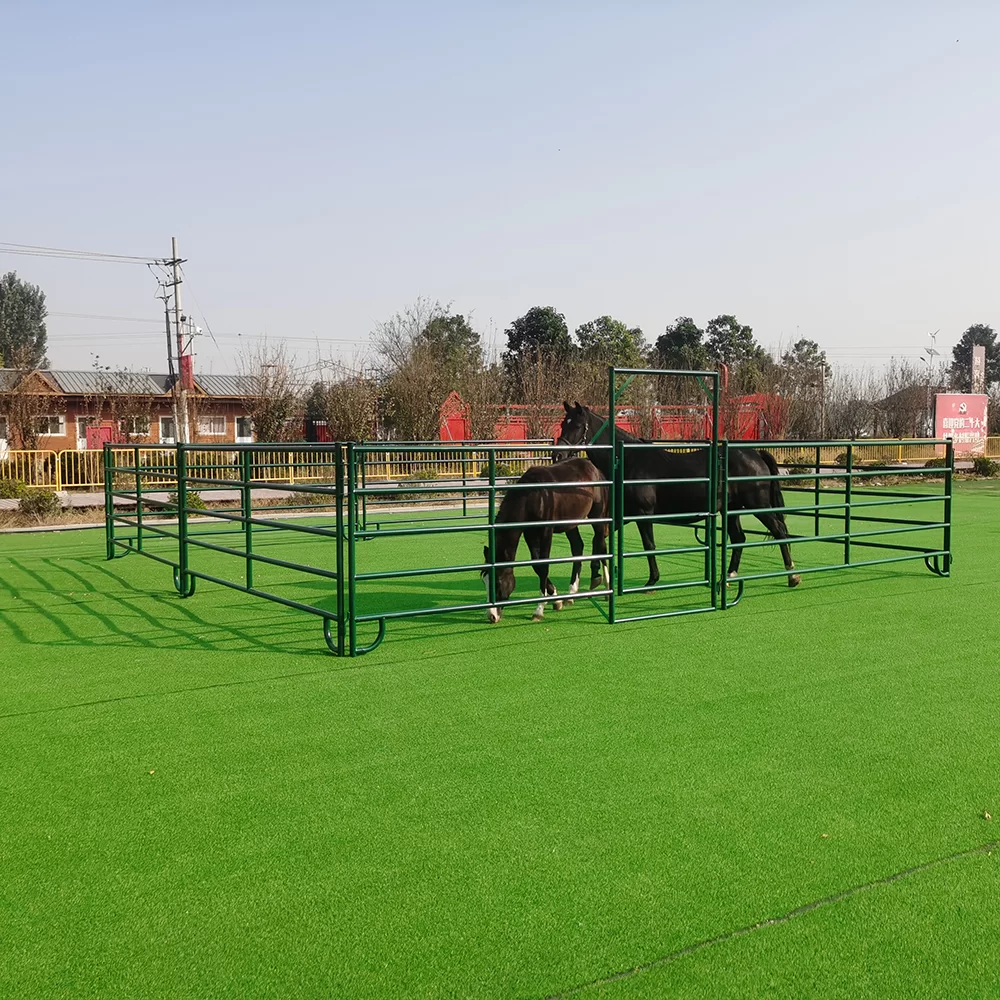
In simplest terms, it’s the process of constructing a circular enclosure for horses or livestock using prefabricated metal panels — typically galvanized steel grids designed for cattle containment. These panels, generally 10 ft long and 5 ft high, connect to form a secure round pen used primarily for training, groundwork, and containment.
Unlike fixed fencing, cattle panels offer flexibility: you can adjust the diameter, move or store the pen quickly, and customize the height depending on your herd’s needs. Importantly, this system connects modern livestock management with emergency and humanitarian applications — from portable animal shelters in disaster zones to temporary holding areas in rugged terrain.
Core Components When Building a Round Pen with Cattle Panels
1. Durability and Material Quality
Using galvanized steel panels makes the pen resistant to corrosion, weather, and physical wear. Quality cattle panels usually boast weld strength and coating thickness that prevent rusting, extending lifespan under rough use.
2. Scalability and Sizing
The beauty of building with panels is that you can choose your pen's size — anywhere from 40 ft in diameter to larger training spaces depending on the animal type. Flexibility here lets you match pen size to your available land and usage goals.
3. Easy Installation and Mobility
One of the main selling points is quick setup without heavy machinery. You only need basic tools and some manpower. This means even smallholder farmers or operators in remote areas can assemble or disassemble round pens within hours.
4. Safety Features
Cattle panels provide rounded edges and no sharp corners, reducing risk of injury. The open grid design ensures animals can’t get their hooves caught, and the steel frame withstands pressure from excited or nervous animals.
5. Cost Efficiency
Compared to custom-built fencing or permanent round pens, cattle panels offer great value. Lower upfront costs mean broader accessibility without sacrificing function.
Mini Takeaway:
When you combine durability, adaptability, and safety, building a round pen with cattle panels becomes a smart practical choice for a wide range of livestock owners.
| Specification | Details |
|---|---|
| Panel Dimensions | 10 ft L × 5 ft H |
| Material | Galvanized steel (wire welded) |
| Spacing (WxH) | 2.5 in × 4.5 in grid |
| Weight per Panel | Approx. 40 lbs |
| Finish | Hot-dip galvanized |
| Connection | Pin & clamp or chain fasteners |
Global Applications and Real-World Uses
Round pens built from cattle panels are not just local farm wonders; they enjoy global utility. For example:
- North America & Australia: Widely used for horse training, breaking in young livestock, and competitive events such as rodeo.
- Africa & Asia: Organizations working in agricultural development or post-disaster animal sheltering use cattle panel pens as temporary yet sturdy enclosures.
- Europe: Equine therapy centers and hobby farms incorporate these pens to safely handle sensitive horses.
Interestingly, relief agencies have adopted such pens in regions hit by floods or conflicts where livestock containment and protection become emergency needs.
Mini Takeaway:
From emergency response teams to small-scale farmers, round pens made from cattle panels serve versatile needs all over the world.
Advantages and Long-Term Value of Using Cattle Panels for Round Pens
When you consider this solution, you start appreciating its multilayered benefits beyond just physical containment.
- Cost Savings: Panels cost less and last longer than makeshift fencing.
- Sustainability: The reusable nature supports a circular economy mindset.
- Animal Welfare: Rounded designs keep animals calm and safer.
- Innovation Potential: Panels can integrate with smart sensors or lighting systems as technology advances.
- Social Impact: Portable pens aid smallholders and nonprofits alike to empower local livelihoods.
On a personal note, many users I’ve met say it’s a genuinely confidence-boosting setup — they feel “in control” and more connected to their animals.
Future Trends & Innovations in Round Pen Construction
The next few years might see cattle panel round pens integrated with:
- Solar-powered LED lighting for nighttime use.
- IoT sensors to monitor animal stress or pen integrity remotely.
- Eco-materials: Improved coatings or recycled metals enhancing the environmental footprint.
- Automation: Panels that fold or slide for easier transport.
It’s exciting, though, that despite all the tech, the fundamental design remains beautifully simple and user-friendly.
Challenges and How to Overcome Them
Of course, not everything is perfect. Common issues include:
- Panels bending under extreme force.
- Rust in very humid or salty environments.
- Poor footing inside pens leading to animal slips.
Experts recommend reinforcing corners and bases, applying additional rust-proof coatings when needed, and preparing ground foundations with gravel or sand for better traction.
Vendor Comparison: Popular Cattle Panels Vendors for Round Pens
| Vendor | Panel Gauge | Coating Type | Price per Panel (USD) | Lead Time |
|---|---|---|---|---|
| Haotian Mesh | 12-gauge | Hot-dip Galvanized | $45 | 2 weeks |
| Ramm Fence | 14-gauge | Powder Coated | $50 | 1 week |
| Precision Panels | 16-gauge | G60 Galvanized | $40 | 3 weeks |
Frequently Asked Questions About Building a Round Pen with Cattle Panels
Q1: How many panels do I need for a 50 ft diameter round pen?
A: For a 50 ft diameter, you’re looking at roughly a 157 ft circumference (π × diameter). Since each panel is around 10 ft long, about 16 panels will create a fairly tight circle. Adding one or two extras for adjustments isn’t a bad idea.
Q2: Can I build a round pen with cattle panels on uneven ground?
A: Yes, but it helps to level the foundation or at least prepare the site with gravel or sand for stability. Uneven ground may cause gaps under panels or risk animals stepping into holes.
Q3: How long will galvanized cattle panels last outdoors?
A: With proper hot-dip galvanization, cattle panels can last 10+ years outdoors even in wet conditions. Additional protective coatings can extend life if in coastal or humid climates.
Q4: Are cattle panels safe for young foals or calves?
A: Generally yes, since they minimize sharp edges and have small grid spacing. Still, always supervise young animals to ensure they don’t try to squeeze through or climb on the panels.
Q5: Can these pens be used for temporary setups at events?
A: Absolutely. Their portability and quick assembly make them ideal for shows, fairs, or temporary livestock management.
Wrapping Up: Why Building a Round Pen with Cattle Panels Is Worth It
To sum up, building a round pen with cattle panels is one of those nifty solutions that feels both traditional and modern at once. It’s affordable, adaptable, and stands the test of time — not just physically, but in meeting evolving agricultural and humanitarian needs. If you’re ready to upgrade your livestock infrastructure or explore smart animal handling options, this approach might just fit the bill perfectly. And because it’s so versatile, you can always tweak and expand as your operations or needs grow.
For those interested in diving deeper or sourcing quality cattle panels, check out building a round pen with cattle panels and other related resources.
References
-
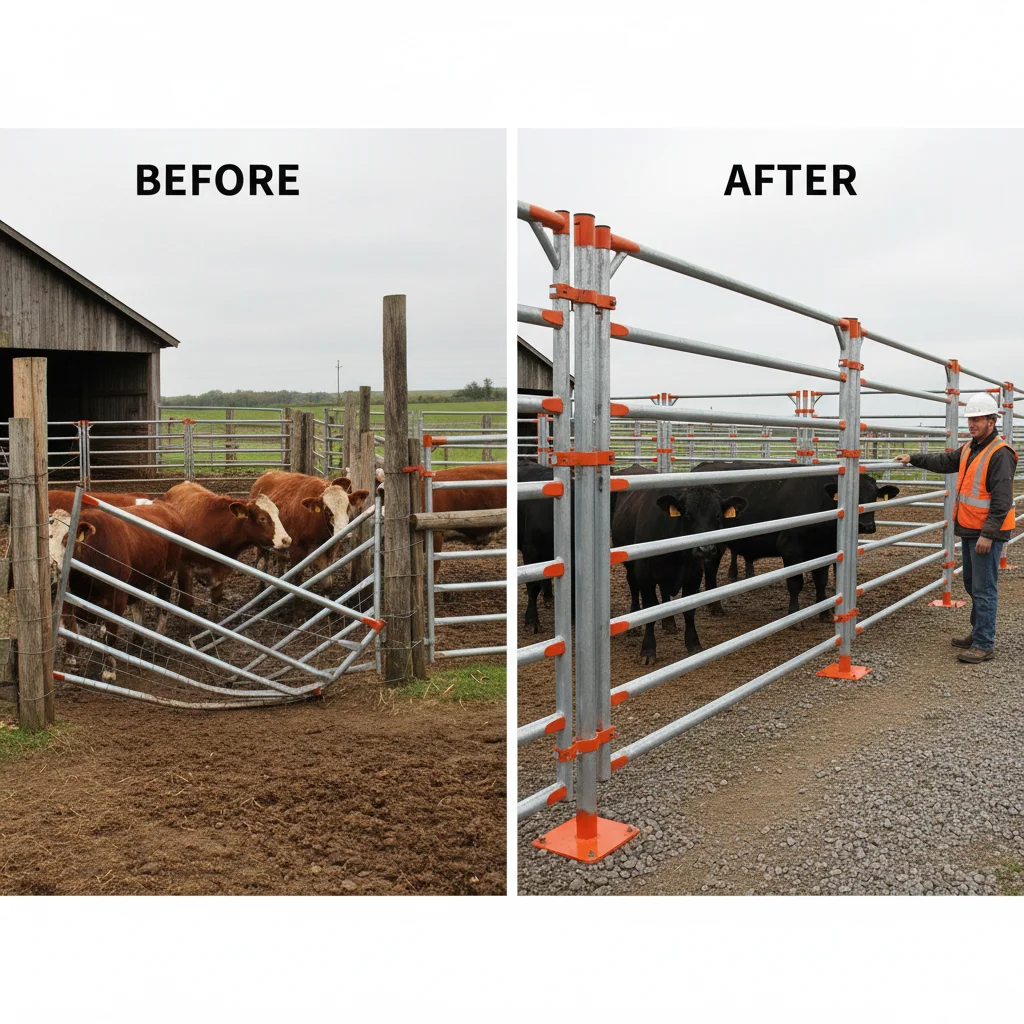
Durable Freestanding Livestock Panels for Efficient Animal Handling In the demanding world of agricultural management, the need for flexible and robust containment solutions has never been more critical. freestanding livestock panels offer a sophisticated answer to the challenges of animal handling, providing a secure yet adaptable barrier that does not require permanent installation or deep grounding. By allowing farmers and ranchers to redefine their spatial layouts in minutes, these panels maximize the efficiency of existing infrastructure while ensuring the safety of both the handlers and the livestock. Read More >26 Apr, 17
-
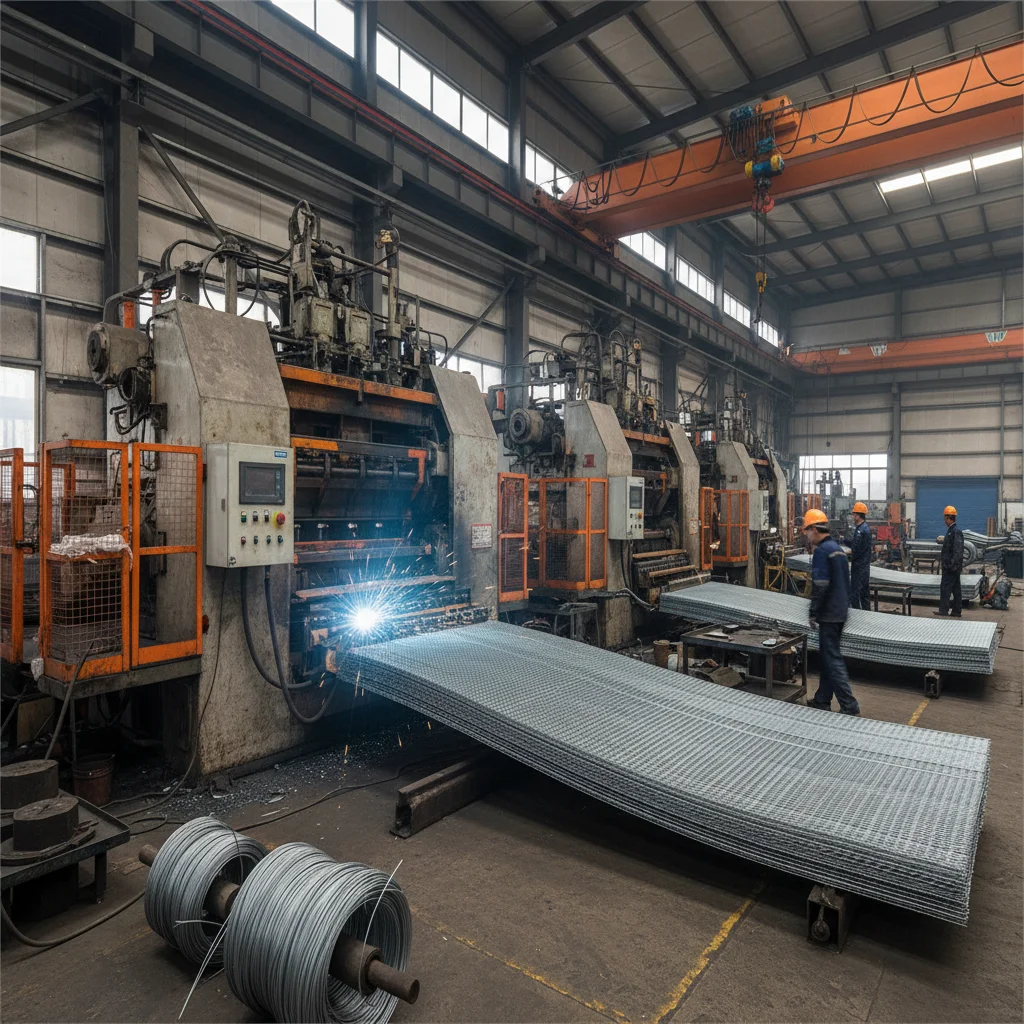
Professional Galvanized Welded Mesh Factory for Industrial Projects Finding a reliable galvanized welded mesh factory is critical for ensuring the structural integrity and longevity of your industrial or agricultural installations. Galvanized welded mesh is prized for its exceptional strength and resistance to corrosion, making it the go-to choice for fencing, animal cages, and construction reinforcement. However, not all factories adhere to the same quality standards. Whether you are sourcing for a large-scale infrastructure project or a specialized commercial application, understanding the manufacturing process and quality benchmarks is key to making a cost-effective investment that lasts for decades. Read More >26 Apr, 16
-
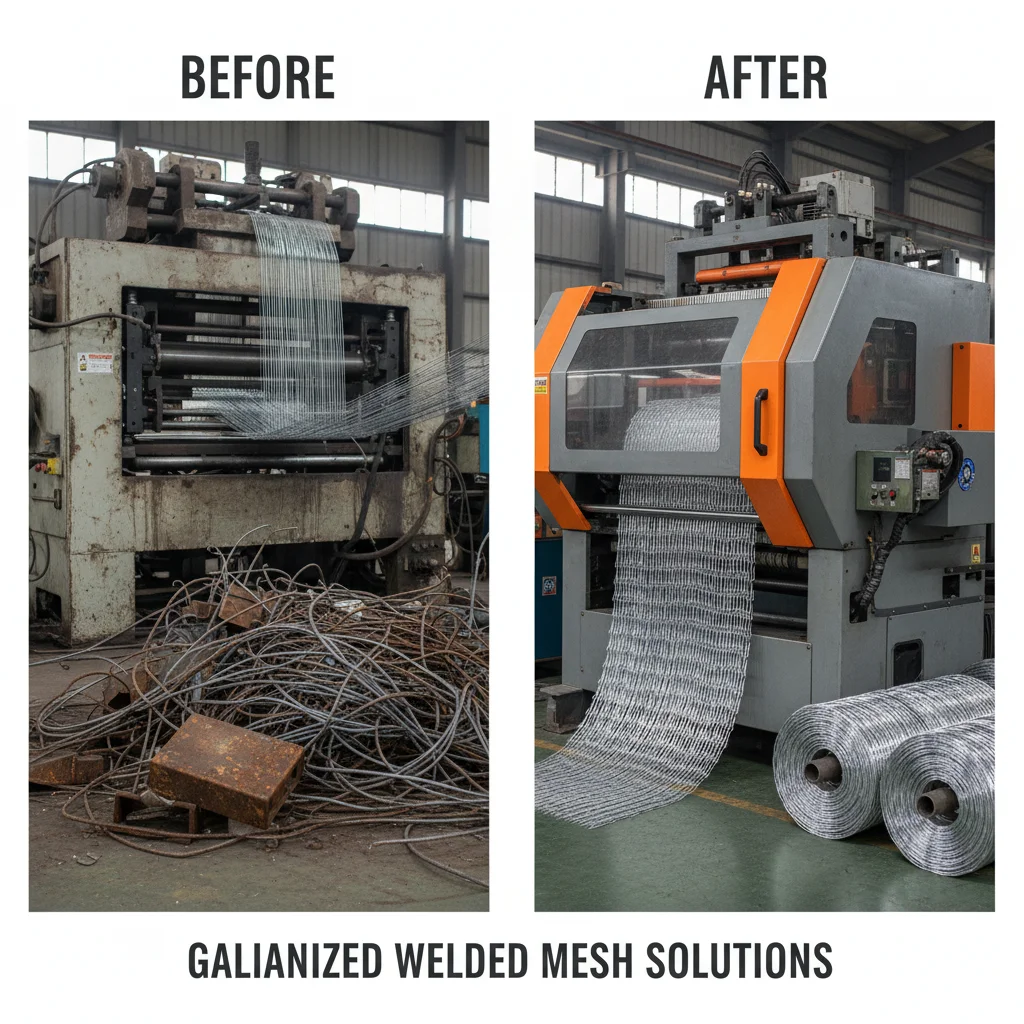
Professional Galvanized Welded Mesh Exporter for Quality Projects Selecting a high-quality fencing or screening solution requires more than just picking a product; it requires partnering with a reliable galvanized welded mesh exporter who understands the balance between structural integrity and corrosion resistance. Whether you are securing an industrial perimeter, building animal enclosures, or implementing architectural reinforcements, the quality of the galvanization process determines the lifespan of your installation. In this guide, we will explore the technical advantages of galvanized welded mesh and how to identify a global supplier that meets international quality standards to ensure your investment stands the test of time. Read More >26 Apr, 09
-
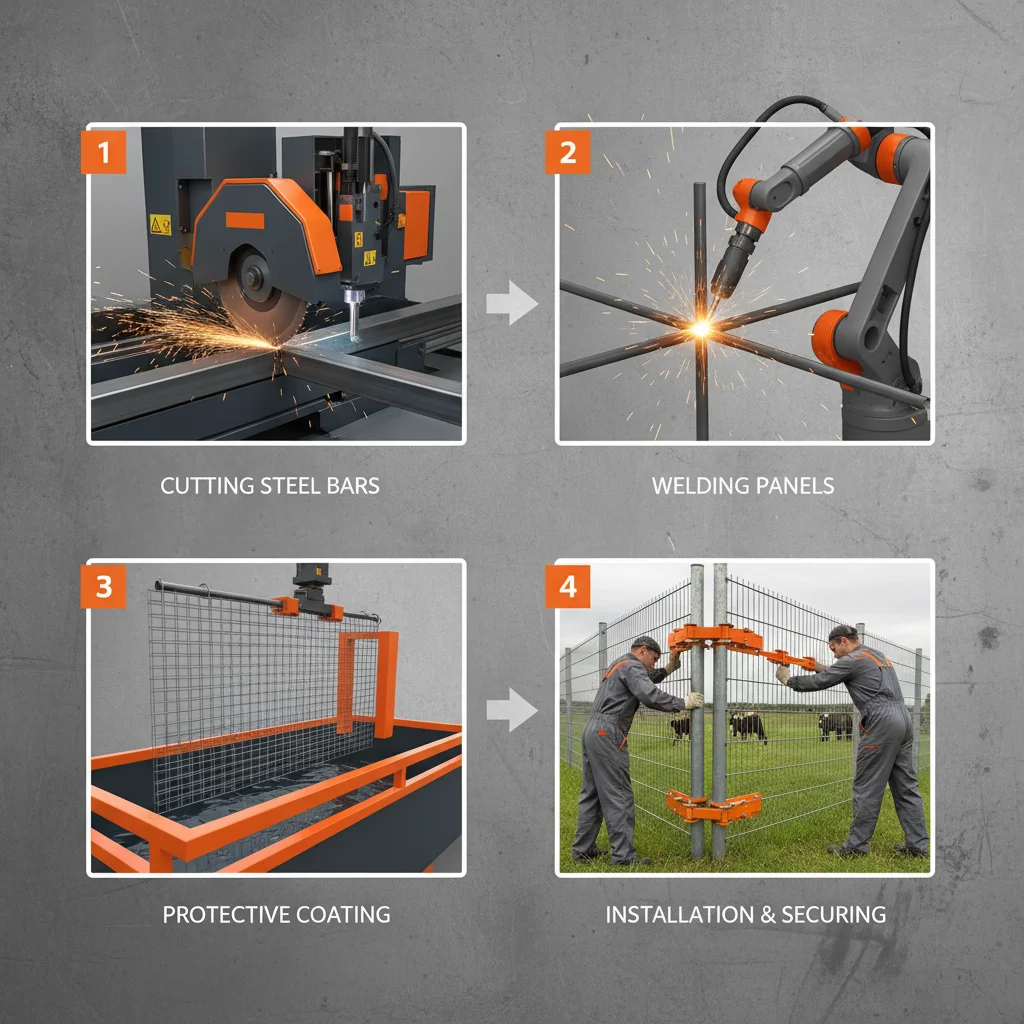
Essential Fencing Panels for Livestock Management and Farm Productivity Fencing panels for livestock are essential components in modern animal husbandry, playing a critical role in efficient farm management, animal welfare, and land utilization. Globally, the demand for robust and reliable fencing solutions is increasing due to the expanding livestock industry and the need to protect grazing lands from encroachment and predation. These panels aren’t simply barriers; they represent a vital investment in a farm's productivity and the health of its animals. Read More >26 Apr, 08
If you are interested in our products, you can choose to leave your information here, and we will be in touch with you shortly.


