


How to Attach Cattle Panel to T Post – Durable Livestock Fencing Guide
Attaching Cattle Panel to T Post: A Practical Look at a Global Agricultural Essential
If you’ve ever wondered how livestock farmers and ranchers keep their cattle safe and under control, you probably didn’t think much about the simple yet ingenious pairing of cattle panels and T posts. This combo, often overlooked by the general public, plays a fascinating role worldwide — from bustling farms in the US Midwest to sprawling livestock operations in Australia and even aid projects in developing nations.
So why does attaching cattle panel to t post matter? At a glance, it’s about creating a sturdy, reliable fence that’s both cost-effective and quick to set up. But on a broader level, it’s a small cornerstone in global food security, animal welfare, and rural economics. Plus, knowing the ins and outs of this can save you time, money, and frustration if you’re a farmer or construction specialist.
Understanding the Global Context of Livestock Fencing
Livestock farming accounts for roughly 40% of global agricultural GDP, according to the FAO. Effective fencing, like cattle panels attached to T posts, fundamentally impacts how safely and efficiently this huge sector operates. Especially in places where land boundaries are fluid and weather conditions harsh, a good fence isn’t just about keeping animals in — it’s about preventing loss, injuries, or conflicts over property.
Yet, many regions face a common challenge: fences either degrade too quickly or cost too much to install and maintain. This is where the simplicity of attaching cattle panels to T posts shines — providing a durable, scalable, and affordable approach that’s stood the test of time.
What Does Attaching Cattle Panel to T Post Actually Mean?
Simply put, it refers to the technique of fixing pre-formed wire mesh panels (cattle panels) to steel stakes, known as T posts, to create a robust fence line. The cattle panels are heavy-duty wire grids designed to restrain livestock, while T posts act as the vertical support driven into the ground at regular intervals. The connection usually involves clips, wire ties, or special fasteners to secure the panel tightly against the post.
This combination has become a mainstay in modern ranching but also intersects with humanitarian projects, helping rapidly build corrals or secure perimeters during disaster relief and remote development initiatives.
Core Aspects of Attaching Cattle Panel to T Post
1. Durability and Strength
Quality T posts are galvanized to resist rust, and cattle panels come coated or untreated steel mesh. When attached properly, the fence can withstand significant animal pressure and environmental stresses — think wind, rain, even livestock leaning or pushing.
2. Cost Efficiency
The ability to mass-produce standardized panels and posts drives down costs. Compared to wood fences or custom wire jobs, this method offers farmers a long-lasting solution without breaking the budget.
3. Ease of Installation
Attaching cattle panel to T post requires minimal tools: often just a mallet, wire cutters, and fencing clips or wire ties. This means a smaller workforce can set up a large enclosure relatively quickly.
4. Scalability and Flexibility
Whether you’re fencing a small backyard or a massive ranch, this system scales well. You can add more panels easily, adjust fence height or length, and even combine it with other fencing types.
5. Maintenance and Repair
Replacing a damaged panel or post is straightforward – no need to dismantle the entire fence. Local availability of components further simplifies upkeep, especially in remote areas.
Mini takeaway: The blend of durability, cost-effectiveness, and ease of assembly makes attaching cattle panel to T post a foundational skill for anyone dealing with livestock fencing worldwide.
How This Technique Is Used Around the World
From vast cattle ranches in Texas to sheep farms in New Zealand, attaching cattle panels to T posts is commonplace. But oddly enough, humanitarian groups have also adopted this approach. In post-disaster relief operations, say after floods or hurricanes, quick enclosure setup for livestock minimizes loss and disease spread.
In parts of Africa and South Asia, local NGOs use these fences to create secure feeding stations or temporary shelters, empowered by the panels’ modular nature. Industrial zones too rely on similar fencing to delineate operational boundaries fast and reliably.
Example Use Cases
- Australia’s Outback stations: Heavy-duty cattle panels resist harsh sun and wind, protecting sheep and cattle alike.
- Kenya livestock development projects: Secure fencing built rapidly to prevent theft and predator threats.
- Post-flood recovery: Temporary pens allowing displaced animals safety and access to aid resources.
Product Specification Table
| Product | Material | Panel Size | Post Spacing | Coating | Typical Lifespan |
|---|---|---|---|---|---|
| Heavy Duty Cattle Panel | Galvanized Steel Wire | 8ft x 50ft (approx. 2.4m x 15m) | 8ft (2.4m) | Galvanized coating | 8-12 years |
| Steel T Post | Galvanized Steel | 6ft-8ft Length | N/A | Galvanized zinc coating | 10-15 years |
Vendor Comparison Table
| Supplier | Product Range | Pricing | Shipping Availability | Customer Support |
|---|---|---|---|---|
| Haotian Mesh Co. | Cattle panels, T posts, clips | Competitive bulk pricing | Global, via freight partners | 24/7 multilingual support |
| FarmFence USA | Panels, posts, fencing tools | Mid-range prices | North America only | Business hours support |
| AgriEquip Ltd. | Full fencing solutions | Higher-end products | Europe, Asia shipping | Dedicated account managers |
Why This Matters: The Advantages & Long-Term Value
Frankly, when you think about how simple the concept is, it’s surprising how much value attaching cattle panel to t post can add — not just financially but socially and emotionally. For farmers, there’s the peace of mind knowing animals are safe, which is priceless. For communities, stable livestock means steady food supply and income.
The sustainability angle also comes in because many modern cattle panels and T posts are recyclable or made from recycled materials. Plus, with easier repairs, fences aren’t discarded prematurely, reducing waste.
Looking Ahead: Innovations and Future Trends
In the near future, look out for fencing materials incorporating smart tech — think sensors detecting fence breaches or animal movements, powered by solar (green energy) setups. New coatings that last longer under extreme climates, or lighter but stronger composite panels, may emerge.
There’s also push for digital tools to map and plan fencing projects precisely, reducing waste and labor on site. Such developments make the humble act of attaching cattle panel to t post part of a bigger smart farming revolution.
Challenges You Might Face (and How to Beat Them)
Common blockers? Well, uneven ground can make setting T posts tricky. Sometimes panels twist or don’t secure tightly, risking sagging. In wet or corrosive soils, even galvanization may not last as long as hoped.
Experts suggest pre-planning site surveys, using specialized fence post drivers, and investing in premium fasteners to solve these. There’s also growing interest in synthetic alternatives to traditional steel for extreme environments.
FAQ: Practical Questions About Attaching Cattle Panel to T Post
- Q: What is the best method to attach cattle panels securely to T posts?
A: The most common method involves using durable clips specifically designed for T posts or heavy gauge wire ties. Clips offer ease and quick installation, while wire ties add extra tightness when needed. Combining both can maximize fence integrity. - Q: How often should T posts be spaced when fixing cattle panels?
A: Typically, T posts are spaced approximately 8 feet (2.4 meters) apart, matching the panel width to maintain tension and stability. Closer spacing helps in high-wind or high-impact areas. - Q: Can galvanized cattle panels and T posts handle harsh weather environments?
A: Yes, but their lifespan depends on factors like coating quality, soil acidity, and maintenance. Galvanization offers good rust resistance, but applying sealants or using thicker coatings extends durability significantly. - Q: Are there environmentally friendly alternatives to traditional steel panels and posts?
A: Emerging options include recycled plastic composite panels and posts that resist corrosion without coatings. While pricier initially, they reduce environmental impact and can last longer in corrosive climates. - Q: Where can I buy high-quality cattle panels and T posts with international shipping?
A: Vendors like Haotian Mesh offer competitive pricing and global freight forwarding. They also provide good technical support — handy if you’re new to fencing.
In Conclusion: Why Attaching Cattle Panel to T Post Will Remain a Vital Skill
Attaching cattle panel to T post isn’t just some humble farming chore. It’s a practice loaded with years of agrarian wisdom, global relevance, and ongoing innovation. It combines strength, flexibility, and cost-effectiveness to meet the ever-shifting needs of modern livestock management.
If you want to dive deeper or source your materials with confidence, visit: https://www.haotianmesh.com. Whether you’re a seasoned rancher or just starting, this resource can be the difference between a fence that lasts and one that fails the first winter.
Thanks for sticking around to learn about this deceptively simple yet crucial agricultural skill.
References:
-
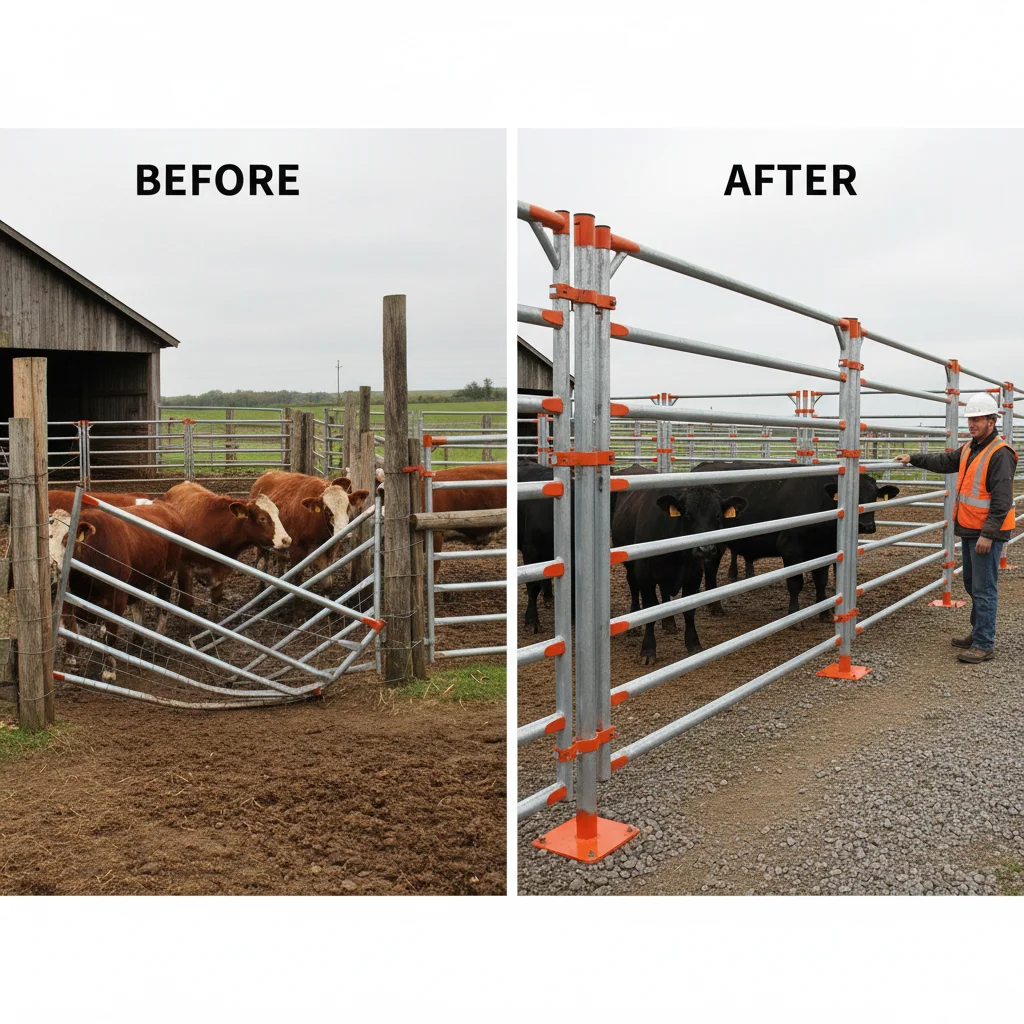
Durable Freestanding Livestock Panels for Efficient Animal Handling In the demanding world of agricultural management, the need for flexible and robust containment solutions has never been more critical. freestanding livestock panels offer a sophisticated answer to the challenges of animal handling, providing a secure yet adaptable barrier that does not require permanent installation or deep grounding. By allowing farmers and ranchers to redefine their spatial layouts in minutes, these panels maximize the efficiency of existing infrastructure while ensuring the safety of both the handlers and the livestock. Read More >26 Apr, 17
-
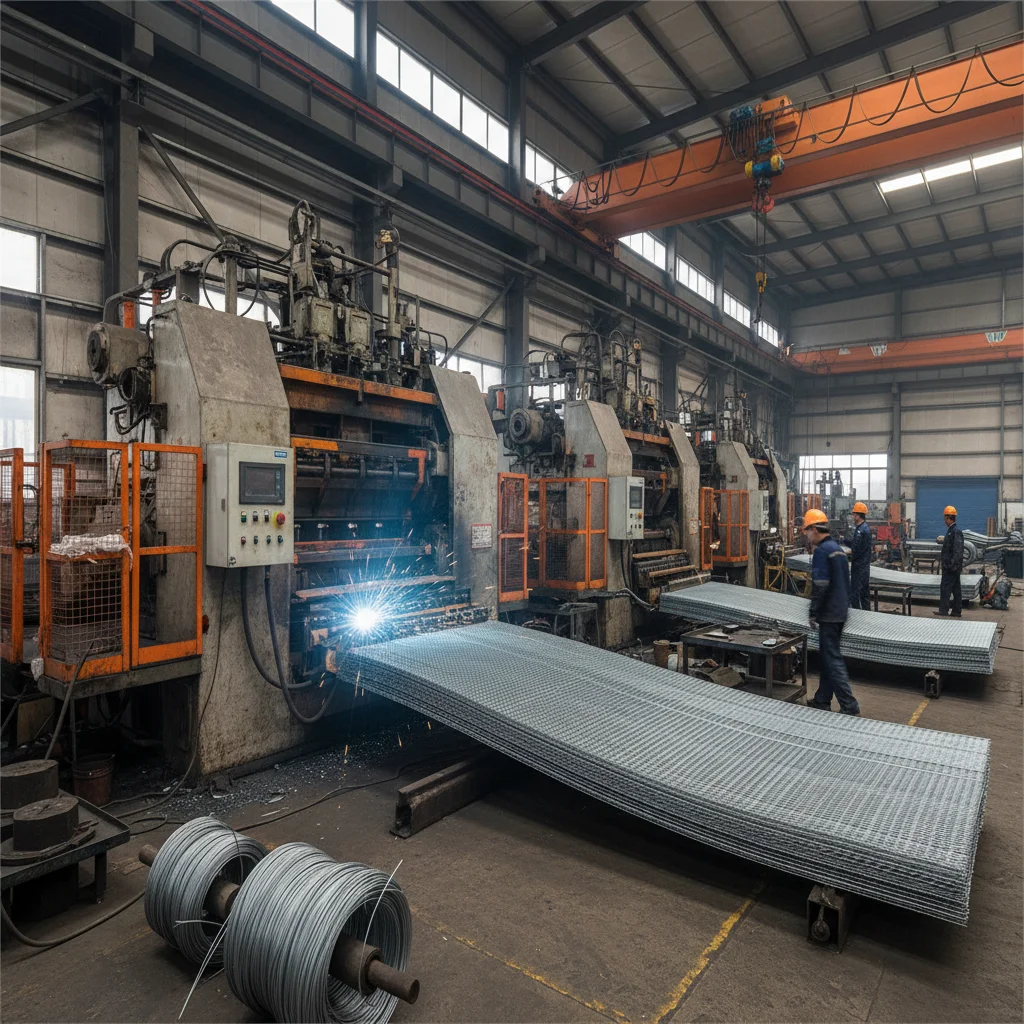
Professional Galvanized Welded Mesh Factory for Industrial Projects Finding a reliable galvanized welded mesh factory is critical for ensuring the structural integrity and longevity of your industrial or agricultural installations. Galvanized welded mesh is prized for its exceptional strength and resistance to corrosion, making it the go-to choice for fencing, animal cages, and construction reinforcement. However, not all factories adhere to the same quality standards. Whether you are sourcing for a large-scale infrastructure project or a specialized commercial application, understanding the manufacturing process and quality benchmarks is key to making a cost-effective investment that lasts for decades. Read More >26 Apr, 16
-
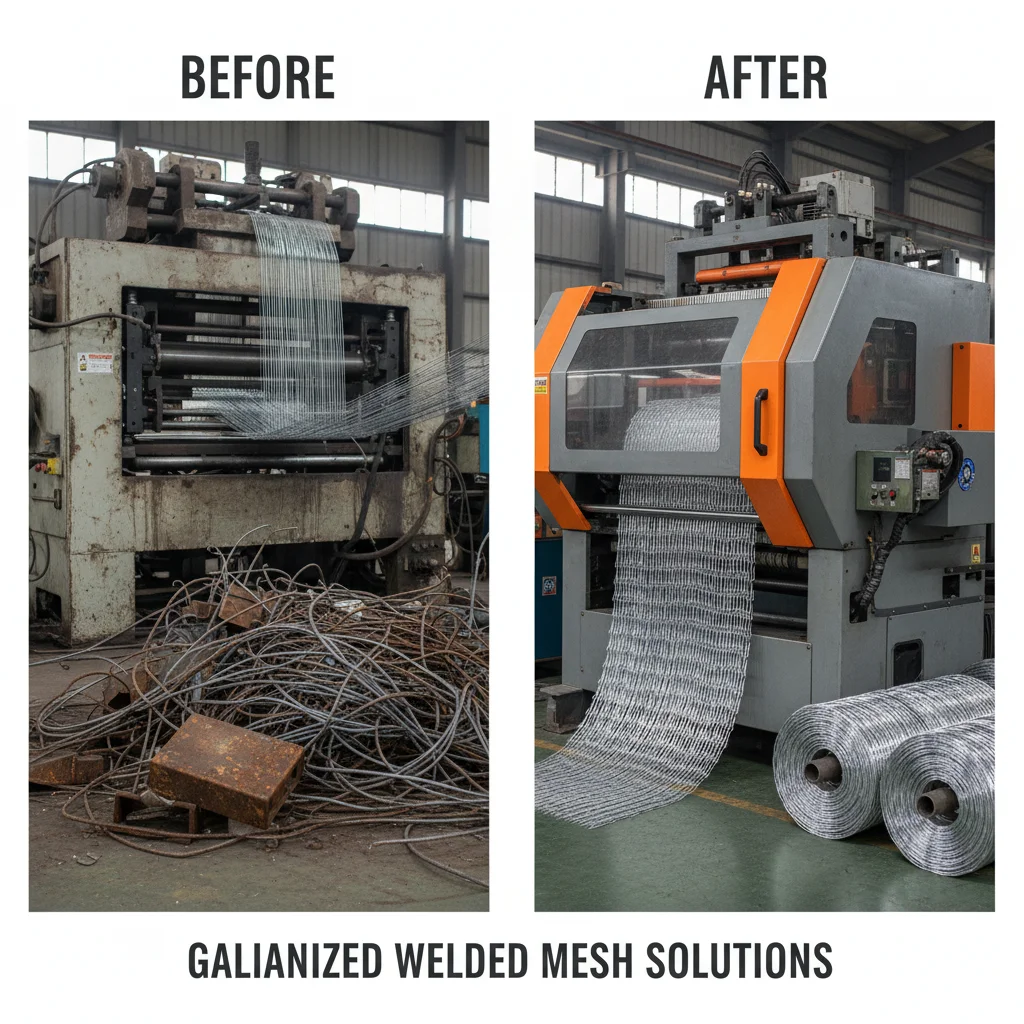
Professional Galvanized Welded Mesh Exporter for Quality Projects Selecting a high-quality fencing or screening solution requires more than just picking a product; it requires partnering with a reliable galvanized welded mesh exporter who understands the balance between structural integrity and corrosion resistance. Whether you are securing an industrial perimeter, building animal enclosures, or implementing architectural reinforcements, the quality of the galvanization process determines the lifespan of your installation. In this guide, we will explore the technical advantages of galvanized welded mesh and how to identify a global supplier that meets international quality standards to ensure your investment stands the test of time. Read More >26 Apr, 09
-
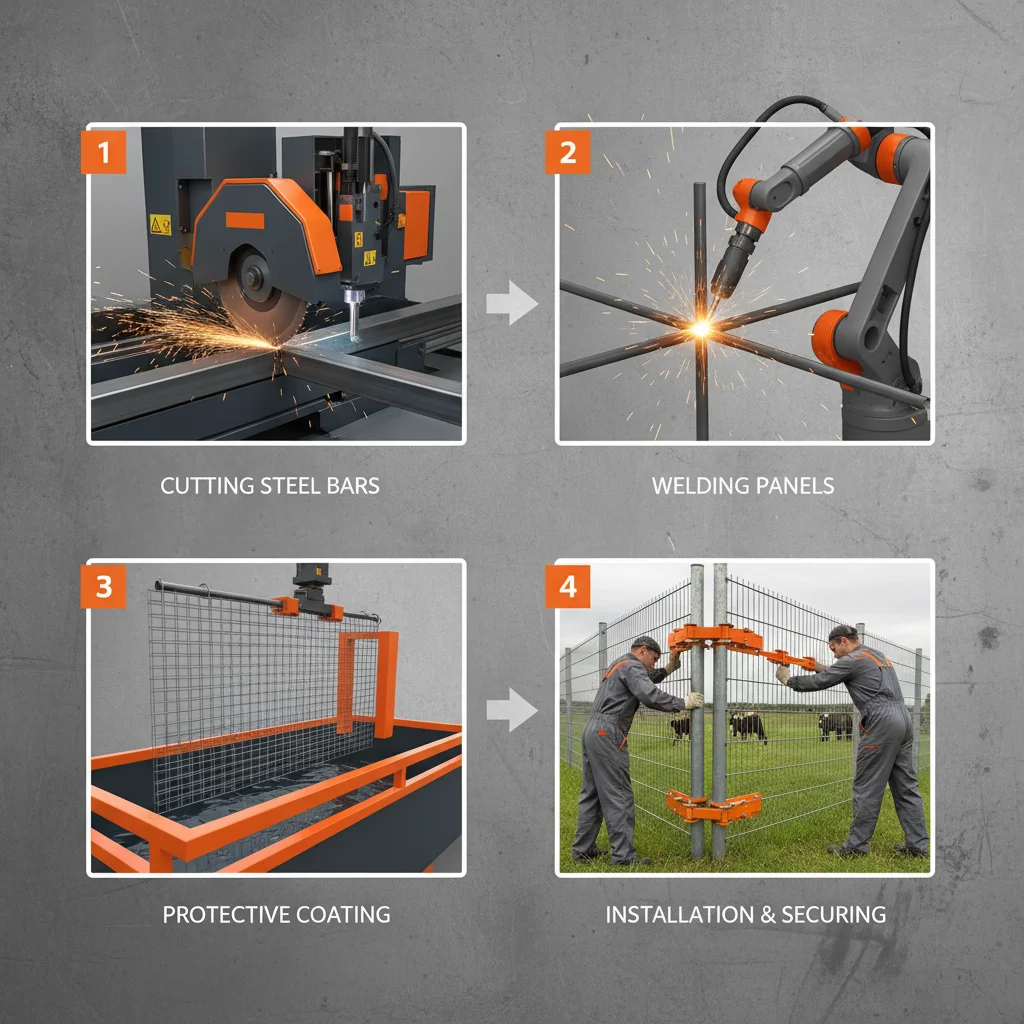
Essential Fencing Panels for Livestock Management and Farm Productivity Fencing panels for livestock are essential components in modern animal husbandry, playing a critical role in efficient farm management, animal welfare, and land utilization. Globally, the demand for robust and reliable fencing solutions is increasing due to the expanding livestock industry and the need to protect grazing lands from encroachment and predation. These panels aren’t simply barriers; they represent a vital investment in a farm's productivity and the health of its animals. Read More >26 Apr, 08
If you are interested in our products, you can choose to leave your information here, and we will be in touch with you shortly.


