


High-Quality Cattle Panel 8 Solutions for Durable Livestock Fencing
Understanding the Role of Cattle Panel 8: A Global Perspective
If you’re somehow new to agricultural or livestock fencing—or even rural infrastructure—you’ve likely missed the neat little marvel that is the cattle panel 8. It might sound like a niche term, but this simple steel grid plays a surprisingly vital role worldwide, from small-scale farms in Africa to vast ranches in Australia or the American West. Given the growing need for sustainable and reliable livestock containment, understanding what cattle panel 8 represents, and why it matters, is quite rewarding. The key benefits? Enhanced animal welfare, cost efficiency, and flexibility in a world that increasingly values these traits in agricultural solutions.
So, why bring it to the front? The global livestock sector supports roughly 1.4 billion people according to the UN Food and Agriculture Organization. That means solutions like these panels underpin food security, economic survival, and sustainable farming practices — making them more than just steel frames.
A Global Snapshot: Why Cattle Panel 8 Matters in Today’s Industry
Consider this: the World Bank reports over 50% of the global population lives in rural areas with livestock representing a key income source. Yet, challenges like harsh weather, poor fencing durability, and animal stress are persistent. Enter cattle panel 8, a tool that blends strong construction with affordability, capable of withstanding those tough conditions.
The environmental and social pressures to improve livestock management worldwide have never been more urgent. From reducing overgrazing to preventing animal escapes that disrupt ecosystems and livelihoods, efficient fencing means more control and better stewardship. It addresses problems that might seem localized but ripple through economies at national levels.
Fundamentally, cattle panel 8 is about resilience and adaptability — crucial traits given the varied climates and terrains livestock roam.
What Is Cattle Panel 8? Breaking Down the Basics
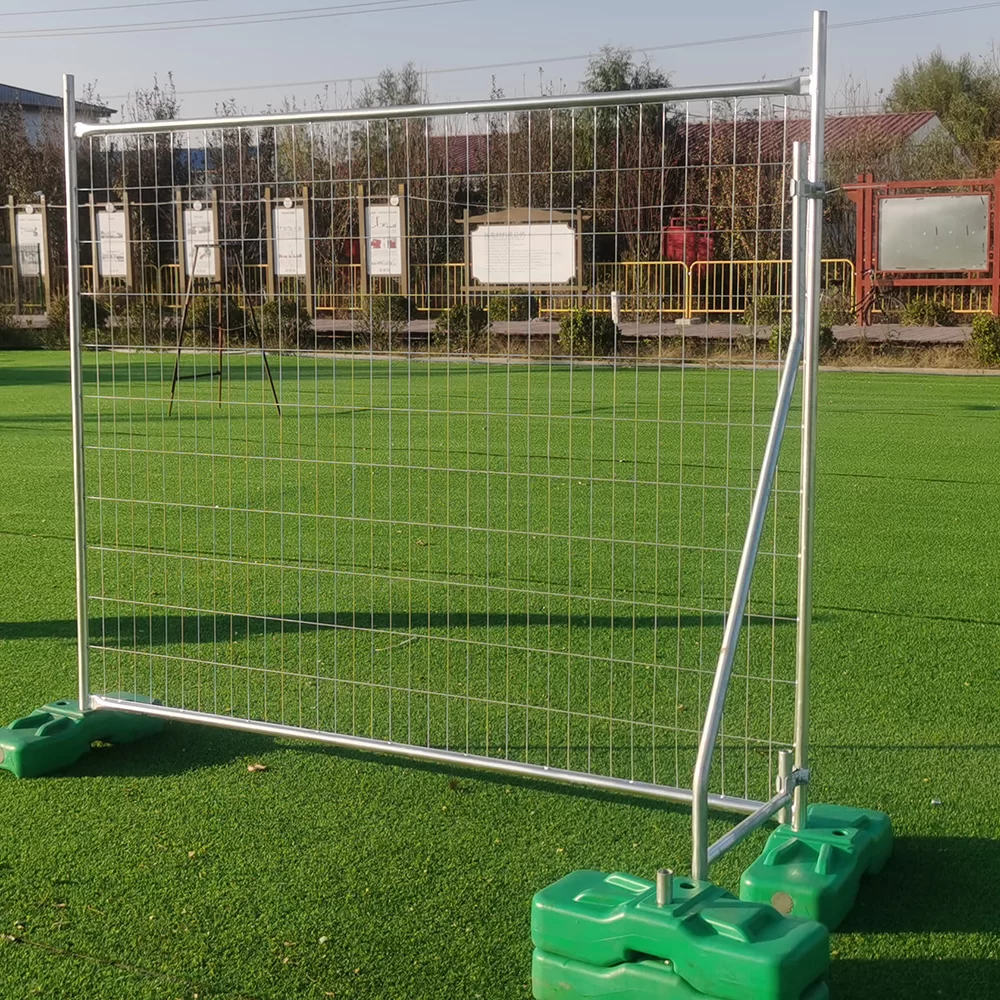
To put it simply, cattle panel 8 refers to a specific type of metal livestock fencing panel identified typically by its 8-inch grid spacing. Think of sturdy steel wires welded in a rectangular mesh pattern, often around 16 feet long and 4 to 5 feet high. This design is meant to prevent animals from escaping while allowing plenty of visibility and airflow, so cattle and other livestock aren’t enclosed in a stuffy cage-like environment.
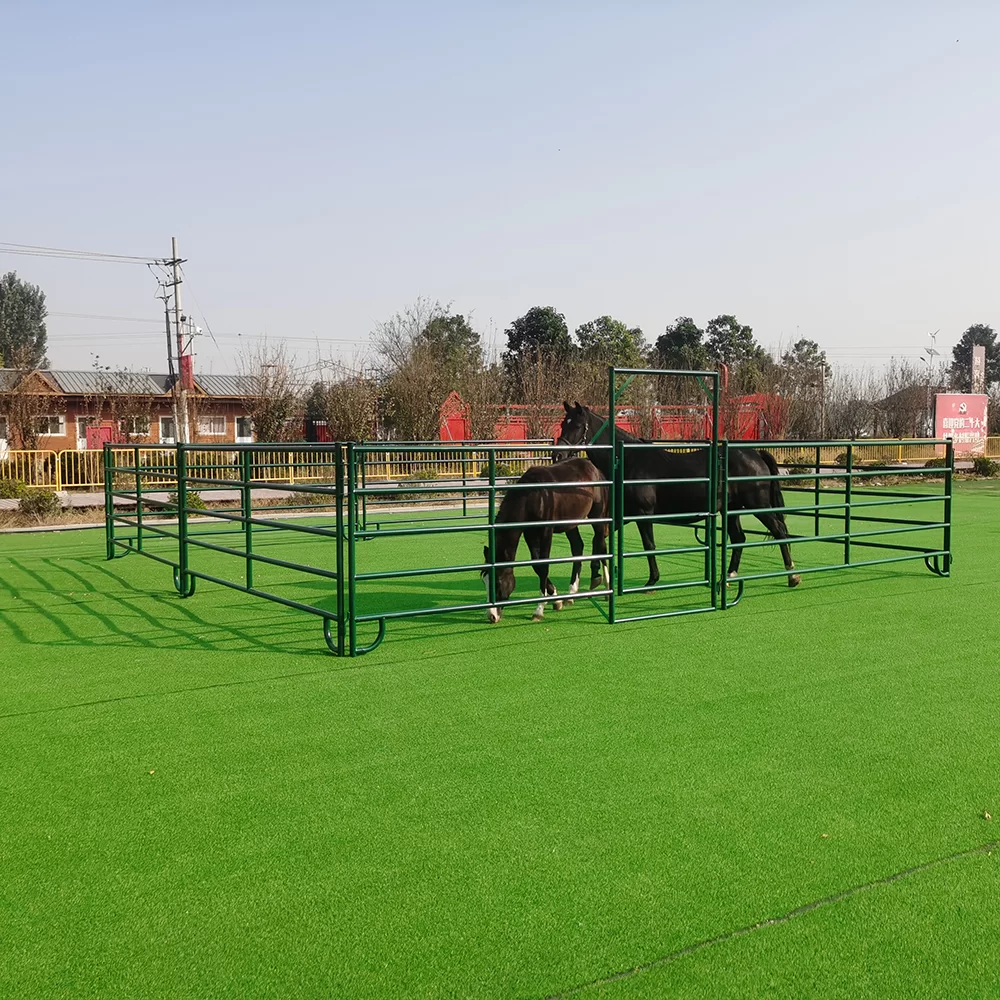
These panels aren’t limited to just cattle—they’re handy for horses, goats, and even smaller animals with appropriate sizing. Their connection to modern farming or humanitarian needs comes from their efficient production and ease of installation, which means relief organizations and remote farms can rapidly deploy them where needed.
Key Features That Define Cattle Panel 8
Durability
The steel used in cattle panel 8 is typically galvanized to resist rust and corrosion, meaning it can last decades outdoors. Many engineers I've spoken to argue that this simple galvanization is what separates “good enough” panels from ones that end up becoming hazardous piles of rust.
Flexibility & Scalability
It’s easy to join these panels end-to-end, allowing farmers to scale their fencing as their herds grow or land use changes. Moreover, the panels can be quickly disassembled and moved elsewhere—a kind of portable perimeter that’s been a game-changer in many seasonal grazing operations.
Cost Efficiency
Compared to custom fencing solutions, cattle panel 8 scores high on affordability. The standardized size and mass production bring material and labor costs down significantly—especially useful for budget-conscious operations.
Animal Safety & Comfort
The design minimizes sharp edges and provides good visibility, reducing stress for the animals. This is more important than it sounds because calmer livestock are generally healthier and less prone to injury.
Ease of Installation
Most panels can be installed with just a few tools and a couple of people. For pastoralists in remote regions, or NGOs delivering emergency livestock infrastructure, this low barrier to deployment means getting fences up fast.
Practical Global Uses of Cattle Panel 8
In sub-Saharan Africa, NGOs use these panels for immediate rebuilding of livestock areas post-crisis—enabling farmers to protect their herds after droughts or floods. Meanwhile, in the vast grasslands of Patagonia, ranchers rely on them to section off grazing pastures seasonally. Australian farmers, known for their resourcefulness, often combine cattle panel 8 with electrified wires for extra security against wild dogs.
Also worth noting are feeding pens, mobile corrals, and quarantine enclosures—these panels perform equally well here, proving their versatility. Industrial farms in North America test their durability rigorously because they need fencing that survives tractor traffic and weather extremes without failure.
“Since switching to cattle panel 8 for our rotational grazing paddocks, we noticed fewer fence repairs and happier cattle—less stress means better yields.” — A midwestern US cattle farmer
Advantages & Long-Term Value of Using Cattle Panel 8
- Economic savings: lower maintenance and repairs reduce long-term costs.
- Environmental benefits: supporting proper herd management limits overgrazing and erosion.
- Social impact: helps farming communities retain livelihoods and food security.
- Reliability: consistent performance even in harsh climates.
- Animal welfare: enhances comfort and reduces injuries.
- Innovation potential: compatibility with electrification and integration into smart farm setups.
Frankly, it’s this mix of practical benefits and positive social impact that makes cattle panel 8 an appealing choice for both traditional farms and forward-looking agribusinesses.
Looking Ahead: Innovations and Future Trends in Cattle Panel 8
Advances aren’t just limited to the design or steel quality. Many manufacturers are exploring coatings with improved environmental profiles—think powder coatings that reduce zinc runoff or even integrating recycled steel. There’s also talk about smart fencing: sensors embedded into panels to detect breaches or animal distress.
Green energy comes into play as electric fences powered by solar arrays become more popular, often combined with cattle panel 8 for physical barrier and deterrence. This synergy between traditional hardware and digital enhancements hints at a modernization wave in livestock management infrastructure.
Not to mention, 3D printing and modular panel designs promise quicker localization and customization for diverse geographic needs.
Common Challenges and How to Address Them
No tool is perfect. Cattle panel 8 occasionally faces issues like:
- Weight: Each panel is somewhat heavy (~85 lbs), challenging smaller crews during transport.
- Corrosion in aggressive environments: Coastal farms may require marine-grade coatings.
- Limited height options: Some operators want taller or shorter panels, requiring custom fabrication.
- Initial installation cost: Though affordable, initial capital outlay can be tough for smallholders.
Fortunately, innovations in lighter alloys, enhanced coatings, and flexible financing models help overcome these hurdles. Local training for installation also boosts adoption rates, as I've seen in projects blending schooling with product deployment.
Quick FAQs About Cattle Panel 8
- Q: How long can a typical cattle panel 8 last outdoors?
- A: With proper galvanization and maintenance, these panels can last 15-25 years. Regular inspection helps catch corrosion early.
- Q: Can cattle panels be used in all climate zones?
- A: Yes, but in humid or salty environments, extra protective coatings may be needed to prevent rust.
- Q: Is it easy to move cattle panel fencing seasonally?
- A: Absolutely. The modular design allows for relatively quick disassembly and reassembly, suitable for rotational grazing.
- Q: How does cattle panel 8 compare costwise with electric-only fencing?
- A: While electric fencing alone is cheaper initially, cattle panels provide a sturdy physical barrier that reduces animal stress and escape risks, often saving money long-term.
- Q: Where can I buy quality cattle panel 8?
- A: Reliable vendors exist worldwide, and product specs vary. We recommend browsing trusted sources like haotianmesh.com for options tailored to your needs.
Product Specifications for Cattle Panel 8
| Specification | Details |
|---|---|
| Panel Dimensions | 16 ft (length) x 5 ft (height) |
| Grid Spacing | 8 in x 16 in (vertical x horizontal) |
| Material | High-tensile galvanized steel wire |
| Wire gauge | 12.5 gauge (approx. 2.7 mm diameter) |
| Weight per panel | 80-90 lbs (approx. 36-41 kg) |
| Coating | Hot-dipped galvanized zinc coating, optional powder coat |
Comparison of Leading Cattle Panel Vendors
| Vendor | Material Quality | Price per Panel (USD) | Customization Options | Warranty |
|---|---|---|---|---|
| Haotian Mesh | High-grade galvanized steel, optional powder coating | $65 - $80 | Grid size, coating, wire gauge | 5 years against rust & structural defects |
| FarmPro Fencing | Standard galvanized steel | $60 - $75 | Limited (standard sizes only) | 3 years |
| RanchGuard | Galvanized and powder coat options | $70 - $85 | Custom heights and lengths | 7 years |
Final Thoughts on Cattle Panel 8
In the end, cattle panel 8 stands out as a potent blend of simplicity and effectiveness. It’s an investment where the returns are measured not just in dinero but in saved labor, lower stress, and more secure livestock—all of which ripple out into community stability and improved food systems. For anyone involved in livestock management, it’s one of those quietly essential tools that just makes life smoother.
Want to learn more or browse high-quality options? Check out cattle panel 8 specialists for tailored solutions that fit your context perfectly.
References & Further Reading
-
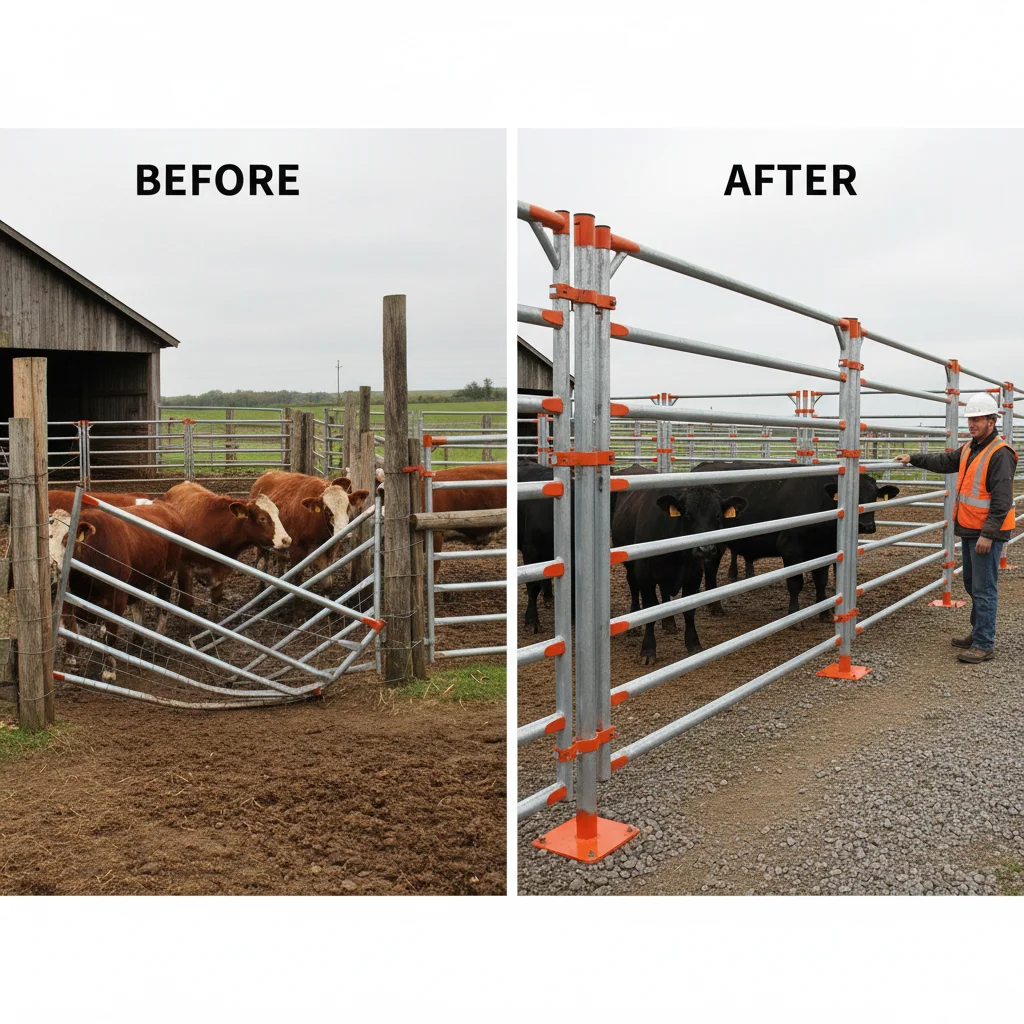
Durable Freestanding Livestock Panels for Efficient Animal Handling In the demanding world of agricultural management, the need for flexible and robust containment solutions has never been more critical. freestanding livestock panels offer a sophisticated answer to the challenges of animal handling, providing a secure yet adaptable barrier that does not require permanent installation or deep grounding. By allowing farmers and ranchers to redefine their spatial layouts in minutes, these panels maximize the efficiency of existing infrastructure while ensuring the safety of both the handlers and the livestock. Read More >26 Apr, 17
-
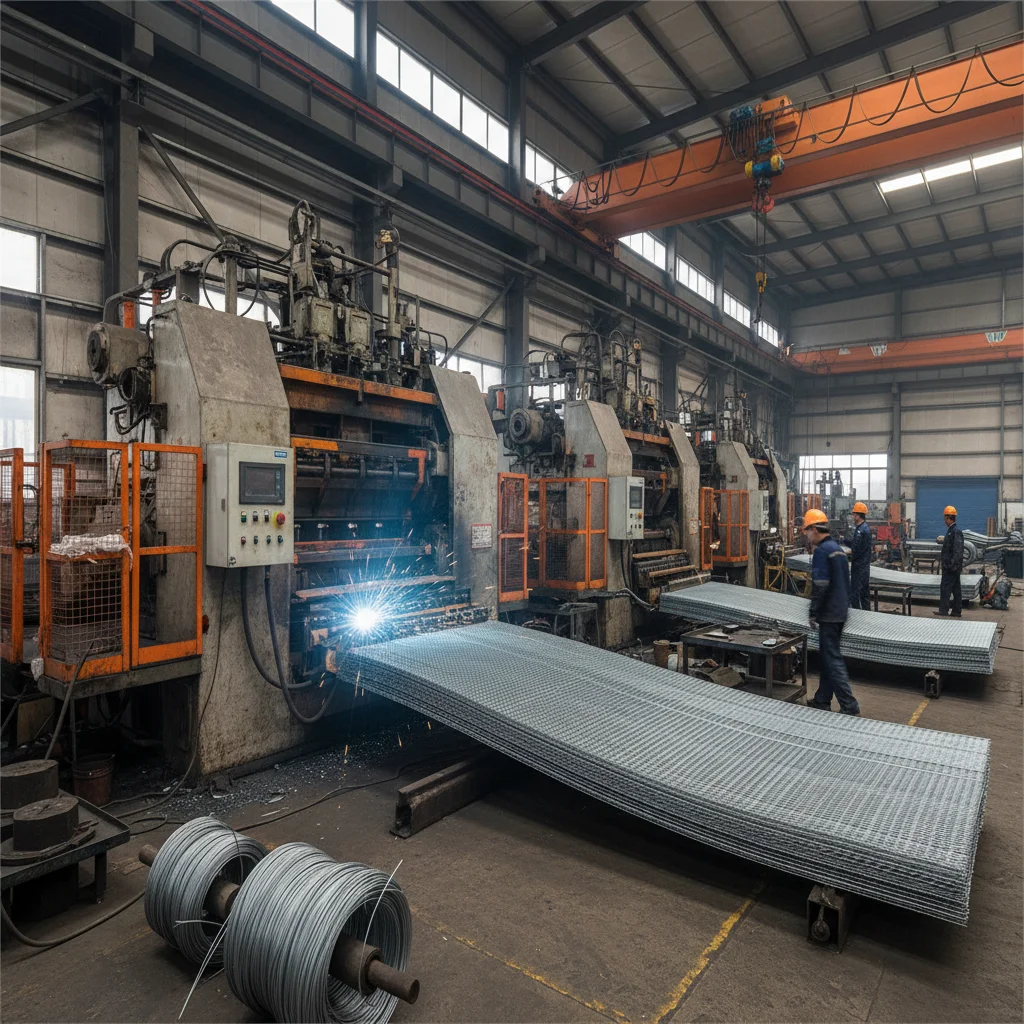
Professional Galvanized Welded Mesh Factory for Industrial Projects Finding a reliable galvanized welded mesh factory is critical for ensuring the structural integrity and longevity of your industrial or agricultural installations. Galvanized welded mesh is prized for its exceptional strength and resistance to corrosion, making it the go-to choice for fencing, animal cages, and construction reinforcement. However, not all factories adhere to the same quality standards. Whether you are sourcing for a large-scale infrastructure project or a specialized commercial application, understanding the manufacturing process and quality benchmarks is key to making a cost-effective investment that lasts for decades. Read More >26 Apr, 16
-
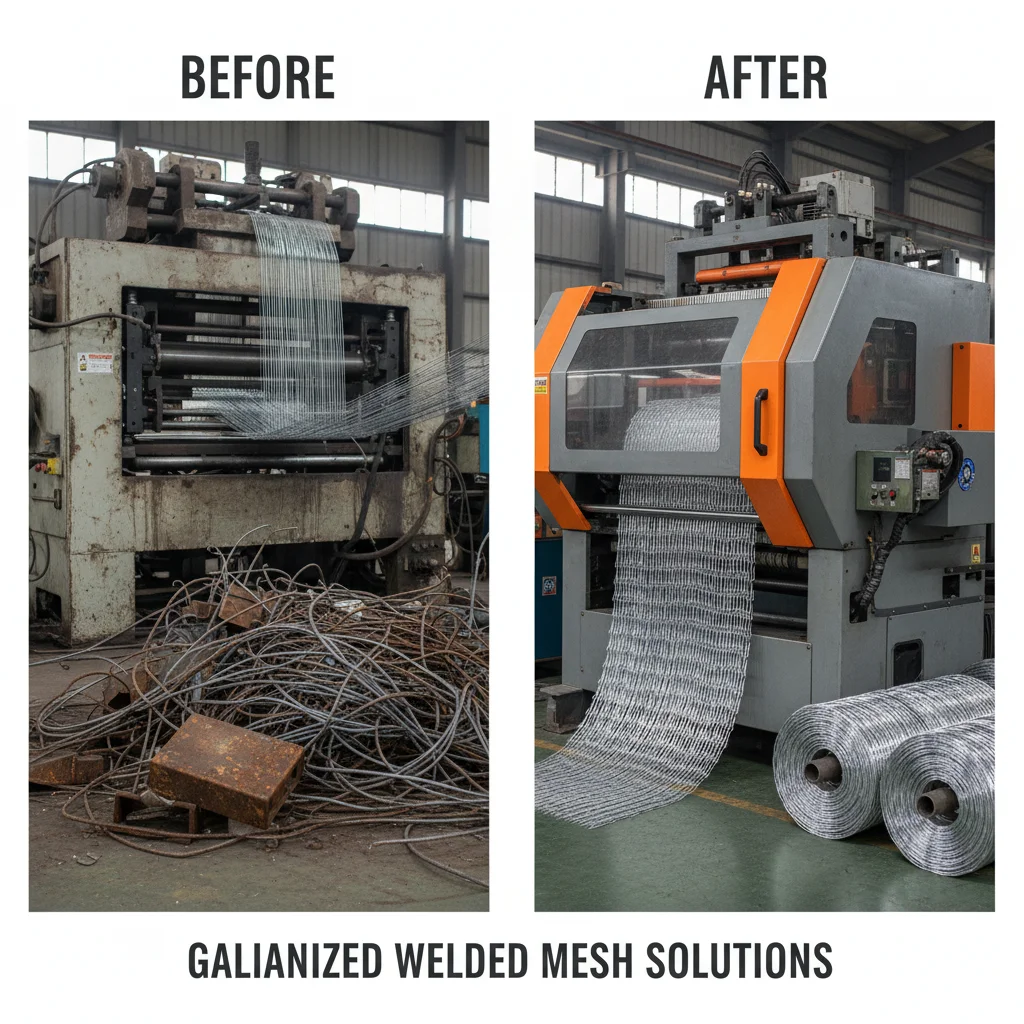
Professional Galvanized Welded Mesh Exporter for Quality Projects Selecting a high-quality fencing or screening solution requires more than just picking a product; it requires partnering with a reliable galvanized welded mesh exporter who understands the balance between structural integrity and corrosion resistance. Whether you are securing an industrial perimeter, building animal enclosures, or implementing architectural reinforcements, the quality of the galvanization process determines the lifespan of your installation. In this guide, we will explore the technical advantages of galvanized welded mesh and how to identify a global supplier that meets international quality standards to ensure your investment stands the test of time. Read More >26 Apr, 09
-
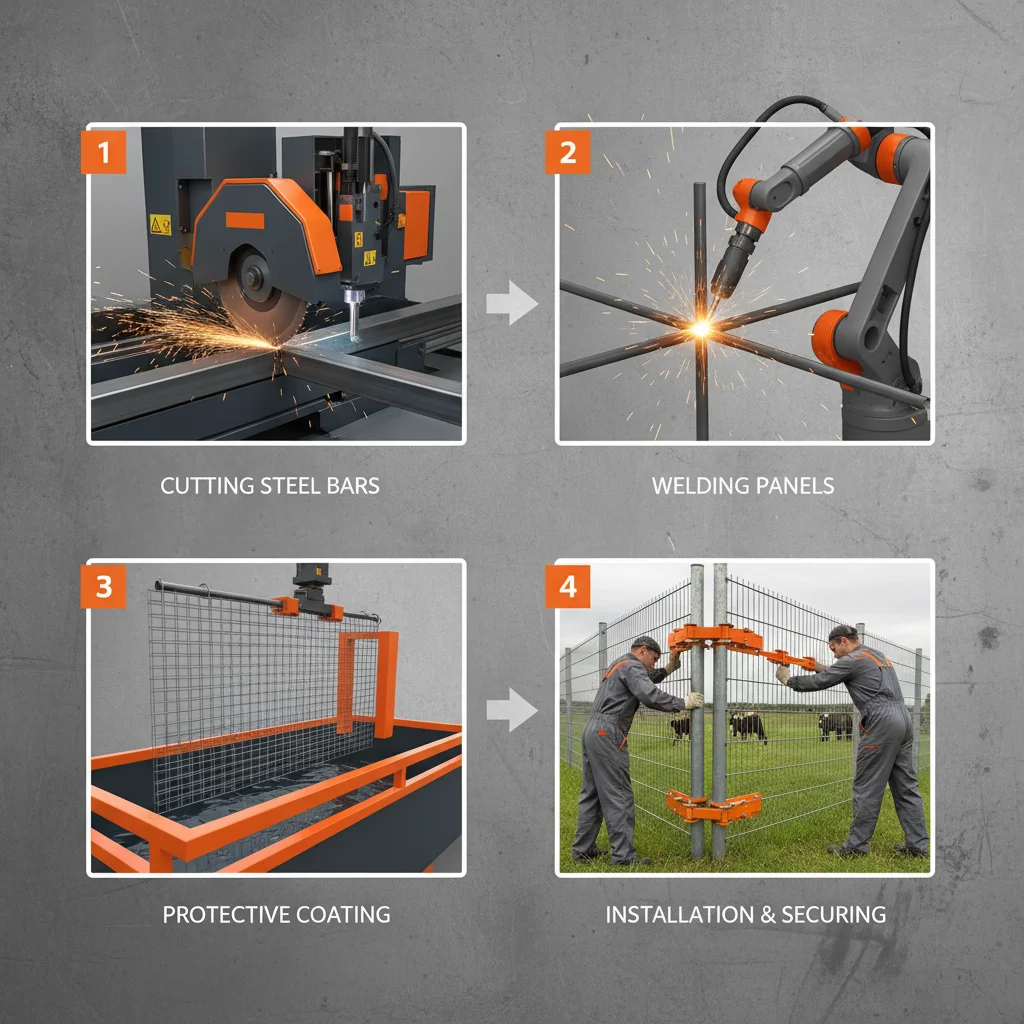
Essential Fencing Panels for Livestock Management and Farm Productivity Fencing panels for livestock are essential components in modern animal husbandry, playing a critical role in efficient farm management, animal welfare, and land utilization. Globally, the demand for robust and reliable fencing solutions is increasing due to the expanding livestock industry and the need to protect grazing lands from encroachment and predation. These panels aren’t simply barriers; they represent a vital investment in a farm's productivity and the health of its animals. Read More >26 Apr, 08
If you are interested in our products, you can choose to leave your information here, and we will be in touch with you shortly.


