


Efficient Garden Fencing Using Cattle Panels: Durable, Affordable, and Sustainable Solutions
Understanding Garden Fencing Using Cattle Panels: Why It Matters Today
At first glance, garden fencing using cattle panels might sound like a niche backyard project or a farmer’s shortcut. But if you dig a little deeper, it turns out to be a surprisingly versatile and globally relevant solution — one that’s helping gardeners, communities, and industries secure spaces efficiently and sustainably. Whether protecting crops from wandering animals, creating engaging urban green spaces, or even aiding in post-disaster rebuilding efforts, the humble cattle panel fence packs benefits that often go unnoticed.
In an age when sustainable living and resource efficiency dominate conversations, understanding the ins and outs of fencing solutions like this becomes essential. It’s not just about boundary lines — it’s about smart material use, adaptability, and long-term value in both rural and urban environments worldwide.
The Global Context: Why Garden Fencing Using Cattle Panels is Gaining Traction
According to the United Nations Statistics Division, nearly 55% of the world's population currently lives in urban areas—a figure expected to reach 68% by 2050. This urban expansion brings an increased need for efficient green space design and security solutions. Garden fencing using cattle panels fits into this puzzle perfectly.
But it’s not just cities. Agricultural zones, especially in developing countries, face challenges like livestock management, crop protection, and affordable fencing alternatives. The World Bank reports that roughly 60% of smallholder farmers lack access to effective fencing, which increases crop damage and reduces household incomes.
Unfortunately, many conventional fencing materials are either too expensive or lack durability. That’s where cattle panels — originally designed for livestock handling — bring a solution that is cost-effective, scalable, and adaptable to a variety of environments and needs.
What Exactly is Garden Fencing Using Cattle Panels?
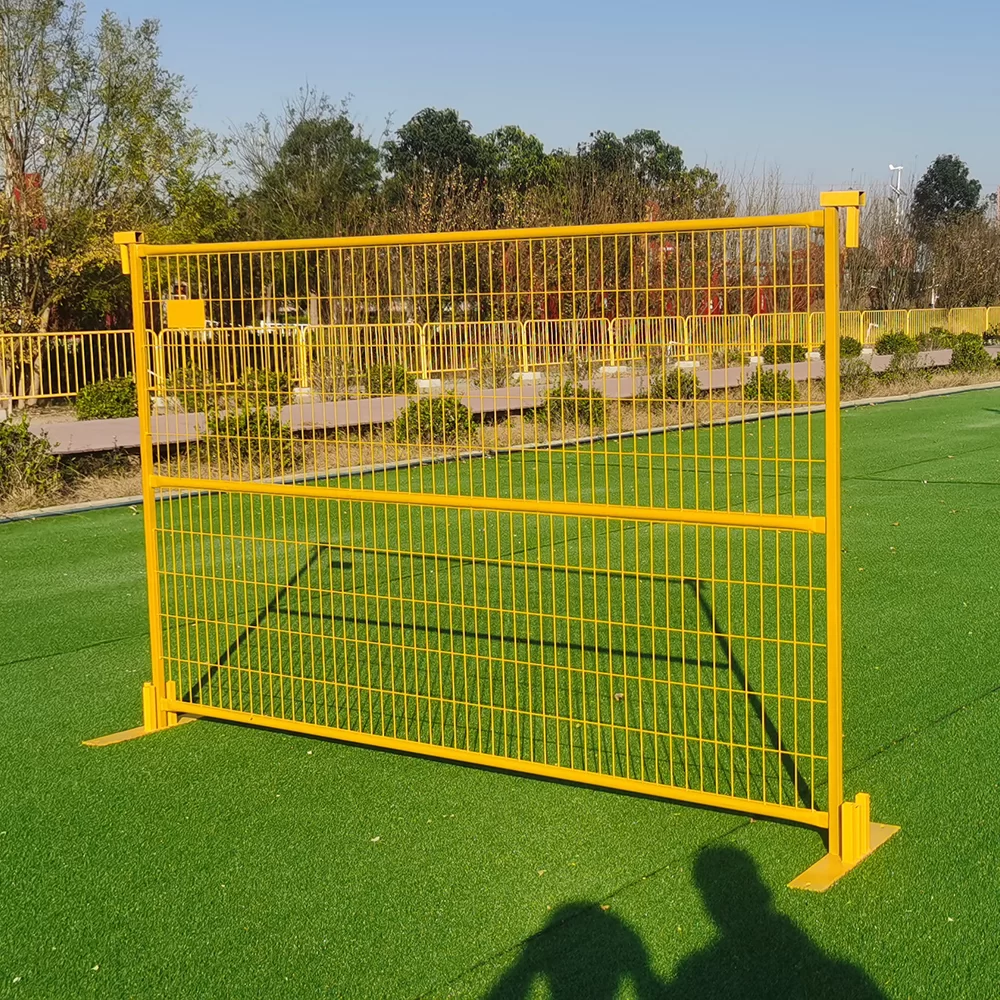
Simply put, cattle panels are welded wire grids made from heavy-gauge steel, typically 16 feet long by 50 inches tall. Originally designed for corralling and managing livestock, their strong mesh structure and rigidity make them ideal for fencing gardens, especially where animals might be a threat to plants.
By repurposing cattle panels as garden fencing, users get a barrier that’s:
- Strong enough to keep out deer, rabbits, and other critters
- Easy to install around irregular garden shapes
- Affordable compared to custom fencing
- Resistant to weather and wear, especially when treated with protective coatings
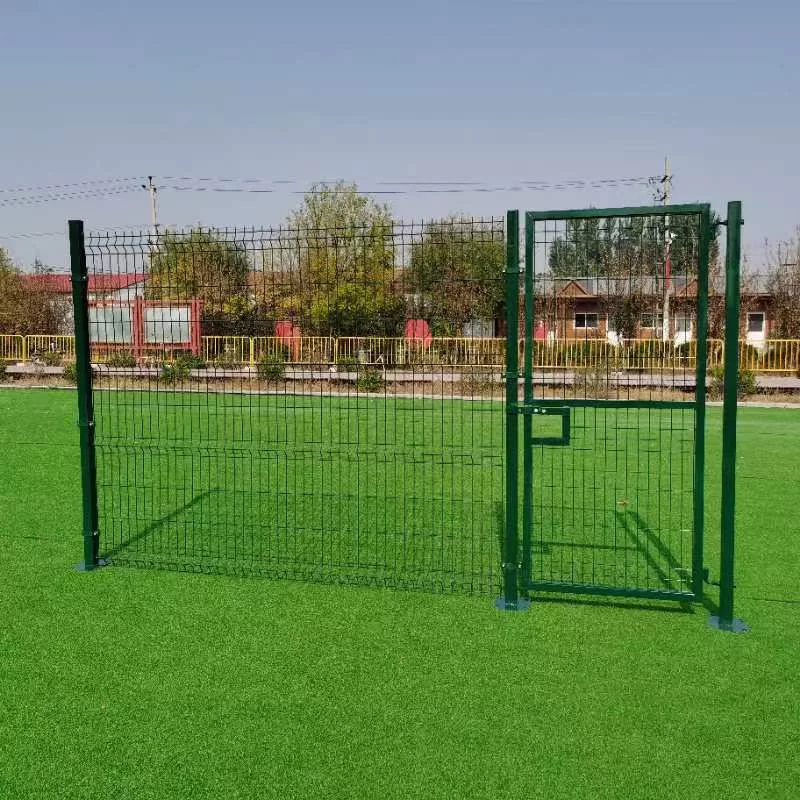
This simple structure supports climbing plants and can be customized with gates or additional bracing, making it a favorite among gardeners, farmers, and even humanitarian groups setting up safe zones in temporary living spaces.
Key Features of Garden Fencing Using Cattle Panels
Durability
One thing many gardeners appreciate is how cattle panels withstand the elements. Made of galvanized steel, panels resist rust and corrosion better than cheaper wire fences. In rainy or humid climates, this can mean the fence is still doing its job years down the line, often 10 or more.
Cost Efficiency
Compared to wood, vinyl, or high-end metal fences, cattle panels are budget-friendly. Because they come in large sizes, you cover significant ground quickly with fewer pieces, lowering labor and material costs.
Ease of Installation
Many find that cattle panel garden fencing can be erected with basic tools and minimal expertise. Just attach panels to sturdy posts and brace them for extra stability. The simplicity saves time — a precious resource these days.
Scalability & Adaptability
Whether fencing a small vegetable patch or securing a large farm plot, cattle panels scale nicely. They can also curve or angle around obstacles with a bit of effort, unlike rigid prefab panels that require perfect layouts.
Aesthetic Potential
Because the mesh is open, these fences are less visually imposing, allowing sunlight and airflow while still offering security. Climbing vines or flowers can transform them into charming green walls, combining function with style.
| Specification | Details |
|---|---|
| Material | Galvanized steel wire |
| Dimensions | 50" x 16' (standard panel size) |
| Mesh Size | 4" x 6" rectangular openings |
| Weight | Approx. 50 lbs per panel |
| Coating | Hot-dip galvanized |
| Typical Cost | $30-$50 per panel (varies by vendor and location) |
Where Garden Fencing Using Cattle Panels is Making a Real Impact
Look around and you’ll find these fences popping up worldwide in surprising ways:
- Urban Gardens: City dwellers use cattle panels to keep rabbits and stray cats out of community vegetable plots.
- Agriculture in Africa & Asia: Small farmers build affordable fencing to protect their crops from roaming goats or wild animals — key to improving food security.
- Post-Disaster Relief Zones: NGOs quickly deploy cattle panels to create safe borders around camp gardens or livestock areas, providing families with both safety and sustenance.
- Industrial Sites: Some remote facilities fence off equipment or sensitive zones on a budget without sacrificing strength.
One example: A community garden in Nairobi used cattle panels to secure a 2-acre plot. Post-installation, crop theft and animal damage dropped dramatically, increasing yields by roughly 25% in just one season.
The Tangible and Intangible Benefits of Using Cattle Panels for Garden Fencing
- Cost Savings: Less upfront investment with durable materials means better budget allocation.
- Sustainability: Steel is recyclable, long-lasting, and often repurposed — aligning with green initiatives.
- Security & Peace of Mind: Protecting crops and property boosts community confidence.
- Customization & Comfort: The open mesh feels less confining than solid fences, supporting biodiversity and airflow.
- Social Impact: Affordable fencing empowers small farmers and communities to safeguard livelihoods.
It’s easy to overlook fencing as just a “background” structure. Yet, it’s foundational to safety, sustainability, and innovation. Garden fencing using cattle panels checks many crucial boxes simultaneously.
Looking Ahead: Emerging Trends in Garden Fencing Using Cattle Panels
As global environmental concerns intensify, innovators are exploring several interesting developments:
- Solar-Powered Electric Fencing Integration: Combining cattle panels with low-voltage electric wires powered by solar panels for extra security in remote or wildlife-dense areas.
- Eco-Coatings and Treatments: New rust-proof coatings using less toxic chemicals promise longer panel lifespans.
- Smart Sensors: Implementing IoT sensors on fences to detect breaches or animal movement remotely.
- Modular Designs: Panels engineered for faster assembly or folding, useful for temporary setups in disaster responses or urban pop-ups.
For companies eyeing innovation, these developments hint at the fusion of traditional materials and digital amplification — quite exciting, frankly.
Challenges and Practical Solutions
As with anything, there are hurdles to keep in mind when choosing cattle panel fencing for gardens:
- Weight and Handling: Steel panels are not lightweight — sometimes requiring extra hands or equipment.
- Maintenance: Despite coatings, panels in constant wet or salty environments may still corrode.
- Design Flexibility: Restrictive mesh size makes them less ideal for very small animal exclusion (e.g., tiny rodents).
Solutions? Some users trim panels or combine them with finer mesh for small pests. Others go for powder-coated options for harsher climates. For tricky installation, adjustable post brackets and lifting equipment help.
FAQ: Frequently Asked Questions About Garden Fencing Using Cattle Panels
Q1: Can I use garden fencing made from cattle panels to keep out deer?
A: Yes, the height and strength of standard cattle panels make them effective at deterring most deer. For added security, you can install multiple panels or reinforce with wire mesh.
Q2: Are cattle panel fences easy to customize for different garden shapes?
A: Absolutely. Though panels are rigid, they can be angled and combined to fit irregular shapes. Cutting sections for gates or access points is also straightforward with the right tools.
Q3: How long does galvanized cattle panel fencing typically last outdoors?
A: With proper installation and maintenance, galvanized cattle panels can last 10-15 years or longer, even in wet or humid environments.
Q4: Is this fencing appropriate for urban rooftop gardens?
A: Yes, if properly supported and anchored for safety, cattle panels can serve as lightweight, ventilated fencing ideal for rooftop settings.
Comparing Popular Vendors of Garden Fencing Using Cattle Panels
| Vendor | Panel Size (inches) | Coating Type | Price Range (per panel) | Lead Time |
|---|---|---|---|---|
| Haotian Mesh | 50 x 192 | Hot-Dip Galvanized | $35 - $45 | 7-10 days |
| FarmFencing Co. | 46 x 192 | Powder Coated | $40 - $55 | 10-14 days |
| GreenField Panels | 50 x 192 | Galvanized & PVC Coated | $45 - $65 | 14-21 days |
For those interested in garden fencing using cattle panels, Haotian Mesh tends to offer a solid balance of quality, price, and reasonable delivery time — making it a favorite among many gardeners and farmers worldwide.
Wrapping Up: The Last Word on Garden Fencing Using Cattle Panels
To sum up, this fencing technique blends practicality with sustainability and economy. It’s quietly solving multiple challenges — from urban gardening security to rural agricultural protection — and even appearing on the radar for future smart, eco-friendly setups. If you’re considering a fencing upgrade or a new green project, it’s worth giving garden fencing using cattle panels a closer look.
Need more info or want to explore options? Visit Haotian Mesh and discover how these panels might just be the solution you didn’t know you needed.
1. United Nations Statistics Division – https://unstats.un.org
2. World Bank Agricultural Data – https://databank.worldbank.org
3. ISO Standards on Steel Wire Products – https://www.iso.org/standard/57199.html
-
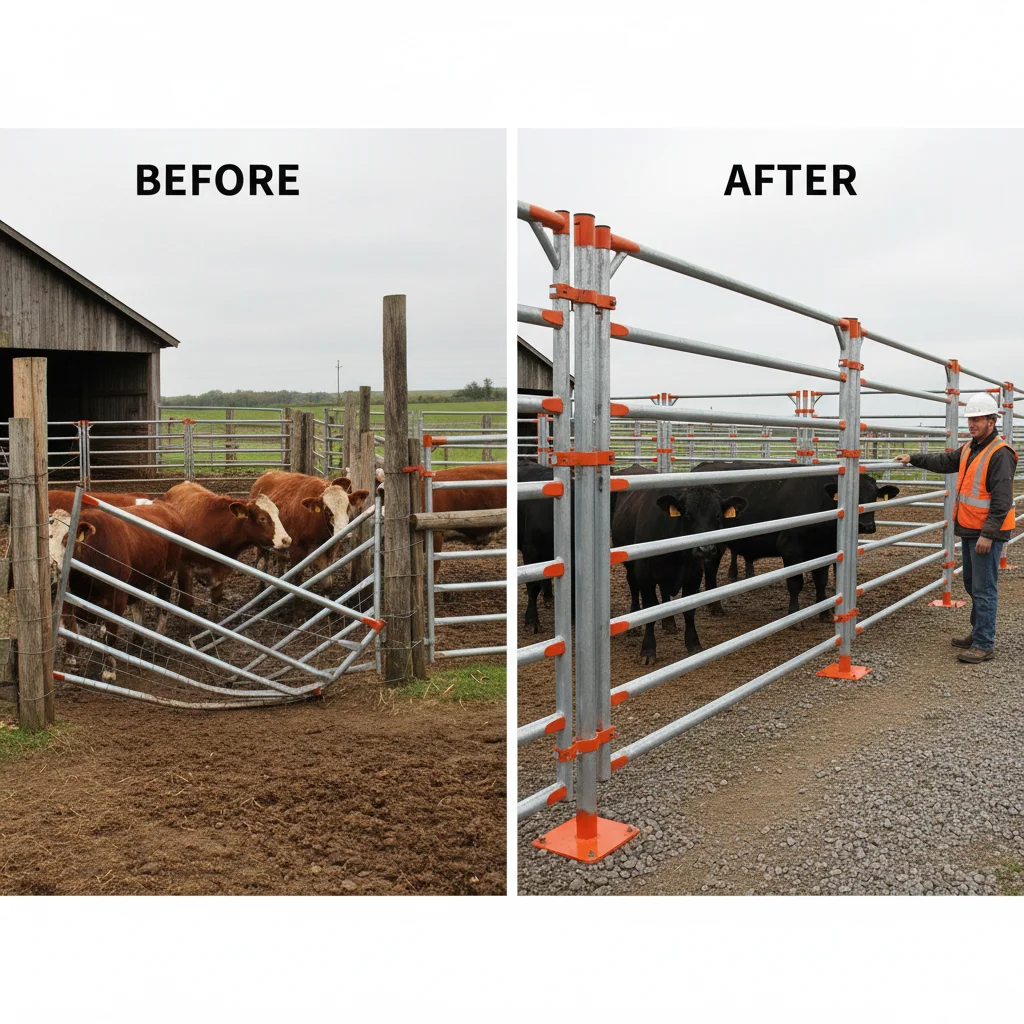
Durable Freestanding Livestock Panels for Efficient Animal Handling In the demanding world of agricultural management, the need for flexible and robust containment solutions has never been more critical. freestanding livestock panels offer a sophisticated answer to the challenges of animal handling, providing a secure yet adaptable barrier that does not require permanent installation or deep grounding. By allowing farmers and ranchers to redefine their spatial layouts in minutes, these panels maximize the efficiency of existing infrastructure while ensuring the safety of both the handlers and the livestock. Read More >26 Apr, 17
-
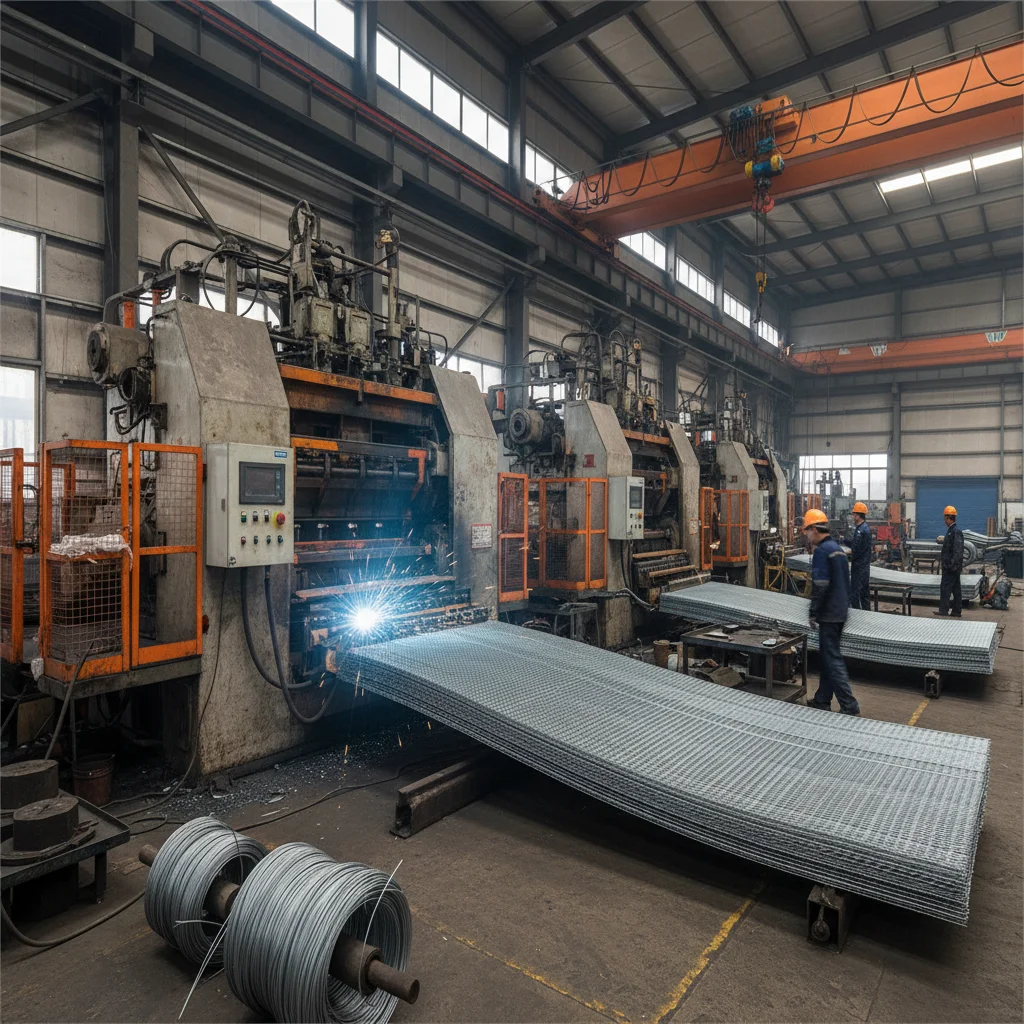
Professional Galvanized Welded Mesh Factory for Industrial Projects Finding a reliable galvanized welded mesh factory is critical for ensuring the structural integrity and longevity of your industrial or agricultural installations. Galvanized welded mesh is prized for its exceptional strength and resistance to corrosion, making it the go-to choice for fencing, animal cages, and construction reinforcement. However, not all factories adhere to the same quality standards. Whether you are sourcing for a large-scale infrastructure project or a specialized commercial application, understanding the manufacturing process and quality benchmarks is key to making a cost-effective investment that lasts for decades. Read More >26 Apr, 16
-
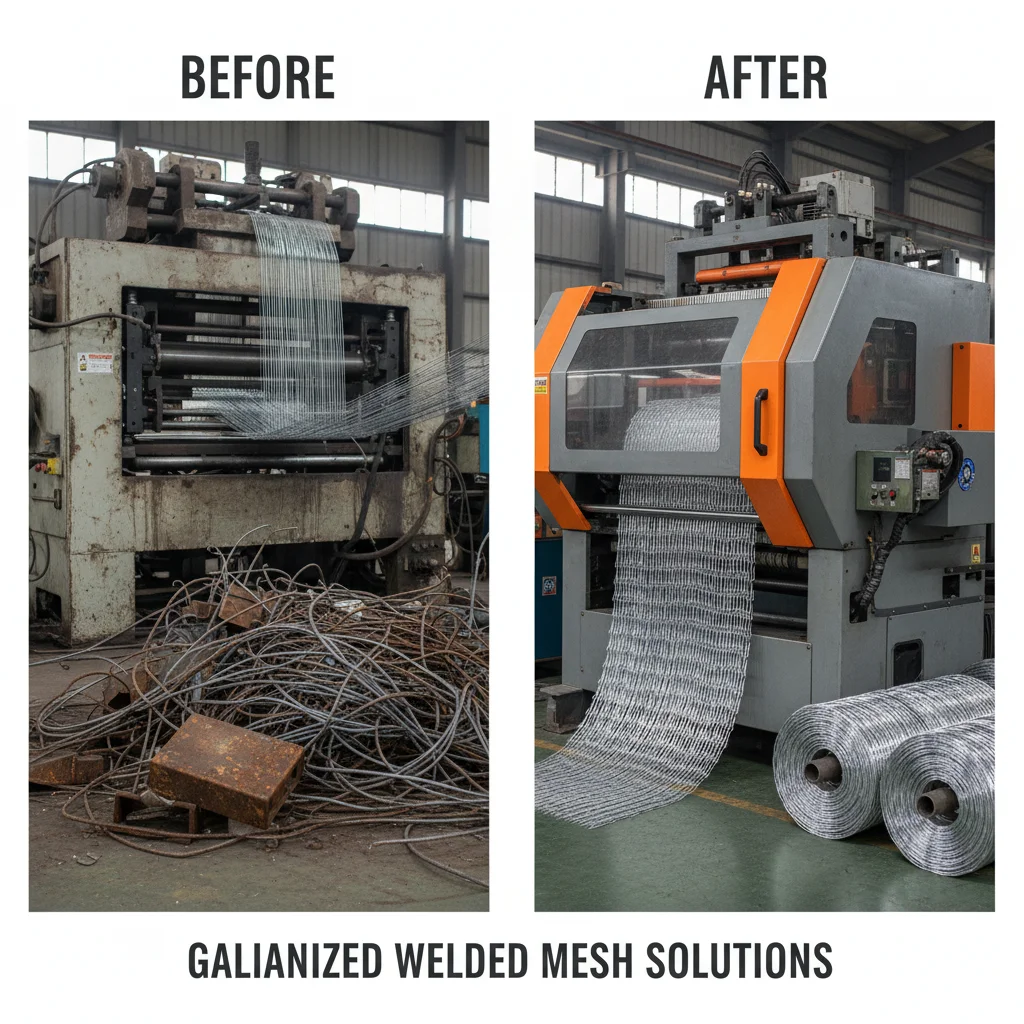
Professional Galvanized Welded Mesh Exporter for Quality Projects Selecting a high-quality fencing or screening solution requires more than just picking a product; it requires partnering with a reliable galvanized welded mesh exporter who understands the balance between structural integrity and corrosion resistance. Whether you are securing an industrial perimeter, building animal enclosures, or implementing architectural reinforcements, the quality of the galvanization process determines the lifespan of your installation. In this guide, we will explore the technical advantages of galvanized welded mesh and how to identify a global supplier that meets international quality standards to ensure your investment stands the test of time. Read More >26 Apr, 09
-
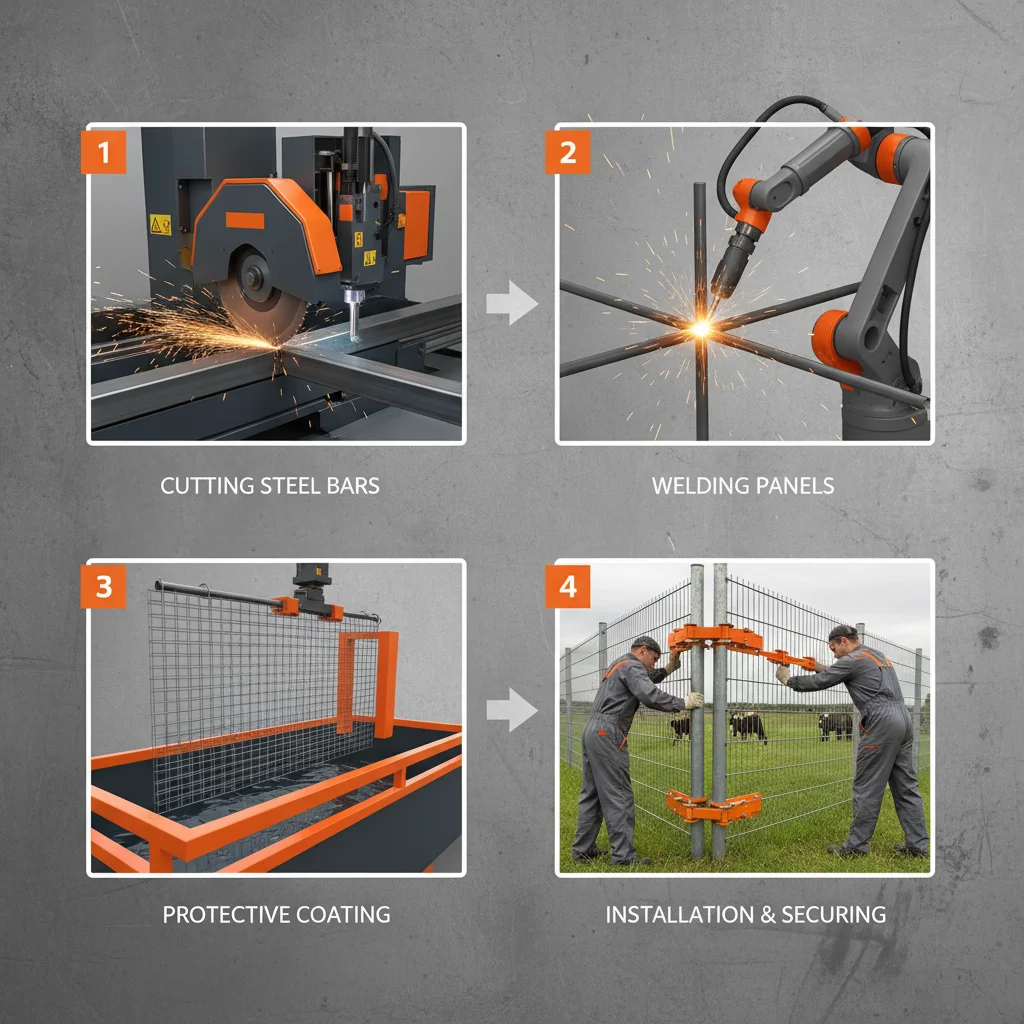
Essential Fencing Panels for Livestock Management and Farm Productivity Fencing panels for livestock are essential components in modern animal husbandry, playing a critical role in efficient farm management, animal welfare, and land utilization. Globally, the demand for robust and reliable fencing solutions is increasing due to the expanding livestock industry and the need to protect grazing lands from encroachment and predation. These panels aren’t simply barriers; they represent a vital investment in a farm's productivity and the health of its animals. Read More >26 Apr, 08
If you are interested in our products, you can choose to leave your information here, and we will be in touch with you shortly.


