


Efficient Fencing Solutions: The Benefits of Using Cattle Panels
Fencing with Cattle Panels: A Practical Approach to Agricultural and Security Needs
Across the globe, fencing is more than just a barrier — it's a protector, a boundary, and often a lifeline. Fencing with cattle panels has steadily become an essential method in agriculture, urban settings, and even humanitarian projects. Why? Because these sturdy, adaptable panels offer a quick, cost-effective, and reliable solution to enclose, safeguard, or section off spaces. Understanding this approach can be transformative for farmers, NGOs, and industries dealing with livestock, property security, or temporary enclosures.
Global Context: Why Cattle Panel Fencing Matters Today
Fencing plays a serious role worldwide — especially in agricultural economies where livestock management is critical. According to the FAO (Food and Agriculture Organization), livestock supports the livelihoods of around 1.3 billion people globally. Sounds like a lot, right? And fencing quality directly impacts their success. Even the World Bank flags infrastructure improvements, including fencing, as vital for sustainable rural development.
But it’s not just farms. In many developing and disaster-prone areas, quick, effective fencing means safety for displaced people or protected zones for fragile ecosystems. That’s where fencing with cattle panels steps in: it addresses the urgent need for scalable, durable, and cost-efficient fencing solutions.
What is Fencing with Cattle Panels?
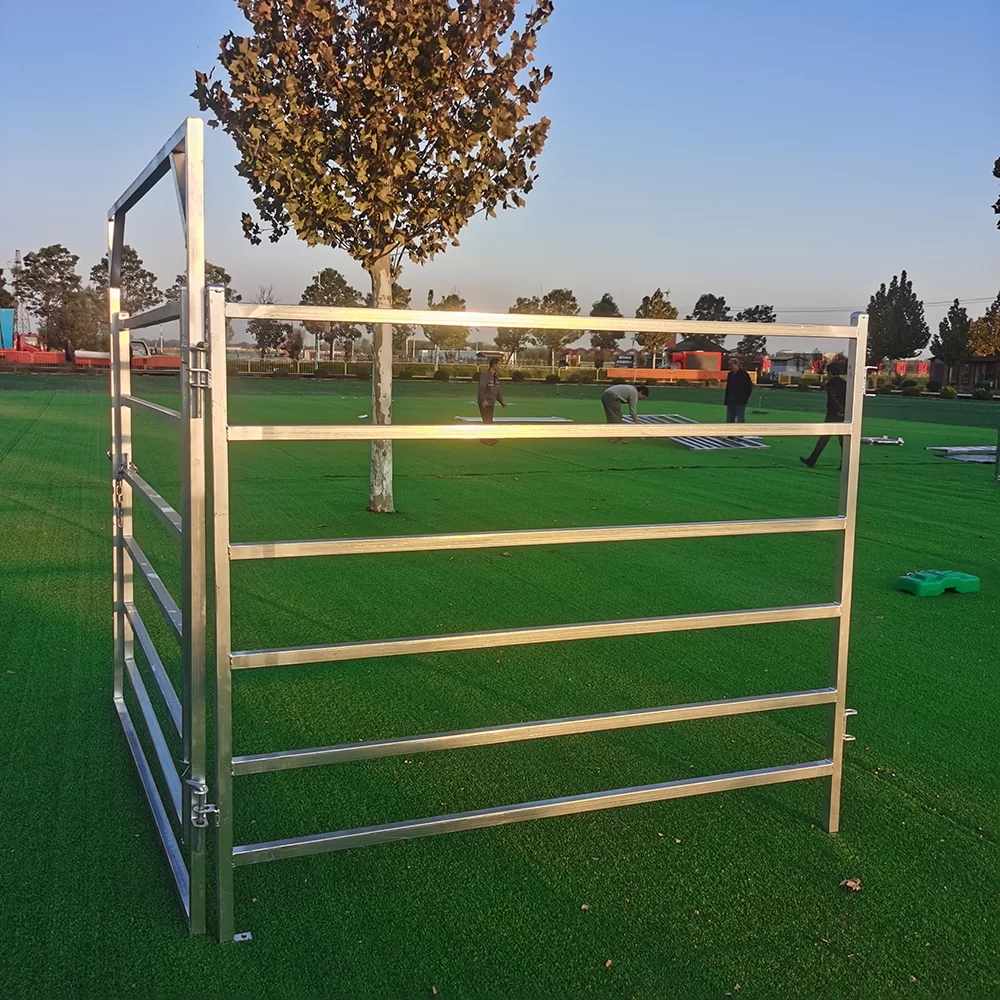
At its core, fencing with cattle panels involves using pre-fabricated metal grids — usually welded steel wire mesh bent into rigid rectangular frames — to create fences. These panels are designed to withstand pressure from livestock but flexible enough for rapid installation and reconfiguration.
Think of cattle panels as modular building blocks but for your pasture or secure space. They balance strength and versatility, lending themselves to a spectrum of needs beyond just keeping cows contained — from garden protection to industrial perimeter fencing, and even post-disaster containment zones.
Key Factors in Choosing Cattle Panel Fencing
Durability
Cattle panels are typically galvanized to resist rust and corrosion, ensuring long life even in harsh weather or humid environments. For many users, this means peace of mind — knowing the fence will hold up season after season without costly replacements.
Scalability & Portability
One of the biggest draws? Panels come in uniform sizes (often 16ft long by 5ft tall) and can be easily linked or removed. This allows farmers or organizations to expand or shrink fenced areas depending on immediate needs. Transporting panels to remote areas is also manageable.
Cost Efficiency
Compared to traditional fencing materials, cattle panels offer a relatively low upfront investment with fast assembly times — minimizing labor costs. And since repairs are straightforward (just swap out a damaged panel), ongoing maintenance costs remain reasonable.
Security
While primarily livestock-focused, these fences provide a reliable physical barrier against predators, trespassers, and unauthorized entry. Combined with locks and posts, they can secure equipment yards or protected zones effectively.
Environmental Impact
Since steel is recyclable and panels are reusable, many see cattle panel fences as a greener choice compared to energy-heavy concrete or timber fencing — particularly when sourced and handled responsibly.
| Specification | Typical Value | Notes |
|---|---|---|
| Panel Size | 16 ft (length) × 5 ft (height) | Standard dimension |
| Material | Galvanized Steel Wire | Rust-resistant coating |
| Wire Gauge | 12.5 - 14 gauge | Varies by supplier |
| Weight | Approx. 80 - 100 lbs/panel | Depends on wire gauge |
| Mesh Size | 4" × 6" grid openings | Standard spacing |
Mini takeaway: If durability, cost, and adaptability matter to you, cattle panels check all those boxes with a practicality few alternatives can match.
Real-World Applications: Where Are These Panels Used?
You’ll find fencing with cattle panels everywhere from verdant Midwest ranches in the U.S. to livestock facilities in Australia. In many African nations, NGOs use these panels to quickly build safe enclosures in refugee camps or livestock markets, addressing immediate security concerns.
Oddly enough, in industries like mining or construction, temporary fencing with cattle panels provides a fast, no-fuss perimeter to restrict access. Post-natural disasters like floods or storms, relief workers erect these fences to protect equipment storage or to designate safe zones for displaced communities — a vital practice increasing each year due to climate volatility (UN reports).
Advantages & Long-Term Value
- Cost Saving: Long lifespan and ease of maintenance reduce repeated expenditures.
- Sustainability: Recyclable materials and reusability align with today's eco-conscious trends.
- Safety & Security: Reliable barriers enhance animal welfare and property protection.
- Social Impact: In humanitarian contexts, they help preserve dignity and control within camps or communal areas.
- Innovation & Trust: Their wide acceptance by farmers and NGOs is a testament to dependable performance.
Future Trends in Fencing with Cattle Panels
Innovation often hides in plain sight. Recent efforts focus on integrating lightweight alloys or composite materials to reduce weight without compromising strength. Green coatings that further extend panel life and reduce environmental impact are gaining traction.
Digitally, some vendors are exploring embedded IoT sensors within panels for monitoring fence integrity or intrusion attempts in real time — turning traditional boundaries into smart sentinels. A little sci-fi, but honestly, in remote ranches and protected areas, that kind of smart fencing could be a game changer.
Challenges & How to Handle Them
As with all tech, cattle panel fencing isn’t perfect. For example, standard panels may not deter smaller pests or wildlife that can squeeze through openings. Also, in very rocky or uneven terrain, panel installation requires extra effort and sometimes custom solutions.
Experts advise pairing panels with mesh inserts or livestock-safe electric wire to enhance security where needed. For tricky ground, specialized post anchors or flexible panel hinges help maintain integrity without major rework. With the right know-how, these hurdles are manageable.
| Vendor | Material Quality | Customization Options | Typical Lead Time | Price Range (Per Panel) |
|---|---|---|---|---|
| Haotian Mesh | High-grade galvanized steel | Sizes, coatings, custom lengths | 2-3 weeks | $50-$70 |
| Global Fencing Co. | Standard galvanized wire | Limited sizes | 4-5 weeks | $45-$60 |
| RanchPro Metals | Galvanized & powder-coated | Multiple color options | 3-4 weeks | $60-$80 |
FAQ: Common Questions About Fencing with Cattle Panels
Q1: How quickly can cattle panel fencing be installed?
A: Typically, a couple of workers can set up a basic fence with panels in a day or two, depending on site conditions. It’s much faster than monolithic fencing types, which is why it’s a favorite for emergency or seasonal projects.
Q2: Are cattle panels safe for all types of livestock?
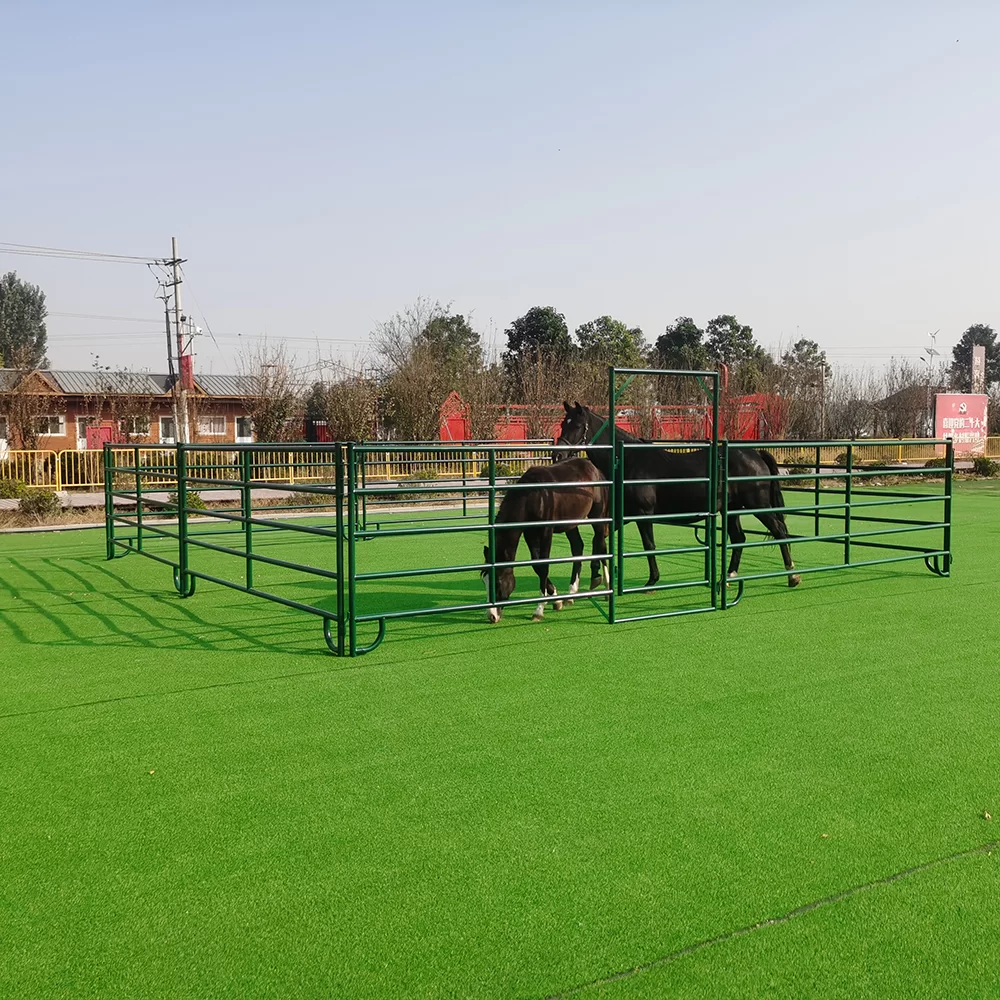
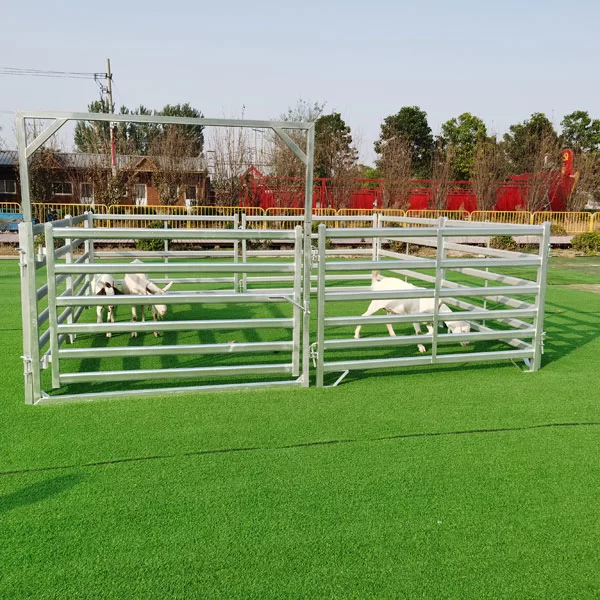
A: They’re designed primarily for cattle but work well for horses, goats, and sheep if installed correctly. Smaller animals or predators may require mesh modifications or additional barriers.
Q3: Can these panels be reused if the fence is relocated?
A: Yes! One of the biggest advantages is reusability. Panels can be disassembled, transported, and reinstalled many times, making them ideal for rotational grazing setups or temporary fencing needs.
Q4: What maintenance do cattle panel fences typically require?
A: Aside from occasional checks for broken wires or corrosion spots, ongoing maintenance is minimal. Cleaning debris and tightening fasteners yearly often suffice to keep them in good shape.
Q5: Can fencing with cattle panels be customized for specific needs?
A: Absolutely. Many manufacturers, including Haotian Mesh, offer custom sizes, wire gauges, coatings, and even color options to suit diverse environments and client preferences.
Wrapping Up: Why Fencing with Cattle Panels Is a Smart Choice
After all is said and done, fencing with cattle panels remains one of the most pragmatic, versatile, and cost-conscious strategies for managing livestock, securing assets, or creating controlled zones. They combine durability with adaptability and sustainability — qualities hard to beat.
Whether you’re a rancher looking to rotate pastures efficiently, an NGO building a safe camp, or an industrial site manager needing speedy temporary fences, cattle panel fencing offers a reliable answer. I suppose it’s those thoughtful design choices and the global track record that keep this method popular—and ready for future innovations.
If you want to explore options for fencing with cattle panels, head over to Haotian Mesh’s website for tailored solutions that can fit your project’s scale and needs.
References:
-
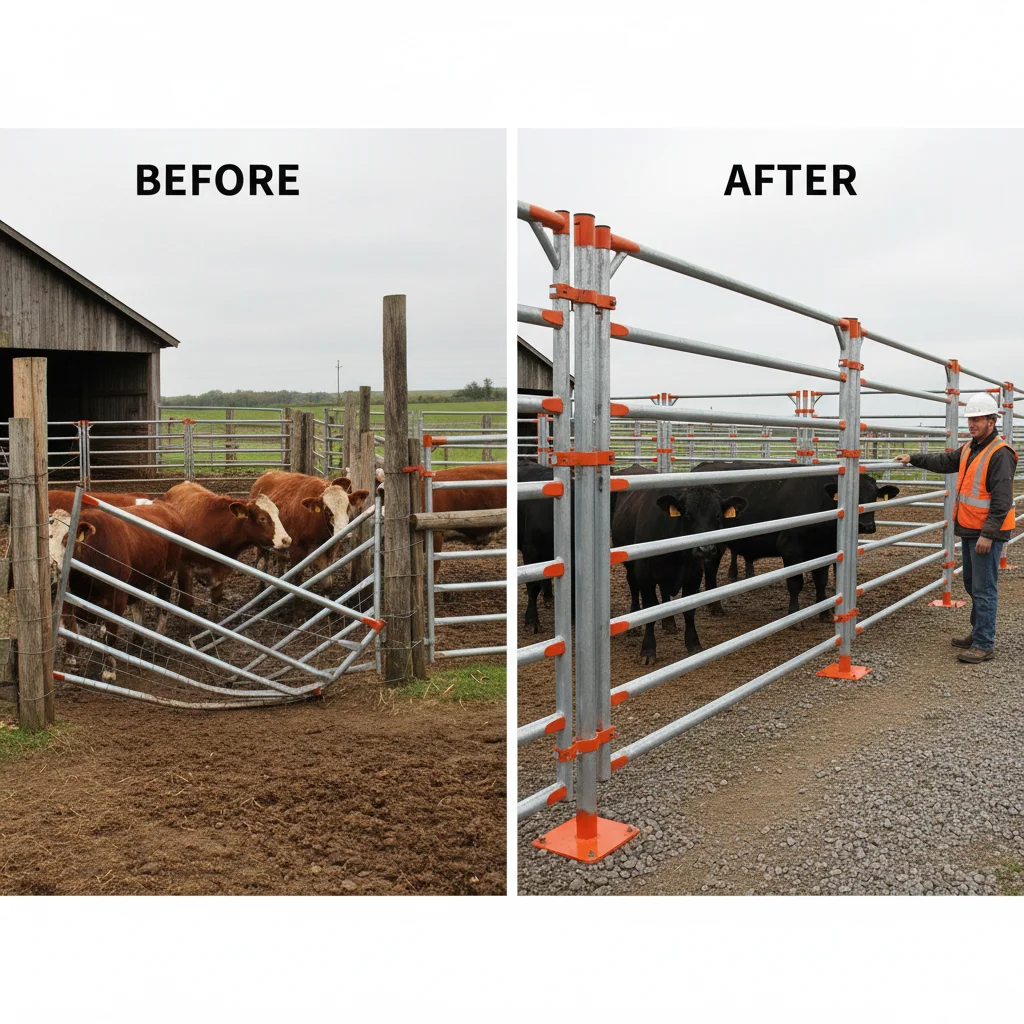
Durable Freestanding Livestock Panels for Efficient Animal Handling In the demanding world of agricultural management, the need for flexible and robust containment solutions has never been more critical. freestanding livestock panels offer a sophisticated answer to the challenges of animal handling, providing a secure yet adaptable barrier that does not require permanent installation or deep grounding. By allowing farmers and ranchers to redefine their spatial layouts in minutes, these panels maximize the efficiency of existing infrastructure while ensuring the safety of both the handlers and the livestock. Read More >26 Apr, 17
-
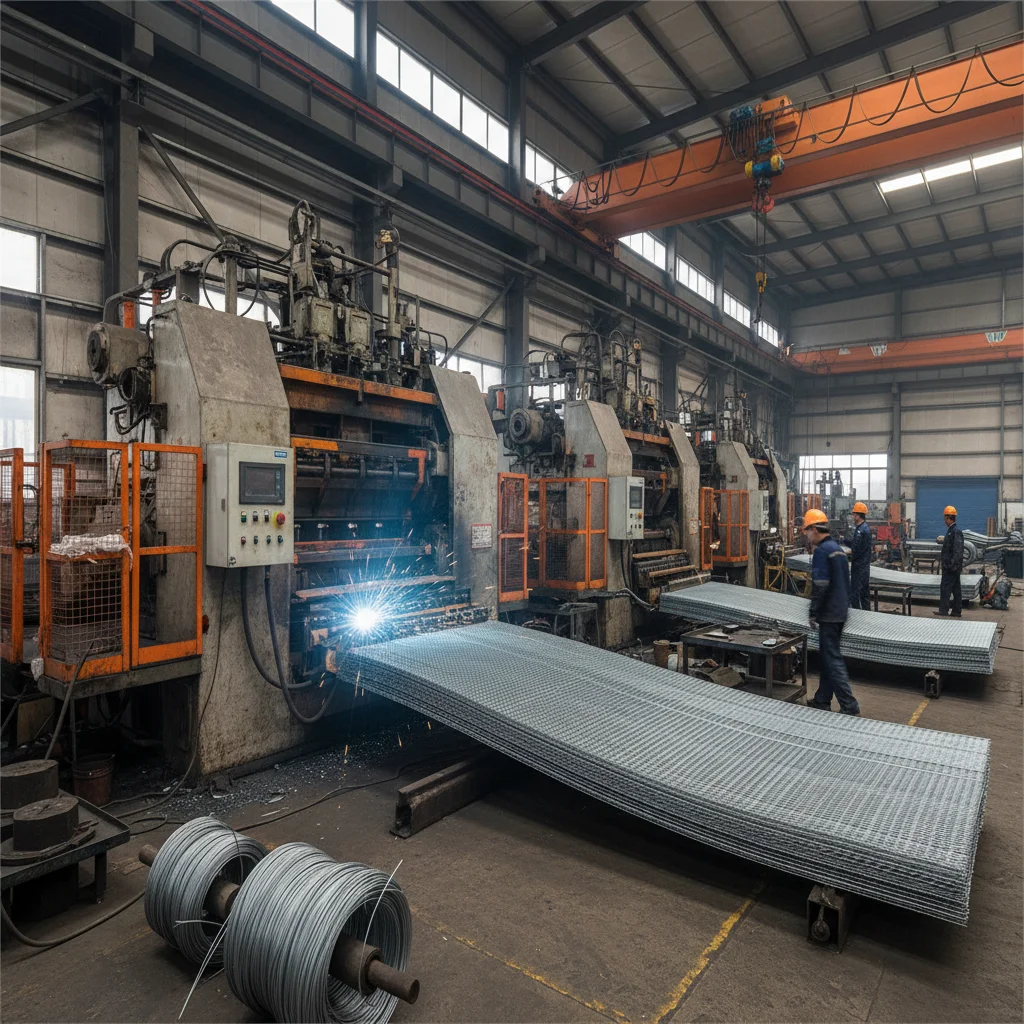
Professional Galvanized Welded Mesh Factory for Industrial Projects Finding a reliable galvanized welded mesh factory is critical for ensuring the structural integrity and longevity of your industrial or agricultural installations. Galvanized welded mesh is prized for its exceptional strength and resistance to corrosion, making it the go-to choice for fencing, animal cages, and construction reinforcement. However, not all factories adhere to the same quality standards. Whether you are sourcing for a large-scale infrastructure project or a specialized commercial application, understanding the manufacturing process and quality benchmarks is key to making a cost-effective investment that lasts for decades. Read More >26 Apr, 16
-
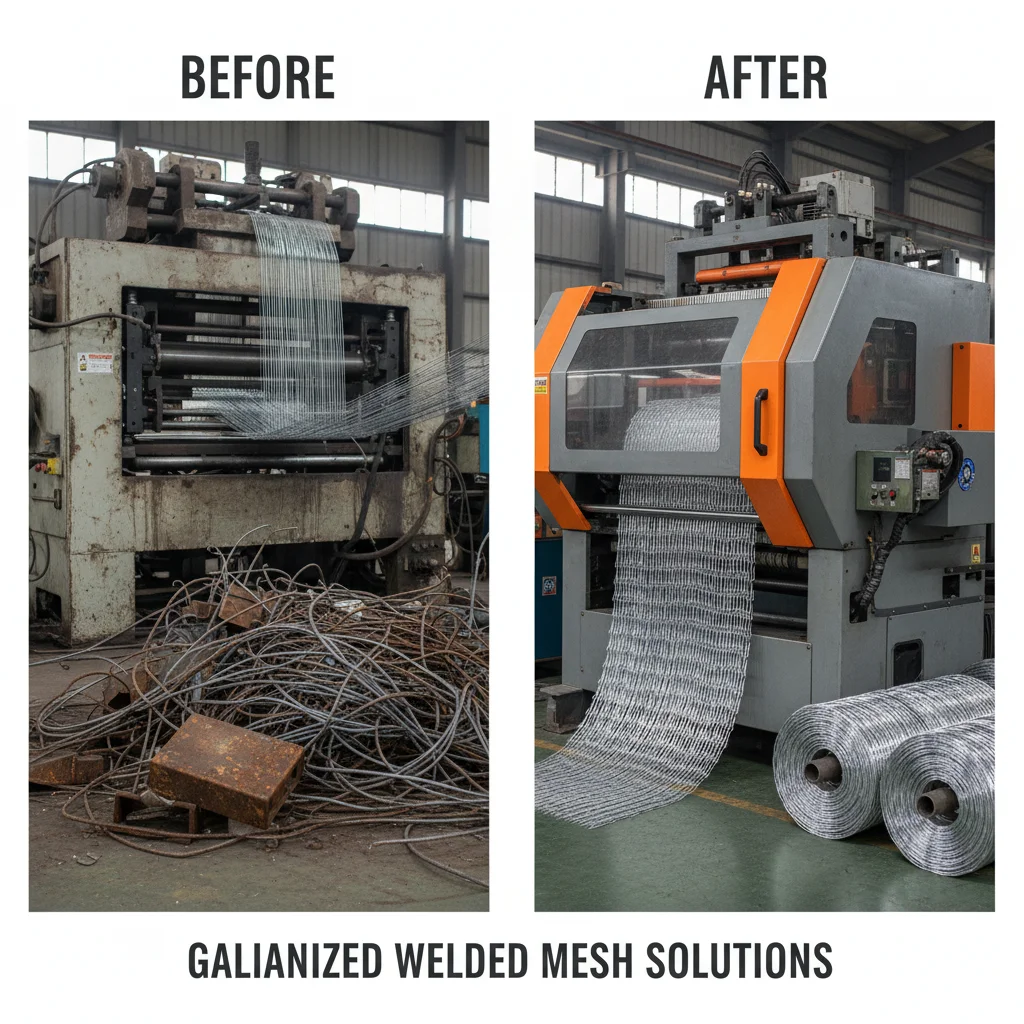
Professional Galvanized Welded Mesh Exporter for Quality Projects Selecting a high-quality fencing or screening solution requires more than just picking a product; it requires partnering with a reliable galvanized welded mesh exporter who understands the balance between structural integrity and corrosion resistance. Whether you are securing an industrial perimeter, building animal enclosures, or implementing architectural reinforcements, the quality of the galvanization process determines the lifespan of your installation. In this guide, we will explore the technical advantages of galvanized welded mesh and how to identify a global supplier that meets international quality standards to ensure your investment stands the test of time. Read More >26 Apr, 09
-
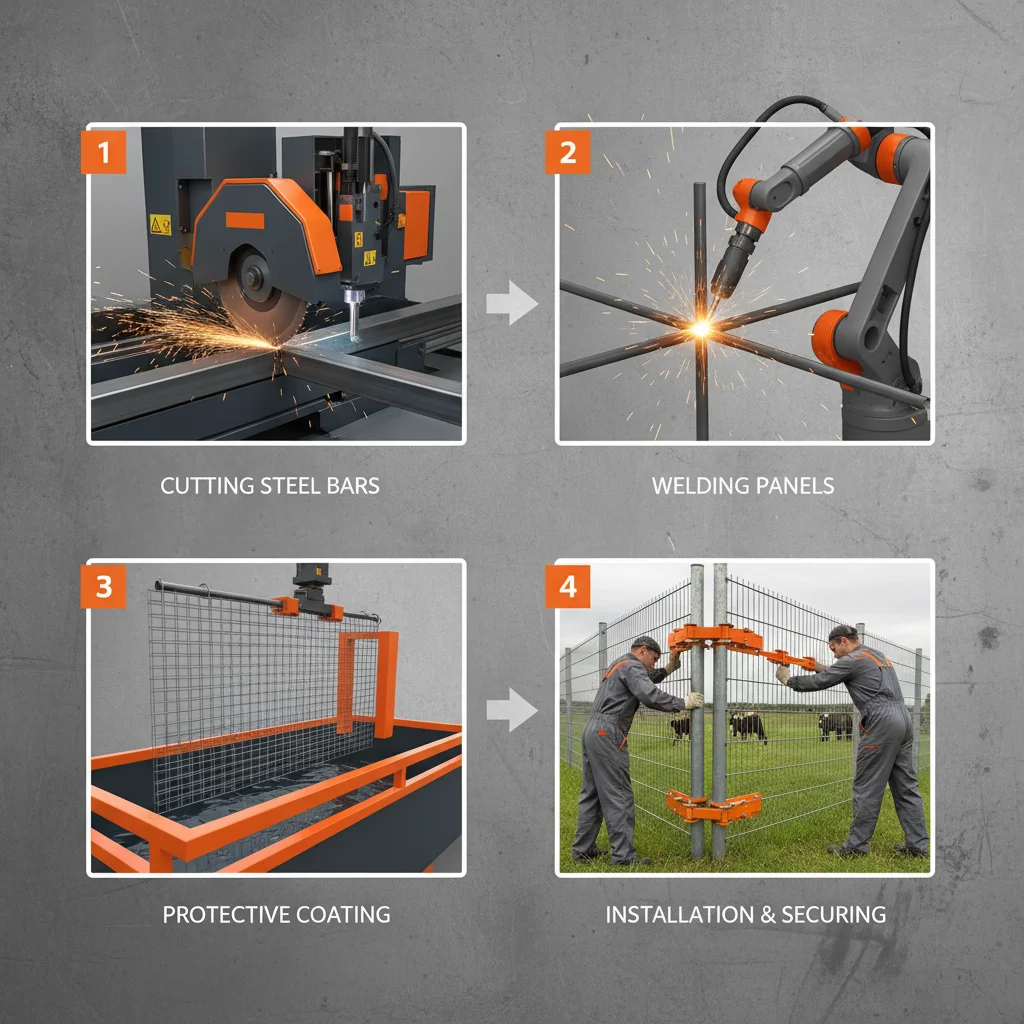
Essential Fencing Panels for Livestock Management and Farm Productivity Fencing panels for livestock are essential components in modern animal husbandry, playing a critical role in efficient farm management, animal welfare, and land utilization. Globally, the demand for robust and reliable fencing solutions is increasing due to the expanding livestock industry and the need to protect grazing lands from encroachment and predation. These panels aren’t simply barriers; they represent a vital investment in a farm's productivity and the health of its animals. Read More >26 Apr, 08
If you are interested in our products, you can choose to leave your information here, and we will be in touch with you shortly.


