


Durable Welded Wire Mesh Fence for Industrial Security | Haotian Mesh
Welded Wire Mesh Fence: The Unsung Hero of Industrial Security
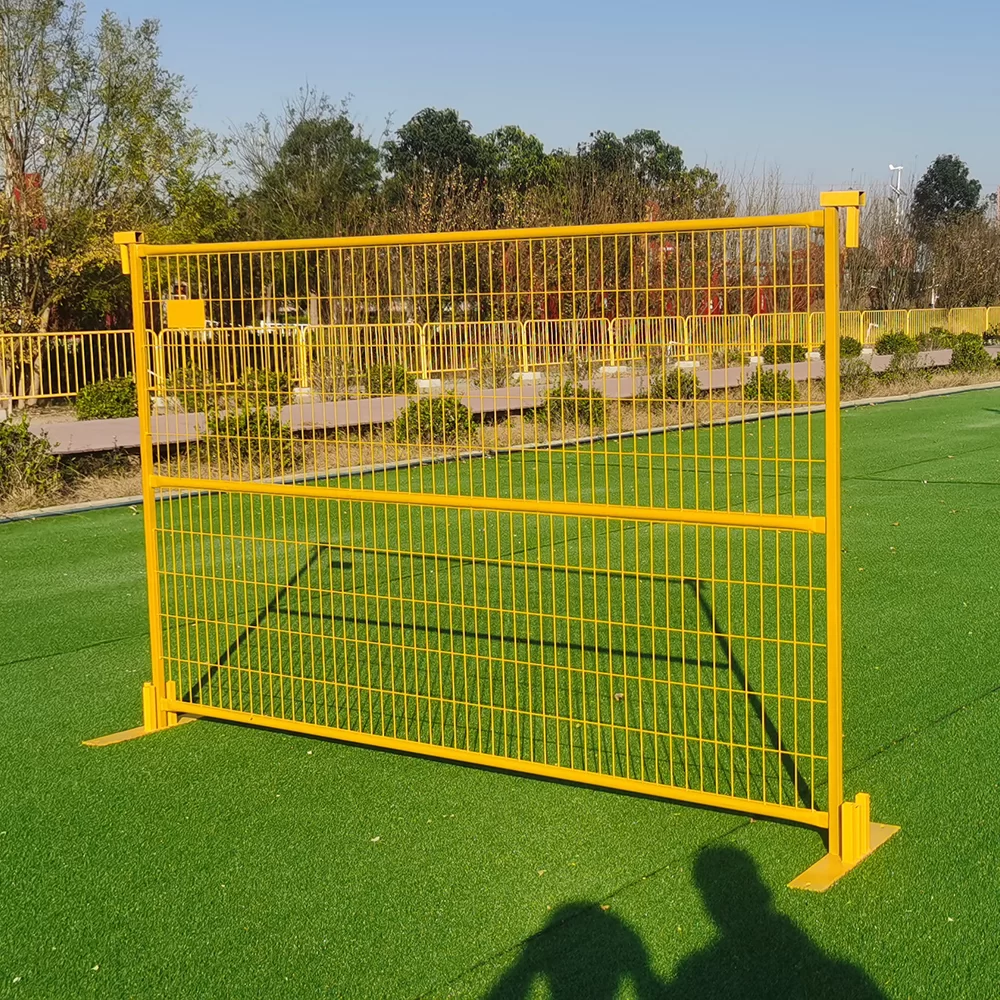
Having spent more than a decade in the industrial equipment sector, I’ve seen a lot of fencing concepts come and go. But the welded wire mesh fence has quietly earned its stripes as a rugged, cost-effective, and surprisingly versatile solution. At first glance, it’s just a grid of steel wires welded at intersections, but in real terms, it’s a backbone for industrial, agricultural, and commercial boundary control.
What I particularly appreciate is the blend of simplicity and ingenuity in its design. The panel grid is often formed from galvanized steel wire, which means it resists rust and corrosion over many years—even when exposed to the elements. Some fences get these fancy coatings or PVC dips to further extend their lifespan and add a splash of color, but even just the galvanized stuff holds up well under typical industrial stresses.
Now, I remember a project where a client needed a secure perimeter for a chemical plant expansion. They wanted something more robust than chain link but without the visual heaviness of solid barriers. Welded wire mesh was the perfect fit: tough enough to deter intruders, resistant to tampering, and transparent enough so security teams could see through. Oddly enough, the customer was quite impressed by how quickly the panels could be installed; modular panels simply bolt onto posts, speeding up construction without specialized tools.
In terms of materials, most fences use low to medium carbon steel wire, typically between 2.0 mm and 5.0 mm in diameter. The mesh aperture—the distance between intersecting wires—varies widely, from tight grids (like 50 mm × 50 mm) for high security, to larger openings for simple boundary marking or animal fencing. This flexibility makes it easy to tailor the fence for specific needs.
Testing standards are crucial, particularly for industrial applications where safety and durability can’t be compromised. Welded wire mesh fences often comply with local industrial safety codes and corrosion resistance standards such as ISO 1461 for galvanizing. Honestly, I’ve always found it reassuring that reputable suppliers publish detailed test reports on tensile strength and finish quality—you don’t want surprises once you’re mid-installation.
Speaking of suppliers, I’m including a quick roundup comparing notable features from some top vendors I know. This can save you some legwork if you’re choosing between multiple options:
| Vendor | Material Quality | Surface Treatment | Customization Options | Lead Time | Typical Use Cases |
|---|---|---|---|---|---|
| Haotian Mesh | Galvanized steel, ISO 1461 certified | Hot-dip galvanized & PVC coated | Panel sizes & wire gauges customizable | 2-3 weeks | Industrial, agricultural, security fences |
| ProMesh Solutions | Galvanized steel, moderate corrosion resistance | Electro-galvanized only | Standard panels only | 4-6 weeks | Construction sites, temporary fencing |
| SteelNet Corp | High-tensile steel blends | Powder-coated finishes | Color & size customization | 3-5 weeks | Perimeter security, sports facilities |
As for the practical specs, here’s a typical welded wire mesh fence panel you might find on the market. This gives you an idea about the balance between strength, visibility, and ease of installation:
| Specification | Value |
|---|---|
| Wire Diameter | 4 mm (standard) |
| Mesh Aperture | 50 mm × 50 mm |
| Panel Size | 2 m × 2.5 m (WxH) |
| Surface Treatment | Hot-dip galvanizing, PVC-coated options |
| Tensile Strength | ≥ 450 MPa |
| Installation | Bolted panels onto steel posts |
It feels like the more you use welded wire mesh fencing in different projects, the more you appreciate its no-nonsense reliability. It’s not flashy — quite the contrary — but it rarely gives headaches, which in industrial settings is priceless. And odd as it is, customers sometimes ask for custom colors that blend with environment or branding, which shows how a simple product can adapt to aesthetic as well as functional demands.
So there you have it: a trustworthy, durable option backed by decades of field experience. I suppose if you’re setting up a secure industrial site or defining large outdoor zones, this fence type deserves a spot at the top of your shortlist. Don’t forget to check with experienced suppliers—the difference in quality and service is quite tangible.
Before I sign off, a quick reflection: despite all the shiny new tech in industry materials, there’s something reassuring about good old welded wire mesh. It’s straightforward, effective, and kind of satisfying to see those strong grids holding everything together against wind, weather, and unauthorized footsteps.
References:
1. ISO 1461: Hot-dip galvanized coatings standards
2. Haotian Mesh product datasheets
3. Industry forums and expert opinions on fencing applications
-
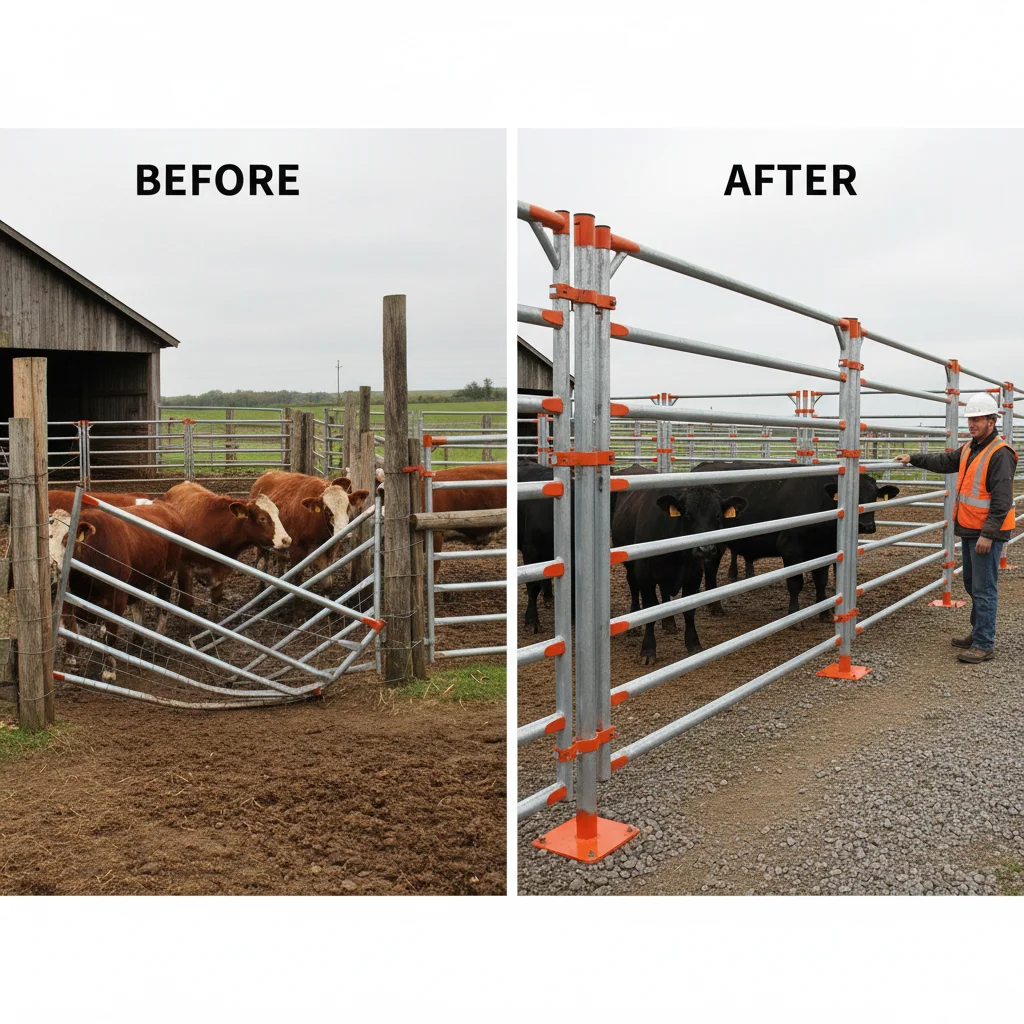
Durable Freestanding Livestock Panels for Efficient Animal Handling In the demanding world of agricultural management, the need for flexible and robust containment solutions has never been more critical. freestanding livestock panels offer a sophisticated answer to the challenges of animal handling, providing a secure yet adaptable barrier that does not require permanent installation or deep grounding. By allowing farmers and ranchers to redefine their spatial layouts in minutes, these panels maximize the efficiency of existing infrastructure while ensuring the safety of both the handlers and the livestock. Read More >26 Apr, 17
-
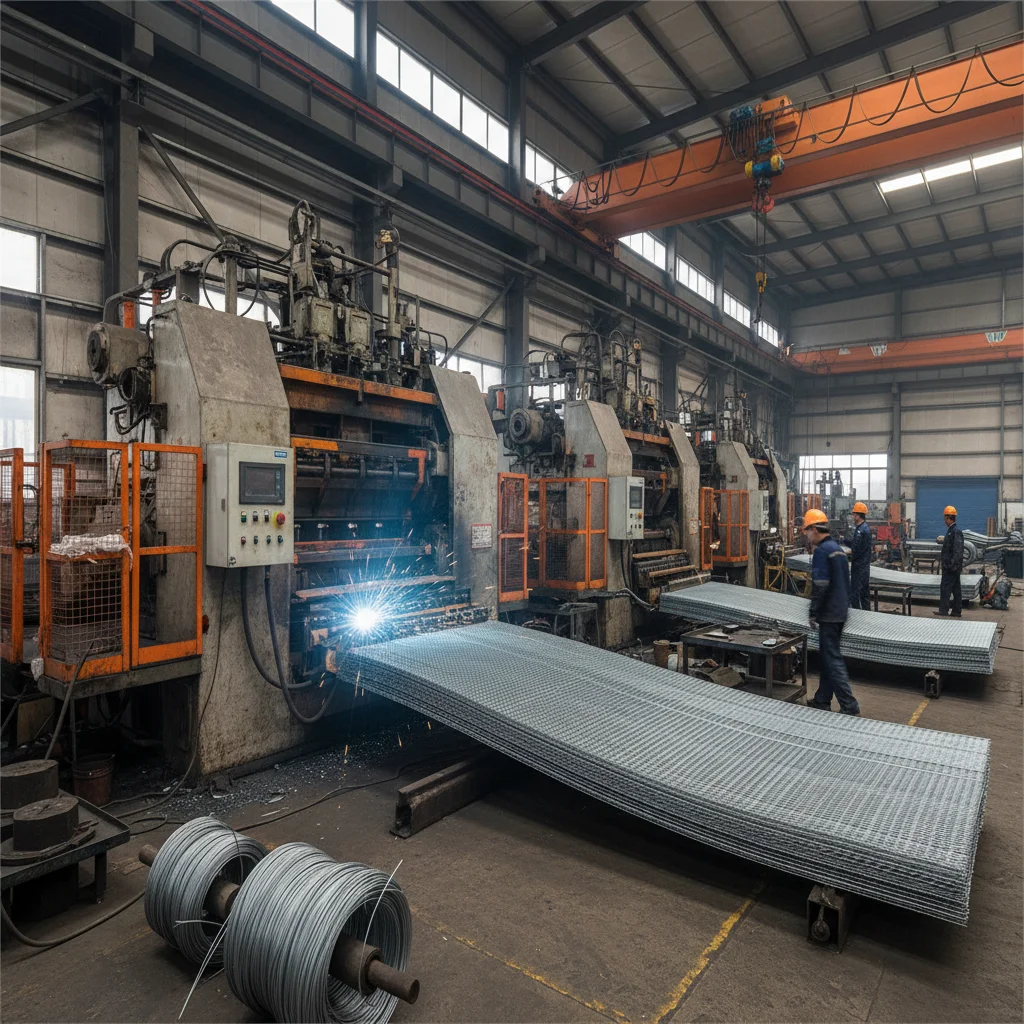
Professional Galvanized Welded Mesh Factory for Industrial Projects Finding a reliable galvanized welded mesh factory is critical for ensuring the structural integrity and longevity of your industrial or agricultural installations. Galvanized welded mesh is prized for its exceptional strength and resistance to corrosion, making it the go-to choice for fencing, animal cages, and construction reinforcement. However, not all factories adhere to the same quality standards. Whether you are sourcing for a large-scale infrastructure project or a specialized commercial application, understanding the manufacturing process and quality benchmarks is key to making a cost-effective investment that lasts for decades. Read More >26 Apr, 16
-
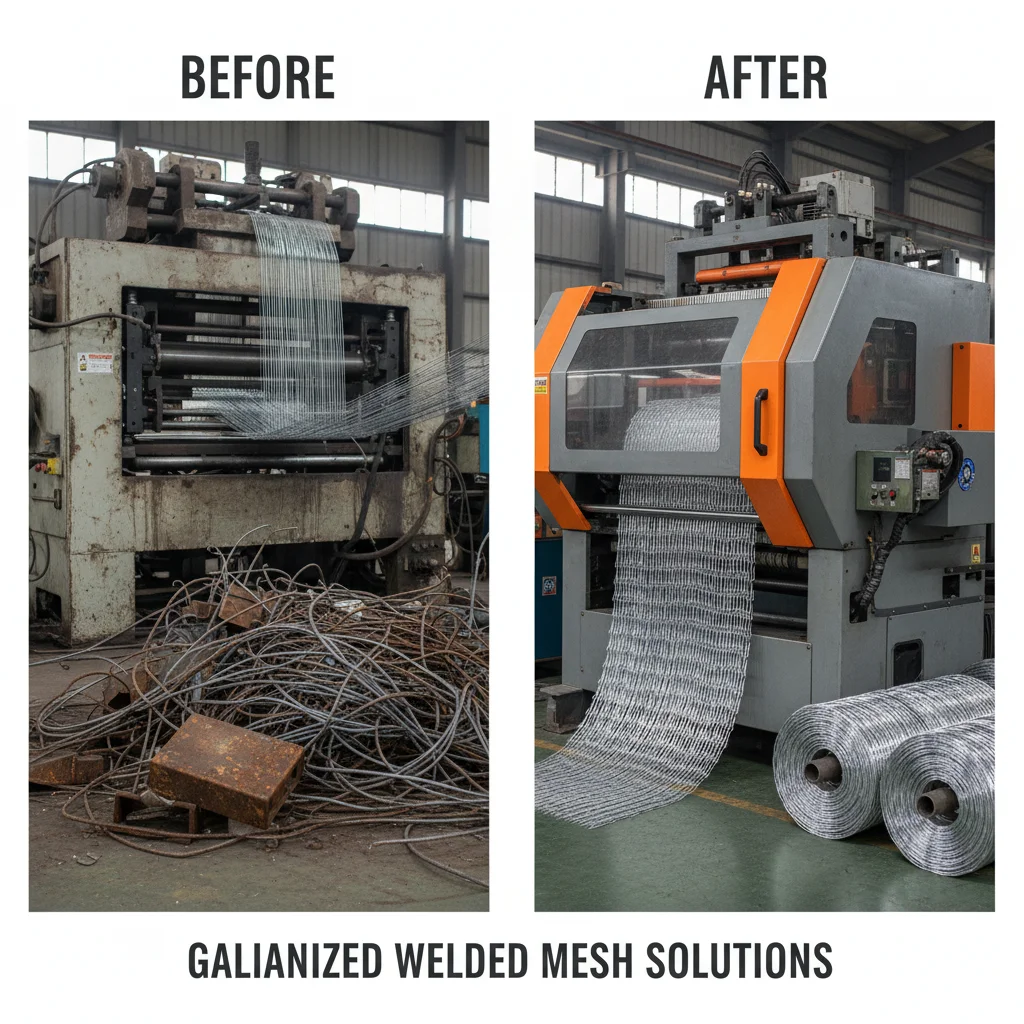
Professional Galvanized Welded Mesh Exporter for Quality Projects Selecting a high-quality fencing or screening solution requires more than just picking a product; it requires partnering with a reliable galvanized welded mesh exporter who understands the balance between structural integrity and corrosion resistance. Whether you are securing an industrial perimeter, building animal enclosures, or implementing architectural reinforcements, the quality of the galvanization process determines the lifespan of your installation. In this guide, we will explore the technical advantages of galvanized welded mesh and how to identify a global supplier that meets international quality standards to ensure your investment stands the test of time. Read More >26 Apr, 09
-
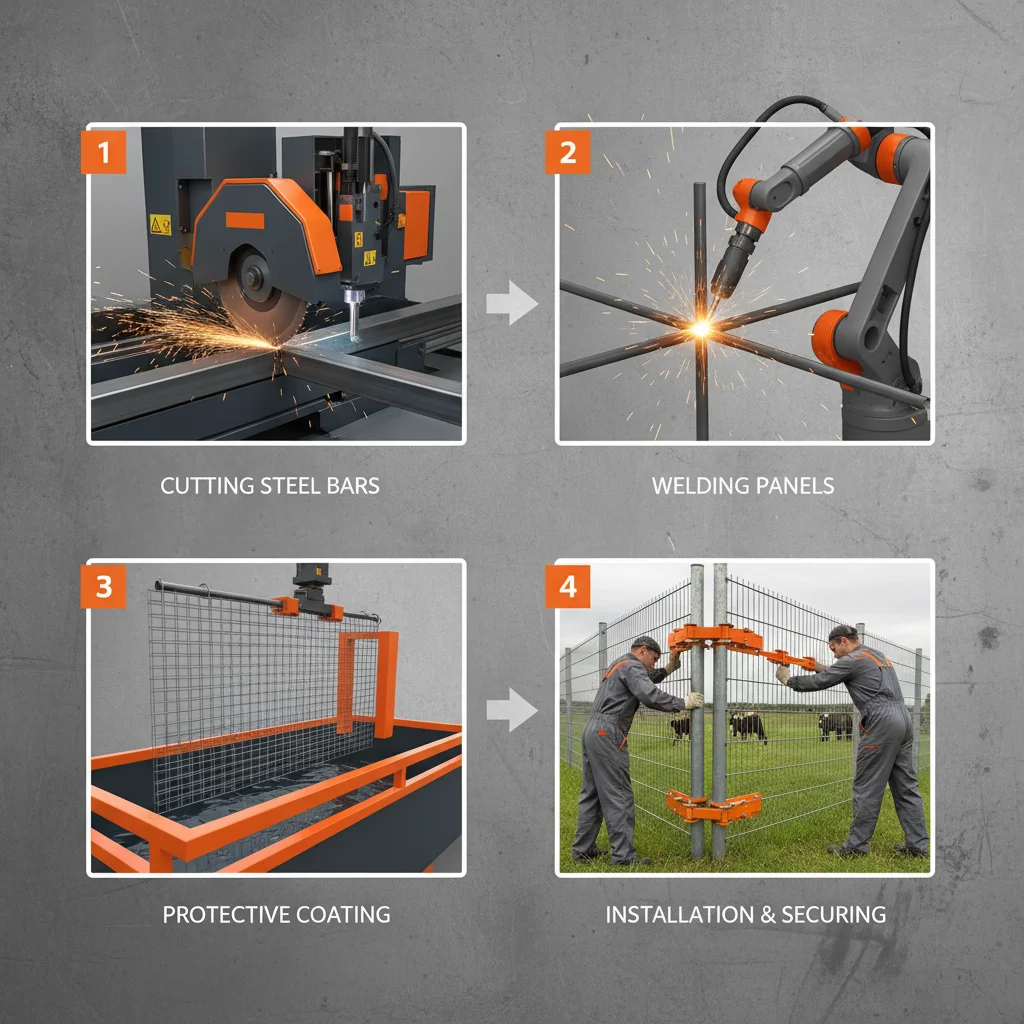
Essential Fencing Panels for Livestock Management and Farm Productivity Fencing panels for livestock are essential components in modern animal husbandry, playing a critical role in efficient farm management, animal welfare, and land utilization. Globally, the demand for robust and reliable fencing solutions is increasing due to the expanding livestock industry and the need to protect grazing lands from encroachment and predation. These panels aren’t simply barriers; they represent a vital investment in a farm's productivity and the health of its animals. Read More >26 Apr, 08
If you are interested in our products, you can choose to leave your information here, and we will be in touch with you shortly.


