


Durable & Versatile Cattle Hog Panels for Livestock Management | Global Solutions
Understanding Cattle Hog Panels: Why They Matter Globally
If you’ve spent any time around farms or in livestock management, you’ve probably seen cattle hog panels without really thinking about their broader value. But these simple yet sturdy panels are more than just fencing components — they find importance worldwide, from rural ranches to disaster relief zones, and even in humanitarian projects. Understanding cattle hog panels can unlock insights into how we manage livestock safely, reduce costs, and sustain agricultural productivity that supports food security globally.
The versatility and durability of cattle hog panels mean they help ensure animal welfare, improve operational efficiency, and even enable rapid setup of functional enclosures — which explains why demand for these panels is on the rise in many parts of the world today.
The Global Context: Why Cattle Hog Panels Are More Relevant Than Ever
According to the Food and Agriculture Organization (FAO), livestock farming is critical to livelihoods for about 1.3 billion people worldwide. With global populations rising and arable land constrained, the pressure to manage livestock effectively and sustainably escalates. Cattle hog panels help in containing and managing animals safely, thus playing a subtle but crucial role in ensuring sustainability and food security.
However, challenges abound: open grazing can lead to land degradation, excessive costs arise from damaged or inefficient fencing, and in disaster scenarios, fast-deployable animal enclosures are rare. This is where high-quality cattle hog panels step in, offering durable, easy-to-install solutions that meet these modern challenges head-on.
Mini Takeaway: Cattle hog panels are part of a larger sustainable livestock strategy addressing global food security and resource challenges.
What Are Cattle Hog Panels Exactly?
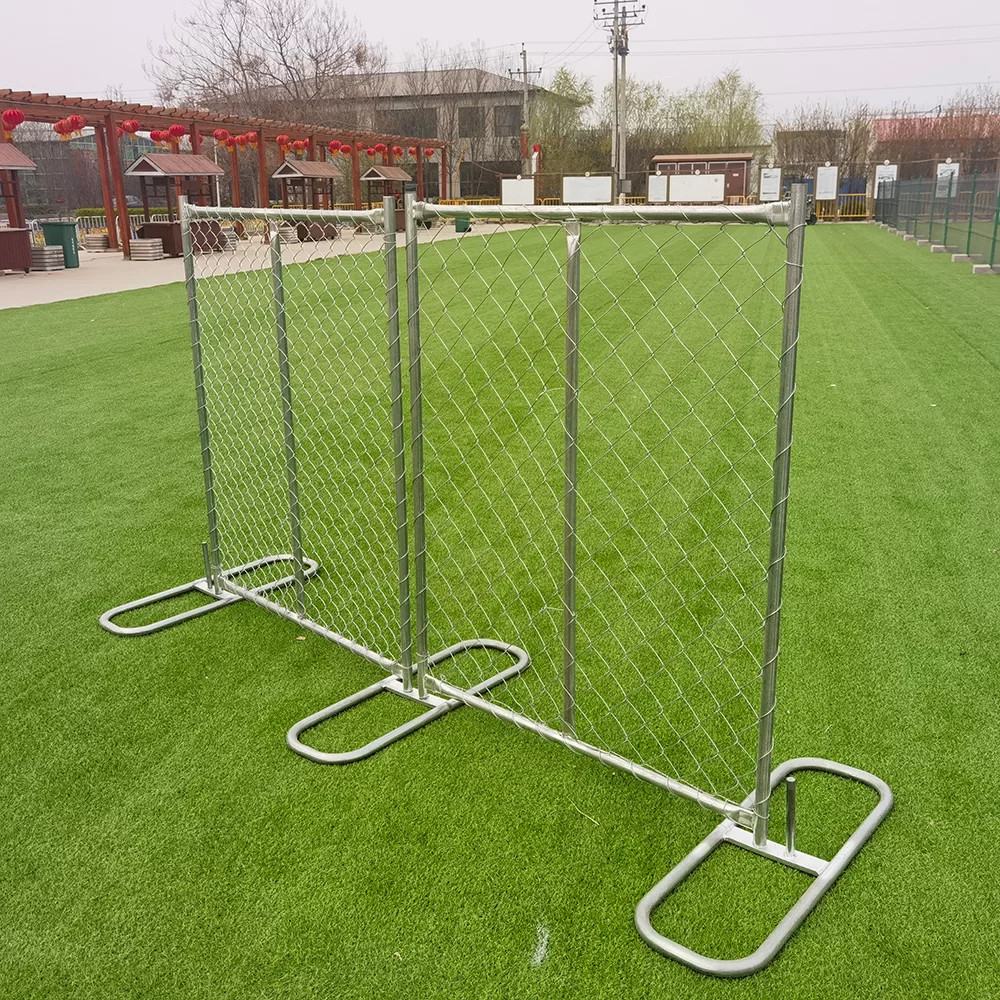
Simply put, cattle hog panels are heavy-duty welded wire panels typically made from galvanized steel. They serve as portable fencing sections mainly used to confine cattle and livestock. Their sturdy wire grids provide strength, durability, and resist damage from animal pressure or weather.
Rooted in traditional ranching needs, cattle hog panels also respond to modern humanitarian and industrial requirements where fast, reliable fencing is necessary. Whether on a bustling cattle farm or a temporary relief camp, these panels make animal containment practical and efficient.
Core Components That Make Cattle Hog Panels Stand Out
Durability & Material Quality
Most cattle hog panels are galvanized — essentially steel coated with zinc to prevent rust and corrosion. This extends panel life even in harsh outdoor environments where rain, sun, and mud prevail. Many manufacturers now also offer powder-coating options for enhanced protection.
Design & Size Flexibility
Panels typically come in 16-foot lengths and about 50 inches high, but variations exist. Wire gauges range from 8 to 11, balancing strength and weight. The rectangular grid layout prevents cattle from slipping through while allowing excellent visibility.
Portability & Ease of Assembly
One key attribute is how easily these panels can be moved and linked together without complex tools. This makes them invaluable for temporary pens in disaster relief or rotational grazing methods where enclosures shift often.
Cost Efficiency
Compared to permanent fencing solutions, cattle hog panels offer a more affordable upfront investment with lower maintenance. Their long lifespan means ranchers get a good return on their purchase.
Safety for Animals and Handlers
The smooth finish and sturdy design reduce injury risk to both livestock and farm workers — a crucial feature often overlooked until accidents happen.
Mini Takeaway: These factors combine to make cattle hog panels a go-to fencing choice — a balance of practicality, economy, and safety.
Global Applications & Real-World Use Cases
Cattle hog panels serve remarkably diverse contexts worldwide:
- Agriculture: Extensive use in North and South America, Australia, and parts of Africa for rotational grazing, feedlot fencing, and sorting pens.
- Disaster Relief Efforts: NGOs use panels for rapidly deployable animal enclosures after floods or earthquakes, safeguarding livestock central to affected communities’ survival.
- Remote Industrial Zones: Mining and oil extraction sites in Canada and Russia use hog panels for temporary containment of worksite animals or security fencing.
- Humanitarian Projects: In refugee camps or developing regions, these panels help NGOs create portable animal shelters, supporting local economies and nutrition programs alike.
One interesting case involved an NGO in Kenya efficiently setting up over 200 meters of cattle hog panels within hours after flooding struck rural villages, quickly restoring livestock safety and community morale.
Advantages & Long-Term Value of Using Cattle Hog Panels
When you look beyond the metal stock and wire, the benefits become clear — and honestly, pretty compelling:
- Cost Savings: Less repair, less replacement means lower spend over years.
- Sustainability: Galvanized steel panels are recyclable and durable, reducing waste.
- Animal Welfare: Animals remain safe, less stressed, which improves health and growth.
- Operational Flexibility: Quickly movable pens enable grazing rotation and flexible land use.
- Community Trust & Safety: A straightforward, reliable solution builds trust among farm workers and local stakeholders.
Honestly, many ranchers say these panels are like a silent partner on the farm — they don't stir fuss but get the job done, day in and day out. And frankly, in agriculture and relief work, you can’t ask for more.
Typical Product Specifications for Cattle Hog Panels
| Specification | Description |
|---|---|
| Material | Galvanized steel / Powder-coated steel |
| Panel Length | 16 feet (standard) | Custom lengths available |
| Height | Approximately 50 inches |
| Wire Gauge | 8 – 11 gauge, depending on strength requirements |
| Grid Size | 4 x 8 inches or similar |
| Weight | 30 to 50 lbs per panel |
What’s Next? Future Trends & Innovations in Cattle Hog Panels
The steady evolution in materials science and manufacturing opens new doors. For example, some manufacturers experiment with recycled steel and non-metal composites to cut environmental footprint. Imagine cattle hog panels that are lighter but just as tough — for easier transport in remote areas.
Digital tagging and IoT integration are also on the horizon. Panels embedded with sensors could monitor animal movement, detect breakage, or even measure environmental conditions inside enclosures — all accessible from a smartphone app.
Policies encouraging more sustainable farming and livestock management globally signal growing adoption of advanced, eco-friendly solutions — cattle hog panels included.
Challenges in the Current Landscape & Expert Solutions
Of course, no product is without its quirks. Some key challenges with cattle hog panels include:
- Weight: At 30-50 lbs each, moving panels can be physically demanding.
- Cost Fluctuations: Steel price variability affects affordability.
- Limited Customization in Some Regions: Access to different gauges or coatings may be scarce.
To address these, some vendors are working on modular clipping systems that minimize tool needs, or offering rental/lease options to reduce upfront costs. Training programs for end-users also enhance safety and efficiency.
Comparing Top Vendors of Cattle Hog Panels
| Vendor | Product Range | Price Range (per panel) | Special Features | Shipping Options |
|---|---|---|---|---|
| Haotian Mesh | Standard & custom galvanized panels | $45 – $65 | Powder coating, quick-clip systems | Global shipping, bulk discounts |
| FencePro Inc. | Heavy gauge steel panels | $50 – $70 | UV resistant coatings | North America only |
| AgriFlex Solutions | Lightweight mesh panels | $40 – $60 | Recyclable composites (pilot) | Europe & Asia |
FAQ: Frequently Asked Questions About Cattle Hog Panels
Q1: How easy is it to set up cattle hog panels for a novice?
A1: Very straightforward! Most panels interlock and require minimal tools. Many come with quick-clip systems that make assembly possible even for first-timers within an hour or two, depending on pen size.
Q2: Can these panels withstand extreme weather conditions?
A2: Yes, especially galvanized or powder-coated types resist rust and corrosion in rain or snow. However, strong winds may require anchoring posts for added stability.
Q3: Are cattle hog panels suitable for animals other than cattle?
A3: Definitely. They work well for horses, goats, sheep, and even pigs — species that need secure containment but benefit from visibility and ventilation.
Q4: How long do cattle hog panels typically last?
A4: With proper care, galvanized panels last 10-15 years or more outdoors. Maintenance like cleaning and inspecting joints can extend this lifespan.
Q5: Can NGOs import cattle hog panels easily for disaster relief projects?
A5: Many vendors, including cattle hog panels suppliers, offer international shipping and bulk discounts. It’s wise to plan logistics early and check customs regulations by destination country.
In Conclusion: Why Cattle Hog Panels are a Smart Investment
Cattle hog panels aren’t just metal grids — they’re facilitators of modern livestock management, sustainability, and animal welfare. Their global utility spans farms, emergency relief, and industrial applications, proving their versatility yet again.
Investing in quality panels from reliable vendors — maybe even browsing offerings on HaotianMesh — means securing fencing that’s economical, durable, and ready for real-world challenges.
Ready to future-proof your livestock containment? Visit https://www.haotianmesh.com for expert cattle hog panels designed with you in mind.
References
-
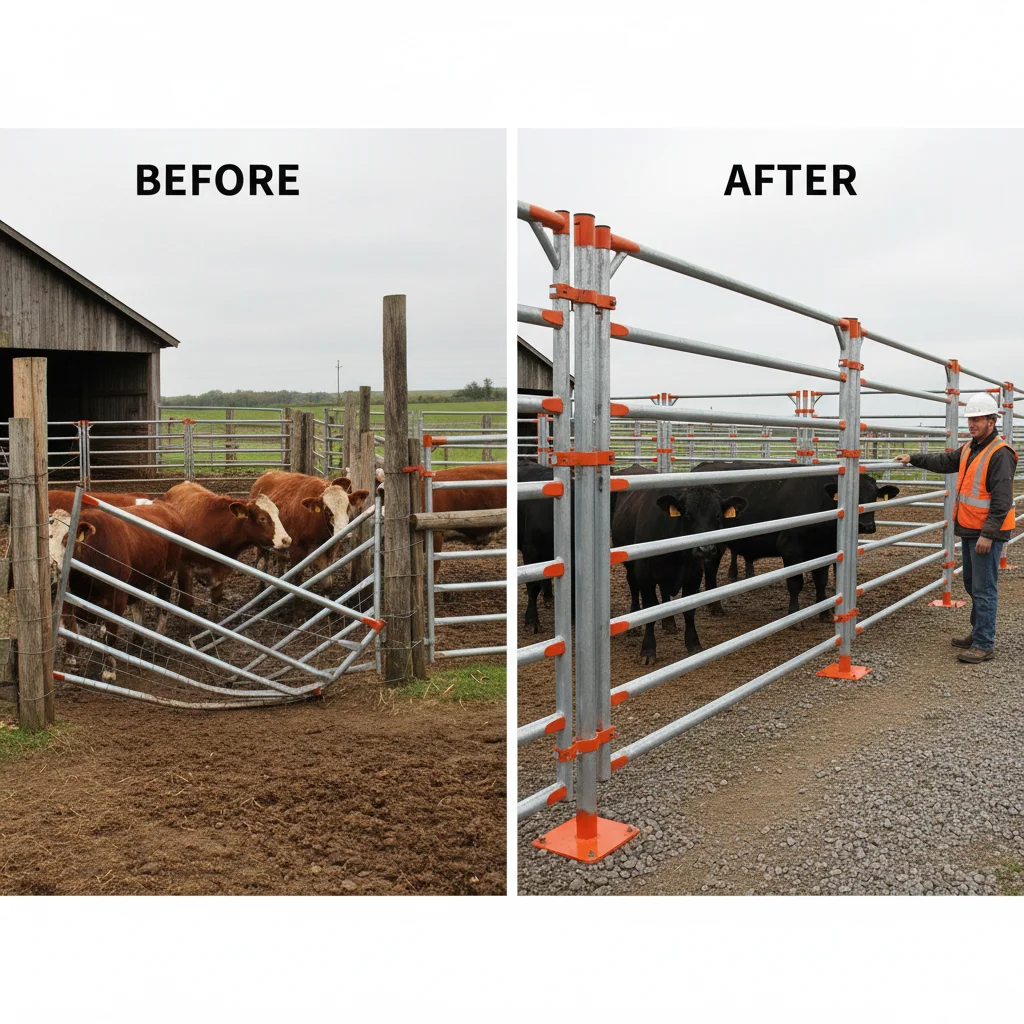
Durable Freestanding Livestock Panels for Efficient Animal Handling In the demanding world of agricultural management, the need for flexible and robust containment solutions has never been more critical. freestanding livestock panels offer a sophisticated answer to the challenges of animal handling, providing a secure yet adaptable barrier that does not require permanent installation or deep grounding. By allowing farmers and ranchers to redefine their spatial layouts in minutes, these panels maximize the efficiency of existing infrastructure while ensuring the safety of both the handlers and the livestock. Read More >26 Apr, 17
-
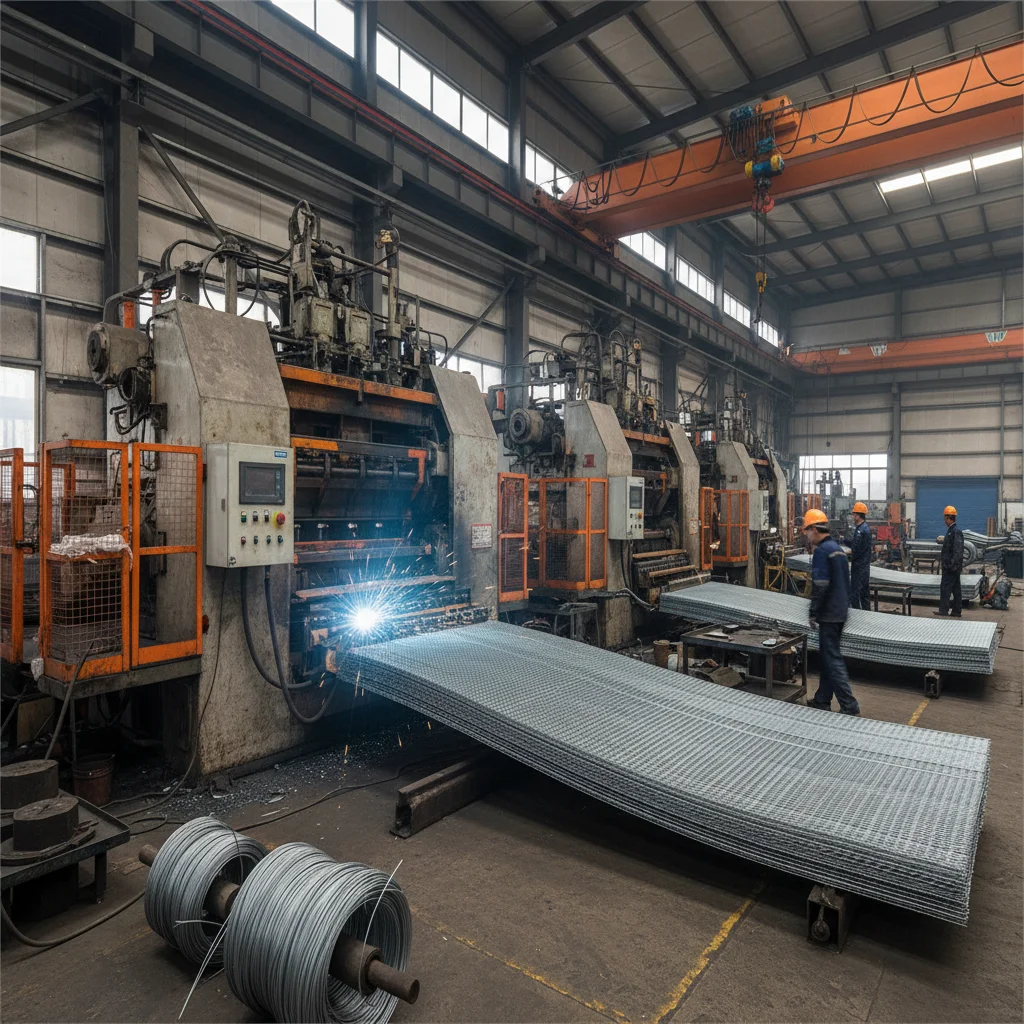
Professional Galvanized Welded Mesh Factory for Industrial Projects Finding a reliable galvanized welded mesh factory is critical for ensuring the structural integrity and longevity of your industrial or agricultural installations. Galvanized welded mesh is prized for its exceptional strength and resistance to corrosion, making it the go-to choice for fencing, animal cages, and construction reinforcement. However, not all factories adhere to the same quality standards. Whether you are sourcing for a large-scale infrastructure project or a specialized commercial application, understanding the manufacturing process and quality benchmarks is key to making a cost-effective investment that lasts for decades. Read More >26 Apr, 16
-
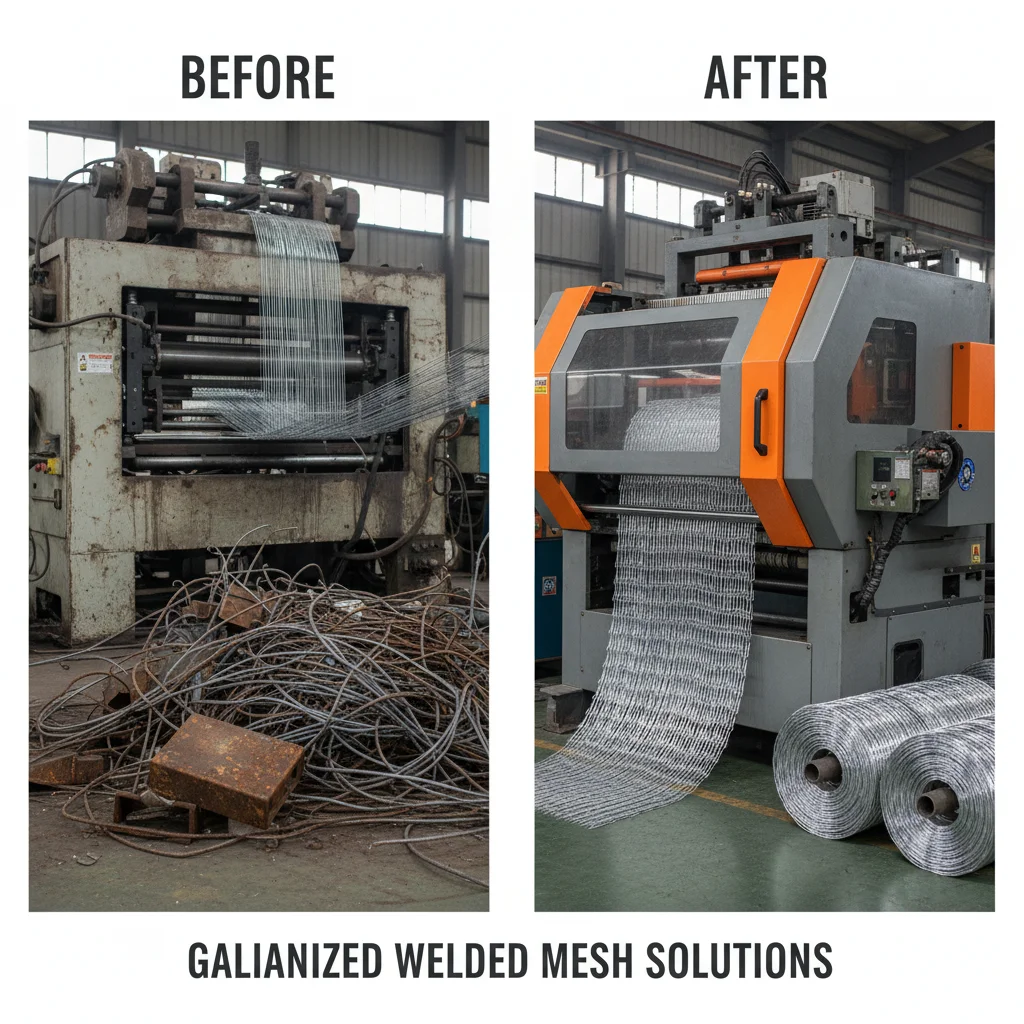
Professional Galvanized Welded Mesh Exporter for Quality Projects Selecting a high-quality fencing or screening solution requires more than just picking a product; it requires partnering with a reliable galvanized welded mesh exporter who understands the balance between structural integrity and corrosion resistance. Whether you are securing an industrial perimeter, building animal enclosures, or implementing architectural reinforcements, the quality of the galvanization process determines the lifespan of your installation. In this guide, we will explore the technical advantages of galvanized welded mesh and how to identify a global supplier that meets international quality standards to ensure your investment stands the test of time. Read More >26 Apr, 09
-
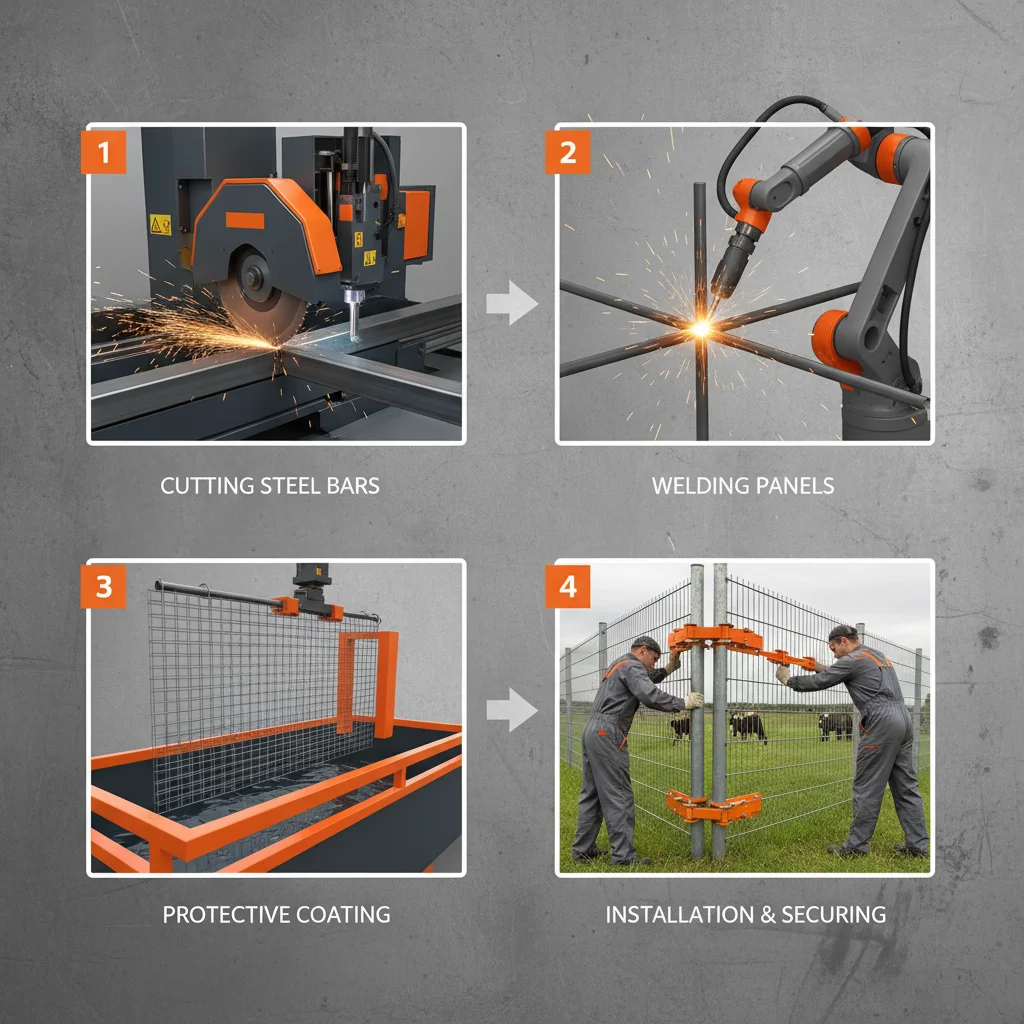
Essential Fencing Panels for Livestock Management and Farm Productivity Fencing panels for livestock are essential components in modern animal husbandry, playing a critical role in efficient farm management, animal welfare, and land utilization. Globally, the demand for robust and reliable fencing solutions is increasing due to the expanding livestock industry and the need to protect grazing lands from encroachment and predation. These panels aren’t simply barriers; they represent a vital investment in a farm's productivity and the health of its animals. Read More >26 Apr, 08
If you are interested in our products, you can choose to leave your information here, and we will be in touch with you shortly.


