


Durable & Versatile 16 Cattle Panels for Effective Livestock Management
Understanding 16 Cattle Panels: Why They Matter Across the Globe
When we talk about livestock management, few tools have been as impactful or as universally handy as 16 cattle panels. These robust, scalable fencing systems play a surprisingly big role in global agricultural communities—and that’s not just limited to traditional farms. From food security to sustainable ranching, understanding the ins and outs of these panels sheds light on how a simple piece of equipment can ripple through economies and ecosystems worldwide.
The beauty of these cattle panels lies in their versatility. Whether it’s used to create temporary holding areas during migration seasons, safeguard vulnerable pastoral regions, or innovate animal welfare standards, 16 cattle panels have become a staple in modern livestock management. They’re more than metal bars; they represent a small but essential stitch in the fabric of rural livelihoods and food systems around the world.
Global Context: Why 16 Cattle Panels Are More Relevant Than Ever
The global livestock sector contributes close to 40% of agricultural GDP worldwide, employing over a billion people in developing countries alone (source: FAO). Yet livestock keepers face many challenges: land degradation, climate change, fluctuating feed availability, and often insecure fencing solutions. This is where 16 cattle panels step in as a practical answer to several pressing problems.
Globally, losses due to animal escapes or predation can cost farmers dearly—sometimes wiping out entire herds. The sturdy nature of cattle panels means better containment and safety, limiting these losses significantly. Plus, in emergency or post-disaster agriculture relief, rapid deployment fencing like these panels facilitates swift regrouping and management of livestock, preserving livelihoods.
Despite their simplicity, these panels align remarkably well with sustainable practices by allowing rotational grazing, minimizing overgrazing, and promoting pasture recovery—an essential factor if we’re serious about feeding an anticipated 9 billion by 2050 (UN estimates).
What Exactly Are 16 Cattle Panels?
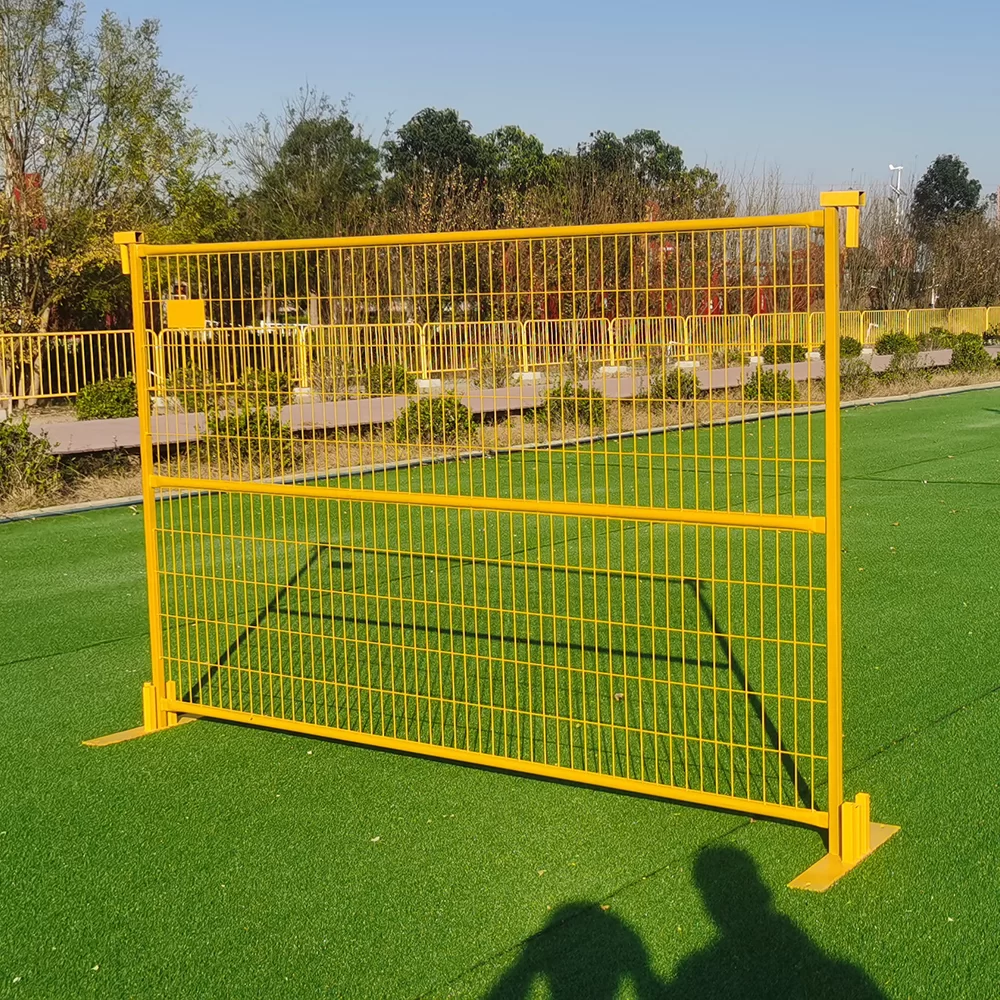
In the simplest terms, 16 cattle panels refer to livestock fencing panels that measure roughly 16 feet long, made of welded steel or galvanized metal, designed to create strong, portable enclosures. Typically, each panel is constructed with vertical and horizontal bars, spaced to contain cattle effectively while allowing visibility and airflow.
More than just a physical barrier, these panels embody modern approaches to livestock management—they’re easy to transport, quick to assemble, and resistant to environmental wear. You can find 16 cattle panels forming holding pens, corrals, sorting chutes, or even temporary fencing for rotational grazing across ranches large and small.
Core Components & Key Factors in 16 Cattle Panel Design
Durability
Many producers swear by the galvanized steel construction of 16 cattle panels. This coating protects them from rust and corrosion, essential for outdoor use in rain, snow, or humid regions. Durability directly affects cost efficiency, as frequent replacements aren’t practical for farmers who depend on reliable gear to avoid livestock escapes or injuries.
Portability
Oddly enough, portability is a game-changer here. These panels aren’t heavy machinery—you can carry, stack, and arrange them by hand, which makes temporary or seasonal fencing flexible and achievable without expensive tools or extra labor.
Safety
Panel design focuses heavily on rounded edges and closely spaced vertical bars to prevent animals from hurting themselves. In real farming scenarios, safety decreases downtime caused by animal injuries, saving money and—importantly—helping maintain animal welfare standards more easily.
Cost Efficiency
They offer an excellent balance between initial price and long-term value. Buying pre-made panels as opposed to custom-built fences often lowers upfront costs, while the material longevity keeps maintenance minimal.
Customization & Scalability
Farmers often like being able to adapt panel combinations to their unique land layouts—whether that means expanding pen sizes or configuring gates. Manufacturers typically offer compatibility with accessories like gates, connectors, braces, even sorting head gates.
16 Cattle Panels in Action: Real-World Applications & Use Cases
- In developing agricultural communities: Simple, durable fencing means better herd control, which can prevent animals from straying into cultivated areas or hazardous environments.
- Post-disaster relief and emergency farming: Panels enable quick assembly of containment zones, critical when infrastructure is compromised.
- Rotational grazing systems in Europe and North America: Temporary fences made from 16 cattle panels allow ranchers to improve pasture health, thus increasing output sustainably.
- Remote mining or industrial sites: Where mobile livestock caretaking happens, these panels facilitate fencing across uneven terrain without heavy construction.
For example, a cattle rancher in Texas reported trimming fencing setup time by over 50% when switching to 16-foot cattle panels, enabling quicker response during calving season emergencies.
Advantages and Long-Term Benefits
Looking at the logistics, it’s clear why ranchers, NGOs, and farmers invest in 16 cattle panels:
- Economic gains: Less cattle loss, fewer injuries, and reduced labor costs.
- Sustainability: Supports regenerative grazing, reducing overgrazing and soil degradation.
- Animal welfare: Safer fencing reduces stress and injury, indirectly improving meat and milk quality.
- Community resilience: Quick-deploy fencing boosts recovery after environmental shocks.
Plus, there’s an emotional payoff. Watching a pen come together quickly, knowing your animals are safe, it’s a small victory each day.
Product Specification Table: Typical 16 Cattle Panels
| Feature | Specification |
|---|---|
| Length | 16 feet (approx. 4.88 meters) |
| Height | 5–6 feet (1.5–1.8 meters) |
| Material | Galvanized steel |
| Wire thickness | 12–14 gauge |
| Weight | 50–65 lbs (22–29.5 kg) |
| Finish | Hot-dip galvanized or powder coated |
How Do Different Vendors Compare?
Choosing the best 16 cattle panels depends on quality, price, availability, and customer support. Here’s a rough comparison of three industry players:
| Vendor | Panel Gauge | Finish Type | Price Range (USD) | Additional Features |
|---|---|---|---|---|
| Haotian Mesh | 12 gauge | Hot-dip galvanized | $75 - $95 | Custom sizes, bolt-on gates, export-friendly packaging |
| RanchPro Panels | 14 gauge | Powder coated | $80 - $100 | UV resistant coating, limited customization |
| AgriFence Solutions | 12 gauge | Galvanized | $70 - $90 | Bulk order discounts, quick shipping |
Looking Ahead: Future Innovations & Trends
The next decade in 16 cattle panel technology hints at smarter, greener designs. Incorporating recycled metals into panel manufacturing is gaining traction, lowering carbon footprints. Also, some vendors are experimenting with integrated IoT sensors embedded into panels to monitor animal movement or detect fence breaches remotely—pretty nifty if you ask me.
Automation in transporting and assembling these panels combined with solar-powered electric fencing hybrids could shift the livestock industry toward even safer, sustainable farm management. I suppose as mesh materials get lighter without sacrificing strength, portability will improve even more.
Challenges Farmers Face—and How To Overcome Them
While 16 cattle panels are sturdy, they’re not invincible. Common problems include:
- Corrosion in extreme environments: Even galvanized metal can wear thin if exposed to saltwater or intensive moisture. The solution? Regular maintenance, or choosing powder-coated variants.
- Transportation logistics: At 16 feet, panels need careful handling during shipping. Customized packaging and trusted suppliers mitigate this hassle.
- Animal behavioral pressures: Especially with older or more aggressive bulls, panels may need reinforcement or strategic layout planning.
Experts recommend pairing panels with local knowledge and adaptive management to maximize longevity and function.
Frequently Asked Questions About 16 Cattle Panels
- Q: How long do 16 cattle panels typically last on a well-maintained ranch?
- A: With proper upkeep and protection like hot-dip galvanizing, these panels can last 15–20 years, making them a solid investment for long-term livestock management.
- Q: Are 16 cattle panels suitable for other livestock besides cattle?
- A: Absolutely. They’re commonly used for horses, sheep, goats, and even exotic grazing animals, with variations in bar spacing to suit specific species.
- Q: Can I assemble these panels without specialized tools?
- A: Yes, one of their main selling points is ease of assembly. Bolt-on connections and pin assemblies allow setup with basic tools, sometimes even by hand.
- Q: What is the average weight of a single panel?
- A: Roughly between 50 and 65 pounds depending on gauge and coating, which is manageable for two people for quick installation.
- Q: How do I ensure best pricing when ordering 16 cattle panels internationally?
- A: Partnering with reliable suppliers like 16 cattle panels vendors who offer export packaging and bulk discounts is key to cutting costs in shipping and customs.
Wrapping Up: Why 16 Cattle Panels Are Worth Your Attention
Looking at the big picture, 16 cattle panels are not just fencing; they’re investment in efficiency, safety, and sustainability for livestock managers worldwide. They deftly solve problems both simple and complex—from stopping animals from wandering off, to supporting climate-conscious grazing practices at scale.
If you’re in the market for durable, adaptable fencing solutions that have stood the test of time and geography, these panels deserve serious consideration. Trust me, the right panel can save more than just your cattle—it can save your peace of mind.
For quality products and expert advice, visit our website and explore our range of 16 cattle panels and accessories.
References:
1. Food and Agriculture Organization (FAO): www.fao.org
2. United Nations Department of Economic and Social Affairs: www.un.org/en/food-agriculture
3. International Organization for Standardization (ISO), Standards on fencing and metal works.
-
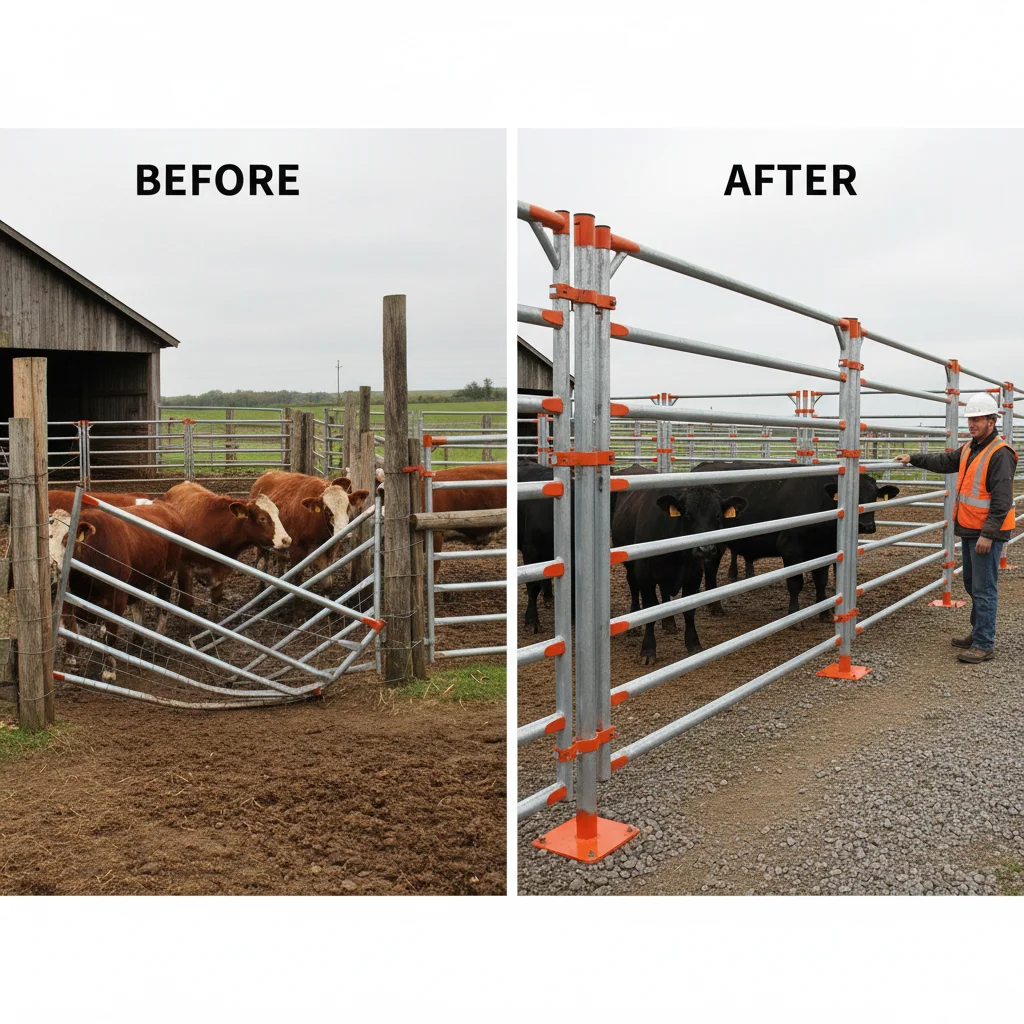
Durable Freestanding Livestock Panels for Efficient Animal Handling In the demanding world of agricultural management, the need for flexible and robust containment solutions has never been more critical. freestanding livestock panels offer a sophisticated answer to the challenges of animal handling, providing a secure yet adaptable barrier that does not require permanent installation or deep grounding. By allowing farmers and ranchers to redefine their spatial layouts in minutes, these panels maximize the efficiency of existing infrastructure while ensuring the safety of both the handlers and the livestock. Read More >26 Apr, 17
-
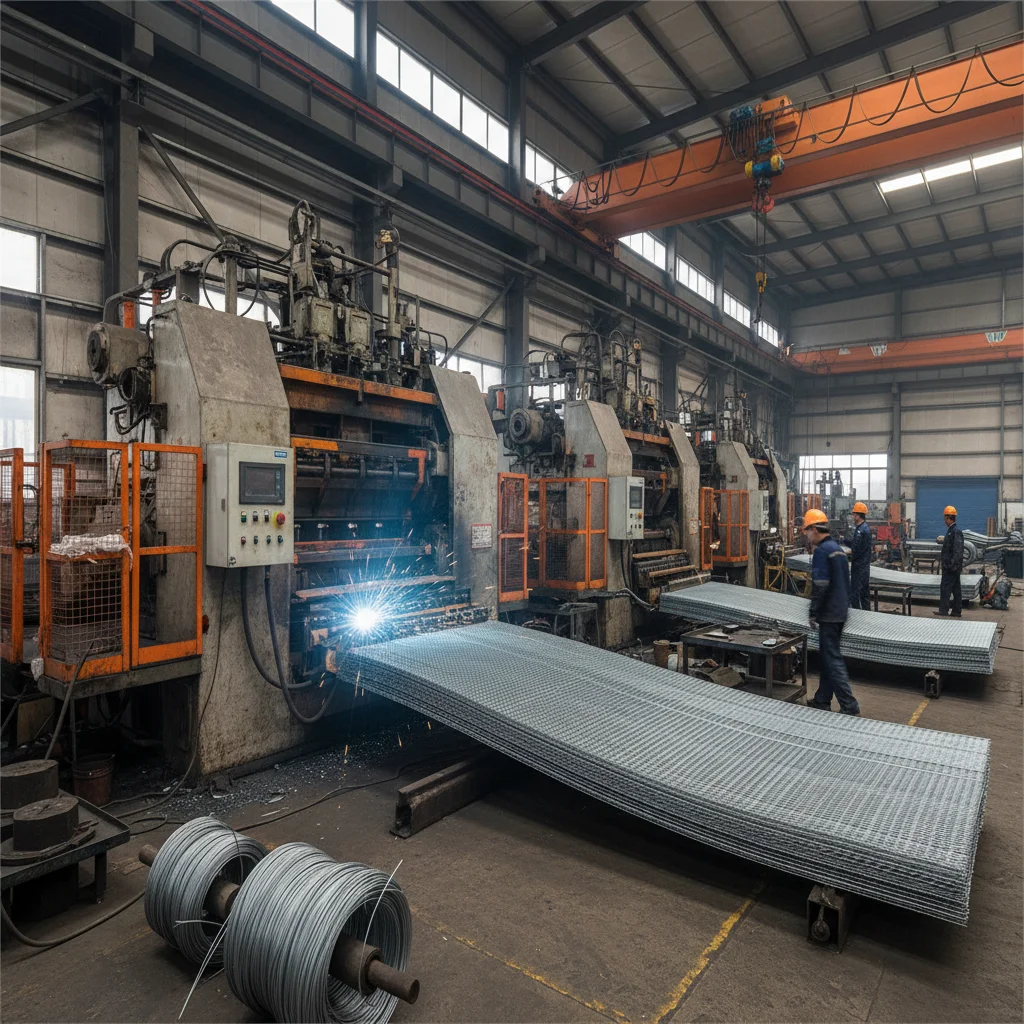
Professional Galvanized Welded Mesh Factory for Industrial Projects Finding a reliable galvanized welded mesh factory is critical for ensuring the structural integrity and longevity of your industrial or agricultural installations. Galvanized welded mesh is prized for its exceptional strength and resistance to corrosion, making it the go-to choice for fencing, animal cages, and construction reinforcement. However, not all factories adhere to the same quality standards. Whether you are sourcing for a large-scale infrastructure project or a specialized commercial application, understanding the manufacturing process and quality benchmarks is key to making a cost-effective investment that lasts for decades. Read More >26 Apr, 16
-
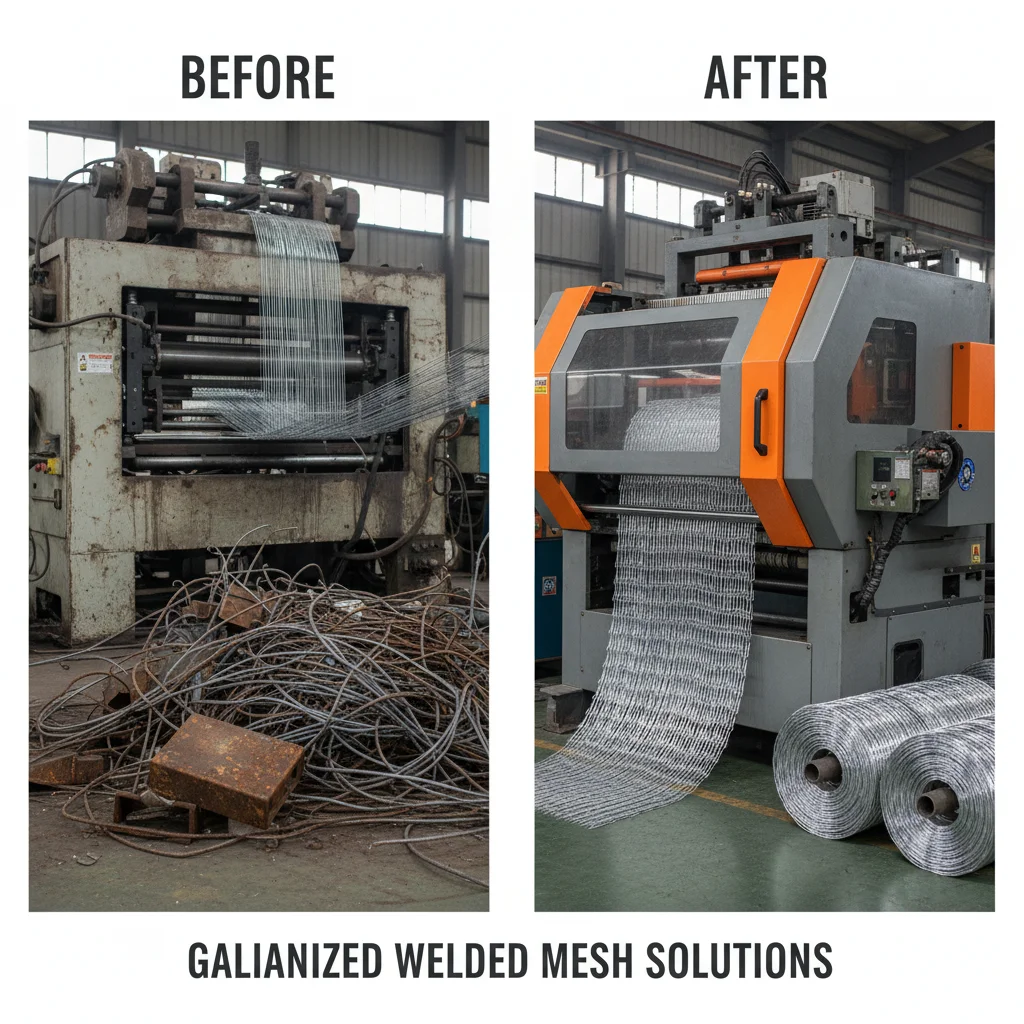
Professional Galvanized Welded Mesh Exporter for Quality Projects Selecting a high-quality fencing or screening solution requires more than just picking a product; it requires partnering with a reliable galvanized welded mesh exporter who understands the balance between structural integrity and corrosion resistance. Whether you are securing an industrial perimeter, building animal enclosures, or implementing architectural reinforcements, the quality of the galvanization process determines the lifespan of your installation. In this guide, we will explore the technical advantages of galvanized welded mesh and how to identify a global supplier that meets international quality standards to ensure your investment stands the test of time. Read More >26 Apr, 09
-
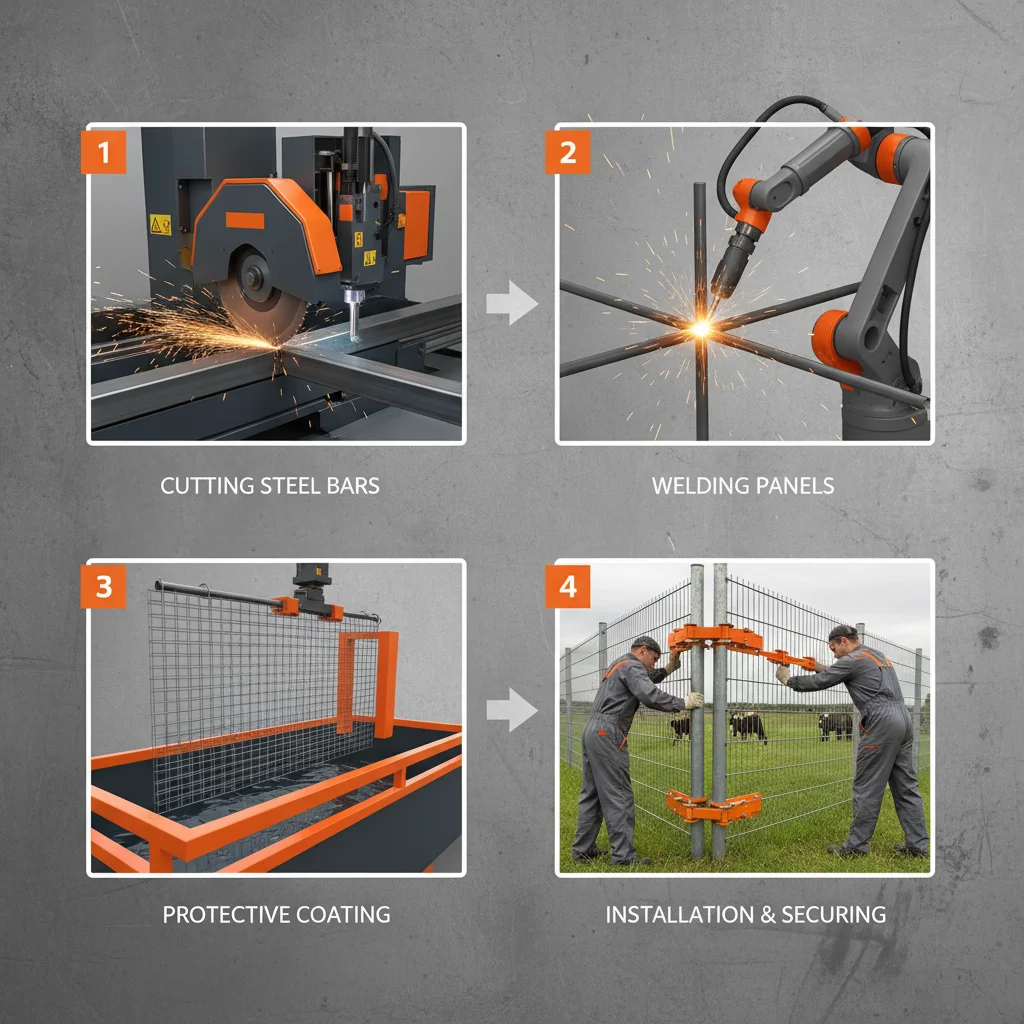
Essential Fencing Panels for Livestock Management and Farm Productivity Fencing panels for livestock are essential components in modern animal husbandry, playing a critical role in efficient farm management, animal welfare, and land utilization. Globally, the demand for robust and reliable fencing solutions is increasing due to the expanding livestock industry and the need to protect grazing lands from encroachment and predation. These panels aren’t simply barriers; they represent a vital investment in a farm's productivity and the health of its animals. Read More >26 Apr, 08
If you are interested in our products, you can choose to leave your information here, and we will be in touch with you shortly.


