


Durable Mesh Steel Fence Solutions for Industrial Use | Haotian Mesh
Understanding mesh steel fence: A seasoned perspective
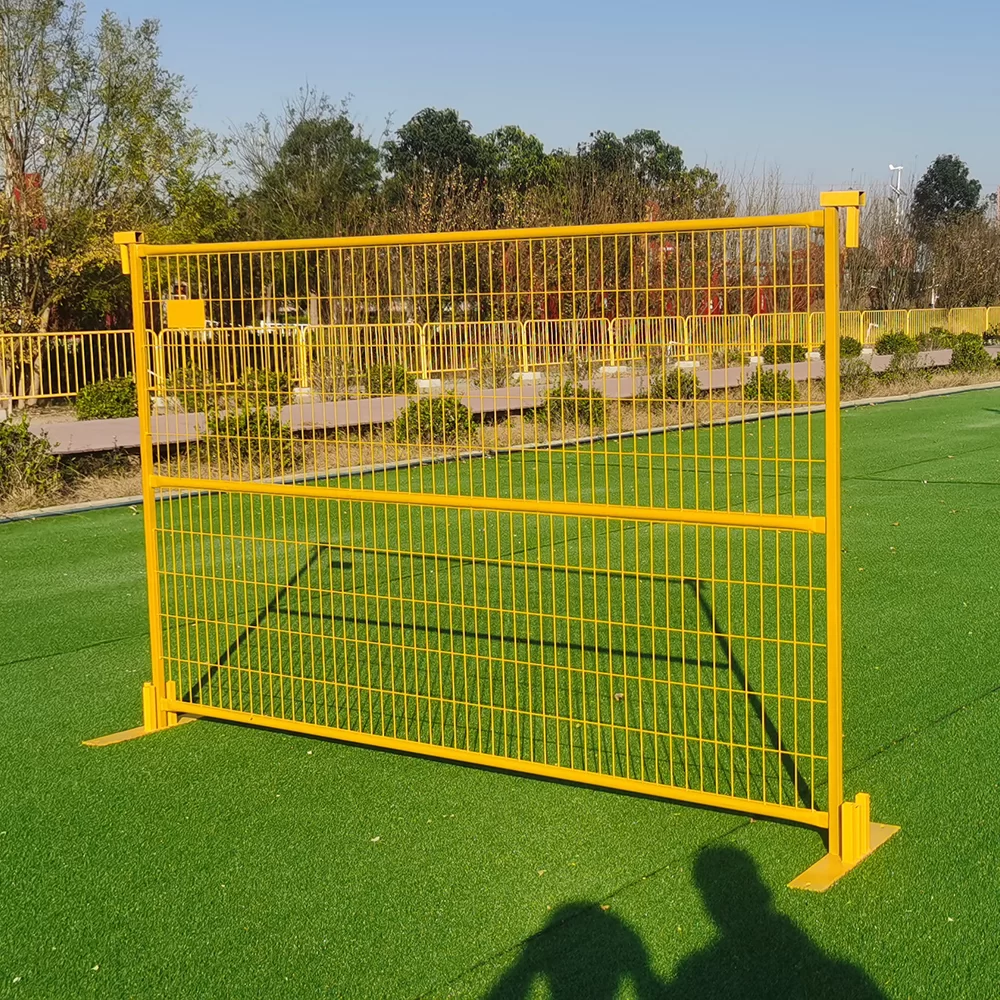
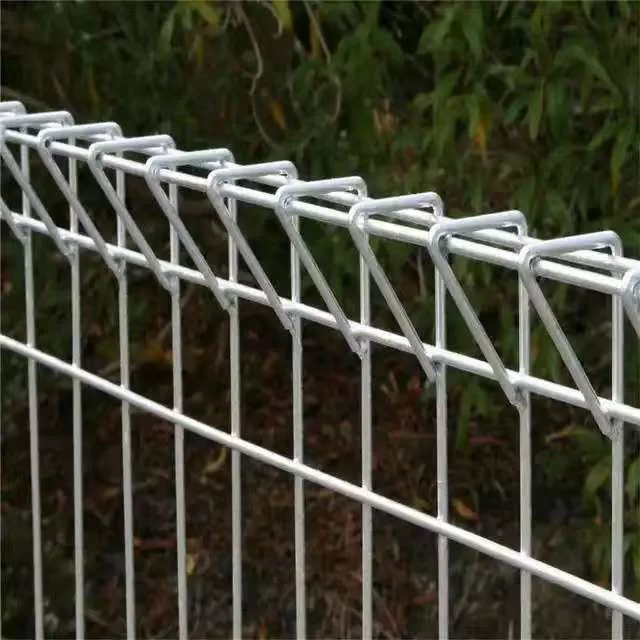
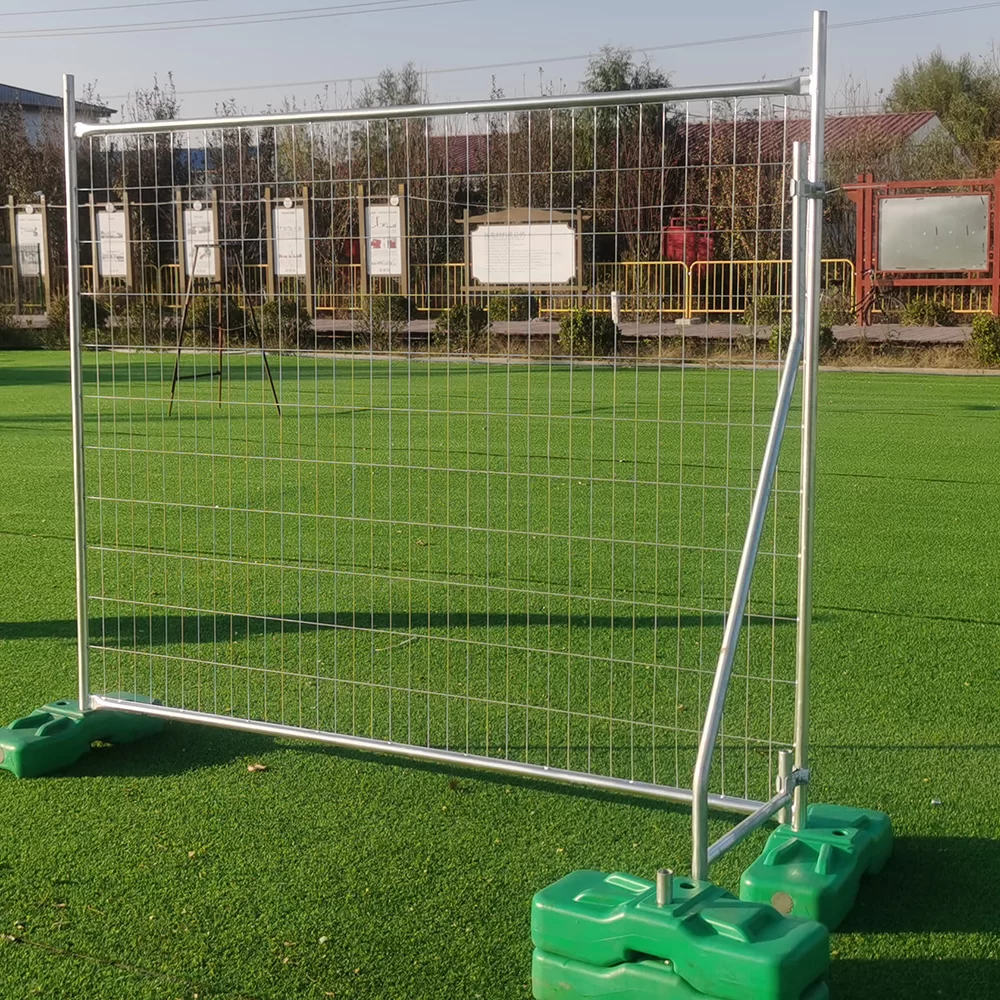
Having worked hands-on in the industrial equipment sector for over a decade, I’ve come to appreciate the unassuming brilliance of mesh steel fence. You might glance over it as a simple barrier, but frankly, there’s an entire world of engineering, design choices, and practical know-how hidden behind what looks like just a grid of metal wires.
Mesh steel fencing has often been the unsung hero of security and containment solutions – protecting construction sites, factories, even high-security government installations. Oddly enough, most of the people who specify these fences rarely dive into the nitty-gritty specs. They just want it sturdy, reliable, and, well, cost-effective.
But an experienced eye notices differences quickly: the gauge of the wire, the mesh aperture size, the coating material, and installation methods all affect longevity and function. I suppose that’s why we, in the field, tend to lean toward trusted products like those offered at Haotian Mesh — they’ve got that robust, tested feel which you rarely find in cheap imports.
Material and Design: More Than Just Metal Grids
Steel mesh fences generally come in galvanized or stainless steel variants. Galvanizing adds a zinc coating that prevents rust, which — trust me — is a deal-breaker in humid or coastal environments. Stainless steel offers superb corrosion resistance but comes at a higher price tag. I’ve seen many engineers say that a well-galvanized mesh often outperforms stainless in terms of cost-benefit because maintenance is minimal if the coating is quality-checked.
Design matters, too. The mesh size — that is, the spacing between wires — can range from a few millimeters up to several centimeters, depending on intended use. Smaller apertures increase security (harder to cut or climb), while larger meshes reduce material and installation costs. It’s always a balancing act.
One thing I noticed over the years: customers appreciate the flexibility of customizing fence panels — from wire thickness to panel height. For industrial yards, sometimes a 2.5-meter high mesh with a 50×50 mm grid and 4.0 mm wire diameter is standard, but tweaks happen based on terrain and client security needs.
Performance and Testing: Why Specs Matter
When you choose a mesh steel fence, testing is not just about withstanding a casual push or weathering some rain. Impact resistance, tensile strength, and coating adhesion tests are crucial. I've seen vendors claiming robust fencing but failing basic pull tests. And that’s when you lose trust, especially when human or asset safety is at stake.
Because of this, it's worth examining product specs closely. To illustrate, here’s a typical high-quality mesh steel fence panel specification from a reputable vendor:
| Specification | Details |
|---|---|
| Material | Galvanized Steel Wire (Zinc Coating ≥ 275 g/m²) |
| Wire Diameter | 3.0 – 5.0 mm (varies by panel) |
| Mesh Aperture | 50 mm x 50 mm standard |
| Panel Size | 2.0 m x 2.5 m typical |
| Coating Type | Hot-dip Galvanized + Optional PVC Coating |
| Installation | Bolt-on Connection with galvanized steel posts |
Choosing Suppliers: A Quick Comparison
Okay, I can't vouch for every vendor out there. But from personal experience and industry chatter, here's a simple comparison matrix of notable mesh steel fence suppliers—just to get an idea of offerings and practical differences.
| Supplier | Product Quality | Customization | Price Range | Lead Time |
|---|---|---|---|---|
| Haotian Mesh | High – Industrial grade testing | Extensive (wire gauge, panel size) | Mid to High | 4-6 weeks |
| Supplier B | Medium – Sporadic reviews | Limited (standard sizes only) | Low | 2-3 weeks |
| Supplier C | High (premium materials) | Moderate | High | 6-8 weeks |
One story that sticks with me: A client in harsh coastal conditions chose a customized galvanized + PVC coated mesh from Haotian. Despite severe salty air and storms, the fence showed minimal corrosion three years post-installation — a testament to choosing quality in fencing.
To sum up, mesh steel fence might seem straightforward, but beneath the surface, there’s quite a bit going on. From material sciences to supplier reliability, getting it right pays dividends in durability and security over the long haul.
So next time you’re spec’ing out fencing, consider not just the upfront cost but how it’ll stand up to time and environment. These days, I suppose it’s about being smart with your choice, not just cheap.
1. ASTM International Standards on Steel Fencing 2. Industrial Experience of Metal Protective Barriers, John D. Reed, 2019 3. Corrosion Resistance in Coastal Environments – Practical Guide, 2021
-
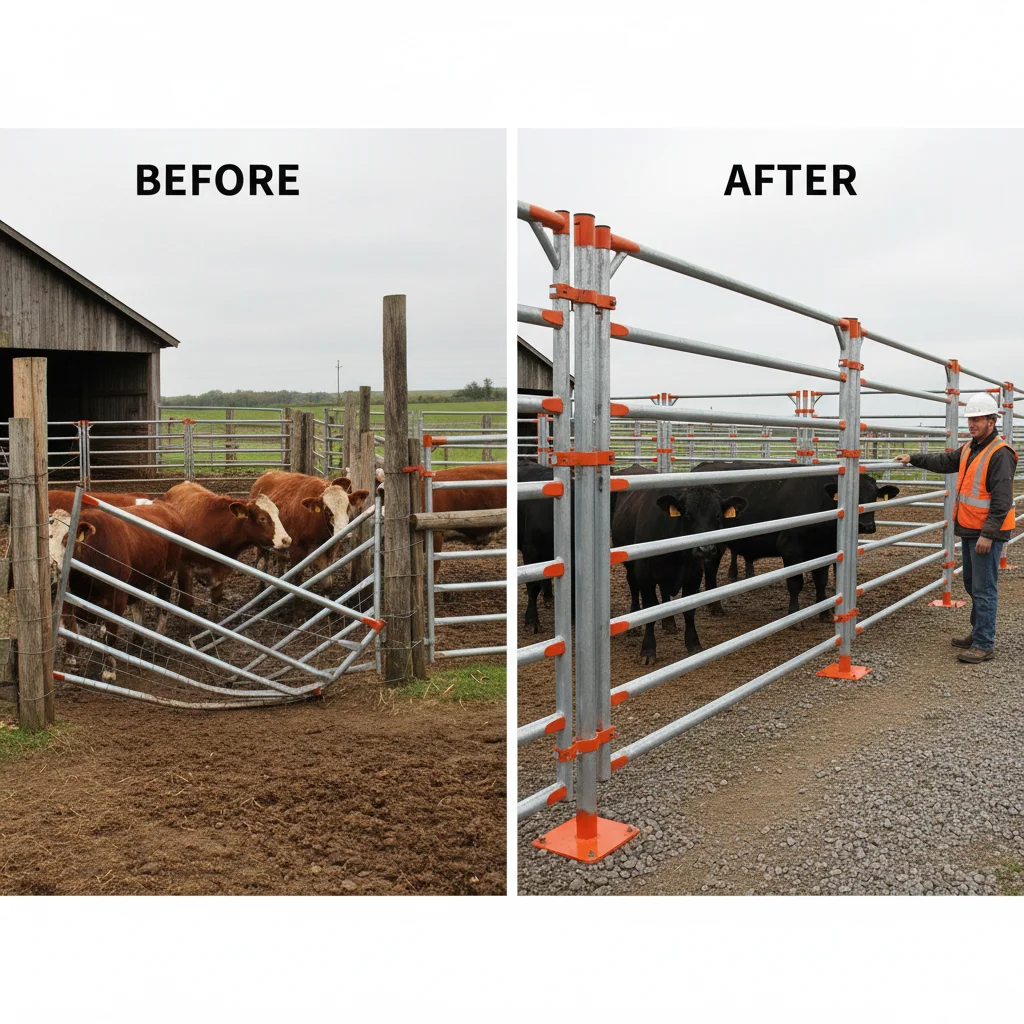
Durable Freestanding Livestock Panels for Efficient Animal Handling In the demanding world of agricultural management, the need for flexible and robust containment solutions has never been more critical. freestanding livestock panels offer a sophisticated answer to the challenges of animal handling, providing a secure yet adaptable barrier that does not require permanent installation or deep grounding. By allowing farmers and ranchers to redefine their spatial layouts in minutes, these panels maximize the efficiency of existing infrastructure while ensuring the safety of both the handlers and the livestock. Read More >26 Apr, 17
-
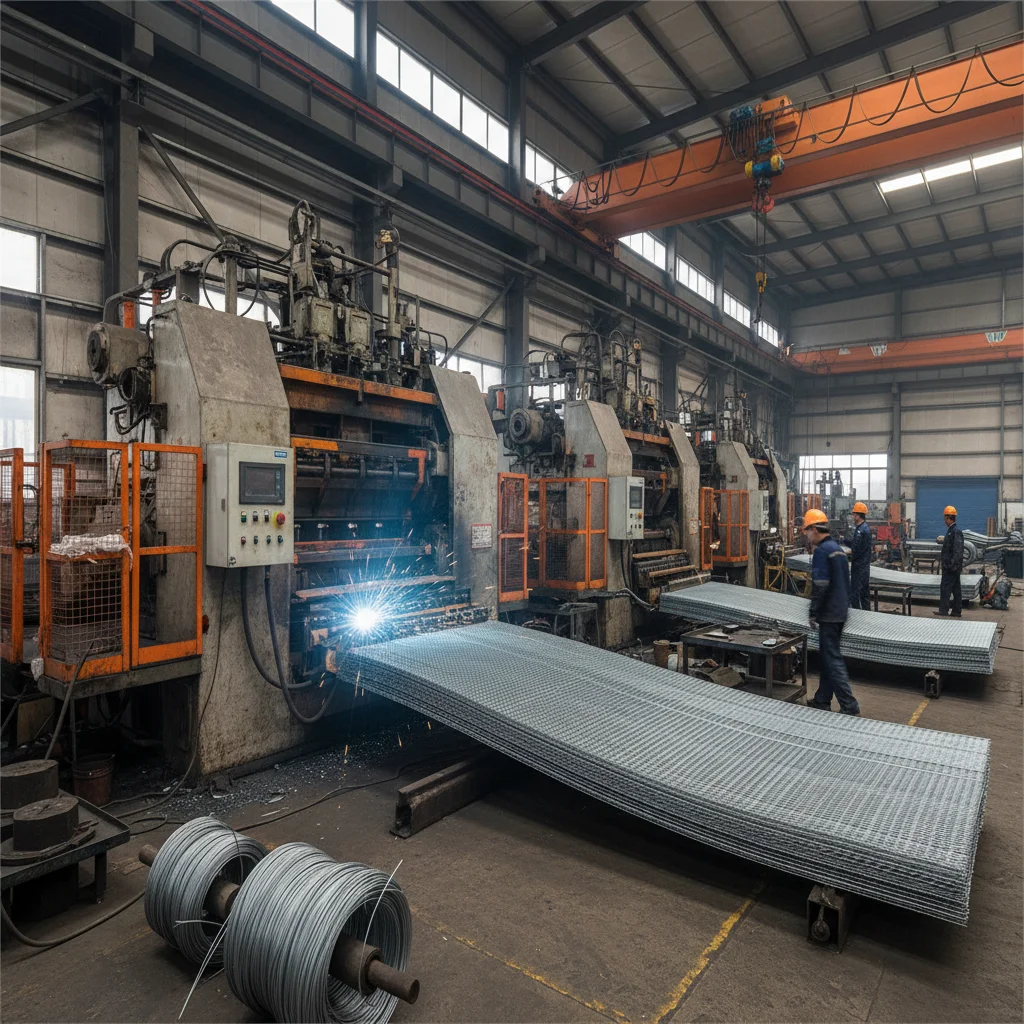
Professional Galvanized Welded Mesh Factory for Industrial Projects Finding a reliable galvanized welded mesh factory is critical for ensuring the structural integrity and longevity of your industrial or agricultural installations. Galvanized welded mesh is prized for its exceptional strength and resistance to corrosion, making it the go-to choice for fencing, animal cages, and construction reinforcement. However, not all factories adhere to the same quality standards. Whether you are sourcing for a large-scale infrastructure project or a specialized commercial application, understanding the manufacturing process and quality benchmarks is key to making a cost-effective investment that lasts for decades. Read More >26 Apr, 16
-
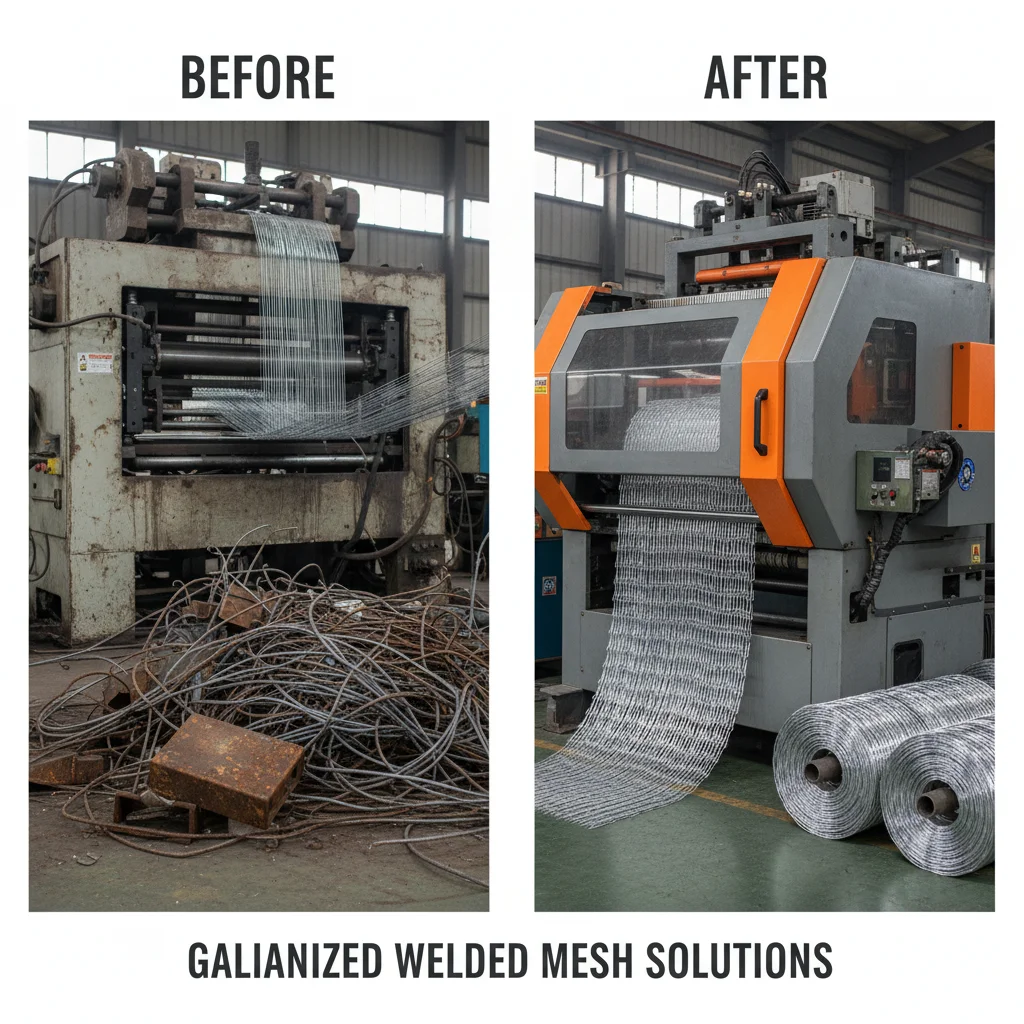
Professional Galvanized Welded Mesh Exporter for Quality Projects Selecting a high-quality fencing or screening solution requires more than just picking a product; it requires partnering with a reliable galvanized welded mesh exporter who understands the balance between structural integrity and corrosion resistance. Whether you are securing an industrial perimeter, building animal enclosures, or implementing architectural reinforcements, the quality of the galvanization process determines the lifespan of your installation. In this guide, we will explore the technical advantages of galvanized welded mesh and how to identify a global supplier that meets international quality standards to ensure your investment stands the test of time. Read More >26 Apr, 09
-
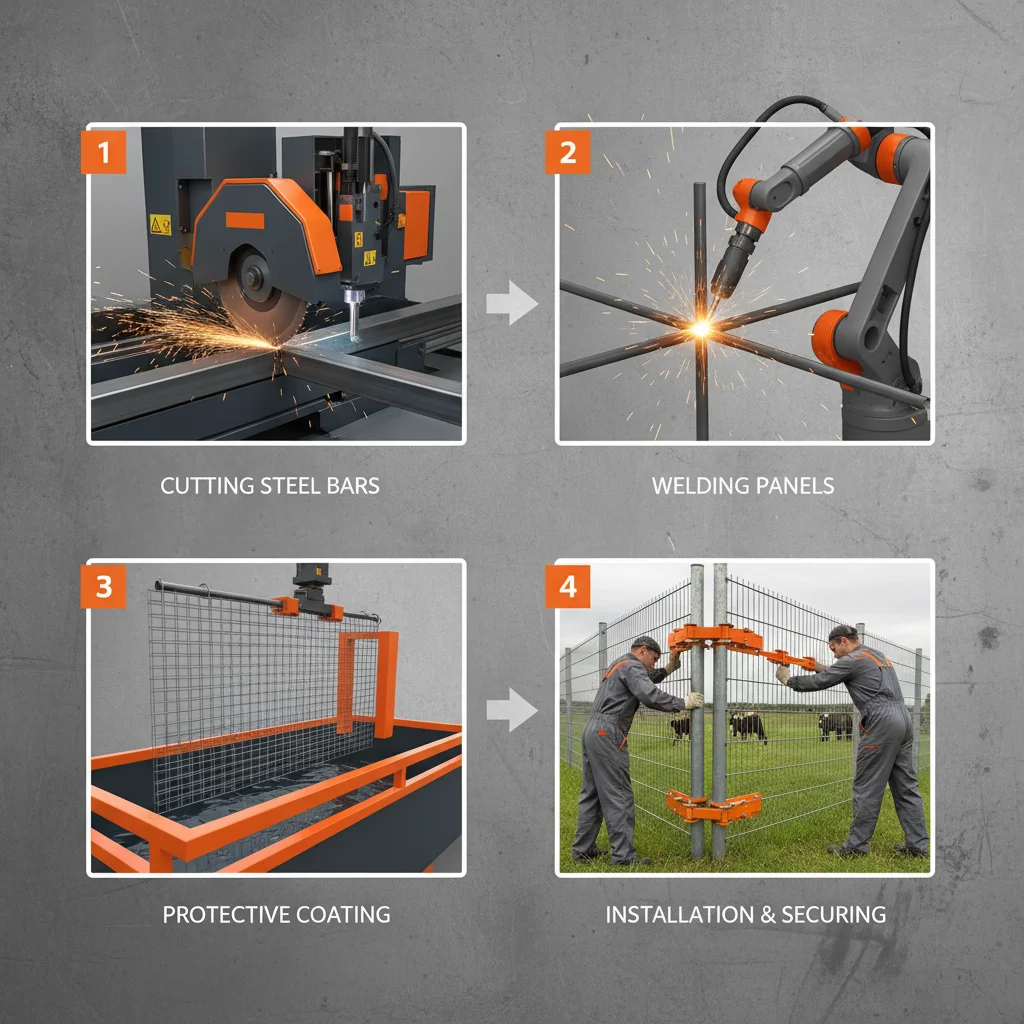
Essential Fencing Panels for Livestock Management and Farm Productivity Fencing panels for livestock are essential components in modern animal husbandry, playing a critical role in efficient farm management, animal welfare, and land utilization. Globally, the demand for robust and reliable fencing solutions is increasing due to the expanding livestock industry and the need to protect grazing lands from encroachment and predation. These panels aren’t simply barriers; they represent a vital investment in a farm's productivity and the health of its animals. Read More >26 Apr, 08
If you are interested in our products, you can choose to leave your information here, and we will be in touch with you shortly.


